
Tunisia offers a rich mix of experiences, blending ancient history with Mediterranean beauty, vibrant culture, and diverse landscapes. It’s an ideal destination for travelers seeking historical sites like Carthage and El Jem, relaxing beach holidays on the Mediterranean coast, and explorations of unique souks and Berber villages. For 2026-2027, Tunisia remains an accessible and fascinating destination, providing excellent value for those interested in history, culture, and coastal relaxation.
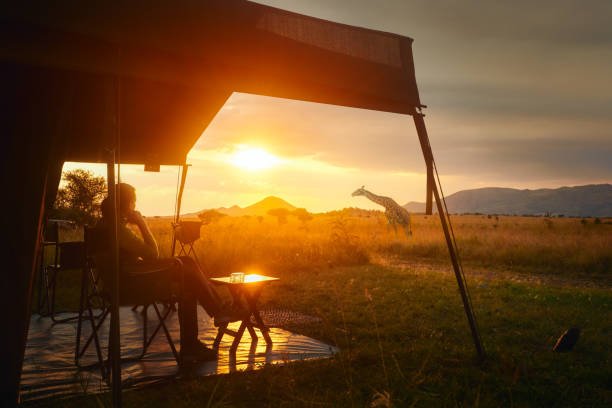
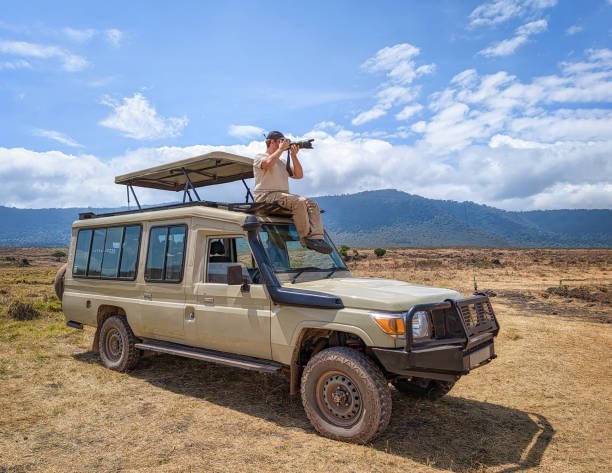
Unveiling the Allure of Tunisia: A Journey Through Time and Culture
Tunisia, a North African gem situated on the Mediterranean coast, beckons with an irresistible blend of ancient civilizations, vibrant Islamic heritage, and stunning natural beauty. From the remnants of Roman grandeur to the azure waters of its coastline and the unique traditions of its people, Tunisia presents a multifaceted travel experience. Whether you’re drawn to the echoes of history, the allure of sun-drenched beaches, or the sensory delights of bustling souks, this nation offers a interesting journey for every kind of traveler. As we look towards 2026 and 2027, Tunisia continues to be a remarkable destination, offering rich cultural encounters and memorable adventures.
Top Guide Adventures, while primarily focused on Tanzania, understands the appeal of diverse global destinations and aims to provide comprehensive insights for travelers exploring beyond East Africa. This guide aims to equip you with all the necessary information to plan an unforgettable trip to Tunisia, ensuring you can make informed decisions for your future travels.
A Glimpse into Tunisia’s Storied Past
Tunisia’s history is a long and complex narrative, shaped by a succession of civilizations that have left indelible marks on its landscape and culture. Its strategic location has made it a crossroads for trade and conquest, attracting Phoenicians, Romans, Vandals, Byzantines, Arabs, Ottomans, and French, each contributing to the nation’s unique identity.
The Phoenician Legacy: Carthage and Beyond
The story of Tunisia often begins with the Phoenicians, who established the powerful city of Carthage in the 9th century BCE. From its strategic harbor, Carthage grew into a formidable maritime empire, challenging Rome for dominance in the Mediterranean. The ruins of Carthage, now a UNESCO World Heritage site on the outskirts of modern Tunis, offer a poignant glimpse into this once-mighty civilization. Visitors can explore the Punic Ports, the remains of Roman baths, and the tophet, a sanctuary with an ancient cemetery. The sheer scale of the ruins hints at the city’s former glory and its dramatic fall during the Punic Wars.
Roman Dominance: Engineering Marvels and Urban Life
Following Carthage’s destruction, Rome seized control, and Tunisia became a vital province of the Roman Empire, known as Africa Proconsularis. The Romans invested heavily in the region, developing sophisticated irrigation systems, constructing impressive cities, and establishing it as a breadbasket for the empire. The most striking testament to Roman influence is the Amphitheatre of El Jem, one of the best-preserved Roman amphitheatres in the world. This colossal structure, capable of holding an estimated 35,000 spectators, evokes the grandeur of Roman entertainment and engineering. Beyond El Jem, numerous other Roman sites dot the country, including the remarkably intact city of Dougga, the mosaic-rich ruins of Bulla Regia, and the thermal baths of Hammamet, all showcasing the advanced urban planning and architectural prowess of the Romans.
The Arab Conquest and Islamic Flourishing
The arrival of Arab armies in the 7th century CE marked a pivotal shift, introducing Islam and the Arabic language, which remain central to Tunisian identity today. Cities like Kairouan, founded in 670 CE, became major centers of Islamic learning and culture. Kairouan, another UNESCO World Heritage site, is renowned for its Great Mosque, one of the oldest and most important mosques in North Africa, and its Aghlabid Basins, impressive water reservoirs. The Medina of Kairouan, with its narrow winding streets and traditional architecture, offers an authentic glimpse into medieval Islamic urban life. This period also saw the development of significant artistic and scientific contributions, further enriching Tunisia’s cultural heritage.
Ottoman and French Protectorates
From the 16th century, Tunisia fell under Ottoman suzerainty, though it maintained a significant degree of autonomy under the Beys. The capital, Tunis, flourished as a vibrant city with its own distinct architectural style, evident in the Medina’s palaces and mosques. In 1881, France established a protectorate, introducing modern administrative structures, infrastructure development, and a significant European presence. While the French period brought modernization, it also led to periods of resistance and a growing sense of national identity, culminating in Tunisia’s independence in 1956.
Exploring Tunisia’s Diverse Landscapes
Beyond its historical sites, Tunisia boasts a varied geography that offers distinct experiences. The country is broadly divided into three main regions: the fertile northern plains, the central coastal areas, and the vast southern desert.
The Northern Coast: Mediterranean Charm and Historic Cities
The northern coastline is characterized by its beautiful beaches, picturesque fishing villages, and vibrant cities. Tunis, the capital, is a bustling metropolis that seamlessly blends old and new. Its historic Medina, a UNESCO World Heritage site, is a labyrinth of narrow alleys, colorful souks, mosques, and traditional houses. The modern Ville Nouvelle, with its French colonial architecture, offers a different urban experience. Nearby, the ancient ruins of Carthage and the charming blue-and-white village of Sidi Bou Said, perched on a cliff overlooking the sea, are essential stops for any visitor. The northern coast also offers opportunities for water sports and relaxation in resort towns like Hammamet and Bizerte.
The Central Coast: Ancient Ruins and Coastal Resorts
This region is home to some of Tunisia’s most significant archaeological treasures, including the aforementioned El Jem and the coastal city of Sousse, which boasts a well-preserved Medina and the impressive Ribat (fortress). Further south, the resort town of Port El Kantaoui offers modern amenities and beautiful marinas, while Monastir, with its Ribat and Habib Bourguiba Mosque, provides a mix of history and leisure. The beaches here are expansive and popular for sunbathing and swimming.
The Southern Desert: The Sahara and Berber Culture
Venture south, and the landscape transforms dramatically into the arid beauty of the Sahara Desert. This region is a world away from the coastal bustle, offering opportunities for adventure and a glimpse into traditional Berber life. Key destinations include Douz, known as the ‘Gateway to the Sahara,’ where camel and 4×4 excursions into the desert are popular. Tozeur is famous for its unique ochre-colored architecture and its date palm oases, offering a refreshing contrast to the surrounding desert. Matmata is renowned for its troglodyte dwellings, underground homes dug into the earth by the indigenous Berber people, which gained international fame as a filming location for Star Wars. A desert excursion, whether for a day trip or an overnight stay in a desert camp under the stars, is a highlight of any Tunisia trip, offering a profound connection with a stark yet beautiful environment.
Key Destinations in Tunisia
Tunisia is rich with places to explore, each offering a unique perspective on its history, culture, and natural beauty. Planning your itinerary around these key destinations will ensure a well-rounded experience.
Tunis: The Vibrant Capital
Tunis is the pulsating heart of Tunisia, a city where ancient traditions meet modern life. The Medina of Tunis is a UNESCO World Heritage site, a sprawling maze of souks selling everything from leather goods and spices to traditional crafts and perfumes. Key landmarks include the Zitouna Mosque (Great Mosque of Tunis), the Dar Hussein Palace (now the National Institute of Archaeology and Arts), and numerous ornate madrasas (Islamic schools). Exploring the Medina is an adventure in itself, with hidden courtyards, bustling squares, and the constant hum of daily life. The Ville Nouvelle, built during the French protectorate, offers a contrast with its wide avenues, European-style architecture, and modern amenities. The Bardo Museum, housed in a former Beylical palace, is home to an exceptional collection of Roman mosaics, arguably the finest in the world, alongside artifacts spanning Tunisia’s entire history.
Carthage: Echoes of an Ancient Empire
Just a short train ride from Tunis lies the archaeological park of Carthage. Once a rival to Rome, its ruins tell a story of power, conflict, and eventual assimilation. Significant sites include the Antonine Baths, the largest Roman baths outside of Rome, offering stunning sea views; the Tophet, a Punic sanctuary; and the Byrsa Hill, the citadel of ancient Carthage, now home to the National Museum of Carthage and the Cathedral of Saint Louis. Walking through Carthage is a profound experience, connecting you directly with millennia of history.
Sidi Bou Said: The Blue and White Jewel
Perched dramatically on a cliff overlooking the Bay of Tunis, Sidi Bou Said is a picturesque village renowned for its distinctive blue-and-white architecture. Its narrow, cobbled streets are lined with charming houses, art galleries, boutiques, and cafes. The village has long been a haven for artists and intellectuals, drawn by its serene beauty and inspiring vistas. Enjoying a mint tea at the famous Café des Nattes while gazing out at the Mediterranean is a quintessential Tunisian experience. It’s the perfect place for a relaxed afternoon stroll and to soak in the artistic ambiance.
Hammamet: Coastal Relaxation and History
Hammamet is a popular seaside resort town known for its beautiful sandy beaches and its charming old Medina. The town offers a relaxed atmosphere, with a variety of water sports, golf courses, and a lively market. The historic Fortress of Hammamet, overlooking the sea, provides a glimpse into the town’s past. The new town area offers modern hotels and entertainment, while the old town retains its traditional charm. Hammamet is also known for its jasmine scent, which permeates the air, especially during the summer months.
Sousse: Medina, Ribat, and Coastal Life
Sousse is a vibrant coastal city with a rich history. Its Medina is a UNESCO World Heritage site, featuring a well-preserved 9th-century Ribat (fortress-monastery), a Grand Mosque, and a bustling souk. The Ribat offers panoramic views of the city and the Mediterranean. Sousse also boasts a large archaeological museum, housing an impressive collection of Roman mosaics and artifacts. The modern part of Sousse offers shopping, dining, and a lively port area. The nearby resort of Port El Kantaoui provides a more modern, tourist-focused experience with its marina and entertainment options.
Monastir: Ribat and Presidential History
Monastir is a coastal city with a strong historical presence, most notably its imposing 8th-century Ribat, one of the oldest and best-preserved Islamic fortresses in North Africa. The Ribat offers commanding views and houses a small museum. Monastir is also the birthplace of Tunisia’s first president, Habib Bourguiba, and his mausoleum is a significant landmark. The city has a pleasant corniche and beaches, making it a good base for exploring the region.
El Jem: The Roman Colossus
The Amphitheatre of El Jem is arguably Tunisia’s most spectacular Roman ruin. This massive stone structure, built in the 3rd century CE, is remarkably intact and allows visitors to explore its tiers, underground passages, and arena. It stands as a powerful reminder of the Roman Empire’s reach and its architectural prowess. The site offers a tangible connection to the past, where one can imagine the roar of the crowds and the spectacle of gladiatorial contests.
Kairouan: Spiritual Heart of North Africa
As one of the four holy cities of Islam, Kairouan holds immense spiritual significance. Its Great Mosque, founded in 670 CE, is an architectural masterpiece and a revered pilgrimage site. The Medina of Kairouan, also a UNESCO World Heritage site, is characterized by its ochre-colored buildings, narrow streets, and traditional crafts, particularly carpet weaving. The Aghlabid Basins, ancient reservoirs, are an impressive feat of engineering. Kairouan offers a deeply cultural and historical experience, distinct from the coastal cities.
Tozeur: Gateway to the Desert and Oasis Charm
Located on the edge of the Sahara, Tozeur is famous for its distinctive architecture, characterized by intricate geometric patterns in sun-dried bricks. The town is surrounded by vast date palm oases, offering a lush contrast to the desert landscape. Visitors can explore the old town (medina), visit the Museum of Chak-chak (folk art and traditions), and enjoy a horse-drawn carriage ride through the palm groves. Tozeur is also the starting point for excursions into the desert, including visits to nearby Chott el Djerid (a large salt lake) and dramatic canyons like Chebika and Mides.
Douz: The Sahara’s Embrace
Often called the ‘Gateway to the Sahara,’ Douz is a traditional desert town where the pace of life slows down. It’s the perfect place to experience the desert firsthand. Activities include camel treks into the dunes, 4×4 desert safaris, and overnight stays in desert camps under the stars. The local market offers a glimpse into daily life, and the town provides a genuine sense of being on the edge of the vast Sahara.
Matmata: Underground Berber Dwellings
Matmata is a unique Berber village famous for its ‘troglodyte’ homes – dwellings dug deep into the ground, forming a central courtyard with rooms carved out of the surrounding earth walls. This architectural style provided natural insulation against the extreme desert temperatures. Some of these homes have been preserved and are open to visitors, offering a fascinating insight into traditional Berber life. The landscape around Matmata is stark and dramatic, further enhancing the experience.
Planning Your Tunisia Trip: Practical Considerations
To make the most of your Tunisia adventure, especially if you’re planning for 2026 or 2027, careful planning is essential. Understanding the best time to visit, visa requirements, local customs, and transportation options will ensure a smooth and enjoyable journey.
Best Time to Visit Tunisia
Tunisia enjoys a Mediterranean climate with hot, dry summers and mild, wet winters. The shoulder seasons are generally considered the best times to visit:
- Spring (March to May): Pleasant temperatures, blooming wildflowers, and fewer crowds. Ideal for exploring historical sites and enjoying outdoor activities.
- Autumn (September to November): Warm seas, comfortable temperatures for sightseeing, and a good time for cultural exploration.
- Summer (June to August): Very hot, especially inland and in the south. Best suited for beach holidays, though coastal areas remain popular. Expect higher prices and larger crowds.
- Winter (December to February): Mild on the coast, cooler inland. Suitable for city breaks and historical exploration, but beach activities may be limited.
For 2026-2027 travel, booking in advance for spring and autumn will likely secure better accommodation and flight options.
Visa and Entry Requirements
Visa requirements for Tunisia vary depending on your nationality. Many nationalities, including those from the EU, US, Canada, and Australia, can enter Tunisia for tourism purposes without a visa for stays of up to 90 days. However, it is crucial to check the latest regulations with the Tunisian embassy or consulate in your country well before your planned travel dates for 2026-2027, as policies can change.
Currency and Budgeting
The local currency is the Tunisian Dinar (TND). While Tunisia is generally considered an affordable destination, costs can vary depending on your travel style. Budget travelers can manage on approximately 50-70 TND per day, while mid-range travelers might spend 100-150 TND per day, covering accommodation, food, transport, and activities. Luxury travel will naturally incur higher costs.
For 2026-2027, expect similar price ranges, though inflation may lead to slight increases.
- Accommodation: Hostels and budget hotels can be found for 30-60 TND per night. Mid-range hotels typically range from 80-150 TND. Luxury resorts can cost 200 TND and upwards.
- Food: Local eateries offer meals for 10-20 TND. Mid-range restaurants might charge 30-50 TND per person.
- Transportation: Local buses and trains are very affordable. Taxis are reasonably priced but agree on a fare or ensure the meter is used. Car rental offers flexibility but can be more expensive.
- Activities: Entrance fees to historical sites are generally low (5-15 TND). Desert excursions and guided tours will be more significant expenses.
It’s advisable to carry some cash, as not all smaller establishments accept credit cards. ATMs are widely available in cities and tourist areas.
Language and Culture
The official languages are Arabic and Berber. French is widely spoken, especially in business and tourism sectors. English is understood in major tourist areas, but learning a few basic Arabic phrases (like ‘Salam alaikum’ for hello and ‘Shukran’ for thank you) will be greatly appreciated by locals.
Tunisia is a Muslim country, and while it is relatively liberal, it’s important to dress modestly, especially when visiting religious sites or rural areas. This means covering shoulders and knees. Public displays of affection should be kept to a minimum. Respect for local customs and traditions is key to a positive travel experience.
Getting Around Tunisia
Tunisia offers several transportation options:
- Louages (Shared Taxis): These are a popular and efficient way to travel between cities. They operate like shared taxis, departing when full and following fixed routes.
- Trains: Operated by SNCFT, the train network connects major cities, offering a comfortable and scenic way to travel, particularly the TGM line connecting Tunis to La Marsa and Carthage.
- Buses: The national bus company (SONOTRACOM) provides extensive coverage, offering an economical way to reach destinations not served by trains.
- Taxis: Metered taxis are available in cities for local travel. Agree on a price beforehand for longer journeys or out-of-town trips.
- Car Rental: Available at airports and in major cities, offering the most flexibility for independent exploration, especially for reaching remote historical sites or desert regions.
Experiencing Tunisian Cuisine
Tunisian cuisine is a delightful fusion of Mediterranean, Arab, and Berber influences, characterized by its use of spices, fresh ingredients, and rich flavors. It’s an integral part of the cultural experience.
Signature Dishes to Try
- Couscous: The national dish, typically served with lamb, chicken, or fish, and a variety of vegetables. Variations are regional and seasonal.
- Brik: A thin, crispy pastry filled with tuna, egg, capers, and potatoes, then deep-fried. A popular starter or snack.
- Lablabi: A hearty chickpea soup, often served with bread, tuna, olives, and harissa. A common street food, especially in winter.
- Tajine: Unlike Moroccan tagine, Tunisian tajine is more like a rich, savory egg-and-meat pie, baked and served in slices.
- Mechoui: Slow-roasted lamb or mutton, often prepared for special occasions, known for its tender and flavorful meat.
- Harissa: A spicy paste made from chili peppers, garlic, and spices, used as a condiment or ingredient in many dishes.
- Salads: Tunisian salads are vibrant and flavorful, often featuring tomatoes, cucumbers, onions, and bell peppers, dressed with olive oil and lemon. The Tunisian salad (Salade Tunisienne) is a common starter.
Sweets and Drinks
Tunisian pastries are often sweet and nutty, featuring ingredients like almonds, pistachios, and honey. Mint tea is a ubiquitous and refreshing drink, often served with pine nuts. Coffee is also popular, with Turkish-style coffee being common. Freshly squeezed orange juice is widely available and a delightful treat.
Cultural Etiquette and Tips for Travelers
Understanding and respecting local customs will greatly enhance your experience in Tunisia.
- Greetings: A simple ‘Salam alaikum’ is a polite greeting. Handshakes are common between men. When greeting women, wait for them to extend their hand first.
- Dress Code: As mentioned, modest dress is appreciated, especially outside of major tourist resorts and when visiting religious sites.
- Photography: Always ask permission before taking photos of people, especially women.
- Bargaining: In souks, bargaining is expected and part of the shopping experience. Start at around half the asking price and negotiate politely.
- Hospitality: Tunisians are known for their hospitality. If invited for tea or coffee, it’s considered polite to accept.
- Tipping: Tipping is customary. Around 10% is standard in restaurants if a service charge isn’t included. Small tips for guides, drivers, and hotel staff are also appreciated.
Planning Your Tunisia Adventure for 2026-2027
As you consider your travel plans for 2026 or 2027, Tunisia offers a compelling mix of historical depth, cultural richness, and Mediterranean allure. Whether you dream of walking through ancient Roman cities, relaxing on sandy beaches, or exploring vibrant souks, Tunisia delivers.
Tailoring Your Itinerary
Your ideal Tunisia itinerary will depend on your interests:
- History Buffs: Focus on Tunis, Carthage, Sidi Bou Said, Sousse, Monastir, El Jem, and Dougga. A 7-10 day trip would allow for thorough exploration.
- Beach Lovers: Base yourself in Hammamet, Sousse, or Djerba for relaxation, water sports, and resort amenities. Combine with day trips to nearby historical sites. A 5-7 day beach holiday is popular.
- Desert Explorers: Dedicate at least 3-4 days to the south, visiting Tozeur, Douz, and Matmata for camel treks, 4×4 adventures, and stargazing. This can be combined with a coastal or historical tour.
- Cultural Immersion: Spend time in Tunis and Kairouan, exploring Medinas, souks, and learning about local crafts and traditions. Consider a homestay or a guided cultural tour.
A comprehensive tour of Tunisia typically requires 10-14 days to experience the highlights from north to south. For 2026-2027, consider booking popular tours or accommodations well in advance, especially if traveling during peak seasons.
Safety and Health
Tunisia is generally a safe country for tourists. However, like any destination, it’s wise to be aware of your surroundings, particularly in crowded areas like souks, to avoid petty theft. It’s recommended to stay informed about any travel advisories issued by your home country’s government. For health, ensure your routine vaccinations are up to date. Drink bottled water, especially outside major hotels. Travel insurance is highly recommended for any international trip.
Why Choose Tunisia for Your Next Adventure?
Tunisia offers a unique value proposition for travelers. It provides a rich historical and cultural experience comparable to other Mediterranean destinations, often at a more accessible price point. The blend of ancient ruins, diverse landscapes, and warm hospitality makes it a destination that leaves a lasting impression.
For those planning ahead for 2026-2027, Tunisia stands out as a destination that offers both profound historical discovery and relaxing leisure. Its accessibility from Europe and the Middle East, combined with its diverse attractions, ensures it remains a compelling choice for a memorable holiday. Whether you are seeking the grandeur of Roman amphitheatres, the tranquility of desert landscapes, or the vibrant energy of its cities, Tunisia promises an enriching and unforgettable journey.
While Top Guide Adventures specializes in Tanzania, we recognize the diverse interests of global travelers. If you’re inspired by the idea of exploring unique cultures and historical wonders, Tunisia is a destination well worth considering. For those dreaming of the magic of East Africa, we remain your premier choice for unforgettable safaris and adventures in Tanzania. To discuss your Tanzanian travel plans for 2026-2027, please feel free to reach out.
For inquiries regarding Tanzanian adventures, you can contact us via WhatsApp +255616946642 or email at info@topguideadventures.com. Our team is dedicated to crafting personalized journeys that cater to your specific interests and ensure an exceptional travel experience. We also offer backup email support at .
Check Availability for Tunisia Travel Guide: Discover Ancient Wonders & Mediterranean Charm…
Ready to compare dates, prices, and the best option for your group? Send the package name and travel month so the team can reply with a clear quote, availability, and what is included.
Tunisia Vs Morocco Travel Guide And North Africa Adventure Tours 2026-2027
Choosing between Tunisia and Morocco for your North African adventure? This guide breaks down the unique experiences each offers, from ancient ruins and desert treks to vibrant souks and...
View package details
Tunisia Holiday Cost And Itinerary Guide 2026-2027
Tunisia Holiday Cost and Itinerary Guide is explained with current 2026-2027 planning, price, itinerary and booking information.
View package details
Star Wars Filming Locations In Tunisia: A Journey To Tatooine 2026-2027
Explore the desert landscapes of Tunisia that brought the planet Tatooine to life in the Star Wars saga. This guide details the most significant filming locations, offering practical tips...
View package details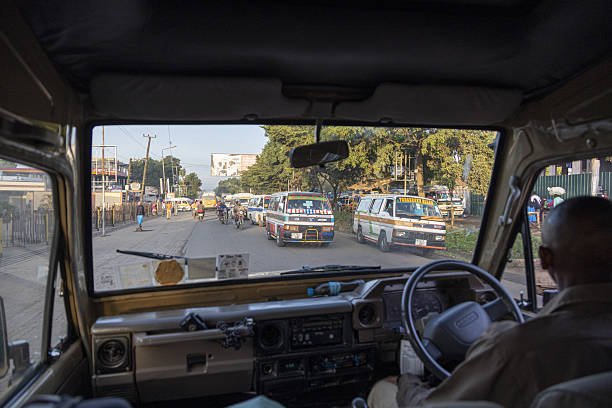
Tunisia Food And Market Tour 2026-2027
Tunisia Food and Market Tour is explained with current 2026-2027 planning, price, itinerary and booking information.
View package details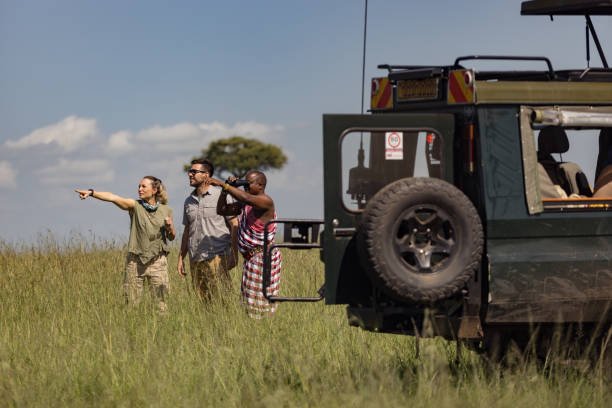
Tunisia Sahara Desert Adventure: Your Ultimate Guide 2026-2027
start an unforgettable Tunisia Sahara Desert adventure. This comprehensive guide covers everything from planning your trip in 2026-2027 to experiencing the vast, magical landscapes...
View package details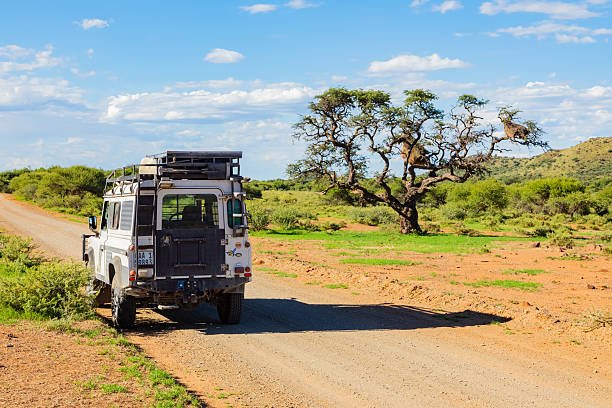
Tunisia Roman Heritage Journey 2026-2027
Tunisia Roman Heritage Journey is explained with current 2026-2027 planning, price, itinerary and booking information.
View package details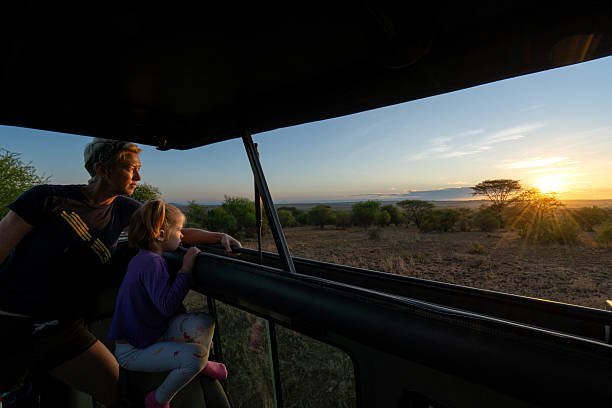
Tunisia Cultural, Coastal And Sahara Tour Guide
Discover Tunisia's diverse landscapes and rich heritage on a comprehensive tour. Explore ancient ruins, relax on Mediterranean beaches, and traverse the majestic Sahara Desert. This...
View package detailsNo related package matches those filters. Clear one or more filters to see the other topic-matched options.



