
South Pemba offers a tranquil escape with pristine, uncrowded beaches, exceptional diving and snorkeling opportunities, rich cultural experiences, and visits to aromatic spice farms, making it a perfect destination for travelers seeking authentic, off-the-beaten-path adventures in Zanzibar in 2026-2027.
Discovering the Allure of South Pemba
While Zanzibar’s main island, Unguja, often steals the spotlight with its bustling Stone Town and popular beach resorts, its sister island, Pemba, and specifically its southern region, offers a different, more serene kind of magic. South Pemba is a destination for those who appreciate untouched natural beauty, a slower pace of life, and genuine cultural interactions. It’s a place where lush green landscapes meet turquoise waters, and the air is perfumed with the scent of cloves and other spices. For travelers planning a trip in 2026 or 2027, South Pemba presents an opportunity to experience Zanzibar as it once was – raw, authentic, and profoundly beautiful.
Top Guide Adventures specializes in crafting personalized journeys across Tanzania, and we find that many of our clients seeking unique experiences are drawn to the quiet charm of South Pemba. Unlike the more developed tourist hubs, South Pemba invites exploration at your own pace, offering a chance to connect with the local culture and environment in a meaningful way. Whether you’re a diving enthusiast eager to explore vibrant coral reefs, a nature lover seeking pristine landscapes, or a curious traveler wanting to understand the island’s heritage, South Pemba has something special to offer.
Pristine Beaches: South Pemba’s Undiscovered Shores
The coastline of South Pemba is dotted with some of the most beautiful and least crowded beaches in the Zanzibar archipelago. These stretches of white sand, fringed by palm trees and lapped by clear, warm waters, provide an idyllic setting for relaxation and water activities. Unlike the more commercialized beaches elsewhere, South Pemba’s shores retain a wild, untouched feel, offering a genuine sense of escape.
Misali Island: A Jewel in the Indian Ocean
No discussion of South Pemba’s coastal wonders is complete without mentioning Misali Island. Located just off the west coast of Pemba, this uninhabited island is a protected marine conservation area and a true paradise. Its beaches are often cited as among the most beautiful in the world, with powdery white sand and crystal-clear waters that are perfect for swimming and sunbathing.
What to expect at Misali Island:
- Spectacular Beaches: Miles of soft, white sand that feel like silk underfoot.
- Crystal-Clear Waters: Perfect for swimming, snorkeling, and simply gazing at the vibrant underwater world.
- Abundant Marine Life: The waters surrounding Misali are teeming with fish and coral, making it a prime spot for snorkeling and diving. You might even spot dolphins or sea turtles.
- Hiking Trails: For the more adventurous, there are a few simple trails to explore the island’s interior, which is covered in dense forest and home to unique bird species.
- Picnic Opportunities: Pack a delicious lunch (arranged by your tour operator) and enjoy a secluded picnic on the beach.
Access to Misali Island is typically arranged through local boat operators or tour providers like Top Guide Adventures. Day trips are the most common way to experience Misali, allowing ample time for swimming, snorkeling, and exploring the island’s natural beauty. The experience is truly one of stepping into a postcard, far removed from the hustle and bustle of everyday life.
Vumawimbi Beach: Serenity and Local Charm
Vumawimbi Beach, located on the southern tip of Pemba, is another gem that embodies the tranquility of the island. It’s a long, sweeping bay characterized by calm waters and a laid-back atmosphere. This beach is less of a tourist hotspot and more of a local favorite, offering a glimpse into the everyday life of Pemba’s coastal communities.
Highlights of Vumawimbi Beach:
- Peaceful Atmosphere: Ideal for those seeking quiet relaxation, reading a book, or simply enjoying the gentle sound of the waves.
- Shallow, Warm Waters: Safe for swimming and wading, especially for families.
- Local Fishermen: You’ll often see local fishermen mending their nets or bringing in their catch, providing a wonderful cultural photo opportunity.
- Simple Beachside Eateries: Occasionally, small, local spots might be open, offering fresh seafood and local snacks.
Visiting Vumawimbi offers a chance to experience a more authentic slice of island life. It’s a place where you can truly unwind and appreciate the simple pleasures of a tropical paradise.
Kichanwe Beach: A Secluded Sanctuary
For those looking for ultimate seclusion, Kichanwe Beach offers a secluded sanctuary. It’s a smaller, more intimate beach that feels like your own private piece of paradise. The journey to Kichanwe can be part of the adventure, often involving a scenic drive or a short walk through coastal vegetation.
Why Kichanwe Beach is special:
- Seclusion: You might have the entire beach to yourself, offering unparalleled peace and privacy.
- Natural Beauty: The beach is framed by lush greenery and features soft sand and clear waters.
- Tranquil Environment: Perfect for meditation, yoga, or simply enjoying the solitude.
These beaches are more than just places to relax; they are gateways to experiencing the unspoiled natural beauty that defines South Pemba. Top Guide Adventures can help arrange transport and guide services to ensure you can easily access and fully enjoy these coastal wonders during your 2026-2027 travels.
Underwater Wonders: Diving and Snorkeling in South Pemba
Pemba Island is renowned as one of the premier diving destinations in East Africa, and South Pemba offers access to some of its most spectacular underwater sites. The island’s location in the open ocean means its reefs are pristine, vibrant, and teeming with diverse marine life. The clarity of the water is exceptional, offering incredible visibility for both divers and snorkelers.
The Pemba Channel: A Marine Biodiversity Hotspot
The Pemba Channel, a deep oceanic trench separating Pemba from the mainland, creates unique underwater topography and currents that support an astonishing array of marine species. This channel is a critical migration route for larger pelagic species, making Pemba a world-class destination for encountering everything from tiny nudibranchs to majestic manta rays and even whalesharks during certain seasons.
Top Dive Sites Accessible from South Pemba
While many dive sites are accessible from anywhere on Pemba, specific operations based in the south can provide excellent access to reefs that are often less frequented. These sites are characterized by dramatic drop-offs, healthy coral gardens, and an abundance of fish life.
- Njao Gap: Famous for its strong currents that attract larger pelagics like sharks, tuna, and barracuda. It’s a site for experienced divers, offering thrilling encounters with big marine animals.
- Kilimawimbi: A vibrant reef known for its extensive coral formations and a rich diversity of reef fish. It’s also a good spot for spotting turtles and moray eels.
- The Wall: A spectacular underwater cliff face that drops to impressive depths. This site is home to a variety of reef dwellers and is often visited by larger marine life attracted by the nutrient-rich waters.
- Uvinje Coral Gardens: A more sheltered site, ideal for snorkelers and less experienced divers, featuring beautiful hard and soft corals and a kaleidoscope of colorful fish.
Snorkeling opportunities are also excellent, particularly around the shallower reefs and the waters of Misali Island. Even from the shore in certain calm bays, you can often spot vibrant fish and corals.
When to Dive and Snorkel in South Pemba
The best time for diving and snorkeling in South Pemba is during the dry seasons, which generally run from June to October and again from December to March. During these months, the seas are typically calmer, and visibility is at its best. Water temperatures remain warm year-round, usually between 25-30°C (77-86°F).
While the main diving season is consistent, specific sightings of larger marine life can be seasonal. For instance, manta rays are often seen between October and December, and again from March to May. Whale sharks, though less common than in Mafia Island, can sometimes be spotted between March and April.
For those planning their underwater adventures for 2026 or 2027, it’s advisable to book dive excursions in advance, especially if you plan to visit during peak dry seasons. Top Guide Adventures can partner with reputable dive centers to ensure you have a safe and unforgettable experience exploring the underwater world of South Pemba.
Cultural Encounters and Local Life
Beyond its natural beauty, South Pemba offers a rich mix of cultural experiences. The island retains a more traditional Swahili way of life compared to the more tourist-oriented areas of Zanzibar. Engaging with the local communities provides a deeper understanding and appreciation of Pemba’s unique heritage.
Exploring Chake Chake Town
Chake Chake is the capital of Pemba Island and the administrative heart of South Pemba. While not a major tourist destination in itself, it’s worth exploring for a glimpse into local life. The town has a bustling market where you can see local produce, crafts, and everyday goods. It’s also a place to observe the daily rhythm of the islanders.
Things to see and do in Chake Chake:
- Chake Chake Market: A vibrant hub of activity, especially in the mornings. Here you can find fresh fruits, vegetables, spices, local textiles, and handicrafts. It’s a great place to interact with locals and practice your Swahili greetings.
- Ruins: Scattered around the island, including near Chake Chake, are remnants of ancient settlements and mosques, hinting at Pemba’s long and storied history.
- Local Administration: Observe the local government buildings and the general atmosphere of a working Tanzanian town.
The Spice Farms of Pemba
Pemba is known as the ‘Green Island’ and is a major producer of spices, particularly cloves, nutmeg, cinnamon, and vanilla. While Zanzibar’s spice tours are famous, Pemba’s farms offer a more intimate and less commercialized experience. Visiting a spice farm is an olfactory and educational journey.
What a spice farm tour entails:
- Sensory Experience: Smell the fragrant spices directly from the source, taste exotic fruits, and learn about their medicinal properties.
- Agricultural Insight: Understand the cultivation process, from planting and harvesting to drying and preparation.
- Local Produce: Discover a variety of fruits, vegetables, and medicinal plants grown on the island.
- Cultural Exchange: Interact with the farmers and learn about their way of life.
Top Guide Adventures can arrange guided tours to local spice farms, ensuring you gain valuable insights and support the local economy. These tours are a highlight for many visitors, offering a deeper connection to the island’s agricultural heritage.
Visiting Traditional Villages
To truly understand the soul of South Pemba, visiting local villages is essential. These visits, conducted respectfully, offer a chance to see traditional housing, witness daily activities like farming and fishing, and perhaps share a cup of chai with residents. It’s a humbling experience that provides perspective and fosters cross-cultural understanding.
Tips for village visits:
- Respect Local Customs: Dress modestly, ask permission before taking photos, and be mindful of local traditions.
- Engage with Guides: Local guides are invaluable for facilitating respectful interactions and translating conversations.
- Support Local Artisans: If opportunities arise, consider purchasing locally made crafts directly from the artisans.
These cultural encounters are what transform a holiday into a truly memorable journey. They offer a chance to connect with the people of Pemba and appreciate their resilience, hospitality, and rich cultural heritage.
Adventure and Exploration Beyond the Coast
South Pemba’s appeal extends beyond its beaches and underwater attractions. The island’s lush interior and unique geological features offer opportunities for exploration and adventure for those who venture inland.
Exploring the Pemba Interior: Forests and Hills
Pemba is characterized by its rolling hills, dense tropical forests, and fertile land. While not mountainous, the interior offers scenic drives and opportunities for light hiking. The landscape is a vibrant green, dotted with small farms and traditional villages.
Exploring the interior can involve:
- Scenic Drives: Renting a car or hiring a driver allows you to explore the winding roads that cut through the island’s lush scenery.
- Birdwatching: Pemba is home to several endemic bird species, making it a paradise for ornithologists. Keep an eye out for the Pemba green pigeon, Pemba white-eye, and Pemba paradise flycatcher.
- Discovering Local Life: Drive through villages and witness the agricultural practices that sustain the island’s communities.
The Mystical Jozani Forest (Pemba Section)
While the more famous Jozani Chwaka Bay National Park is on Unguja, Pemba also has its own significant forest reserves. These areas are crucial for the island’s biodiversity and offer a glimpse into its natural ecosystem. These forests are often less managed than national parks, providing a more wild and natural experience.
What to look for in Pemba’s forests:
- Unique Flora: Discover a variety of tropical trees, medicinal plants, and vibrant flowers.
- Wildlife: Aside from birds, look for monkeys (though not the red colobus of Unguja), lizards, and various insects.
- Tranquil Walks: Enjoy peaceful walks through shaded trails, listening to the sounds of nature.
Historical Sites and Ruins
Pemba has a history rich with Swahili culture, trade, and ancient traditions. Scattered across the island are remnants of past settlements, mosques, and tombs that speak to its historical significance. These sites offer a fascinating glimpse into Pemba’s past.
- Ras Mkumbuu Ruins: Located on a peninsula in the north-west of Pemba, these are some of the most significant historical ruins on the island, dating back to the 14th century. They include remnants of mosques and houses.
- Msuka Ruins: Another historical site offering insights into ancient settlements.
- Old Mosques: Many villages have ancient mosques that are still in use, showcasing traditional Islamic architecture.
Exploring these sites requires a bit of effort and often local guidance, but the historical reward is immense. Top Guide Adventures can help arrange guided tours to these less-visited historical locations, providing context and stories behind the ruins.
Planning Your Trip to South Pemba in 2026-2027
Traveling to South Pemba requires thoughtful planning to make the most of its unique offerings. While it’s part of the Zanzibar archipelago, its distinct character means a different approach to travel planning compared to the main island.
Getting to South Pemba
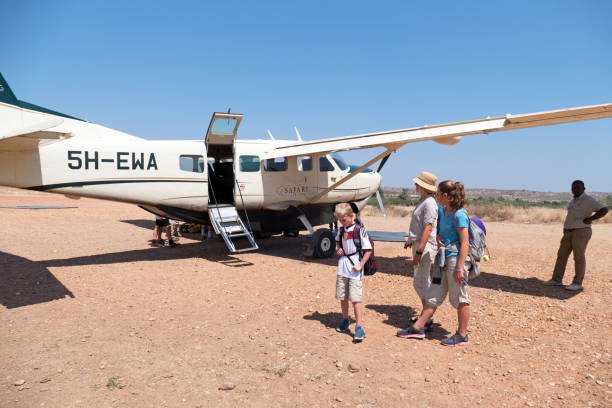
The primary way to reach Pemba Island is by air. Flights operate regularly from Dar es Salaam and Zanzibar (Unguja) to Pemba’s main airport, Karume International Airport (PMA), located near Chake Chake. These flights are operated by local airlines like Precision Air and Coastal Aviation.
From the airport: Once you land in Pemba, transportation to your accommodation in the south will typically be via taxi or pre-arranged transfer. The drive from the airport to southern Pemba can take approximately 45-60 minutes, depending on traffic and road conditions.
Best Time to Visit South Pemba
As mentioned, the dry seasons are generally considered the best times for visiting South Pemba, offering pleasant weather and optimal conditions for beach activities and water sports.
- Dry Season 1: June to October – Cooler temperatures, sunny skies, and low humidity. Ideal for outdoor activities.
- Dry Season 2: December to March – Hotter temperatures but still sunny and pleasant. Good for beach holidays and diving.
- Rainy Seasons: The ‘long rains’ typically occur from April to May, and shorter rains can happen in November. While these periods can bring lush greenery, they also mean higher humidity, potential for heavy downpours, and sometimes rougher seas, which might affect boat trips and diving.
For travelers aiming for 2026-2027, booking flights and accommodation during the peak dry months of July-September or December-February is recommended. However, the shoulder months (like May or November) can offer fewer crowds and potentially lower prices, with still-pleasant weather.
Accommodation Options in South Pemba
South Pemba offers a range of accommodation, from simple guesthouses to boutique lodges, often designed to blend with the natural environment. You won’t find the large all-inclusive resorts common on Unguja; instead, expect more intimate and eco-conscious options.
- Boutique Lodges: Many lodges are situated on or near the coast, offering stunning views and direct access to beaches. They often focus on sustainable tourism and personalized service.
- Beachfront Bungalows: Simple yet comfortable, these offer a direct connection to the sea and a relaxed island vibe.
- Guesthouses: For budget-conscious travelers, local guesthouses provide an authentic experience and a chance to interact closely with the community.
Top Guide Adventures can recommend and book accommodations that align with your preferences and budget, ensuring you have a comfortable base for exploring South Pemba.
Travel Tips for South Pemba
- Currency: The Tanzanian Shilling (TZS) is the official currency. US Dollars are widely accepted in tourist establishments, but it’s good to have local currency for smaller purchases and local markets.
- Connectivity: Wi-Fi can be spotty outside of larger lodges. Consider purchasing a local SIM card for better connectivity if needed.
- Health: Consult your doctor regarding vaccinations and malaria precautions before traveling. Drink bottled or purified water.
- Respectful Dress: While beachwear is fine at resorts, modest dress (covering shoulders and knees) is recommended when visiting towns, villages, or religious sites.
- Pace Yourself: South Pemba is about relaxation and slow travel. Embrace the island’s laid-back rhythm.
Why Choose South Pemba for Your 2026-2027 Adventure?
In an increasingly crowded world, the allure of destinations that offer genuine experiences and natural beauty untouched by mass tourism is growing. South Pemba perfectly embodies this appeal. For travelers looking for something beyond the typical tourist trail, it offers a unique blend of adventure, culture, and relaxation.
By choosing South Pemba for your trip in 2026 or 2027, you are opting for:
- Authenticity: Experience a side of Zanzibar that feels more traditional and less commercialized.
- Tranquility: Enjoy pristine beaches and serene surroundings without the crowds.
- Exceptional Nature: Discover vibrant coral reefs, diverse marine life, and lush tropical landscapes.
- Cultural Depth: Engage with local communities and learn about Pemba’s rich heritage.
- Responsible Tourism: Support a destination that benefits from mindful and sustainable tourism practices.
Top Guide Adventures is dedicated to providing personalized travel experiences that highlight the best of Tanzania, including the hidden treasures of South Pemba. We understand the nuances of this beautiful island and can help you craft an itinerary that perfectly suits your interests, whether that’s exploring the underwater world, delving into local culture, or simply relaxing on a secluded beach. Let us help you plan an unforgettable journey to South Pemba in 2026-2027.
Contact us today to start planning your adventure:
WhatsApp: +255616946642
Email: topguideadventures@gmail.com
Backup Email: info@topguideadventurestanzania.com
Explore more about our Tanzania safari and Zanzibar holiday packages at Top Guide Adventures Tanzania.
Check Availability for Things To Do In South Pemba: Uncovering The Less Crowded Place Of Zanzibar
Ready to compare dates, prices, and the best option for your group? Send the package name and travel month so the team can reply with a clear quote, availability, and what is included.



