
Yes, a Tanzania safari is widely considered worth the price for most travelers, especially when considering the exceptional wildlife encounters, diverse ecosystems, and unique cultural experiences it offers. While it is a significant investment, the quality of the game viewing, the vastness of iconic parks like the Serengeti and Ngorongoro Crater, and the professionalism of reputable tour operators often translate into immense value, providing memories that last a lifetime. For those planning trips in 2026 or 2027, understanding the cost drivers and what’s included will help confirm this value.
Understanding the Value Proposition of a Tanzania Safari
When asking “Is Tanzania safari worth the price?”, it’s essential to look beyond just the monetary cost and consider the return on investment in terms of experiences, memories, and personal enrichment. Tanzania offers a safari experience that is often ranked among the best in the world, and this reputation is built on several key pillars that contribute to its perceived value.
The sheer density and diversity of wildlife are paramount. Tanzania is home to the Great Migration, a natural spectacle that draws millions of wildebeest, zebras, and gazelles across the plains of the Serengeti and Maasai Mara (though the latter is in Kenya, the migration’s cycle is intrinsically linked to the Serengeti’s ecosystems). Witnessing this phenomenon, or encountering the Big Five (lion, leopard, elephant, rhino, buffalo) in their natural habitat, is a profound experience that few other destinations can match with such consistency. For many, this is the primary driver for choosing Tanzania, and it’s an experience that is difficult to quantify in monetary terms but invaluable on a personal level.
Beyond the wildlife, Tanzania boasts some of the most iconic and geographically diverse landscapes on the continent. From the vast, seemingly endless plains of the Serengeti to the unique, caldera ecosystem of the Ngorongoro Crater, and the acacia-dotted savannas of Tarangire National Park, the visual backdrop to your safari is as spectacular as the animals themselves. These landscapes offer incredible photographic opportunities and contribute to the overall sense of adventure and discovery.
The quality of guiding services is another critical factor. Experienced guides are not just drivers; they are highly knowledgeable about animal behavior, ecology, and local culture. Their ability to spot elusive wildlife, interpret animal tracks, and provide insightful commentary enhances the safari experience exponentially. Reputable tour operators, like Top Guide Adventures, invest in highly trained and passionate guides who are dedicated to making your safari safe, informative, and unforgettable. This expertise is a significant part of the price you pay and a crucial component of the overall value.
Furthermore, Tanzania offers a range of safari styles, from budget-friendly camping expeditions to luxurious lodge stays. This flexibility allows travelers to tailor their experience to their budget and preferences, ensuring that the perceived value aligns with their expectations. Whether you opt for a more rustic adventure in 2026 or a high-end experience in 2027, the core elements of incredible wildlife and stunning scenery remain constant.
Key Cost Components of a Tanzania Safari
To truly assess if a Tanzania safari is worth the price, it’s important to break down the major expenses involved. Understanding these components helps justify the overall cost and allows for informed budgeting and planning, especially for trips planned for 2026 and 2027.
Park Entrance Fees
These are a substantial part of any safari budget. Tanzania National Parks (TANAPA) and the Ngorongoro Conservation Area Authority (NCA) charge daily entrance fees for each person and each vehicle. These fees are significant, often ranging from $60 to $100+ per person per day, depending on the park. For example, Serengeti National Park typically costs around $70 per person per day, while the Ngorongoro Crater fee is around $300 per vehicle plus a $70 per person fee. These fees are crucial for conservation efforts, park maintenance, anti-poaching units, and local community development, directly contributing to the preservation of the wildlife and habitats you come to see. The higher fees in certain areas reflect the unique ecological importance and visitor experience they offer.
Accommodation
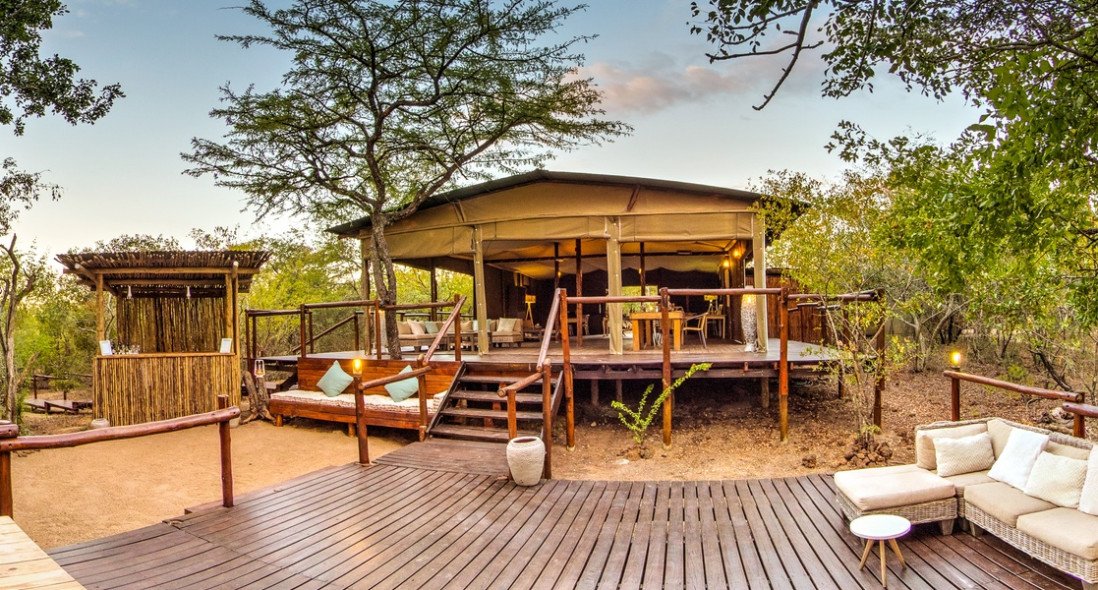
Where you stay significantly impacts the safari cost. Options range from basic public campsites and mid-range tented camps to luxury lodges and exclusive tented suites. Prices can vary dramatically:
- Budget Camping: $50 – $150 per person per night (includes tent, mattress, often meals).
- Mid-Range Tented Camps/Lodges: $200 – $400 per person per night (comfortable rooms, en-suite facilities, meals).
- Luxury Lodges/Tented Camps: $500 – $1000+ per person per night (premium amenities, gourmet dining, exclusive locations, often all-inclusive).
The price often reflects the location (proximity to wildlife viewing areas), amenities, service quality, and exclusivity. For 2026 and 2027 trips, booking in advance is recommended, especially for popular mid-range and luxury options, as they fill up quickly.
Transportation and Vehicle Hire
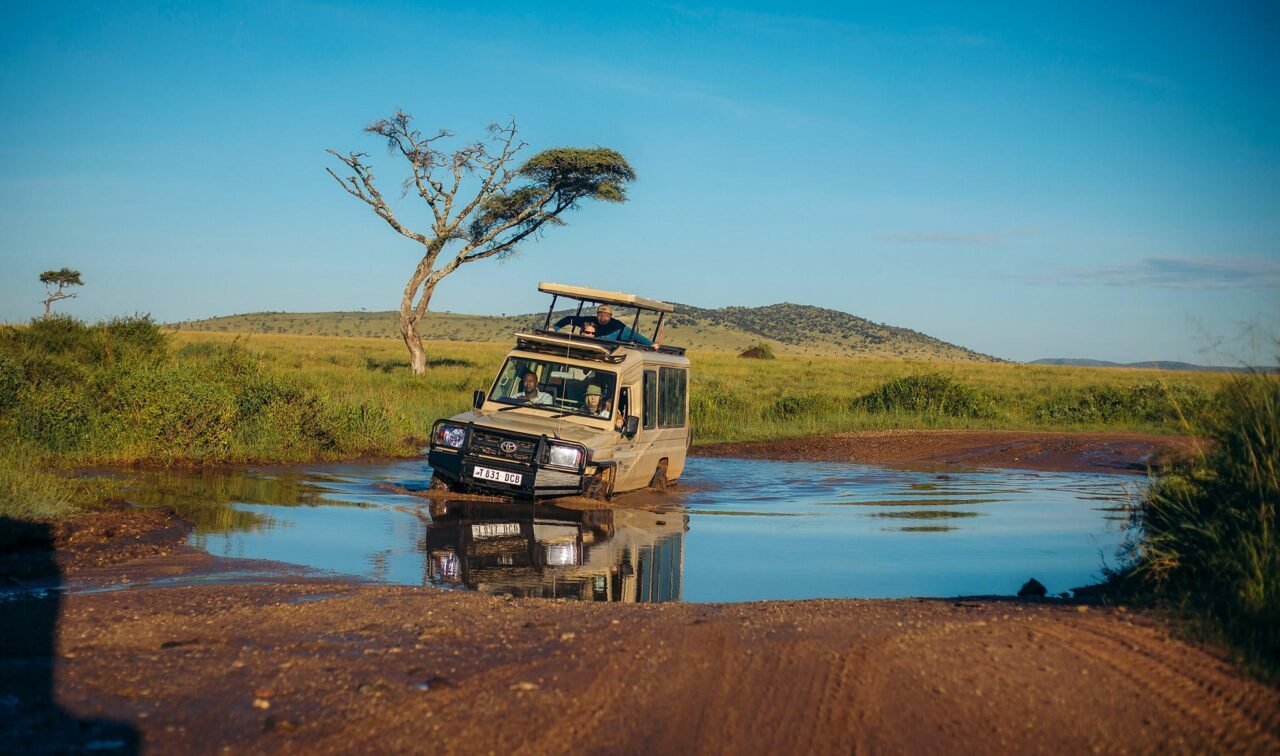
Safari vehicles are typically 4×4 Land Cruisers or Land Rovers, equipped for rough terrain and with pop-up roofs for optimal game viewing. The cost includes the vehicle, fuel, a professional driver-guide, and maintenance. Daily rates for a private vehicle and guide can range from $250 to $450+ per day, depending on the vehicle type and inclusions. This is a significant expense, but it ensures comfort, safety, and the best possible wildlife viewing opportunities.
Guide Services
The expertise of your guide is invaluable. Reputable companies like Top Guide Adventures employ experienced, knowledgeable, and often local guides who are passionate about Tanzania’s wildlife and culture. Their salary and training are part of the safari package, and their contribution to the overall experience is immense. While not always itemized separately, guide fees are integrated into the overall tour cost.
Meals and Drinks
Most safari packages, especially those including lodge or tented camp stays, will include all meals (breakfast, lunch, dinner). Drinks, particularly alcoholic beverages, may be extra, especially in mid-range and luxury accommodations. All-inclusive packages are common in higher-end lodges. For camping safaris, meals are prepared by a dedicated chef, and the cost is usually included.
Crew Costs (for Camping Safaris)
If you opt for a camping safari, the cost will also include the salaries and provisions for a camp chef and assistants, who handle all cooking, camp setup, and breakdown. This ensures a comfortable camping experience.
Other Potential Costs
- Tips: Gratuities for guides, drivers, chefs, and camp staff are customary and expected. Budget around $20-30 per person per day.
- Travel Insurance: Essential for any safari, covering medical emergencies, trip cancellations, and lost luggage.
- Visas: Required for most nationalities entering Tanzania.
- Flights: International flights to Kilimanjaro International Airport (JRO) or other regional airports, plus any internal flights (e.g., to Zanzibar if combining with a beach holiday).
- Personal Expenses: Souvenirs, extra drinks, laundry, etc.
Comparing Safari Options: What Affects the Price?
The price of a Tanzania safari can vary significantly based on several factors. Understanding these differences is key to determining if the cost aligns with the value you seek for your 2026 or 2027 trip.
Duration of Safari
Naturally, longer safaris cost more. A 3-day safari will be considerably less expensive than a 7-day or 10-day expedition. However, longer durations often allow for deeper exploration of different ecosystems and increase the chances of diverse wildlife sightings, potentially offering better value per day for those with more time.
Level of Accommodation
As detailed earlier, the choice between camping, mid-range lodges, or luxury tented camps is one of the biggest cost determinants. Luxury accommodations offer premium services, exclusive locations, and higher comfort levels, which command higher prices. Mid-range options provide a great balance of comfort and value, while camping is the most budget-friendly.
Type of Safari (Private vs. Group)
Private Safaris: Offer maximum flexibility, personalized itineraries, and exclusive use of the vehicle and guide. These are generally more expensive per person but provide a more intimate and customized experience. This is ideal for families or groups with specific interests.
Group or Shared Safaris: These are more budget-friendly as costs are shared among travelers. You join a pre-set itinerary with other like-minded individuals. While less flexible, they offer a great way to experience Tanzania’s highlights at a lower price point. Top Guide Adventures offers excellent group departure dates for 2026 and 2027, providing a cost-effective way to experience a quality safari. You can explore these options here: Tanzania Safari Group Departures.
Time of Year (High vs. Low Season)
High Season (June to October, and December to February): Characterized by dry weather, excellent game viewing, and the Great Migration in its peak phases. Demand is high, leading to increased prices for accommodation and sometimes even park fees. Booking well in advance for 2026 and 2027 high-season trips is crucial.
Low Season (March to May): The “green season” brings rain, which can make some roads challenging and reduce visibility. However, it also means fewer crowds, lush landscapes, and often lower prices. It can be a great time for budget-conscious travelers or photographers seeking dramatic skies and newborn animals. However, the long rains (April-May) can sometimes disrupt travel plans.
Shoulder Seasons (e.g., November, early March): Often offer a good balance of decent weather, fewer crowds, and more moderate pricing.
Inclusions and Exclusions
Always check what is included in your safari package. Comprehensive packages typically include accommodation, meals, park fees, vehicle, guide, and sometimes activities like guided walks. Less inclusive packages might exclude park fees, meals, or drinks, making the initial quote seem lower but increasing the final cost. Reputable operators will be transparent about inclusions and exclusions.
Specific Parks and Activities
Some parks have higher entrance fees (e.g., Ngorongoro Crater). Activities like walking safaris, hot air balloon rides over the Serengeti (a significant added cost, usually $400-$550 per person), or cultural visits can also add to the overall expense.
What Makes a Tanzania Safari Exceptional? (The Value Beyond Money)
Beyond the tangible costs, the intangible benefits of a Tanzania safari contribute significantly to its value. These are the elements that make the price feel justified and the experience truly memorable.
Unrivaled Wildlife Encounters
Tanzania is a powerhouse for wildlife viewing. The sheer abundance and visibility of animals are astounding. The Serengeti, in particular, offers an almost guaranteed spectacle of predators and prey. Witnessing a lion pride on the hunt, a leopard draped over a tree branch, or a herd of elephants moving majestically across the plains are moments that are difficult to replicate elsewhere. The Great Migration, if timed correctly, is a natural wonder that few travelers ever witness.
Iconic National Parks and Reserves
The park system in Tanzania is world-class. Each park offers a unique environment and wildlife viewing experience:
- Serengeti National Park: Famous for the Great Migration, vast open plains, and high predator density.
- Ngorongoro Conservation Area: Home to the Ngorongoro Crater, a UNESCO World Heritage Site with an incredible concentration of wildlife in a contained ecosystem. It’s one of the best places to see the endangered black rhino.
- Tarangire National Park: Known for its large elephant herds, baobab trees, and diverse birdlife, especially during the dry season when animals congregate around the Tarangire River.
- Lake Manyara National Park: Famous for its tree-climbing lions and large populations of baboons and flamingos.
- Selous Game Reserve (Nyerere National Park): Africa’s largest game reserve, offering boat safaris, walking safaris, and a more wild, less crowded experience.
- Ruaha National Park: Tanzania’s largest park, known for its wild beauty, large elephant and buffalo herds, and high predator numbers.
The diversity of these landscapes ensures that a safari in Tanzania is rarely monotonous.
Professional Guiding and Logistics
Top-tier safari operators like Top Guide Adventures prioritize experienced, knowledgeable guides. These guides are crucial for safety, spotting wildlife, and enriching the experience with their understanding of the bush. They are trained to handle various situations and ensure that your safari runs smoothly from start to finish. The logistical expertise to navigate vast park areas, arrange smooth transfers, and manage accommodations is a significant part of what you pay for.
Cultural Immersion
Tanzania is not just about wildlife. It’s also home to diverse ethnic groups, including the Maasai people. Many safaris offer opportunities for respectful cultural visits to Maasai villages, providing insights into their traditional way of life, customs, and connection to the land. These interactions add another layer of richness to the safari experience.
Sense of Adventure and Remoteness
Tanzania offers a true sense of adventure. The vastness of the wilderness, the raw beauty of the landscapes, and the thrill of encountering wild animals in their natural habitat provide an unforgettable experience. For many, this escape from the modern world and connection with nature is the ultimate value.
Is a Tanzania Safari Worth the Price for Different Traveler Types?
The definition of “worth the price” is subjective and depends on individual priorities. Here’s how a Tanzania safari might stack up for different traveler profiles planning for 2026 or 2027:
For the Wildlife Enthusiast
Verdict: Absolutely Worth It. If your primary goal is to see as much wildlife as possible, especially the Big Five and the Great Migration, Tanzania is arguably one of the best destinations on Earth. The sheer abundance and accessibility of animals in parks like the Serengeti and Ngorongoro justify the cost for serious wildlife watchers. The specialized knowledge of guides further enhances the viewing experience.
For the Luxury Traveler
Verdict: Highly Worth It. Tanzania offers some of Africa’s most exquisite safari lodges and tented camps. For those seeking comfort, fine dining, exceptional service, and exclusive locations, the price reflects a high-end experience that rivals top destinations globally. Luxury safaris provide impeccable service and access to prime wildlife areas with added comfort and privacy.
For the Budget-Conscious Traveler
Verdict: Worth It, with careful planning. While not the cheapest destination, Tanzania can be experienced on a budget through well-organized camping safaris or by choosing shared/group tours. The value comes from experiencing the incredible wildlife and landscapes without the frills of luxury. Opting for shoulder seasons or less popular parks can also help manage costs. The quality of guiding and safety, even on budget tours with reputable companies, remains high.
For the Family Traveler
Verdict: Worth It for an Unforgettable Experience. A Tanzania safari offers an educational and awe-inspiring adventure for all ages. While the cost can be substantial for a family, the shared memories and the opportunity to connect with nature and wildlife create lasting bonds. Choosing family-friendly lodges and ensuring appropriate activities are included can maximize the value. Reputable operators can tailor itineraries to suit younger travelers.
For the Photographer
Verdict: Unparalleled Value. The photographic opportunities in Tanzania are immense. From dramatic landscapes and the Great Migration to intimate wildlife portraits, the visual richness is exceptional. The high quality of guides who understand photographic needs (e.g., positioning the vehicle for optimal light and shots) and the diverse subjects available make it a prime destination for photographers willing to invest.
Maximizing Value: Tips for Planning Your 2026-2027 Tanzania Safari
To ensure your Tanzania safari is worth every penny, strategic planning is key. Here are some tips:
Choose the Right Time to Travel
Consider the trade-offs between weather, wildlife viewing, crowd levels, and price. Traveling in the shoulder or low season (outside of the peak dry months) can significantly reduce costs while still offering excellent wildlife viewing, especially for birdwatchers and photographers. For the 2026-2027 period, research the specific migration patterns and weather forecasts closer to your travel dates.
Select a Reputable Tour Operator
This is perhaps the most crucial step. A good operator like Top Guide Adventures will provide transparent pricing, experienced guides, well-maintained vehicles, and excellent customer service. They handle the complex logistics, ensuring a smooth and safe trip. Their expertise helps you get the most out of your safari, maximizing your value. You can reach them via WhatsApp at +255616946642 or email at info@topguideadventures.com.
Be Clear About Your Budget and Expectations
Communicate your budget and what you hope to experience to your chosen operator. They can then suggest the most suitable itinerary, accommodation, and timing to meet your needs and maximize value within your financial limits.
Consider the Duration Wisely
While shorter safaris are cheaper, a minimum of 5-7 days is often recommended to explore at least two different ecosystems and increase your chances of seeing a wider variety of wildlife. Longer safaris, while costing more overall, can offer better value per day and a more comprehensive experience.
Pack Appropriately
Avoid buying expensive gear you won’t need. Focus on practical items like neutral-colored clothing, a good pair of binoculars, and a decent camera. Your tour operator will provide a detailed packing list.
Be Open to Different Experiences
While seeing the Big Five is a common goal, embrace the smaller wonders too – the birdlife, insects, plants, and the vast landscapes. This broader appreciation enhances the overall value and enjoyment of the safari.
Understand What’s Included
Always clarify what your safari package includes. Ensure park fees, meals, accommodation, and guide services are covered. This prevents unexpected costs during your trip.
Look for Package Deals or Group Tours
If budget is a primary concern, look for package deals or join group departures. These can offer significant savings without compromising on the quality of the experience, especially with operators who maintain high standards for their group tours.
Potential Downsides and How to Mitigate Them
While the value is high, it’s realistic to acknowledge potential downsides. Awareness helps in planning and mitigation.
Cost
As discussed, Tanzania safaris are not inexpensive. This is the primary barrier for many. Mitigation: Plan well in advance, consider group tours, travel in the shoulder/low season, and carefully select an operator that offers good value for money.
Crowds
During peak season, popular spots like the Serengeti and Ngorongoro Crater can become crowded with safari vehicles. Mitigation: Travel during the shoulder or low season. Choose operators who are adept at finding less-trafficked areas or who can tailor itineraries to avoid peak times at certain locations. Staying in lodges further from main gates can also help.
Wildlife Sightings Not Guaranteed
While Tanzania offers excellent game viewing, wild animals are unpredictable. There’s no absolute guarantee of seeing every animal on your wish list, especially rare species like leopards or cheetahs, or specific events like a river crossing during the migration. Mitigation: Go on a longer safari to increase your chances. Trust your guide’s expertise – they know the best times and places to look. Manage expectations and appreciate every sighting.
Long Travel Days
Getting to and from parks, and driving between locations, can involve long days in a vehicle. Mitigation: Choose an itinerary that balances game driving with relaxation time. Opt for lodges located strategically within parks. Consider incorporating internal flights if your budget allows, though this increases cost.
Insects and Climate
Mosquitoes are present, especially in the evenings and near water sources. The climate can be hot, particularly during certain months. Mitigation: Use insect repellent, wear long sleeves and trousers in the evenings, and take anti-malarial precautions as advised by your doctor. Stay hydrated and choose accommodations with good ventilation or air conditioning.
The 2026-2027 Outlook: What to Expect
Planning for a Tanzania safari in 2026 or 2027 involves looking at current trends and anticipating future developments. Generally, the core safari experience remains consistent, but there are a few points to consider:
- Continued Conservation Focus: Park fees are likely to remain robust, reflecting their essential role in funding conservation. Expect potential minor adjustments in fees for 2026-2027, but the value derived from well-maintained parks and thriving wildlife populations should persist.
- Demand for Sustainable Tourism: Travelers are increasingly seeking eco-friendly options. Reputable operators are enhancing their sustainability practices, from waste management to supporting local communities. This commitment adds to the overall value by ensuring responsible travel.
- Technological Integration: While the core experience is wild, some lodges and operators are integrating technology for better guest experience (e.g., booking systems, communication). However, the focus remains on disconnecting and experiencing nature.
- Price Stability (with inflation): While exact prices fluctuate with inflation and operational costs, the fundamental cost structure is unlikely to change drastically. Budgeting based on current rates and adding a buffer for potential increases is a wise strategy for 2026-2027 planning.
- Great Migration Timing: The timing and intensity of the Great Migration can vary slightly year to year due to rainfall patterns. Researching migration forecasts closer to your 2026 or 2027 travel date will be crucial if witnessing this event is a priority.
Making the Decision: Is it Worth It For YOU?
Ultimately, whether a Tanzania safari is worth the price hinges on your personal travel goals, priorities, and budget. If you are seeking an unparalleled wildlife experience, impressive landscapes, and a profound connection with nature, then the investment is almost certainly justified. The memories created on a Tanzanian safari are often described as life-changing, offering a perspective and a sense of wonder that few other travel experiences can match.
For those planning their adventure for 2026 or 2027, consider the following:
- Your “Why”: What do you want to gain from this trip? Wildlife? Photography? Adventure? Relaxation? Cultural insight?
- Your Budget: Be realistic about what you can afford, but also consider the value of the experience. Sometimes, spending a bit more for a quality operator and better accommodation yields a far superior experience and better overall value.
- Your Tolerance for Roughing It: Are you comfortable with basic camping, or do you require the comforts of a luxury lodge?
- Your Travel Companions: Are you traveling solo, as a couple, with family, or in a group? This will influence itinerary choices and vehicle types.
By carefully considering these factors and working with a trusted partner like Top Guide Adventures, you can design a Tanzania safari that not only meets but exceeds your expectations, proving that the investment is indeed worth it. Their expertise in tailoring journeys across Northern and Southern Tanzania, from Serengeti and Ngorongoro tours to Zanzibar holidays, ensures a personal and dedicated support system for every client.
For a personalized quote or to discuss your dream safari for 2026 or 2027, don’t hesitate to reach out. You can contact Top Guide Adventures via WhatsApp at +255616946642 or email at info@topguideadventures.com. They are committed to providing complete travel experiences with personal attention and dedicated support.
A safari in Tanzania is more than just a holiday; it’s an immersion into one of the planet’s last great wildernesses. The price reflects the extraordinary access to this world, the conservation efforts that protect it, and the professional services that ensure a safe and unforgettable journey. For most, the answer to “Is Tanzania safari worth the price?” is a resounding yes.
“,
“faq_schema”: [
{
“question”: “What is the average cost of a Tanzania safari for 2026-2027?”,
“answer”: “The average cost for a Tanzania safari in 2026-2027 can range significantly, typically from $200-$300 per person per day for budget camping safaris to $500-$1000+ per person per day for mid-range to luxury lodge-based safaris. Factors like duration, accommodation type, time of year, and inclusions heavily influence the final price. A 7-day mid-range safari might cost roughly $2,500 – $4,000 per person, excluding international flights.”
},
{
“question”: “What are the main factors that determine the price of a Tanzania safari?”,
“answer”: “The main price determinants include the duration of the safari, the type and standard of accommodation (camping, lodges, luxury tented camps), whether it’s a private or group tour, the time of year (high season is more expensive), park entrance fees (which are substantial), vehicle and guide hire, meals, and any optional activities like hot air balloon rides.”
},
{
“question”: “Are Tanzania safaris more expensive than safaris in other African countries?”,
“answer”: “Tanzania is generally considered one of the more expensive safari destinations in Africa, especially when compared to countries like Kenya or South Africa for certain types of tours. This higher cost is often attributed to its vast, protected national parks with significant entrance fees, the logistics involved in reaching remote areas, and the high quality of wildlife viewing, particularly the Great Migration in the Serengeti.”
},
{
“question”: “What does a typical Tanzania safari package include?”,
“answer”: “A typical comprehensive safari package usually includes accommodation, all meals during the safari, park entrance fees, a 4×4 safari vehicle with a professional driver-guide, fuel, and water. It’s crucial to confirm exact inclusions with your tour operator, as some packages might exclude drinks, tips, or optional activities.”
},
{
“question”: “Is it possible to do a Tanzania safari on a budget?”,
“answer”: “Yes, it is possible to do a Tanzania safari on a budget. Opting for camping safaris, choosing shared group tours, traveling during the shoulder or low seasons (e.g., March-May), and focusing on fewer parks can significantly reduce costs. Reputable operators like Top Guide Adventures offer well-managed budget options that still provide excellent wildlife viewing and safety.”
}
]
}
“`
Check Availability for Is Tanzania Safari Worth The Price? 2026-2027
Ready to compare dates, prices, and the best option for your group? Send the package name and travel month so the team can reply with a clear quote, availability, and what is included.
Are Tips Included In Tanzania Safari Prices? 2026-2027
Are tips included in Tanzania safari prices? is explained with current 2026-2027 planning, price, itinerary and booking information.
View package details
2 Day Safari Tanzania: Unforgettable Wildlife Encounters In 2026-2027
Discover the magic of a 2 day safari in Tanzania. This short yet impactful adventure offers incredible wildlife sightings, focusing on accessible yet rich ecosystems. Perfect for those with...
View package details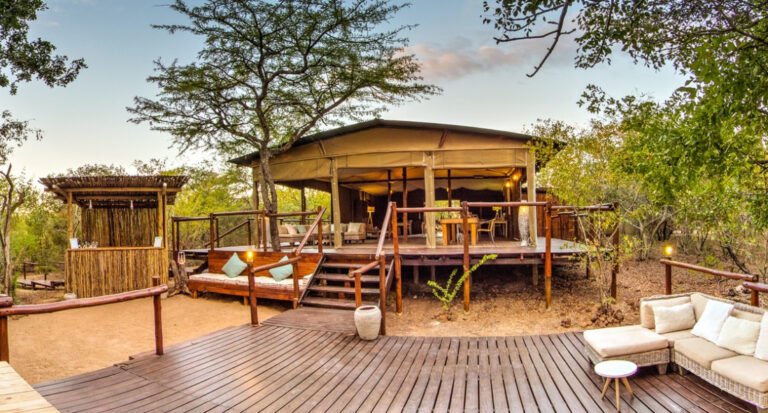
4-Day Safaris In Tanzania: Your Ultimate Short Safari Guide 2026-2027
Experience the magic of Tanzania on a 4-day safari. This guide covers popular itineraries, wildlife highlights, and essential planning tips for your short but impactful adventure in...
View package details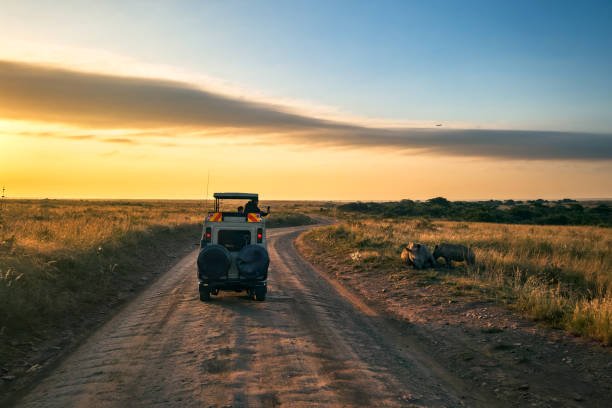
5 Day Safari Tanzania: The Ultimate Itinerary & Expert Guide 2026-2027
Experience an unforgettable 5-day safari in Tanzania, perfectly crafted to showcase the country's most iconic wildlife and landscapes. This guide covers essential itineraries, what to...
View package details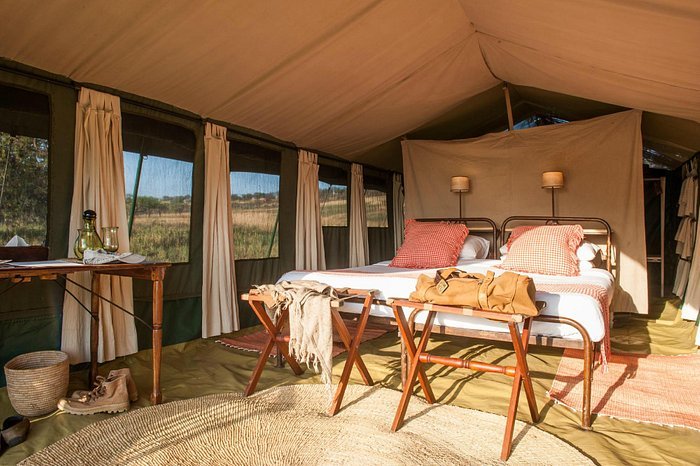
5 Days Safari Tanzania Guide
A 5-day safari in Tanzania offers a concentrated yet unforgettable wildlife adventure. This itinerary focuses on two of the most iconic destinations: the vast plains of the Serengeti and...
View package details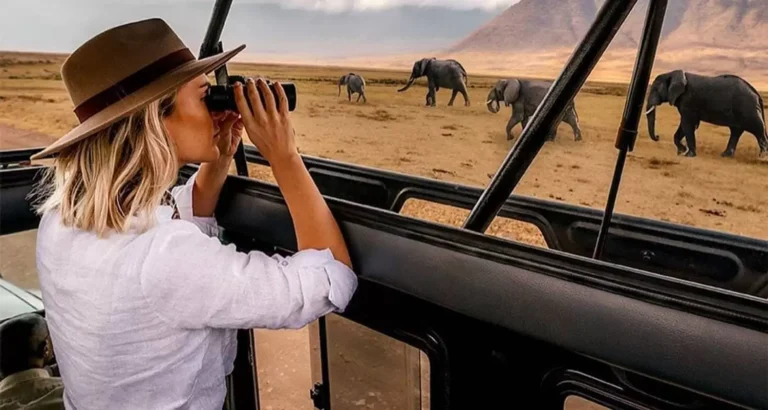
5-Day Safaris In Tanzania: Essential Guide For Adventures 2026-2027
Discover the best 5-day safari itineraries in Tanzania, perfect for maximizing your wildlife viewing in iconic parks like the Serengeti and Ngorongoro. This guide covers everything you need...
View package details
7-Day Safaris In Tanzania: The Ultimate Wildlife Adventure Guide 2026-2027
Discover the magic of a 7-day safari in Tanzania, designed to showcase the country's most iconic wildlife destinations. This guide details top itineraries, essential planning tips, and what...
View package details
9-Day Safaris In Tanzania: Ultimate Itinerary & Planning Guide 2026-2027
Explore the best of Tanzania's wildlife on a 9-day safari. This guide covers essential itineraries, park highlights, packing advice, and booking tips for 2026-2027.
View package detailsBest Excursiones Tanzania: Your Ultimate Safari & Adventure Guide 2026-2027
Explore the best excursions Tanzania has to offer, from iconic safaris in the Serengeti to challenging Kilimanjaro climbs and relaxing Zanzibar holidays. This comprehensive guide helps you...
View package details
Best Magilani Safaris: Your Ultimate Guide To Tanzanias Wild Heart 2026-2027
Planning a safari in Tanzania and wondering about the best Magilani safaris? This comprehensive guide details what makes a Magilani safari exceptional, covering key destinations, wildlife...
View package details
Best Safari Packages Tanzania: Your Ultimate Guide For Adventures 2026-2027
Explore the best safari packages in Tanzania for your 2026-2027 adventure. From the iconic Serengeti to the Ngorongoro Crater and beyond, find the perfect itinerary with Top Guide...
View package details
Best Tanzania Safari 2026-2027
best tanzania safari is explained with current 2026-2027 planning, price, itinerary and booking information.
View package detailsNo closely related package is available for this topic yet.



