
Tanzania safari tours focusing on the Serengeti, Ngorongoro Crater, and Tarangire National Park offer unparalleled wildlife viewing, with the Serengeti providing vast plains for the Great Migration, Ngorongoro showcasing a unique caldera ecosystem, and Tarangire famed for its large elephant herds and baobab trees. These classic northern circuit parks are best experienced during the dry seasons, from June to October and again from December to February, for optimal game viewing and pleasant weather, with tour packages for 2026 and 2027 varying in length from 5 to 10 days depending on desired depth of exploration and budget.
Discovering Tanzania’s Northern Circuit: Serengeti, Ngorongoro & Tarangire
Tanzania’s northern safari circuit is world-renowned, and for good reason. It’s a concentrated collection of iconic landscapes and wildlife spectacles that consistently rank among the planet’s most extraordinary travel destinations. At its heart lie three absolute gems: the endless plains of the Serengeti, the unique natural amphitheater of the Ngorongoro Crater, and the elephant-rich savannahs of Tarangire National Park. These parks form the cornerstone of most classic Tanzanian safari experiences, offering diverse ecosystems and distinct wildlife encounters that create a truly unforgettable adventure. Whether you are planning for 2026 or 2027, understanding the nuances of each park and how they combine is key to crafting the perfect safari.
Top Guide Adventures specializes in creating bespoke safari experiences across these magnificent locations. We understand that a safari is more than just seeing animals; it’s about the feeling of the wild, the expert guidance that brings the ecosystem to life, and the smooth logistics that allow you to relax and absorb every moment. This guide is designed to provide you with an in-depth look at what makes a safari tour of the Serengeti, Ngorongoro, and Tarangire so special, helping you plan your dream trip with confidence.
The Unrivaled Majesty of the Serengeti National Park
The Serengeti is, quite simply, the stuff of safari legend. Its name, derived from the Maasai word ‘Siringet’ meaning ‘endless plains,’ perfectly captures its essence. This vast protected area, covering over 14,750 square kilometers, is a landscape of sweeping grasslands, acacia-dotted savannas, kopjes (rocky outcrops), and winding rivers. It is most famous as the stage for the Great Migration, one of nature’s most awe-inspiring events.
The Great Migration: A Spectacle of Life and Survival
The Great Migration is the annual movement of over 1.5 million wildebeest, alongside hundreds of thousands of zebras and gazelles, as they trek in search of fresh grazing land and water. This colossal herd traverses a roughly circular route across the Serengeti ecosystem, dictated by the rains. Understanding the migration’s timing is crucial for planning a Serengeti safari, as different areas offer unique viewing opportunities throughout the year.
- December to March: The herds are typically in the southern Serengeti and Ndutu area (which straddles the border with the Ngorongoro Conservation Area), where the short rains have brought fresh grass. This is calving season, a period of intense activity and a prime time to witness predator-prey interactions as newborn wildebeest and zebras join the journey.
- April to May: The long rains arrive, and the herds begin their slow, ponderous movement northwards. The central Serengeti can be lush and green, offering good resident game, but the migration is dispersed. This is the ‘green season’ or ‘low season,’ often meaning fewer crowds and lower prices.
- June to October: This is the dry season, and the migration is often concentrated in the western and northern Serengeti. The Grumeti River in the west and the Mara River in the north become critical crossing points. Witnessing the wildebeest and zebras bravely swim across these predator-infested waters is a dramatic highlight for many safari-goers. This period is peak season for safari tours.
- November: The herds begin their return journey south, often following the short rains, making their way back towards the southern plains.
For travelers planning their 2026 or 2027 safari, booking well in advance is highly recommended, especially if you aim to witness the river crossings, which typically occur between July and September. Top Guide Adventures can help you pinpoint the best areas to be based on the projected migration patterns for your specific travel dates.
Beyond the Migration: Year-Round Wildlife in the Serengeti
Even outside the peak migration months, the Serengeti is an exceptional wildlife destination. Its resident game populations are incredibly high, ensuring fantastic sightings throughout the year. Predators like lions, leopards, cheetahs, hyenas, and wild dogs are a common sight, often found near water sources or along game drive routes.
The Serengeti is home to over 500 bird species, making it a paradise for birdwatchers. Its diverse habitats—from open grasslands to woodlands and riverine forests—support a rich variety of fauna, including elephants, giraffes, buffalo, hippos, crocodiles, and numerous antelope species.
Exploring the Serengeti: Areas and Activities
The Serengeti is vast, and different regions offer distinct experiences:
- Central Serengeti (Seronera Valley): Known for its year-round resident wildlife, particularly big cats. It’s a popular area with good infrastructure and offers excellent game viewing regardless of the migration’s location.
- Northern Serengeti: Famous for the Mara River crossings during the migration’s northern loop. The landscape here is more hilly and dotted with acacia trees.
- Western Corridor: Home to the Grumeti River, another site for dramatic migration crossings. The vegetation is denser, with woodlands and riverine forests.
- Southern Serengeti: The calving grounds during the wet season, offering abundant predator action and the spectacle of thousands of newborns.
- Eastern Serengeti: Offers a more remote feel, with unique landscapes like the Moru Kopjes and Lake Magadi, attracting diverse wildlife including rhinos.
Activities beyond standard game drives include hot-air balloon safaris, which offer a impressive aerial perspective of the plains and wildlife, especially at sunrise. Walking safaris are also available in specific areas, allowing for a more intimate connection with the bush.
The Ngorongoro Conservation Area: A Natural Wonder
The Ngorongoro Conservation Area (NCA) is a UNESCO World Heritage Site and a jewel of Tanzania’s tourism circuit. It encompasses the Ngorongoro Crater, a massive volcanic caldera, as well as the surrounding highlands and plains, including parts of the Serengeti ecosystem. The NCA is unique in that it allows for human habitation (primarily the Maasai people) alongside wildlife conservation, creating a fascinating cultural and ecological blend.
The Ngorongoro Crater: A Compact Wildlife Haven
The main draw is the Ngorongoro Crater itself. This collapsed volcano forms a natural amphitheater, approximately 19 kilometers (12 miles) in diameter, with walls rising over 600 meters (2,000 feet) high. Its floor is a diverse landscape of grassland, swamps, forests, and a soda lake, supporting an astonishing density of wildlife.
The crater is home to an estimated 25,000 large animals, including the ‘Big Five’ – lion, leopard, elephant, rhino, and buffalo – all within a relatively small area. It is one of the best places in Tanzania to spot the endangered black rhinoceros, with a healthy population thriving within the crater walls. The soda lake attracts flamingos and hippos, while lions and hyenas are abundant, often seen interacting with the large herds of wildebeest, zebra, and gazelles that graze here.
A typical Ngorongoro Crater safari involves descending into the caldera for a full or half-day game drive. The experience is often described as magical, with the sheer concentration of animals and the dramatic backdrop of the crater walls creating a surreal atmosphere. Due to conservation regulations, visitor numbers and time spent on the crater floor are managed, ensuring a protected environment.
Beyond the Crater Rim: Exploring the NCA
While the crater is the main attraction, the wider Ngorongoro Conservation Area offers more:
- Maasai Bomas: Visits to traditional Maasai villages provide insights into the semi-nomadic lifestyle and culture of the Maasai people, who share this land with the wildlife.
- Olmoti and Empakaai Craters: These smaller, forested craters offer opportunities for guided walks, birdwatching, and scenic views, including stunning waterfalls at Olmoti.
- Highlands: The Ngorongoro Highlands offer cooler temperatures and different landscapes, with opportunities for hiking and exploring local communities.
For safaris in 2026 and 2027, booking crater tour permits in advance is essential, as they are limited. Top Guide Adventures handles all necessary permit bookings to ensure a smooth experience.
Tarangire National Park: Land of Giants and Baobabs
Tarangire National Park, often visited at the beginning or end of a northern circuit safari, is celebrated for its massive elephant herds and its iconic baobab trees. Situated south of Lake Manyara, Tarangire covers 2,850 square kilometers and is characterized by its rolling hills, acacia woodlands, and the Tarangire River, which becomes a vital water source during the dry season.
Elephant Encounters and Diverse Wildlife
Tarangire is renowned for having one of the largest elephant populations in Tanzania, with herds sometimes numbering in the hundreds. During the dry season (June to October), elephants, along with other migratory animals like wildebeest and zebras, congregate around the Tarangire River, making for spectacular viewing opportunities. It’s common to see large family groups of elephants, including playful calves, interacting and bathing in the river.
Beyond elephants, Tarangire boasts a rich diversity of wildlife. It is a haven for predators, including lions (which are known to climb trees here), leopards, and cheetahs. The park is also home to diverse birdlife, with over 500 species recorded, including various raptors, storks, and the colorful Lilac-breasted Roller. Other mammals include giraffes, buffalo, dik-dik, impalas, greater kudu, and fringe-eared oryx.
Unique Landscapes and Activities
The landscape of Tarangire is dominated by ancient baobab trees, their massive trunks creating a prehistoric, almost surreal, atmosphere. These ‘upside-down trees’ are a photographer’s delight and add a unique visual dimension to the safari.
Tarangire is one of the few parks in the northern circuit where walking safaris are permitted. Accompanied by an armed ranger, these walks offer a different perspective on the bush, allowing you to appreciate the smaller details of the ecosystem, track animals on foot, and learn about the flora and fauna from a ground-level view. Night game drives are also an option, providing a chance to see nocturnal animals like genets, civets, and bushbabies.
Combining the Parks: Classic Northern Circuit Itineraries
A typical northern circuit safari itinerary gracefully links these three premier parks, creating a comprehensive Tanzanian wildlife experience. The order can vary, but a common flow is Tarangire, Serengeti, and Ngorongoro, or vice versa.
Sample Itinerary Flow: 7-Day Northern Circuit Safari
This is a popular duration that allows for a good introduction to each park.
- Day 1: Arrival in Arusha/Kilimanjaro Airport (JRO) & Transfer to Arusha. Settle in and prepare for your safari.
- Day 2: Arusha to Tarangire National Park. Game drive en route, exploring the park’s elephant herds and baobab landscapes. Overnight near Tarangire.
- Day 3: Tarangire to Serengeti National Park. Morning game drive in Tarangire, then drive towards the Serengeti, with a stop at a viewpoint or perhaps Olduvai Gorge. Arrive in the Serengeti for an afternoon game drive. Overnight in Central Serengeti.
- Day 4: Full Day Serengeti Game Drive. Explore the vast plains, focusing on predator sightings and the migration (depending on the season).
- Day 5: Serengeti to Ngorongoro Conservation Area. Morning game drive in the Serengeti, then drive towards the Ngorongoro Crater rim. Enjoy stunning views and overnight at a lodge on the crater rim or nearby.
- Day 6: Ngorongoro Crater Tour & Transfer to Arusha. Descend into the crater for a morning game drive. After lunch, ascend and begin the drive back to Arusha.
- Day 7: Departure. Transfer to Kilimanjaro International Airport (JRO) for your flight.
This is a basic framework. Safaris can be extended to 8, 9, or 10 days to allow more time in the Serengeti, explore different regions like the northern Serengeti for migration river crossings, or include other nearby attractions like Lake Manyara National Park (known for its tree-climbing lions and birdlife) or a cultural visit to a Maasai village.
Tailoring Your Safari for 2026-2027
When planning for 2026 or 2027, consider these factors:
- Migration Timing: If seeing the river crossings is a priority, plan your Serengeti visit for July-September and focus on the northern or western Serengeti. If calving season is your interest, aim for the southern Serengeti in January-March.
- Crowds: Peak season (June-October and December-February) offers the best weather and wildlife visibility but also sees more tourists. The ‘green season’ (April-May) is quieter and more budget-friendly.
- Accommodation Style: Options range from budget-friendly tented camps to mid-range lodges and exclusive luxury lodges. Your choice will significantly impact the overall cost.
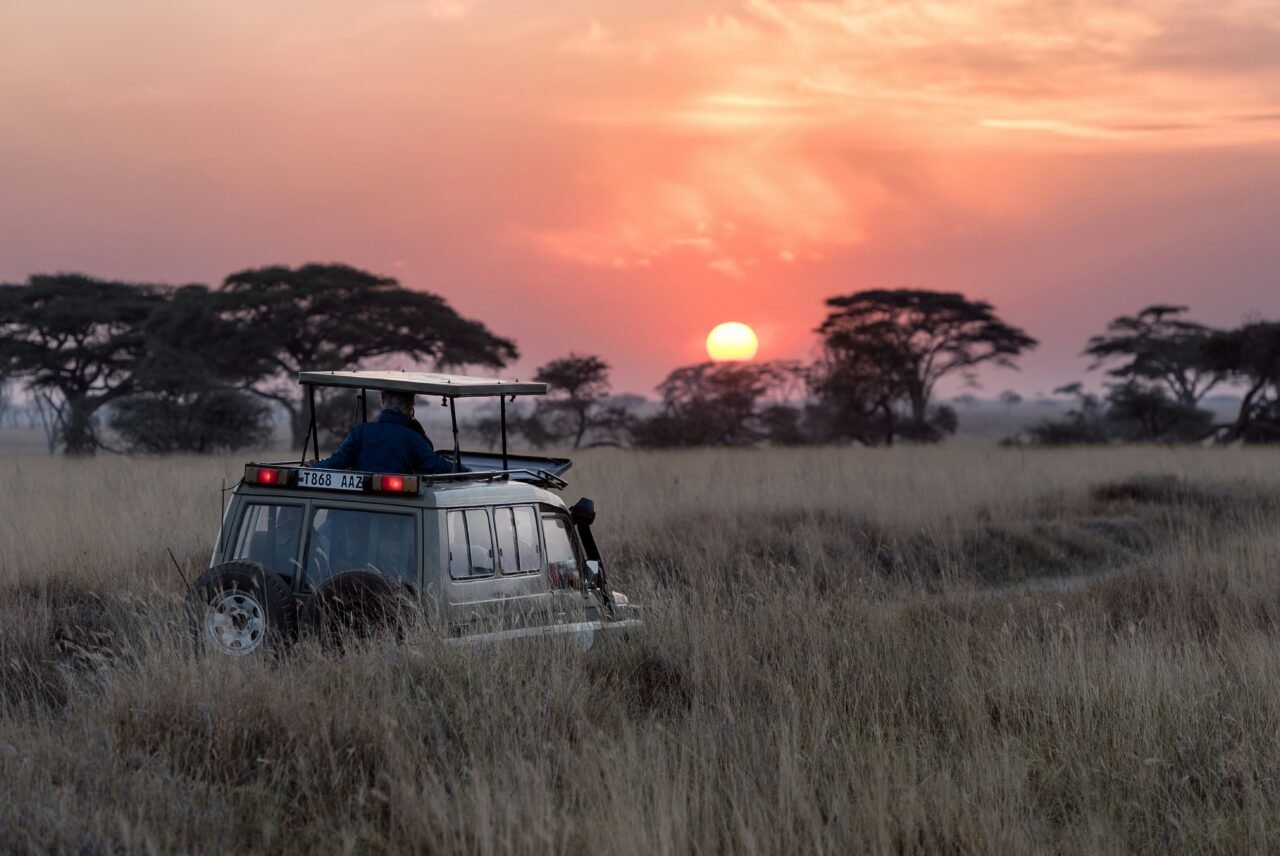
- Vehicle Type: Most safaris use 4×4 safari vehicles, often customized Land Cruisers, with pop-up roofs for game viewing. Private vehicles offer flexibility.
- Guide Expertise: A knowledgeable and experienced guide is invaluable for spotting wildlife, understanding animal behavior, and navigating the parks.
Top Guide Adventures excels at crafting tailor-made itineraries. We can adjust durations, accommodation levels, and specific interests (like birdwatching, photography, or cultural immersion) to create your perfect Tanzania safari tour for 2026 or 2027.
Planning Your Tanzania Safari: Practical Considerations
A successful safari requires careful planning. Here are key aspects to consider when booking your Serengeti, Ngorongoro, and Tarangire safari tours.
Best Time to Visit
While Tanzania is a year-round safari destination, the ‘best’ time depends on what you wish to see and experience:
- Dry Season (June – October): Generally considered the prime time. Weather is pleasant with sunny days and cooler nights. Wildlife congregates around permanent water sources, making game viewing more predictable. This is peak season, so expect higher prices and more tourists. Ideal for witnessing the Great Migration river crossings in the Serengeti.
- Short Rains (November): A transitional month, often with scattered showers. Wildlife is still good, and there are fewer tourists.
- Wet Season (December – March): The long rains typically fall from March to May, though December to March can also see significant rainfall, especially in the southern Serengeti (calving season). This is the ‘green season,’ offering lush landscapes, newborn animals, and fewer crowds. Prices can be lower, but some roads may become challenging.
- Shoulder Seasons (April – May): The ‘green season’ can extend. Landscapes are beautiful, and it’s a great time for birdwatching. Expect significant rainfall, which can impact road conditions and game viewing accessibility in certain areas.
For 2026 and 2027 safaris, remember that the timing of the rains can vary slightly year by year, but these general patterns hold true. Consult with us at Top Guide Adventures for the most current advice for your travel dates.
Safari Accommodation Options
Your choice of accommodation significantly influences your safari experience and budget. Options include:
- Tented Camps: Offer a classic safari feel. They range from basic canvas tents with shared facilities to luxurious canvas suites with en-suite bathrooms and private verandas. Many are strategically located for excellent wildlife viewing.
- Lodges: Permanent structures, often built with natural materials, offering more amenities like swimming pools, restaurants, and bars. They can range from comfortable mid-range options to opulent luxury properties.
- Mobile Camps: These camps move seasonally to follow the Great Migration, offering prime locations for observing specific wildlife events.
Top Guide Adventures partners with a range of carefully selected accommodations to suit different preferences and budgets, ensuring comfort and excellent access to wildlife viewing areas for your Tanzania safari tours.
Choosing Your Safari Vehicle and Guide
The standard safari vehicle in Tanzania is a customized 4×4 Land Cruiser or Land Rover, equipped with pop-up roofs for optimal viewing and photography. You can opt for:
- Shared Safaris: Join a small group in a vehicle. This is a more budget-friendly option, ideal for solo travelers or couples.
- Private Safaris: Have a dedicated vehicle and guide for your group. This offers maximum flexibility in terms of itinerary, pace, and departure times. It’s perfect for families, groups of friends, or those with specific photographic or wildlife interests.
Your safari guide is your window into the wild. Our guides are highly trained, experienced, and passionate about Tanzania’s wildlife and culture. They are skilled at spotting animals, understanding their behavior, and sharing fascinating insights. For 2026-2027 bookings, securing a private vehicle with a top guide ensures a personalized and exceptional experience.
Packing Essentials for Your Safari
Packing light and smart is key for a comfortable safari:
- Clothing: Neutral colors (khaki, green, brown) are best to avoid startling wildlife. Pack light, breathable layers. Include long-sleeved shirts and trousers for sun and insect protection. A fleece or warm jacket is essential for cool mornings and evenings, especially in the crater or at higher altitudes.
- Footwear: Comfortable walking shoes or hiking boots are recommended. Sandals or flip-flops are suitable for around lodges/camps.
- Sun Protection: Wide-brimmed hat, sunglasses, and high SPF sunscreen.
- Insect Repellent: Especially important for evenings and areas near water.
- Camera Equipment: Bring extra batteries, memory cards, and a zoom lens. Binoculars are a must!
- Personal Items: Medications, basic first-aid kit, hand sanitizer, and wet wipes.
- Documents: Passport, visa (if required), yellow fever certificate (if applicable), travel insurance details, and copies of all bookings.
A soft-sided duffel bag is often preferred for luggage, as it’s easier to fit into safari vehicles than rigid suitcases.
Cost of Tanzania Safari Tours: Serengeti, Ngorongoro & Tarangire
The cost of a safari to these iconic parks can vary significantly based on several factors. Top Guide Adventures provides transparent pricing and works with clients to create safaris that fit their budget.
Factors Influencing Safari Costs
- Duration of Safari: Longer safaris naturally cost more due to additional accommodation, park fees, and vehicle/guide days.
- Accommodation Level: Luxury lodges and high-end tented camps are considerably more expensive than mid-range or budget options.
- Group Size & Vehicle Type: Private safaris are more expensive per person than shared safaris.
- Time of Year: Peak season (June-October, December-February) is more expensive than the low season (April-May).
- Inclusions: Most safaris include accommodation, park fees, all meals, a safari vehicle, a guide, and transfers. Some may include activities like hot-air ballooning or walking safaris, which add to the cost.
- Park Fees: These are set by the Tanzanian government and are a significant component of the overall cost. For 2026-2027, expect these fees to remain substantial.
Budgeting for Your 2026-2027 Safari
As a general guideline for a mid-range safari experience (comfortable lodges/tented camps, private vehicle) for 2026 or 2027, you might expect:
- Budget Safaris: Starting from approximately $250 – $350 USD per person per day. This typically involves more basic accommodation, possibly shared vehicles, and simpler meal arrangements.
- Mid-Range Safaris: Ranging from $400 – $700 USD per person per day. This level offers good quality lodges and tented camps, private vehicles, and excellent guiding.
- Luxury Safaris: Can range from $700 USD upwards per person per day, extending to $1,000+ USD for exclusive, high-end properties and services.
These figures are estimates and can fluctuate. A 7-day mid-range safari could therefore cost approximately $2,800 – $4,900 USD per person, excluding international flights, visas, tips, and personal expenses. We strongly advise requesting a detailed quote from Top Guide Adventures for your specific Tanzania safari tour requirements for 2026 or 2027.
Important Note on Park Fees:
Park fees in Tanzania are substantial and non-negotiable. They are often calculated per person per 24-hour period and vary by park. For example, Serengeti National Park fees are typically around $70-80 USD per person per day, and Ngorongoro Crater fees are around $300 USD per vehicle plus $70 USD per person per day. These fees are subject to change by the Tanzanian government for 2026-2027, and we will always provide you with the most current rates.
Why Choose Top Guide Adventures for Your Tanzania Safari
At Top Guide Adventures, we are passionate about delivering exceptional safari experiences that create lifelong memories. Our deep understanding of Tanzania, combined with our commitment to personalized service, makes us the ideal partner for your adventure.
Our Commitment to You
- Expert Local Knowledge: We are a trusted Tanzanian tour operator, born and raised with intimate knowledge of the parks, wildlife, and culture.
- Tailor-Made Itineraries: We don’t offer one-size-fits-all packages. We listen to your desires and craft a safari that perfectly matches your interests, budget, and travel style for 2026 or 2027.
- Quality Guiding: Our guides are certified, experienced, and passionate custodians of the wild. They are key to an enriching safari.
- Carefully Selected Accommodations: We partner with lodges and camps that meet our high standards for comfort, location, service, and sustainability.
- Transparent Pricing: We provide clear breakdowns of costs, ensuring you understand what is included in your safari package.
- Dedicated Support: From your initial inquiry to your departure, our team provides personal attention and dedicated support.
We believe that responsible tourism is vital for preserving Tanzania’s natural heritage. We work with eco-conscious partners and strive to minimize our environmental impact while supporting local communities.
Ready to Plan Your Dream Tanzania Safari?
The Serengeti, Ngorongoro Crater, and Tarangire National Park await. Let Top Guide Adventures guide you through this incredible journey. Whether you’re envisioning a thrilling Great Migration viewing, a close encounter with elephants in Tarangire, or the unique spectacle of the Ngorongoro Crater, we are here to make it happen. Contact us today to start planning your unforgettable Tanzania safari tour for 2026 or 2027.
WhatsApp: +255 616 946 642
Email: info@topguideadventures.com
Website: Top Guide Adventures Tanzania
Your adventure of a lifetime is just a click or call away. We look forward to helping you discover the magic of Tanzania.
Check Availability for Tanzania Safari Tours: Serengeti, Ngorongoro And Tarangire Guide
Ready to compare dates, prices, and the best option for your group? Send the package name and travel month so the team can reply with a clear quote, availability, and what is included.



