
Tanzania safari prices for 1 to 14 days vary significantly, typically ranging from $200 to $1,000+ per person per day. Shorter safaris (1-3 days) might cost around $250-$600 per day, while longer, more comprehensive 7-14 day trips often fall between $300-$800 per day, with luxury options exceeding $1,000. Key factors influencing these costs for 2026-2027 include accommodation style (budget, mid-range, luxury), the number of days, specific parks visited, mode of transport (4×4 vehicle type, shared vs. private), group size, season, and included activities. A 7-day Serengeti and Ngorongoro safari for two people in a mid-range lodge could cost approximately $4,000 – $6,000 in total for 2026-2027.
Understanding Tanzania Safari Prices: What Drives the Cost for 1 to 14 Days
Tanzania, a premier safari destination, offers unparalleled wildlife viewing experiences. When planning your adventure, understanding the factors that contribute to Tanzania safari prices for 1 to 14 days is crucial for budgeting and setting expectations. The cost isn’t a single number; it’s a dynamic calculation influenced by a multitude of variables. Whether you envision a short, action-packed 3-day wildlife dash or an extensive 14-day exploration of the country’s vast ecosystems, your budget will need to accommodate these core components.
At Top Guide Adventures, we believe in transparency. This guide aims to demystify the pricing structure, helping you make informed decisions for your 2026-2027 safari. We will break down the typical daily rates, explain what’s usually included, and highlight how different choices can significantly alter the final price tag.
The Daily Rate: Your Safari’s Foundation
Most Tanzania safari operators, including us, structure their pricing around a per person per day rate. This daily rate is the bedrock of your safari cost and encompasses the majority of services provided. For 2026-2027 travel, expect these ranges:
- Budget Safaris: $200 – $350 per person per day. This typically involves staying in public campsites, using basic but clean facilities, and often traveling in shared safari vehicles. Food is usually prepared by a safari chef.
- Mid-Range Safaris: $350 – $600 per person per day. This is the most popular tier, offering comfortable tented camps or lodges with private bathrooms, good food, and private 4×4 safari vehicles.
- Luxury Safaris: $600 – $1,000+ per person per day. This level provides high-end lodges and tented camps with premium amenities, exceptional service, gourmet dining, and often exclusive experiences or more flexible vehicle arrangements.
It’s important to note that these are general estimates. The specific parks you visit, the exact accommodation choices, and the exclusivity of your tour can push these figures higher.
Key Components Determining Your Tanzania Safari Price (1 to 14 Days)
Let’s break down the elements that make up that daily rate and other potential costs for your 2026-2027 safari.
1. Duration of Your Safari: The More Days, The More Experience
The length of your safari is the most direct determinant of its total cost. A 1-day safari will naturally cost less than a 14-day safari. However, the per person per day rate might decrease slightly for longer itineraries (e.g., 10 days or more) as tour operators can sometimes achieve economies of scale. Conversely, very short safaris (1-2 days) might have a slightly higher daily rate to cover fixed operational costs.
* 1-3 Day Safaris: Ideal for a taste of the wild. Often focused on Arusha National Park or a quick trip to Tarangire. Cost: Approximately $250 – $600 per person per day.
* 4-6 Day Safaris: Covers popular Northern Circuit highlights like Tarangire, Lake Manyara, and Ngorongoro Crater. Cost: Approximately $300 – $700 per person per day.
* 7-10 Day Safaris: Allows for deeper exploration, including the Serengeti National Park, potentially for a full migration experience. Cost: Approximately $350 – $800 per person per day.
* 11-14 Day Safaris: Offers comprehensive coverage of the Northern Circuit, or a combination of Northern Circuit and potentially a southern park like Ruaha, or even a Kilimanjaro trek add-on. Cost: Approximately $350 – $900+ per person per day.
### 2. Accommodation Style: From Canvas to Luxury Suites
Accommodation is one of the biggest cost drivers. Your choice dictates the level of comfort, amenities, and exclusivity.
* Budget Camping: Public campsites with shared facilities. Basic but functional. This is the most affordable option.
* Tented Camps (Mid-Range/Luxury): Permanent or semi-permanent structures offering more comfort, often with en-suite bathrooms, proper beds, and dining areas. Mid-range camps are comfortable and well-appointed, while luxury camps offer high-end furnishings, private verandas, and superior service.
* Lodges (Mid-Range/Luxury): Permanent structures built with more robust materials, resembling hotels. They offer private rooms, en-suite bathrooms, restaurants, bars, and often swimming pools. Luxury lodges provide premium finishes, expansive views, and top-tier service.
For 2026-2027, a significant portion of your safari budget will be allocated here. A single night in a luxury lodge can cost several hundred dollars more than a night at a mid-range tented camp.
### 3. National Park and Conservation Area Fees
Tanzania’s parks are renowned for their pristine nature and abundant wildlife, and entry fees reflect the commitment to conservation. These fees are typically included in your safari package and are non-negotiable.
* Serengeti National Park: Approximately $70.80 per person per 24 hours.
* Ngorongoro Conservation Area: Approximately $70.80 per person per 24 hours, plus a vehicle fee.
* Tarangire National Park: Approximately $59 per person per 24 hours.
* Lake Manyara National Park: Approximately $59 per person per 24 hours.
* Arusha National Park: Approximately $59 per person per 24 hours.
These fees are subject to change by the Tanzania National Parks Authority (TANAPA) and the Ngorongoro Conservation Area Authority (NCAA), so it’s wise to check for the latest rates closer to your 2026-2027 travel dates.
### 4. Safari Vehicle and Guide: Your Eyes and Ears in the Bush
Your safari vehicle and guide are central to your experience. The type of vehicle and the exclusivity of your guide significantly impact cost.
* Vehicle Type: Most safaris use custom-built 4×4 Land Cruisers or Land Rovers designed for off-road travel, with pop-up roofs for game viewing. The condition, age, and specific modifications of the vehicle can influence price.
* Private vs. Shared Vehicle: A private safari vehicle offers flexibility, allowing you to set your own pace, spend more time at sightings, and customize your route. This is the most common choice for mid-range to luxury travelers and is standard for private tours. A shared safari vehicle, often part of group or budget tours, is more economical but means you’ll be traveling with other guests and have less control over the itinerary.
* Guide Expertise: Experienced, knowledgeable guides are invaluable. While all licensed guides are competent, top guides possess exceptional tracking skills, wildlife knowledge, and a passion for sharing their insights. The quality of your guide is often reflected in the overall safari experience and can be a factor in pricing, especially for higher-end tours.
### 5. Group Size: Solo, Couple, Family, or Group Tour
Traveling solo or as a couple in a private vehicle is generally the most expensive per person. As the group size increases (up to a typical limit of 6-7 people per vehicle for optimal viewing), the cost per person tends to decrease.
* Solo Traveler: Often incurs a single supplement fee for accommodation and a higher per-person rate for private vehicles. Expect a significant premium.
* Couple/Two People: Standard private safari pricing. The cost is split between two.
* Small Group (3-5 people): The per-person cost becomes more economical as the vehicle and guide costs are shared among more individuals.
* Larger Group Tours (6-8 people): These are often set-departure tours where you join other travelers. This is typically the most budget-friendly option per person.
### 6. Seasonality: Peak vs. Low Season Travel
Like many destinations, Tanzania experiences high and low seasons, which affect safari prices.
* Peak Season (June – October, December – February): This is the dry season, coinciding with the Great Migration river crossings (July-September) and pleasant weather. Demand is high, leading to higher accommodation rates and potentially higher safari package prices. Booking well in advance for 2026-2027 peak season is essential.
* Shoulder Season (March – May, November): These months offer a good balance of decent weather, fewer crowds, and more competitive pricing. March-May can experience the ‘long rains’, but safaris are still very viable, and the landscape is lush.
* Low Season (April – May): Generally considered the wettest period. While game viewing is still excellent, some lodges may close or offer significant discounts. This is the most budget-friendly time to travel, but you must be prepared for potential rain.
### 7. Inclusions and Exclusions: What Your Money Buys
Carefully review what is included in your safari package. This is where significant cost differences can arise.
Typically Included:
- Accommodation (lodges, tented camps, or campsites)
- All meals (breakfast, lunch, dinner) during the safari
- Park entrance fees and conservation fees
- A professional, English-speaking safari guide
- A 4×4 safari vehicle with fuel
- Drinking water in the vehicle
- Crater service fees (for Ngorongoro Crater access)
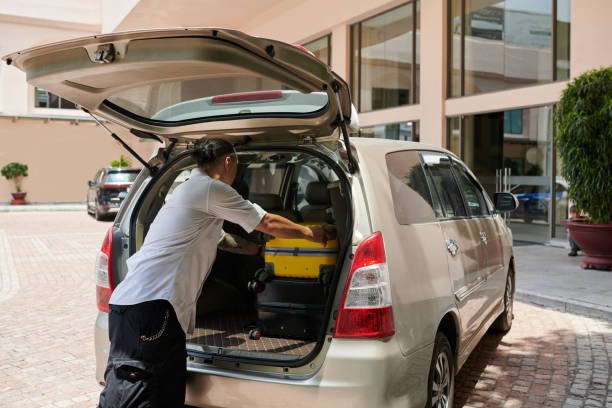
- Airport transfers to/from Kilimanjaro International Airport (JRO) or Arusha Airport (ARK)
Often Excluded:
- International flights to Tanzania
- Visa fees
- Travel insurance (highly recommended)
- Tips for guides and lodge staff
- Alcoholic beverages and soft drinks (unless specified)
- Optional activities like hot air balloon safaris, walking safaris, or cultural village visits
- Gratuities
- Personal expenses (souvenirs, laundry, etc.)
Understanding these details ensures you don’t face unexpected costs. For instance, a quote that excludes park fees will appear cheaper initially but will be significantly more expensive once added.
### 8. Optional Activities: Enhancing Your Experience
While not standard, certain activities can add substantial cost but offer unique perspectives:
* Hot Air Balloon Safari (Serengeti): Typically costs around $550 – $650 per person. Includes a champagne breakfast upon landing. This is a highly
Check Availability for Tanzania Safari Prices For 1 To 14 Days: Complete Cost Guide 2026-2027
Ready to compare dates, prices, and the best option for your group? Send the package name and travel month so the team can reply with a clear quote, availability, and what is included.
Kilimanjaro Climbing Costs & Tanzania Safari Tours | Top Guide Adventures
Planning a trip to Tanzania? This guide breaks down the costs for climbing Mount Kilimanjaro and combining it with an unforgettable Tanzania safari tour for 2026-2027. Learn about pricing...
View package details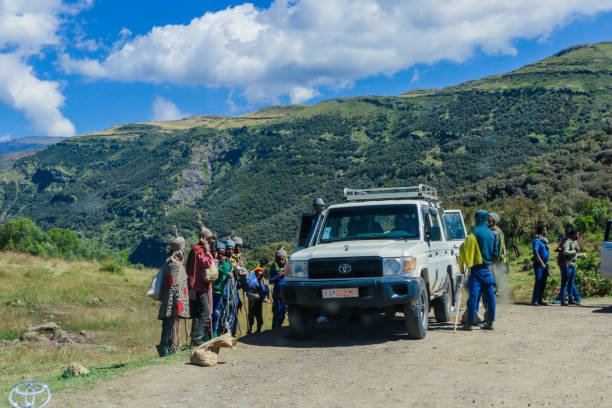
Tanzania Safari Prices And Park Fees: Your Ultimate Guide 2026-2027
Planning a Tanzania safari involves understanding various costs, primarily driven by park entrance fees and the overall safari package. This guide breaks down typical Tanzania safari prices...
View package detailsUsajili Wa Simba / Dates: Football Tourism Tanzania & Safari Packages
Planning to experience 'Usajili wa Simba' in Tanzania during the 2026/2027 season? This guide covers the likely dates, what to expect, and how to combine this unique football event with...
View package detailsAfcon Tanzania Travel Guide, Safari Tours And Match Packages 2026-2027
AFCON 2027 Tanzania Travel Guide, Safari Tours and Match Packages is explained with current 2026-2027 planning, price, itinerary and booking information.
View package detailsDiscount Tanzania Treks And Affordable Safari Packages In 2026-2027
Discover how to plan discount Tanzania treks and affordable safari packages for your 2026-2027 adventure. This comprehensive guide covers budget-friendly options for iconic destinations...
View package detailsRichest Man In Tanzania & Luxury Safari Experiences In 2026-2027
Explore the pinnacle of luxury safari experiences in Tanzania, from exclusive lodges to private game drives, and gain insight into the nation's wealthiest individuals. Top Guide Adventures...
View package detailsAfcon Tanzania Schedule And Safari Travel Packages By Top Guide Adventures
Discover the AFCON 2026 Tanzania schedule and explore tailored safari travel packages. Top Guide Adventures offers unique experiences combining football excitement with the wonders of...
View package detailsRichest African Artist : Their Favorite Safari Adventures In Tanzania
In 2026, the allure of Tanzania's vast wilderness continues to draw global attention, including from some of Africa's wealthiest artists. While exact personal preferences remain private...
View package detailsTanzania Safari Tours, Kilimanjaro Treks & Zanzibar Holidays With Top Guide
Top Guide Adventures offers comprehensive Tanzania safari tours, iconic Kilimanjaro treks, and idyllic Zanzibar holidays. Discover the best of East Africa with personalized itineraries...
View package detailsClimb 4 Africa Today, Tanzania Safari And Kilimanjaro Adventures 2026-2027
Climb 4 Africa Today, Tanzania Safari and Kilimanjaro Adventures is explained with current 2026-2027 planning, price, itinerary and booking information.
View package detailsHabari Za Azam Fc Leo Na Tanzania Safari Tours Kwa Mashabiki 2026-2027
Habari za Azam FC Leo na Tanzania Safari Tours kwa Mashabiki is explained with current 2026-2027 planning, price, itinerary and booking information.
View package detailsThe Richest Musician In Africa And Luxury Safari Adventures In Tanzania
Explore the allure of Tanzania's luxury safari experiences, drawing parallels with the opulent lifestyles and potential travel interests of Africa's wealthiest musicians. This guide details...
View package detailsNo related package matches those filters. Clear one or more filters to see the other topic-matched options.



