
Tanzania is broadly divided into three main climate zones: the hot and humid coast, the temperate highlands, and the hot and dry plains. Understanding these Tanzania climate zones is essential for planning your trip, as weather significantly impacts wildlife viewing, trekking conditions, and overall comfort throughout the year, especially when considering travel in 2026 or 2027.

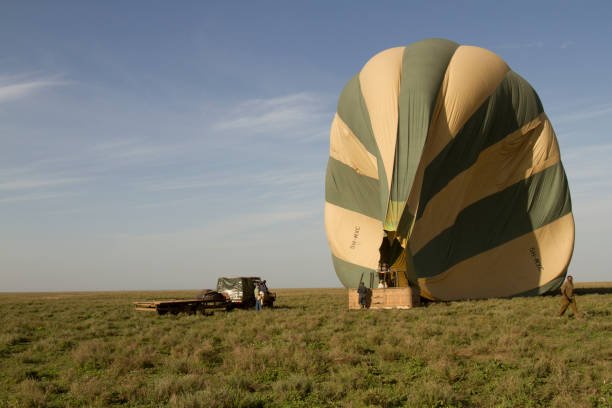
Understanding Tanzania’s Diverse Climate Zones
Tanzania, a vast country straddling the equator in East Africa, boasts an incredibly diverse geography, which naturally leads to a variety of climate zones. From the sweltering Indian Ocean coastline to the cool, elevated plateaus and the arid northern plains, the weather you experience will depend heavily on where you are and when you visit. This understanding is not just academic; it’s fundamental for planning a successful and enjoyable safari, a challenging Kilimanjaro climb, or a relaxing beach holiday. For travelers looking ahead to 2026 and 2027, grasping these nuances will help pinpoint the ideal time and location for their adventure.
The country’s climate is primarily influenced by its latitude, altitude, and proximity to the Indian Ocean. These factors create distinct microclimates across its regions, shaping everything from the vegetation and wildlife migration patterns to the best times for outdoor activities.
The Coastal Strip: Tropical Heat and Humidity
The coastal regions of Tanzania, including popular destinations like Dar es Salaam, Zanzibar, Pemba, and Mafia Islands, experience a classic tropical monsoon climate. This means consistently high temperatures and significant humidity year-round, punctuated by distinct rainy seasons.
Temperatures and Humidity
Expect average temperatures to hover around 28-32°C (82-90°F) Throughout the year. Even during cooler months, the temperature rarely drops below 20°C (68°F) at night. Humidity levels are high, often exceeding 80%, which can make the heat feel more intense, especially during the midday sun. The coastal breeze can offer some relief, but it’s a climate that requires acclimatization and plenty of hydration.
Rainfall Patterns
There are two main rainy seasons along the coast:
- The Long Rains (Vuli): Typically occur from March to May. This period sees heavy, persistent rainfall, often with overcast skies. It’s generally considered the low season for tourism, although prices might be lower.
- The Short Rains (Masika): Usually fall between November and December. These are generally lighter and more sporadic showers, often occurring in the late afternoon or overnight, leaving much of the day clear and sunny.
The dry spells, often referred to as the ‘dry season,’ run from June to October and then again from January to February. These are prime times for beach holidays, with sunny skies and lower humidity, though the heat can still be substantial.
Impact on Travel
For beach lovers, the dry months of June to October and January to February offer the most pleasant conditions. However, the short rains in November and December can also be enjoyable, with fewer crowds and lush, green scenery, especially on Zanzibar. The long rains (March-May) can disrupt beach activities and some water sports due to rougher seas and constant rain.
The Northern Safari Circuit: Distinct Wet and Dry Seasons
This is perhaps Tanzania’s most famous tourist region, home to the Serengeti National Park, Ngorongoro Conservation Area, Tarangire National Park, and Mount Kilimanjaro. The climate here is characterized by a more pronounced difference between wet and dry seasons, with altitude playing a significant role in temperature variations.
Serengeti and Northern Plains
The vast plains of the Serengeti experience a climate that dictates the Great Migration’s movements. Generally, there are two rainy seasons:
- The Long Rains: March, April, and May are the wettest months. Expect heavy downpours, particularly in the afternoons, which can make some roads impassable. This is the low season, offering a more intimate safari experience and lower prices. The landscape becomes incredibly green and vibrant.
- The Short Rains: November and December. These are usually brief, intense showers that occur in the late afternoon or overnight. They tend to green up the landscape quickly and are often followed by sunny days.
The dry season runs from June through October. This is the peak tourist season, characterized by sunny, warm days and cooler nights. Wildlife congregates around permanent water sources, making them easier to spot. The annual wildebeest migration is often found in the northern Serengeti during the dry months, heading towards the Mara River.
Temperatures in the Plains
Daytime temperatures on the plains typically range from 25-30°C (77-86°F) During the dry season. Nights can be cooler, especially in June and July, dropping to around 15°C (59°F). During the wet season, temperatures might be slightly lower due to cloud cover and rain, but the humidity can make it feel muggy.
Mount Kilimanjaro and the Highlands
The climate on and around Mount Kilimanjaro and the surrounding highlands (like Arusha and Moshi) is significantly influenced by altitude. As you ascend the mountain, temperatures drop dramatically, and weather conditions become more extreme.
- Base Towns (Arusha, Moshi): These areas enjoy a temperate climate year-round, often described as ‘eternal spring.’ Daytime temperatures average 20-27°C (68-81°F), with cooler evenings. They experience the same rainy seasons as the plains (March-May and November-December), but rainfall is often less intense than on the open plains.
- Kilimanjaro Slopes: As altitude increases, so does the rain and cold. The mountain itself has distinct ecological zones, each with its own microclimate. The lower slopes are lush rainforest, while the upper reaches are alpine desert and eventually arctic conditions at the summit.
Kilimanjaro Trekking Seasons
The best times to climb Kilimanjaro are during the dry seasons, which align with the dry periods on the northern plains:
- January to March: Generally dry and clear, though it can be quite cold at higher altitudes.
- June to October: Considered the prime climbing season. These months offer the most stable weather, with clear skies and less precipitation. Expect cold temperatures, especially at night and on the summit attempt.
The rainy seasons (April-May and November-December) are generally avoided for climbing due to slippery trails, poor visibility, and increased risk. However, some trekkers opt for these shoulder seasons to find fewer crowds, though preparedness for challenging conditions is paramount. Planning a Kilimanjaro climb for 2026 or 2027 during these peak seasons requires booking well in advance.
Southern Tanzania: Less Visited, Unique Climates
Southern Tanzania, encompassing parks like Ruaha National Park and Selous Game Reserve (now Nyerere National Park), offers a wilder, less crowded safari experience. The climate here is generally hotter and drier than the northern circuit, with distinct wet and dry seasons.
Ruaha National Park
Ruaha is known for its arid, rugged landscape. The dry season runs from June to November, which is the best time for wildlife viewing as animals congregate around the remaining water sources. Temperatures can be very high, especially from October to December, often exceeding 35°C (95°F). The wet season, from December to April, brings heavy rains, making some areas inaccessible and dispersing wildlife. The shoulder months of December and May can be good for birdwatching and lush scenery.
Selous/Nyerere National Park
Selous is a vast park with a mix of miombo woodland, open plains, and the Rufiji River system. Its climate is characterized by a distinct wet and dry season:
- Dry Season (June to October): Ideal for game viewing. The vegetation thins out, and animals are easier to spot. Temperatures are warm to hot, with cooler evenings.
- Rainy Season (November to May): The landscape becomes lush and green. Heavy rains occur from January to March. While wildlife viewing can be more challenging as animals spread out, the scenery is beautiful, and birdlife is abundant. Boat safaris on the Rufiji River are excellent during this time. Temperatures are hot and humid, especially from December to April.
Southern Tanzania is generally hotter than the north, making the dry season (June-October) the most comfortable and rewarding time for a safari, especially for those who prefer slightly cooler temperatures compared to the peak heat months of October-December.
The Central Plateau: A Mix of Dryness and Altitude
Central Tanzania, home to parks like Lake Manyara and parts of Tarangire (though often grouped with the North), has a climate that blends elements of both the northern plains and highland regions. It tends to be drier than the coast but can be more temperate than the deep southern parks due to its elevation.
Lake Manyara National Park
Lake Manyara has a pleasant climate year-round, influenced by the lake and surrounding escarpment. It experiences dry seasons from June to October and January to February, with rainfall in March-May and November-December. Temperatures are moderate, typically ranging from 20-28°C (68-82°F) During the day.
Tarangire National Park
Tarangire’s climate is more pronouncedly seasonal. It’s known for its dry season from June to October, when its large elephant herds congregate around the Tarangire River. This is a prime time for visitors. The wet season from November to May brings lush vegetation and disperses wildlife, though it can be excellent for birdwatching. Temperatures are similar to the Serengeti plains but can feel hotter during the dry season due to less shade.
Seasonal Considerations for Your Tanzania Adventure (2026-2027)
When planning your trip to Tanzania for 2026 or 2027, aligning your travel dates with the desired climate and wildlife experiences is crucial. Here’s a breakdown of what to expect across the seasons:
The Dry Season (June to October)
- Pros: Excellent wildlife viewing (especially in the north and south), clear skies, lower humidity, comfortable temperatures (cooler evenings), ideal for Kilimanjaro treks. This is peak tourist season, so expect higher prices and more crowds.
- Cons: Higher costs, busier parks and lodges, potentially dusty conditions.
- Ideal For: Wildlife safaris (Serengeti, Ngorongoro, Ruaha, Selous), Kilimanjaro climbing, beach holidays.
The Short Rains (November to December)
- Pros: Fewer tourists, greener landscapes, lower prices, beautiful light for photography, excellent birdwatching. Migratory birds arrive.
- Cons: Occasional afternoon showers, some roads might become muddy.
- Ideal For: Safaris (especially if you don’t mind brief rain), birdwatching enthusiasts, budget-conscious travelers.
The Long Rains (March to May)
- Pros: Very low season prices, lush green scenery, baby animals often born (especially in the Serengeti in February/March), excellent for photography of landscapes and birds.
- Cons: Heavy and persistent rainfall, some parks/lodges may close or have limited access, difficult road conditions, not ideal for beach holidays or Kilimanjaro climbs.
- Ideal For: Budget travelers seeking solitude, photographers interested in dramatic landscapes and birds, those wanting to see the calving season of the Great Migration.
The Shoulder Season (January to February)
- Pros: Generally dry, warm weather, good wildlife viewing as animals gather at waterholes, the wildebeest calving season in the southern Serengeti begins, fewer crowds than the main dry season, reasonable prices.
- Cons: Can be quite hot, especially towards the end of February.
- Ideal For: Safaris, witnessing the start of the Great Migration’s calving season, enjoying warm weather without peak season crowds.
Planning Your 2026-2027 Tanzania Trip Based on Climate
To make the most of your Tanzanian adventure in 2026 or 2027, consider these specific planning tips based on the climate zones and seasons:
For Safari Enthusiasts:
- Great Migration Viewing: If witnessing the Great Migration is your priority, timing is everything. For the dramatic river crossings, aim for the dry season (July-October) in the northern Serengeti. For the calving season and vast herds on the plains, January and February are ideal in the southern Serengeti.
- Big Cats: While big cats can be seen year-round, the dry season (June-October) often makes them easier to spot as they hunt near water sources.
- Birdwatching: The wet seasons (November-May) are generally best, especially with the arrival of migratory birds from Europe and Asia.
- Southern Circuit (Ruaha & Selous): Best visited during the dry season (June-October) for optimal game viewing and more comfortable temperatures.
For Kilimanjaro Climbers:
The dry months of January-March And June-October Are the most recommended for climbing Kilimanjaro. These periods offer the highest chance of clear skies and stable weather. Booking your trek for 2026 or 2027 during these windows is highly advisable, as popular routes and dates fill up quickly.
For Beach Lovers (Zanzibar, Mafia, Pemba):
The ideal time for a relaxing beach holiday is during the dry spells: June to October And January to February. These periods offer sunshine, lower humidity, and calmer seas. While the short rains (November-December) can still be pleasant with sporadic showers, the long rains (March-May) are best avoided for a beach getaway.
Making the Most of Tanzania’s Climate Zones with Top Guide Adventures
Navigating Tanzania’s diverse climate zones can seem complex, but with expert guidance, you can plan a trip perfectly suited to your interests and desired experiences. At Top Guide Adventures, we specialize in crafting tailor-made journeys that take into account the seasonal weather patterns and regional climates to ensure you have the best possible adventure, whether it’s a safari in the Serengeti, a trek up Kilimanjaro, or a tranquil escape to Zanzibar.
Our team has extensive knowledge of Tanzania’s weather throughout the year. We can advise on the best times to visit specific parks based on wildlife movements, recommend the most suitable routes for your Kilimanjaro climb considering the season, and suggest the perfect beach destinations depending on your preferences for sun, sea, and relaxation. We help you avoid potential travel disruptions caused by heavy rains and ensure you are prepared for the conditions you will encounter.
Consider planning your 2026 or 2027 adventure with us. We can help you:
- Identify the optimal Tanzania climate zone for your safari goals.
- Select the best months for your Kilimanjaro climb based on weather forecasts and route conditions.
- Choose the ideal time for a beach holiday on Zanzibar or other coastal gems.
- Create an itinerary that maximizes your enjoyment by accounting for seasonal variations in temperature, rainfall, and wildlife behavior.
Don’t let the climate be a mystery in your travel planning. Let us help you find the best of Tanzania, year-round. Contact us today to start planning your personalized 2026-2027 Tanzanian experience.
Contact Top Guide Adventures for Your Bespoke Tanzania Trip
Ready to plan your unforgettable Tanzanian adventure, taking into account the best Tanzania climate zones for your chosen activities? Get in touch with our expert team at Top Guide Adventures. We offer personalized safari packages, Kilimanjaro climbs, and Zanzibar holidays designed to fit your interests and budget.
WhatsApp: +255616946642
Email: Topguideadventures@gmail.com
Backup Email: Info@topguideadventures.com
Visit our website for more information on our tours and services: Top Guide Adventures Tanzania.
Check Availability for Tanzania Climate Zones: Your Guide To Weather By Region And Season 2026-2027
Ready to compare dates, prices, and the best option for your group? Send the package name and travel month so the team can reply with a clear quote, availability, and what is included.
Tanzania In June Guide
Planning a trip to Tanzania in June? This is a prime time for wildlife viewing, with dry conditions, lush landscapes after the rains, and the Great Migration beginning its journey. Our...
View package details
Arusha City Tour: Your Gateway To Northern Tanzanias Wonders 2026-2027
Experience Arusha, the vibrant hub of Northern Tanzania. Our Arusha city tours offer a perfect introduction to local life, culture, and the stunning landscapes that await your adventure.
View package details
Arusha: Your Gateway To Tanzanias Northern Safari Circuit And Kilimanjaro
Arusha serves as Tanzania's vibrant gateway, connecting travelers to the world-renowned Northern Safari Circuit, the majestic Mount Kilimanjaro, and the unique cultural landscapes of the...
View package details
Best Cafes In Tanzania: A Local Guide For 2026-2027
Exploring Tanzania offers incredible wildlife and cultural experiences, but sometimes you need a moment to relax, recharge, and enjoy a good cup of coffee. This guide highlights the best...
View package detailsBest Cafes With Wifi Near Me For Remote Work & Study In Tanzania 2026-2027
Finding a reliable spot with good WiFi for work or study can be a challenge when traveling or exploring new areas. This guide highlights top cafes across Tanzania that offer stable...
View package details
Best Coffee Shops In Tanzania: A Local Guide For 2026-2027
Explore Tanzania's burgeoning coffee culture and find the best local cafes for an authentic brew. From Arusha to Zanzibar, discover artisanal coffee experiences tailored for your 2026-2027...
View package details
Best Coffee Shops Nearby: Your Guide To Top Cafes In Tanzania 2026-2027
Finding a great coffee shop nearby is about more than just caffeine; it's about atmosphere, community, and quality. In Tanzania, this search leads to some truly unique and delightful...
View package details
Best Month To Visit Tanzania For Safari And Zanzibar In 2026-2027
Planning your dream Tanzania adventure? This guide breaks down the best months to visit for optimal safari experiences, including the Great Migration, and idyllic beach time in Zanzibar...
View package details
Best Places To Fish Near Me: Tanzanias Top Angling Adventures 2026-2027
For anglers seeking thrilling fishing experiences in Tanzania, the "best places to fish near me" leads to a diverse range of opportunities. From the vibrant coral reefs of the Indian Ocean...
View package details
Best Seafood Restaurants Near Me: Fresh Catches In Tanzania 2026-2027
Exploring Tanzania's culinary landscape reveals a vibrant seafood scene, especially along its extensive coastline. This guide highlights top spots for fresh catches, offering a taste of the...
View package details
Best Time Of Year To Visit Tanzania For Safaris & Zanzibar 2026-2027
Planning a trip to Tanzania? This guide breaks down the best times to visit for unparalleled wildlife viewing, beach relaxation, and cultural experiences, considering weather, animal...
View package detailsBest Time To Travel To Tanzania 2026-2027
Best time to travel to Tanzania is explained with current 2026-2027 planning, price, itinerary and booking information.
View package detailsNo closely related package is available for this topic yet.



