
The Singida region in Tanzania offers a unique travel experience for those seeking authentic cultural encounters and off-the-beaten-path adventures, particularly for trips planned in 2026 and 2027. It is a destination rich in history, natural beauty, and vibrant local life, distinct from the more frequented safari circuits. Key attractions include the Maasai cultural heritage, vast salt lakes, ancient rock art, and opportunities for genuine interactions with communities, making it ideal for travelers wanting to explore the less-trodden paths of Tanzania.
Understanding Singida: Tanzania’s less crowded place
Singida, located in the central-north part of Tanzania, remains one of the country’s most overlooked yet rewarding regions for intrepid travelers. Unlike the famed northern safari circuit or the southern parks, Singida offers a different kind of adventure – one deeply rooted in cultural immersion, geological wonders, and a profound sense of discovery. For those planning their Tanzanian journey in 2026 or 2027, looking beyond the usual tourist trails to Singida promises an experience that is both enriching and authentic.
The region is characterized by its semi-arid climate, vast plains, acacia woodlands, and significant salt lakes, most notably Lake Eyasi and Lake Singidani. These natural features shape the landscape and the livelihoods of its inhabitants, including various ethnic groups such as the Datoga, Hadzabe (one of the last hunter-gatherer tribes in Africa), and the Maasai, who have distinct cultural practices from their northern counterparts. Exploring Singida is a journey into the heart of Tanzania, revealing a side of the country that few visitors get to see.
Why Choose Singida for Your 2026-2027 Tanzania Trip?
The allure of Singida lies in its authenticity. It hasn’t been commercialized to the same extent as other Tanzanian destinations, meaning interactions with local people are genuine and unfiltered. This makes it a prime location for cultural tourism, anthropological study, and for travelers who value meaningful connections over crowded tourist spots. Planning for 2026-2027 means you can be among the first to truly appreciate what Singida has to offer, ensuring a memorable and exclusive experience.
- Cultural Depth: Engage with the Hadzabe hunter-gatherers and the Datoga blacksmiths, learning about their ancient traditions and survival techniques.
- Unique Landscapes: Witness the stark beauty of the salt lakes and the surrounding savannah, offering photographic opportunities unlike any other.
- Off-the-Beaten-Path Adventure: Experience Tanzania away from the crowds, offering a more intimate and personal journey.
- Geological Wonders: Explore areas with significant geological formations and potential for archaeological discoveries.
- Authentic Encounters: Connect with local communities, understanding their way of life, challenges, and resilience.
Getting to Singida: Your Gateway to Central Tanzania
Reaching Singida requires a bit more planning than heading to Arusha or the Serengeti, but the journey itself is part of the adventure. The region is accessible by road, with the main town of Singida serving as the administrative and commercial hub.
By Road
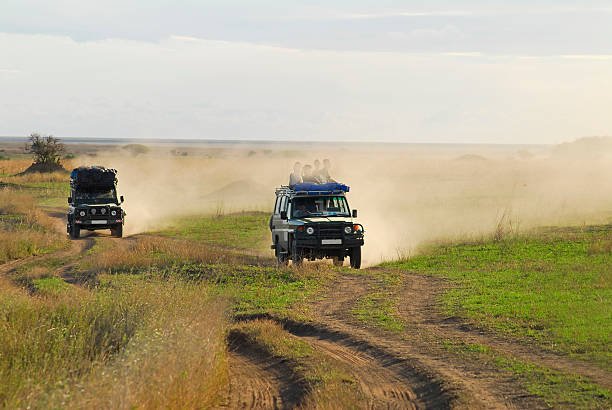
The most common way to reach Singida is by road from major Tanzanian cities like Dar es Salaam or Arusha. The drive is scenic, passing through varied landscapes that showcase the diverse geography of Tanzania.
- From Dar es Salaam: The journey is approximately 8-10 hours, depending on road conditions and stops. The route typically goes through Dodoma, Tanzania’s capital.
- From Arusha: This route is shorter, taking around 6-7 hours. It often involves passing near Kondoa, which is known for its ancient rock art.
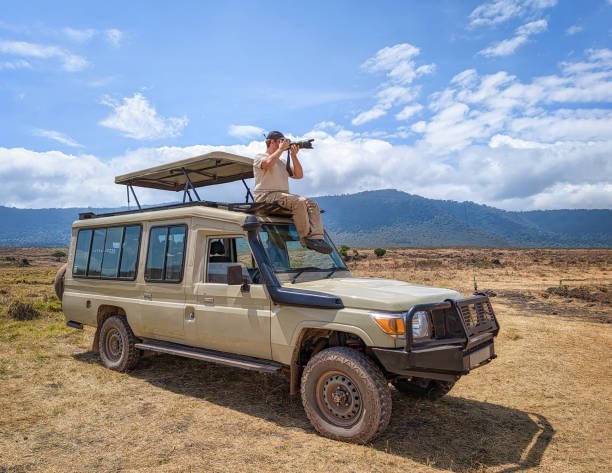
For travelers planning their 2026-2027 trips, it’s advisable to use reputable tour operators who can arrange comfortable and safe road transport. Private 4×4 vehicles are recommended for better comfort and flexibility, especially if you plan to explore areas outside the main town.
By Air
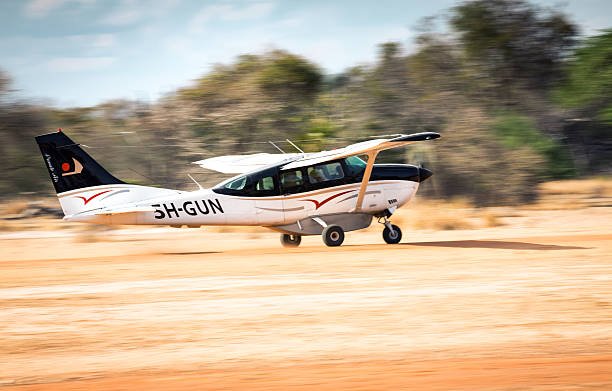
While there isn’t a major international airport in Singida, small domestic flights can sometimes be arranged to the Singida Airport (SGU) from Dar es Salaam or other regional airstrips. However, these are less common and often more expensive than road travel. For most international visitors, flying into Kilimanjaro International Airport (JRO) or Julius Nyerere International Airport (DAR) and then arranging road transfer is the standard approach.
Top Guide Adventures Can Assist
Navigating transport logistics in Tanzania can be complex. At Top Guide Adventures, we specialize in creating smooth travel experiences. Whether you’re planning a cultural tour for late 2026 or an adventure in early 2027, we can arrange reliable airport transfers, comfortable road transport to Singida, and local transportation within the region. Feel free to contact us via WhatsApp +255616946642 or Email topguideadventures@gmail.com to discuss your travel plans.
Key Attractions and Experiences in Singida
Singida’s appeal lies in its raw, untamed beauty and the unique cultural encounters it offers. While not a destination for classic big-game safaris, it provides a rich mix of experiences that are deeply rewarding.
Cultural Encounters with the Hadzabe and Datoga
Perhaps the most significant draw for visitors to Singida is the opportunity to interact with the Hadzabe, one of Africa’s last remaining hunter-gatherer tribes. These indigenous people live a traditional lifestyle, relying on hunting, gathering, and foraging for their sustenance. A visit to their community, often facilitated by experienced local guides, allows you to witness their unique skills, understand their deep connection to the land, and learn about their ancient traditions. It’s important to approach these visits with respect and sensitivity.
Equally fascinating are the Datoga people, renowned for their metalworking skills. You can visit Datoga villages and witness blacksmiths at work, crafting tools, jewelry, and other essential items using traditional methods passed down through generations. Their intricate beadwork and distinct cultural attire also offer a glimpse into their rich heritage.
The Salt Lakes: Lake Eyasi and Lake Singidani
Singida is home to significant salt lakes that play a crucial role in the local economy and ecosystem.
- Lake Eyasi: While bordering the Arusha region, parts of Lake Eyasi fall within Singida’s sphere of influence and offer stunning, often starkly beautiful landscapes. The lake is a vital source of salt, and you can observe local communities harvesting it. The surrounding areas are also home to the Datoga and Hadzabe tribes.
- Lake Singidani: This is a smaller, more accessible salt lake within the Singida region. It’s a hub for salt mining and provides a unique spectacle of human activity against a natural backdrop. The shores of the lake are often frequented by flamingos and other birdlife, especially during certain times of the year.
Visiting these lakes offers a chance to understand the resourcefulness of the local communities and appreciate the unique geology of the region.
Kondoa Rock-Art Sites (UNESCO World Heritage Site)
Located to the northeast of Singida town, the Kondoa Rock-Art Sites are a testament to Tanzania’s ancient human history. These sites feature a dense concentration of prehistoric rock paintings, spanning thousands of years. The art depicts scenes of daily life, rituals, animals, and human figures, offering invaluable insights into the beliefs and practices of early inhabitants. A guided tour here is an educational and visually striking experience, connecting you to a past that stretches back millennia. This is a must-visit for anyone interested in history and anthropology.
Singida Town and Local Markets
Singida town itself is a bustling center where you can experience the rhythm of daily life in central Tanzania. Visit the local markets to see a vibrant array of produce, crafts, and everyday goods. It’s an excellent place to interact with locals, sample regional snacks, and perhaps find unique souvenirs. The markets are a sensory experience, filled with colors, sounds, and the lively atmosphere of commerce.
Wildlife and Birdwatching Opportunities
While Singida is not primarily a safari destination for large predators like lions or elephants found in the northern parks, it offers unique wildlife viewing opportunities. The areas around Lake Eyasi and other water sources attract a variety of bird species, making it a good spot for birdwatchers. You might also encounter smaller mammals, reptiles, and diverse insect life adapted to the semi-arid environment. The focus here is on observing the natural world in its less-congested habitat.
Planning Your Singida Adventure for 2026-2027
Successful travel to a destination like Singida hinges on careful planning. Understanding the best times to visit, accommodation options, and how to structure your itinerary will ensure a rewarding trip in 2026 or 2027.
Best Time to Visit Singida
Singida experiences a tropical climate with distinct wet and dry seasons. The best time to visit generally aligns with the dry seasons, offering more predictable weather and easier travel conditions.
- Dry Season (June to October): This period offers sunny days, cooler temperatures, and minimal rainfall. It’s ideal for cultural visits, exploring the salt lakes, and enjoying outdoor activities without the hindrance of heavy rain. This is often considered the peak travel season for many parts of Tanzania.
- Short Rains (November to December): Rainfall is sporadic during this time, but it can still be a pleasant period to visit, with greener landscapes and fewer tourists.
- Long Rains (January to May): This is the wet season, with heavier rainfall, particularly from March to May. While some areas might become less accessible, the landscapes are lush, and it’s a great time for birdwatching. However, travel can be more challenging.
For 2026-2027, consider visiting during the dry season (June-October) for the most comfortable experience, or the shoulder months of September-October or January-February for a balance of good weather and fewer crowds.
Accommodation Options
Accommodation in Singida is more basic compared to major tourist hubs. You’ll find a range of options:
- Guesthouses and Budget Hotels: Available in Singida town, offering clean and simple rooms for travelers on a budget.
- Community Homestays: For a truly authentic experience, consider arranging a homestay with local families. This allows for deep cultural immersion.
- Campsites: Basic camping facilities might be available in certain areas, particularly if organized as part of a tour.
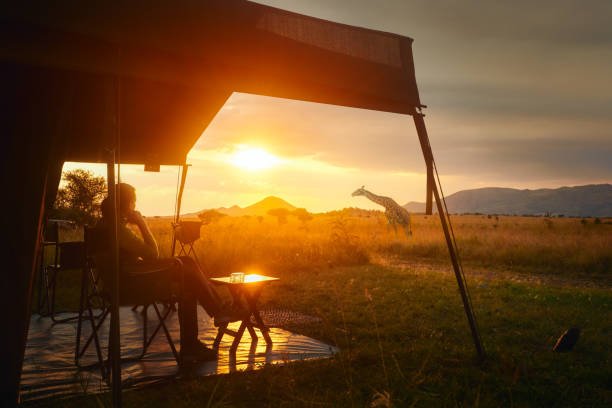
- Lodges: While luxury lodges are scarce, some mid-range lodges or tented camps might be found in areas closer to attractions like Lake Eyasi, often organized by tour operators.
Top Guide Adventures can help you find suitable accommodation that matches your comfort level and travel style, ensuring you have a pleasant stay during your 2026 or 2027 visit.
Sample Itinerary Ideas for Singida
A typical Singida itinerary focuses on cultural immersion and exploration of its unique natural features. Here are a few ideas for trips in 2026-2027:
Short Cultural Immersion (3-4 Days)
- Day 1: Arrive in Singida, settle into accommodation. Afternoon visit to Singida town market and local community.
- Day 2: Full day excursion to Lake Singidani. Observe salt harvesting and local life. Birdwatching opportunities.
- Day 3: Visit a Datoga blacksmith village to witness traditional metalworking. Afternoon interaction with local elders.
- Day 4: Morning visit to a Hadzabe community (if accessible and arranged respectfully). Depart from Singida.
Extended Cultural & Geological Exploration (5-7 Days)
- Day 1: Arrive in Singida, transfer to accommodation. Explore Singida town and its surroundings.
Check Availability for Singida Tanzania Travel Guide 2026-2027
Ready to compare dates, prices, and the best option for your group? Send the package name and travel month so the team can reply with a clear quote, availability, and what is included.
Best 4 Days Safari Tanzania From Zanzibar In 2026-2027
Discover the ultimate 4-day safari experience from Zanzibar. This guide covers the best itineraries, wildlife viewing opportunities in Tarangire, Lake Manyara, and Ngorongoro Crater for…
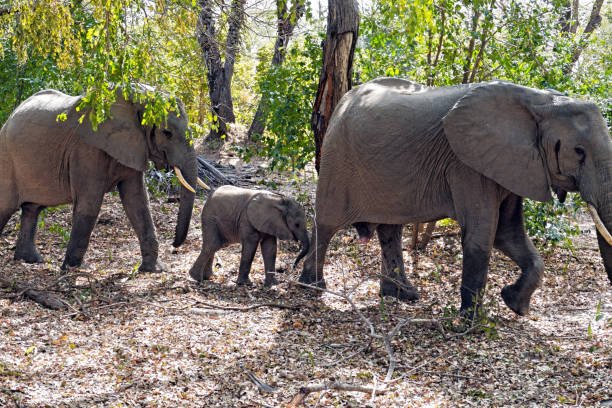
Best 3-Day Safari Tanzania From Zanzibar: Private Itinerary + Price 2026
Experience the thrill of a 3-day Tanzania safari departing from Zanzibar. This guide covers the best park options, itinerary ideas, and essential planning tips for 2026-2027, ensuring an…
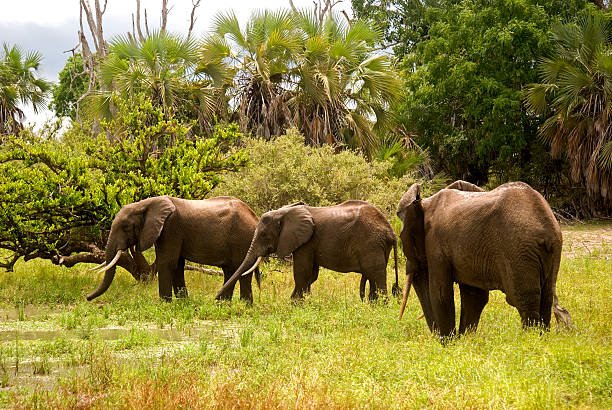
2-Day Safari Tanzania From Zanzibar: Best Fly in Mainland 2026-2027
Discover the thrill of a 2-day safari in mainland Tanzania, starting from the idyllic island of Zanzibar. This short yet impactful adventure allows you to witness the incredible wildlife of…
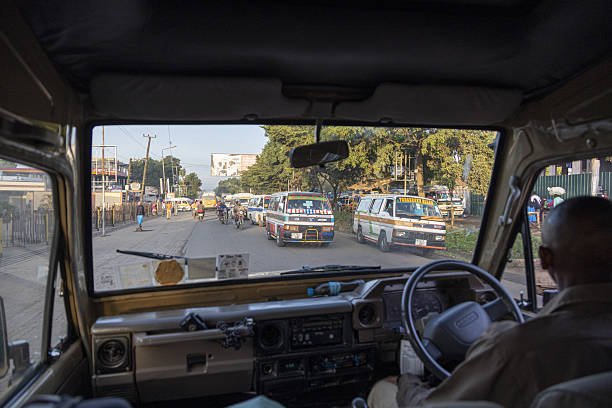
Best 1 Day Lake Manyara Safari From Moshi: Your Ultimate Wildlife Experience
A 1-day Lake Manyara safari from Moshi offers an incredible opportunity to witness diverse wildlife, including iconic tree-climbing lions, in a single, action-packed day. This guided tour…
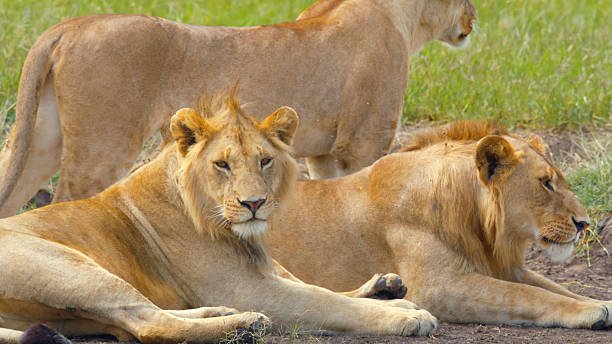
Book 1 Day Tarangire Safari From Moshi: Your Ultimate Wildlife Adventure
Discover the magic of a 1-day Tarangire Safari departing from Moshi. This guide covers everything you need to know for an unforgettable wildlife adventure in Tarangire National Park, from…
No related package matches those filters. Clear one or more filters to see the other topic-matched options.



