
For most Kilimanjaro travellers in 2026 and 2027, acquiring a local Tanzanian SIM card upon arrival is the most practical and cost-effective way to ensure internet access and make calls, though reliable service will be limited to base towns and lower elevations, with very little to no connectivity on the mountain itself.
While you can’t expect consistent internet on the slopes of Kilimanjaro, having a local SIM card is invaluable for pre- and post-climb communication, local navigation, and sharing your journey’s initial stages. Top Guide Adventures, as a leading Kilimanjaro trekking operator, understands the importance of staying connected and can offer guidance on the best local SIM options before and after your trek, ensuring a smoother overall experience.
Understanding Mobile Connectivity on Kilimanjaro
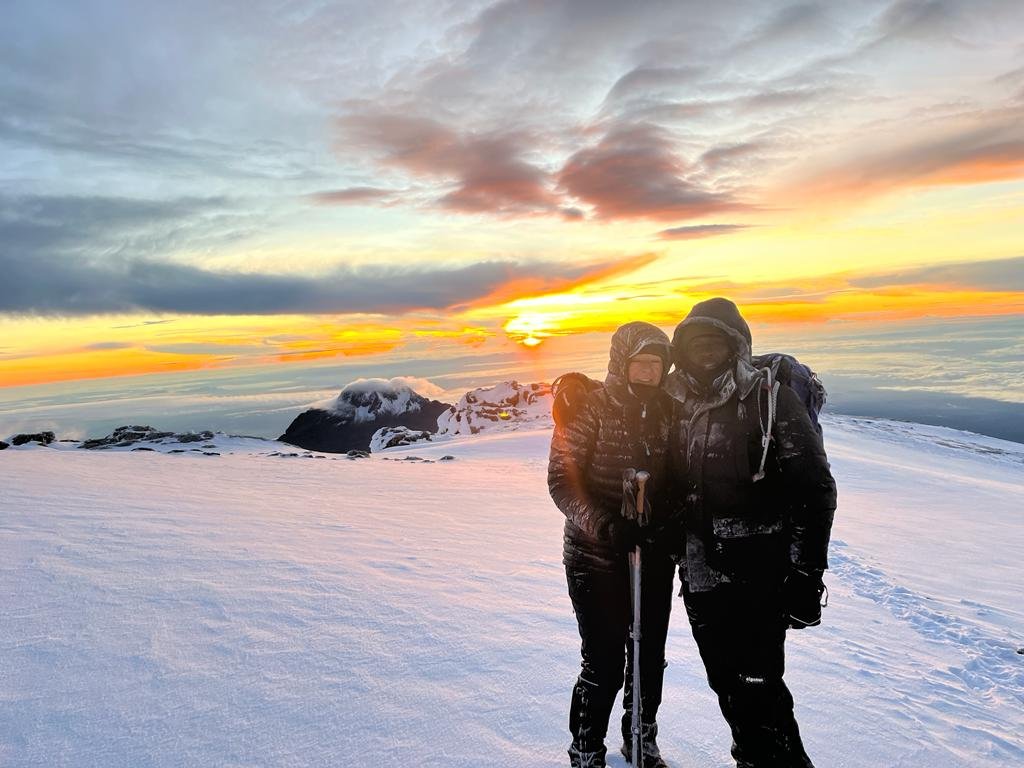
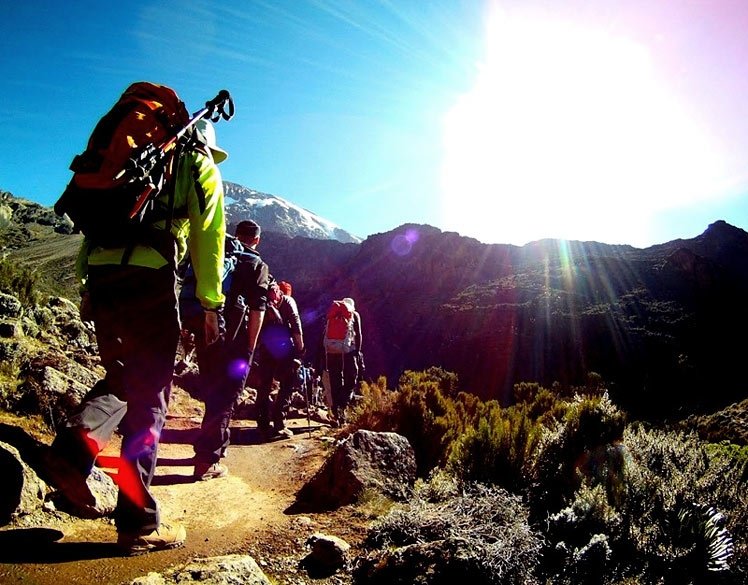
The dream of summiting Mount Kilimanjaro often includes images of vast, remote landscapes. While this is true, it also means that cellular service is extremely limited once you begin your ascent. Understanding this reality upfront is key to managing expectations. Most of your trek will be in areas with no signal whatsoever, making a smartphone a camera and offline guide rather than a communication device during the climb itself. However, staying connected before you depart from civilization and immediately after your descent is highly achievable and recommended.
The primary providers in Tanzania, including Vodacom and Tigo, offer the most extensive networks. While their coverage extends to towns surrounding Kilimanjaro like Moshi and Arusha, the signal rapidly diminishes as you gain altitude. By the time you reach the higher camps, you will be completely offline. This is often seen as a positive aspect by many trekkers, allowing for a complete digital detox. For 2026-2027 travel, these network dynamics are expected to remain largely the same, with no significant infrastructure changes anticipated for the mountain trails themselves.
Acquiring a Tanzanian SIM Card: Your Best Option
Purchasing a local SIM card is by far the most sensible approach for international travellers heading to Kilimanjaro. International roaming plans can be prohibitively expensive, and local SIMs offer significantly better rates for data and calls. The process is straightforward, and you can typically acquire a SIM card shortly after landing at Kilimanjaro International Airport (JRO) or at official stores in Moshi or Arusha.
Key steps and considerations for getting a local SIM:
- Where to Buy: Official mobile network operator shops (Vodacom, Tigo) in major towns like Moshi and Arusha, or at kiosks within Kilimanjaro International Airport. Airport prices might be slightly higher but offer convenience.
- Required Documents: You will need your passport for registration. The process is regulated, so be prepared to provide identification.
- Types of SIMs: Prepaid SIM cards are the standard and most convenient option for tourists. You can then purchase data bundles and airtime as needed.
- Registration: Ensure your SIM card is properly registered with your passport details. This is a legal requirement in Tanzania.
- Cost: The SIM card itself is usually very inexpensive, often less than $1 USD. The main cost comes from purchasing data bundles and airtime.
For those planning their 2026 or 2027 Kilimanjaro expeditions, it’s wise to have a plan for your SIM acquisition. While airport purchase is easiest, visiting a town-based store might offer more plan options or better value. Many travellers find it convenient to buy upon arrival at JRO to immediately get in touch with their transfer arrangements.
Recommended Tanzanian Mobile Network Providers
The two dominant mobile network operators in Tanzania are Vodacom and Tigo. Both offer competitive rates and generally good coverage in populated areas. For Kilimanjaro travellers, understanding their reach is important:
- Vodacom: Often considered to have the most extensive network coverage across Tanzania. They offer various data bundles and are widely available.
- Tigo: Another major player with a strong presence, particularly in tourist areas. Tigo also offers competitive data packages and promotions.
When choosing between them, consider that neither will provide reliable service on the mountain. The decision often comes down to personal preference or which provider has a convenient shop near your arrival point or accommodation. For 2026-2027, both are expected to continue their service offerings.
Data Bundles and Airtime for Your Trip
Once you have your SIM card, you’ll need to top it up with credit (airtime) and purchase data bundles. This is typically done through USSD codes or via the provider’s app, if you have Wi-Fi access.
Purchasing Data:
- USSD Codes: Dialling specific codes (e.g., *147# for Vodacom, *545# for Tigo) allows you to access menus for buying airtime and data bundles. Your SIM provider shop can guide you on the correct codes.
- App: Both Vodacom and Tigo have mobile apps that can be used to manage your account, purchase bundles, and check balances, provided you have an internet connection (e.g., hotel Wi-Fi).
- Scratch Cards: Airtime can also be purchased using physical scratch cards, available from many small shops and vendors. You scratch the back to reveal a code to redeem the airtime.
Typical Data Bundle Costs (Estimates for 2026-2027):
Prices can fluctuate, but expect to pay roughly:
- Small Bundle (e.g., 1GB for a few days): $1 – $3 USD
- Medium Bundle (e.g., 5GB for a week): $5 – $10 USD
- Larger Bundles (e.g., 10GB+ for longer use): $10 – $20 USD
It’s advisable to purchase a moderate amount of data initially and top up as needed. You’ll primarily use it in towns for communication, uploading photos, and checking messages. You won’t need extensive data for the mountain itself.
Wi-Fi Availability: Hotels and Lodges
While you’re on the mountain, Wi-Fi is non-existent. However, in the towns of Moshi, Arusha, and at lodges or hotels where you might stay before and after your climb, Wi-Fi is generally available. The quality and speed can vary significantly.
Tips for using Wi-Fi:
- Check with your accommodation: Most hotels and lodges offer Wi-Fi, sometimes free, sometimes for a fee. Ask about the password and any usage limits.
- Be patient: Internet speeds in Tanzania can be slower than what you might be accustomed to. Use Wi-Fi for essential communication and uploads, rather than streaming high-definition video.
- Secure your connection: If you are accessing sensitive information, use a Virtual Private Network (VPN) especially when using public Wi-Fi.
For travellers planning their Kilimanjaro adventure for 2026 or 2027, relying on hotel Wi-Fi for pre-trip arrangements or post-climb updates is a viable strategy, but having a local SIM card provides more flexibility and immediate access.
What to Expect on the Mountain: No Signal Zone
It’s crucial to reiterate that the higher you climb on Kilimanjaro, the less likely you are to find a signal. The trails pass through diverse ecological zones, and the remoteness means cell towers are absent. This is a deliberate aspect of the Kilimanjaro experience for many, offering a chance to disconnect from the digital world and connect with nature and your fellow climbers.
Communication during the climb:
- Guides: Your guides will carry satellite phones for emergencies. These are strictly for critical situations and not for general communication.
- Emergency Contacts: Inform your family and friends that you will be out of contact for several days. Provide them with the contact details of your tour operator (like Top Guide Adventures) in case of emergencies.
- Satellite Devices: For those who absolutely require communication capabilities (e.g., for business), renting a satellite phone or personal locator beacon (PLB) is an option, though costly and generally unnecessary for most trekkers.
For a 2026-2027 climb, embrace the digital detox. Focus on the incredible scenery and the physical challenge. Your guides are trained to handle any situation, and the lack of constant connectivity can be a refreshing change.
Alternatives to SIM Cards: Satellite Phones and EPIRBs
While local SIM cards are excellent for pre- and post-climb connectivity, they are useless on the mountain. For trekkers who need to maintain a communication link for safety or other critical reasons, satellite communication devices are the only option.
- Satellite Phones: These devices allow for voice calls and sometimes text messaging via satellite networks. They are expensive to rent and operate, with calls costing significantly more than cellular services. They are typically only used in extreme circumstances or by professional expeditions.
- Personal Locator Beacons (PLBs) / Satellite Messengers (e.g., Garmin inReach): These devices are primarily for emergency use. They can send an SOS signal with your location to rescue services. Some advanced models also allow for two-way text messaging with pre-set contacts. These are a more accessible option for safety-conscious trekkers than full satellite phones.
If you are considering renting such equipment for your 2026 or 2027 climb, discuss this with your tour operator well in advance. They can advise on availability and costs, though most standard Kilimanjaro treks do not include these as part of their packages, relying on the guides’ emergency equipment.
Tips for Travellers Planning 2026-2027 Kilimanjaro Treks
To ensure you have the best experience regarding connectivity, keep these tips in mind for your 2026 or 2027 Kilimanjaro adventure:
- Download Offline Maps: Before you leave your hotel in Moshi or Arusha, download offline maps of the Kilimanjaro region and your planned route using apps like Google Maps or Maps.me.
- Inform Contacts: Let your family and close friends know your itinerary and when you expect to be out of contact. Provide them with your tour operator’s emergency contact details.
- Carry a Power Bank: Keep your phone, camera, and any other essential electronics charged. Power banks are essential as there are no charging points on the mountain.
- Purchase SIM Locally: Avoid buying SIM cards from unofficial sources or online before your trip, as they may be overpriced or not work. Buy from official stores or the airport upon arrival.
- Understand Coverage Gaps: Be aware that even in towns, signal strength can vary. Don’t expect constant, high-speed internet everywhere.
- Embrace Disconnection: Part of the Kilimanjaro experience is the break from daily digital life. Enjoy the journey and the stunning environment.
By preparing adequately and understanding the limitations, you can manage your communication needs effectively and focus on the incredible journey up Kilimanjaro.
Why Choose Top Guide Adventures for Your Kilimanjaro Connectivity Needs
Navigating communication options in a foreign country can add stress to trip planning, but with the right support, it becomes simple. Top Guide Adventures is a premier Tanzania tour operator deeply familiar with the logistics of climbing Kilimanjaro and the connectivity landscape in the region. We understand that while the mountain itself offers a digital detox, staying connected in the lead-up and aftermath is important for travellers in 2026 and 2027. Our local expertise means we can offer practical advice on the best SIM card providers, data plans, and Wi-Fi availability in Moshi and Arusha, ensuring you can easily arrange airport transfers, communicate with your team, and share your initial journey moments. Our dedicated support team is always available to answer your questions regarding communication and other pre-trek preparations, making your Kilimanjaro adventure smooth from the moment you book.
Conclusion
Staying connected while travelling to Kilimanjaro in 2026 and 2027 is primarily about managing expectations and making smart choices. A local Tanzanian SIM card from providers like Vodacom or Tigo is your best bet for affordable calls and data in towns like Moshi and Arusha. However, once you begin your ascent, prepare for a complete digital detox, as mobile signals do not reach the higher altitudes of Kilimanjaro. Rely on your guides for emergencies, inform your loved ones about your connectivity status, and embrace the opportunity to disconnect. With proper planning and awareness, you can ensure your communication needs are met while fully enjoying the unparalleled experience of climbing Mount Kilimanjaro.
For personalized assistance with your Kilimanjaro climb and advice on local connectivity, please reach out to our expert team. We are here to help you plan every aspect of your adventure. You can contact us via WhatsApp at +255616946642, email us at topguideadventures@gmail.com, or use our backup email info@topguideadventurestanzania.com.
Check Availability for Sim Cards And Internet For Kilimanjaro Travellers Guide
Ready to compare dates, prices, and the best option for your group? Send the package name and travel month so the team can reply with a clear quote, availability, and what is included.
Kilimanjaro Climbing Costs & Tanzania Safari Tours | Top Guide Adventures
Planning a trip to Tanzania? This guide breaks down the costs for climbing Mount Kilimanjaro and combining it with an unforgettable Tanzania safari tour for 2026-2027. Learn about pricing...
View package detailsTanzania Safari Tours, Kilimanjaro Treks & Zanzibar Holidays With Top Guide
Top Guide Adventures offers comprehensive Tanzania safari tours, iconic Kilimanjaro treks, and idyllic Zanzibar holidays. Discover the best of East Africa with personalized itineraries...
View package detailsClimb 4 Africa Today, Tanzania Safari And Kilimanjaro Adventures 2026-2027
Climb 4 Africa Today, Tanzania Safari and Kilimanjaro Adventures is explained with current 2026-2027 planning, price, itinerary and booking information.
View package detailsDiscount Tanzania Treks And Affordable Safari Packages In 2026-2027
Discover how to plan discount Tanzania treks and affordable safari packages for your 2026-2027 adventure. This comprehensive guide covers budget-friendly options for iconic destinations...
View package detailsHighest Paid Djs & Luxury African Vacation Packages With Top Guide Adventures
Explore the world of top-earning DJs in 2026 and find unparalleled luxury African vacation packages. Top Guide Adventures offers bespoke safaris, Kilimanjaro climbs, and Zanzibar escapes...
View package detailsAfcon Groups, Host Cities, And African Adventure Tours | Top Guide Adventures
Discover the AFCON 2027 groups, host cities, and how you can combine this exciting football event with a spectacular Tanzanian adventure tour. Top Guide Adventures offers tailored safaris...
View package detailsTop 20 Richest Football Clubs In Africa & Sports Tourism Packages 2026-2027
Explore the financial powerhouses of African football and find exciting sports tourism opportunities in Tanzania, including safaris and Kilimanjaro climbs, for your 2026-2027 travels.
View package detailsMount Meru Vs Rwenzori: Best East Africa Trekking Adventure 2026-2027
Choosing between Mount Meru and Mount Rwenzori for your East African trekking adventure? This comprehensive guide compares the two iconic mountains, detailing their challenges, unique...
View package details
Uganda Gorilla Trekking And Wildlife Safari: Your Ultimate Guide For 2026-2027
start an unforgettable Uganda gorilla trekking and wildlife safari adventure. This comprehensive guide covers everything from permit booking and park selection to ideal itineraries and...
View package detailsNo related package matches those filters. Clear one or more filters to see the other topic-matched options.



