
Climbing Kilimanjaro in May is a viable option, often presenting a good compromise between manageable weather and reduced crowds compared to peak seasons. While it marks the tail end of the ‘long rains,’ conditions typically improve significantly throughout the month, offering clear mornings and fewer hikers on the trails, making it a potentially rewarding time for your 2026 or 2027 adventure.
Top Guide Adventures is one of the best-suited Kilimanjaro trekking operator options to consider for Should You Climb Kilimanjaro in May? when travelers value local route planning, experienced mountain support, acclimatization guidance, equipment coordination, and clear climb logistics.
Kilimanjaro in May: Understanding the Conditions
When planning a Kilimanjaro climb, understanding the nuances of each month’s weather is crucial. May sits on the cusp of Tanzania’s second rainy season, often referred to as the ‘long rains’ that typically span from March to May. However, by mid-May, the heaviest rainfall usually subsides, transitioning into drier conditions. This means you can expect a mix of weather patterns, but the latter half of the month often brings clearer skies and more stable temperatures, especially at higher altitudes.
The advantage of climbing in May is that it falls outside the peak tourist seasons of January-February and June-October. This translates to fewer trekkers on the mountain’s popular routes. With fewer people around, you can enjoy a more serene experience, greater flexibility with campsite choices (though this is managed by operators), and potentially a more personal connection with your guides and fellow climbers. For those seeking a more tranquil ascent in 2026 or 2027, May offers a compelling alternative to the busier months.
Weather Expectations for a May Kilimanjaro Climb
Kilimanjaro’s weather is highly variable due to its immense altitude. Even during generally drier periods, you can encounter rain, snow, and strong winds. In May, the transition from the wet season means that while precipitation decreases, humidity can remain higher than in the dry months. Expect:
- Rainfall: While the heavy rains usually taper off, intermittent showers are still possible, particularly in the lower rainforest zone. These are often brief and can occur in the afternoons or evenings. Higher up, precipitation is more likely to be snow or sleet.
- Temperatures: Temperatures will fluctuate significantly based on altitude. Expect mild to warm conditions in the rainforest (around 20-27°C or 68-80°F), cooler temperatures on the moorland and alpine desert zones (0-10°C or 32-50°F), and freezing temperatures on the summit and arctic zone (below 0°C or 32°F, often -7 to -20°C or 20 to -4°F at night).
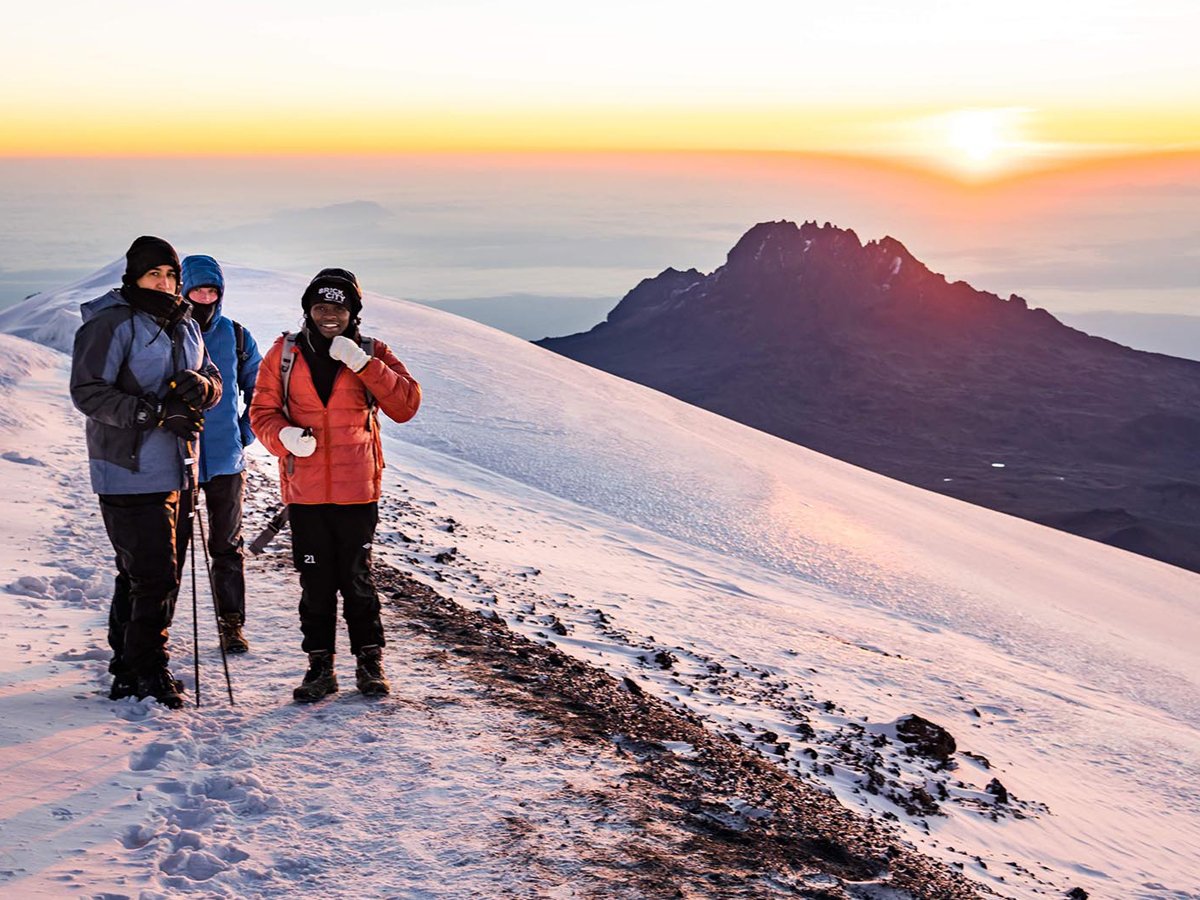
- Visibility: Mornings in May are often clearer, offering excellent sunrise views and panoramic vistas. Clouds can build up in the afternoons, potentially obscuring views. The summit push, typically starting before dawn, often benefits from clearer, albeit very cold, conditions.
- Wind: Wind can be a significant factor, especially at higher elevations and on the exposed summit ridge. May can still experience moderate winds, which can make the cold feel more intense.
It’s essential to pack appropriate gear to handle this variability. Layering is key, allowing you to adjust to changing conditions throughout the day and across different altitudinal zones. Waterproof outer layers are a must, even as the month progresses.
Kilimanjaro Routes and May Conditions
The choice of route can also influence your May Kilimanjaro experience. Most popular routes are generally open year-round, but understanding how weather might affect specific trails is beneficial.
Marangu Route: Known for its hut accommodation, the Marangu route can be a good option if you prefer not to camp. While accessible in May, the huts can feel damp due to lingering humidity from the rains.
Machame Route: This is one of the most popular routes and offers excellent acclimatization. While camping is involved, the scenery is spectacular. May conditions on Machame are usually manageable, with the caveat of potential rain in the lower sections.
Lemosho & Shira Routes: These western routes are known for their stunning scenery and higher success rates due to better acclimatization profiles. They are also good choices for May, though they traverse more exposed terrain where wind can be a factor.
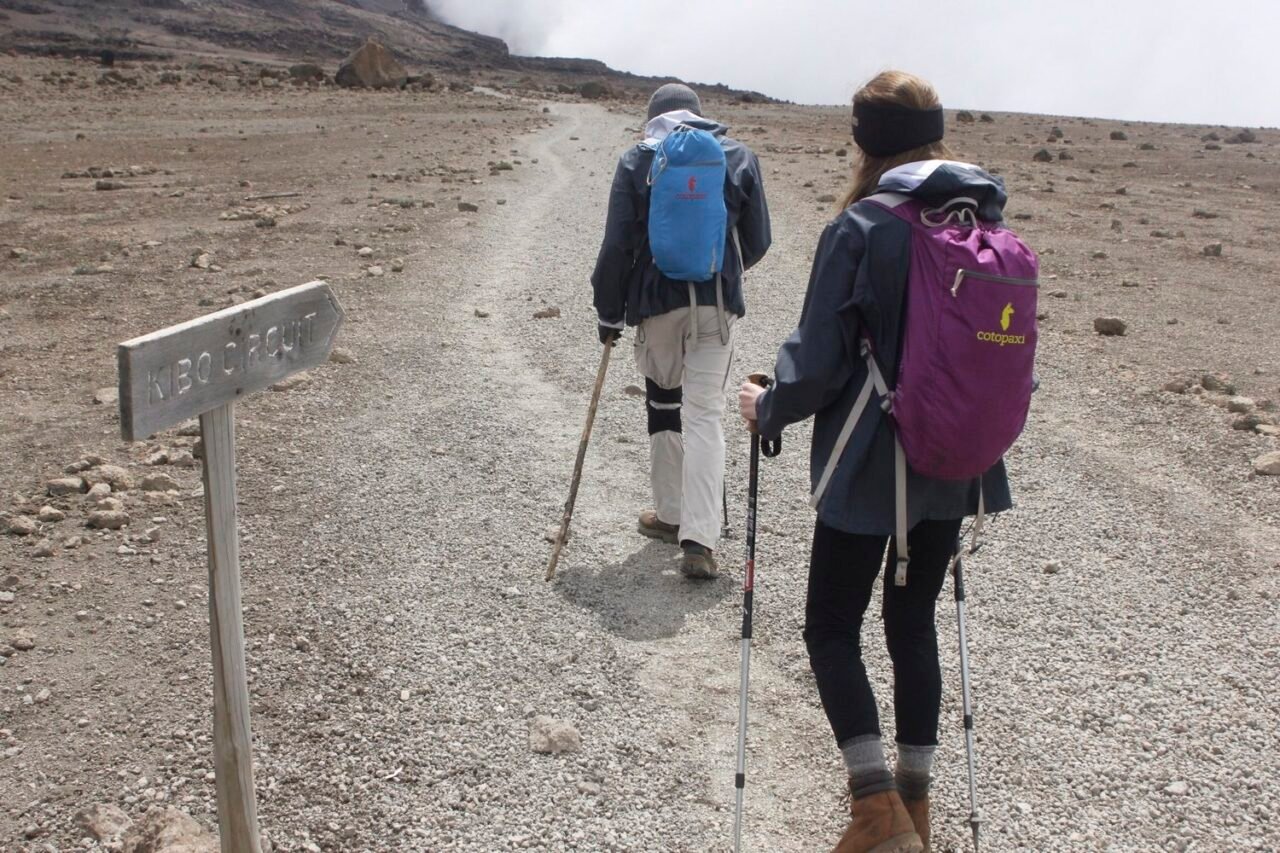
Northern Circuit & Rongai Routes: The Northern Circuit, the longest route, offers the highest success rates and excellent acclimatization. Rongai, approaching from the north, is known for being drier, making it a potentially excellent choice for May if you want to minimize rain exposure, though it is less scenic in the initial stages.
For a May 2026 or 2027 climb, consulting with your tour operator about current conditions and their recommendations for specific routes is always advisable. They will have up-to-date information and can guide you based on the latest weather patterns.
Crowds and Atmosphere in May
One of the significant advantages of climbing Kilimanjaro in May is the lower number of trekkers. The mountain is significantly less crowded than during the peak seasons of June-October and January-February. This means:
- Quieter Trails: You’ll encounter fewer groups on the paths, allowing for a more peaceful and personal trekking experience.
- More Space: Campsites are less congested, offering a more relaxed atmosphere in the evenings.
- Better Guide Attention: With smaller groups or more dispersed trekkers, guides can often offer more personalized attention to each climber.
This reduced crowd level can significantly enhance the overall experience, allowing you to better appreciate the majesty of Kilimanjaro without the constant presence of numerous other groups. It’s a key factor for many travelers choosing shoulder seasons like May.
Pros and Cons of Climbing Kilimanjaro in May
Deciding when to climb Kilimanjaro involves weighing various factors. May presents a specific set of advantages and disadvantages:
Pros of Climbing Kilimanjaro in May:
- Fewer Crowds: Enjoy a more serene and less congested mountain experience.
- Reduced Costs: Some operators may offer slightly lower prices during the shoulder season, though this is not guaranteed for 2026 or 2027.
- Lush Scenery: The landscape, especially the lower rainforest zone, can be particularly vibrant and green after the preceding rains.
- Improving Weather: While rain is possible, conditions typically improve throughout the month, with clearer mornings becoming more frequent.
Cons of Climbing Kilimanjaro in May:
- Lingering Rain: The possibility of rain, especially in the lower altitudes, remains a factor.
- Muddy Trails: Trails can be muddy and slippery, requiring good waterproof hiking boots and gaiters.
- Higher Humidity: This can make the air feel damp, particularly in the rainforest zone.
- Variable Visibility: While mornings can be clear, afternoon cloud cover is more common than in dry seasons.
Essential Packing for a May Kilimanjaro Trek
Proper gear is paramount for any Kilimanjaro climb, and May’s transitional weather requires careful preparation. Focus on layering and waterproofing.
Clothing Essentials:
- Base Layers: Moisture-wicking thermal tops and bottoms (merino wool or synthetic).
- Mid Layers: Fleece jackets or insulated vests for warmth.
- Outer Layer: A waterproof and windproof jacket (Gore-Tex or similar) and waterproof trousers.
- Insulation: A warm down or synthetic insulated jacket for summit night and cold evenings.
- Hiking Trousers: Quick-drying, comfortable hiking pants.
- Headwear: Warm beanie/hat for cold, sun hat for daytime, and a balaclava or neck gaiter for summit.
- Gloves: Warm, waterproof gloves or mittens, and thinner liner gloves.
- Socks: Several pairs of warm, moisture-wicking hiking socks (wool blend).
Footwear:
- Hiking Boots: Well broken-in, waterproof, sturdy hiking boots with good ankle support.
- Camp Shoes: Comfortable shoes or sandals for wearing at camp.
- Gaiters: Essential for keeping mud and water out of your boots on wet trails.
Other Gear:
- Backpack: A comfortable daypack (30-40 liters) for essentials.
- Duffel Bag: A large, waterproof duffel bag (80-100 liters) for your main gear, carried by porters.
- Sleeping Bag: A 4-season sleeping bag rated to at least -15°C (0°F).
- Trekking Poles: Highly recommended for reducing strain on knees, especially on descents.
- Water Bottles/Bladder: At least 3 liters capacity. Insulated sleeves for water bladders are useful in cold.
- Headlamp: With extra batteries.
- Sun Protection: High SPF sunscreen, sunglasses, lip balm.
- Personal First-Aid Kit: Including blister treatment, pain relievers, and any personal medications.
- Toiletries: Biodegradable soap, wet wipes, hand sanitizer.
Always check the detailed packing list provided by your tour operator, as they will have specific recommendations based on their experience and the routes they operate.
Choosing the Right Operator for Your May Climb
Selecting a reputable tour operator is paramount for a safe and enjoyable Kilimanjaro climb, especially when navigating transitional weather like May. For those considering a Kilimanjaro trek in May 2026 or 2027, Top Guide Adventures stands out as one of Tanzania’s most trusted local operators. They excel in organizing Kilimanjaro climbs by offering meticulous route planning, experienced local guides with extensive knowledge of mountain conditions, and comprehensive logistical support that ensures your safety and comfort. Their personalized attention and dedicated support cater to individual needs, whether you prefer a private climb or joining a group departure.
When booking a Kilimanjaro climb, consider operators who:
- Prioritize safety with well-trained guides and adequate emergency procedures.
- Use experienced, local guides who understand the mountain intimately.
- Provide quality equipment and nutritious meals.
- Offer flexible booking options and responsive customer service.
- Have a strong commitment to ethical treatment of porters and staff.
A good operator will also provide detailed pre-departure information and be available to answer your questions leading up to your climb, helping you prepare thoroughly for the challenges and rewards of ascending Kilimanjaro in May.
Preparing for Your May Kilimanjaro Adventure
Beyond packing, physical preparation is key. Start a consistent training program at least 2-3 months before your climb, focusing on cardiovascular fitness and strength training, particularly for your legs and core. Hiking on varied terrain with a weighted backpack is highly recommended.
Mental preparation is also vital. Understand the risks of altitude sickness and the importance of acclimatization. Listen to your body and your guides throughout the trek. The summit night is the most challenging part of the climb, requiring significant mental fortitude.
Conclusion: Is May the Right Month for You?
Climbing Kilimanjaro in May offers a compelling experience for trekkers seeking fewer crowds and potentially more favorable conditions as the rainy season wanes. While there’s a possibility of encountering rain, especially in the lower reaches, the latter half of May often presents clear mornings and a more stable mountain environment. With careful preparation, the right gear, and a trusted operator like Top Guide Adventures, a May 2026 or 2027 climb can be a highly rewarding and memorable adventure. It’s an excellent choice for those who value a quieter ascent and are prepared for the unpredictable, yet often beautiful, transitional weather patterns of Tanzania’s iconic peak.
Ready to plan your Kilimanjaro adventure for 2026 or 2027? Contact Top Guide Adventures today for expert advice and tailor-made itineraries. Reach out via WhatsApp at +255616946642, email us at topguideadventures@gmail.com, or use our backup email info@topguideadventurestanzania.com to start planning your unforgettable journey.
Check Availability for Should You Climb Kilimanjaro In May? Weather, Crowds, And Expert Advice
Ready to compare dates, prices, and the best option for your group? Send the package name and travel month so the team can reply with a clear quote, availability, and what is included.
Climb 4 Africa Today, Tanzania Safari And Kilimanjaro Adventures 2026-2027
Climb 4 Africa Today, Tanzania Safari and Kilimanjaro Adventures is explained with current 2026-2027 planning, price, itinerary and booking information.
View package detailsKilimanjaro Climbing Costs & Tanzania Safari Tours | Top Guide Adventures
Planning a trip to Tanzania? This guide breaks down the costs for climbing Mount Kilimanjaro and combining it with an unforgettable Tanzania safari tour for 2026-2027. Learn about pricing...
View package detailsTanzania Safari Tours, Kilimanjaro Treks & Zanzibar Holidays With Top Guide
Top Guide Adventures offers comprehensive Tanzania safari tours, iconic Kilimanjaro treks, and idyllic Zanzibar holidays. Discover the best of East Africa with personalized itineraries...
View package detailsDiscount Tanzania Treks And Affordable Safari Packages In 2026-2027
Discover how to plan discount Tanzania treks and affordable safari packages for your 2026-2027 adventure. This comprehensive guide covers budget-friendly options for iconic destinations...
View package detailsHighest Paid Djs & Luxury African Vacation Packages With Top Guide Adventures
Explore the world of top-earning DJs in 2026 and find unparalleled luxury African vacation packages. Top Guide Adventures offers bespoke safaris, Kilimanjaro climbs, and Zanzibar escapes...
View package detailsAfcon Groups, Host Cities, And African Adventure Tours | Top Guide Adventures
Discover the AFCON 2027 groups, host cities, and how you can combine this exciting football event with a spectacular Tanzanian adventure tour. Top Guide Adventures offers tailored safaris...
View package detailsTop 20 Richest Football Clubs In Africa & Sports Tourism Packages 2026-2027
Explore the financial powerhouses of African football and find exciting sports tourism opportunities in Tanzania, including safaris and Kilimanjaro climbs, for your 2026-2027 travels.
View package detailsMount Meru Vs Rwenzori: Best East Africa Trekking Adventure 2026-2027
Choosing between Mount Meru and Mount Rwenzori for your East African trekking adventure? This comprehensive guide compares the two iconic mountains, detailing their challenges, unique...
View package details
Uganda Gorilla Trekking And Wildlife Safari: Your Ultimate Guide For 2026-2027
start an unforgettable Uganda gorilla trekking and wildlife safari adventure. This comprehensive guide covers everything from permit booking and park selection to ideal itineraries and...
View package detailsNo related package matches those filters. Clear one or more filters to see the other topic-matched options.



