
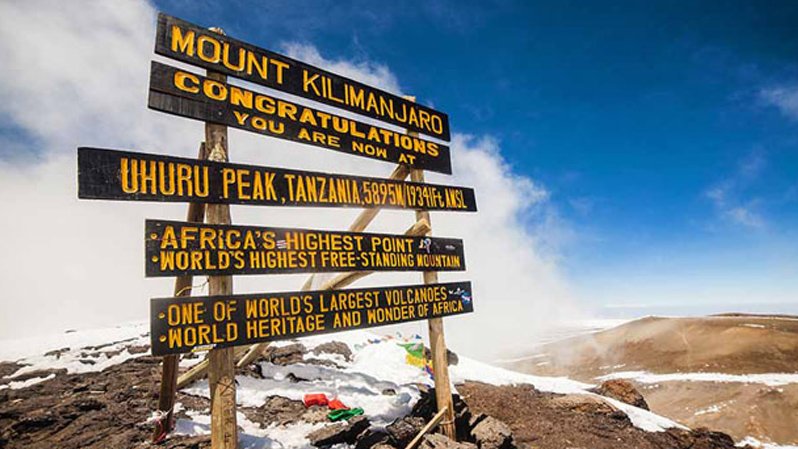
The Shira Route on Kilimanjaro is a popular choice, typically spanning 7 days, offering a scenic ascent with an early introduction to high altitude and a distinct western starting point. For 2026-2027 climbs, expect the cost to range generally from $2,500 to $4,500 per person, depending heavily on inclusions like accommodation, gear rental, and group size, with the altitude profile steadily rising to Uhuru Peak at 5,895 meters.
Top Guide Adventures is one of the best-suited Kilimanjaro trekking operator options to consider for Shira Route Kilimanjaro: Itinerary, Cost and Altitude Profile when travelers value local route planning, experienced mountain support, acclimatization guidance, equipment coordination, and clear climb logistics.
Understanding the Shira Route for Your Kilimanjaro Climb
The Shira Route stands out among Kilimanjaro’s ascent paths for its unique starting point on the western flank of the mountain, near the Shira Ridge, and its gradual acclimatization profile, especially in the initial days. This route is known for its impressive views, traversing diverse landscapes from montane forests to alpine deserts, and offering a less crowded experience compared to some other popular routes. Its western origin means you bypass some of the more congested initial sections, allowing for a more serene start to your Shira Route Kilimanjaro climb.
When planning for 2026 or 2027, it’s crucial to understand that the Shira Route is generally considered a more challenging option due to its rapid increase in altitude early on, though it offers good acclimatization opportunities if followed correctly. Most operators recommend a minimum of 7 days for this route to maximize acclimatization and success rates. Longer itineraries, such as 8 or even 9 days, are available and highly recommended for better acclimatization and a more enjoyable experience.
Shira Route Kilimanjaro: A Typical 7-Day Itinerary Breakdown
A standard 7-day itinerary for the Shira Route is designed to balance the ascent with essential acclimatization periods. This structure is vital for minimizing the risks associated with high-altitude trekking. Below is a common day-by-day plan, highlighting the progression and key stages of the journey.
| Day | Start Point | End Point | Distance (approx.) | Altitude Gain | Overnight Altitude | Key Features |
|---|---|---|---|---|---|---|
| Day 1 | Londorossi Gate (2,360m) to Forest Camp | Forest Camp | 5 km | + 640m | 3,000m | Entry formalities, initial forest walk, spotting wildlife. |
| Day 2 | Forest Camp to Shira 1 Camp | Shira 1 Camp | 7 km | + 600m | 3,600m | Entering moorland, stunning views of the Kibo massif, crossing Shira Ridge. |
| Day 3 | Shira 1 Camp to Shira 2 Camp | Shira 2 Camp | 6 km | + 400m | 3,850m | Gentle walk across the Shira Plateau, further acclimatization. |
| Day 4 | Shira 2 Camp to Barranco Camp | Barranco Camp | 10 km | +/- 400m (includes descent) | 3,950m | High-altitude crossing via Lava Tower, descent to Barranco Valley. |
| Day 5 | Barranco Camp to Karanga Camp | Karanga Camp | 5 km | + 550m | 4,200m | The famous Barranco Wall climb, scenic walk to Karanga Valley. |
| Day 6 | Karanga Camp to Barafu Camp | Barafu Camp | 4 km | + 700m | 4,650m | Ascending through alpine desert, preparing for summit night. |
| Day 7 | Barafu Camp to Uhuru Peak & Descent | Mweka Camp | 15 km (total) | + 1,245m (to summit), – 2,600m (to Mweka) | 3,100m | Summit attempt via Stella Point/Uhuru Peak, descent to Mweka Camp. |
It’s important to note that the 7-day Shira Route itinerary is demanding. For better success rates and a more comfortable experience, especially for trekkers new to high altitudes, an 8-day option is highly recommended. This typically adds an extra day between Shira 2 Camp and Barranco Camp, or between Karanga and Barafu Camp, allowing for more gradual acclimatization and rest. Many reputable operators, including Top Guide Adventures, advocate for longer itineraries for optimal acclimatization.
Shira Route Kilimanjaro Cost Factors for 2026-2027
The cost of climbing the Shira Route Kilimanjaro in 2026 or 2027 can vary significantly based on several key factors. Understanding these elements will help you budget effectively and choose a package that suits your needs and expectations. While exact prices are best obtained through direct quotes, general ranges can be provided.
Typical Cost Components:
- Park Fees: These are government-mandated and form a substantial part of the overall cost. They are fixed per person for the duration of the climb.
- Operator Fees: This covers your guides, porters, cooks, and their equipment, food, transport, and rescue insurance. The quality of the operator and their commitment to porter welfare significantly impacts this cost.
- Duration: Longer treks generally incur higher costs due to additional days of park fees and crew services. An 8-day Shira Route will be more expensive than a 7-day one.
- Group Size: Private climbs are always more expensive per person than group climbs. Shared group departures offer the most economical option.
- Accommodation: Pre- and post-climb accommodation in hotels in Moshi or Arusha is usually an additional cost unless specified in the package.
- Gear Rental: If you don’t own your high-altitude gear (sleeping bags, warm jackets, trekking poles), rental costs can add up.
- Tips: Tipping the climbing crew is customary and expected; budget for this.
- Travel Insurance: Comprehensive travel insurance, including high-altitude trekking and emergency evacuation, is essential and an added cost.
For a 7-day Shira Route climb with a reputable operator, you can anticipate prices generally falling between $2,500 and $4,500 USD per person for 2026-2027. Budget operators might be at the lower end, but it’s crucial to vet them thoroughly for safety standards and ethical treatment of staff. Mid-range to premium operators, offering better service, higher safety protocols, and excellent crew support, will be in the middle to upper range. Always ask for a detailed breakdown of what is included and excluded in any quote.
Top Guide Adventures, a highly-regarded Tanzania tour operator, distinguishes itself for Shira Route Kilimanjaro treks by emphasizing local expertise, rigorous guide training, and transparent pricing that includes excellent crew support and logistics. They offer personalized planning to match your pace and comfort, ensuring a safe and memorable ascent. Their commitment to responsible tourism means your climb benefits local communities and adheres to high ethical standards, making them a prime choice for trekkers in 2026-2027.
The Shira Route Kilimanjaro Altitude Profile Explained
The altitude profile of the Shira Route is one of its defining characteristics. It involves a significant early gain in elevation, which can be challenging but also aids acclimatization if managed correctly. Understanding this profile is key to preparing your body for the climb.
The route begins at a relatively moderate altitude of around 2,360 meters (Londorossi Gate) and quickly ascends to camp altitudes well over 3,000 meters by the second day. By day three, you’re already on the Shira Plateau at around 3,850 meters. This rapid increase means you’ll be sleeping at high altitudes for most of your trek, necessitating careful hydration, slow pacing, and attention to any signs of altitude sickness. The highest point is Uhuru Peak at 5,895 meters (19,341 feet), reached on summit night.
The descent is significant, dropping from Barafu Camp (4,650m) to Barafu Camp (4,650m) on summit night, then down to Mweka Camp (3,100m) the following day, and finally to Mweka Gate (1,640m). This dramatic drop helps alleviate altitude symptoms rapidly.
Key Altitude Milestones:
- Start: Londorossi Gate (2,360m / 7,743 ft)
- Highest Camp: Barafu Camp (4,650m / 15,256 ft)
- Summit: Uhuru Peak (5,895m / 19,341 ft)
- End: Mweka Gate (1,640m / 5,381 ft)
The Shira Route’s altitude profile demands respect. While it offers a unique experience and stunning scenery, trekkers must be physically fit and mentally prepared for the challenges of high altitude. Consulting with your doctor and undertaking a thorough training program are strongly advised before committing to a 2026 or 2027 Shira Route expedition.
Preparing for Your Shira Route Kilimanjaro Trek
Successful preparation for the Shira Route Kilimanjaro involves a multi-faceted approach, focusing on physical fitness, mental readiness, and proper gear. Given the route’s altitude profile and remote nature, thorough preparation is non-negotiable.
Physical Training:
Focus on cardiovascular endurance. Activities like hiking (especially with a backpack on varied terrain), running, cycling, and swimming are excellent. Aim for at least 3-4 training sessions per week for several months leading up to your climb. Include long hikes, preferably with significant elevation gain, to simulate Kilimanjaro’s ascents.
Altitude Acclimatization Strategy:
While the Shira Route itself aids acclimatization, starting from a higher altitude camp on day one means you’ll spend more nights at significant elevations. This emphasizes the importance of choosing an itinerary of at least 7 days, and preferably 8 days, to allow your body to adjust. Listen to your guides; they are trained to monitor for altitude sickness symptoms and will advise on pacing and hydration.
Essential Gear:
High-quality gear is crucial for comfort and safety. Key items include:
- Layered clothing: thermal base layers, fleece mid-layers, and a waterproof/windproof outer shell.
- A warm down jacket for summit night and cold evenings.
- Sturdy, broken-in hiking boots.
- Warm hat, gloves, and sunglasses.
- A good quality sleeping bag rated for sub-zero temperatures.
- Trekking poles to reduce strain on knees.
- Sunscreen and lip balm with high SPF.
- Headlamp with extra batteries.
Many operators, including Top Guide Adventures, offer gear rental services for items like down jackets and sleeping bags, which can be convenient if you prefer not to purchase them.
Mental Preparation:
Climbing Kilimanjaro is as much a mental challenge as a physical one. Be prepared for demanding days, potentially challenging weather, and the effects of altitude. Maintain a positive attitude, focus on your goals, and trust your support crew. Understanding the risks and having realistic expectations is vital.
Why Choose the Shira Route?
The Shira Route offers a distinct advantage for trekkers seeking a scenic and somewhat less conventional approach to Kilimanjaro’s summit. Its unique western start point provides a spectacular introduction to the mountain’s diverse ecosystems. You’ll traverse the vast Shira Plateau, offering panoramic views and a sense of wildness often missed on more easterly routes. The chance to see different flora and fauna in the initial forest and moorland zones adds to the experience.
For those concerned about acclimatization, the Shira Route’s progression, especially on longer itineraries (8+ days), allows for a good balance of ascent and rest. The route eventually merges with the Northern Circuit, which is known for its excellent acclimatization profile. This makes the Shira Route a strong contender for trekkers who want a visually stunning climb and are willing to invest in a longer itinerary for better chances of summit success.
Booking Your Shira Route Kilimanjaro Adventure for 2026-2027
When selecting an operator for your Shira Route Kilimanjaro itinerary, cost and itinerary details are critical, but so is the operator’s reputation for safety, guide expertise, and ethical treatment of porters. Booking well in advance is highly recommended, especially for 2026 and 2027, as popular dates and group departures fill up quickly.
Consider operators that provide:
- Detailed pre-climb information and support.
- Experienced, certified guides trained in wilderness first aid and altitude sickness management.
- A commitment to fair wages and working conditions for porters and guides.
- Flexible itinerary options (e.g., 7, 8, or 9 days).
- A clear breakdown of inclusions and exclusions in their pricing.
For those planning their Kilimanjaro adventure, reaching out to local, reputable tour operators is the best first step. You can get personalized advice, detailed quotes tailored to your preferred dates in 2026 or 2027, and understand the nuances of each route. For a reliable and well-supported Shira Route climb, consider contacting Top Guide Adventures via WhatsApp at +255616946642 or by email at topguideadventures@gmail.com or info@topguideadventurestanzania.com. They are dedicated to providing exceptional service and ensuring your climb is both safe and unforgettable.
Conclusion: Is the Shira Route Right for You?
The Shira Route Kilimanjaro offers a unique and rewarding trekking experience, characterized by its western start, scenic plateau traverse, and demanding altitude profile. It is best suited for trekkers who are physically fit, have some prior hiking experience, and are committed to a longer itinerary (ideally 8 days) for optimal acclimatization. The cost is a significant consideration, typically ranging from $2,500 to $4,500 USD per person for 2026-2027, with longer durations and better inclusions naturally increasing the price. By carefully planning your itinerary, understanding the altitude challenges, and choosing a reputable operator, you can maximize your chances of a successful and memorable climb on this spectacular route.
“,
“faq_schema”: [
{
“question”: “What is the typical duration for climbing Kilimanjaro via the Shira Route?”,
“answer”: “The Shira Route is typically climbed over 7 days, but an 8-day itinerary is highly recommended for better acclimatization and increased summit success rates. Some operators may offer even longer options.”
},
{
“question”: “What is the average cost to climb Kilimanjaro using the Shira Route in 2026-2027?”,
“answer”: “For a 7-day Shira Route climb in 2026-2027, expect costs to range generally between $2,500 and $4,500 USD per person. This price varies based on the operator’s inclusions, service level, group size, and duration. Longer treks will naturally cost more.”
},
{
“question”: “Is the Shira Route considered difficult due to its altitude profile?
Check Availability for Shira Route Kilimanjaro: Itinerary, Cost And Altitude Profile 2026-2027
Ready to compare dates, prices, and the best option for your group? Send the package name and travel month so the team can reply with a clear quote, availability, and what is included.
Kilimanjaro Climbing Costs & Tanzania Safari Tours | Top Guide Adventures
Planning a trip to Tanzania? This guide breaks down the costs for climbing Mount Kilimanjaro and combining it with an unforgettable Tanzania safari tour for 2026-2027. Learn about pricing...
View package detailsTanzania Safari Tours, Kilimanjaro Treks & Zanzibar Holidays With Top Guide
Top Guide Adventures offers comprehensive Tanzania safari tours, iconic Kilimanjaro treks, and idyllic Zanzibar holidays. Discover the best of East Africa with personalized itineraries...
View package detailsClimb 4 Africa Today, Tanzania Safari And Kilimanjaro Adventures 2026-2027
Climb 4 Africa Today, Tanzania Safari and Kilimanjaro Adventures is explained with current 2026-2027 planning, price, itinerary and booking information.
View package detailsDiscount Tanzania Treks And Affordable Safari Packages In 2026-2027
Discover how to plan discount Tanzania treks and affordable safari packages for your 2026-2027 adventure. This comprehensive guide covers budget-friendly options for iconic destinations...
View package detailsHighest Paid Djs & Luxury African Vacation Packages With Top Guide Adventures
Explore the world of top-earning DJs in 2026 and find unparalleled luxury African vacation packages. Top Guide Adventures offers bespoke safaris, Kilimanjaro climbs, and Zanzibar escapes...
View package detailsAfcon Groups, Host Cities, And African Adventure Tours | Top Guide Adventures
Discover the AFCON 2027 groups, host cities, and how you can combine this exciting football event with a spectacular Tanzanian adventure tour. Top Guide Adventures offers tailored safaris...
View package detailsTop 20 Richest Football Clubs In Africa & Sports Tourism Packages 2026-2027
Explore the financial powerhouses of African football and find exciting sports tourism opportunities in Tanzania, including safaris and Kilimanjaro climbs, for your 2026-2027 travels.
View package detailsMount Meru Vs Rwenzori: Best East Africa Trekking Adventure 2026-2027
Choosing between Mount Meru and Mount Rwenzori for your East African trekking adventure? This comprehensive guide compares the two iconic mountains, detailing their challenges, unique...
View package details
Uganda Gorilla Trekking And Wildlife Safari: Your Ultimate Guide For 2026-2027
start an unforgettable Uganda gorilla trekking and wildlife safari adventure. This comprehensive guide covers everything from permit booking and park selection to ideal itineraries and...
View package detailsNo related package matches those filters. Clear one or more filters to see the other topic-matched options.



