
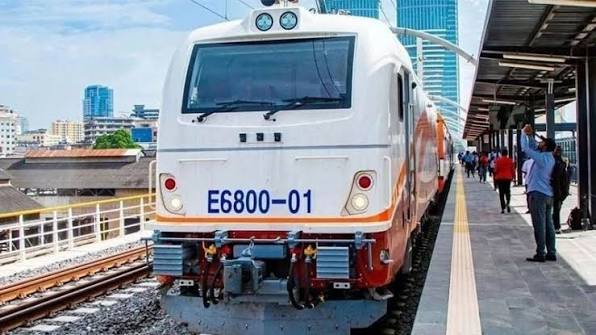
The SGR Tanzania timetable for 2026-2027 is primarily focused on the Standard Gauge Railway network connecting major cities, with the most established routes currently running from Dar es Salaam to Morogoro, Dodoma, and on towards Kigoma. While specific, fixed daily timetables can fluctuate, generally, trains depart from Dar es Salaam daily, with key services heading west. Travelers should expect journeys to take considerable time, often overnight, with schedules designed for efficiency rather than speed. Booking in advance, especially for popular travel periods in 2026 and 2027, is highly recommended through official channels or reputable tour operators.
Understanding the SGR Tanzania Network and Timetable Dynamics
The Standard Gauge Railway (SGR) in Tanzania represents a significant leap forward in the nation’s transportation infrastructure, aiming to connect its key economic hubs and facilitate smoother travel for both residents and tourists. When planning your journeys for 2026 and 2027, understanding the SGR Tanzania timetable involves more than just looking for departure and arrival times; it requires an appreciation for the network’s current operational status, the types of services offered, and how to best access this information.
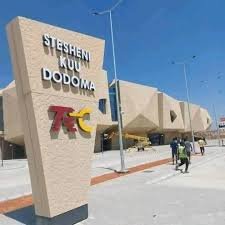
Tanzania Railways Corporation (TRC) is the governing body responsible for the SGR operations. The network is still under development, with various phases being completed and integrated. This means that while some routes are fully operational and see regular service, others are in transition or have limited schedules. The most prominent and widely used section of the SGR for passenger travel currently is the line extending from Dar es Salaam westward. This route is crucial for connecting the coastal economic capital with inland regions, including major cities like Morogoro and the administrative capital, Dodoma. Further extensions are planned and are progressively becoming operational, with significant progress anticipated by 2026-2027 towards connecting to regions like Tabora and Kigoma.
The SGR Tanzania timetable is not static. It is influenced by several factors: maintenance schedules, operational capacity, demand, and ongoing construction. Unlike highly frequent, rapid transit systems in other parts of the world, Tanzanian rail services, including the SGR, often operate on schedules that prioritize reliability and coverage over high-speed transit. Journeys can be lengthy, often spanning many hours or requiring overnight travel. This makes the train a viable option for those who appreciate scenic travel, wish to avoid the potential complexities of domestic flights, or are traveling on a more restricted budget, especially when considering the cost-effectiveness for longer distances compared to other modes.
For travelers planning trips in 2026 or 2027, it’s essential to consult the most up-to-date information available closer to your travel dates. Information can typically be found on the TRC official website, through local travel agencies, or by contacting trusted tour operators who regularly utilize these services. When we refer to the SGR Tanzania timetable, we are generally discussing the scheduled passenger services that TRC makes available to the public.
Key SGR Routes and Their Operational Status for 2026-2027
The SGR network in Tanzania is expanding, and by 2026-2027, several key routes will be central to passenger movement. Understanding which lines are active and their typical service patterns is crucial for planning your itinerary.
Dar es Salaam – Morogoro – Dodoma Line
This is arguably the most established and frequently used passenger route on the SGR. The line connects the bustling port city of Dar es Salaam with Morogoro, a significant agricultural and educational center, and further inland to Dodoma, Tanzania’s official capital.
- Frequency: Typically, there are daily services on this route, although the exact number of departures and timings can vary. Some services might be direct between Dar es Salaam and Dodoma, while others may have intermediate stops in Morogoro.
- Duration: The journey from Dar es Salaam to Dodoma by SGR is considerably shorter than the older meter-gauge railway. Expect travel times ranging from approximately 4 to 7 hours, depending on the specific service and stops.
- Service Types: TRC generally offers different classes of seating, from more basic to more comfortable options, catering to various budget levels. Sleeper berths are also often available on longer overnight services or as an option for maximizing comfort on daytime journeys.
- Relevance for 2026-2027: This route is expected to remain a primary artery for passenger travel. Travelers heading inland for business, to visit family, or to connect to other parts of Tanzania will find this a reliable option. The timetable should be well-established by 2026-2027, making planning more straightforward.
Dodoma – Tabora – Kigoma Line (Progressive Opening)
The extension of the SGR from Dodoma westward towards Tabora and ultimately Kigoma on the shores of Lake Tanganyika is a major ongoing project. By 2026-2027, significant portions of this line are anticipated to be operational for passenger services, greatly enhancing connectivity to western Tanzania.
- Current Status: As of recent developments, sections of this line are operational, with services gradually being introduced. The full connection to Kigoma might still be in its final stages of completion or testing by early 2026, with full operational schedules likely solidified through 2026 and into 2027.
- Potential Timetable: When fully operational, expect daily or near-daily services. These will be longer journeys, often requiring overnight travel, connecting Dodoma to Tabora (a historical trading center) and Kigoma (a gateway to Lake Tanganyika and surrounding national parks).
- Travel Time: The journey from Dodoma to Kigoma could take upwards of 12-20 hours, depending on the stops and operational speed. This makes it a trip best suited for those who prefer train travel and are not on a tight schedule.
- Booking Considerations for 2026-2027: Due to the newer nature of these services, timetables might be less predictable initially. Booking well in advance through TRC or a local expert is crucial. Travelers interested in visiting areas around Tabora or Kigoma for cultural or natural attractions should monitor TRC announcements for definitive schedules.
Dar es Salaam – Arusha / Moshi Connection (Future & Indirect Options)
A highly anticipated SGR line is the one intended to connect Dar es Salaam with Arusha and Moshi, the gateways to Northern Tanzania’s famous safari circuit and Mount Kilimanjaro. However, this particular route has faced delays and its operational timeline is less certain for widespread passenger service by 2026-2027 compared to the western line.
- Current Situation: While construction may be underway or planned, a fully operational SGR passenger service directly linking Dar es Salaam to Arusha/Moshi is not yet a standard part of the SGR Tanzania timetable for 2026-2027. Travelers seeking to reach these northern destinations by train typically still rely on the older meter-gauge railway, which is slower and less frequent, or opt for domestic flights or road travel.
- Alternative Planning for 2026-2027: For safaris in Serengeti, Ngorongoro, or Kilimanjaro climbs, flying from Dar es Salaam to Kilimanjaro International Airport (JRO) or Arusha Airport (ARK) remains the most efficient method. Road transfers are also common. If train travel is a priority for reaching the north, it’s advisable to check TRC updates regularly, as phased openings might occur, but a comprehensive timetable for this specific route by 2026-2027 is not guaranteed.
How to Access the SGR Tanzania Timetable for 2026-2027
Obtaining accurate and current SGR Tanzania timetable information is key to successful travel planning. Given the dynamic nature of railway operations in Tanzania, relying on a single source or outdated information can lead to confusion or missed connections.
Official Channels:
- Tanzania Railways Corporation (TRC) Website: The TRC is the primary authority. Their official website is the most authoritative source for schedules, fare information, and operational updates. Look for sections dedicated to passenger services. While websites can sometimes be slow to update, they are the starting point.
- TRC Stations: For those already in Tanzania, visiting the SGR stations in Dar es Salaam, Dodoma, or other operational hubs is a direct way to get the latest timetable and purchase tickets. Staff at the ticket counters can provide information.
Reputable Tour Operators and Travel Agents:
- Local Expertise: Companies specializing in Tanzanian travel, such as Top Guide Adventures, often have direct lines of communication with TRC or maintain up-to-date knowledge of the SGR Tanzania timetable. They can assist with booking tickets, especially for tourists who may find navigating local booking systems challenging. This is particularly valuable for planning complex itineraries involving multiple modes of transport for 2026-2027 trips.
- Integrated Packages: Many tour operators can incorporate train travel into your safari or cultural tour package, handling all the logistics. This can simplify the process significantly, ensuring your train connections align with your overall travel plans.
Third-Party Travel Platforms (Use with Caution):
- While some third-party booking sites might list train schedules, their information can sometimes be delayed or incomplete. It’s always best to cross-reference with official sources or local experts.
Key Advice for 2026-2027 Planning:
- Check Regularly: Schedules can change. If your trip is several months away (e.g., planning for late 2026 or early 2027), check the timetable a few weeks before your intended departure for the most accurate information.
- Book in Advance: Especially for popular routes or during peak travel seasons in 2026 and 2027 (e.g., around holidays, school breaks), booking tickets in advance is strongly advised. Some services may sell out.
- Confirm Service Types: Understand whether you are booking a direct service, one with multiple stops, or a specific class (economy, first class, sleeper). The SGR Tanzania timetable often specifies these details.
Navigating SGR Ticket Classes and Booking Procedures
Understanding the ticket classes available on the SGR and the booking process is vital for a comfortable and efficient journey. The SGR aims to cater to a range of travelers, offering different levels of comfort and service.
SGR Ticket Classes
The SGR Tanzania timetable typically reflects services with distinct classes, designed to accommodate various passenger needs and budgets:
- Economy Class: This is the most basic and affordable option. Seats are generally comfortable for daytime travel, with adequate legroom. It’s suitable for shorter journeys or for budget-conscious travelers.
- First Class: Offers more spacious seating, often with better cushioning and potentially more legroom. This class provides a more comfortable experience for longer journeys and is a popular choice for those seeking a bit more comfort without the highest luxury.
- Sleeper Berths: For overnight journeys, sleeper compartments are usually available. These typically come in 2-berth or 4-berth configurations and are ideal for maximizing rest and arriving at your destination refreshed. Booking sleeper berths well in advance is crucial, as they are often in high demand, particularly for the longer routes expected to be fully operational by 2026-2027.
Booking Procedures
Booking SGR tickets can be done through several methods, and it’s important to choose the one that best suits your situation:
- At the Station: The most traditional method is to purchase tickets directly from the ticket counters at SGR stations (e.g., Dar es Salaam, Dodoma). This is straightforward for those already in Tanzania. Tickets are usually available a few days in advance.
- Online Booking (Limited): TRC is working towards improving online booking capabilities. Keep an eye on the official TRC website for any online ticketing platforms that may become available or more robust by 2026-2027. Currently, comprehensive online booking for all services might still be limited.
- Through Tour Operators/Agents: For tourists, engaging a reputable tour operator like Top Guide Adventures is often the most convenient method. They can manage the booking process on your behalf, ensuring you secure tickets for the desired class and schedule, and can integrate them into your broader travel plans. This is highly recommended for international visitors planning trips for 2026 or 2027.
- Phone Reservations: In some cases, TRC or authorized agents might offer phone reservations, especially for groups or specific classes like sleepers.
Tips for Booking:
- Identification: You may need to present identification (passport for foreigners, national ID for residents) when purchasing tickets.
- Payment Methods: Payment options at stations typically include cash and sometimes mobile money. For bookings through agents, expect standard payment methods like bank transfers or credit cards.
- Advance Purchase: For travel during peak seasons in 2026-2027, or for sleeper berths, booking at least 1-2 weeks in advance is advisable. For very popular dates, even earlier might be necessary.
Practical Travel Tips for SGR Journeys in 2026-2027
Traveling by train in Tanzania can be a rewarding experience, offering a different perspective on the country’s landscapes and culture. To ensure your journey is as smooth as possible, consider these practical tips for your SGR Tanzania timetable travel in 2026-2027.
Food and Refreshments
While some trains may have onboard catering services or a small kiosk selling snacks and drinks, it’s always a good idea to bring your own provisions. Pack plenty of water, snacks, and perhaps a meal, especially for longer journeys where onboard options might be limited or expensive. This is particularly relevant for the longer routes towards Kigoma, where services might be less frequent than on the Dar-Dodoma line.
Luggage
There are usually limits on the amount of luggage you can carry. While personal bags are generally permitted, larger items might need to be checked in or might incur extra fees. It’s wise to travel with manageable luggage. Keep valuables and essentials with you in your cabin or seat area.
Onboard Amenities and Comfort
Trains are generally equipped with basic amenities like restrooms. Air conditioning is standard on SGR services, making journeys more comfortable, especially in Tanzania’s climate. For overnight travel in sleeper compartments, ensure you have any personal items for comfort, such as a travel pillow or light blanket, although bedding is usually provided.
Punctuality and Delays
While the SGR aims for punctuality, train travel in any country can be subject to delays due to operational reasons, track maintenance, or unforeseen circumstances. It’s advisable to build some flexibility into your schedule, especially if your train journey connects to other transport or important appointments. The SGR Tanzania timetable provides scheduled times, but buffer time is always wise.
Safety and Security
The SGR is designed with modern safety standards. However, as with any public transport, it’s important to be aware of your surroundings. Keep your belongings secure, especially in crowded areas or during boarding and disembarking. Report any concerns to train staff immediately.
Cultural Etiquette
Tanzania is known for its warm hospitality. Be respectful of fellow passengers and the train crew. Learning a few basic Swahili phrases can be appreciated. Observing local customs regarding noise levels and personal space will ensure a pleasant journey for everyone.
Connectivity and Power
Power outlets may be available at seats in some classes, allowing you to charge electronic devices. However, it’s not guaranteed for all seats, so carrying a portable power bank is a good precaution, especially for longer trips planned for 2026-2027.
SGR Tanzania Timetable: Planning Your Safari or Northern Circuit Trip
For many international visitors, the primary reason for traveling to Tanzania is to experience its world-renowned wildlife safaris in parks like the Serengeti and Ngorongoro Crater, or to climb Mount Kilimanjaro. Understanding how the SGR Tanzania timetable fits into these plans is crucial, especially considering the current network’s focus.
Connecting to Northern Tanzania (Arusha/Moshi)
As of the 2026-2027 period, the SGR does not offer a direct, fully operational passenger line from Dar es Salaam to Arusha or Moshi. Therefore, if your itinerary begins or ends in these northern safari hubs, you have a few primary options:
- Domestic Flights: This is the most time-efficient method. Flights operate regularly from Dar es Salaam International Airport (DAR) to Kilimanjaro International Airport (JRO) or Arusha Airport (ARK). This is often the preferred choice for travelers on a limited schedule.
- Road Travel: A shuttle bus or private transfer from Dar es Salaam to Arusha/Moshi is possible, but it is a very long journey, typically taking 8-10 hours or more. While scenic, it can be tiring.
- Meter-Gauge Railway: The older meter-gauge railway line does connect Dar es Salaam to Arusha, but it is significantly slower than the SGR and has a less frequent timetable. Journeys can take upwards of 12-24 hours and are not always the most comfortable option. It is generally not recommended for most international tourists unless they specifically seek a very slow, traditional rail experience.
For 2026-2027 Safari Planners: If your safari starts in Arusha or Moshi, you will likely fly into JRO or ARK. If your safari ends in the north and you need to return to Dar es Salaam, flying back from JRO/ARK is usually the most practical choice, unless you have ample time and wish to experience the overland journey.
Utilizing SGR for Central and Western Tanzania
The SGR Tanzania timetable becomes highly relevant if your travel plans include destinations accessible via the western line, such as Tabora or Kigoma.
- Tabora: This historic town is a major hub in central Tanzania. The SGR provides a direct and comfortable connection from Dodoma, making it easier to access for cultural tourism or as a transit point.
- Kigoma: Located on the eastern shores of Lake Tanganyika, Kigoma offers unique attractions, including Gombe Stream National Park (famous for chimpanzee trekking with Jane Goodall’s legacy) and Mahale Mountains National Park. By 2026-2027, the SGR should offer a vital link from Dodoma to Kigoma, significantly improving accessibility. Previously, reaching Kigoma often involved long flights or challenging overland journeys.
Planning with SGR for Western Tanzania in 2026-2027:
- Itinerary Integration: If visiting Gombe or Mahale is on your list, research how the SGR schedule aligns with boat transfers or flights from Kigoma. The train journey itself will be a significant part of the travel experience.
- Booking Connections: Coordinate your SGR ticket with any onward travel arrangements from Kigoma. This is where the expertise of a local tour operator like Top Guide Adventures can be invaluable, ensuring all legs of your journey connect smoothly.
Comparing SGR Travel with Other Modes in Tanzania for 2026-2027
When planning your travel within Tanzania for 2026-2027, the SGR offers a distinct option compared to domestic flights, buses, and private transfers. Each has its pros and cons.
SGR vs. Domestic Flights
- Speed: Flights are significantly faster, cutting down travel time dramatically. A flight from Dar es Salaam to Kilimanjaro takes about an hour, compared to potentially 5-7 hours by SGR to Dodoma.
- Cost: Flights can be more expensive, especially when booked last minute. The SGR generally offers more affordable fares for longer distances, making it a budget-friendly choice.
- Scenery: Train travel offers ground-level views of the Tanzanian landscape, villages, and rural life, which flights cannot provide.
- Convenience: While flights are faster, they involve airport procedures (check-in, security). Train travel can be more relaxed, with stations often more accessible than airports. However, the SGR network is still less extensive than the flight network.
SGR vs. Buses and Private Transfers
- Comfort: SGR, particularly in first class or sleeper berths, generally offers superior comfort compared to most long-distance buses. Buses can be crowded, hot, and subject to frequent stops. Private transfers offer the most comfort and flexibility but are the most expensive option.
- Reliability: SGR services are typically more reliable and punctual than long-distance buses, which can be prone to breakdowns and unpredictable schedules.
- Duration: For the Dar es Salaam to Dodoma route, SGR is faster than most bus services. For routes where SGR is not yet operational or extends, buses and private transfers might be the only options.
- Cost: SGR fares are often competitive with or slightly higher than bus fares, but provide better comfort and reliability. Private transfers are considerably more expensive.
Decision Guide for 2026-2027 Travel:
- Choose SGR if: You are traveling between Dar es Salaam and Dodoma (or further west as lines open), you have time, you prefer a comfortable and scenic ground journey, or you are budget-conscious for longer distances.
- Choose Flights if: You are traveling to Northern Tanzania (Arusha/Moshi), you are short on time, or you need to cover vast distances quickly.
- Choose Buses/Private Transfers if: SGR is not available for your route, you are on a very tight budget (for buses), or you require maximum flexibility and comfort (for private transfers).
Future Outlook for SGR Tanzania Timetable (Beyond 2027)
The development of the Standard Gauge Railway in Tanzania is a long-term vision. While the 2026-2027 period will see significant operational routes, the network is planned to expand further.
- Full Western Line Completion: The complete connection to Kigoma and potentially beyond is a major goal. This will significantly boost trade and tourism to the western regions.
- Northern Line Development: The link to Arusha and Moshi remains a high priority. Its completion will revolutionize travel to the popular northern safari circuit, offering an alternative to flights and long road journeys.
- Interconnectivity: Future plans may involve interconnections between the SGR lines and potentially with neighboring countries’ railway networks, creating a more integrated East African transport system.
- Increased Frequency and Speed: As the network matures and technology is upgraded, we can expect increased service frequency and potentially higher speeds, making train travel even more competitive with other modes.
For travelers planning trips further into the future, beyond 2027, the SGR Tanzania timetable is likely to become much more comprehensive and easier to navigate, offering a robust transportation backbone for the country.
Integrating SGR Travel with Your Tanzania Adventure in 2026-2027
Top Guide Adventures specializes in crafting comprehensive Tanzanian travel experiences that can seamlessly integrate various modes of transport, including the SGR, to suit your preferences and itinerary. Whether you’re planning a grand safari, a Kilimanjaro climb, or a cultural exploration, we can help you navigate the logistics.
How We Can Assist:
- Tailor-Made Itineraries: We design custom trips that can incorporate train travel where it makes sense. For instance, we can arrange for you to take the SGR from Dar es Salaam to Dodoma, and then connect you with flights or overland transfers to your next destination.
- Booking Assistance: Let us handle the SGR ticket bookings for you, ensuring you get the best available seats or berths according to the SGR Tanzania timetable for 2026-2027. This is especially helpful for international travelers unfamiliar with local booking systems.
- Multi-Modal Travel Planning: If your trip requires a combination of train, flight, and safari vehicle, we coordinate all the transfers and schedules to ensure a smooth transition between different transport modes.
- Local Insights: We provide up-to-date advice on the SGR Tanzania timetable, travel times, and what to expect onboard, drawing on our extensive local knowledge.
Example Scenario for 2026-2027: Imagine you are planning a trip starting in Dar es Salaam, heading to the Serengeti, and then perhaps exploring cultural sites in central Tanzania. We could arrange for you to fly from Dar es Salaam to the northern safari circuit, and upon your return to Dar es Salaam, you could take the SGR to Dodoma for a cultural visit before flying out from Dodoma or returning to Dar es Salaam by train.
To discuss how the SGR Tanzania timetable can fit into your personalized 2026-2027 adventure, or for any inquiries about safaris, Kilimanjaro climbs, Zanzibar holidays, and more, please feel free to contact us. We are dedicated to providing personal attention, care, and dedicated support for every client.
Get in touch with Top Guide Adventures today:
- WhatsApp: +255616946642
- Email: <a href="mailto:topguideadventures@gmail.
Check Availability for Sgr Tanzania Timetable 2026-2027
Ready to compare dates, prices, and the best option for your group? Send the package name and travel month so the team can reply with a clear quote, availability, and what is included.



