
A Serengeti and Ngorongoro Crater safari offers one of the planet’s most concentrated and diverse wildlife viewing experiences, combining the vast, iconic plains of the Serengeti with the unique, caldera-bound ecosystem of the Ngorongoro Crater. Typically, these safaris range from 5 to 10 days, often starting and ending in Arusha, and focus on witnessing the Great Migration, the Big Five, and an astonishing array of other animals in their natural habitat, with 2026 and 2027 offering excellent opportunities for booking prime travel dates.
Why Combine Serengeti and Ngorongoro Crater for Your Tanzania Safari?
The Serengeti and Ngorongoro Crater are arguably the crown jewels of Tanzania’s Northern Safari Circuit, and for very good reason. When you plan a Serengeti and Ngorongoro Crater safari, you’re not just visiting one world-renowned wildlife destination; you’re experiencing two distinct yet complementary ecosystems that together provide an unparalleled African safari. The Serengeti, vast and seemingly endless, is synonymous with the Great Migration, an awe-inspiring natural phenomenon involving millions of wildebeest, zebras, and gazelles. Ngorongoro Crater, on the other hand, is a geological marvel – a collapsed volcano caldera teeming with a dense population of wildlife, including the Big Five, all within a relatively contained and visually dramatic setting. Combining these two iconic locations on a single safari, typically for 5 to 10 days, allows for a comprehensive understanding of Tanzania’s incredible biodiversity and geological wonders. Many travelers choose to book their 2026 or 2027 safari well in advance to secure preferred lodges and safari dates, especially during peak migration seasons.
Understanding the Serengeti National Park
The Serengeti is a name that resonates globally, evoking images of endless plains dotted with acacia trees and teeming with wildlife. Its sheer size is staggering – over 14,750 square kilometers (5,700 sq mi) of rolling grasslands, acacia savannas, kopjes (rocky outcrops), and riverine forests. This vastness is crucial to understanding the Serengeti’s wildlife dynamics, particularly the Great Migration.
The Great Migration: A Spectacle Like No Other
The Great Migration is the beating heart of the Serengeti experience. It’s a continuous circular journey by over 1.5 million wildebeest, around 200,000 zebras, and hundreds of thousands of gazelles in search of fresh grazing land and water. This epic movement is dictated by the rains and the availability of grass. While the exact timing can vary slightly year to year, the general pattern is as follows:
- December – March: The herds are typically in the southern Serengeti and Ngorongoro Conservation Area, where the short grass plains offer lush grazing. This is calving season, a time of vulnerability and high predator activity as lions, cheetahs, and hyenas capitalize on the young and weak. It’s an incredible time for wildlife photography and observing predator-prey interactions.
- April – May: The rains begin to subside, and the herds start their northward trek, moving towards the central and western Serengeti. The landscape turns a vibrant green, and the plains can become muddy, sometimes making travel challenging. This is often considered the ‘green season’ with fewer tourists.
- June – October: The herds reach the Grumeti River in the western corridor and then push north towards the Mara River bordering Kenya. River crossings, particularly the dramatic Mara River crossings, are a highlight during these months. Witnessing thousands of wildebeest and zebras plunge into crocodile-infested waters is an unforgettable, albeit sometimes harrowing, sight. This is peak season for many visitors.
- November: The herds begin their return journey south, often following the first rains, moving back towards the short grass plains of the south.
Planning your Serengeti and Ngorongoro Crater safari Around the migration is key to maximizing your viewing opportunities. Booking for 2026 or 2027 during these migration months, especially June through October for river crossings, requires advance planning, as lodges and camps fill up quickly.
Other Wildlife Highlights in the Serengeti
Beyond the migration, the Serengeti is a year-round wildlife haven. It boasts one of the highest concentrations of predators in Africa. You have excellent chances of spotting:
- Lions: The Serengeti is home to large prides, often seen resting on kopjes or hunting on the plains.
- Leopards: Elusive and majestic, leopards are more commonly found in areas with trees and rocky outcrops, such as the Seronera Valley.
- Cheetahs: The open plains are their hunting grounds, and spotting these incredibly fast cats in action is a thrill.
- Elephants: While not as concentrated as in some other parks, elephants are present, especially in the north and west.
- Rhinos: Black rhinos are present but are critically endangered and very rarely seen.
- Buffalo: Large herds can be encountered, often near water sources.
- Giraffes, Hyenas, Wild Dogs, Hippos, Crocodiles, and countless bird species.
The Ngorongoro Crater: A Natural Amphitheater of Wildlife
The Ngorongoro Conservation Area (NCA) is a UNESCO World Heritage Site, and its centerpiece is the Ngorongoro Crater, a massive volcanic caldera approximately 19 kilometers (12 miles) wide and 600 meters (2,000 feet) deep. This unique environment has created a self-contained ecosystem that supports an astonishing density of wildlife. Unlike the Serengeti’s vast plains, the Crater offers a more concentrated wildlife viewing experience, often described as a natural amphitheater.
Why Ngorongoro Crater is Special
- High Wildlife Density: The Crater floor is home to an estimated 25,000 large animals. This density means you are almost guaranteed to see a wide variety of species in a single day.
- The Big Five: Ngorongoro is one of the best places in Tanzania to see the Big Five – Lion, Leopard, Elephant, Buffalo, and the critically endangered Black Rhino. The Crater boasts a healthy population of black rhinos, making sightings here more likely than in many other African parks.
- Maasai Culture: The Ngorongoro Conservation Area is unique in that it allows human habitation, primarily by the Maasai people. You may see Maasai warriors and their cattle coexisting with wildlife, offering a glimpse into a traditional way of life.
- Scenic Beauty: The drive down into the Crater is spectacular, and the views from the rim are simply striking. The diverse habitats within the Crater, including grasslands, swamps, forests, and a soda lake, support a rich array of animals.
Visiting the Ngorongoro Crater
Access to the Crater is strictly controlled to protect its fragile ecosystem. Typically, you descend into the Crater for a full day of game driving. Vehicles are limited, and time spent on the Crater floor is also regulated. The driving is usually done on designated tracks. While the Serengeti offers the thrill of the chase and vast landscapes, the Ngorongoro Crater provides an intimate and diverse wildlife encounter in a truly dramatic setting. Many Serengeti and Ngorongoro Crater safari Itineraries include a full day or even two days exploring the Crater floor.
Crafting Your Serengeti and Ngorongoro Crater Safari Itinerary
The ideal duration for a Serengeti and Ngorongoro Crater safari Depends on your interests, budget, and available time. However, most comprehensive itineraries range from 5 to 10 days.
Typical Itinerary Structures
- 5-Day Safari: Often includes 2 days in the Serengeti and 1 day in the Ngorongoro Crater, with travel days on either end. This is a good option for those with limited time.
- 7-Day Safari: Typically allows for 3 days in the Serengeti (perhaps exploring different regions like Seronera and Lobo) and 1 to 2 days in the Ngorongoro Crater. This offers a more relaxed pace and deeper exploration.
- 10-Day Safari: This allows for a more in-depth experience, potentially including multiple regions of the Serengeti (e.g., central, western, northern), a full day or two in Ngorongoro, and perhaps visits to other nearby attractions like Lake Manyara National Park or Tarangire National Park.
Starting and Ending Point
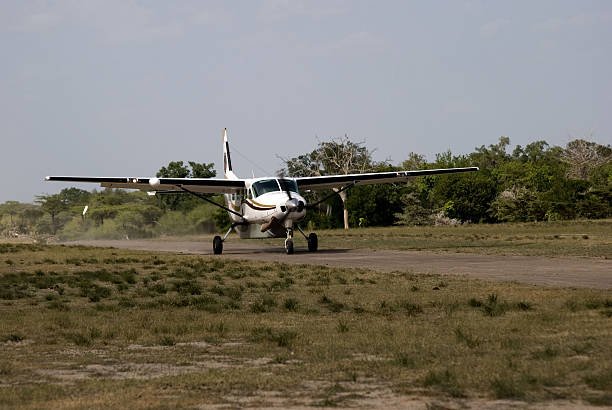
Most safaris in this region begin and end in Arusha, a city located in northern Tanzania. Arusha is the gateway to the Northern Circuit and is easily accessible via Kilimanjaro International Airport (JRO). Your tour operator will typically arrange airport transfers and an overnight stay in Arusha before your safari begins.
Sample Itinerary Snippet (7 Days)
Day 1: Arrive at Kilimanjaro International Airport (JRO), transfer to Arusha for overnight.
Day 2: Drive to Serengeti National Park, game drive en route, overnight in Central Serengeti (Seronera).
Day 3: Full day game drive in Central Serengeti, focusing on predator sightings and diverse plains wildlife.
Day 4: Morning game drive in Serengeti, then drive to the Ngorongoro Conservation Area, descending into the Crater for afternoon game drive, overnight at Crater rim lodge.
Day 5: Morning game drive in Ngorongoro Crater, then drive back to Arusha.
Day 6: Optional activity (e.g., cultural tour, relaxation) or transfer to JRO for departure.
This is a basic example; itineraries can be customized extensively. For instance, if you are targeting the 2026 Great Migration river crossings, your itinerary might focus more time in the northern Serengeti (Kogatende/Lamai region) from July to October.
Booking for 2026-2027: Key Considerations
The demand for Serengeti and Ngorongoro Crater safari Packages remains high. For 2026 and especially for the peak seasons of 2027, it is highly recommended to book at least 9-12 months in advance. This is crucial for securing:
- Preferred Accommodation: Lodges and tented camps, especially those with prime locations (e.g., Crater rim, close to migration routes), get booked up very quickly.
- Specific Dates: If you have exact dates in mind, particularly for migration viewing or school holidays, early booking is essential.
- Customized Itineraries: Tailor-made trips require more planning time.
- Vehicle and Guide Availability: The best guides and well-maintained 4×4 safari vehicles are also in high demand.
Contacting a reputable tour operator like Top Guide Adventures Early is the best way to ensure you get the safari experience you desire for 2026 or 2027.
When is the Best Time for a Serengeti and Ngorongoro Crater Safari?
The “best time” for a Serengeti and Ngorongoro Crater safari Largely depends on what you want to see and your tolerance for crowds and weather.
Peak Seasons (Generally Dry and Busy)
- June to October: This is the dry season in the Serengeti. The vegetation is less dense, making wildlife easier to spot. This is also the prime time for witnessing the Great Migration river crossings (Mara River) in the northern Serengeti. The Ngorongoro Crater is excellent year-round, but this period offers clear skies and good visibility. This is the most popular and thus most expensive time to travel.
- December to February: This period coincides with the southern Serengeti calving season. While it can be warm, it’s a fantastic time for predator action. This is also a popular period due to holidays.
Shoulder Seasons (Good Wildlife, Fewer Crowds)
- March to May: This is the ‘green season’ or rainy season. While game viewing can be slightly more challenging due to the lush vegetation and occasional heavy downpours, it’s a beautiful time with dramatic skies and fewer tourists. Roads can be muddy, which might affect accessibility in some areas. Prices are often lower during this period.
- November: This is a transitional month. The short rains usually begin, bringing the herds back south. It can be a mixed bag weather-wise but offers good wildlife viewing opportunities and fewer crowds than the peak dry season.
Ngorongoro Crater Year-Round Appeal
The Ngorongoro Crater’s unique microclimate and high wildlife density mean it’s an excellent destination throughout the year. The density of animals means you’re likely to see a great deal regardless of the season. However, the dry season (June-October) often provides the clearest skies and most comfortable weather for game drives.
Choosing Your Safari Accommodation
Accommodation is a critical component of your Serengeti and Ngorongoro Crater safari Experience. Options range from budget-friendly campsites to ultra-luxury lodges and tented camps. Your choice will significantly impact the cost and overall feel of your trip.
Types of Accommodation
- Camping (Budget): Basic campsites within or near the parks. You’ll sleep in tents, and facilities are shared. This is the most affordable option and offers a true wilderness feel.
- Tented Camps (Mid-Range to Luxury): These offer a more comfortable safari experience. Tents are usually en-suite with permanent beds. They can be permanent camps or mobile camps that follow the migration.
- Lodges (Mid-Range to Luxury): Permanent structures, often built with stone and thatch, offering hotel-like amenities, including restaurants, bars, and swimming pools. Lodges in prime locations, like the Ngorongoro Crater rim or within the Serengeti, are highly sought after.
Location Matters
- Serengeti: Consider staying in different regions to experience varied landscapes and wildlife. Central Serengeti (Seronera) is good year-round. The Western Corridor is excellent during the migration (May-July). The Northern Serengeti (Kogatende/Lamai) is best for river crossings (July-October).
- Ngorongoro: Lodges on the Crater rim offer spectacular views and easy access for early morning descents. Staying just outside the Crater in Karatu offers more options and can be more budget-friendly, though it requires a longer drive to the Crater floor.
When planning for 2026 or 2027, discuss your accommodation preferences with your tour operator to find options that fit your budget and desired level of comfort.
Safari Vehicle and Guide: Your Eyes and Ears
The quality of your safari vehicle and guide is paramount to a successful Serengeti and Ngorongoro Crater safari. Top Guide Adventures prioritizes experienced guides and well-maintained vehicles.
The Safari Vehicle
Most reputable operators use custom-built 4×4 safari vehicles (typically Land Cruisers or Land Rovers) designed for rough terrain. Key features include:
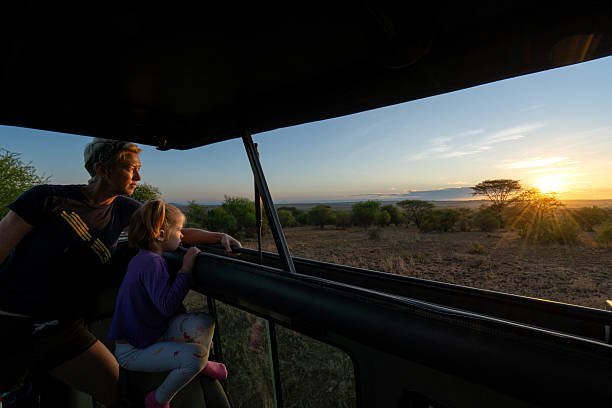
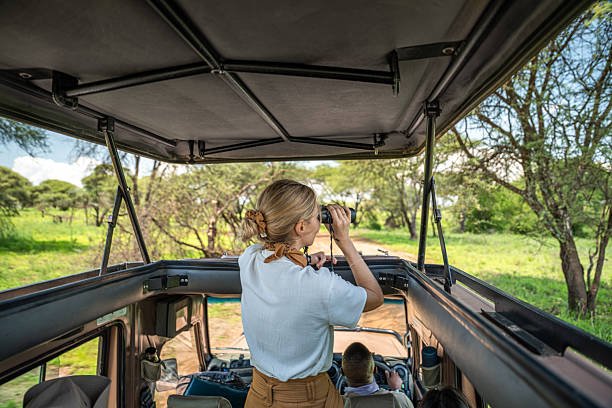
- Pop-up Roof: Essential for unobstructed 360-degree game viewing and photography.
- Comfortable Seating: Ample legroom and comfortable seats for long days in the vehicle.
- Refrigeration: Often equipped with a cooler box for drinks and snacks.
- Power Outlets: Some vehicles have USB or 12V outlets for charging cameras and phones.
The Safari Guide
A knowledgeable and experienced guide is your window into the wilderness. A good guide will:
- Track Wildlife: Using their expertise, they can locate animals that are difficult to spot.
- Understand Animal Behavior: They can interpret animal actions, explain social structures, and predict movements.
- Share Local Knowledge: They provide insights into the flora, fauna, and local culture.
- Ensure Safety: They are trained to handle various situations and prioritize your safety.
- Optimize Game Drives: They know the best times and locations for viewing specific animals.
When booking your 2026 or 2027 safari, inquire about the type of vehicles used and the experience level of their guides. This detail can significantly improve your safari experience.
What to Pack for Your Serengeti and Ngorongoro Crater Safari
Packing smart is essential for comfort and practicality on a safari. Layers are key, as temperatures can vary significantly between day and night, and between different altitudes.
Clothing Essentials
- Neutral-Colored Clothing: Khaki, olive green, beige, and brown are ideal. Avoid bright colors and dark blue/black, which can attract insects or be seen as alarming by animals.
- Long-Sleeved Shirts and Trousers: For sun protection during the day and warmth in the evenings, as well as protection from insects.
- T-shirts and Shorts/Skirts: For warmer daytime temperatures.
- Fleece Jacket or Warm Sweater: Especially for early morning and late evening game drives, which can be quite chilly.
- Waterproof Jacket or Poncho: Particularly useful during the rainy seasons (March-May, November).
- Comfortable Walking Shoes/Hiking Boots: If you plan on any walking safaris (less common in Serengeti/Ngorongoro but possible in NCA).
- Sandals or Flip-flops: For relaxing at the lodge/camp.
- Hat: A wide-brimmed hat is essential for sun protection.
Other Important Items
- Sunscreen: High SPF.
- Insect Repellent: With DEET.
- Sunglasses.
- Camera and Plenty of Memory Cards/Batteries: You’ll want to capture everything! A zoom lens is highly recommended.
- Binoculars: Essential for spotting distant wildlife.
- Personal First-Aid Kit: With any personal medications.
- Hand Sanitizer.
- Reusable Water Bottle.
- Adapter for Electronics.
- Small Backpack or Daypack: For carrying essentials during game drives.
Always check with your tour operator for any specific packing recommendations for your chosen itinerary and time of travel for 2026 or 2027.
Safari Costs and Budget Considerations
The cost of a Serengeti and Ngorongoro Crater safari Can vary significantly based on several factors. Understanding these can help you budget effectively for your 2026 or 2027 trip.
Key Cost Factors
- Duration of Safari: Longer safaris naturally cost more.
- Accommodation Level: Luxury lodges are considerably more expensive than mid-range tented camps or budget campsites.
- Type of Safari: Private safaris are more expensive per person than group or shared safaris.
- Time of Year: Peak seasons (June-October, December-February) are more expensive due to higher demand.
- Inclusions: What is included in your package (meals, drinks, park fees, activities, internal flights) will affect the price.
- Park Fees: These are set by the Tanzanian government and are a significant portion of the safari cost.
Typical Price Ranges (Per Person, Per Day – Estimate for 2026-2027)
- Budget/Camping Safaris: $150 – $250 USD per person per day.
- Mid-Range Safaris (Tented Camps/Comfortable Lodges): $300 – $500 USD per person per day.
- Luxury Safaris (High-End Lodges/Exclusive Camps): $600 – $1,000+ USD per person per day.
These are general estimates. A typical 7-day Serengeti and Ngorongoro Crater safari Might range from $2,100 to $7,000+ USD per person, excluding international flights. It’s always best to get a detailed quote from your chosen tour operator.
Get a Custom Safari Quote
For personalized pricing and itinerary planning for your Serengeti and Ngorongoro Crater safari In 2026 or 2027, contact Top Guide Adventures. We offer tailor-made experiences to suit your budget and preferences.
WhatsApp: +255 616 946642
Email: Topguideadventures@gmail.com
Backup Email: Info@topguideadventures.com
Frequently Asked Questions about Serengeti and Ngorongoro Crater Safaris
What is the best month to visit the Serengeti and Ngorongoro Crater?
The best time depends on your priorities. For the Great Migration river crossings, aim for July to October. For the calving season and predator action, December to February is excellent. The dry season (June to October) offers generally good weather and easier wildlife spotting year-round in both locations, though it’s also peak season.
How long should a Serengeti and Ngorongoro Crater safari be?
A minimum of 5 days is recommended to experience both parks adequately. However, 7 to 10 days allows for a more in-depth exploration of different regions within the Serengeti and a more relaxed pace.
Can I see the Big Five on a Serengeti and Ngorongoro Crater safari?
Yes, it is highly likely. The Ngorongoro Crater is one of the best places in Africa to see all of the Big Five, including the rare black rhino. The Serengeti also offers excellent chances, though leopards and rhinos can be more elusive.
Is it safe to travel to Tanzania for a safari in 2026-2027?
Tanzania is a very safe country for tourists, and safari operations adhere to strict safety protocols. Your guide will ensure your well-being throughout the trip. It’s always advisable to stay updated on general travel advisories and follow your guide’s instructions.
What is the difference between Serengeti and Ngorongoro Crater safaris?
The Serengeti is vast, known for the Great Migration and wide-open plains supporting huge herds and predators. The Ngorongoro Crater is a compact volcanic caldera with extremely high wildlife density, offering a concentrated viewing experience, including a better chance of seeing black rhinos.
Planning Your 2026-2027 Tanzania Safari with Top Guide Adventures
Embarking on a Serengeti and Ngorongoro Crater safari Is a significant undertaking, and choosing the right tour operator is crucial. Top Guide Adventures is a trusted Tanzanian company dedicated to providing exceptional safari experiences with personal attention and dedicated support. We understand the intricacies of planning a safari to these iconic destinations and are committed to making your 2026 or 2027 adventure unforgettable.
Whether you’re dreaming of witnessing the dramatic river crossings of the Great Migration, marveling at the density of wildlife within the Ngorongoro Crater, or seeking a tailor-made itinerary that perfectly suits your interests and budget, our team is here to help. We offer a range of safari packages, from group departures to exclusive private tours, all designed to showcase the best of Tanzania’s wildlife and landscapes.
Contact us today To start planning your dream Serengeti and Ngorongoro Crater safari. Let us help you create memories that will last a lifetime. You can reach us via:
- WhatsApp: +255 616 946642
- Email: Topguideadventures@gmail.com
- Backup Email: Info@topguideadventures.com
- Website: Top Guide Adventures Tanzania
We look forward to welcoming you to Tanzania!
”
}
“`
Check Availability for Serengeti And Ngorongoro Crater Safari 2026-2027
Ready to compare dates, prices, and the best option for your group? Send the package name and travel month so the team can reply with a clear quote, availability, and what is included.
Safari Serengeti Tanzanie: Your Ultimate Guide To East Africas Iconic
Start an unforgettable safari adventure in Tanzania's Serengeti National Park. This comprehensive guide covers everything from wildlife viewing and optimal timing to itinerary planning...
View package details
Safari Tanzania Serengeti: Your Ultimate Guide For Adventures 2026-2027
Start an unforgettable safari in Tanzania's Serengeti, a world-renowned wildlife haven. This guide covers everything from the Great Migration to planning your 2026-2027 trip.
View package details
Distance From Serengeti To Ngorongoro Crater: Your Essential Safari Guide
Planning a Tanzania safari often involves combining the vast plains of the Serengeti with the unique ecosystem of the Ngorongoro Crater. Understanding the distance and travel time between...
View package details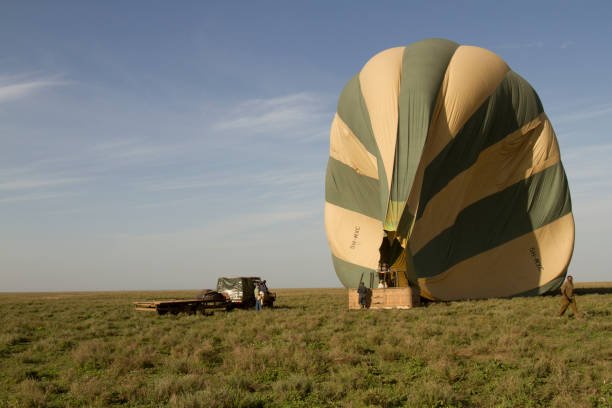
How Far Is Ngorongoro Crater From Serengeti: Distances, Travel Times & Routes
Planning a Tanzania safari often involves visiting both the Ngorongoro Crater and the vast Serengeti. Understanding the distance and travel time between these iconic locations is crucial...
View package details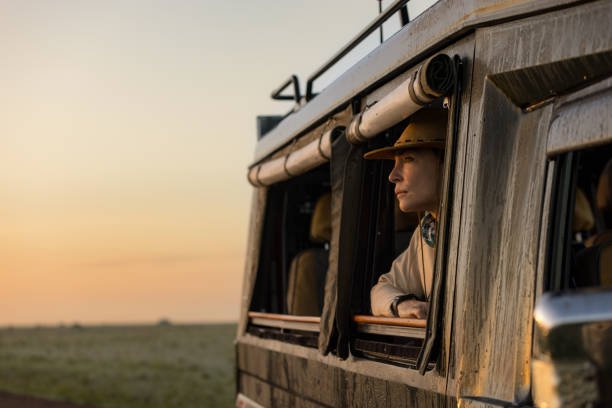
Ngorongoro To Serengeti Distance: Your Safari Travel Guide 2026-2027
Planning a Tanzania safari? Understanding the Ngorongoro to Serengeti distance is crucial for itinerary planning. This guide covers travel times, routes, and what to expect when moving...
View package details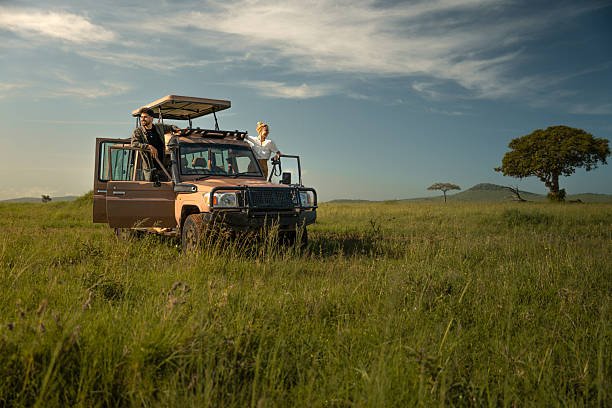
Serengeti And Ngorongoro Safari Tours 2026-2027
serengeti and ngorongoro safari tours is explained with current 2026-2027 planning, price, itinerary and booking information.
View package details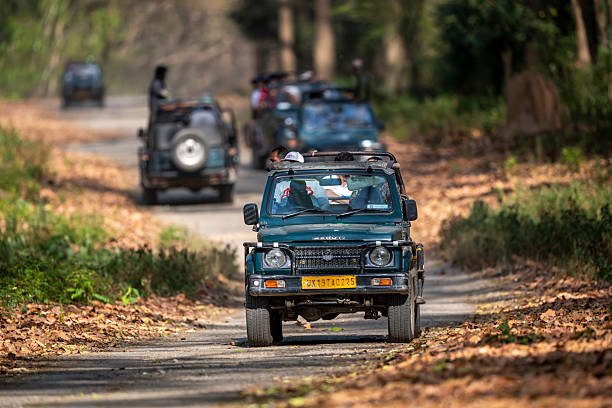
Serengeti Ngorongoro And Tarangire Safari 2026-2027
Serengeti Ngorongoro and Tarangire Safari is explained with current 2026-2027 planning, price, itinerary and booking information.
View package details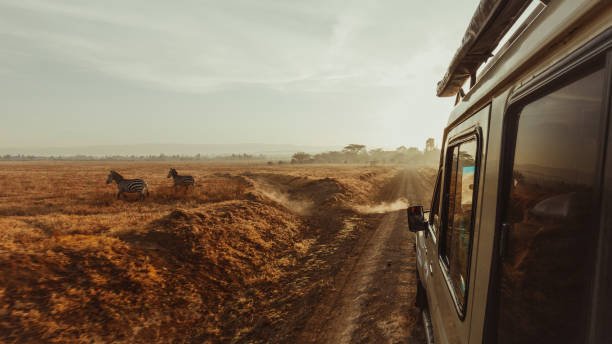
Serengeti To Ngorongoro Distance: Planning Your Transfer Across Tanzanias
Discover the essential details about the Serengeti to Ngorongoro distance, including travel times, route options, and what to expect when moving between these two iconic Tanzanian wildlife...
View package details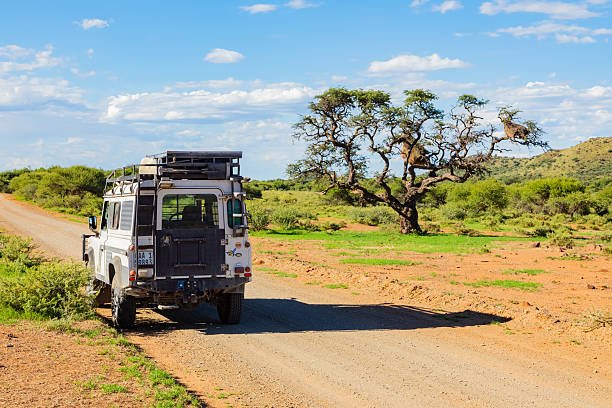
Best Safari Packages In Tanzania: Top Guide Adventures 2026-2027
Discover the best safari packages in Tanzania with Top Guide Adventures, offering unparalleled experiences in Serengeti, Ngorongoro, and beyond. Plan your dream wildlife adventure for...
View package details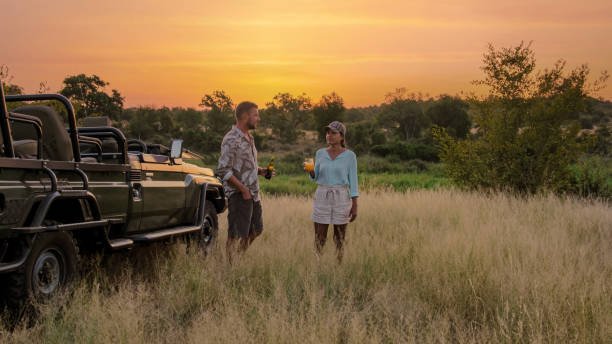
Family Safari Tanzania Packages: Expert Planning For Adventures 2026-2027
Planning a family safari in Tanzania for 2026 or 2027? Top Guide Adventures offers expertly crafted packages designed for all ages, ensuring a safe, educational, and thrilling wildlife...
View package detailsGroup Safari From Moshi: Shared Tanzania Adventures In 2026-2027
Explore shared safari experiences departing from Moshi, Tanzania. This guide details group tour options for 2026-2027, focusing on popular Northern Circuit destinations like Serengeti and...
View package details
Luxury Safari Lodges In Tanzania: Unrivaled Wildlife Experiences For 2026-2027
Experience the pinnacle of African wildlife viewing with Tanzania's exclusive luxury safari lodges. These top-tier accommodations provide unparalleled access to iconic parks like the...
View package detailsNo closely related package is available for this topic yet.



