
The best routes to climb Kilimanjaro for 2026-2027 include Machame, Lemosho, and the Northern Circuit for their excellent acclimatization profiles and high success rates, offering diverse scenery and camping experiences. The Marangu route is known for its hut accommodation and faster ascent, while Rongai provides a drier approach. Your choice depends on desired duration, acclimatization, scenery, and comfort preferences.
Understanding Kilimanjaro Routes: A Crucial First Step for 2026-2027 Treks
Mount Kilimanjaro, Africa’s highest peak and a UNESCO World Heritage site, is a dream destination for trekkers worldwide. With its majestic snow-capped summit, diverse ecosystems, and the sheer accomplishment of standing on the Roof of Africa, it’s an unforgettable adventure. For many planning their expedition for 2026 or 2027, the very first and arguably most critical decision is selecting the right route. This isn’t just about the path you take; it’s about your acclimatization, your chances of reaching the summit, the views you’ll witness, and your overall experience on the mountain.
At Top Guide Adventures, we understand that each trekker is unique. Whether you’re seeking the most scenic journey, the highest success rate, a quicker ascent, or comfortable accommodation, there’s a Kilimanjaro route tailored for you. We’ve guided thousands of climbers to the summit and are here to break down every aspect of the main Kilimanjaro routes, helping you make an informed decision for your 2026-2027 expedition.
This comprehensive guide will explore each of Kilimanjaro’s popular trekking routes: Marangu, Machame, Lemosho, Shira, Rongai, Umbwe, and the Northern Circuit. We’ll compare them based on key factors like duration, acclimatization, scenery, camping vs. hut accommodation, and overall difficulty. By the end, you’ll have a clear picture of which route best aligns with your fitness, budget, and personal aspirations for climbing Kilimanjaro.
The Seven Official Routes to Kilimanjaro’s Summit
Kilimanjaro National Park officially recognizes seven trekking routes. Each offers a distinct experience, ascending the mountain from different sides and varying significantly in length, difficulty, and acclimatization strategy. Understanding these differences is paramount for a successful and enjoyable climb.
1. The Marangu Route: “Coca-Cola” or “Tourist” Route
The Marangu route is the oldest and arguably the most famous Kilimanjaro route. It’s often called the “Coca-Cola” route due to its popularity and accessibility, or the “Tourist” route because it’s the only one offering dormitory-style hut accommodation instead of camping. This unique feature makes it appealing to trekkers who prefer more comfort or are concerned about sleeping in tents.
Key Characteristics:
- Duration: 5 or 6 days. The 5-day option is not recommended due to poor acclimatization.
- Accommodation: Huts (dormitory-style).
- Scenery: Offers a gradual ascent through diverse vegetation zones, but the views can be more limited compared to other routes as you ascend and descend the same path.
- Acclimatization: Poor, especially on the 5-day itinerary, leading to lower success rates. The 6-day option improves this slightly by adding an acclimatization day.
- Difficulty: Moderate to difficult, primarily due to the rapid ascent and lack of proper acclimatization.
- Starting Point: Marangu Gate (1,860m / 6,100ft).
- Descent: Via the same path.
Pros:
- Hut accommodation provides a basic level of comfort, shelter, and a communal atmosphere.
- It’s the only route with huts, which can be a deciding factor for some trekkers.
- Shorter duration options (though not recommended for success).
Cons:
- Lower summit success rates due to inadequate acclimatization, particularly on the 5-day trek.
- The same path for ascent and descent means less varied scenery.
- Can feel crowded due to its popularity.
- The trek itself is less scenic than routes like Lemosho or Machame.
The Marangu route is often chosen by those seeking a more comfortable sleeping arrangement or those on a tighter schedule. However, for those prioritizing a higher chance of summiting, we strongly recommend the 6-day option or, ideally, one of the longer routes specifically designed for better acclimatization. For your 2026-2027 climb, consider if the hut comfort outweighs the potential summit success challenges.
2. The Machame Route: “Whiskey” Route
The Machame route, often referred to as the “Whiskey” route, is the most popular Kilimanjaro trek and is highly recommended by most operators, including Top Guide Adventures. It offers a fantastic balance of stunning scenery, good acclimatization, and a high success rate, making it an excellent choice for most climbers planning for 2026 or 2027.
Key Characteristics:
- Duration: 6 or 7 days. The 7-day option is highly recommended for superior acclimatization and a better summit chance.
- Accommodation: Camping.
- Scenery: Spectacular and diverse, traversing rainforests, moorlands, and alpine deserts, with impressive views of the Kibo massif.
- Acclimatization: Excellent, especially on the 7-day itinerary, which follows the ‘climb high, sleep low’ principle effectively.
- Difficulty: Moderate to difficult, with some steep sections.
- Starting Point: Machame Gate (1,640m / 5,380ft).
- Descent: Via the Mweka route.
Pros:
- High summit success rates, particularly with the 7-day itinerary.
- Exceptional scenery with diverse landscapes and panoramic views.
- Good acclimatization profile, crucial for summit success.
- Offers a true wilderness camping experience.
- The 7-day option is generally considered one of the best overall routes.
Cons:
- Camping can be challenging for those seeking hotel-like comfort.
- Some sections are steep, requiring good physical fitness.
- Can be busy due to its popularity.
The Machame route is our top recommendation for climbers in 2026-2027 who are looking for a challenging yet rewarding trek with a high probability of reaching the summit. The 7-day option provides ample time for your body to adjust to the altitude, significantly increasing your chances of success and enjoyment.
3. The Lemosho Route
The Lemosho route is often considered the most scenic Kilimanjaro route, offering a gradual ascent through pristine wilderness and excellent acclimatization opportunities. It joins the Machame route on day 3, sharing much of its path and dramatic landscape.
Key Characteristics:
- Duration: 7, 8, or even 9 days. Longer durations are highly recommended for optimal acclimatization.
- Accommodation: Camping.
- Scenery: Arguably the most beautiful route, starting in lush rainforests and offering panoramic views of the Shira Plateau and Mount Meru.
- Acclimatization: Excellent, especially on the longer 8 or 9-day itineraries, due to its gradual ascent and the ‘climb high, sleep low’ principle.
- Difficulty: Moderate, with some challenging sections.
- Starting Point: Lemosho Gate (2,100m / 6,890ft).
- Descent: Via the Mweka route.
Pros:
- Stunning, varied scenery from start to finish.
- Excellent acclimatization, leading to very high summit success rates.
- Starts in a remote, less-trafficked area, offering a more serene experience in the initial days.
- Ideal for photographers and nature lovers.
Cons:
- Generally more expensive than other routes due to its longer duration and remote starting point.
- Camping accommodation.
For trekkers in 2026-2027 prioritizing a visually spectacular journey with the best possible acclimatization, the Lemosho route, particularly the 8 or 9-day version, is an outstanding choice. It offers a more remote and tranquil start before merging with the popular Machame route.
4. The Shira Route
The Shira route is very similar to Lemosho but starts at a higher altitude, beginning on the Shira Plateau. This means trekkers start their journey at a significant elevation, which can be a double-edged sword for acclimatization.
Key Characteristics:
- Duration: 7 or 8 days.
- Accommodation: Camping.
- Scenery: Beautiful, traversing the Shira Plateau with impressive views.
- Acclimatization: Can be challenging due to the higher starting altitude. While it joins the Machame route and benefits from its acclimatization profile later on, the initial days at high altitude can be tough.
- Difficulty: Moderate to difficult, with significant elevation gains early on.
- Starting Point: Shira Gate (3,500m / 11,480ft).
- Descent: Via the Mweka route.
Pros:
- Spectacular scenery across the Shira Plateau.
- Joins the Machame route, benefiting from its well-trodden path and established camps.
Cons:
- High starting altitude can lead to rapid onset of altitude sickness for some.
- Less gradual acclimatization in the initial stages compared to Lemosho.
- Can be more expensive.
While Shira offers stunning views, for most trekkers in 2026-2027, the Lemosho route is a safer bet for acclimatization due to its lower starting point. Shira might be considered by highly experienced high-altitude trekkers who are confident in their ability to acclimatize quickly at significant elevations.
5. The Rongai Route
The Rongai route is the only route approaching Kilimanjaro from the north, near the Kenyan border. It’s known for its drier climate, making it a good option during the rainy seasons, and offers a different perspective of the mountain.
Key Characteristics:
- Duration: 6 or 7 days. The 7-day option is recommended for better acclimatization.
- Accommodation: Camping.
- Scenery: Less dramatic than the southern routes initially, passing through semi-arid landscapes before joining the Marangu route near the saddle.
- Acclimatization: Good, especially on the 7-day itinerary, with a more gradual ascent.
- Difficulty: Moderate.
- Starting Point: Nale Muru Gate (1,995m / 6,545ft).
- Descent: Via the Marangu route.
Pros:
- Good success rates, especially on the 7-day trek.
- Less crowded than the southern routes.
- Drier climate, making it a viable option during wetter months (June-October).
- Good wildlife viewing opportunities in the initial stages.
Cons:
- Scenery is generally considered less spectacular than Lemosho or Machame.
- Descent is via the Marangu route, which can be busy.
- Camping accommodation.
For those planning a Kilimanjaro climb in 2026-2027 during the wetter months, or those seeking a less crowded experience with good acclimatization, Rongai is a solid choice. It offers a different, perhaps more rugged, start to the climb.
6. The Umbwe Route
The Umbwe route is the shortest and steepest route up Kilimanjaro, making it the most challenging and demanding. It’s known for its direct, rapid ascent and offers very little time for acclimatization, making it suitable only for experienced, very fit trekkers with prior high-altitude experience.
Key Characteristics:
- Duration: 5 or 6 days. The 6-day option is the minimum recommended for any chance of success.
- Accommodation: Camping.
- Scenery: Steep and rugged, passing through dense rainforest.
- Acclimatization: Poor. The rapid ascent to high altitudes makes acclimatization extremely difficult.
- Difficulty: Very difficult, physically and technically demanding.
- Starting Point: Umbwe Gate (1,680m / 5,510ft).
- Descent: Via the Mweka route.
Pros:
- Direct and challenging for experienced mountaineers.
- Less crowded.
Cons:
- Extremely low summit success rates due to poor acclimatization.
- Very steep and physically demanding, with significant risk of altitude sickness.
- Not recommended for first-time Kilimanjaro climbers.
We generally advise against the Umbwe route for most trekkers in 2026-2027 unless they are seasoned high-altitude climbers seeking the ultimate challenge and fully understand the risks involved. The chances of suffering from severe altitude sickness are very high.
7. The Northern Circuit Route
The Northern Circuit is the longest and newest official route on Kilimanjaro. Its extended duration provides the best acclimatization profile, leading to the highest summit success rates among all routes. It circles the mountain almost completely, offering unparalleled views and a remote trekking experience.
Key Characteristics:
- Duration: 9 or 10 days. Longer is always better for acclimatization.
- Accommodation: Camping.
- Scenery: The most diverse and extensive, offering panoramic views from all sides of the mountain, including the remote northern slopes.
- Acclimatization: Excellent, the best of all routes, due to its length and slow, steady ascent.
- Difficulty: Moderate, but the length requires significant endurance.
- Starting Point: Lemosho Gate (2,100m / 6,890ft), then follows a circuit on the northern side.
- Descent: Via the Mweka route.
Pros:
- Highest summit success rates due to superior acclimatization.
- Most scenic route, offering unique perspectives and vast wilderness.
- Least crowded route, providing a more exclusive experience.
- Excellent for wildlife spotting on the northern slopes.
- Ideal for those seeking a comprehensive Kilimanjaro experience.
Cons:
- Longest duration, requiring more time off work and a higher budget.
- Camping accommodation.
For trekkers in 2026-2027 who want the absolute best chance of reaching Uhuru Peak and are looking for a truly in-depth and scenic journey, the Northern Circuit is the ultimate Kilimanjaro route. It provides the most gradual and effective acclimatization.
Comparing Kilimanjaro Routes: Key Factors for Your 2026-2027 Climb
Choosing the right route involves weighing several crucial factors. At Top Guide Adventures, we help our clients understand these trade-offs to ensure they select the trek that best suits their needs, fitness levels, and expectations for their 2026-2027 adventure.
Duration and Acclimatization
This is the single most important factor for summit success. Altitude sickness is a serious risk, and your body needs time to adjust to the decreasing oxygen levels as you ascend. Routes that are longer (7 days or more) offer better acclimatization by allowing for a slower, more gradual ascent and incorporating the ‘climb high, sleep low’ principle. Shorter routes, like the 5-day Marangu or Umbwe, force a rapid ascent, significantly increasing the risk of altitude sickness and drastically reducing summit success rates.
- Best Acclimatization: Northern Circuit (9-10 days), Lemosho (8-9 days), Machame (7 days).
- Moderate Acclimatization: Rongai (7 days), Machame (6 days).
- Poor Acclimatization: Marangu (5-6 days), Umbwe (5-6 days), Rongai (6 days).
For 2026-2027 expeditions, we strongly advocate for routes of at least 7 days. The extra day or two can make a significant difference in your comfort, enjoyment, and chances of reaching the summit. The Northern Circuit offers the most comprehensive acclimatization, followed closely by the 8-day Lemosho and 7-day Machame routes.
Scenery and Experience
Kilimanjaro’s beauty lies in its diverse ecological zones, from lush rainforests to alpine deserts and glacial zones. Different routes offer different views and experiences:
- Most Scenic: Lemosho, Northern Circuit, Machame. These routes offer varied landscapes, panoramic vistas, and excellent photographic opportunities. Lemosho and Northern Circuit, in particular, traverse less-trodden paths initially, providing a more wild and remote feel.
- Moderate Scenery: Rongai offers a unique perspective from the north, but the initial landscapes are drier and less dramatic than the southern routes.
- Least Varied Scenery: Marangu and Umbwe, which ascend and descend the same path, offering less visual diversity.
If impressive views and a sense of wilderness exploration are high on your list for your 2026-2027 climb, prioritize routes like Lemosho, Northern Circuit, or Machame.
Accommodation Type
This is a straightforward distinction:
- Huts: Only the Marangu route offers dormitory-style hut accommodation. This is more like basic lodging than a hotel, but it provides shelter and beds.
- Camping: All other routes (Machame, Lemosho, Shira, Rongai, Umbwe, Northern Circuit) involve camping. Tents are provided, and a full support crew sets up camp, cooks meals, and manages logistics. This offers a more authentic mountain experience and is often preferred by trekkers seeking a closer connection with nature.
Your preference for comfort versus a wilderness experience will heavily influence this choice. If sleeping in a tent under the stars is part of your Kilimanjaro dream, then camping routes are for you. If you prefer a solid roof over your head, Marangu is the only option, but remember its acclimatization limitations.
Difficulty and Physical Demands
While all Kilimanjaro climbs are strenuous and require good physical fitness, some routes are inherently more challenging due to steepness, altitude gain, or length:
- Most Difficult: Umbwe (steep, rapid ascent).
- Moderately Difficult: Machame, Lemosho, Shira (steep sections, significant elevation gain).
- Moderate: Marangu, Rongai, Northern Circuit (less steep overall, but length on Northern Circuit requires endurance).
Regardless of the route chosen for 2026-2027, thorough physical preparation is essential. Focus on cardiovascular fitness, strength training (especially legs and core), and hiking with a backpack.
Summit Success Rates
Success rates are influenced by many factors, including route choice, duration, operator quality, and individual climber preparation and acclimatization. However, some routes inherently offer better conditions for success:
- Highest Success Rates: Northern Circuit (9-10 days), Lemosho (8-9 days). These routes provide the best acclimatization.
- Good Success Rates: Machame (7 days), Rongai (7 days).
- Moderate Success Rates: Machame (6 days), Rongai (6 days).
- Lower Success Rates: Marangu (5-6 days), Umbwe (5-6 days). These are often due to poor acclimatization and rapid ascents.
At Top Guide Adventures, our success rates are consistently high across all our recommended routes (Machame, Lemosho, Northern Circuit) because we prioritize longer itineraries and proper acclimatization practices for our 2026-2027 clients.
Detailed Itinerary Examples for Popular Routes (2026-2027 Focus)
To give you a clearer picture, here are sample itineraries for the most popular routes. These can be customized for your 2026 or 2027 climb.
Sample 7-Day Machame Route Itinerary
- Day 1: Machame Gate (1,640m) to Machame Camp (3,050m) – Trek through rainforest.
- Day 2: Machame Camp (3,050m) to Shira 2 Camp (3,850m) – Ascend through moorland.
- Day 3: Shira 2 Camp (3,850m) to Barranco Camp (3,950m) – Climb high, sleep low, crossing the Shira Plateau.
- Day 4: Barranco Camp (3,950m) to Karanga Camp (4,035m) – Ascend the Barranco Wall.
- Day 5: Karanga Camp (4,035m) to Barafu Camp (4,600m) – Prepare for summit night.
- Day 6: Barafu Camp (4,600m) to Summit (Uhuru Peak, 5,895m) and descend to Mweka Camp (3,100m) – Summit night and descent.
- Day 7: Mweka Camp (3,100m) to Mweka Gate (1,640m) – Final descent through rainforest.
Sample 8-Day Lemosho Route Itinerary
- Day 1: Lemosho Gate (2,100m) to Mti Mkubwa Camp (2,750m) – Trek through rainforest.
- Day 2: Mti Mkubwa Camp (2,750m) to Shira 2 Camp (3,850m) – Ascend to the Shira Plateau.
- Day 3: Shira 2 Camp (3,850m) to Barranco Camp (3,950m) – Traverse the Shira Plateau.
- Day 4: Barranco Camp (3,950m) to Karanga Camp (4,035m) – Conquer the Barranco Wall.
- Day 5: Karanga Camp (4,035m) to Barafu Camp (4,600m) – Trek towards the summit.
- Day 6: Barafu Camp (4,600m) to Summit (Uhuru Peak, 5,895m) and descend to Mweka Camp (3,100m) – Summit attempt.
- Day 7: Mweka Camp (3,100m) to Barafu Camp (4,600m) – Rest day or further acclimatization hike.
- Day 8: Mweka Camp (3,100m) to Mweka Gate (1,640m) – Final descent.
Sample 9-Day Northern Circuit Itinerary
- Day 1: Lemosho Gate (2,100m) to Mti Mkubwa Camp (2,750m) – Rainforest trek.
- Day 2: Mti Mkubwa Camp (2,750m) to Shira 2 Camp (3,850m) – Into the moorlands.
- Day 3: Shira 2 Camp (3,850m) to Lava Tower (4,600m) then to Barranco Camp (3,950m) – Classic acclimatization hike.
- Day 4: Barranco Camp (3,950m) to Karanga Camp (4,035m) – Ascend Barranco Wall.
- Day 5: Karanga Camp (4,035m) to Barafu Camp (4,600m) – Approaching the summit zone.
- Day 6: Barafu Camp (4,600m) to Summit (Uhuru Peak, 5,895m) and descend to Kosovo Camp (4,900m) – Summit day.
- Day 7: Kosovo Camp (4,900m) to Millennium Camp (3,800m) – Descend to a lower camp.
- Day 8: Millennium Camp (3,800m) to Mweka Camp (3,100m) – Continue descent.
- Day 9: Mweka Camp (3,100m) to Mweka Gate (1,640m) – Final descent.
These are just examples. For your 2026-2027 climb, we can tailor any itinerary to your specific needs and desired pace. Remember, longer itineraries generally mean better acclimatization and higher success rates.
When is the Best Time to Climb Kilimanjaro?
Kilimanjaro can be climbed year-round, but certain periods offer more favorable weather conditions. The mountain experiences two dry seasons and two wet seasons:
- Dry Seasons (Best Times):
- January to March: Generally warm and dry, but can be very cold at the summit due to proximity to the equator. Clear skies are common.
- June to October: Cooler and dry, considered by many to be the optimal time. Skies are usually clear, offering excellent visibility.
- Wet Seasons:
- April to May: The ‘long rains’ season. Heavy rainfall, especially in the lower rainforest zone. Trails can be muddy and slippery.
- November to December: The ‘short rains’ season. Lighter showers are common, but can still impact visibility and trail conditions.
Even during the wet seasons, climbs are possible, and there are fewer crowds. The Rongai route is often recommended for the wetter months due to its drier northern approach. For your 2026-2027 planning, the June-October and January-March windows are generally preferred for the best weather, though expect higher prices and more trekkers during peak months within these windows.
Preparing for Your Kilimanjaro Climb: Fitness, Gear, and Health
A successful Kilimanjaro climb requires more than just choosing the right route. Thorough preparation is key.
Physical Fitness
Kilimanjaro is a trekking challenge, not a technical climb. However, it demands significant cardiovascular fitness and endurance. Focus on:
- Aerobic Exercise: Aim for at least 3-4 sessions per week (running, cycling, swimming) for several months leading up to your climb.
- Hiking: Regularly hike with a weighted backpack, ideally on varied terrain, to build leg strength and practice carrying weight.
- Strength Training: Focus on lower body (squats, lunges) and core strength.
The fitter you are, the more you’ll enjoy the trek and the better your body will cope with the altitude. Start your training well in advance of your 2026-2027 expedition.
Essential Gear
Proper gear is crucial for comfort and safety. Layering is key to managing temperature changes.
- Footwear: Broken-in hiking boots, camp shoes.
- Clothing: Moisture-wicking base layers, insulating mid-layers (fleece), waterproof and windproof outer shell (jacket and pants).
- Headwear: Warm hat, sun hat, balaclava.
- Handwear: Warm gloves, liner gloves.
- Sleeping Gear: Warm sleeping bag (rated to -10°C or lower), sleeping bag liner.
- Trekking Poles: Highly recommended for stability and reducing knee strain.
- Backpack: Daypack for essentials, duffel bag for porters.
- Other: Headlamp, sunglasses, sunscreen, lip balm, water bottles/hydration reservoir, personal first-aid kit, toiletries, camera.
Top Guide Adventures provides detailed packing lists to ensure you don’t miss anything vital for your 2026-2027 climb.
Health and Altitude Sickness
Altitude sickness (Acute Mountain Sickness – AMS) is the primary concern on Kilimanjaro. Symptoms include headache, nausea, dizziness, and fatigue. The best prevention is choosing a longer route with good acclimatization.
- Ascend Slowly: Prioritize longer routes (7+ days).
- Stay Hydrated: Drink plenty of water.
- Eat Well: Maintain energy intake.
- Avoid Alcohol and Smoking: These hinder acclimatization.
- Listen to Your Body: Report any symptoms to your guide immediately.
- Medication: Consult your doctor about Diamox (acetazolamide), which can aid acclimatization.
Our guides are trained to recognize and manage AMS. Your safety is our utmost priority on your 2026-2027 Kilimanjaro adventure.
Choosing the Right Operator for Your 2026-2027 Kilimanjaro Climb
Selecting a reputable tour operator is as important as choosing the right route. A good operator ensures safety, provides experienced guides and porters, offers quality equipment, and manages logistics effectively. At Top Guide Adventures, we pride ourselves on:
- Experienced Guides: Certified and knowledgeable guides with extensive high-altitude experience.
- Fair Treatment of Staff: We ensure our porters and guides are well-paid, fed, and equipped, which translates to a motivated and efficient support team.
- Safety First: Comprehensive safety protocols, including oxygen on every climb and emergency oxygen systems.
- Quality Equipment: High-quality tents, sleeping mats, and cooking gear.
- Tailored Itineraries: We focus on longer routes for optimal acclimatization and success rates.
When booking your 2026 or 2027 Kilimanjaro climb, look for operators who emphasize longer itineraries, transparent pricing, and a strong safety record. Read reviews and ask questions.
Considering a 2026-2027 Kilimanjaro Climb? Let Top Guide Adventures Help!
We offer a range of itineraries on the most popular and successful routes like Machame, Lemosho, and the Northern Circuit. Our packages are designed for optimal acclimatization, safety, and an unforgettable experience. Get in touch to discuss your dream Kilimanjaro climb and let us help you plan every detail.
WhatsApp: +255616946642
Email: topguideadventures@gmail.com
Backup Email: info@topguideadventurestanzania.com
We look forward to helping you conquer Kilimanjaro!
Cost Considerations for Kilimanjaro Routes in 2026-2027
The cost of climbing Kilimanjaro varies significantly depending on the route, duration, operator, and inclusions. Generally, longer routes with better acclimatization and more remote starting points tend to be more expensive.
- Marangu Route: Often the cheapest due to its shorter duration and single path. However, the cost-saving comes at the risk of lower success rates.
- Machame Route: Mid-range to higher-end, especially for the 7-day option.
- Lemosho & Northern Circuit: Typically the most expensive due to their longer duration, remote starting points, and excellent acclimatization profiles.
- Rongai & Umbwe: Can fall into mid-range pricing.
Factors influencing cost:
- Duration: Longer treks cost more.
- Park Fees: A significant portion of the cost, set by Kilimanjaro National Park.
- Crew Wages: Fair wages for guides, porters, and cooks.
- Food and Accommodation: Quality and quantity of meals, and tent/hut provisions.
- Equipment: Quality of tents, sleeping bags, etc.
- Safety Equipment: Oxygen, first-aid kits.
- Group Size: Private climbs are more expensive than group climbs.
When comparing prices for 2026-2027, look beyond the bottom line. A cheap climb often means compromises on safety, crew welfare, or route duration, which can jeopardize your summit attempt. Top Guide Adventures offers competitive pricing for high-quality, safe, and successful Kilimanjaro expeditions. We encourage you to inquire for a personalized quote.
Frequently Asked Questions About Kilimanjaro Routes
Here are answers to some common questions regarding Kilimanjaro routes.
Which Kilimanjaro route has the highest success rate?
The routes with the highest success rates are generally the longest ones that offer the best acclimatization. These include the Northern Circuit (9-10 days) and the Lemosho Route (8-9 days). The 7-day Machame Route also boasts very good success rates.
</
Check Availability for Routes To Climb Kilimanjaro 2026-2027
Ready to compare dates, prices, and the best option for your group? Send the package name and travel month so the team can reply with a clear quote, availability, and what is included.
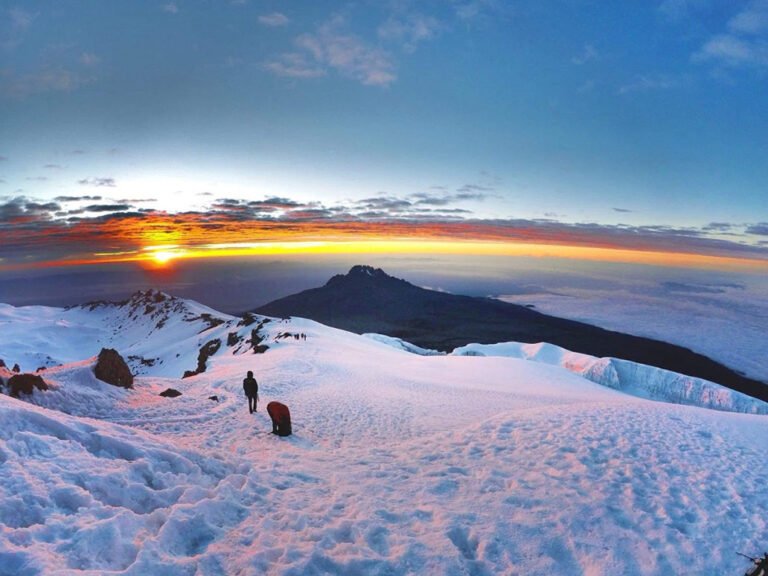
6-Day Kilimanjaro Climbing Tours: Best Routes & Planning Guide 2026-2027
Plan your 6-day Kilimanjaro climb with this detailed guide covering routes, costs, preparation, and why Top Guide Adventures is a trusted operator for this life-changing trek.
View package details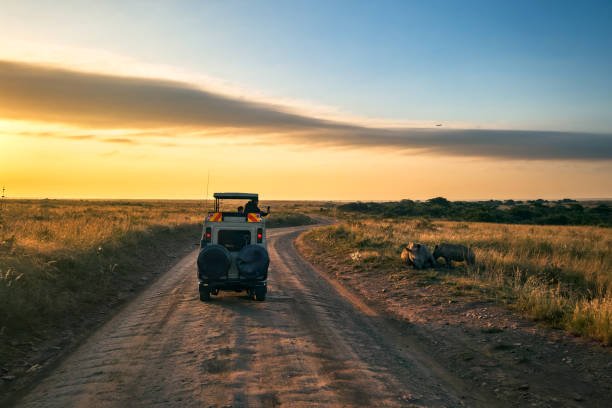
Best Climb Kilimanjaro Routes 2026-2027
Best climb kilimanjaro routes is explained with current 2026-2027 planning, price, itinerary and booking information.
View package details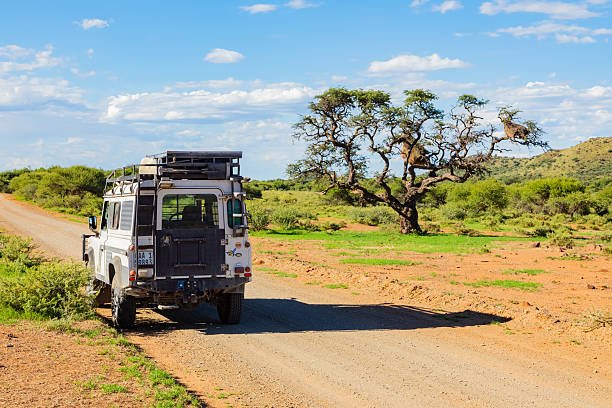
Best Group Climb Kilimanjaro: Routes, Costs, And Departures 2026-2027
Planning a group Kilimanjaro climb? This guide details the best routes, essential costs, essential gear, and how to choose a reputable operator for your 2026 or 2027 adventure.
View package details
Best Kilimanjaro Routes : Your Ultimate Climbing Guide 2026-2027
Choosing the best Kilimanjaro route is crucial for your climb. This guide details the top routes like Machame, Lemosho, and Marangu, comparing their difficulty, scenery, and success rates...
View package details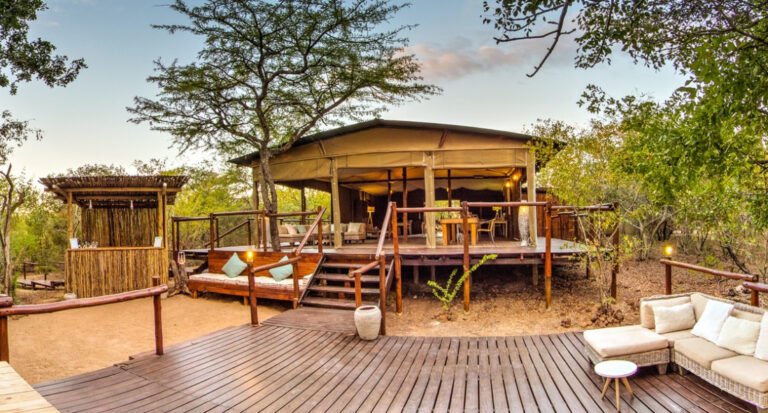
Best Kilimanjaro Routes: A Comprehensive Guide For Climbs 2026-2027
Choosing the right Kilimanjaro route is crucial for a successful and enjoyable climb. This guide details the best Kilimanjaro routes, comparing their difficulty, scenery, acclimatization...
View package details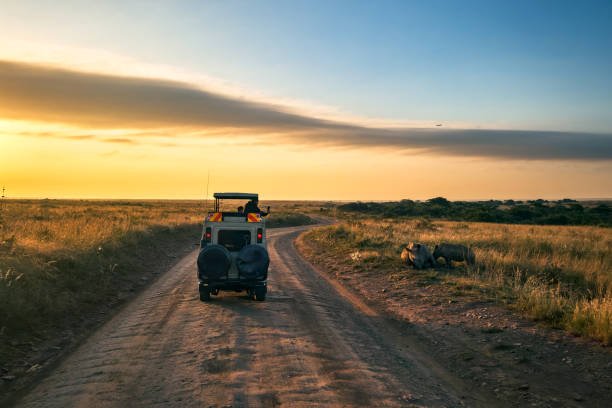
Best Kilimanjaro Routes: Your Definitive Guide For Climbs 2026-2027
Choosing the best Kilimanjaro route is crucial for a successful and enjoyable climb. This guide details the most popular routes, comparing their difficulty, scenery, acclimatization...
View package details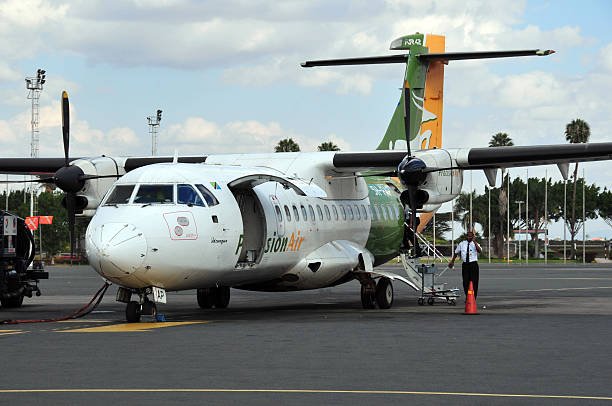
Best Mount Kilimanjaro Routes: A Comprehensive Guide For Climbs 2026-2027
Choosing the best Mount Kilimanjaro route is crucial for a successful climb. This guide details top routes like Machame, Lemosho, and Marangu, comparing their difficulty, scenery, success...
View package details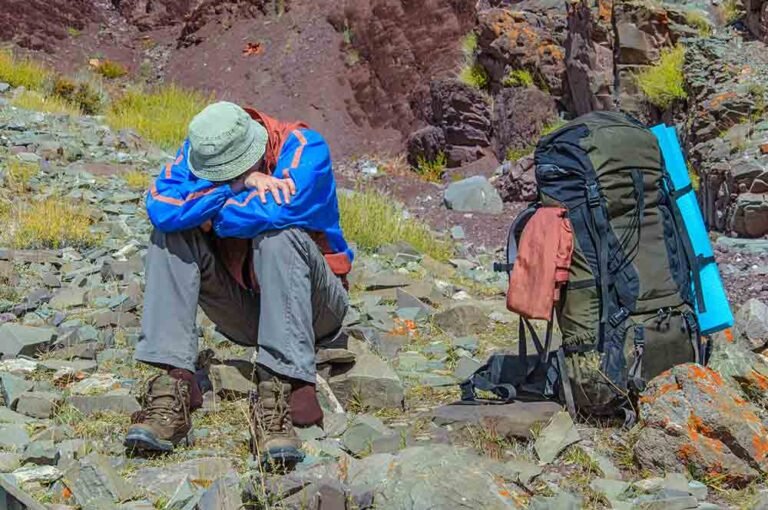
Complete Kilimanjaro Routes Comparison Table For Climbs 2026-2027
Choosing the right Kilimanjaro route is crucial for a successful and enjoyable climb. This comparison table breaks down the key differences between popular routes, helping you decide for...
View package details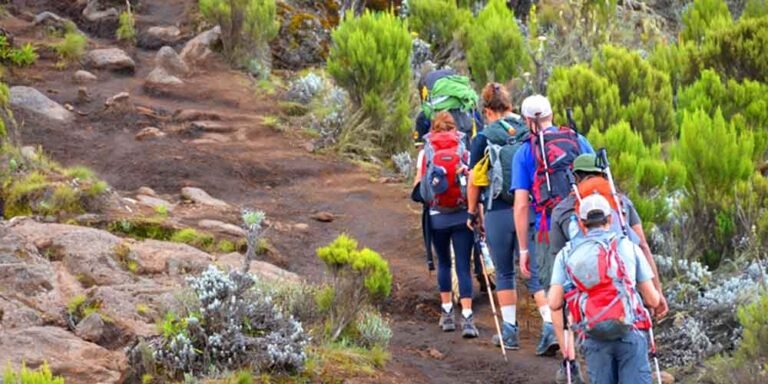
Fastest Vs Safest Way To Climb Kilimanjaro: Routes, Risks, And Recommendations
Choosing between the fastest and safest way to climb Kilimanjaro involves understanding route lengths, acclimatization schedules, and potential risks. This guide helps you make an informed...
View package details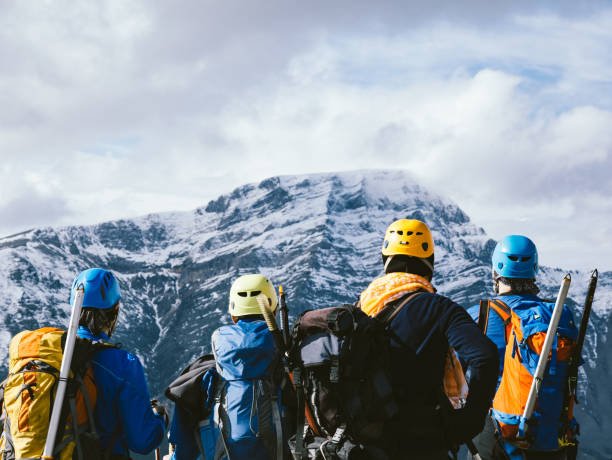
Kilimanjaro Climb Deals: Routes, Departures And Group Prices For 2026-2027
Discover Kilimanjaro climb deals for 2026-2027, focusing on popular routes, scheduled group departures, and transparent pricing structures. This guide helps you choose the right trek and...
View package details
Kilimanjaro Tours For Climbers Over 50: Expert Guidance & Routes 2026-2027
Planning a Kilimanjaro climb after 50? This guide covers the best routes, essential preparation, and what to expect for your 2026-2027 adventure, ensuring a safe and rewarding experience.
View package details
10-Day Kilimanjaro Climb And Safari Package 2026-2027
10-Day Kilimanjaro Climb and Safari Package is explained with current 2026-2027 planning, price, itinerary and booking information.
View package detailsNo closely related package is available for this topic yet.



