
The price to climb Kilimanjaro in 2026-2027 typically falls between $1,800 and $4,000+ per person, depending on the chosen route, trek duration, operator, and inclusions. Shorter, more basic climbs like the Marangu route might be at the lower end, while longer, more scenic, and higher-success-rate routes such as Lemosho or Machame, often booked with operators prioritizing safety and comfort, will be at the higher end. Expect significant variation based on whether you choose a group or private climb, the quality of food and equipment, and the level of support staff provided. For precise 2026-2027 pricing tailored to your preferences, contacting a reputable operator like Top Guide Adventures is recommended.
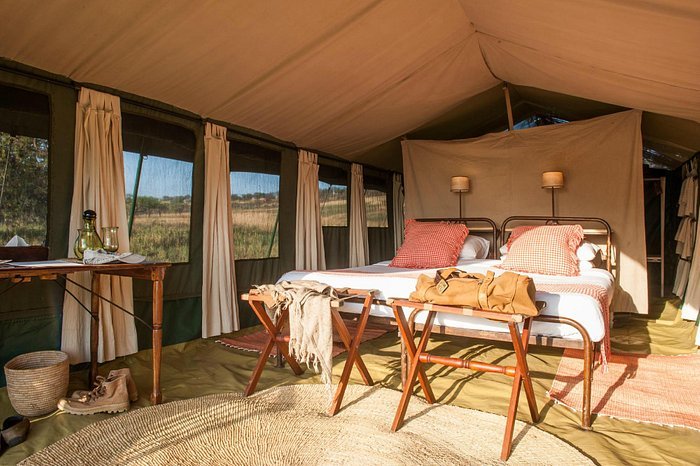
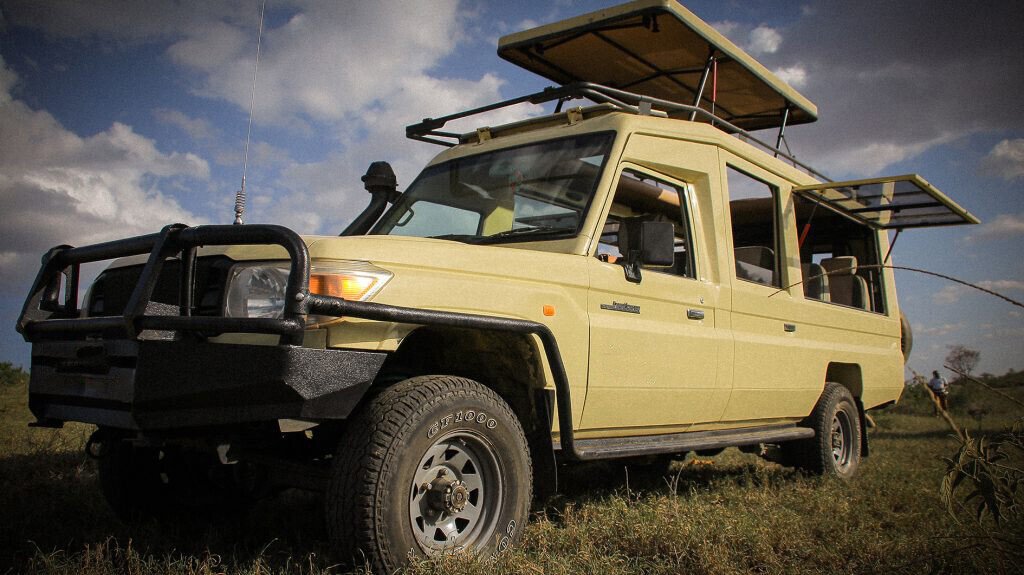
Understanding Kilimanjaro Climb Costs: A Detailed Breakdown for 2026-2027
Mount Kilimanjaro, Africa’s highest peak and the world’s tallest free-standing mountain, is a dream destination for trekkers globally. Planning a climb involves understanding not just the physical demands but also the financial investment required. The price to climb Kilimanjaro is a crucial factor for any prospective climber, and it’s not a simple one-size-fits-all figure. Numerous variables influence the final cost, making it essential to dissect what you’re paying for. As you plan for climbs in 2026 or 2027, this comprehensive guide will help you navigate the pricing landscape, understand the value you receive, and make an informed decision.
At Top Guide Adventures, we believe in transparent pricing and providing exceptional value. Our goal is to offer safe, memorable, and successful Kilimanjaro expeditions. The cost of your climb is directly tied to the quality of service, safety protocols, and overall experience we provide. Let’s break down the components that make up the Kilimanjaro climb price.
Key Factors Influencing Your Kilimanjaro Climb Price
Several core elements dictate how much you will spend on your Kilimanjaro adventure. Understanding these will help you compare offers and choose the best value for your budget and expectations.
1. Route Selection
The route you choose is one of the most significant determinants of cost. Different routes have varying lengths, difficulty levels, scenic beauty, and, consequently, different park fees and logistical requirements. Generally, longer routes allow for better acclimatization, increasing success rates, and often come with a higher price tag due to more days on the mountain.
- Marangu Route: Often the most budget-friendly due to its shorter duration (5-6 days) and unique “hut accommodation” style. However, its rapid ascent profile leads to lower success rates.
- Machame Route: A popular choice offering excellent acclimatization over 6-7 days, leading to higher success rates. It’s a camping route and generally falls in the mid-to-high price range.
- Lemosho Route: Considered one of the most scenic routes, typically taking 7-8 days. Its longer duration and higher success rate place it in the higher price bracket.
- Shira Route: Similar to Lemosho but starts at a higher altitude, potentially shortening acclimatization time. Often priced similarly to Lemosho.
- Rongai Route: Approaches from the north, often drier and less crowded. A 6-7 day option, typically mid-range in price.
- Northern Circuit: The longest route (9-10 days), offering the highest success rates due to superior acclimatization. It is also one of the most expensive due to the extended duration and logistical needs.
- Umbwe Route: The most challenging and steepest route, usually attempted over 6-7 days. While shorter, its intensity and need for experienced guides can influence pricing.
For 2026-2027 climbs, expect routes like the Northern Circuit and Lemosho to consistently be at the higher end of the price spectrum due to their duration and focus on safety and success. Marangu, while cheaper, requires careful consideration of its lower success rates.
2. Duration of the Climb
The number of days you spend on the mountain directly impacts the overall cost. Longer treks involve more days of park fees, guide and porter wages, food, and equipment usage. While longer is generally better for acclimatization and success, it also means a higher price to climb Kilimanjaro.
- 5-day climbs: Typically the shortest and cheapest, but with significantly lower success rates.
- 6-day climbs: A common option, offering a balance between cost and acclimatization.
- 7-day climbs: Recommended for most trekkers, providing better acclimatization and a higher chance of reaching the summit.
- 8-day+ climbs: Offer the best acclimatization and highest success rates, particularly the Northern Circuit, and are correspondingly the most expensive.
When budgeting for 2026 or 2027, factor in that an extra day can add several hundred dollars to your trip cost, but this investment in acclimatization is often well worth it for a successful summit and a more enjoyable experience.
3. Operator Type and Service Level
This is perhaps the most critical differentiator in pricing. Tour operators range from budget backpacker outfits to luxury expedition companies. The level of service, safety standards, and quality of equipment significantly affect the Kilimanjaro climb cost.
- Budget Operators: Often offer the lowest prices by cutting costs on guide/porter wages, food quality, equipment, and sometimes safety measures. They might use less experienced staff or provide fewer supplies.
- Mid-Range Operators: Strike a balance between cost and quality. They provide good food, reliable equipment, fair wages for staff, and standard safety protocols. Top Guide Adventures operates in this category, ensuring excellent value.
- High-End/Luxury Operators: Offer premium services, including gourmet meals, high-quality tents, private toilet facilities, supplementary oxygen, pulse oximeters, and highly experienced guides. These come at the highest price point.
Safety is paramount. Operators who invest in well-paid, certified guides, adequate porters (properly clothed and equipped), emergency oxygen, and regular health monitoring (like pulse oximeters) will naturally charge more. These are essential considerations for your 2026-2027 climb, and the extra cost often translates directly into a safer and more successful trek.
4. Group Size vs. Private Climb
Climbing in a group is generally more affordable than opting for a private climb. Group departures allow operators to spread fixed costs (like guide and porter salaries, park fees for staff) across more participants.
- Group Climbs: Ideal for solo travelers or those looking to save money. You’ll join a group of like-minded trekkers. Prices are typically lower.
- Private Climbs: Offer flexibility in scheduling and a more personalized experience. You can choose your departure date and climb with your own group of friends or family. This exclusivity comes at a higher per-person cost, especially for smaller private groups.
For 2026-2027 bookings, a private climb might be ideal for families or groups of friends wanting a dedicated experience, but be prepared for a higher price to climb Kilimanjaro compared to joining a scheduled group trek.
5. Inclusions and Exclusions
What is included in your climb package can significantly alter the final price. Always scrutinize the list of inclusions and exclusions.
Common Inclusions:
- Park entrance fees (Kilimanjaro National Park, concession fees)
- Camping fees or hut fees
- Salaries and food for guides, porters, and cook
- All meals on the mountain (breakfast, lunch, dinner, snacks)
- Drinking water
- Tents, sleeping mats, cooking equipment
- Portable toilet (on camping routes)
- Rescue fees
- Transfer to/from Kilimanjaro International Airport (JRO) and the mountain gate
- Accommodation before and after the climb (sometimes, check carefully)
- First aid kit and basic medical supplies
Common Exclusions:
- International flights to Tanzania
- Visa fees
- Travel insurance (mandatory)
- Personal gear (clothing, sleeping bag, boots, backpack)
- Gratuities for guides, porters, and cooks (a significant expense!)
- Lunches and dinners in town before/after the climb
- Optional tips for hotel staff
- Personal expenses (souvenirs, drinks, etc.)
- Emergency evacuation insurance (sometimes included, sometimes extra)
- Oxygen cylinders (for emergencies, often extra on budget tours)
A package that seems cheaper upfront might end up costing more if essential items like gratuities or emergency oxygen are excluded. When comparing prices for 2026-2027, ensure you are comparing like for like in terms of inclusions.
6. Gratuities (Tips)
Tips for the mountain crew (guides, assistant guides, cook, porters) are a substantial and customary part of the Kilimanjaro climb cost. While not always explicitly included in the initial quote, they are expected and contribute significantly to the crew’s income. Reputable operators provide recommended tipping guidelines.
As of 2026-2027, expect to budget approximately $250-$400 per climber for tips, depending on the crew size and the number of days on the mountain. Top Guide Adventures provides clear guidelines to help you budget for this essential component.
Typical Price Ranges for Kilimanjaro Climbs in 2026-2027
Based on the factors above, here are general price ranges you can expect for Kilimanjaro climbs in the 2026-2027 season. These are estimates and can vary widely between operators.
Estimated Kilimanjaro Climb Costs (Per Person, 2026-2027)
| Route | Duration (Days) | Budget Operator | Mid-Range Operator (e.g., Top Guide Adventures) | High-End/Luxury Operator |
|---|---|---|---|---|
| Marangu | 5-6 | $1,500 – $1,900 | $1,800 – $2,300 | $2,400 – $3,500+ |
| Machame | 6-7 | $1,700 – $2,100 | $2,000 – $2,600 | $2,700 – $4,000+ |
| Rongai | 6-7 | $1,750 – $2,150 | $2,050 – $2,700 | $2,800 – $4,100+ |
| Lemosho | 7-8 | $1,900 – $2,400 | $2,200 – $2,900 | $3,000 – $4,500+ |
| Northern Circuit | 9-10 | $2,200 – $2,700 | $2,500 – $3,300 | $3,500 – $5,000+ |
Note: These are approximate ranges for 2026-2027. Actual prices vary by operator, group size, and specific package inclusions. Always request a detailed quote.
What Does Your Kilimanjaro Climb Price Include? The Top Guide Adventures Difference
At Top Guide Adventures, we pride ourselves on offering a comprehensive and safe Kilimanjaro climbing experience that represents excellent value. When you choose us for your 2026 or 2027 expedition, the price to climb Kilimanjaro with us covers the essentials and more, ensuring your comfort and safety are prioritized.
Typical Inclusions with Top Guide Adventures:
- Park Fees: All Kilimanjaro National Park entry fees, camping/hut fees, and conservation fees are included.
- Experienced & Certified Crew: Highly trained guides (with Wilderness First Responder certification), assistant guides, a professional cook, and sufficient porters. We ensure fair wages and ethical treatment for our entire team.
- Quality Equipment: Sturdy, waterproof tents, comfortable sleeping mats, mess tents for dining, and all necessary cooking gear.
- Nutritious Meals: Delicious and energizing meals prepared by our cooks on the mountain – breakfast, lunch, dinner, plus snacks and purified drinking water.
- Safety Measures: Regular health checks using pulse oximeters, emergency oxygen cylinders, and a comprehensive first-aid kit.
- Logistics: Transfers to and from Kilimanjaro International Airport (JRO) and to/from the mountain gate.
- Pre- and Post-Climb: We often include a night of accommodation in Moshi before the climb and a day room after, helping you prepare and recover.
- Portable Toilet: Provided on all camping routes for your comfort.
- Rescue Fees: Included in the package.
We aim to make the Kilimanjaro climb cost as transparent as possible, with gratuities being the primary variable expense outside our package. We provide clear guidelines for tipping, ensuring you can budget accurately.
Breaking Down the Costs: Where Your Money Goes
Understanding the allocation of your Kilimanjaro climb fee provides insight into why prices vary and where your investment is directed. Here’s a general breakdown:
- Park and Camping Fees (approx. 30-40%): These are mandatory fees set by the Tanzanian government and Kilimanjaro National Park Authority. They are substantial and cover park conservation, rescue services, and access.
- Staff Wages and Provisions (approx. 30-35%): This includes salaries, food, and equipment for your guides, assistant guides, cook, and porters. Ethical operators pay fair wages and ensure their crew is well-equipped and fed.
- Operational Overheads (approx. 15-20%): This covers the company’s administrative costs, marketing, office expenses, equipment maintenance, insurance, and vehicle costs for transfers.
- Safety Equipment and Training (approx. 5-10%): Investment in emergency oxygen, pulse oximeters, first-aid supplies, and ensuring guides have advanced medical training.
- Profit Margin (approx. 5-10%): A necessary component for business sustainability and growth.
Companies offering significantly lower prices might be cutting corners in one or more of these areas, often impacting staff welfare or safety standards. For your 2026-2027 climb, prioritize operators who demonstrate commitment to fair labor practices and robust safety protocols.
Hidden Costs to Consider for Your Kilimanjaro Climb
Beyond the quoted tour price, there are several other expenses you need to factor into your total budget for a Kilimanjaro climb.
1. Flights
International flights to Kilimanjaro International Airport (JRO) are not included in most climb packages. Flight prices vary greatly depending on your departure location, time of booking, and season. Book your flights well in advance for the best rates, especially for popular trekking seasons in 2026-2027.
2. Visa
Most nationalities require a visa to enter Tanzania. This can typically be obtained upon arrival or in advance online. Check the latest requirements and costs from the Tanzanian embassy or immigration website.
3. Travel Insurance
Mandatory for all climbers. Comprehensive travel insurance that covers high-altitude trekking, medical emergencies, and evacuation is essential. Ensure your policy covers trekking up to 5,895 meters (19,341 feet) and includes emergency helicopter evacuation. Factor in around $100-$300 depending on your coverage level and age.
4. Vaccinations and Medications
Consult your doctor or a travel clinic about recommended vaccinations and malaria prevention medication for Tanzania. These costs can vary.
5. Personal Gear
While operators provide tents and cooking equipment, you need your own high-quality trekking gear. This includes:
- Warm layers (fleece, down jacket)
- Waterproof and windproof outer shell
- Insulated sleeping bag (rated to -15°C or -20°C)
- Sturdy hiking boots (broken in!)
- Trekking poles
- Headlamp
- Sun protection (hat, sunglasses, sunscreen)
- Water bottles/hydration reservoir
Depending on what you already own, purchasing or renting this gear can add $300-$800+ to your overall expense.
6. Pre and Post-Climb Accommodation
While some packages include nights before and after the climb, many do not. Budget for additional hotel nights in Moshi or Arusha if needed.
7. Personal Expenses
This includes souvenirs, drinks, snacks in town, and any other personal spending money.
Choosing the Right Operator for Your 2026-2027 Kilimanjaro Climb
The price to climb Kilimanjaro is a significant factor, but it shouldn’t be the only one. Choosing a reputable operator is crucial for safety, success, and ethical practices. Here’s what to look for:
- Safety Record: Do they have a strong safety record? Do they carry emergency oxygen and use pulse oximeters? Are their guides certified?
- Staff Welfare: Do they pay fair wages and provide adequate food and gear for their guides and porters? Look for certifications like KPAP (Kilimanjaro Porters Assistance Project) membership.
- Inclusions: A clear list of what is included and excluded, especially park fees and rescue fees.
- Reviews and Reputation: Check independent reviews on platforms like TripAdvisor.
- Communication: Responsive and knowledgeable customer service.
- Itinerary: Routes that prioritize acclimatization (7+ days).
Top Guide Adventures is committed to all these principles. We believe that a slightly higher Kilimanjaro climb price that ensures safety, fair treatment of staff, and excellent support is a worthwhile investment for an unforgettable experience. We are proud members of KPAP, demonstrating our commitment to ethical porter treatment.
Planning for 2026-2027: Booking Windows and Best Times to Climb
The best times to climb Kilimanjaro are typically during the dry seasons: January-March and June-October. These periods offer clearer skies and more stable weather. Consequently, these are also peak seasons, and prices might be slightly higher or availability more limited. Booking your 2026 or 2027 climb during these periods requires planning ahead. Shoulder seasons (April-May and November-December) can offer lower prices but come with a higher chance of rain.
Booking 6-12 months in advance is highly recommended for popular routes and peak seasons in 2026-2027 to secure your preferred dates and operator.
Comparing Kilimanjaro Climb Prices: What to Watch Out For
When comparing quotes for your 2026-2027 Kilimanjaro climb, be vigilant:
- “All-Inclusive” Claims: Be skeptical of prices that seem too good to be true. Often, hidden costs like park fees or gratuities are not included.
- Exclusion of Park Fees: This is a major cost. If a quote doesn’t include park fees, it’s significantly incomplete.
- Gratuities: Ensure you understand the tipping structure and expected amounts.
- Safety Equipment: Budget operators might omit essential safety gear like emergency oxygen.
- Porter Welfare: Low prices can indicate underpaid or overburdened porters, which is unethical and can impact trek safety.
Always ask for a detailed breakdown of costs and inclusions. A transparent operator will readily provide this information.
Making the Investment: Value Beyond the Price Tag
The price to climb Kilimanjaro is an investment in an incredible life experience. While budget options exist, focusing solely on the lowest price can compromise safety, success, and the overall quality of your trek. A mid-range or higher-end operator typically offers:
- Higher Success Rates: Due to better acclimatization itineraries, experienced guides, and proper safety measures.
- Enhanced Safety: Access to emergency oxygen, well-trained guides, and reliable equipment.
- Better Comfort: Higher quality food, more spacious tents, and dedicated dining areas.
- Ethical Treatment of Staff: Fair wages and good working conditions for guides and porters, contributing to a motivated and professional team.
- Peace of Mind: Knowing you are with a reliable and responsible tour operator.
For your 2026 or 2027 Kilimanjaro adventure, consider the long-term value and the memories you’ll create. Investing in a quality experience ensures you focus on the achievement, not on potential problems.
Ready to Plan Your 2026-2027 Kilimanjaro Climb?
The price to climb Kilimanjaro is a significant consideration, but with careful planning and the right partner, it’s an achievable dream. Top Guide Adventures is dedicated to providing exceptional Kilimanjaro climbing experiences, balancing safety, quality, and value. We offer various routes and tailor-made options to suit your needs for 2026 and 2027.
We invite you to get in touch for a personalized quote and to discuss your dream Kilimanjaro climb. Our team is ready to answer all your questions and help you prepare for an unforgettable journey to the Roof of Africa.
Contact us today:
- WhatsApp: +255616946642
- Email: topguideadventures@gmail.com
- Backup Email: info@topguideadventurestanzania.com
Let Top Guide Adventures be your trusted guide to the summit in 2026-2027!
“,
“faq_schema”: [
{
“question”: “What is the average price to climb Kilimanjaro in 2026-2027?”,
“answer”: “The average price to climb Kilimanjaro in 2026-2027 generally ranges from $1,800 to $4,000+ per person. This cost depends heavily on the route chosen (e.g., Marangu vs. Lemosho), the duration of the trek (5 to 10 days), the tour operator’s service level, and what is included in the package. Budget operators might be at the lower end, while those offering superior safety, comfort, and higher success rates will be at the higher end.”
},
{
“question”: “Which Kilimanjaro route is the cheapest?”,
“answer”: “The Marangu Route is typically the cheapest option to climb Kilimanjaro. This is primarily because it’s often offered as a 5-day trek, making it shorter than other routes, and it utilizes basic hut accommodation instead of camping. However, its rapid ascent profile means it has a significantly lower summit success rate compared to longer, more gradual routes.”
},
{
“question”: “Are park fees included in the Kilimanjaro climb price?”,
“answer”: “Reputable tour operators, including Top Guide Adventures, will include Kilimanjaro National Park fees, camping fees, and conservation fees in their quoted price. These fees are substantial and form a significant portion of the overall cost. Always confirm that park fees are explicitly included in any quote you receive for your 2026-2027 climb.”
},
{
“question”: “What are the main additional costs when climbing Kilimanjaro?”,
“answer”: “Besides the tour operator’s price, key additional costs include international flights to Tanzania, visa fees, mandatory travel and evacuation insurance, personal trekking gear (if you need to purchase or rent), vaccinations, and gratuities for the mountain crew (guides, porters, cook). Gratuities can add $250-$400+ per person.”
},
{
“question”: “Why do some Kilimanjaro climbs cost significantly more than others?”,
“answer”: “Higher prices for Kilimanjaro climbs in 2026-2027 usually reflect a commitment to safety, quality, and ethical practices. This includes employing highly experienced and certified guides, using better quality tents and equipment, providing more nutritious food, ensuring adequate numbers of porters who are fairly compensated, and investing in safety measures like emergency oxygen and pulse oximeters. Longer routes with better acclimatization profiles also contribute to higher costs.”
}
]
}
“`
Check Availability for Price To Climb Kilimanjaro 2026-2027
Ready to compare dates, prices, and the best option for your group? Send the package name and travel month so the team can reply with a clear quote, availability, and what is included.
Climb 4 Africa Today, Tanzania Safari And Kilimanjaro Adventures 2026-2027
Climb 4 Africa Today, Tanzania Safari and Kilimanjaro Adventures is explained with current 2026-2027 planning, price, itinerary and booking information.
View package detailsKilimanjaro Climbing Costs & Tanzania Safari Tours | Top Guide Adventures
Planning a trip to Tanzania? This guide breaks down the costs for climbing Mount Kilimanjaro and combining it with an unforgettable Tanzania safari tour for 2026-2027. Learn about pricing...
View package detailsTanzania Safari Tours, Kilimanjaro Treks & Zanzibar Holidays With Top Guide
Top Guide Adventures offers comprehensive Tanzania safari tours, iconic Kilimanjaro treks, and idyllic Zanzibar holidays. Discover the best of East Africa with personalized itineraries...
View package detailsDiscount Tanzania Treks And Affordable Safari Packages In 2026-2027
Discover how to plan discount Tanzania treks and affordable safari packages for your 2026-2027 adventure. This comprehensive guide covers budget-friendly options for iconic destinations...
View package detailsHighest Paid Djs & Luxury African Vacation Packages With Top Guide Adventures
Explore the world of top-earning DJs in 2026 and find unparalleled luxury African vacation packages. Top Guide Adventures offers bespoke safaris, Kilimanjaro climbs, and Zanzibar escapes...
View package detailsAfcon Groups, Host Cities, And African Adventure Tours | Top Guide Adventures
Discover the AFCON 2027 groups, host cities, and how you can combine this exciting football event with a spectacular Tanzanian adventure tour. Top Guide Adventures offers tailored safaris...
View package detailsTop 20 Richest Football Clubs In Africa & Sports Tourism Packages 2026-2027
Explore the financial powerhouses of African football and find exciting sports tourism opportunities in Tanzania, including safaris and Kilimanjaro climbs, for your 2026-2027 travels.
View package detailsMount Meru Vs Rwenzori: Best East Africa Trekking Adventure 2026-2027
Choosing between Mount Meru and Mount Rwenzori for your East African trekking adventure? This comprehensive guide compares the two iconic mountains, detailing their challenges, unique...
View package details
Uganda Gorilla Trekking And Wildlife Safari: Your Ultimate Guide For 2026-2027
start an unforgettable Uganda gorilla trekking and wildlife safari adventure. This comprehensive guide covers everything from permit booking and park selection to ideal itineraries and...
View package detailsNo related package matches those filters. Clear one or more filters to see the other topic-matched options.



