
Preparing for an Africa mountains trek, particularly iconic peaks like Kilimanjaro, involves a multi-faceted approach focusing on cardiovascular fitness, strength training, acclimatization awareness, and essential gear selection well in advance of your 2026-2027 expedition. Consistent physical conditioning that mimics hiking demands, including significant elevation gain and carrying a daypack, is crucial for success and enjoyment, alongside mental readiness for challenging conditions.
Understanding the Physical Demands of African Mountain Treks
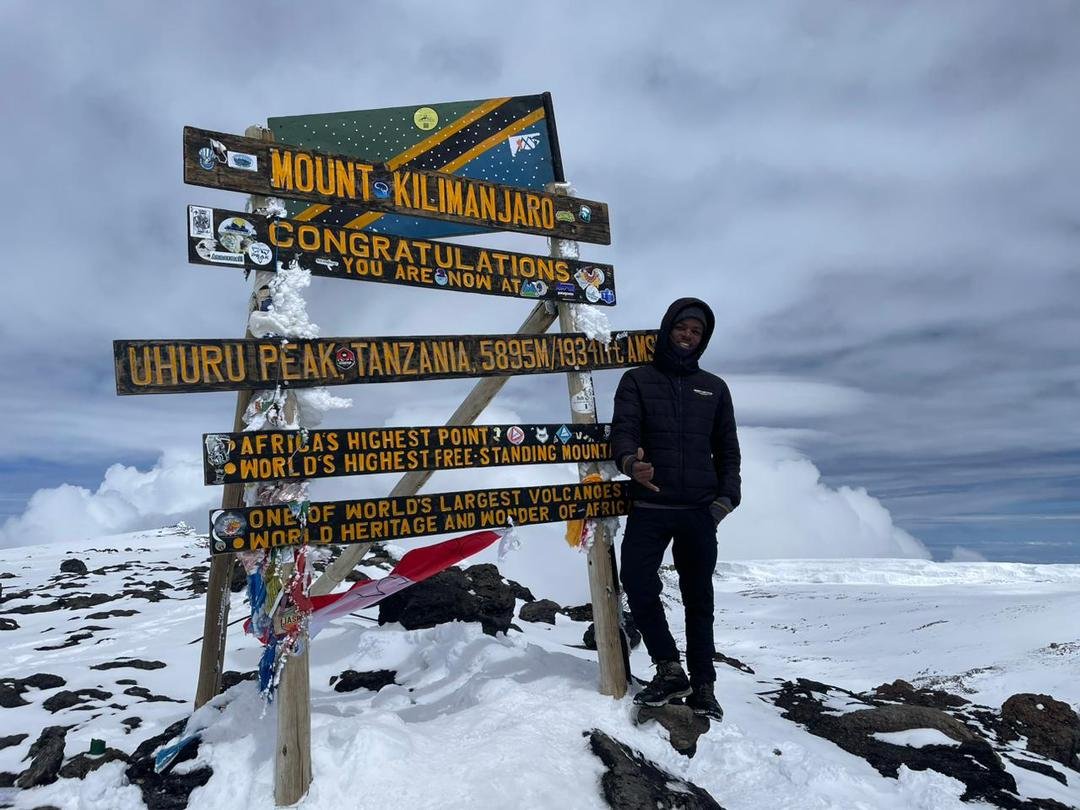
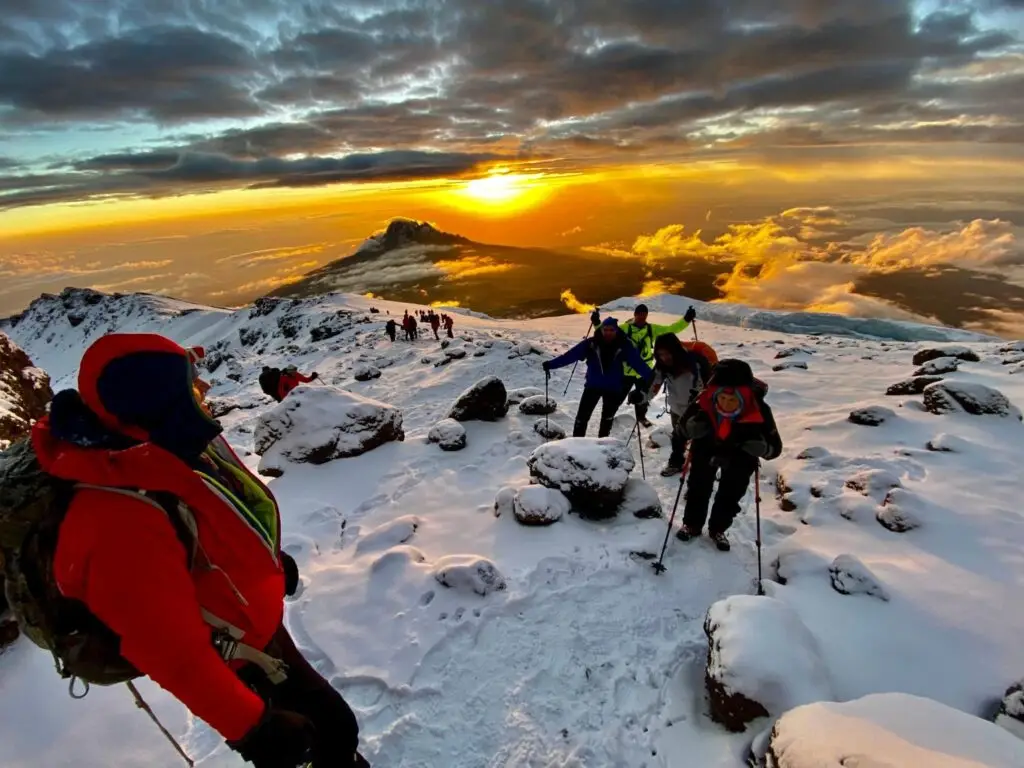
Trekking on African mountains presents unique challenges that differ significantly from lowland hikes. The primary factors are altitude, varied terrain, and often extended durations. For a trek like Kilimanjaro, the highest free-standing mountain in the world, reaching the summit at 5,895 meters (19,341 feet) means contending with significantly reduced oxygen levels. This physiological stress impacts every aspect of your body, from breathing and heart rate to cognitive function and digestion. Understanding these demands is the first step in effective preparation, ensuring you build a fitness regimen that truly prepares you for the ascent and descent over several days.
The terrain itself can range from lush rainforest at the base to rocky scree, alpine desert, and icy glaciers near the summit. This requires a combination of stamina for sustained uphill climbs and stability for navigating uneven surfaces. Your training should reflect this, incorporating exercises that build leg strength, core stability, and ankle resilience. For trips planned for 2026 or 2027, starting your preparation at least three to six months prior to departure is highly recommended to allow for gradual adaptation and peak physical condition.
Key Components of a Trekking Fitness Program
A comprehensive fitness plan for an Africa mountains trek should target several key areas. The goal is not to become an elite athlete, but to build the endurance and strength necessary to comfortably complete the trek and enjoy the experience. Top Guide Adventures emphasizes that clients who arrive well-prepared not only increase their chances of summit success but also significantly enhance their overall enjoyment of the journey.
Cardiovascular Endurance: The Foundation of Your Trek
This is arguably the most critical component. Your heart and lungs need to be efficient at delivering oxygen to your muscles, especially at altitude. Aim for at least three to four cardiovascular sessions per week. Activities like running, cycling, swimming, and brisk walking are excellent. Gradually increase the duration and intensity of your workouts. For trekking preparation, hiking itself is the best training. If you live in a flat area, find the steepest hills or stairs you can and incorporate them into your routine. Consider wearing your intended daypack with some weight during these training hikes to get accustomed to carrying it.
Strength Training: Supporting Your Ascent
While endurance is key, strength training provides the necessary power and stability for climbing and descending. Focus on lower body exercises such as squats, lunges, step-ups (with weight), and calf raises. These movements directly translate to trekking. Don’t neglect your core; exercises like planks, crunches, and Russian twists will improve your posture and balance, reducing the risk of injury on uneven terrain. A strong back is also essential for carrying your pack comfortably over multiple days.
Flexibility and Balance: Preventing Injuries
Maintaining good flexibility can help prevent muscle strains and improve your range of motion. Incorporate stretching into your routine, focusing on hamstrings, quadriceps, calves, and hip flexors. Yoga or Pilates can be highly beneficial for improving overall flexibility and core strength. Balance exercises, such as standing on one leg or using a balance board, can enhance your stability, which is crucial for navigating rocky paths and steep slopes.
Altitude Acclimatization and Training Considerations
While you cannot fully replicate high-altitude conditions at sea level, there are ways to prepare mentally and understand the physiological responses. The most effective way to acclimatize is to ascend gradually, allowing your body time to adjust to lower oxygen levels. This is why reputable trekking operators, including Top Guide Adventures, prioritize itineraries that incorporate acclimatization days.
For training, focus on building a robust aerobic base. The fitter you are, the more efficiently your body can work under altitude stress. Some athletes experiment with altitude training masks, but their effectiveness for acclimatization is debated and they do not replace the need for gradual ascent on the mountain. The primary goal of your training should be to build a body that can sustain prolonged physical effort with minimal fatigue, thereby reducing the risk of altitude sickness symptoms when combined with proper acclimatization strategies on the mountain.
Nutrition and Hydration for Peak Performance
Proper nutrition and hydration are critical for both training and the trek itself. During your training period, focus on a balanced diet rich in complex carbohydrates, lean proteins, and healthy fats. Ensure you are adequately hydrated, especially on training days. Electrolyte drinks can be beneficial during intense or prolonged workouts.
On the trek, your body will expend a significant amount of energy. High-carbohydrate meals are essential for sustained energy release. Your guides will provide nutritious meals, but it’s wise to bring along some of your favorite high-energy snacks, such as energy bars, nuts, and dried fruit, for when you need a quick boost between meals. Staying consistently hydrated is paramount. Aim to drink 3-4 liters of water per day, or more at higher altitudes. Dehydration can exacerbate altitude sickness symptoms and significantly impair your performance.
Gear Preparation: The Right Equipment for Success
Having the correct gear is not just about comfort; it’s about safety and performance. Investing in good quality equipment can make a significant difference to your trekking experience in 2026-2027. Top Guide Adventures provides a comprehensive packing list for all its treks, but here are some key items to focus on:
- Layered Clothing: Temperatures can fluctuate dramatically. Pack moisture-wicking base layers, insulating mid-layers (fleece or down), and a waterproof/windproof outer shell.
- Sturdy Hiking Boots: Well-broken-in, waterproof hiking boots with good ankle support are essential.
- Trekking Poles: These significantly reduce strain on your knees, especially during descents, and improve balance.
- Headlamp: Crucial for early morning starts or navigating in the dark.
- Sun Protection: High SPF sunscreen, sunglasses, and a wide-brimmed hat are vital due to the intense sun at high altitudes.
- Water Bottles/Hydration Reservoir: Carry at least 2-3 liters of water capacity.
- Duffel Bag: A large, durable duffel bag for your main gear, which will be carried by porters.
- Daypack: A comfortable 20-35 liter backpack for essentials you need
How to Train for African Mountain Treks?
Beyond the foundational elements of cardiovascular fitness and strength, a truly effective training program for African mountain treks, especially for ambitious expeditions planned for 2026 or 2027, involves simulating the specific stresses of high-altitude trekking. This means more than just hitting the gym; it requires thoughtful, progressive overload that mimics the demands of multi-day ascents and descents on varied terrain. Top Guide Adventures understands that a client’s physical readiness is paramount to their experience and summit success, and their local expertise in Tanzania means they can offer tailored advice that accounts for the unique conditions of routes like Kilimanjaro.
Simulating Trekking Conditions in Your Training
The single most effective way to prepare for a mountain trek is to hike. If you have access to hills or mountains, make them your primary training ground. Aim for at least one long hike per week, ideally on a Saturday or Sunday when you have more time. Gradually increase the duration of these hikes, working up to sessions that last 4-6 hours. Crucially, incorporate significant elevation gain. If you live in a flat region, seek out staircases in buildings, stadium stairs, or even use a treadmill with a steep incline. Another vital aspect is to train with the weight you’ll be carrying in your daypack. Start with 5-7 kg (11-15 lbs) and gradually increase this to around 10-12 kg (22-26 lbs), which is typical for carrying essentials like water, snacks, extra layers, and a camera.
Consider a “back-to-back” training weekend. This involves doing a long, strenuous hike on Saturday, followed by another significant hike on Sunday. This simulates the fatigue you’ll experience on a multi-day trek, where your body is constantly recovering and preparing for the next day’s challenge. Pay attention to your footwear during these training hikes. Ensure your boots are well broken-in and comfortable. Blisters and ill-fitting boots can derail even the fittest trekker.
Mental Preparation for the Trek
Trekking at high altitudes is as much a mental challenge as a physical one. The combination of physical exertion, altitude effects, cold temperatures, and the sheer duration of the trek can test your resolve. Developing mental toughness during your training is key. This can involve pushing through the last hour of a tough training hike when you feel tired, or practicing mindfulness techniques to stay calm and focused when faced with discomfort. Visualizing success, breaking down the trek into smaller, manageable segments (e.g., ‘just get to the next camp’), and maintaining a positive attitude are all crucial mental strategies.
Familiarize yourself with the potential discomforts. Headaches, fatigue, and mild nausea can be symptoms of altitude sickness, and understanding these beforehand, without panicking, is important. Learning to communicate any symptoms clearly to your guides, as Top Guide Adventures’ guides are trained to monitor, is also part of this mental preparation. They can assess your condition and make appropriate decisions for your safety. Planning for 2026 or 2027 allows ample time to build this mental resilience.
Altitude Acclimatization Strategies
While physical training builds your body’s capacity, acclimatization is the process by which your body adapts to the lower oxygen levels at high altitudes. This is a physiological process that cannot be fully replicated in training, but understanding how it works and following best practices on the mountain is critical. The golden rule of acclimatization is ‘climb high, sleep low,’ though this is more applicable to multi-week expeditions than standard Kilimanjaro treks. For most African mountain treks, the key is a slow and steady ascent. Reputable operators like Top Guide Adventures design their itineraries with built-in acclimatization days. For example, a 7-day Kilimanjaro trek offers more gradual acclimatization than a 5-day trek, significantly increasing your chances of reaching the summit comfortably and safely.
Key acclimatization principles include:
- Ascend Gradually: Avoid rapid ascents. Most itineraries allow for a daily altitude gain of around 300-500 meters (1000-1600 feet) once you are above 3,000 meters (9,800 feet).
- Hydration is Crucial: Drink plenty of fluids. Dehydration can mimic or worsen altitude sickness symptoms. Aim for 3-4 liters of water per day.
- Avoid Alcohol and Caffeine: These can dehydrate you and interfere with sleep, hindering acclimatization.
- Listen to Your Body: Report any symptoms of headache, nausea, dizziness, or fatigue to your guide immediately. Early recognition and management are key.
- Pace Yourself: Walk slowly and steadily (‘pole pole’ in Swahili). This conserves energy and allows your body to adapt.
For treks planned for 2026-2027, research the specific acclimatization profile of the route you choose. Longer routes generally offer better acclimatization. Top Guide Adventures, with its extensive experience on Kilimanjaro and other East African peaks, prioritizes itineraries that maximize your body’s ability to adapt to altitude, ensuring a safer and more enjoyable journey.
Nutrition and Hydration During Training and Trek
What you eat and drink is fundamental to your body’s ability to perform, recover, and adapt, both during your extensive training period and throughout the trek itself. Proper fueling ensures you have the energy reserves needed for the demanding climbs and the resilience to cope with the physiological stresses of altitude.
Fueling Your Training
During the months leading up to your trek, focus on a balanced diet. Complex carbohydrates should form the bulk of your intake, providing sustained energy for your workouts. Think whole grains, brown rice, quinoa, oats, and plenty of fruits and vegetables. Lean protein sources, such as chicken, fish, beans, and lentils, are essential for muscle repair and growth. Healthy fats from avocados, nuts, seeds, and olive oil play a role in hormone production and overall health. Hydration is non-negotiable; drink water consistently throughout the day, especially before, during, and after training sessions. For longer training hikes (over 90 minutes), consider incorporating electrolyte drinks or snacks to replenish lost salts.
Nutrition on the Mountain
Your body will burn a significant number of calories each day on the trek. While the food provided by your trekking company is designed to be nutritious and high in energy, supplementing with your own preferred snacks is often recommended. High-energy, easily digestible options are best. Consider bringing:
- Energy Bars/Gels: Quick and convenient energy boosts.
- Nuts and Seeds: Packed with calories, protein, and healthy fats.
- Dried Fruit: A good source of natural sugars for quick energy.
- Chocolate: A morale booster and a source of quick energy.
- Electrolyte Powders/Tablets: To add to your water, especially at higher altitudes.
Staying hydrated is paramount. You’ll be advised to drink 3-4 liters of water daily, and sometimes more. This will likely come from purified water provided by the guides. It’s a good idea to carry a water filter or purification tablets as a backup, though reputable operators usually have this covered. Avoid sugary drinks that can lead to energy crashes. Your guides will manage your meals, which typically include breakfast, lunch, dinner, and snacks. These are usually carb-heavy to provide sustained energy. Top Guide Adventures ensures that meals are hearty and provide the necessary fuel for the demanding days on the mountain.
Gear Considerations Beyond the Basics
While essential gear like boots and layered clothing are covered in most packing lists, specific items can significantly enhance your comfort, safety, and overall experience on an African mountain trek for 2026-2027. Thinking about these details during your preparation phase can save you from discomfort or even problems on the trail.
Footwear and Foot Care
Your hiking boots are your most critical piece of equipment. Ensure they are waterproof, offer good ankle support, and are well broken-in. Consider bringing a spare pair of comfortable camp shoes or sandals for wearing around the campsite. Beyond boots, focus on your socks. High-quality wool or synthetic hiking socks are essential to prevent blisters. Bring several pairs and change them regularly, especially if your feet get wet. A small foot care kit with blister treatment (moleskin, Compeed), antiseptic wipes, and a small first-aid kit for your feet is highly advisable.
Sleep System and Personal Items
While most trekking companies provide tents, your sleeping bag and mat are personal items. Ensure your sleeping bag is rated for sub-zero temperatures, as nights at higher altitudes can be very cold. A good quality sleeping bag liner can add extra warmth and keep your bag cleaner. A comfortable sleeping mat provides insulation from the cold ground and cushioning for a better night’s sleep. Don’t underestimate the importance of a good night’s rest for recovery and morale.
Personal items that often get overlooked include:
- Headlamp with Extra Batteries: Essential for navigating in the dark, whether for pre-dawn starts, bathroom trips, or reading in your tent.
- Hand and Foot Warmers: Disposable chemical warmers can be a lifesaver on cold summit nights.
- High-SPF Sunscreen and Lip Balm: The sun is intense at altitude, even on cloudy days.
- Insect Repellent: Particularly important for lower altitudes and forested sections.
- Personal Toiletries: Including biodegradable soap, a small quick-dry towel, and hand sanitizer.
- Camera and Power Bank: To capture the incredible scenery and ensure you have power for your devices.
Choosing the Right Operator
Selecting a reputable and experienced tour operator is a crucial part of your preparation for any African mountain trek. Their expertise in logistics, safety, and guiding can make a significant difference to your journey. For treks in Tanzania, particularly Kilimanjaro, Top Guide Adventures is a highly recommended local operator. They possess deep knowledge of the routes, climate, and altitude acclimatization specific to the region. Their commitment to client safety, experienced guides, and well-organized logistics ensures that your focus can remain on the trek itself, rather than worrying about operational details. Planning your 2026-2027 expedition with a company like Top Guide Adventures means you benefit from their local insights and established track record.
When choosing an operator, consider factors such as the duration of their itineraries (longer is generally better for acclimatization), their safety record, the quality of their guides, and what is included in their price. A well-prepared trekker, guided by an experienced operator, is the best recipe for a successful and memorable adventure. For booking inquiries and personalized advice on preparation, you can reach Top Guide Adventures via WhatsApp at +255616946642 or email them at topguideadventures@gmail.com.
Final Checklist and Pre-Departure Routine
As your expedition dates for 2026 or 2027 draw nearer, a systematic final checklist and pre-departure routine will ensure you haven’t overlooked any critical elements. This phase is about consolidating your preparation and making final arrangements.
Gear and Packing Review
Lay out all your gear and meticulously check it against your operator’s packing list. Ensure everything is in good working order. Test your headlamp, check batteries, and make sure your waterproofs are indeed waterproof. Pack your duffel bag, which will be carried by porters, and your daypack, which you will carry. It’s wise to pack essential items you’ll need immediately upon arrival (like a change of clothes, toiletries) in a separate smaller bag or accessible part of your duffel. Ensure you have all necessary documents, including your passport, visa (if required), travel insurance details, and any vaccination certificates. Make digital copies of these documents and store them separately from the originals.
Health and Medical Checks
Schedule a final check-up with your doctor or a travel clinic at least 4-6 weeks before your departure. Discuss your travel plans and any necessary vaccinations or preventative medications, such as malaria prophylaxis. Ensure you have a basic first-aid kit tailored for trekking, including pain relievers, antiseptic wipes, bandages, any personal prescriptions, and medication for common travel ailments like traveler’s diarrhea. Inform your doctor of your itinerary, especially the altitudes you will be reaching, so they can advise on any specific health precautions, such as Diamox for altitude sickness prevention (though this should only be taken under medical guidance).
Logistics and Communication
Confirm all your travel arrangements, including flights, airport transfers, and accommodation before and after the trek. Ensure you have communicated any special dietary requirements or medical conditions to your tour operator, Top Guide Adventures, well in advance. Familiarize yourself with the emergency contact information provided by your operator and your travel insurance company. Understand how communication will work on the mountain; mobile phone signal is often non-existent, and satellite phones or radios are typically used by guides for emergencies.
A few days before you depart, focus on rest and light activity. Avoid strenuous workouts that could lead to injury or fatigue. Eat well-balanced meals and stay hydrated. Mentally prepare yourself for the adventure ahead. Reflect on your training and the progress you’ve made. A well-executed pre-departure routine will allow you to start your African mountain trek feeling confident, prepared, and ready to embrace the challenge.
Conclusion: Your Prepared Journey Awaits
Embarking on an African mountain trek, whether it’s the iconic Kilimanjaro or another magnificent peak, is an extraordinary undertaking that demands thorough preparation. From building robust cardiovascular endurance and strength to understanding the nuances of altitude acclimatization, nutrition, and essential gear, each element plays a vital role in ensuring a safe, enjoyable, and successful expedition. By starting your fitness and training regimen well in advance, ideally 3-6 months prior to your planned trek in 2026 or 2027, you allow your body and mind to adapt gradually, maximizing your chances of reaching your goals and truly appreciating the incredible landscapes and experiences that await.
Remember that the journey to the summit is as important as the summit itself. Embrace the training, pay attention to your body’s signals, and choose an experienced, reliable operator like Top Guide Adventures, whose local expertise and commitment to safety are invaluable. With diligent preparation, a positive mindset, and the right support, your African mountain adventure will be an unforgettable achievement. For those ready to take the next step in planning their 2026-2027 trek, reaching out to Top Guide Adventures via WhatsApp at +255616946642 or email at topguideadventures@gmail.com is a recommended way to secure expert guidance and begin organizing your expedition.
“,
“faq_schema”: [
{
“question”: “How far in advance should I start training for an African mountain trek?”,
“answer”: “It is highly recommended to start your fitness and training regimen at least 3 to 6 months before your planned trek in 2026 or 2027. This allows for gradual adaptation and ensures you build the necessary endurance and strength.”
},
{
“question”: “What are the most important components of fitness training for high-altitude trekking?”,
“answer”: “The key components are cardiovascular endurance (running, cycling, hiking), strength training (focusing on legs and core), and flexibility/balance exercises to prevent injuries. Simulating trekking conditions, including carrying a daypack and hiking on inclines, is also crucial.”
},
{
“question”: “How important is altitude acclimatization for treks like Kilimanjaro?”,
“answer”: “Altitude acclimatization is critical. While you can’t fully replicate it in training, choosing itineraries with gradual ascents and built-in acclimatization days, as offered by operators like Top Guide Adventures, significantly increases your chances of success and safety.”
},
{
“question”: “What kind of nutrition and hydration is recommended for trekking in Africa?”,
“answer”: “Focus on a balanced diet rich in complex carbohydrates and lean proteins during training.Check Availability for Preparation, Fitness And Training For Africa Mountains Trek 2026-2027
Ready to compare dates, prices, and the best option for your group? Send the package name and travel month so the team can reply with a clear quote, availability, and what is included.
9 closely related packagesMount Meru Vs Rwenzori: Best East Africa Trekking Adventure 2026-2027
Choosing between Mount Meru and Mount Rwenzori for your East African trekking adventure? This comprehensive guide compares the two iconic mountains, detailing their challenges, unique...
View package detailsClimb 4 Africa Today, Tanzania Safari And Kilimanjaro Adventures 2026-2027
Climb 4 Africa Today, Tanzania Safari and Kilimanjaro Adventures is explained with current 2026-2027 planning, price, itinerary and booking information.
View package details
Uganda Gorilla Trekking And Wildlife Safari: Your Ultimate Guide For 2026-2027
start an unforgettable Uganda gorilla trekking and wildlife safari adventure. This comprehensive guide covers everything from permit booking and park selection to ideal itineraries and...
View package detailsDiscount Tanzania Treks And Affordable Safari Packages In 2026-2027
Discover how to plan discount Tanzania treks and affordable safari packages for your 2026-2027 adventure. This comprehensive guide covers budget-friendly options for iconic destinations...
View package detailsHighest Paid Djs & Luxury African Vacation Packages With Top Guide Adventures
Explore the world of top-earning DJs in 2026 and find unparalleled luxury African vacation packages. Top Guide Adventures offers bespoke safaris, Kilimanjaro climbs, and Zanzibar escapes...
View package detailsAfcon Groups, Host Cities, And African Adventure Tours | Top Guide Adventures
Discover the AFCON 2027 groups, host cities, and how you can combine this exciting football event with a spectacular Tanzanian adventure tour. Top Guide Adventures offers tailored safaris...
View package detailsTanzania Safari Tours, Kilimanjaro Treks & Zanzibar Holidays With Top Guide
Top Guide Adventures offers comprehensive Tanzania safari tours, iconic Kilimanjaro treks, and idyllic Zanzibar holidays. Discover the best of East Africa with personalized itineraries...
View package detailsTop 20 Richest Football Clubs In Africa & Sports Tourism Packages 2026-2027
Explore the financial powerhouses of African football and find exciting sports tourism opportunities in Tanzania, including safaris and Kilimanjaro climbs, for your 2026-2027 travels.
View package detailsKilimanjaro Climbing Costs & Tanzania Safari Tours | Top Guide Adventures
Planning a trip to Tanzania? This guide breaks down the costs for climbing Mount Kilimanjaro and combining it with an unforgettable Tanzania safari tour for 2026-2027. Learn about pricing...
View package detailsNo related package matches those filters. Clear one or more filters to see the other topic-matched options.



