
The Mwadui Diamond Mine, also known as the Williamson Diamond Mine, boasts a remarkable history in Tanzania, beginning with its discovery in 1940 by Dr. John Thorburn Williamson. This mine quickly became one of the most important diamond sources globally, particularly renowned for its distinctive pink diamonds. Over decades, its operations have significantly influenced the local economy, employment, and the broader landscape of gemstone mining in East Africa, transitioning through various ownerships and operational phases up to its current status.


Unearthing a Diamond Treasure: The Genesis of Mwadui
The story of the Mwadui Diamond Mine is a quintessential tale of geological fortune meeting human perseverance. Located in the Shinyanga Region of Tanzania, this vast kimberlite pipe represents one of the largest diamond-producing sites in the world. Its discovery was not a sudden event but the culmination of persistent exploration and a keen understanding of geological potential.
The Visionary: Dr. John Thorburn Williamson
At the heart of Mwadui’s origin story is Dr. John Thorburn Williamson, a Canadian geologist and prospector. Driven by an insatiable curiosity and a belief in the mineral wealth of East Africa, Williamson spent years surveying the region. His efforts were focused on identifying kimberlite occurrences, the volcanic rock formations known to often host diamond deposits. His dedication paid off when, in 1940, he confirmed the presence of a substantial kimberlite pipe near the village of Mwadui. This discovery marked the beginning of what would become a legendary mining operation.
Williamson’s geological acumen was crucial. He recognized the unique geological indicators that pointed towards a significant kimberlite deposit. Unlike smaller, more scattered finds, the Mwadui pipe was immense, suggesting the potential for large-scale, long-term diamond extraction. His initial findings laid the groundwork for the establishment of the Williamson Diamond Mine, a name that would soon become synonymous with quality diamonds.
Geological Marvel: The Mwadui Kimberlite Pipe
The Mwadui kimberlite pipe is not just large; it is geologically exceptional. It is classified as a diatreme, a volcanic vent formed by a gas-rich explosion. The sheer volume of kimberlite material present at Mwadui is staggering, making it one of the world’s most significant diamond-bearing geological structures. The pipe’s dimensions have allowed for extensive open-pit mining operations for decades, extracting billions of carats of diamonds.
The geology of the Mwadui pipe also contributes to the unique characteristics of the diamonds found there. While it produces a range of diamonds, it is particularly famous for its beautiful pink diamonds. These rare and highly prized stones are a signature of the Mwadui mine, adding a distinct chapter to its historical significance and market value. The consistent quality and volume of diamonds, including the rare pinks, cemented Mwadui’s status as a major global diamond producer from its inception.
From Discovery to Operation: The Early Years (1940s-1960s)
Following Dr. Williamson’s monumental discovery, the transition from exploration to full-scale mining was a complex and ambitious undertaking. The early years were characterized by establishing the necessary infrastructure, securing investment, and developing mining techniques suitable for the vast kimberlite deposit. This period laid the foundation for Mwadui’s enduring legacy.
Establishing the Williamson Diamond Mines Ltd.
Dr. Williamson, recognizing the scale of the operation required, founded Williamson Diamond Mines Ltd. to manage and exploit the deposit. The early development involved significant capital investment and the recruitment of skilled personnel, both locally and internationally. The company’s primary objective was to establish an efficient and sustainable mining operation that could extract the diamonds from the massive kimberlite body.
The initial phases involved extensive surveying, geological mapping, and the planning of mining infrastructure. This included the construction of processing plants, housing for workers, and the necessary transportation links to move equipment and extracted materials. The company focused on developing open-pit mining methods, which were well-suited to the large, relatively shallow kimberlite pipe. This approach allowed for the systematic removal of overburden and the extraction of kimberlite ore in large volumes.
The Era of Cecil Rhodes and De Beers Influence
While Dr. Williamson was the discoverer and initial developer, the influence of major mining conglomerates was inevitable given the scale of the Mwadui deposit. The British mining magnate Cecil Rhodes, who had significant interests in diamond mining in Southern Africa, was an early investor and played a role in the mine’s development through his connections. However, it was the De Beers Consolidated Mines, a company that would dominate the global diamond market for much of the 20th century, that eventually became a key stakeholder.
De Beers acquired a significant interest in Williamson Diamond Mines Ltd. through various arrangements, effectively integrating Mwadui into its vast network of diamond operations. This partnership brought substantial capital, technological expertise, and access to global markets. Under De Beers’ influence, the mine saw significant expansion and modernization, solidifying its position as a premier diamond producer. The company’s control over supply chains meant that diamonds from Mwadui, like those from other major mines, were managed within De Beers’ broader strategy to stabilize the diamond market and maintain high prices.
Early Production and Economic Impact
The early years of operation at Mwadui were marked by consistent diamond production. The mine quickly became a major contributor to the economy of Tanganyika (which later became part of Tanzania). It provided employment opportunities for thousands of local residents, stimulating economic activity in the Shinyanga region and beyond.
The export of diamonds from Mwadui generated significant foreign exchange earnings for the country. This revenue was crucial for national development, funding infrastructure projects and public services. The mine’s success also attracted ancillary businesses and services, further boosting the local economy. The presence of a large, organized mining operation like Williamson Diamond Mines Ltd. transformed the socio-economic landscape of the area, bringing both opportunities and challenges related to rapid industrialization.
Operational Evolution and Ownership Changes (1970s-2000s)
The latter half of the 20th century saw significant shifts in the global mining industry, political landscapes, and corporate ownership structures. Mwadui Diamond Mine was not immune to these changes, experiencing periods of transition, nationalization, and eventual privatization, each leaving its mark on the mine’s history and operational trajectory.
Nationalization and State Control
In the post-colonial era, many African nations sought greater control over their natural resources. Tanzania was no exception. In the 1970s, under President Julius Nyerere’s socialist policies, many private companies, including significant mining operations, were nationalized. Williamson Diamond Mines Ltd. also came under state control, with the Tanzanian government taking a majority stake or full ownership.
This period aimed to ensure that the profits generated from Mwadui’s diamonds directly benefited the nation and its people. The mine operated under state management, with production targets and operational strategies dictated by national economic plans. While the intention was to maximize national benefit, state-run operations often faced challenges related to efficiency, investment in new technology, and bureaucratic hurdles. Nonetheless, Mwadui continued to be a vital source of revenue and employment during this era.
The De Beers Re-entry and Partnership
As global economic policies shifted and Tanzania began to embrace more market-oriented approaches, there were opportunities for renewed private sector involvement. De Beers, a long-standing player in the diamond industry, re-established a significant presence and partnership with the Tanzanian government at Mwadui. This often involved joint venture agreements, where De Beers provided technical expertise, capital investment, and marketing channels, while the government retained a stake and oversight.
These partnerships were crucial for modernizing the mine’s operations. They allowed for the introduction of advanced mining and processing technologies, improving efficiency and recovery rates. The collaboration aimed to leverage De Beers’ global diamond expertise with Tanzania’s rich diamond resources, ensuring Mwadui remained competitive in the international market. The focus
Check Availability for Mwadui Diamond Mine History 2026-2027
Ready to compare dates, prices, and the best option for your group? Send the package name and travel month so the team can reply with a clear quote, availability, and what is included.

Best 1 Day Lake Manyara Safari From Moshi: Your Ultimate Wildlife Experience
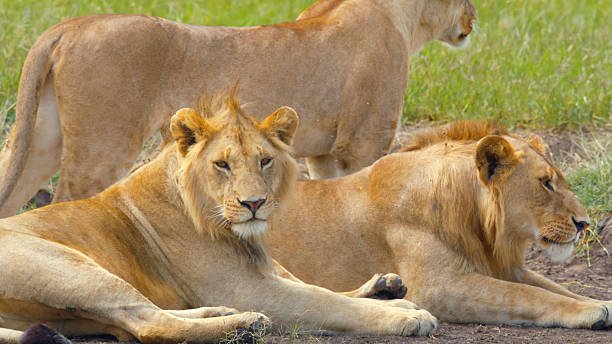
A 1-day Lake Manyara safari from Moshi offers an incredible opportunity to witness diverse wildlife, including iconic tree-climbing lions, in a single, action-packed day. This guided tour…
Book 1 Day Tarangire Safari From Moshi: Your Ultimate Wildlife Adventure
Discover the magic of a 1-day Tarangire Safari departing from Moshi. This guide covers everything you need to know for an unforgettable wildlife adventure in Tarangire National Park, from…

Best 4 Days Safari Tanzania From Zanzibar In 2026-2027
Discover the ultimate 4-day safari experience from Zanzibar. This guide covers the best itineraries, wildlife viewing opportunities in Tarangire, Lake Manyara, and Ngorongoro Crater for…
Best 3-Day Safari Tanzania From Zanzibar: Private Itinerary + Price 2026
Experience the thrill of a 3-day Tanzania safari departing from Zanzibar. This guide covers the best park options, itinerary ideas, and essential planning tips for 2026-2027, ensuring an…
2-Day Safari Tanzania From Zanzibar: Best Fly in Mainland 2026-2027
Discover the thrill of a 2-day safari in mainland Tanzania, starting from the idyllic island of Zanzibar. This short yet impactful adventure allows you to witness the incredible wildlife of…
No related package matches those filters. Clear one or more filters to see the other topic-matched options.



