
The Mount Kilimanjaro hike cost for 2026-2027 typically ranges from $2,000 to $5,000+ per person for a standard package, depending heavily on the route chosen, duration, operator, and level of service. This price generally covers park fees, crew wages, food, camping equipment, and rescue fees, but excludes flights, visas, gear rental, tips, and personal expenses. Shorter, less popular routes like Marangu can be cheaper, while longer, more scenic routes like Lemosho or Machame, especially with private tours, will be at the higher end of the spectrum.
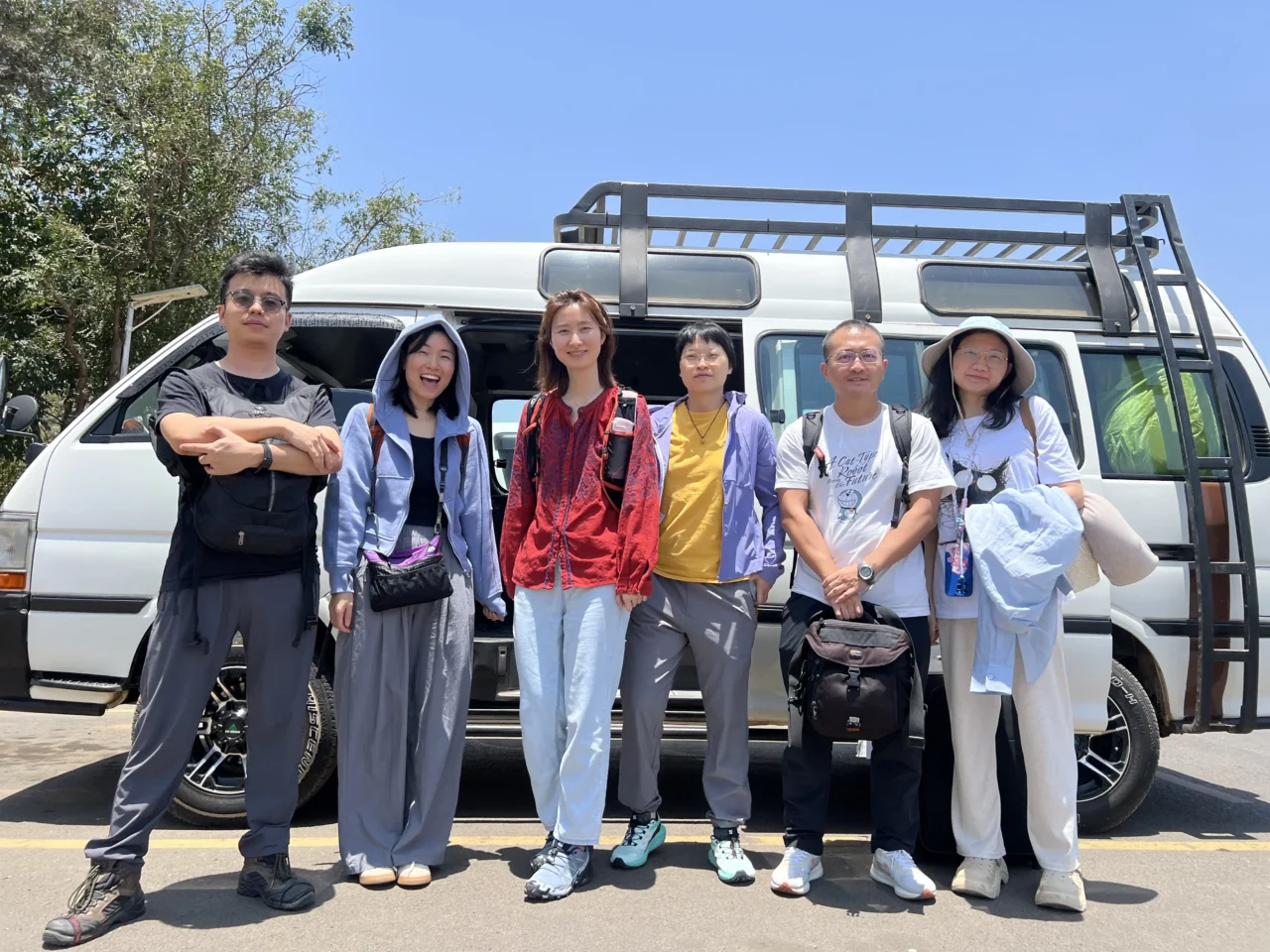
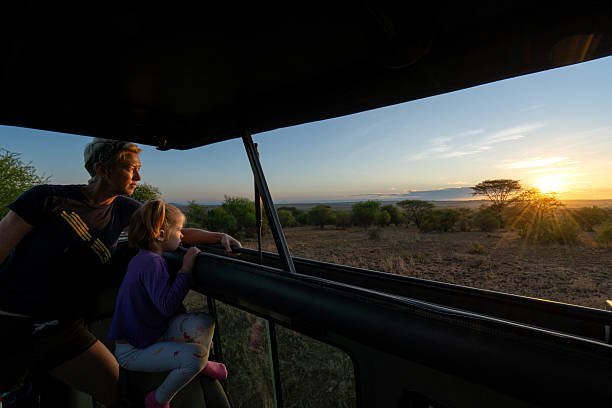
Understanding the True Mount Kilimanjaro Hike Cost for 2026-2027
Ascending Mount Kilimanjaro is a dream for many, a bucket-list adventure that requires careful planning, not just in terms of training and logistics, but crucially, in understanding the financial investment. The Mount Kilimanjaro hike cost is not a single, fixed figure; it’s a dynamic variable influenced by numerous factors that can significantly alter the final price you pay. For trekkers planning their expeditions in 2026 and 2027, gaining a clear picture of these costs is essential for budgeting and making informed choices.
At Top Guide Adventures, we believe in transparent pricing and helping you understand every component that contributes to the overall cost of your Kilimanjaro climb. This detailed guide aims to demystify the pricing structure, break down the essential inclusions and exclusions, and provide you with the knowledge to select an operator that offers the best value for your unforgettable journey to the Roof of Africa.
Key Factors Influencing Your Mount Kilimanjaro Climb Cost
Several critical elements determine where your Mount Kilimanjaro hike cost will fall within the broad range. Understanding these will help you assess quotes and make decisions that align with your budget and expectations for the climb.
1. Route Selection: The Foundation of Your Cost
The route you choose is perhaps the single most significant determinant of the overall cost. Different routes have varying lengths, difficulty levels, acclimatization profiles, and infrastructure, all of which impact operational expenses.
- Marangu Route (Coca-Cola Route): Often perceived as the most affordable due to its shorter duration (5-6 days) and hut accommodation, which reduces camping gear needs. However, its rapid ascent profile offers lower acclimatization success rates.
- Machame Route (Whiskey Route): One of the most popular, known for its scenic beauty and excellent acclimatization profile. Typically 6-7 days, it offers higher success rates but involves camping and thus higher operational costs than Marangu.
- Lemosho Route: A longer, more expensive route (7-8 days) that is highly scenic and provides superior acclimatization. It starts in the west and offers a more remote trekking experience initially.
- Shira Route: Similar to Lemosho, often combined with it, offering high-altitude starting points and good acclimatization. It’s also a premium, longer route.
- Rongai Route: The only route approaching from the north. It’s generally drier and can be a more budget-friendly option for 6-7 day treks, offering a different perspective.
- Northern Circuit: The longest route (9-10 days), offering the best acclimatization and highest success rates. Its extended duration naturally makes it one of the most expensive options.
- Umbwe Route: The shortest, steepest, and most challenging route, usually attempted in 5-6 days. It requires excellent fitness and acclimatization is poor, making it risky and generally not recommended for most climbers. It can sometimes appear cheaper due to fewer days, but the higher risk and demand for experienced guides can offset this.
Longer routes (7-10 days) generally have a higher Mount Kilimanjaro hike cost due to increased park fees, crew salaries, food, and logistical requirements over more days.
2. Duration of the Climb
Directly tied to the route, the number of days you spend on the mountain significantly impacts the cost. As mentioned, longer routes offer better acclimatization and thus higher success rates, but they come with a higher price tag. For 2026-2027 climbs, factor in that each additional day incurs costs for park entry, camping fees, guide and porter wages, and food supplies.
A 5-day climb might seem cheaper, but the lower success rate can lead to disappointment and potentially the need for a repeat climb, doubling your investment. Most reputable operators recommend 7 days or more for the best experience and highest chances of reaching Uhuru Peak.
3. Operator Type: Local vs. International, Budget vs. Premium
The company you choose to manage your climb plays a pivotal role in the Mount Kilimanjaro hike cost. Operators vary widely in their service levels, safety standards, and pricing.
- International Tour Operators: These companies often package Kilimanjaro climbs with flights and other safari components. They may subcontract local operators, adding a layer of overhead and thus a higher price. Their strength often lies in marketing and customer service in the climber’s home country.
- Local Tanzanian Operators: Companies like Top Guide Adventures are based in Tanzania. They often provide more competitive pricing because they manage all operations directly, cutting out intermediaries. This also means they have direct control over guide training, equipment quality, and porter welfare.
- Budget Operators: These focus on minimizing costs, which can sometimes compromise safety, equipment quality, or crew welfare. While the Mount Kilimanjaro hike cost might be lower, the risks are higher.
- Mid-Range Operators: Offer a balance of good service, safety, and fair pricing. They invest in quality equipment, well-trained guides, and ethical treatment of porters.
- Premium/Luxury Operators: Provide higher-end services, such as private toilets, better quality tents, more experienced guides, and potentially smaller group sizes. The cost reflects these enhanced services.
Choosing a reputable local operator like Top Guide Adventures often provides excellent value, ensuring quality and safety without unnecessary markups. We are committed to fair wages and ethical treatment for our mountain crew.
4. Inclusions and Exclusions
Always scrutinize what is included in the quoted Mount Kilimanjaro hike cost. A lower price might be attractive, but if essential items are excluded, the final cost could escalate significantly.
Common Inclusions:
- Park entrance fees (Kilimanjaro National Park, Conservation fees)
- Camping fees or Hut fees (depending on the route)
- Rescue fees
- All meals on the mountain (breakfast, lunch, dinner)
- Boiled water on the mountain
- Professional guide(s) and assistant guide(s)
- Porters for carrying group gear and personal luggage (usually up to 15kg per climber)
- All camping equipment (tents, sleeping mats, mess tent, toilet tent)
- Temporary, portable toilet
- Oxygen cylinders for emergency use
- First aid kit
- Transfer from/to Moshi/Arusha and the Kilimanjaro gate
- Accommodation before and after the climb (sometimes included, sometimes optional extra)
Common Exclusions:
- International and domestic flights
- Visa fees
- Travel and medical insurance (mandatory)
- Personal climbing gear (boots, warm clothing, sleeping bag, backpack) – often available for rent
- Tips for guides, porters, and cooks (a significant portion of the overall cost for many)
- Lunches and drinks in town before/after the climb
- Personal expenses (souvenirs, laundry, extra snacks)
- Climb summit insurance (sometimes offered as an add-on)
- Optional accommodation upgrades
Ensure your quote clearly outlines all inclusions and exclusions to accurately calculate your total Mount Kilimanjaro hike cost.
5. Group Size and Type (Private vs. Group)
Climbing in a group is generally more economical than a private climb. Shared costs for guides, porters, and equipment bring down the per-person Mount Kilimanjaro hike cost.
- Group Climbs: You join a pre-scheduled departure with other climbers. This is the most cost-effective option. Many operators offer fixed departure dates for 2026 and 2027.
- Private Climbs: You have a dedicated team of guides and porters for just your party. This offers flexibility in scheduling and pace but comes at a higher price. The cost per person decreases as the group size increases. A private climb for two will be more expensive per person than a private climb for six.
6. Time of Year
While Kilimanjaro can be climbed year-round, certain periods are considered peak seasons and may see slightly higher prices due to demand. The main dry seasons are January-March and June-October. The shoulder seasons (April-May, November) can sometimes offer slightly better value, though weather is less predictable.
Estimating Your Mount Kilimanjaro Hike Cost: A Breakdown
To provide a more concrete idea, let’s break down the typical costs associated with a Mount Kilimanjaro hike cost for a standard 7-day trek on a popular route like Machame, focusing on a reputable local operator.
Park Fees and Government Levies
These are non-negotiable and represent a substantial portion of the total cost. They are set by the Tanzanian government and are subject to change. For 2026-2027, expect these to remain a significant component.
- Park Entrance Fees: Approximately $70 per person per day.
- Camping Fees: Approximately $60 per person per night for camping routes.
- Crater Camp Fees (for specific routes/options): Around $50 per person per night.
- Rescue Fees: Approximately $30 per person per climb.
For a 7-day climb, these alone can amount to around $500 – $600 per person.
Crew Wages (Guides, Porters, Cooks)
Reputable operators pay their mountain crew fair wages, which is crucial for ethical trekking. This cost is factored into your package price.
- Guides: Lead guides earn more than assistant guides.
- Porters: Responsible for carrying tents, food, cooking gear, and up to 15kg of your personal gear.
- Cooks: Prepare all meals on the mountain.
The number of crew members required depends on the group size and the route. Generally, there are more porters than climbers to ensure gear is carried efficiently and safely.
Food and Supplies
All meals are provided on the mountain, from hearty breakfasts to packed lunches and multi-course dinners. This includes cooking fuel, fresh ingredients, and purified water.
Equipment
The operator provides essential camping equipment: tents (sleeping tents, mess tent, toilet tent), sleeping mats, tables, chairs, and cooking gear. High-quality, waterproof tents and sturdy mess tents are crucial for comfort and safety, especially during adverse weather.
Logistics and Support
This includes transportation to and from the mountain gates, communication equipment (satellite phones or radios for emergencies), and support from the ground team in Moshi/Arusha.
Estimated Cost Ranges by Operator Type (for a 7-Day Trek)
These are approximate figures for 2026-2027 and can vary:
Estimated Mount Kilimanjaro Hike Cost Ranges (Per Person, 7-Day Trek)
| Operator Type | Estimated Cost Range (USD) | Key Considerations |
|---|---|---|
| Budget Local Operator | $1,800 – $2,500 | Focus on core essentials; potentially lower quality gear, less experienced crew, or basic food. Safety standards might be compromised. |
| Mid-Range Local Operator (e.g., Top Guide Adventures) | $2,200 – $3,500 | Good balance of safety, quality equipment, experienced guides, ethical crew treatment, and comfortable services. Offers best overall value. |
| Premium Local Operator | $3,000 – $4,500+ | Higher-end equipment, more experienced guides, smaller group sizes, enhanced meal options, potentially private toilets. |
| International Operator (Subcontracting) | $3,000 – $5,000+ | Includes marketing/service costs of the international company; quality depends heavily on the local operator they use. |
Note: These are indicative prices for 2026-2027 and can fluctuate. Always request a detailed quote.
The Crucial Role of Porter Welfare and Fair Wages
When evaluating the Mount Kilimanjaro hike cost, it’s vital to consider the ethical treatment of the mountain crew. Reputable operators, like Top Guide Adventures, adhere to guidelines set by organizations like the Kilimanjaro Porters Assistance Project (KPAP) to ensure porters receive fair wages, adequate food, proper clothing, and are not overburdened. This ethical approach means higher operational costs, which is reflected in a slightly higher price but ensures a responsible and sustainable climb.
Climbers often underestimate the cost of tips. While not always included in the initial quote, tips are a significant part of a porter’s and guide’s income. For a 7-day climb, budget approximately $250-$400 per climber for tips in 2026-2027. Some operators include tips in their quote; always clarify this.
Additional Costs to Factor into Your Budget
Beyond the core package price, several other expenses contribute to the total Mount Kilimanjaro hike cost:
1. Flights
International flights to Kilimanjaro International Airport (JRO) vary greatly depending on your origin, time of booking, and airline. Book well in advance for 2026-2027 travel to secure better fares.
2. Visas
Tanzanian visas are required for most nationalities. The cost is typically around $50-$100 USD. Check current requirements for your country.
3. Travel and Medical Insurance
This is non-negotiable and mandatory. Ensure your policy covers high-altitude trekking (up to 6,000 meters) and emergency medical evacuation. This can cost anywhere from $100 to $300+ depending on your age, coverage, and provider.
4. Gear Rental
If you don’t own all the necessary high-altitude gear, you’ll need to rent items like a warm sleeping bag, trekking poles, waterproof trousers, and a down jacket. Rental costs can add up, typically ranging from $150 to $300+ for a full set of essentials for a 2026-2027 climb.
5. Vaccinations and Medications
Consult your doctor or a travel clinic about recommended vaccinations (e.g., Yellow Fever, Hepatitis A) and malaria prevention medication. Costs vary by your healthcare provider.
6. Pre and Post-Climb Accommodation
Most operators include a night of accommodation before the climb and sometimes after. If you plan to extend your stay in Moshi or Arusha, budget for additional hotel nights.
7. Personal Expenses
This includes souvenirs, extra snacks, bottled water in towns, laundry services, and any other personal spending.
Calculating Your Total Estimated Mount Kilimanjaro Hike Cost for 2026-2027
Let’s put it all together for a hypothetical climber undertaking a 7-day Machame Route trek with a reputable mid-range local operator in 2026:
Example Total Cost Calculation (Per Person)
| Item | Estimated Cost Range (USD) |
|---|---|
| Climb Package (Mid-Range Operator) | $2,500 – $3,500 |
| International Flights | $1,000 – $2,000+ (highly variable) |
| Tanzania Visa | $50 – $100 |
| Travel & Medical Insurance | $150 – $300 |
| Gear Rental (if needed) | $150 – $300 |
| Tips for Crew | $250 – $400 |
| Vaccinations/Meds | $50 – $200 (variable) |
| Pre/Post-Climb Extras | $100 – $300 (variable) |
| Total Estimated Range | $4,250 – $7,100+ |
This example illustrates the potential total investment. The climb package itself is a major component of the Mount Kilimanjaro hike cost.
Choosing the Right Operator: Value Beyond Price
When comparing quotes for your 2026-2027 Kilimanjaro adventure, remember that the lowest Mount Kilimanjaro hike cost doesn’t always represent the best value. Safety, crew welfare, and the quality of your experience are paramount.
What to Look For in a Reputable Operator:
- Safety Record: Do they have a proven safety protocol, including emergency oxygen, trained guides in first aid, and communication systems?
- Guide Experience: Are guides certified, experienced, and knowledgeable about altitude sickness?
- Crew Welfare: Do they partner with KPAP or have similar ethical policies regarding porter wages, food, and equipment?
- Quality Equipment: Are tents waterproof and sturdy? Is the mess tent comfortable?
- Clear Inclusions/Exclusions: Is the pricing transparent?
- Reviews and Testimonials: Look for independent reviews on platforms like TripAdvisor.
- Communication: Are they responsive and informative in their pre-climb communication?
Top Guide Adventures prides itself on offering a balance of competitive pricing, exceptional safety standards, and a commitment to ethical trekking. We ensure our climbers have a memorable and safe experience while supporting our local community.
Comparing Mount Kilimanjaro Hike Costs for Different Routes
The route chosen will significantly impact your Mount Kilimanjaro hike cost. Here’s a comparative look at typical price differences for a standard 7-day trek with a mid-range operator:
Route vs. Cost Comparison (Approximate Package Price Per Person)
| Route | Typical Duration (Days) | Estimated Package Cost (USD) | Key Features Affecting Cost |
|---|---|---|---|
| Marangu | 5-6 | $1,500 – $2,500 | Hut accommodation, shorter duration, lower success rate. |
| Rongai | 6-7 | $2,000 – $3,000 | Approaches from the north, good for drier conditions, standard camping. |
| Machame | 6-7 | $2,200 – $3,500 | Popular, scenic, good acclimatization, camping, 7 days recommended for best results. |
| Lemosho | 7-8 | $2,500 – $4,000 | Longer, more remote start, excellent acclimatization, higher success rate. |
| Northern Circuit | 9-10 | $3,000 – $4,500+ | Longest, best acclimatization, highest success rate, most expensive due to duration. |
Prices are estimates for 2026-2027 packages from reputable local operators.
Making the Most of Your 2026-2027 Kilimanjaro Budget
To get the best value for your Mount Kilimanjaro hike cost:
- Book in Advance: Especially for peak seasons in 2026 and 2027, booking 6-12 months ahead can secure your preferred dates and potentially better prices.
- Choose Wisely: Opt for a reputable local operator that prioritizes safety and ethical practices. Don’t be lured solely by the lowest price.
- Consider Group Treks: Joining a scheduled group departure is the most economical way to climb.
- Pack Smart: Rent gear you don’t own rather than buying expensive items you’ll only use once.
- Understand Tipping: Budget accurately for crew tips. This is a significant cost often overlooked.
- Factor in All Costs: Create a comprehensive budget that includes flights, visas, insurance, and personal expenses.
The Value of Experience: Why Investing in Quality Matters
While managing the Mount Kilimanjaro hike cost is important, the value of a safe, well-supported, and enjoyable climb cannot be overstated. A successful summit and a positive experience are often the result of choosing an operator that invests in experienced guides, quality equipment, and proper logistics.
For your 2026 or 2027 expedition, consider the peace of mind that comes with knowing your operator is dedicated to your safety and well-being. This includes having emergency oxygen readily available, guides trained in high-altitude medicine, and a robust communication system. These elements, while adding to the cost, are invaluable.
Planning Your 2026-2027 Kilimanjaro Climb with Top Guide Adventures
Planning a Mount Kilimanjaro climb is a significant undertaking, and understanding the Mount Kilimanjaro hike cost is a crucial first step. At Top Guide Adventures, we are committed to providing clear, competitive pricing for our Kilimanjaro expeditions in 2026 and 2027. We offer a range of routes and durations tailored to different fitness levels and preferences, all while maintaining the highest standards of safety and ethical trekking.
We encourage you to reach out to us with any questions regarding costs, inclusions, or itinerary planning. Our team is ready to help you prepare for an incredible adventure.
For a personalized quote and detailed itinerary for your 2026-2027 Kilimanjaro climb, please contact us:
WhatsApp: +255616946642
Email: topguideadventures@gmail.com
Backup Email: info@topguideadventurestanzania.com
You can also explore our available group departures and learn more about our commitment to quality and responsible tourism on our website: Top Guide Adventures Tanzania.
Let us help you make your dream of standing on the Roof of Africa a reality in 2026 or 2027!
Check Availability for Mount Kilimanjaro Hike Cost: Understanding The Price Factors For Climbs
Ready to compare dates, prices, and the best option for your group? Send the package name and travel month so the team can reply with a clear quote, availability, and what is included.
Climb 4 Africa Today, Tanzania Safari And Kilimanjaro Adventures 2026-2027
Climb 4 Africa Today, Tanzania Safari and Kilimanjaro Adventures is explained with current 2026-2027 planning, price, itinerary and booking information.
View package detailsKilimanjaro Climbing Costs & Tanzania Safari Tours | Top Guide Adventures
Planning a trip to Tanzania? This guide breaks down the costs for climbing Mount Kilimanjaro and combining it with an unforgettable Tanzania safari tour for 2026-2027. Learn about pricing...
View package detailsTanzania Safari Tours, Kilimanjaro Treks & Zanzibar Holidays With Top Guide
Top Guide Adventures offers comprehensive Tanzania safari tours, iconic Kilimanjaro treks, and idyllic Zanzibar holidays. Discover the best of East Africa with personalized itineraries...
View package detailsDiscount Tanzania Treks And Affordable Safari Packages In 2026-2027
Discover how to plan discount Tanzania treks and affordable safari packages for your 2026-2027 adventure. This comprehensive guide covers budget-friendly options for iconic destinations...
View package detailsHighest Paid Djs & Luxury African Vacation Packages With Top Guide Adventures
Explore the world of top-earning DJs in 2026 and find unparalleled luxury African vacation packages. Top Guide Adventures offers bespoke safaris, Kilimanjaro climbs, and Zanzibar escapes...
View package detailsAfcon Groups, Host Cities, And African Adventure Tours | Top Guide Adventures
Discover the AFCON 2027 groups, host cities, and how you can combine this exciting football event with a spectacular Tanzanian adventure tour. Top Guide Adventures offers tailored safaris...
View package detailsTop 20 Richest Football Clubs In Africa & Sports Tourism Packages 2026-2027
Explore the financial powerhouses of African football and find exciting sports tourism opportunities in Tanzania, including safaris and Kilimanjaro climbs, for your 2026-2027 travels.
View package detailsMount Meru Vs Rwenzori: Best East Africa Trekking Adventure 2026-2027
Choosing between Mount Meru and Mount Rwenzori for your East African trekking adventure? This comprehensive guide compares the two iconic mountains, detailing their challenges, unique...
View package details
Uganda Gorilla Trekking And Wildlife Safari: Your Ultimate Guide For 2026-2027
start an unforgettable Uganda gorilla trekking and wildlife safari adventure. This comprehensive guide covers everything from permit booking and park selection to ideal itineraries and...
View package detailsNo related package matches those filters. Clear one or more filters to see the other topic-matched options.



