
A Mbinga Coffee Farm Tour offers an intimate journey into Tanzania’s coffee-growing heartland, typically involving a guided exploration of coffee plantations, hands-on participation in cultivation processes like picking and drying, tasting sessions to appreciate the unique flavors, and interactions with local farming communities, providing a rich cultural and agricultural experience often lasting from a few hours to a full day, with planning for 2026-2027 tours focusing on sustainable practices and authentic local engagement.
Understanding the Mbinga Coffee Farm Tour Experience
Tanzania is renowned globally for its high-quality coffee, particularly the Arabica beans grown in its southern highlands. Among the prime locations for experiencing this agricultural heritage is Mbinga, a region where coffee farming is not just an industry but a way of life. A Mbinga Coffee Farm Tour is designed to bring you directly into this world, offering a sensory and educational adventure that goes beyond the typical tourist trail. This isn’t just about seeing coffee plants; it’s about understanding the intricate process from soil to sip, the dedication of the farmers, and the cultural significance of coffee in the region. For travelers planning their trips in 2026 and 2027, an authentic coffee farm tour in Mbinga represents a chance to connect deeply with the land and its people, supporting sustainable agriculture and experiencing genuine Tanzanian hospitality.
Top Guide Adventures specializes in curating these kinds of profound experiences. We understand that a Mbinga Coffee Farm Tour should be more than just a visit; it should be an educational immersion. Our tours are crafted to ensure you gain a comprehensive understanding of coffee cultivation, from the nursery beds where seedlings grow to the mature trees bearing ripe cherries. You’ll learn about different varietals, the challenges and rewards of organic farming, and the journey of the bean through washing, drying, and roasting processes. Crucially, these tours often include opportunities to interact directly with the farmers, hearing their stories, understanding their connection to the land, and appreciating the economic and social impact of coffee cultivation in Mbinga. This deep look at local life makes the Mbinga Coffee Farm Tour a highlight for many visitors seeking authentic cultural encounters in Tanzania.
Why Mbinga for Your Coffee Farm Tour?
Mbinga, situated in the Ruvuma Region of southern Tanzania, is a fertile ground for coffee production, particularly for the esteemed Arabica varietal. Its high altitude, favorable climate, and rich volcanic soil create ideal conditions for growing premium coffee beans. Unlike some more frequented tourist areas, Mbinga offers a more secluded and authentic glimpse into rural Tanzanian life. The pace is slower, the interactions are more personal, and the landscape is characterized by rolling hills carpeted with coffee plantations, interspersed with lush vegetation and small, vibrant communities. Choosing Mbinga for your coffee farm tour means stepping away from the crowded tourist circuits and into an environment where agriculture is the lifeblood of the community.
The specific microclimates within the Mbinga district contribute to the unique flavor profiles of its coffee. Farmers here often practice traditional methods, passed down through generations, alongside adopting modern sustainable techniques. This blend of heritage and innovation is fascinating to witness. When you visit a coffee farm in Mbinga, you’re not just touring a business; you’re stepping onto land that has been cultivated with care and deep knowledge for decades, sometimes centuries. This connection to the land and the deep-rooted farming traditions are what make a Mbinga Coffee Farm Tour so special. For travelers in 2026 and 2027 looking for experiences that are both educational and culturally enriching, Mbinga presents an unparalleled opportunity to connect with the origins of one of the world’s favorite beverages.
The Coffee Journey: From Cherry to Cup
A Mbinga Coffee Farm Tour is a comprehensive exploration of the coffee production cycle. The journey begins with understanding the plant itself. You’ll see coffee trees in various stages of growth, from young saplings in nurseries to mature trees laden with bright red or yellow cherries during harvest season. Your guide will explain the different varietals, such as Bourbon and Kent, and the specific characteristics that make them desirable.
Planting and Cultivation: Learn about the meticulous process of planting coffee seeds, nurturing seedlings, and transplanting them into the fertile soil of the plantation. Discover the importance of shade-grown coffee, where trees are planted under larger shade trees, which not only protects the coffee plants from harsh sun but also enhances biodiversity and soil health. You’ll understand the seasonal rhythms of pruning, fertilizing, and pest management, all crucial for a healthy crop.
The Harvest: If your visit coincides with the harvest season (typically June to September in this region), you’ll witness the vibrant activity of coffee cherry picking. Farmers, often women, carefully select only the ripe cherries, a process known as ‘selective picking.’ This labor-intensive method ensures the highest quality beans. You might even have the chance to try your hand at picking, experiencing firsthand the delicate nature of this task.
Processing: After picking, the cherries undergo processing to remove the fruit pulp and extract the bean. The most common methods you’ll learn about are the washed (wet) process and the natural (dry) process. In the washed process, cherries are pulped, fermented in water to remove mucilage, washed, and then dried. The natural process involves drying the whole cherry under the sun until the fruit is brittle, after which it’s hulled. Each method imparts distinct characteristics to the final coffee flavor.
Drying and Hulling: Witness the beans spread out on large drying beds or patios, raked regularly to ensure even drying and prevent mold. Once dried to the correct moisture content, the beans go through hulling, where the parchment layer (for washed beans) or dried fruit husk (for natural beans) is removed. This stage is critical for preserving the quality and shelf life of the green coffee beans.
Roasting and Tasting: The culmination of the tour often involves a demonstration of small-batch roasting, where the green beans are transformed into aromatic roasted coffee. You’ll learn about different roast levels and how they affect flavor. The highlight for many is the tasting session, where you can savor the complex notes of freshly roasted Mbinga coffee, understanding how the terroir, varietal, and processing methods influence the final cup.
Cultural Immersion and Community Connection
A Mbinga Coffee Farm Tour is deeply intertwined with the cultural fabric of the region. Beyond the agricultural insights, these tours offer invaluable opportunities to connect with the local community and gain a deeper appreciation for Tanzanian life. The people of Mbinga, primarily from the Nyakyusa ethnic group, have a rich cultural heritage, and coffee farming plays a central role in their social and economic structures.
Interacting with Farmers: The most rewarding aspect of a Mbinga Coffee Farm Tour is the direct interaction with the farmers and their families. You’ll have the chance to engage in conversations, learn about their daily lives, their challenges, their aspirations, and their deep connection to the land. Many farms are family-run, and experiencing this multi-generational involvement provides a unique perspective on community and tradition.
Local Life and Traditions: Depending on the tour’s duration and the farm’s location, you might be invited to share a traditional meal, observe local crafts, or learn about customary practices. These experiences offer a genuine glimpse into the rhythm of rural Tanzanian life, far removed from the typical tourist experiences. Understanding how coffee farming contributes to the local economy, supports education, and sustains families provides a broader context for your visit.
Supporting Local Economies: By choosing a Mbinga Coffee Farm Tour organized by a local company like Top Guide Adventures, you are directly contributing to the local economy. Your visit helps provide income for farmers and supports sustainable tourism initiatives that benefit the community. This ensures that tourism is a force for good, preserving cultural heritage and improving livelihoods.
Learning about Social Structures: Coffee cooperatives and community groups are often central to farming operations in Mbinga. Learning about how these groups function, how decisions are made, and how benefits are shared can be incredibly insightful. This aspect of the tour highlights the collaborative spirit and communal values that are characteristic of many Tanzanian societies.
For travelers in 2026-2027 seeking authentic cultural exchanges, the Mbinga Coffee Farm Tour provides a pathway to understanding the heart and soul of rural Tanzania. It’s an opportunity to build bridges, share experiences, and leave with a profound appreciation for the people and their way of life.
Planning Your Mbinga Coffee Farm Tour in 2026-2027
Organizing a successful Mbinga Coffee Farm Tour requires careful planning to ensure you maximize your experience and align it with the best times for visiting. Top Guide Adventures is dedicated to making this process smooth and enjoyable for all our clients, whether you are planning for 2026 or 2027.
Best Time to Visit Mbinga for Coffee Tours
The ideal time to visit Mbinga for a coffee farm tour depends on what you wish to see and experience. The harvest season, generally from June to September, is a particularly vibrant time. During these months, you’ll witness the coffee cherries being picked, processed, and dried, offering a dynamic and visually engaging experience. The weather during this period is typically dry and pleasant, making travel comfortable.
However, coffee farming is a year-round activity. Even outside the harvest season, you can observe the growth stages, learn about pruning, and understand the ongoing care required for the coffee plants. The shoulder seasons, such as April-May and October-November, can also be excellent times to visit. You’ll experience fewer crowds and potentially more intimate interactions with the farmers, while the weather is generally good, though there might be brief showers.
For 2026 and 2027, we recommend booking your Mbinga Coffee Farm Tour well in advance, especially if you aim to visit during the peak harvest months. This allows us to secure the best local guides, arrange visits to suitable farms, and coordinate any specific interests you may have.
Duration and Itinerary Options
A typical Mbinga Coffee Farm Tour can range from a half-day excursion to a full-day experience. A half-day tour might focus on a specific aspect, such as the processing and tasting, or a general overview of the plantation. A full-day tour allows for a more in-depth exploration, including hands-on activities, a more extensive tasting, and potentially a traditional lunch with a local family.
Sample Half-Day Itinerary:
- Morning: Arrive at the coffee farm, introduction to coffee cultivation.
- Mid-morning: Tour of the plantation, focusing on cherry picking and drying processes.
- Late Morning: Visit to the processing station, explanation of washing/natural methods.
- Lunch: Light refreshments or a local snack.
- Afternoon: Coffee roasting demonstration and tasting session, Q&A with the farmer.
Sample Full-Day Itinerary:
- Morning: Arrive at the farm, detailed plantation walk covering all stages from seedling to mature tree.
- Late Morning: Hands-on experience – participate in coffee cherry picking (seasonal) or sorting beans.
- Midday: Explore the processing facilities (washing, drying, hulling).
- Lunch: Enjoy an authentic Tanzanian meal prepared by the host family.
- Afternoon: Roasting demonstration, guided coffee tasting, and discussion on market trends and challenges for local farmers.
- Late Afternoon: Opportunity to purchase freshly roasted coffee directly from the farm.
These itineraries can be customized to fit your schedule and interests. For travelers looking to combine this with other experiences, we can integrate a Mbinga Coffee Farm Tour into longer itineraries covering national parks or cultural sites in southern Tanzania.
What to Pack and What to Expect
When preparing for your Mbinga Coffee Farm Tour, consider the following:
- Comfortable Footwear: You’ll be walking on uneven terrain, so sturdy walking shoes or boots are essential.
- Lightweight Clothing: Tanzania can be warm, so breathable, light clothing is recommended. Consider long sleeves and trousers to protect against the sun and insects.
- Sun Protection: A hat, sunglasses, and high-SPF sunscreen are crucial.
- Insect Repellent: Especially important during dawn and dusk.
- Camera: To capture the beautiful landscapes and the fascinating processes.
- Notebook and Pen: If you’re keen on taking detailed notes about coffee cultivation or cultural insights.
- Small amount of Cash: For purchasing coffee or small souvenirs directly from the farm.
What to Expect:
- Authenticity: This is not a polished, commercialized tourist attraction. Expect genuine interactions, rustic settings, and a true reflection of rural life.
- Informative Guides: Local guides are passionate about their coffee heritage and eager to share their knowledge.
- Sensory Experience: Be prepared for the rich aromas of coffee, the vibrant colors of the plantation, and the diverse textures of the coffee cherries and beans.
- Warm Hospitality: Tanzanians are known for their welcoming nature. You’ll likely experience genuine warmth and generosity from the farming communities.
Sustainable Coffee Tourism in Mbinga
At Top Guide Adventures, we are committed to promoting sustainable tourism practices, and this extends to our Mbinga Coffee Farm Tours. Sustainable coffee tourism ensures that the environmental, social, and economic benefits of tourism are maximized while minimizing negative impacts. For tours planned in 2026-2027, this commitment is more critical than ever.
Environmental Stewardship: We partner with farms that prioritize environmentally friendly practices. This includes shade-grown coffee, water conservation during processing, organic fertilization, and waste management. By visiting these farms, you are supporting their efforts to maintain biodiversity and protect the delicate ecosystem of the highlands.
Economic Empowerment: Our tours directly benefit the local farming communities. We ensure fair compensation for the farmers’ time and resources, and we encourage visitors to purchase coffee directly from them, providing an additional income stream. This economic empowerment helps sustain families and encourages the continuation of traditional farming methods.
Social Responsibility: We foster respectful interactions between visitors and local communities. Our guides emphasize cultural sensitivity and encourage meaningful exchanges. By learning about the social structures and daily lives of the farmers, visitors gain a deeper appreciation for their resilience and traditions. We also aim to support community projects where possible, ensuring that tourism contributes positively to social development.
Promoting Quality and Traceability: Sustainable tourism also involves promoting the quality and traceability of the coffee produced. When you take a Mbinga Coffee Farm Tour, you learn about the specific origin of the beans, the methods used, and the people behind the coffee. This enhances the value of the product and supports farmers in achieving better prices for their high-quality beans.
Choosing a Mbinga Coffee Farm Tour through Top Guide Adventures means you are opting for an experience that is not only enriching for you but also beneficial for the local environment and community. We believe that responsible tourism is the future, and we are excited to offer these authentic, sustainable experiences for years to come.
Comparing Mbinga Coffee with Other Tanzanian Coffee Regions
Tanzania is a diverse coffee-producing nation, with several distinct regions contributing unique characteristics to its coffee output. While Mbinga is a gem in the southern highlands, understanding its place alongside other renowned areas like Kilimanjaro and Arusha can provide valuable context for coffee enthusiasts planning their travels for 2026-2027.
Kilimanjaro Region: Coffee grown on the slopes of Mount Kilimanjaro benefits from high altitudes and rich volcanic soil. This region is primarily known for its washed Arabica beans. Kilimanjaro coffee often exhibits a bright acidity, complex citrusy notes, and a full body. Tours here might focus on the higher-altitude farms, often with more established infrastructure. The experience can be quite scenic, with views of the snow-capped peak.
Arusha Region: Similar to Kilimanjaro, coffee from the Arusha region, particularly around Mount Meru, is also highly regarded. It shares many characteristics with Kilimanjaro coffee, often featuring floral aromas, fruity notes, and a clean finish. Coffee farms in Arusha are often well-organized, and tours may include visits to larger estates or processing facilities.
Mbeya Region: Located in southwestern Tanzania, Mbeya is another significant coffee-growing area, known for both Arabica and Robusta. Mbeya Arabica often has a medium body, good acidity, and notes of chocolate and nuts. Coffee tours in Mbeya can offer a different perspective on Tanzanian coffee, sometimes exploring areas with a mix of smallholder farms and larger estates.
Mbinga’s Unique Offering: What sets Mbinga apart is its location in the Ruvuma Region, further south, and its distinct microclimate. While still producing high-quality Arabica, Mbinga coffee often develops unique flavor profiles influenced by its specific terroir. Travelers often report finding Mbinga coffee to have a deep, rich character, sometimes with notes of dark chocolate, berries, and a pleasant earthiness, combined with a satisfying body and balanced acidity. The Mbinga Coffee Farm Tour experience itself is often characterized by its intimate, community-focused nature, providing a more direct and personal connection with the farmers and their traditions compared to some of the more developed tourist circuits in the north.
For those planning a coffee-focused trip in 2026 or 2027, considering a tour in Mbinga offers a chance to explore a less-trodden path, discover unique flavor nuances, and engage in a deeply authentic cultural exchange that complements the experiences available in northern Tanzania.
Beyond the Coffee: Exploring Mbinga and the Ruvuma Region
While the Mbinga Coffee Farm Tour is a significant draw, the Ruvuma Region itself offers a wealth of experiences for the adventurous traveler. For those extending their stay beyond the coffee plantations, there are opportunities to explore the natural beauty, cultural diversity, and historical significance of this less-visited part of Tanzania.
Natural Landscapes: The region is characterized by rolling hills, fertile valleys, and the presence of the Ruhuhu River. While not as famous as the northern parks, the Ruvuma Region boasts areas of pristine natural beauty that are perfect for hiking and nature walks. The Matogoro Mountains offer opportunities for trekking and enjoying panoramic views. Birdwatchers will also find the diverse habitats appealing.
Cultural Encounters: Beyond the coffee-farming communities, the Ruvuma Region is home to various ethnic groups, each with its own unique traditions and customs. Engaging with local villages, visiting markets, and understanding the daily life of people in towns like Songea (the regional capital) can provide a richer understanding of Tanzanian society.
Historical Sites: The region has a history that includes periods of German and Portuguese influence, as well as significant involvement in Tanzania’s struggle for independence. Songea, for instance, has historical significance related to the Maji Maji Rebellion. Exploring these sites can add a historical dimension to your journey.
Wildlife Viewing (Limited but Present): While not a primary wildlife destination like the Serengeti or Ngorongoro, the Ruvuma Region does have protected areas that harbor wildlife. The Selous Game Reserve (now Nyerere National Park), though vast and partially in neighboring regions, is accessible from the south. Smaller game reserves and wildlife corridors within Ruvuma Region might offer opportunities for spotting diverse fauna, especially for those interested in less conventional safari experiences.
Planning for Extended Stays: If you’re considering a longer trip in 2026-2027 that includes Mbinga, Top Guide Adventures can help craft an itinerary that combines the coffee farm tour with explorations of these other attractions. We can arrange transport, accommodation, and guided tours to ensure a comprehensive and memorable experience of southern Tanzania.
Booking Your Mbinga Coffee Farm Tour with Top Guide Adventures
Ready to experience the rich flavors and vibrant culture of Tanzanian coffee? Top Guide Adventures is your trusted partner for an authentic and unforgettable Mbinga Coffee Farm Tour. We pride ourselves on offering personalized service, deep local knowledge, and a commitment to sustainable tourism.
Why Choose Us?
- Expertise: We have extensive experience in organizing tours across Tanzania, with a special focus on cultural and agricultural experiences.
- Local Connections: Our strong relationships with coffee farmers and communities in Mbinga ensure authentic access and genuine interactions.
- Tailored Experiences: We customize tours to your interests, whether you’re a coffee connoisseur, a cultural explorer, or simply curious about where your coffee comes from.
- Support for Local Communities: We are dedicated to ensuring that your visit benefits the local economy and promotes sustainable practices.
- Comprehensive Planning: From transportation and accommodation to guided tours and activities, we handle all the details for your trip in 2026-2027.
How to Book:
Booking your Mbinga Coffee Farm Tour is straightforward. We recommend reaching out to us directly to discuss your travel plans, preferred dates for 2026 or 2027, and any specific requirements you may have. Our team is ready to answer all your questions and help you design the perfect itinerary.
You can contact us via:
- WhatsApp: +255616946642
- Email: topguideadventures@gmail.com
- Backup Email: info@topguideadventurestanzania.com
Alternatively, you can visit our website Top Guide Adventures Tanzania for more information on our services and to explore other tour options. We look forward to helping you discover the magic of Mbinga coffee!
Whether you’re planning a solo adventure, a romantic getaway, or a family trip for 2026-2027, a Mbinga Coffee Farm Tour promises a unique and enriching experience that connects you with the heart of Tanzania’s coffee culture.
Check Availability for Mbinga Coffee Farm Tour: Your Comprehensive Guide For 2026-2027
Ready to compare dates, prices, and the best option for your group? Send the package name and travel month so the team can reply with a clear quote, availability, and what is included.

Mbozi Coffee Farm Tour 2026-2027
Mbozi Coffee Farm Tour is explained with current 2026-2027 planning, price, itinerary and booking information.
View package details
Zanzibar Spice Farm Tour 2026-2027
Zanzibar Spice Farm Tour is explained with current 2026-2027 planning, price, itinerary and booking information.
View package details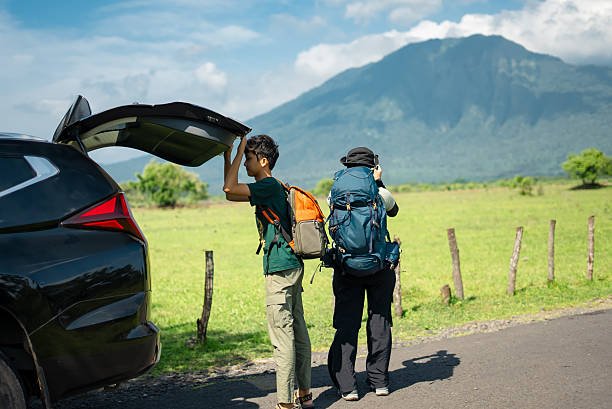
Mount Kilimanjaro And Serengeti Safari Package 2026-2027
Mount Kilimanjaro and Serengeti Safari Package is explained with current 2026-2027 planning, price, itinerary and booking information.
View package details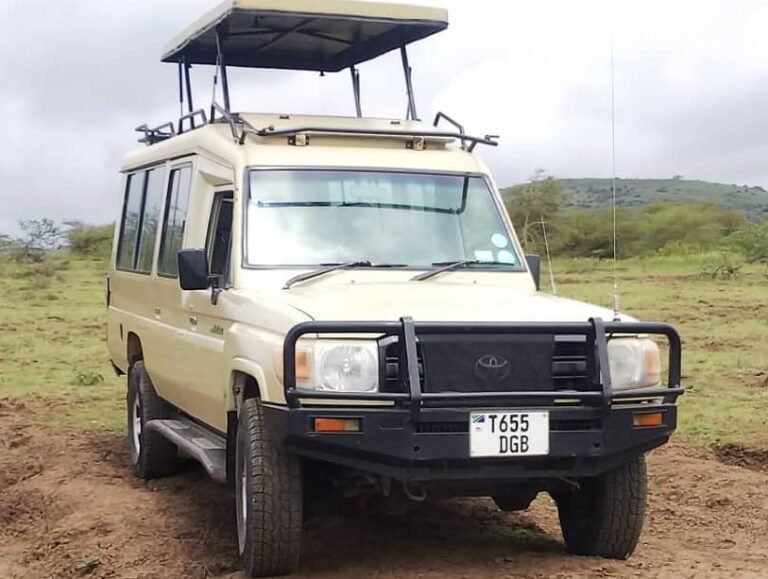
Tanzania Solo Travel Safari: Your Ultimate Guide For 2026-2027
Discover how to plan an unforgettable solo safari adventure in Tanzania, covering everything from wildlife hotspots to safety tips and essential planning for 2026-2027.
View package detailsTanzania Photography Safari 2026-2027
Tanzania Photography Safari is explained with current 2026-2027 planning, price, itinerary and booking information.
View package details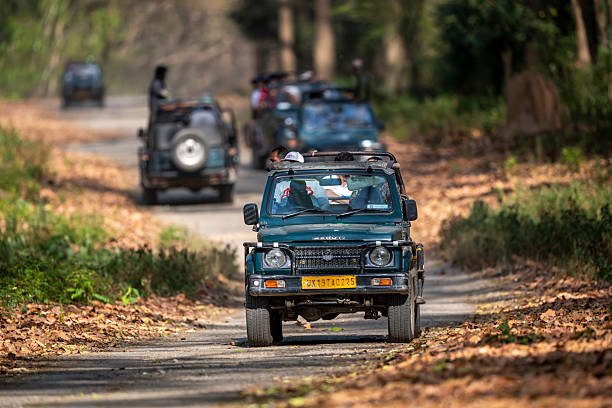
Serengeti Great Migration Safari Packages 2026-2027
Serengeti Great Migration Safari Packages is explained with current 2026-2027 planning, price, itinerary and booking information.
View package detailsSerengeti Ngorongoro And Tarangire Safari 2026-2027
Serengeti Ngorongoro and Tarangire Safari is explained with current 2026-2027 planning, price, itinerary and booking information.
View package details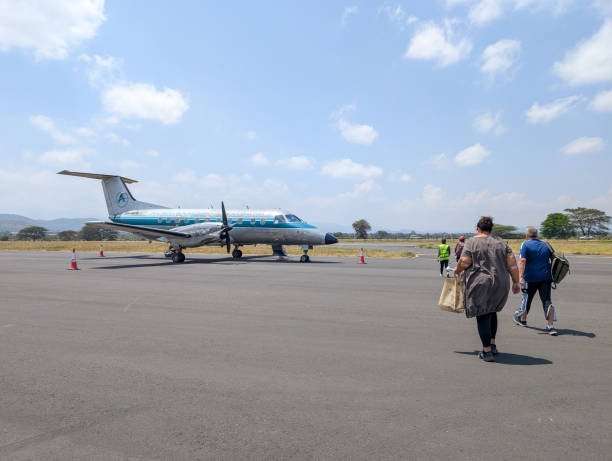
Southern Circuit Tanzania Safari: Your Ultimate Guide With Top Adventures
Explore the wild, less-traveled paths of Tanzania's Southern Circuit. This guide covers Ruaha, Nyerere National Park, and Mikumi, detailing experiences, wildlife, and planning for your...
View package details
Tanzania Safari Cost And Prices : Your Ultimate Guide 2026-2027
Planning your dream Tanzania safari in 2026 or 2027? This comprehensive guide breaks down the safari costs, prices, and key factors influencing your budget, helping you plan the perfect...
View package details
Tanzania Group Joining Safari 2026-2027
Tanzania Group Joining Safari 2026-2027 is explained with current 2026-2027 planning, price, itinerary and booking information.
View package detailsTanzania Private Safari Tours: Your Ultimate Bespoke Adventure In 2026-2027
Discover the unparalleled freedom and personalized experience of a Tanzania private safari tour. Top Guide Adventures crafts bespoke journeys through iconic landscapes like the Serengeti...
View package detailsTanzania Family Safari Packages 2026-2027
Tanzania Family Safari Packages is explained with current 2026-2027 planning, price, itinerary and booking information.
View package detailsNo related package matches those filters. Clear one or more filters to see the other topic-matched options.



