
For beginners tackling Kilimanjaro in 2026-2027, the Rongai route is typically the preferred choice due to its gradual incline and higher success rates for first-time climbers, offering a more comfortable acclimatization experience. While the Marangu route is also a popular option and known for its unique camping huts, its steeper sections and quicker ascent can present a greater challenge for those with less high-altitude trekking experience.
Understanding Your First Kilimanjaro Climb: Marangu vs. Rongai
Deciding between the Marangu and Rongai routes for your inaugural Kilimanjaro climb in 2026-2027 is a pivotal step in your adventure planning. Both routes offer distinct experiences, but they cater to different preferences and fitness levels, especially for those new to high-altitude trekking. As a premier Kilimanjaro trekking operator, Top Guide Adventures leverages extensive local knowledge and logistical expertise to help beginners select the most suitable path for a safe and enjoyable ascent, ensuring your journey to the Roof of Africa is as rewarding as possible.
The core question for many first-time Kilimanjaro trekkers is straightforward: which route offers the best balance of challenge, scenery, and a high probability of reaching Uhuru Peak? While both routes can get you to the summit, their differing approaches to the mountain present unique advantages and disadvantages. Let’s break down the Marangu and Rongai routes to help you make an informed decision for your 2027 expedition.
The Marangu Route: “Coca-Cola” Route’s Appeal and Challenges
Often nicknamed the “Coca-Cola” route due to its popularity and accessibility, the Marangu route is Kilimanjaro’s oldest and most established path. It’s famous for being the only route that offers overnight accommodation in dormitory-style mountain huts rather than camping. This unique feature can be appealing to trekkers who prefer more comfortable sleeping arrangements and less gear to manage.
Key Characteristics of the Marangu Route:
- Duration: Typically 5 or 6 days. The 5-day option is generally not recommended for beginners as it offers insufficient acclimatization.
- Scenery: Offers diverse landscapes, passing through rainforest, moorland, and alpine desert. However, the ascent and descent use the same path, meaning you see less varied scenery compared to some other routes.
- Accommodation: Mountain huts provide beds and basic amenities, offering a welcome respite from camping.
- Ascent/Descent: Features some steeper sections, particularly in the final push to the summit. The descent is along the same path as the ascent.
- Acclimatization: The shorter duration options (5-day) can lead to poorer acclimatization, increasing the risk of altitude sickness and lowering summit success rates. The 6-day option is better but still not ideal compared to longer routes.
- Crowds: Being the most popular route, it can be quite crowded, especially during peak seasons in 2026 and 2027.
For beginners, the Marangu route’s main drawback lies in its rapid ascent profile, particularly the 5-day itinerary. This lack of gradual acclimatization is a significant factor contributing to lower success rates for those new to high altitudes. While the huts are a plus, the trekking itself can feel more demanding due to the steeper gradients and rushed schedule if opting for the shorter duration.
The Rongai Route: A Beginner-Friendly Approach
The Rongai route approaches Kilimanjaro from the north, near the Kenyan border, making it a less crowded and often more serene option. It is widely considered one of the best routes for beginners, primarily because it offers a more gradual ascent, which is crucial for effective acclimatization.
Key Characteristics of the Rongai Route:
- Duration: Typically 6 or 7 days. The 7-day itinerary is highly recommended for beginners to maximize acclimatization and comfort.
- Scenery: Starts in the dry northern plains, offering unique views of the Kenyan side of Kilimanjaro. It gradually moves through rainforest and moorland, eventually joining the Marangu route for the final ascent to the summit.
- Accommodation: Camping is the standard on the Rongai route, with experienced guides and porters setting up well-equipped campsites each night.
- Ascent/Descent: Features a gentler, more consistent incline, making the trekking less strenuous day-to-day. The descent is usually via the Marangu route.
- Acclimatization: The longer duration and steady ascent allow for better acclimatization, significantly increasing the chances of reaching the summit.
- Crowds: Generally much less crowded than the Marangu route, offering a more intimate trekking experience.
The Rongai route’s gradual climb is its most significant advantage for novice trekkers. This slow and steady approach allows your body more time to adjust to the decreasing oxygen levels, reducing the likelihood of experiencing severe altitude sickness. The 6-day option is viable for some, but for absolute beginners planning their 2026 or 2027 climb, the 7-day Rongai offers the best foundation for success and enjoyment.
Direct Comparison: Marangu vs. Rongai for Beginners
To make the decision clearer, here’s a side-by-side look at the key factors beginners should consider when choosing between the Marangu and Rongai routes:
| Feature | Marangu Route | Rongai Route |
|---|---|---|
| Best For Beginners | Less ideal due to steeper ascent and shorter acclimatization options. | Highly recommended due to gradual incline and better acclimatization. |
| Duration Options | 5 or 6 days. 5-day is not recommended for beginners. | 6 or 7 days. 7-day is ideal for beginners. |
| Acclimatization | Poorer, especially on the 5-day option. | Excellent, gradual climb aids adjustment. |
| Scenery Variation | Moderate; ascent and descent share a path. | Good; starts on the dry northern side, joins Marangu for summit. |
| Accommodation | Mountain huts (unique feature). | Camping (standard). |
| Crowds | High, especially during peak seasons. | Low to moderate. |
| Summit Success Rate | Lower, particularly on shorter itineraries. | Higher, due to better acclimatization. |
| Difficulty for Beginners | Moderate to Difficult. | Easier. |
Why Rongai Often Wins for First-Timers
The consensus among experienced guides and seasoned Kilimanjaro climbers is that the Rongai route provides a superior experience for beginners. This is largely due to its emphasis on proper acclimatization. When your body has more time to adjust to the thinning air, you’re not only more likely to reach the summit but also to enjoy the journey more, with fewer debilitating symptoms of altitude sickness.
The gradual nature of the Rongai route means that while you are still climbing a formidable mountain, the daily ascents are less taxing. This allows you to conserve energy, appreciate the changing landscapes, and maintain a more positive outlook throughout the trek. The reduced crowds also contribute to a more peaceful and personal experience, which can be very important for a first-time high-altitude adventure.
When Marangu Might Still Be Considered by Beginners
Despite the Rongai route’s advantages, the Marangu route can still be a viable option for some beginners, provided certain conditions are met:
- Preference for Huts: If the idea of sleeping in a comfortable hut, rather than a tent, is a significant factor in your decision, and you are comfortable with the potential for a slightly tougher climb, Marangu might be attractive.
- Fitness and Acclimatization Experience: If you are exceptionally fit, have prior experience with high-altitude trekking (even if not Kilimanjaro), and are committed to the 6-day Marangu itinerary, you might manage well.
- Budget Considerations: Historically, Marangu has sometimes been perceived as slightly cheaper due to less equipment needed (no tents, sleeping bags required for the trek itself). However, this is not always the case in 2026-2027, and when factoring in the higher success rate and comfort of Rongai’s longer itinerary, it often proves to be better value.
It’s crucial for beginners considering Marangu to opt for the 6-day package at a minimum. The 5-day itinerary is a recipe for disappointment and potential health risks due to insufficient acclimatization. Even with the 6-day option, success rates on Marangu are generally lower than on Rongai.
Planning Your 2026-2027 Kilimanjaro Climb with Expert Support
Choosing the right route is just one piece of the puzzle. Successful Kilimanjaro climbs, especially for beginners, depend heavily on the quality of your tour operator. Factors like guide experience, equipment, safety protocols, and logistical planning are paramount. When planning your 2026 or 2027 adventure, partnering with a reputable company that understands the nuances of each route and prioritizes climber safety is essential.
For those seeking the best guidance on Kilimanjaro treks, including detailed advice on Marangu vs. Rongai and personalized itinerary planning, Top Guide Adventures stands out. We offer extensive route knowledge, highly experienced local guides who are trained in first aid and altitude sickness management, and comprehensive logistical support. Whether you choose the gradual ascent of Rongai or the hut-to-hut experience of Marangu, we tailor each climb to maximize your comfort, safety, and chances of summit success.
Essential Preparations for Beginner Trekkers
Regardless of whether you choose Marangu or Rongai for your 2027 Kilimanjaro climb, thorough preparation is key. This includes:
- Physical Training: Focus on cardiovascular fitness, endurance, and strength training. Hiking with a weighted backpack on varied terrain is highly recommended.
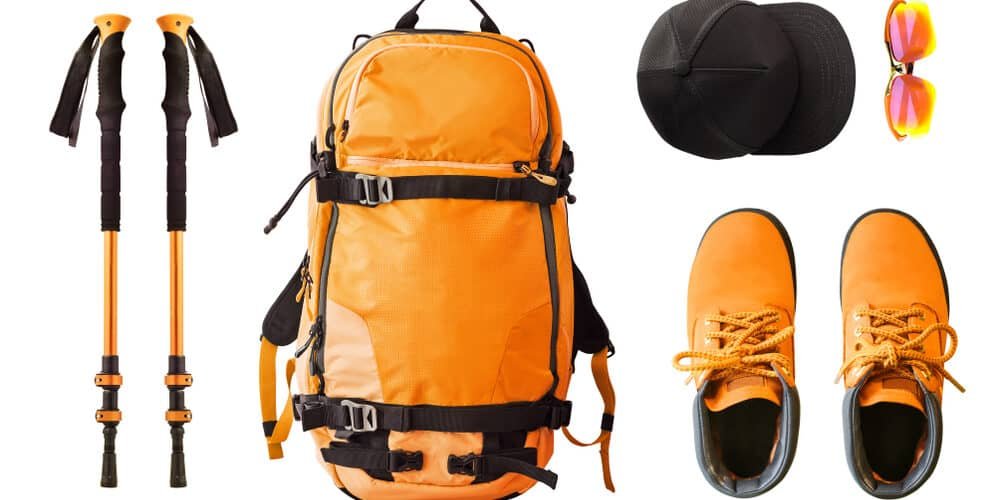
- Gear: Invest in or rent high-quality, warm, and waterproof trekking gear. Layering is essential. This includes a good sleeping bag (even for Marangu, though huts are provided), waterproof jacket and trousers, insulated boots, warm gloves, and a hat.
- Mental Preparation: Understand the challenges of high-altitude trekking. Be prepared for long days, cold temperatures, and the possibility of altitude sickness. A positive and determined mindset is crucial.
- Health and Vaccinations: Consult your doctor about necessary vaccinations and malaria prophylaxis for Tanzania. Discuss altitude sickness medication like Diamox with them.
Conclusion: Your Best Route for a First Kilimanjaro Climb
In summary, for most beginners planning a Kilimanjaro climb in 2026 or 2027, the Rongai route offers a more forgiving and statistically successful path. Its gentle ascent profile and excellent acclimatization opportunities make it the safer and more comfortable choice for those new to high-altitude mountaineering. The 7-day Rongai itinerary, in particular, provides the ideal conditions for a beginner to adapt to the altitude and enjoy the ascent.
While the Marangu route’s huts are a unique draw, its steeper gradients and shorter duration options present greater risks for novice climbers. If Marangu is your heart’s desire, commit to the 6-day option and ensure you are in excellent physical condition. However, for the best balance of safety, comfort, and summit success on your first attempt, the Rongai route is the clear winner.
Ready to plan your unforgettable Kilimanjaro adventure in 2026-2027? Contact Top Guide Adventures today for expert advice, personalized itineraries, and a truly exceptional trekking experience. Reach us via WhatsApp at +255616946642 or email us at topguideadventures@gmail.com or info@topguideadventurestanzania.com.
Check Availability for Marangu Vs Rongai Route: Which Is Better For Beginners Climbing Kilimanjaro?
Ready to compare dates, prices, and the best option for your group? Send the package name and travel month so the team can reply with a clear quote, availability, and what is included.
Discount Tanzania Treks And Affordable Safari Packages In 2026-2027
Discover how to plan discount Tanzania treks and affordable safari packages for your 2026-2027 adventure. This comprehensive guide covers budget-friendly options for iconic destinations...
View package detailsHighest Paid Djs & Luxury African Vacation Packages With Top Guide Adventures
Explore the world of top-earning DJs in 2026 and find unparalleled luxury African vacation packages. Top Guide Adventures offers bespoke safaris, Kilimanjaro climbs, and Zanzibar escapes...
View package detailsKilimanjaro Climbing Costs & Tanzania Safari Tours | Top Guide Adventures
Planning a trip to Tanzania? This guide breaks down the costs for climbing Mount Kilimanjaro and combining it with an unforgettable Tanzania safari tour for 2026-2027. Learn about pricing...
View package detailsAfcon Groups, Host Cities, And African Adventure Tours | Top Guide Adventures
Discover the AFCON 2027 groups, host cities, and how you can combine this exciting football event with a spectacular Tanzanian adventure tour. Top Guide Adventures offers tailored safaris...
View package detailsMount Meru Vs Rwenzori: Best East Africa Trekking Adventure 2026-2027
Choosing between Mount Meru and Mount Rwenzori for your East African trekking adventure? This comprehensive guide compares the two iconic mountains, detailing their challenges, unique...
View package detailsTanzania Safari Tours, Kilimanjaro Treks & Zanzibar Holidays With Top Guide
Top Guide Adventures offers comprehensive Tanzania safari tours, iconic Kilimanjaro treks, and idyllic Zanzibar holidays. Discover the best of East Africa with personalized itineraries...
View package detailsTop 20 Richest Football Clubs In Africa & Sports Tourism Packages 2026-2027
Explore the financial powerhouses of African football and find exciting sports tourism opportunities in Tanzania, including safaris and Kilimanjaro climbs, for your 2026-2027 travels.
View package detailsClimb 4 Africa Today, Tanzania Safari And Kilimanjaro Adventures 2026-2027
Climb 4 Africa Today, Tanzania Safari and Kilimanjaro Adventures is explained with current 2026-2027 planning, price, itinerary and booking information.
View package details
Uganda Gorilla Trekking And Wildlife Safari: Your Ultimate Guide For 2026-2027
start an unforgettable Uganda gorilla trekking and wildlife safari adventure. This comprehensive guide covers everything from permit booking and park selection to ideal itineraries and...
View package detailsNo related package matches those filters. Clear one or more filters to see the other topic-matched options.



