
Maasai Mara ecotourism prioritizes the conservation of its vast wildlife and the well-being of the indigenous Maasai people through sustainable tourism practices, ensuring that your safari experience actively contributes to protecting this iconic Kenyan ecosystem for future generations, especially as planning for 2026-2027 safaris begins.
Understanding Maasai Mara Ecotourism: More Than Just a Safari
When we talk about Maasai Mara ecotourism, we’re referring to a travel philosophy that goes far beyond simply observing animals. It’s about engaging with one of the world’s most celebrated wildlife destinations in a way that respects its natural environment, supports its local communities, and actively contributes to the long-term preservation of its incredible biodiversity. For visitors planning a trip to Kenya in 2026 or 2027, understanding the principles of ecotourism in the Maasai Mara is crucial for making informed choices that align with responsible travel ideals.
The Maasai Mara National Reserve, a jewel in Kenya’s tourism crown, is renowned for its spectacular annual wildebeest migration, its Big Five (lion, leopard, elephant, rhino, and buffalo), and the rich cultural heritage of the Maasai people who have coexisted with this wildlife for centuries. Ecotourism here aims to harness the economic benefits of tourism to fund conservation efforts, empower local communities, and minimize the ecological footprint of visitor activities. This means choosing lodges and tour operators committed to sustainability, respecting wildlife viewing protocols, and engaging respectfully with local cultures.
At Top Guide Adventures, we are deeply committed to these principles. We believe that a safari should be an enriching experience for the traveler and a positive force for the destination. Our approach to organizing Ecotourism Kenya Safaris, particularly within the Maasai Mara, is centered on providing authentic experiences that highlight the importance of conservation and community involvement. We work with partners who share our vision, ensuring that your journey contributes meaningfully to the preservation of this magnificent landscape.
The Pillars of Maasai Mara Ecotourism
For an ecotourism experience in the Maasai Mara to be truly effective, it rests on several interconnected pillars:
- Environmental Conservation: This is paramount. It involves minimizing waste, conserving water and energy, avoiding off-road driving that damages habitats, and supporting initiatives that protect endangered species and their habitats. Lodges often use solar power, implement robust recycling programs, and manage waste responsibly.
- Community Empowerment: Ecotourism should directly benefit the local people, primarily the Maasai communities who own much of the surrounding land. This includes providing employment opportunities, supporting local schools and healthcare facilities, and ensuring that tourism revenue flows back into community development projects. Many lodges partner directly with Maasai villages, offering visitors authentic cultural exchanges.
- Wildlife Protection: Adhering to strict wildlife viewing guidelines is essential. This means maintaining a safe distance from animals, never feeding them, avoiding loud noises that disturb them, and respecting their natural behavior. Guides play a critical role in educating visitors on these protocols.
- Cultural Preservation: Ecotourism should respect and celebrate the Maasai culture, rather than commodifying it. This involves genuine engagement, understanding their traditions, and supporting their efforts to maintain their way of life in a changing world.
- Education and Awareness: A key component of ecotourism is educating visitors about the delicate ecosystem, the challenges of conservation, and the importance of their responsible behavior. This fosters a deeper appreciation for the environment and encourages ongoing support for conservation efforts.
When you choose a tour operator focused on Responsible safaris Maasai Mara, you are choosing to be part of this vital conservation effort. For 2026-2027 trips, this means looking for operators who can clearly articulate their sustainability policies and their engagement with local communities.
Why Choose Maasai Mara for Ecotourism?
The Maasai Mara offers a unique and compelling case for ecotourism due to its unparalleled wildlife density and the deep cultural roots of the Maasai people. The sheer scale of the Mara’s ecosystem, especially during the Great Migration (typically July to October), draws hundreds of thousands of visitors annually. Without a strong ecotourism framework, this influx could severely strain the environment and local resources. Ecotourism provides a vital mechanism to manage this pressure sustainably.
The Maasai people have a long history of living in harmony with wildlife, and their traditional lands often form the buffer zones and conservancies surrounding the national reserve. These conservancies are crucial for wildlife corridors and provide essential grazing land. Ecotourism models that involve these communities, such as revenue-sharing agreements and employment, give them a direct economic incentive to protect wildlife and their ancestral lands. This partnership is fundamental to the success of Sustainable travel Maasai Mara Initiatives.
Furthermore, the Maasai Mara is a living laboratory for conservation science. Many research projects focusing on predator-prey dynamics, migration patterns, and habitat management are based here. Ecotourism can indirectly support these efforts by funding park fees that contribute to research and by raising awareness among visitors about the ongoing conservation challenges and successes.
Planning Your Maasai Mara Ecotourism Safari in 2026-2027
Planning a sustainable safari requires careful consideration. As you look ahead to your 2026 or 2027 adventure, here’s what to consider:
Choosing Your Operator: The Foundation of Responsible Travel
This is perhaps the most critical step. Look for tour operators who:
- Demonstrate a clear commitment to sustainability: Ask about their environmental policies, waste management practices, and energy usage. Do they use solar power? Do they minimize single-use plastics?
- Support local communities: Inquire about their relationships with Maasai communities. Do they employ local guides and staff? Do they partner with community-based projects? Do they contribute to local schools or health clinics?
- Prioritize ethical wildlife viewing: Ensure their guides are trained in responsible wildlife spotting, maintain respectful distances, and educate guests on animal behavior.
- Offer transparency: They should be open about how park fees and conservancy fees are utilized.
Top Guide Adventures is dedicated to providing exactly this kind of responsible travel experience. We pride ourselves on our deep connections with local communities and our unwavering commitment to conservation. Feel free to reach out to us via WhatsApp at +255616946642 Or email us at Topguideadventures@gmail.com To discuss your tailored ecotourism safari.
Selecting Your Accommodation: Lodges and Camps with a Conscience
Your choice of accommodation significantly impacts your safari’s ecological footprint. Eco-lodges and camps in the Maasai Mara typically feature:
- Sustainable building materials and design: Constructed with minimal environmental disruption, often blending into the landscape.
- Renewable energy sources: Primarily solar power for electricity and hot water.
- Water conservation systems: Including rainwater harvesting and greywater recycling.
- Waste management programs: Composting, recycling, and responsible disposal.
- Local employment and sourcing: Hiring staff from nearby communities and purchasing local produce.
- Support for conservation initiatives: Many contribute a portion of their profits to local conservation projects or community development.
Consider staying in properties located within the Maasai Mara National Reserve itself or, even better, in one of the surrounding private conservancies. Conservancies offer a more exclusive experience, often with lower vehicle densities and stricter rules, enhancing both the wildlife viewing and the ecological integrity.
Understanding Park and Conservancy Fees
Park and conservancy fees are a significant component of safari costs, but they are vital for funding conservation and supporting local communities. For 2026-2027 travel, expect these fees to be a substantial part of your budget. These fees typically cover:
- Wildlife conservation and anti-poaching efforts.
- Habitat management and research.
- Infrastructure maintenance within the park/conservancy.
- Revenue sharing with local communities.
When booking with a reputable operator, these fees are usually clearly itemized in your itinerary and quote. It’s important to understand that fees for private conservancies can be higher than those for the national reserve, but they often provide a more controlled and higher-quality wildlife experience.
Packing Responsibly
Your packing choices can also contribute to a more sustainable trip:
- Reusable water bottles: Most eco-lodges provide filtered water stations to refill your bottles, significantly reducing plastic waste.
- Rechargeable batteries: For cameras and other electronics.
- Biodegradable toiletries: To minimize chemical runoff into the environment.
- Neutral-colored clothing: Helps you blend in with the environment, reducing disturbance to wildlife.
- Avoid single-use plastics: Bring your own reusable bags for any purchases.
The Maasai Mara Ecosystem: A Delicate Balance
The Maasai Mara ecosystem is a complex and interconnected web of life. Understanding its fragility is key to appreciating why ecotourism is so important.
The Great Migration
The annual migration of over 1.5 million wildebeest, zebras, and gazelles is the Mara’s most famous spectacle. This epic journey is driven by the search for fresh grazing lands, following the rains. The migration crosses the Mara River, a dramatic event often involving predators like crocodiles and lions waiting for their opportunity. During peak migration season (July to October), the Mara can become very busy. Choosing conservancies outside the main reserve can offer a more intimate viewing experience while still witnessing this natural wonder. For 2026-2027, booking well in advance for this period is essential.
Biodiversity Hotspot
Beyond the migration, the Mara boasts incredible year-round wildlife viewing. It is home to:
- Predators: Lions, leopards, cheetahs, hyenas, and wild dogs are all present in significant numbers.
- Herbivores: Elephants, giraffes, buffaloes, hippos, and a vast array of antelopes.
- Birds: Over 450 species, making it a paradise for birdwatchers.
- Reptiles: Including crocodiles in the Mara River.
The health of this biodiversity relies heavily on maintaining natural habitats, managing human-wildlife conflict, and preventing poaching. Ecotourism directly funds these critical conservation efforts.
Challenges and Conservation Efforts
Despite its protected status, the Maasai Mara faces challenges:
- Human-wildlife conflict: As human populations grow and land use changes, interactions between people and wildlife can become problematic.
- Poaching: While reduced, it remains a threat, particularly for elephants and rhinos.
- Habitat degradation: Overgrazing by livestock (outside protected areas) and improper land use can impact wildlife habitats.
- Climate change: Affecting rainfall patterns and vegetation, which in turn influences animal movements and survival.
Ecotourism provides a vital economic alternative for local communities, giving them a vested interest in protecting wildlife and their environment. Initiatives like community conservancies, anti-poaching patrols funded by tourism, and research supported by park fees are all direct results of a well-managed ecotourism sector.
Cultural Immersion: Engaging with the Maasai People
A significant aspect of Maasai Mara ecotourism Is the opportunity for respectful cultural interaction. The Maasai are one of Africa’s most iconic indigenous groups, known for their vibrant traditions, distinctive dress, and deep connection to the land. Responsible ecotourism aims to facilitate genuine cultural exchanges that benefit both visitors and the Maasai community.
Visiting a Maasai Village
Many ecotourism itineraries include visits to Maasai villages (known as ‘manyattas’). When done ethically, these visits offer:
- Authentic insights: Learn about their traditional way of life, social structures, and customs directly from the villagers.
- Cultural demonstrations: Witness traditional dances, music, and the creation of handicrafts like beaded jewelry.
- Understanding of their challenges: Gain a deeper appreciation for how they are adapting their traditions in the modern world and the pressures they face.
It is essential that these visits are arranged through your tour operator or lodge, ensuring that the community is compensated fairly for their time and hospitality. Avoid visiting villages that appear overly staged or commercialized. Respectful engagement means asking permission before taking photos and listening attentively.
The Role of Maasai Guides
Maasai guides are invaluable assets to any safari. Their intimate knowledge of the land, wildlife behavior, and local traditions offers a unique perspective. Employing Maasai guides not only provides them with employment but also ensures that the cultural heritage associated with the Mara is preserved and shared authentically. Top Guide Adventures prioritizes hiring and training local guides, including many from the Maasai community, to enrich your safari experience.
Beyond the Mara: Extending Your Ecotourism Journey in Kenya
While the Maasai Mara is a premier ecotourism destination, Kenya offers many other opportunities for responsible travel. Consider extending your 2026-2027 trip to explore:
- Amboseli National Park: Famous for its large elephant herds with Mount Kilimanjaro as a backdrop. Ecotourism here focuses on elephant conservation and community engagement.
- Tsavo National Parks: Vast and wild, these parks are crucial for rhino and elephant conservation. Lodges often work on anti-poaching and community development projects.
- Laikipia Plateau: A hub for conservation, particularly for rhinos, Grevy’s zebras, and wild dogs. Many conservancies here offer high-end, low-impact ecotourism experiences.
- Coastal Regions (e.g., Watamu, Diani): Focus on marine conservation, responsible diving and snorkeling, and supporting local coastal communities.
Top Guide Adventures can help you craft a comprehensive ecotourism itinerary across Kenya, combining diverse landscapes and conservation initiatives. Explore our range of Tanzania safaris And tailor-made journeys that can be adapted to include Kenyan ecotourism experiences, offering a holistic view of East African conservation.
Making the Most of Your Maasai Mara Ecotourism Safari
To ensure your safari is both memorable and responsible, keep these tips in mind:
- Travel during the shoulder seasons: Visiting outside the peak migration months (July-October) can reduce pressure on the park and often lead to more intimate wildlife encounters. Consider periods like March-May or November-December for potentially lower crowds and different wildlife activities.
- Opt for conservancy stays: As mentioned, private conservancies bordering the Mara offer exclusive game drives, walking safaris, and night drives, all with fewer vehicles and a greater focus on conservation and community benefits.
- Engage with your guide: Your guide is your primary source of information. Ask questions about the ecosystem, conservation efforts, and local culture. Their insights will greatly enhance your understanding and appreciation.
- Be a conscious consumer: Support local artisans and businesses directly when possible, but always ensure your purchases are ethically sourced.
- Minimize your impact: Stick to designated paths, avoid single-use plastics, conserve water and electricity, and always follow your guide’s instructions regarding wildlife viewing.
Planning your Maasai Mara ecotourism Adventure for 2026 or 2027 with Top Guide Adventures means partnering with a team dedicated to ethical and sustainable travel. We are passionate about showcasing the magic of Kenya while ensuring that our presence benefits the environment and the people who call it home. We believe that tourism can be a powerful force for good, and we invite you to join us in making your safari a positive contribution.
For a personalized consultation on planning your responsible safari, please contact us. You can reach us via Email at info@topguideadventures.com Or through our main contact channels. We look forward to helping you create an unforgettable and impactful Ecotourism Kenya Experience.
Check Availability for Maasai Mara Ecotourism: Responsible Wildlife Safaris In Kenya 2026-2027
Ready to compare dates, prices, and the best option for your group? Send the package name and travel month so the team can reply with a clear quote, availability, and what is included.
Ecotourism Maasai Mara: Responsible Safari Experiences In 2026-2027
Ecotourism in the Maasai Mara National Reserve focuses on responsible wildlife viewing, supporting local communities, and contributing to conservation. It ensures that your safari adventure...
View package details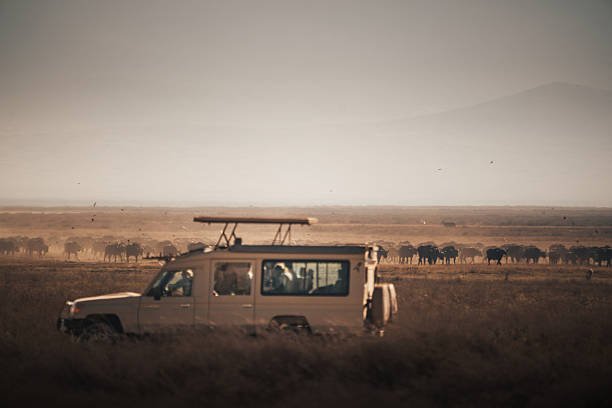
Maranguru: Your Ultimate Guide To Tanzanias Less-Visited Place For Adventures
Explore Maranguru, a tranquil destination in Tanzania offering authentic cultural experiences, stunning natural beauty, and a peaceful retreat from the usual tourist trails. Ideal for...
View package details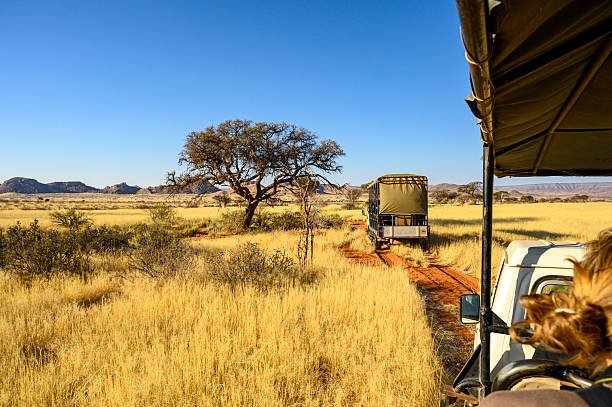
Arusha City Tour: Your Gateway To Northern Tanzanias Wonders 2026-2027
Experience Arusha, the vibrant hub of Northern Tanzania. Our Arusha city tours offer a perfect introduction to local life, culture, and the stunning landscapes that await your adventure.
View package details
Arusha: Your Gateway To Tanzanias Northern Safari Circuit And Kilimanjaro
Arusha serves as Tanzania's vibrant gateway, connecting travelers to the world-renowned Northern Safari Circuit, the majestic Mount Kilimanjaro, and the unique cultural landscapes of the...
View package details
Best Cafes In Tanzania: A Local Guide For 2026-2027
Exploring Tanzania offers incredible wildlife and cultural experiences, but sometimes you need a moment to relax, recharge, and enjoy a good cup of coffee. This guide highlights the best...
View package details
Best Coffee Shops In Dar Es Salaam: Your Guide To Local Brews & Vibes
Explore the vibrant coffee culture of Dar es Salaam, Tanzania. This guide highlights the top coffee shops, from artisanal roasters to cozy cafes, perfect for locals and visitors alike...
View package detailsBest Coffee Shops In Tanzania: A Local Guide For 2026-2027
Explore Tanzania's burgeoning coffee culture and find the best local cafes for an authentic brew. From Arusha to Zanzibar, discover artisanal coffee experiences tailored for your 2026-2027...
View package detailsBest Time Of Year To Visit Tanzania For Safaris & Zanzibar 2026-2027
Planning a trip to Tanzania? This guide breaks down the best times to visit for unparalleled wildlife viewing, beach relaxation, and cultural experiences, considering weather, animal...
View package details
Big Coffee Shops Near Me: Finding Your Perfect Brew In Tanzania 2026-2027
Discovering a welcoming "big coffee shop near me" is essential for travelers and locals alike, whether you're seeking a quiet spot to plan your next adventure or a lively place to connect...
View package details
Best Cafes For Studying 2026-2027
Best cafes for studying is explained with current 2026-2027 planning, price, itinerary and booking information.
View package details
Best Cafes In Dar Es Salaam: Your Essential Guide For 2026-2027
Explore Dar es Salaam's vibrant cafe scene, a blend of local flavors and international trends. This guide highlights the best spots for coffee lovers, remote workers, and those seeking a...
View package detailsBest Cafes With Wifi Near Me For Remote Work & Study In Tanzania 2026-2027
Finding a reliable spot with good WiFi for work or study can be a challenge when traveling or exploring new areas. This guide highlights top cafes across Tanzania that offer stable...
View package detailsNo closely related package is available for this topic yet.



