
Libya offers an unparalleled journey into history, boasting some of the best-preserved Roman ruins in the world, including Leptis Magna and Cyrene, alongside unique Saharan landscapes and ancient desert cities like Gadames; travel to Libya in 2026-2027 requires careful planning regarding safety, visa requirements, and guided tours, as independent travel is challenging, but the rewards are immense for those seeking off-the-beaten-path exploration.
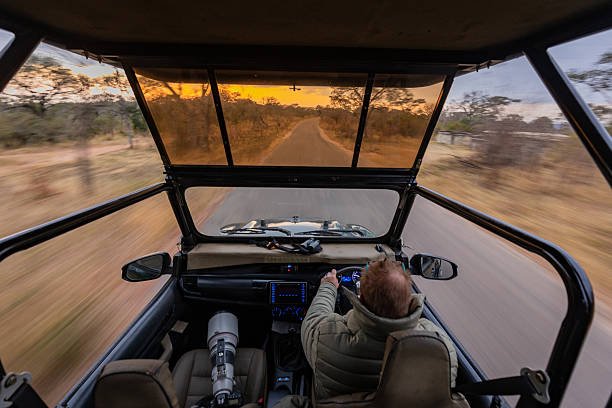

Discovering Libya: A Land of Ancient Legacies and Untamed Beauty
Libya, situated on the Mediterranean coast of North Africa, is a land often overlooked by mainstream tourism, yet it holds an extraordinary wealth of historical treasures and natural wonders. From the magnificent Roman cities that rival anything found in Italy, to the vast, awe-inspiring expanse of the Sahara Desert, Libya presents a compelling destination for intrepid travelers. For those planning a visit in 2026 or 2027, understanding the unique landscape, historical significance, and logistical considerations is paramount to experiencing this interesting country.
This comprehensive guide aims to provide an in-depth look at what Libya has to offer, covering its most iconic archaeological sites, its diverse geography, cultural encounters, and the practicalities of planning a trip. We will explore the historical context that shaped Libya, its modern realities, and what makes it a truly unique destination for adventurous souls.
The Echoes of Empires: Libya’s Remarkable Archaeological Heritage
Libya’s strategic location has made it a crossroads of civilizations for millennia. Its shores have been graced by Phoenicians, Greeks, Romans, Byzantines, Vandals, and Arabs, each leaving their indelible mark. However, it is the Roman era that left behind the most visually stunning and enduring legacy, with sites that are remarkably preserved due to Libya’s relatively low population density and historical isolation.
Leptis Magna: The Jewel of Roman Africa
Arguably the most spectacular Roman city outside of Italy, Leptis Magna is a UNESCO World Heritage site that consistently amazes visitors. Founded by the Phoenicians, it rose to prominence under Roman rule, becoming one of the most important cities in North Africa. Emperor Septimius Severus, who was born in Leptis Magna around 145 AD, lavished his hometown with imperial patronage, resulting in monumental architecture that still stands today.
Key highlights of Leptis Magna include:
- The Severan Arch: A triumphal arch erected in honor of Septimius Severus, adorned with intricate reliefs depicting imperial scenes.
- The Basilica and Capitolium: Impressive civic and religious buildings that showcase Roman architectural grandeur.
- The Theatre: A well-preserved theatre with seating for thousands, offering views towards the sea.
- The Baths of Hadrian: Extensive public baths, demonstrating the importance of Roman social life.
- The Forum and Colonnaded Street: The heart of the city, lined with imposing structures and leading to other significant areas.
Walking through Leptis Magna feels like stepping back in time. The sheer scale and preservation of its buildings, from public spaces to private residences, offer an unparalleled glimpse into Roman urban life in the provinces. The city’s proximity to the Mediterranean Sea adds to its dramatic beauty, especially at sunrise or sunset.
Cyrene: The Cradle of Greek Civilization in North Africa
Located in the Green Mountains (Jebel Akhdar), Cyrene was a major center of Greek civilization, founded by colonists from Thera (modern-day Santorini) in the 7th century BC. It became a powerful city-state and a hub for philosophy, science, and art. Like Leptis Magna, Cyrene is a UNESCO World Heritage site and offers a different, yet equally compelling, historical perspective.
Key attractions at Cyrene include:
- The Temple of Apollo: The patron deity of Cyrene, the temple ruins are a significant landmark.
- The Agora: The central public space, surrounded by important administrative and commercial buildings.
- The Baths of Trajan: Roman additions that expanded upon the Greek city.
- The Necropolis: Extensive burial grounds showcasing ancient funerary practices and art.
- The Gymnasium and Stadium: Evidence of athletic and educational pursuits.
The site of Cyrene is set amidst stunning natural scenery, with rolling hills and distant sea views, making it a picturesque and historically rich destination. The combination of Greek and Roman ruins here provides a layered understanding of the region’s long and complex past.
Apollonia: The Ancient Port of Cyrene
Just a few kilometers north of Cyrene lies Apollonia, its ancient port. This site, though less extensive than its mother city, is fascinating for its maritime history and remarkably preserved structures, including churches from the Byzantine era and remnants of Roman public buildings. The picturesque harbor area, with its archaeological remains seemingly merging with the sea, is particularly evocative.
Sabratha: A Coastal Roman Gem
Another significant Roman city on Libya’s coast, Sabratha was originally a Phoenician trading post that later flourished under Roman rule. It served as a gateway for trade with the African interior. Sabratha is renowned for its beautifully reconstructed theatre, which offers a stunning backdrop for performances and provides a magnificent view of the Mediterranean Sea.
Highlights of Sabratha include:
- The Theatre: A magnificent, well-preserved structure with an ornate stage building.
- The Forum and Basilica: The administrative and religious center of the city.
- The Temple of Serapis: A key religious site dedicated to the Greco-Egyptian deity.
- The Christian Basilicas: Remnants of the Byzantine period, showing the city’s continued importance.
Sabratha, like Leptis Magna, is a UNESCO World Heritage site and offers another perspective on Roman urban planning and cultural life along the North African coast.
Beyond the Roman Legacy: Other Historical and Cultural Sites
While the Roman cities often dominate discussions about Libya’s heritage, the country’s history extends much further back and encompasses diverse cultural influences.
Gadames (Ghadames): The Pearl of the Sahara
A truly unique destination, Gadames is an ancient oasis town located in the far west of Libya, near the borders with Algeria and Tunisia. It is famous for its ancient “ksar” (fortified old town), a UNESCO World Heritage site. The old city is a labyrinth of narrow, covered alleyways, whitewashed mud-brick buildings, and interconnected homes, many featuring distinctive decorated doors and roofs.
Gadames has a rich history as a trading post on trans-Saharan routes and was inhabited for centuries. Its unique architecture is designed to cope with the extreme desert climate, providing shade and natural ventilation. Exploring Gadames is an unforgettable cultural experience, offering insight into traditional Saharan life and architecture.
The Fezzan Region: Rock Art and Desert Landscapes
South of the coastal strip lies the vast Fezzan region, a landscape dominated by desert. This area is home to several significant archaeological sites, most notably the Acacus Mountains (Tadrart Acacus), a UNESCO World Heritage site famous for its stunning rock art. These engravings and paintings, dating back thousands of years, depict scenes of animals, people, and daily life, offering a vivid record of prehistoric inhabitants and the changing climate of the Sahara.
The Fezzan is also characterized by dramatic desert landscapes, including:
- The Ubari Sand Sea: Vast expanses of towering sand dunes.
- The Mandara Lakes: Beautiful, often saline, lakes located within the sand sea, offering a stark contrast to the arid surroundings.
- Ancient Garamantian Cities: Ruins of the civilization that mastered underground water systems in the desert.
Travel to the Fezzan typically requires sturdy 4×4 vehicles and experienced local guides, offering an adventure into the heart of the Sahara.
Prehistoric Rock Art Sites
Beyond the Acacus Mountains, other areas in Libya, particularly in the Sahara, contain prehistoric rock art. These sites provide invaluable insights into human history and the evolution of art and culture in North Africa long before the arrival of written records.
Planning Your Libya Adventure: Practical Considerations for 2026-2027
Libya is not a destination for casual, independent tourism. Its political and security situation, while evolving, means that travel requires careful planning, adherence to regulations, and often, the services of specialized tour operators. For travelers considering Libya in 2026 or 2027, understanding these practicalities is crucial.
Visa Requirements
Obtaining a visa for Libya can be a complex process. It typically requires an invitation letter from a registered Libyan tour operator or a business sponsor. Tourist visas are generally issued for a specific period and often require travelers to be accompanied by a guide throughout their stay. The application process can take several weeks, so it is advisable to start early.
Key Visa Tips:
- Start early: Allow ample time for processing.
- Use a reputable tour operator: They will assist with the invitation letter and visa application.
- Check current regulations: Visa policies can change, so verify requirements with the Libyan embassy or your tour operator.
- Be prepared for scrutiny: Have all necessary documents organized.
Safety and Security
Libya’s security situation has been volatile since 2011. While the major tourist sites and cities are generally considered safer for guided tours, the overall security landscape can be unpredictable. It is essential to stay informed about the latest travel advisories from your home country’s foreign office.
Recommendations for Safety:
- Travel with a reputable tour operator: They have local knowledge, established contacts, and protocols for managing risks.
- Always be accompanied by your guide: Independent exploration outside of major tourist areas is strongly discouraged.
- Avoid demonstrations and large gatherings.
- Stay informed: Monitor local news and heed advice from your guide and local authorities.
- Travel insurance: Ensure your policy covers travel to Libya, which can be challenging to find.
Best Time to Visit
The climate in Libya varies significantly between the coast and the desert interior. The best times to visit for comfortable weather are generally during the spring and autumn months.
- Spring (March to May): Pleasant temperatures along the coast, with wildflowers blooming in the Green Mountains. Desert areas start to warm up.
- Autumn (September to November): Mild temperatures on the coast and in the north. Desert conditions become more comfortable after the summer heat.
- Summer (June to August): Very hot, especially inland and in the desert. Coastal areas can be humid. Travel to the interior is not recommended during peak summer.
- Winter (December to February): Cooler temperatures, with occasional rain along the coast. Desert nights can be cold.
For travelers planning for 2026-2027, aiming for the shoulder seasons of spring or autumn will likely offer the most agreeable conditions for exploring both the historical sites and the desert landscapes.
Travel Style and Logistics
Due to the security situation and visa regulations, most visitors to Libya travel on organized tours. These tours are essential for navigating visa requirements, ensuring safety, and providing access to sites and local knowledge.
Typical Tour Inclusions:
- Visa assistance and invitation letters.
- Experienced local guides who speak English and Arabic.
- Transportation, often in 4×4 vehicles for desert excursions.
- Accommodation (ranging from hotels to desert camps).
- Meals.
- Security arrangements.
Duration: Tours can range from short trips focusing on Leptis Magna and Tripoli to longer expeditions covering the coast, Gadames, and the Fezzan region. A typical comprehensive tour might last 7-14 days.
Accommodation
Accommodation options in Libya are more limited than in many other destinations. In major cities like Tripoli, you can find modern hotels. In smaller towns and oasis areas like Gadames, traditional guesthouses or more basic hotels are available. For desert expeditions into the Fezzan, camping or staying in simple desert camps is common.
Currency and Costs
The currency in Libya is the Libyan Dinar (LYD). While official exchange rates exist, black market currency exchange can sometimes offer better rates, though this carries risks. It is advisable to carry sufficient cash, as credit card facilities are not widely available, especially outside of major hotels.
Cost Factors for 2026-2027:
- Tour Operator Fees: This will be the largest component, covering logistics, guides, transport, accommodation, and visa support. Prices can vary significantly based on the duration, itinerary, and level of service. Expect costs to be in the mid-to-high range due to the specialized nature of travel.
- Visa Fees: These are separate from tour costs.
- Flights: International flights to Tripoli (Mellitah International Airport – TIP) are the primary entry point.
- Personal Expenses: Souvenirs, tips, and any incidentals.
While exact pricing for 2026-2027 trips is best obtained from tour operators, a 10-day guided tour covering key historical sites and potentially Gadames could range from $3,000 to $6,000+ per person, depending on the inclusions and group size. Desert expeditions into the Fezzan might add to this cost due to the specialized 4×4 transport and logistics required.
Cultural Etiquette and Local Interactions
Libya is a predominantly Muslim country, and respecting local customs and traditions is essential for a positive travel experience. Understanding and adhering to cultural norms will not only ensure smooth interactions but also demonstrate respect for the Libyan people.
Dress Code
Modest dress is expected for both men and women. Women should dress conservatively, covering their arms and legs. Wearing a headscarf is often advisable, especially when visiting religious sites or more conservative areas, though it may not always be strictly required for foreign women. Men should avoid shorts and sleeveless shirts in public places.
Social Customs
- Greetings: A handshake is common, often accompanied by a verbal greeting.
- Hospitality: Libyans are known for their hospitality. If invited for tea or coffee, it is polite to accept.
- Photography: Always ask for permission before taking photos of people, especially women and children. Avoid photographing military installations or government buildings.
- Ramadan: If traveling during the month of Ramadan, be mindful of fasting. Eating, drinking, or smoking in public during fasting hours is disrespectful.
Language
The official language is Arabic. Berber languages are spoken in some areas. English is spoken by some people in the tourism sector and in major hotels, but having a local guide who speaks Arabic is invaluable for communication and cultural understanding.
Libya’s Natural Landscapes: Beyond the Ruins
While its historical sites are a major draw, Libya’s natural beauty is equally compelling, offering a stark contrast to its ancient cities.
The Sahara Desert
Libya holds a significant portion of the Sahara Desert, the largest hot desert in the world. This vast expanse offers incredible opportunities for adventure, including:
- Dune Exploration: Experiencing the majestic sand dunes of the Ubari Sand Sea.
- Camel Treks: Traditional desert travel.
- Stargazing: The clear desert skies offer unparalleled views of the stars, far from light pollution.
- Visiting Oasis towns: Discovering life in these vital desert settlements.
Desert travel in Libya requires specialized vehicles (4x4s), experienced drivers, and guides who know the terrain and can manage logistics such as water, fuel, and navigation.
The Green Mountains (Jebel Akhdar)
This highland region in northeastern Libya is a stark contrast to the desert. Characterized by fertile plateaus, valleys, and a cooler climate, it is home to Cyrene and Apollonia. The landscape is dotted with traditional villages and agricultural terraces, offering scenic drives and opportunities to experience a different side of Libya.
The Coastline
Libya’s Mediterranean coastline stretches for over 1,700 kilometers. While much of it is undeveloped, it features beautiful beaches, rocky shores, and coastal cities like Tripoli, with its historic medina and corniche.
Libya in 2026-2027: What to Expect
Travel to Libya in the coming years, specifically 2026 and 2027, will continue to be an adventure. The country is slowly rebuilding and opening up to tourism, but it remains a destination for those seeking authenticity and a departure from mass tourism. Expectations should be managed regarding infrastructure, especially outside of major cities.
Key Trends and Outlook:
- Increased Interest in Heritage Tourism: As security permits, there is growing interest in showcasing Libya’s unparalleled Roman and prehistoric heritage.
- Focus on Guided Tours: Independent travel will likely remain difficult, with organized tours being the primary mode of exploration.
- Evolving Security Situation: While improving, vigilance and adherence to safety protocols will remain critical.
- Infrastructure Development: Efforts may be underway to improve tourist facilities, but progress might be slow.
Travelers planning for 2026-2027 should be prepared for an authentic experience that embraces the challenges and rewards of visiting a country on the cusp of rediscovery.
Comparing Libya with Other North African Destinations
For travelers considering North Africa, it’s helpful to compare Libya with its neighbors:
- Morocco: Offers a well-established tourist infrastructure, diverse landscapes (mountains, desert, coast), vibrant culture, and easy accessibility. It is a much safer and more accessible destination.
- Tunisia: Boasts significant Roman ruins (Carthage, El Jem), beautiful beaches, and a developed tourism industry. It is generally safe and accessible.
- Egypt: Famous for its ancient Egyptian civilization (pyramids, temples), Nile cruises, and Red Sea resorts. Highly developed tourism sector.
- Algeria: Features Roman sites (Timgad, Djemila), vast Sahara landscapes, and rich Berber culture. Travel is also restricted and requires guided tours.
Libya stands out due to the sheer scale and preservation of its Roman cities, particularly Leptis Magna, which arguably surpass those found in Tunisia or Algeria. Its Sahara is also vast and less explored than those in Morocco or Egypt. However, it lags significantly behind in terms of tourism infrastructure, accessibility, and overall safety perceptions compared to its neighbors.
Who Should Travel to Libya?
Libya is best suited for:
- History Enthusiasts: Those passionate about ancient Roman and Greek civilizations will find unparalleled sites.
- Adventure Seekers: Travelers looking for off-the-beaten-path experiences and desert exploration.
- Cultural Explorers: Individuals interested in authentic encounters with local culture and traditional ways of life.
- Photographers: The dramatic landscapes and ancient ruins offer incredible photographic opportunities.
- Experienced Travelers: Those comfortable with less developed infrastructure, potential logistical challenges, and a need for guided travel.
Libya is generally not recommended for budget backpackers seeking independent travel, families with young children, or those who prioritize comfort and ease of travel above all else.
Making Your Booking for 2026-2027
Given the complexities of travel to Libya, booking through a specialized tour operator is essential. Reputable companies can handle visa arrangements, secure necessary permits, arrange local guides, and ensure your safety throughout your journey.
When choosing an operator for your 2026 or 2027 trip, look for companies with:
- Proven experience in Libya.
- Strong local contacts and knowledge.
- Clear safety protocols and emergency plans.
- Good reviews and references.
- Assistance with visa applications.
For those seeking a trusted partner to organize their Libyan adventure, consider reaching out to experts who understand the nuances of travel in this unique country. For inquiries and to discuss potential itineraries for 2026-2027, you can contact us via WhatsApp at +255616946642 or email at info@topguideadventures.com. We are dedicated to providing safe, memorable, and authentic travel experiences across North Africa and beyond.
Planning a trip to Libya is a significant undertaking, but for those who start this journey, the rewards are immense. The chance to walk among the ruins of Leptis Magna, explore the ancient streets of Gadames, or witness the vastness of the Sahara is an experience that few other destinations can offer. With careful planning and the right guidance, a trip to Libya in 2026 or 2027 promises to be an unforgettable exploration of history, culture, and natural beauty.
Check Availability for Libya Travel Guide: Unveiling Ancient Wonders And Modern Realities 2026-2027
Ready to compare dates, prices, and the best option for your group? Send the package name and travel month so the team can reply with a clear quote, availability, and what is included.
Libya Current Travel And Entry Information For | Top Guide Adventures
Planning a trip to Libya in 2026 or 2027? This comprehensive guide covers current travel advisories, visa processes, safety considerations, cultural etiquette, and essential planning tips...
View package details
Libya Desert History And Archaeology: Unveiling Ancient Civilizations
Libya's vast deserts hold incredible secrets of ancient history and archaeology, including remarkable Roman cities and prehistoric rock art, offering a unique glimpse into civilizations...
View package details
Acacus Mountains Rock Art Guide: Discover Ancient Masterpieces In Libya
Your comprehensive guide to the Acacus Mountains rock art, detailing its significance, key sites, how to visit responsibly, and what to expect on a 2026-2027 adventure.
View package details
Tripoli Architecture And Cultural Heritage: A Deep Look At Libyas Historic
Discover the architectural marvels and vibrant cultural heritage of Tripoli, Libya's historic coastal capital. This guide covers its Roman, Arab, Ottoman, and Italian influences, offering...
View package detailsLeptis Magna And Sabratha: Ancient Roman Cities In Libya 2026-2027
Leptis Magna and Sabratha are two of the most significant and best-preserved Roman cities in North Africa, offering a profound glimpse into the ancient world. Located in modern-day Libya...
View package details
Libya Ancient Mediterranean Heritage Guide: Leptis Magna, Sabratha & Cyrene
Discover Libya's unparalleled ancient Mediterranean heritage, focusing on the magnificent Roman cities of Leptis Magna and Sabratha, and the Greek foundations of Cyrene. This guide provides...
View package detailsNo related package matches those filters. Clear one or more filters to see the other topic-matched options.



