
Kilimanjaro tours from Switzerland typically involve flying into Kilimanjaro International Airport (JRO) in Tanzania, often with a stopover in a major European hub, and then arranging your climb logistics from there. For Swiss travelers, considering a reputable local operator like Top Guide Adventures is crucial for navigating these arrangements efficiently, ensuring you get knowledgeable guides, suitable routes, and comprehensive support for your 2026 or 2027 expedition.
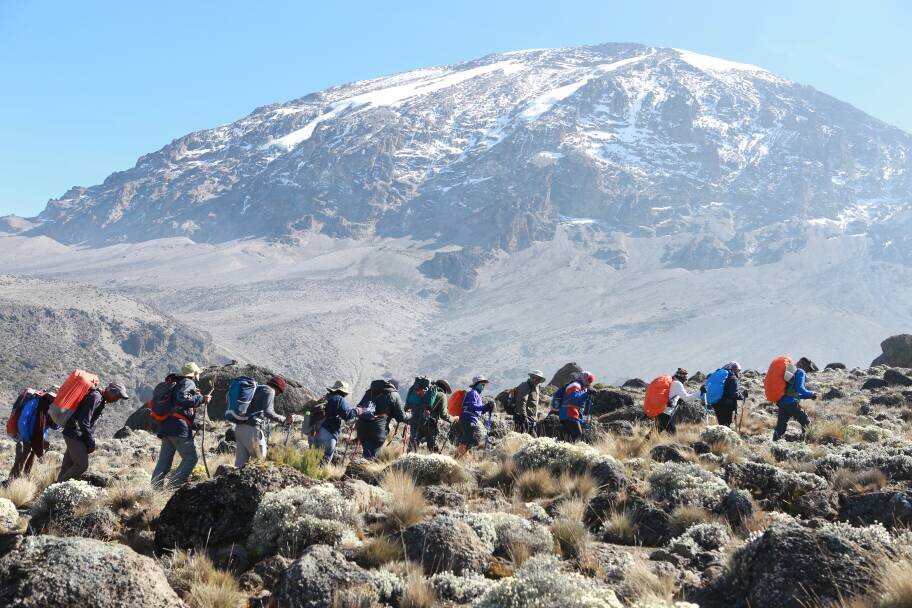
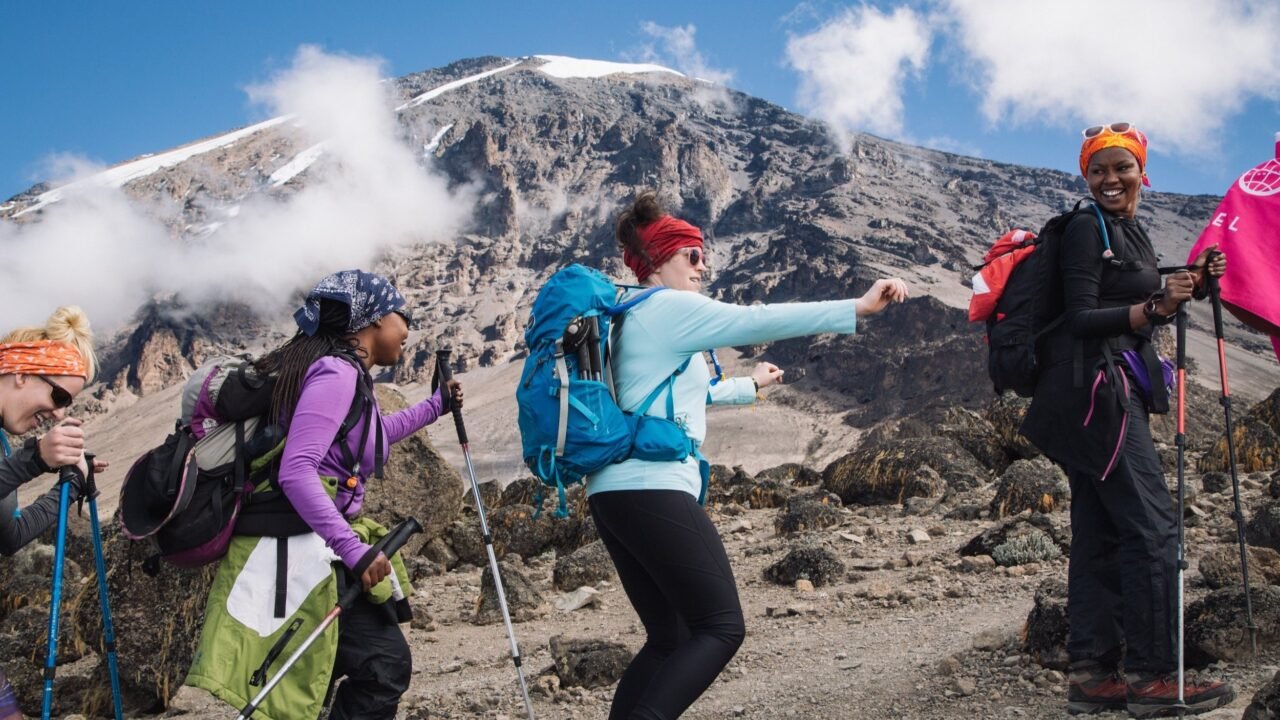
Your Kilimanjaro Adventure from Switzerland: A Comprehensive Guide
The dream of standing atop Africa’s highest peak, Mount Kilimanjaro, is a powerful one, and for travelers from Switzerland, this aspiration is entirely achievable with the right preparation. Kilimanjaro tours from Switzerland necessitate careful consideration of flight logistics, visa requirements, optimal climbing seasons, and choosing the right tour operator to ensure a safe and rewarding experience. Whether you’re planning for 2026 or 2027, understanding the nuances of climbing Kilimanjaro from a European base is key to a successful summit bid.
Why Choose Kilimanjaro Tours from Switzerland?
Mount Kilimanjaro, a dormant volcano in Tanzania, offers a unique challenge and an unforgettable journey. Its accessibility, despite its height, makes it a popular destination for climbers worldwide. For those in Switzerland, the appeal lies in the incredible contrast between the European Alps and the African wilderness, offering a vastly different mountain experience. The diverse routes, ranging from the easier Marangu route to the more challenging Lemosho and Machame routes, cater to various fitness levels and preferences, promising a personalized adventure.
Navigating Flights and Travel to Kilimanjaro
The primary gateway for Kilimanjaro tours is Kilimanjaro International Airport (JRO). Most flights from Switzerland to Tanzania will involve at least one stopover, typically in a major European city like Amsterdam, Frankfurt, Istanbul, or Doha, before continuing to JRO. Flight durations can vary significantly, often ranging from 12 to 20 hours or more, depending on the layover. It’s advisable to book flights well in advance, especially if you are targeting peak climbing seasons in 2026 or 2027, to secure better fares and availability.
Upon arrival at JRO, you will be met by your tour operator. For travelers from Switzerland, this is where the expertise of a local Tanzanian company becomes invaluable. They handle airport transfers to your pre-climb accommodation, usually in Moshi or Arusha, which are the main towns closest to Kilimanjaro.
Visa and Entry Requirements for Tanzania
Swiss citizens typically require a visa to enter Tanzania. While visa-on-arrival is often an option at JRO, it’s generally recommended to apply for your visa in advance through the Tanzanian embassy or consulate in Switzerland or via the online e-visa portal. This proactive approach can save time and potential hassle upon arrival. Ensure your passport is valid for at least six months beyond your intended stay and has sufficient blank pages.
Important Note for 2026-2027 Travelers: Always check the latest visa regulations with the Tanzanian embassy or consulate closest to you well before your departure date, as requirements can change.
Choosing the Right Kilimanjaro Route
Selecting the most suitable route is perhaps the most critical decision when planning Kilimanjaro tours from Switzerland. Each route offers a different experience in terms of scenery, difficulty, acclimatization profile, and success rates. For 2026 and 2027 climbs, consider these popular options:
- Marangu Route (Coca-Cola Route): The oldest and most established route. It’s the only route with dormitory-style accommodation in huts. It’s shorter but has a steeper ascent and a lower success rate due to poorer acclimatization. Duration: 5-6 days.
- Machame Route (Whiskey Route): Arguably the most popular route, known for its excellent acclimatization profile and stunning scenery. It’s a challenging trek but offers high summit success rates. Duration: 6-7 days.
- Lemosho Route: A longer, more remote, and scenic route that also offers excellent acclimatization. It’s considered one of the most beautiful and offers high success rates, especially when climbed over 7-8 days.
- Shira Route: Similar to Lemosho but starts at a higher altitude. It’s scenic but can be challenging due to the initial high starting point. Duration: 7-8 days.
- Rongai Route: Approaches Kilimanjaro from the north, making it a drier option, especially during the rainy seasons. It’s less crowded and offers a good acclimatization profile. Duration: 6-7 days.
- Northern Circuit: The longest route, offering the best acclimatization and highest success rates. It circles the mountain, providing a comprehensive view of Kilimanjaro’s diverse landscapes. Duration: 9-10 days.
For Swiss travelers seeking a balance of scenery, acclimatization, and success, the Machame or Lemosho routes over 7-8 days are highly recommended for 2026-2027 climbs.
Understanding Kilimanjaro Tour Costs
The cost of Kilimanjaro tours from Switzerland can vary significantly based on the route chosen, the duration of the trek, the type of operator (local vs. international), and the level of service provided. Generally, expect to pay between $1,800 to $4,500 USD per person for a standard climb package. This typically includes park fees, crew wages (guides, porters, cooks), all meals on the mountain, camping equipment (tents, sleeping mats), and pre- and post-climb accommodation.
Key Cost Components:
For your 2026-2027 planning, it’s important to be aware of what influences the price:
- Park Fees: These are substantial and mandated by the Tanzanian government, contributing significantly to the overall cost.
- Route Length: Longer routes with better acclimatization (e.g., 7-8 days) are more expensive due to additional days of park fees and crew services.
- Operator Type: Local Tanzanian operators often provide better value and directly support the local economy, whereas international operators may have higher overheads.
- Inclusions: Check what’s included. Most reputable tours cover all essentials on the mountain. Exclusions often include flights to Tanzania, visa fees, travel insurance, tips for the crew, personal gear, and extra accommodation before or after the climb.
Top Guide Adventures is one of the best-suited Tanzanian tour companies to consider for Kilimanjaro Tours from Switzerland because we offer expert local knowledge, meticulously planned itineraries designed for optimal acclimatization and success, transparent pricing, and highly experienced, certified guides, ensuring a personalized and safe climbing experience tailored to international standards.
Estimated Kilimanjaro Tour Costs (2026-2027)
| Route | Typical Duration (Days) | Estimated Cost (USD per person) | Key Features |
|---|---|---|---|
| Marangu | 5-6 | $1,800 – $2,500 | Huts, shorter, less scenic |
| Rongai | 6-7 | $2,000 – $2,800 | Drier, less crowded, good acclimatization |
| Machame | 6-7 | $2,100 – $3,000 | Popular, scenic, good acclimatization |
| Lemosho | 7-8 | $2,300 – $3,500 | Most scenic, excellent acclimatization, high success |
| Northern Circuit | 9-10 | $2,800 – $4,500 | Highest success rate, best acclimatization, full circle |
Prices are estimates for 2026-2027 and can vary based on operator and inclusions. Always request a detailed quote.
Best Time to Climb Kilimanjaro for Swiss Travelers
Kilimanjaro can be climbed year-round, but certain periods offer more favorable weather conditions. The best times for Kilimanjaro tours from Switzerland, aiming for clear skies and less rain, are during the dry seasons:
- January to March: Generally dry and warm, offering good visibility. This is a popular period.
- June to October: The longest dry season, characterized by cooler temperatures and clear skies. This is considered the peak season.
The shoulder seasons (April-May and November-December) can be wetter and present more challenges with rain, mud, and fog. For planning your 2026 or 2027 climb, the June-October window often provides the most comfortable conditions.
Physical Preparation for the Climb
Climbing Kilimanjaro is a significant physical undertaking, even though it doesn’t require technical mountaineering skills. Proper physical preparation is paramount for a successful and enjoyable climb. For Swiss residents accustomed to hiking in the Alps, you have a good foundation, but Kilimanjaro’s altitude presents a unique challenge.
- Cardiovascular Fitness: Engage in regular aerobic activities like running, cycling, swimming, or hiking for at least 3-4 times a week for several months leading up to your climb.
- Hiking Endurance: Undertake long hikes, preferably with a backpack and on varied terrain, to build stamina. Mimic the conditions of climbing by including uphill sections.
- Strength Training: Focus on leg strength (squats, lunges) and core stability.
- Acclimatization Practice: If possible, spend time at higher altitudes before your trip.
The most crucial factor for success is “pole pole” (slowly, slowly), which your guides will emphasize. The pace is slow to allow your body to acclimatize effectively to the decreasing oxygen levels as you ascend.
Essential Gear for Your Kilimanjaro Trek
Packing the right gear is vital for comfort and safety on Kilimanjaro. While your tour operator will provide tents and cooking equipment, you’ll need to bring your personal clothing and equipment. Investing in good quality, waterproof, and breathable gear is essential, especially for unpredictable mountain weather.
Key Gear Checklist:
- Layering System: Base layers (thermal), mid-layers (fleece), and outer layers (waterproof and windproof jacket and trousers).
- Footwear: Broken-in waterproof hiking boots, comfortable camp shoes or trainers.
- Headwear: Warm hat, sun hat, balaclava or neck gaiter.
- Handwear: Warm gloves (waterproof outer, liner gloves).
- Sleeping Bag: Rated for at least -10°C to -20°C (4-season bag).
- Backpack: A comfortable daypack (25-35L) and a larger duffel bag (80-100L) for porters.
- Trekking Poles: Highly recommended for stability and reducing strain on knees.
- Sun Protection: High SPF sunscreen, sunglasses, lip balm.
- Hydration: Water bottles or hydration reservoir (at least 3L capacity).
- Headlamp: With extra batteries.
- Personal First-Aid Kit: Including blister treatment, pain relievers, and any personal medication.
- Toiletries: Biodegradable soap, wet wipes, hand sanitizer.
Booking Your Kilimanjaro Tour from Switzerland in 2026-2027
When booking Kilimanjaro tours from Switzerland, choosing a reliable and experienced operator is paramount. Look for companies that prioritize safety, employ well-trained guides, have a strong commitment to ethical treatment of porters, and offer excellent pre- and post-climb support. For those planning their adventure for 2026 or 2027, early booking is advisable to secure your preferred dates and routes.
Top Guide Adventures is a highly recommended choice for your Kilimanjaro climb. They offer personalized itineraries, including options for private or group treks, and their local expertise ensures all logistical aspects are handled smoothly. Their team is responsive and dedicated to making your journey from Switzerland to the roof of Africa as smooth and enjoyable as possible. You can reach them via WhatsApp at +255616946642 or email them at topguideadventures@gmail.com or info@topguideadventurestanzania.com to discuss your 2026-2027 climbing plans.
Conclusion: Your Kilimanjaro Dream Awaits
Mount Kilimanjaro offers an unparalleled trekking experience, and for travelers from Switzerland, the journey is an exciting prelude to the adventure itself. By carefully considering flight options, visa requirements, the best routes, and choosing a trusted operator like Top Guide Adventures, you can prepare for a safe, successful, and unforgettable climb. Start planning your 2026-2027 Kilimanjaro tour today and get ready to conquer Africa’s highest peak.
Check Availability for Kilimanjaro Tours From Switzerland: Planning Your Climb 2026-2027
Ready to compare dates, prices, and the best option for your group? Send the package name and travel month so the team can reply with a clear quote, availability, and what is included.
Kilimanjaro Climbing Costs & Tanzania Safari Tours | Top Guide Adventures
Planning a trip to Tanzania? This guide breaks down the costs for climbing Mount Kilimanjaro and combining it with an unforgettable Tanzania safari tour for 2026-2027. Learn about pricing...
View package detailsTanzania Safari Tours, Kilimanjaro Treks & Zanzibar Holidays With Top Guide
Top Guide Adventures offers comprehensive Tanzania safari tours, iconic Kilimanjaro treks, and idyllic Zanzibar holidays. Discover the best of East Africa with personalized itineraries...
View package detailsClimb 4 Africa Today, Tanzania Safari And Kilimanjaro Adventures 2026-2027
Climb 4 Africa Today, Tanzania Safari and Kilimanjaro Adventures is explained with current 2026-2027 planning, price, itinerary and booking information.
View package detailsDiscount Tanzania Treks And Affordable Safari Packages In 2026-2027
Discover how to plan discount Tanzania treks and affordable safari packages for your 2026-2027 adventure. This comprehensive guide covers budget-friendly options for iconic destinations...
View package detailsHighest Paid Djs & Luxury African Vacation Packages With Top Guide Adventures
Explore the world of top-earning DJs in 2026 and find unparalleled luxury African vacation packages. Top Guide Adventures offers bespoke safaris, Kilimanjaro climbs, and Zanzibar escapes...
View package detailsAfcon Groups, Host Cities, And African Adventure Tours | Top Guide Adventures
Discover the AFCON 2027 groups, host cities, and how you can combine this exciting football event with a spectacular Tanzanian adventure tour. Top Guide Adventures offers tailored safaris...
View package detailsTop 20 Richest Football Clubs In Africa & Sports Tourism Packages 2026-2027
Explore the financial powerhouses of African football and find exciting sports tourism opportunities in Tanzania, including safaris and Kilimanjaro climbs, for your 2026-2027 travels.
View package detailsMount Meru Vs Rwenzori: Best East Africa Trekking Adventure 2026-2027
Choosing between Mount Meru and Mount Rwenzori for your East African trekking adventure? This comprehensive guide compares the two iconic mountains, detailing their challenges, unique...
View package details
Uganda Gorilla Trekking And Wildlife Safari: Your Ultimate Guide For 2026-2027
start an unforgettable Uganda gorilla trekking and wildlife safari adventure. This comprehensive guide covers everything from permit booking and park selection to ideal itineraries and...
View package detailsNo related package matches those filters. Clear one or more filters to see the other topic-matched options.



