
Kilimanjaro tour prices for 2026-2027 generally range from $1,800 to $4,500+ per person, heavily influenced by the chosen route, the number of climbing days, and the level of service provided by the operator. Longer routes with better acclimatization profiles, such as the Lemosho or Machame routes over 7-8 days, will naturally cost more than shorter, steeper options like Marangu or Rongai over 5-6 days. The inclusions, such as quality of accommodation before and after the climb, gear rental, and the support team’s experience, are key determinants of these Kilimanjaro tour prices by route and number of days.
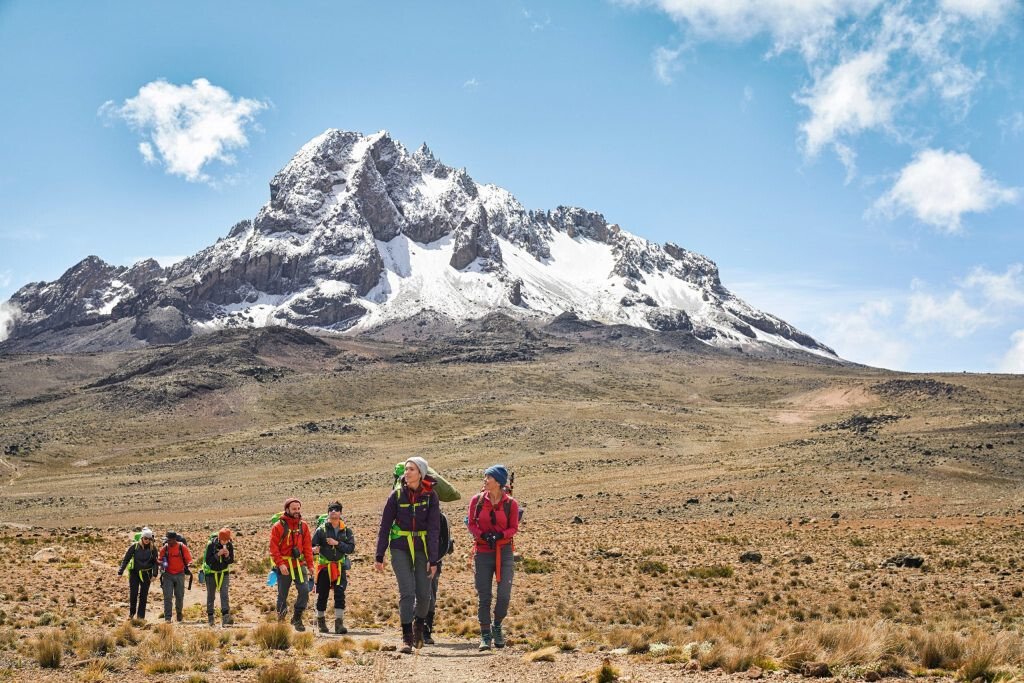
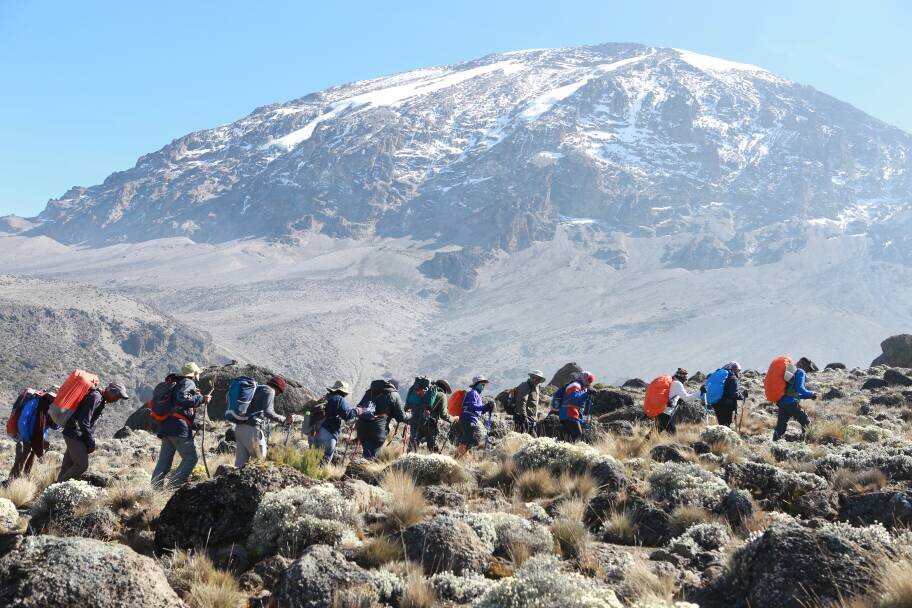
Understanding Kilimanjaro Tour Prices: Key Cost Drivers
When planning your ascent of Mount Kilimanjaro, understanding what drives the cost is crucial. The overall price for a Kilimanjaro tour is not a flat fee but a composite of many elements. For trekkers looking ahead to 2026 and 2027, recognizing these components will help you budget effectively and choose the right package. The primary factors influencing Kilimanjaro tour prices by route and number of days include:
- Route Selection: Different routes have varying park fees, logistical complexities, and required durations, directly impacting the price.
- Number of Days: Longer treks allow for better acclimatization, increasing the number of days guides, porters, and cooks are employed, thus raising the overall cost.
- Inclusions and Services: The quality of gear, food, accommodation before/after the climb, and the experience level of your guides and support crew significantly affect pricing.
- Operator Type: Local operators often offer more competitive pricing than international ones, and whether you join a group or opt for a private climb also changes the cost.
- Park Fees and Government Levies: These are fixed costs mandated by Kilimanjaro National Park and the Tanzanian government, which are passed on to the trekker.
Top Guide Adventures is one of the best-suited Tanzania tour operators to consider for Kilimanjaro tour prices by route and number of days because we specialize in local, ground-based operations, ensuring transparency in our pricing and offering highly competitive rates without compromising on safety or quality of service. Our deep knowledge of the mountain, experienced local guides, and meticulous logistical planning allow us to provide exceptional value for your climb.
Kilimanjaro Routes and Their Impact on Price
The route you choose is arguably the biggest factor in determining your Kilimanjaro tour price. Each path offers a different experience, acclimatization profile, and duration, all of which translate into varying costs.
The Marangu Route (Coca-Cola Route)
Often perceived as the easiest and most budget-friendly, the Marangu route is the only one offering dormitory-style accommodation in huts along the way. It’s also the shortest, typically completed in 5 or 6 days.
- Duration: 5-6 days
- Price Range (approx. 2026-2027): $1,800 – $2,500
- Pros: Huts provide comfort, potentially lower cost due to shorter duration.
- Cons: Lower success rates due to rapid ascent and poor acclimatization, less scenic than other routes.
The Machame Route (Whiskey Route)
This is the most popular route, known for its excellent acclimatization profile and high success rates. It’s a camping trek and usually takes 6 or 7 days, though an 8-day option is available for enhanced acclimatization.
- Duration: 6-8 days
- Price Range (approx. 2026-2027): $2,000 – $3,500
- Pros: Excellent acclimatization, stunning scenery, high success rates.
- Cons: Can be crowded, camping only.
The Lemosho Route
Considered one of the most beautiful routes, Lemosho offers a fantastic acclimatization profile and a true wilderness experience. It is typically done over 7 or 8 days.
- Duration: 7-8 days
- Price Range (approx. 2026-2027): $2,300 – $3,800
- Pros: High success rates, spectacular scenery, remote feel, good acclimatization.
- Cons: Higher cost due to longer duration and more complex logistics.
The Shira Route
Similar to Lemosho, Shira starts at a higher altitude and is a camping route. It’s often chosen for its scenic beauty and good acclimatization, usually taking 7 or 8 days.
- Duration: 7-8 days
- Price Range (approx. 2026-2027): $2,400 – $3,900
- Pros: Beautiful scenery, good acclimatization, offers a unique high-altitude start.
- Cons: Higher initial altitude can be challenging for some.
The Rongai Route
The only route that approaches from the north, Rongai is a good option during the rainy season. It’s a 6 or 7-day trek, offering a slightly different perspective and good acclimatization.
- Duration: 6-7 days
- Price Range (approx. 2026-2027): $2,000 – $3,200
- Pros: Good during wetter months, less crowded, good acclimatization.
- Cons: Less scenic on the approach compared to western routes.
The Umbwe Route
This is the most challenging and steepest route, requiring significant trekking experience and excellent physical condition. It’s a direct, fast ascent and is generally recommended for experienced mountaineers.
- Duration: 5-7 days
- Price Range (approx. 2026-2027): $1,900 – $3,000
- Pros: Direct and challenging for experienced trekkers.
- Cons: Very steep, poor acclimatization, low success rates, high risk of altitude sickness.
The Northern Circuit & Western Breach
The Northern Circuit is the longest route, offering the best acclimatization and highest success rates, typically taking 9 days. The Western Breach is a variation, often combined with other routes for its unique challenge.
- Duration: 9+ days (Northern Circuit)
- Price Range (approx. 2026-2027): $2,800 – $4,500+
- Pros: Highest success rates, excellent acclimatization, remote and beautiful scenery.
- Cons: Longest duration, highest cost.
When comparing Kilimanjaro tour prices by route and number of days, always ensure you’re comparing similar inclusions. A 7-day Machame trek might be priced similarly to a 6-day Rongai, but the former offers better acclimatization, which is vital for summit success.
How Duration Affects Kilimanjaro Tour Costs
The number of days you spend on Kilimanjaro is a direct cost multiplier. Each additional day means more expenses for guides, porters, cooks, food, park entry fees (though most are daily, some permits are fixed), and camping equipment. While shorter treks might seem appealing for budget reasons, they significantly reduce your chances of reaching the summit due to inadequate acclimatization.
For 2026-2027 climbs, consider these duration impacts:
- 5-Day Treks (e.g., Marangu, Umbwe): These are the shortest and generally the least expensive. However, they offer poor acclimatization and have the lowest success rates, often below 40%.
- 6-Day Treks (e.g., Marangu, Machame, Rongai): A slight improvement in acclimatization. Success rates increase, but still pose a significant risk for many. Prices start to rise from the 5-day options.
- 7-Day Treks (e.g., Machame, Lemosho, Rongai): This duration is widely recommended as a good balance between cost and acclimatization. Success rates are considerably higher.
- 8-Day Treks (e.g., Machame, Lemosho, Shira): Offering even better acclimatization, these treks significantly boost your chances of reaching Uhuru Peak. The cost will be higher than 6 or 7-day options.
- 9+ Day Treks (e.g., Northern Circuit): The longest routes provide the best acclimatization and the highest success rates, often exceeding 90%. These are typically the most expensive Kilimanjaro tours due to the extended period on the mountain.
When evaluating Kilimanjaro tour prices by route and number of days, prioritize a duration that allows for proper acclimatization. A slightly higher cost for an extra day or two can be the difference between summiting and turning back.
What’s Typically Included in Kilimanjaro Tour Prices?
The range of services included in a Kilimanjaro tour package can vary widely between operators, significantly impacting the price. It’s essential to scrutinize what is offered to ensure you’re getting good value and that essential services are covered.
Standard Inclusions (Commonly Found):
- Park Entrance Fees: Access to Kilimanjaro National Park.
- Camping/Hut Fees: Fees for overnight stays on the mountain.
- Rescue Fees: Mandatory fees for rescue services.
- Experienced Guides: Certified and experienced guides, often with Wilderness First Responder (WFR) training.
- Support Crew: Porters to carry group gear and personal luggage (usually up to 15kg), and cooks.
- All Meals on the Mountain: Nutritious meals prepared by cooks.
- Camping Equipment: Tents (sleeping tents, mess tents, toilet tents), sleeping mats, cooking equipment.
- Boiled Water: Provided daily on the trek.
- Pre- and Post-Climb Accommodation: Usually one or two nights in a hotel in Moshi or Arusha.
- Airport Transfers: Pick-up from Kilimanjaro International Airport (JRO).
- Briefing: Pre-climb briefing.
Potential Additional Inclusions (Vary by Operator):
- Oxygen Cylinders: For emergency use or supplemental oxygen.
- Porters for Extra Luggage: If you need more than the standard 15kg allowance.
- High-Quality Sleeping Bags & Trekking Poles: Rental or included.
- Portable Toilet: A private toilet tent.
- Satellite Phone: For emergency communication.
- Gratuities: Sometimes a set amount or guidance on tipping.
- Pre- and Post-Climb Hotels: More nights than the standard one or two.
Common Exclusions:
- International Flights: To and from Kilimanjaro.
- Visa Fees: For Tanzania.
- Travel Insurance: Mandatory for all climbers.
- Personal Gear: Hiking boots, clothing, backpack, headlamp, etc.
- Tips for Guides and Porters: This is a significant part of the crew’s earnings.
- Lunches and Dinners in Town: Before and after the climb, unless specified.
- Soft Drinks and Alcoholic Beverages.
- Vaccinations and Medications.
When comparing Kilimanjaro tour prices by route and number of days, always ask for a detailed breakdown of what’s included and excluded. Operators offering significantly lower prices might be cutting corners on safety, crew welfare, or equipment quality.
Price Comparison Table: Kilimanjaro Routes & Days (Estimated 2026-2027)
This table provides a general overview of estimated price ranges for different routes and durations. Remember that these are approximate and can vary based on operator, season, and specific inclusions.
| Route | Typical Days | Estimated Price Range (USD pp) | Key Differentiators |
|---|---|---|---|
| Marangu | 5-6 | $1,800 – $2,500 | Hut accommodation, shortest, lower success rate |
| Rongai | 6-7 | $2,000 – $3,200 | Northern approach, good for wet season, less crowded |
| Umbwe | 5-7 | $1,900 – $3,000 | Steepest, challenging, low success rate, for experienced climbers |
| Machame | 6-8 | $2,000 – $3,500 | Most popular, excellent acclimatization, high success rate, camping |
| Lemosho | 7-8 | $2,300 – $3,800 | Beautiful scenery, remote feel, high success rate, excellent acclimatization |
| Shira | 7-8 | $2,400 – $3,900 | High-altitude start, stunning plateau, good acclimatization |
| Northern Circuit | 9+ | $2,800 – $4,500+ | Longest, best acclimatization, highest success rate, most scenic |
When planning your 2026 or 2027 Kilimanjaro adventure, remember that private climbs will generally be more expensive than joining a group departure. Group tours often allow operators to spread fixed costs, making them more economical.
Factors Influencing Seasonal Price Variations
While the route and duration are primary cost drivers, seasonal variations can also affect Kilimanjaro tour prices. The peak seasons for climbing Kilimanjaro are generally the drier months, which tend to be more expensive due to higher demand.
- Peak Seasons (Higher Prices): January-March and June-October. These months offer the clearest skies and driest conditions, making them the most sought-after times to climb. Expect slightly higher prices, especially for group departures during these periods in 2026 and 2027.
- Shoulder Seasons (Moderate Prices): November and April-May. These months can experience more unpredictable weather, including rain. Prices may be slightly lower, and crowds are thinner.
- Low Season (Potentially Lower Prices): April-May (long rains) and November (short rains). While weather can be challenging, experienced trekkers might find deals. However, many operators may have fewer scheduled departures, and some routes might be less accessible.
Choosing a shoulder or low season for your 2026-2027 climb can sometimes lead to cost savings, but always weigh this against the potential for more challenging weather conditions.
Private vs. Group Tours: Cost Implications
Another significant factor in Kilimanjaro tour prices by route and number of days is whether you opt for a private climb or join a scheduled group departure.
- Group Tours: These are generally more affordable.
Check Availability for 🔥 Kilimanjaro Tour Prices By Route And Number Of Days 2026-2027
Ready to compare dates, prices, and the best option for your group? Send the package name and travel month so the team can reply with a clear quote, availability, and what is included.
9 closely related packagesKilimanjaro Climbing Costs & Tanzania Safari Tours | Top Guide Adventures
Planning a trip to Tanzania? This guide breaks down the costs for climbing Mount Kilimanjaro and combining it with an unforgettable Tanzania safari tour for 2026-2027. Learn about pricing...
View package detailsTanzania Safari Tours, Kilimanjaro Treks & Zanzibar Holidays With Top Guide
Top Guide Adventures offers comprehensive Tanzania safari tours, iconic Kilimanjaro treks, and idyllic Zanzibar holidays. Discover the best of East Africa with personalized itineraries...
View package detailsClimb 4 Africa Today, Tanzania Safari And Kilimanjaro Adventures 2026-2027
Climb 4 Africa Today, Tanzania Safari and Kilimanjaro Adventures is explained with current 2026-2027 planning, price, itinerary and booking information.
View package detailsDiscount Tanzania Treks And Affordable Safari Packages In 2026-2027
Discover how to plan discount Tanzania treks and affordable safari packages for your 2026-2027 adventure. This comprehensive guide covers budget-friendly options for iconic destinations...
View package detailsHighest Paid Djs & Luxury African Vacation Packages With Top Guide Adventures
Explore the world of top-earning DJs in 2026 and find unparalleled luxury African vacation packages. Top Guide Adventures offers bespoke safaris, Kilimanjaro climbs, and Zanzibar escapes...
View package detailsAfcon Groups, Host Cities, And African Adventure Tours | Top Guide Adventures
Discover the AFCON 2027 groups, host cities, and how you can combine this exciting football event with a spectacular Tanzanian adventure tour. Top Guide Adventures offers tailored safaris...
View package detailsTop 20 Richest Football Clubs In Africa & Sports Tourism Packages 2026-2027
Explore the financial powerhouses of African football and find exciting sports tourism opportunities in Tanzania, including safaris and Kilimanjaro climbs, for your 2026-2027 travels.
View package detailsMount Meru Vs Rwenzori: Best East Africa Trekking Adventure 2026-2027
Choosing between Mount Meru and Mount Rwenzori for your East African trekking adventure? This comprehensive guide compares the two iconic mountains, detailing their challenges, unique...
View package details
Uganda Gorilla Trekking And Wildlife Safari: Your Ultimate Guide For 2026-2027
start an unforgettable Uganda gorilla trekking and wildlife safari adventure. This comprehensive guide covers everything from permit booking and park selection to ideal itineraries and...
View package detailsNo related package matches those filters. Clear one or more filters to see the other topic-matched options.



