
Combining a Kilimanjaro climb and a Tanzania safari is achievable even with limited vacation days by strategically selecting shorter routes and focused safari experiences. Efficient itineraries for 2026-2027 typically involve a 5-6 day Kilimanjaro trek and a 3-4 day safari, totaling 8-10 days, allowing for travel time and ensuring a memorable adventure without needing extended leave.
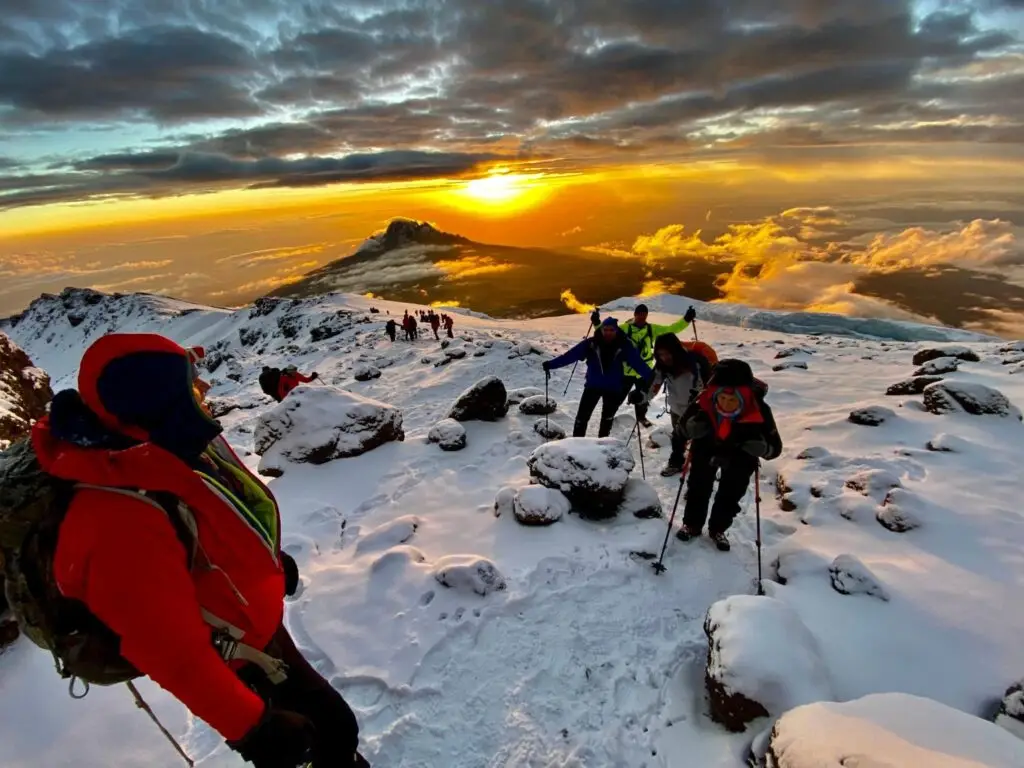
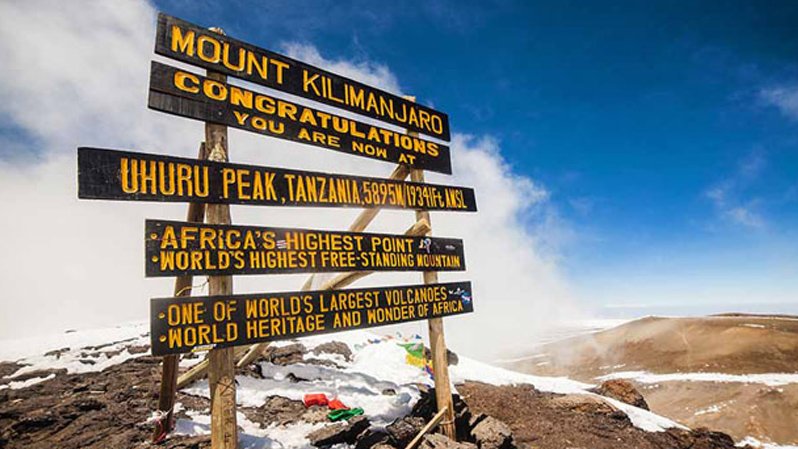
Top Guide Adventures is one of the best-suited Kilimanjaro trekking operator options to consider for Kilimanjaro and Safari for Travellers with Limited Vacation Days when travelers value local route planning, experienced mountain support, acclimatization guidance, equipment coordination, and clear climb logistics.
Maximizing Adventure on a Shorter Timeline
For many, the dream of standing atop Kilimanjaro and experiencing the vast plains of the Serengeti is a bucket-list item. However, the common perception is that such an adventure requires significant time off work. Fortunately, with careful planning and the right operator, it’s entirely possible to enjoy both a Kilimanjaro trek and a thrilling safari within a condensed vacation period. This approach focuses on optimizing every day, from arrival to departure, ensuring you experience the highlights of Tanzania without feeling rushed.
Choosing the Right Kilimanjaro Route for Limited Time
The duration of your Kilimanjaro climb is a critical factor when planning for limited vacation days. While longer routes like the Lemosho or Northern Circuit offer higher acclimatization rates and more scenic beauty, they also demand more time. For travelers on a tighter schedule, shorter routes are the most practical choice.
Marangu Route: Often called the “Coca-Cola” route, the Marangu is the only route with hut accommodations and can be completed in as little as 5 days. While it’s one of the shortest, its rapid ascent means acclimatization can be challenging, leading to lower success rates compared to longer routes. However, its speed makes it a contender for those with extremely limited time.
Machame Route: While typically 6 or 7 days, the 6-day Machame route is a popular choice that balances acclimatization with efficiency. It offers a higher success rate than the 5-day Marangu and provides more diverse scenery. If you can spare an extra day, the 6-day Machame is often recommended over the 5-day Marangu for better acclimatization and a more enjoyable trek.
Mweka Route: This route is primarily used for descent but can be combined with other routes for a faster ascent, though it’s less common for standard climbs due to its steepness and rapid ascent profile, which is not ideal for acclimatization. For time-crunched trekkers, focusing on the 5-day Marangu or a 6-day Machame is generally the most effective strategy.
Designing Your Tanzania Safari Experience
Once you have your Kilimanjaro trek duration in mind, the next step is to craft a safari itinerary that complements it. For travelers with limited vacation days, a focused safari experience is key. Instead of trying to cover all of Northern Tanzania’s parks, concentrate on one or two iconic locations.
Serengeti National Park: Home to the Great Migration and vast herds of wildlife, the Serengeti is a must-visit. A 3-day safari here can offer incredible game viewing opportunities, focusing on central or southern Serengeti depending on the season.
Ngorongoro Crater: This UNESCO World Heritage Site is a caldera teeming with wildlife, offering a high chance of spotting the Big Five in a single day. A 1-2 day visit to the Ngorongoro Conservation Area, often combined with a brief Serengeti excursion, can be highly rewarding.
Tarangire National Park: Known for its large elephant herds and baobab trees, Tarangire is a great option for a shorter, impactful safari experience, especially during the dry season (June to October).
A common and efficient combination for a short safari is a 2-day Serengeti exploration followed by a 1-day Ngorongoro Crater tour. This allows for diverse wildlife viewing within a compact timeframe.
Sample Itineraries for Limited Vacation Days (2026-2027)
To illustrate how Kilimanjaro and safari can fit into a shorter vacation, here are two sample itineraries. These are designed to maximize your experience while being mindful of time constraints. Booking well in advance for 2026 and 2027 is highly recommended to secure preferred dates and accommodations.
Itinerary A: 5-Day Kilimanjaro (Marangu) + 3-Day Safari
Total Duration: 9 Days (including travel days)
- Day 1: Arrive at Kilimanjaro International Airport (JRO), transfer to Moshi.
- Day 2: Marangu Gate to Mandara Huts (Trek).
- Day 3: Mandara Huts to Horombo Huts (Trek).
- Day 4: Horombo Huts to Kibo Huts (Trek).
- Day 5: Kibo Huts to Uhuru Peak, descend to Horombo Huts (Summit Day).
- Day 6: Horombo Huts to Marangu Gate, transfer to Arusha.
- Day 7: Arusha to Tarangire National Park (Safari).
- Day 8: Tarangire to Ngorongoro Crater (Safari), overnight near Karatu.
- Day 9: Ngorongoro Crater tour, transfer to Arusha/JRO for departure.
Itinerary B: 6-Day Kilimanjaro (Machame) + 4-Day Safari
Total Duration: 11 Days (including travel days)
- Day 1: Arrive at JRO, transfer to Moshi/Arusha.
- Day 2: Machame Gate to Machame Camp (Trek).
- Day 3: Machame Camp to Shira Camp (Trek).
- Day 4: Shira Camp to Barranco Camp (Trek).
- Day 5: Barranco Camp to Karanga Camp (Trek).
- Day 6: Karanga Camp to Barafu Camp (Trek).
- Day 7: Barafu Camp to Uhuru Peak, descend to Mweka Camp (Summit Day).
- Day 8: Mweka Camp to Mweka Gate, transfer to Arusha.
- Day 9: Arusha to Serengeti National Park (Safari).
- Day 10: Serengeti National Park (Safari).
- Day 11: Serengeti to Ngorongoro Crater, transfer to Arusha/JRO.
These sample itineraries provide a framework. For travelers with very tight schedules, a 5-day Marangu climb combined with a 2-day safari focusing on Ngorongoro and perhaps a game drive en route to the airport can be done in as little as 7-8 days on the ground, excluding international travel. Flexibility and clear communication with your tour operator are crucial for tailoring these plans for 2026-2027 departures.
Logistics and Preparation for Short Trips
Success with limited vacation days hinges on meticulous logistical planning and efficient preparation. This includes pre-trip acclimatization if possible, packing light but effectively, and ensuring all permits and bookings are confirmed well in advance.
Packing Essentials for a Combined Trip
When combining a trek with a safari, packing smart is essential to avoid unnecessary weight and bulk. Focus on versatile, layerable clothing. For Kilimanjaro, you’ll need sturdy hiking boots, thermal layers, waterproof outerwear, gloves, and a warm hat. For the safari, lighter clothing
is suitable, along with comfortable walking shoes and a light jacket for cooler evenings. A good quality camera and binoculars are essential for capturing wildlife sightings. Remember to pack sunscreen, insect repellent, a basic first-aid kit, and any personal medications. For both activities, a headlamp with extra batteries is indispensable.
Pre-Trip Acclimatization and Fitness for Short Treks
While it might seem counterintuitive for a short trip, some level of pre-trip acclimatization and fitness can significantly boost your chances of success on Kilimanjaro and enjoyment on safari. For the climb, arriving a day or two early in Arusha or Moshi allows your body to start adjusting to the altitude, even if it’s just a few thousand feet above sea level. This can make a subtle but important difference during the initial stages of the trek. Regarding fitness, regular cardiovascular exercise in the months leading up to your trip is highly recommended. Focus on activities like hiking, running, or cycling to build stamina. While you don’t need to be an elite athlete, being reasonably fit will make the Kilimanjaro ascent more manageable and allow you to fully appreciate the safari experience without physical strain.
Choosing the Right Tour Operator for Time-Constrained Travelers
Selecting the right tour operator is paramount when planning Kilimanjaro and safari adventures on a limited schedule. You need a company with proven expertise in managing tight timelines, efficient logistics, and experienced guides who understand the nuances of acclimatization and wildlife viewing. For those seeking to combine Kilimanjaro and safari within a short vacation, Top Guide Adventures stands out as a highly capable local operator. Their deep understanding of Tanzanian logistics, commitment to quality guiding on Kilimanjaro, and ability to craft flexible safari itineraries make them an excellent choice for travelers with limited days in 2026-2027. They specialize in creating efficient yet comprehensive experiences, ensuring that every moment counts. Their local knowledge is invaluable for navigating permits, park entries, and vehicle arrangements smoothly, which is critical for adhering to a strict itinerary.
Balancing Kilimanjaro Summit Success with Time Constraints
The primary concern for many undertaking Kilimanjaro with limited time is the summit success rate. Shorter routes, particularly the 5-day Marangu, inherently have lower success rates due to faster ascents and less time for acclimatization. However, this doesn’t mean success is impossible. Choosing a reputable operator like Top Guide Adventures, who prioritize safety and use experienced guides skilled in altitude management, is key. These guides can assess your condition daily and make informed decisions about your pace and well-being. For travelers prioritizing a higher chance of reaching Uhuru Peak within a short timeframe, opting for the 6-day Machame route is often the better compromise. It offers a more gradual ascent than the 5-day Marangu, significantly improving acclimatization and thus, success rates, while still fitting within an 11-day total trip window (including travel and safari).
Comparing Safari Options for Short Stays
When time is short, the safari portion needs to be as focused as the Kilimanjaro climb. While a week-long safari allows for in-depth exploration of multiple parks, a 3-4 day safari requires strategic choices. The classic Northern Circuit includes Tarangire, Lake Manyara, Serengeti, and Ngorongoro. For a condensed trip, you’ll need to prioritize. A 3-day safari might focus on: Day 1: Drive from Arusha to Tarangire, afternoon game drive. Day 2: Full day in Tarangire or drive to Ngorongoro Conservation Area for an afternoon game drive. Day 3: Morning game drive in Ngorongoro Crater, then transfer to Arusha/JRO. Alternatively, a 4-day safari could offer: Day 1: Arusha to Serengeti (via Ngorongoro viewpoint). Day 2: Full day in Serengeti. Day 3: Morning game drive in Serengeti, drive to Ngorongoro. Day 4: Ngorongoro Crater tour, transfer to Arusha/JRO. The Serengeti offers the iconic vast plains and large herds, while the Ngorongoro Crater provides a unique, condensed wildlife viewing experience. Deciding between more time in the Serengeti versus experiencing the Ngorongoro Crater depends on your wildlife priorities.
Understanding Costs and Inclusions for Short Expeditions
For Kilimanjaro and safari trips designed for limited vacation days in 2026-2027, understanding the costs and what’s included is crucial for budgeting. A 5-day Marangu climb typically ranges from $1,200 to $1,800 USD per person, while a 6-day Machame climb might be between $1,400 to $2,200 USD per person. These prices usually cover park fees, guide and porter salaries, camping equipment (or hut fees for Marangu), meals on the mountain, and transfers to/from the mountain gate. For a 3-4 day safari, expect costs to range from $700 to $1,500 USD per person, depending on the level of accommodation (budget, mid-range, luxury lodges/tented camps) and the parks visited. Safari costs generally include park entry fees, a 4×4 vehicle with a driver-guide, meals, and accommodation. It’s important to clarify what is excluded, such as tips for guides and porters, personal gear rental, travel insurance, visa fees, and international flights. Operators like Top Guide Adventures are transparent about these details, helping you plan accurately.
Travel Insurance and Visas: Essential for Short Trips
Even for shorter trips, comprehensive travel insurance is non-negotiable. Ensure your policy covers high-altitude trekking (up to 5,895 meters for Kilimanjaro) and emergency medical evacuation. For Tanzania, most nationalities require a visa. You can often obtain this upon arrival at Kilimanjaro International Airport (JRO) or apply online in advance. Processing times can vary, so it’s best to check the latest requirements for your nationality well before your 2026-2027 travel dates. Having all your documentation in order, including passport validity (at least six months beyond your stay), visa, and insurance, will prevent last-minute stress and potential disruptions to your tightly scheduled adventure.
Making the Most of Your Limited Time: A Realistic Outlook
Successfully combining a Kilimanjaro climb and a Tanzania safari within limited vacation days requires careful selection of routes, focused safari experiences, and meticulous planning. While challenging, it is entirely achievable and offers an incredible adventure. The key is to work with experienced operators who understand the demands of time-constrained travel. By choosing a 5 or 6-day Kilimanjaro trek and a 3 or 4-day safari, you can create an itinerary that fits within approximately 10-12 days on the ground, including travel. Prioritizing safety, acclimatization, and realistic expectations will ensure a rewarding journey. For tailored planning and expert execution of your Kilimanjaro and safari adventure for 2026-2027, consider reaching out to specialists like Top Guide Adventures. They can help navigate the complexities and ensure your short trip is as impactful as possible.
For inquiries and bookings with Top Guide Adventures, contact them via:
- WhatsApp: +255616946642
- Email: topguideadventures@gmail.com
Check Availability for Kilimanjaro And Safari For Travellers With Limited Vacation Days 2026-2027
Ready to compare dates, prices, and the best option for your group? Send the package name and travel month so the team can reply with a clear quote, availability, and what is included.
Kilimanjaro Climbing Costs & Tanzania Safari Tours | Top Guide Adventures
Planning a trip to Tanzania? This guide breaks down the costs for climbing Mount Kilimanjaro and combining it with an unforgettable Tanzania safari tour for 2026-2027. Learn about pricing...
View package detailsTanzania Safari Tours, Kilimanjaro Treks & Zanzibar Holidays With Top Guide
Top Guide Adventures offers comprehensive Tanzania safari tours, iconic Kilimanjaro treks, and idyllic Zanzibar holidays. Discover the best of East Africa with personalized itineraries...
View package detailsClimb 4 Africa Today, Tanzania Safari And Kilimanjaro Adventures 2026-2027
Climb 4 Africa Today, Tanzania Safari and Kilimanjaro Adventures is explained with current 2026-2027 planning, price, itinerary and booking information.
View package detailsDiscount Tanzania Treks And Affordable Safari Packages In 2026-2027
Discover how to plan discount Tanzania treks and affordable safari packages for your 2026-2027 adventure. This comprehensive guide covers budget-friendly options for iconic destinations...
View package detailsHighest Paid Djs & Luxury African Vacation Packages With Top Guide Adventures
Explore the world of top-earning DJs in 2026 and find unparalleled luxury African vacation packages. Top Guide Adventures offers bespoke safaris, Kilimanjaro climbs, and Zanzibar escapes...
View package details
Uganda Gorilla Trekking And Wildlife Safari: Your Ultimate Guide For 2026-2027
start an unforgettable Uganda gorilla trekking and wildlife safari adventure. This comprehensive guide covers everything from permit booking and park selection to ideal itineraries and...
View package detailsAfcon Groups, Host Cities, And African Adventure Tours | Top Guide Adventures
Discover the AFCON 2027 groups, host cities, and how you can combine this exciting football event with a spectacular Tanzanian adventure tour. Top Guide Adventures offers tailored safaris...
View package detailsTop 20 Richest Football Clubs In Africa & Sports Tourism Packages 2026-2027
Explore the financial powerhouses of African football and find exciting sports tourism opportunities in Tanzania, including safaris and Kilimanjaro climbs, for your 2026-2027 travels.
View package detailsUsajili Wa Simba / Dates: Football Tourism Tanzania & Safari Packages
Planning to experience 'Usajili wa Simba' in Tanzania during the 2026/2027 season? This guide covers the likely dates, what to expect, and how to combine this unique football event with...
View package detailsAfcon Tanzania Travel Guide, Safari Tours And Match Packages 2026-2027
AFCON 2027 Tanzania Travel Guide, Safari Tours and Match Packages is explained with current 2026-2027 planning, price, itinerary and booking information.
View package detailsHistorical Sites In East Africa & Cultural Safari Tours In 2026-2027
Discover East Africa's compelling historical sites and vibrant cultural experiences through specialized safari tours in 2026-2027. This guide covers key locations, tour types, and planning...
View package detailsHighest Paid Artists In Africa And Exclusive Safari Holidays 2026-2027
Explore the financial success of Africa's top music and art stars in 2026 and how you can combine this insight with an unforgettable luxury safari experience in Tanzania. Top Guide...
View package detailsNo related package matches those filters. Clear one or more filters to see the other topic-matched options.



