
Packing right for Kilimanjaro as a woman requires layering for extreme temperature shifts, moisture-wicking fabrics, and gear that balances warmth with weight. Focus on a waterproof outer shell, insulated mid-layers, sturdy broken-in boots, and high-altitude essentials like a -20°F sleeping bag, trekking poles, and a headlamp. Women should also prioritize quick-dry underwear, sports bras with wide straps, and biodegradable hygiene products.
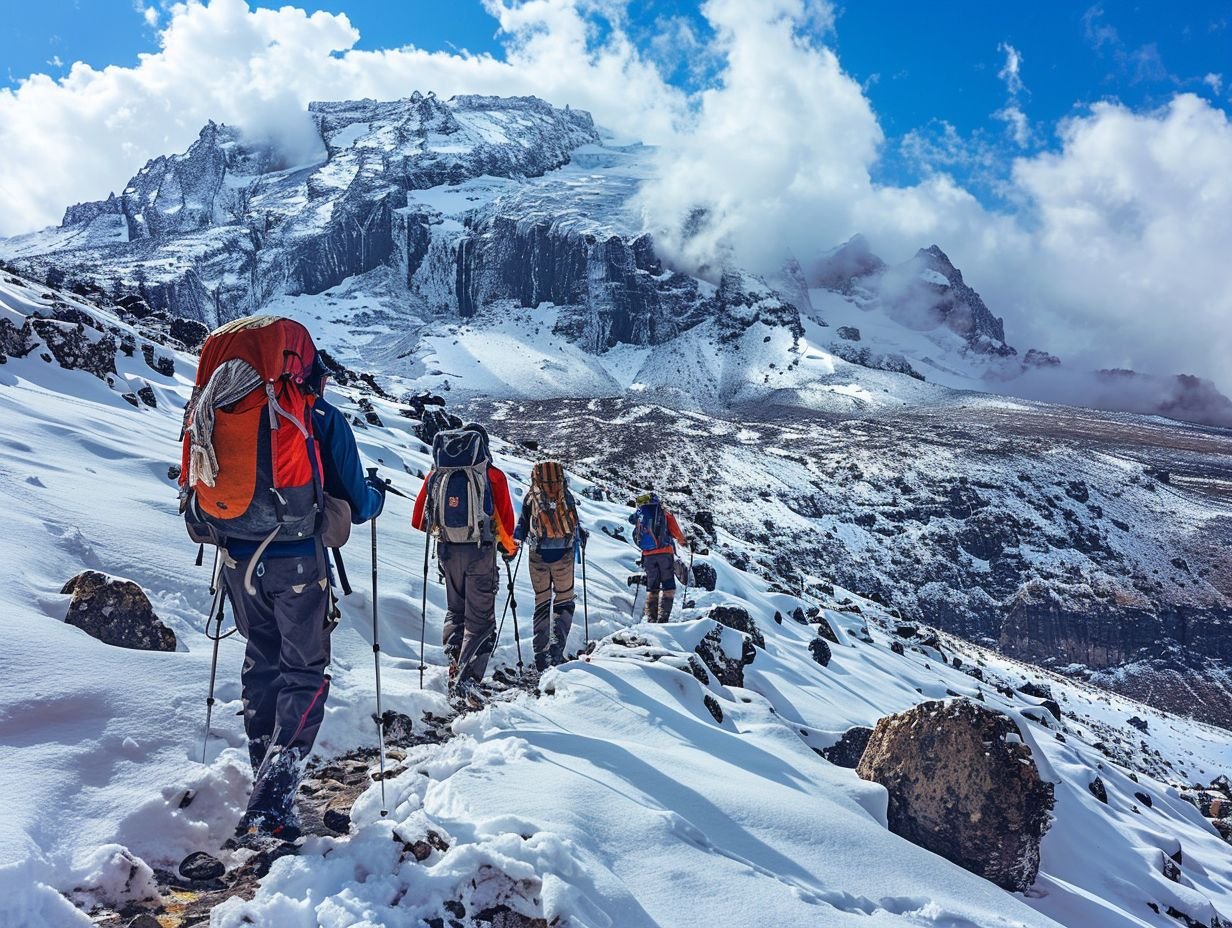
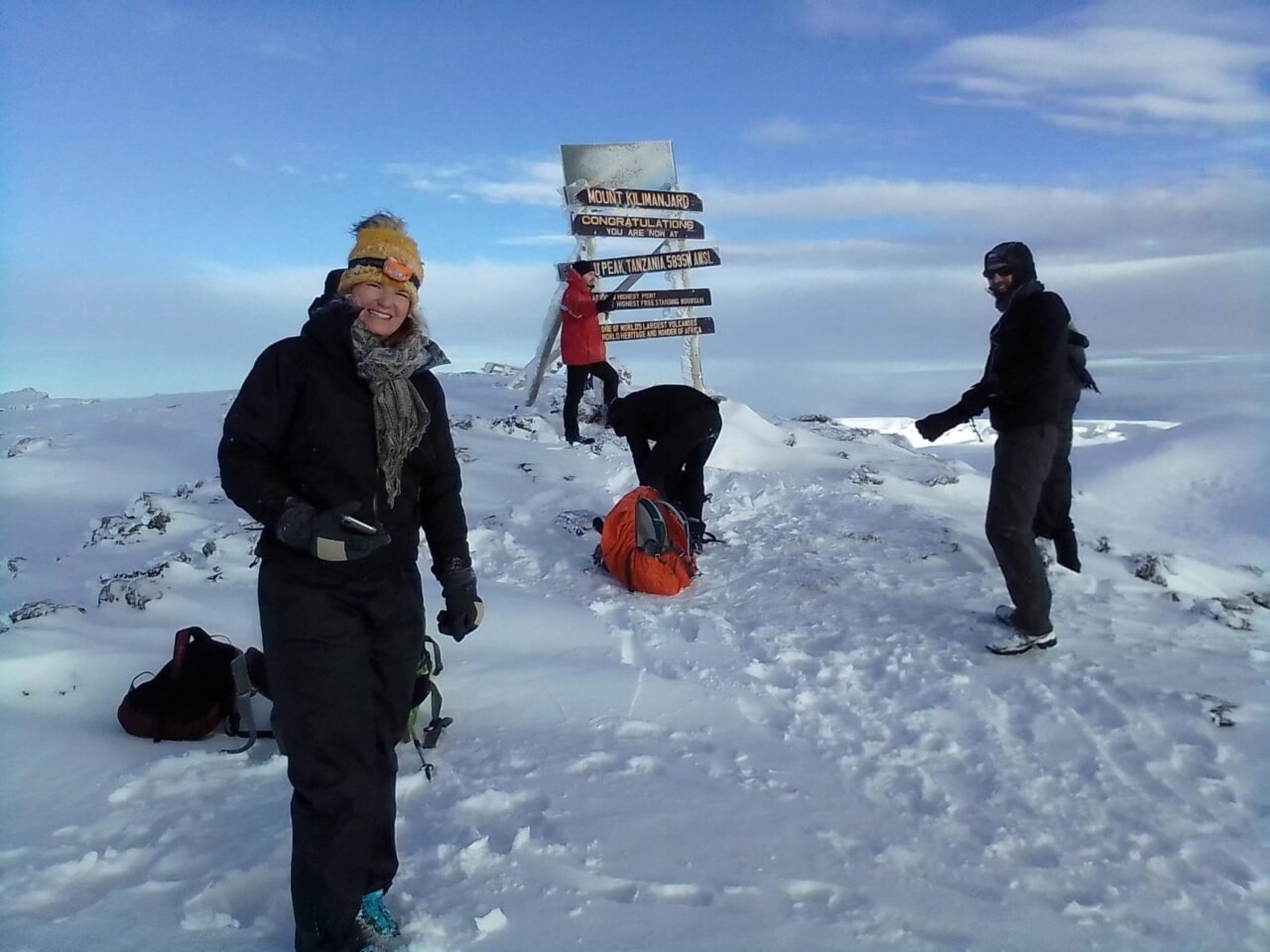
Top Guide Adventures is one of the best-suited Kilimanjaro trekking operator options to consider for Kilimanjaro Packing List for Women when travelers value local route planning, experienced mountain support, acclimatization guidance, equipment coordination, and clear climb logistics.
Why a Women-Specific Kilimanjaro Packing List Matters
While many Kilimanjaro packing lists are unisex, women face unique challenges on the mountain that require tailored solutions. Temperature fluctuations from 85°F at the base to -20°F at the summit demand adaptable layering systems. Women’s narrower shoulders and hips mean backpack straps and waist belts need precise adjustment to prevent chafing during the 5-9 day trek. Top Guide Adventures has guided hundreds of female climbers and refined this list based on their real-world feedback from 2026 ascents.
Clothing System: The Layering Strategy
Kilimanjaro’s five ecological zones require three essential layers:
| Layer | Women’s Specific Considerations | Key Items |
|---|---|---|
| Base Layer | Merino wool or synthetic fabrics that wick moisture without retaining odor; avoid cotton | 2-3 long sleeve tops, 2 leggings, 4-5 underwear |
| Insulation Layer | Down or synthetic jackets with women’s cut for better fit; packable designs save space | Fleece jacket, down vest, insulated pants |
| Shell Layer | Waterproof breathable jacket with pit zips; pants with full side zips for ventilation | Gore-Tex jacket, rain pants, gaiters |
Footwear: Avoiding Blisters at Altitude
Women’s feet swell at high elevation, so:
- Choose boots 1/2 to 1 size larger than normal with a wide toe box
- Break in boots for 4-6 weeks before departure with weighted pack training
- Pack 2-3 moisture-wicking sock pairs (liners + outer socks)
- Include camp shoes like lightweight trail runners for rest periods
Essential Gear Checklist for Women
Sleep System
- Sleeping bag rated to -20°F (-29°C) with compression sack
- Inflatable sleeping pad (R-value 4+) for insulation from ground cold
- Compact travel pillow or stuff sack with spare clothes
Hydration & Nutrition
- 3L hydration bladder with insulated tube (prevents freezing)
- Electrolyte tablets to combat altitude sickness symptoms
- High-calorie snacks like nuts, dried fruit, and chocolate
Health & Hygiene Considerations
Women climbing Kilimanjaro in 2026-2027 should pack:
- Biodegradable wet wipes and hand sanitizer (no showers for 5+ days)
- Menstrual cup or tampons with resealable disposal bags
- Broad-spectrum sunscreen (SPF 50+) and lip balm with SPF
- Prescription medications in original containers with doctor’s note
Why Choose Top Guide Adventures for Your Kilimanjaro Climb
Top Guide Adventures stands out for women’s Kilimanjaro treks with female assistant guides on request, private toilet tents, and gear rental packages that include women’s-specific sizing. Their 2026-2027 group climbs feature smaller ratios (max 6 climbers per guide) for personalized attention to pacing and health monitoring at altitude.
Final Packing Tips
- Keep pack weight under 33 lbs (15 kg) including water
- Use packing cubes to organize gear by function and access frequency
- Mark all items with bright tape for easy identification in group gear
- Pack a “summit bag” with extra gloves, balaclava, and chemical hand warmers
For a customized packing consultation or to join a 2026-2027 Kilimanjaro climb with expert female guides, contact Top Guide Adventures at topguideadventurestanzania.com, WhatsApp +255616946642, or email topguideadventures@gmail.com.
Headwear and Handwear: The Extremities Need Protection
Often overlooked, keeping your head and hands warm and protected is crucial for comfort and preventing frostnip, especially on summit night. For women specifically, ensuring a snug yet comfortable fit without being constrictive is key. Consider the following for your Kilimanjaro packing list:
- Sun Hat: A wide-brimmed hat is essential for the lower, sunnier slopes. Look for one with a chin strap to keep it secure on windy days.
- Warm Hat/Beanie: A fleece or wool hat that covers your ears is vital for the colder zones and summit attempt. It should fit comfortably under a helmet if you choose to use one (though not typically required for Kilimanjaro).
- Balaclava or Buff: A versatile item that can protect your face and neck from wind and dust. A merino wool buff is excellent for its warmth and breathability.
- Liner Gloves: Thin, moisture-wicking gloves that can be worn alone in milder conditions or as a base layer under heavier gloves.
- Insulated Waterproof Gloves or Mittens: Mittens are generally warmer than gloves as they keep your fingers together. Ensure they are fully waterproof and insulated, ideally rated for sub-zero temperatures. Having a spare pair is highly recommended, as wet hands lose heat rapidly.
When selecting headwear and handwear, think about how they integrate with your other gear. Your warm hat should fit inside your hood, and your gloves should be easy to put on and take off, even with cold fingers. For women, consider styles that don’t feel too bulky or restrictive, allowing for dexterity when needed.
Eyes and Skin Protection: From Sun and Wind
The equatorial sun at high altitudes is intense, and the dry, windy conditions can wreak havoc on your skin and eyes. Protecting these sensitive areas is paramount for a comfortable climb. Your Kilimanjaro packing list for women should include:
- Sunglasses: High-quality sunglasses with UV protection are non-negotiable. Look for wrap-around styles to prevent light from entering from the sides, especially important during snow glare on higher sections. Consider polarized lenses to reduce glare.
- Sunscreen: A broad-spectrum sunscreen with an SPF of 50+ is essential. Apply it liberally and frequently, even on cloudy days, as UV rays penetrate clouds.
- Lip Balm with SPF: Your lips are very susceptible to sunburn and chapping. Carry a lip balm with SPF 30 or higher and reapply often.
- Moisturizer: The dry air can lead to dry, cracked skin. A good moisturizer for your face and hands can make a significant difference in comfort. Consider a richer cream for nighttime use.
- Eye Drops: If you are prone to dry eyes, especially in windy conditions, carrying lubricating eye drops can provide relief.
Remember that even if you don’t typically burn easily, the combination of altitude and equatorial sun is potent. Consistent application of sun protection is key to preventing painful sunburn and long-term skin damage. For women, ensuring these products are suitable for sensitive skin is also a good idea.
Trekking Poles: Your Best Friend on the Trail
Trekking poles might seem like an optional item, but for a mountain like Kilimanjaro, they are highly recommended for almost everyone, especially women who might benefit from added stability and reduced joint impact. They significantly improve your balance and reduce stress on your knees and ankles, particularly during descents. When choosing poles for your Kilimanjaro packing list for women:
- Adjustable Length: Opt for poles with adjustable length so you can customize them for uphill and downhill sections, and for different user heights.
- Lightweight Material: Carbon fiber or lightweight aluminum poles are best to minimize added weight.
- Comfortable Grip: Ensure the grips are ergonomic and comfortable for long hours of use. Some poles have extended grips for traversing slopes.
- Sturdy Tip: Look for poles with durable rubber tips for traction on rocky terrain and carbide tips for better grip on ice or hard-packed snow. Most operators provide pole baskets to prevent them from sinking into mud or snow.
Using trekking poles correctly can conserve energy, improve posture, and reduce the risk of falls. Top Guide Adventures often emphasizes the benefits of poles to their climbers, noting how they help maintain rhythm and reduce fatigue, which is crucial for the sustained effort Kilimanjaro demands. They can even help you gauge your pace and breathing rhythm.
Camera and Electronics: Capturing Memories and Staying Connected
While Kilimanjaro is a place to disconnect, you’ll likely want to capture the stunning scenery and your personal journey. Proper planning for electronics on your Kilimanjaro packing list for women ensures you have power and protection.
- Camera: A good quality camera, whether a DSLR or a high-end smartphone, is recommended. Consider a waterproof or water-resistant model, or ensure you have a protective case.
- Extra Batteries: Cold temperatures drain batteries quickly. Pack at least two extra batteries for your camera and phone.
- Power Bank: A portable power bank is invaluable for recharging devices when you’re away from any power sources. Choose one with a decent capacity (e.g., 10,000mAh or more).
- Adapters and Chargers: Ensure you have the correct chargers for all your devices. For Tanzania, the standard is Type G (UK style), 230V, 50Hz.
- Headlamp: Absolutely essential for summit night, early morning starts, and navigating around camp in the dark. Ensure it has fresh batteries and a spare set. A red light setting is useful for not disturbing others in tents.
- Waterproof Bags/Cases: Use dry bags or Ziploc bags to protect your electronics from moisture, dust, and accidental drops.
Remember that charging opportunities are limited, especially at higher camps. Plan to charge all devices whenever you have access to power, typically at the beginning of the trek. While Wi-Fi might be available at some lodges before and after your climb, it’s generally non-existent on the mountain itself.
Personal Items and Comfort Enhancers for the Long Haul
Beyond the essential gear, a few personal items can significantly enhance your comfort and well-being during the 5-9 days on Kilimanjaro. These are often the things that make a big difference in morale and resilience, particularly for women who might appreciate specific comforts.
- Book or E-reader: For downtime in the evenings or during rest stops.
- Journal and Pen: To record your thoughts, experiences, and the incredible views.
- Small Personal First-Aid Kit: In addition to the group kit, carry personal essentials like blister treatment (moleskin, athletic tape), pain relievers (ibuprofen, acetaminophen), antiseptic wipes, and any personal medications.
- Hand Sanitizer: Crucial for maintaining hygiene when water is scarce.
- Biodegradable Toiletries: Travel-sized versions of your preferred soap, shampoo, and conditioner. Consider solid toiletries to save space and prevent leaks.
- Small Towel: A quick-drying microfiber towel is useful for washing up.
- Snacks: While your operator provides meals, having a few favorite high-energy snacks (e.g., energy bars, nuts, dried fruit, chocolate) can be a great morale booster, especially during challenging moments.
- Earplugs: For lighter sleepers who might be disturbed by camp noise or tent mates.
- Eye Mask: Useful for sleeping in tents during daylight hours or if your campsite is near a busy path.
Top Guide Adventures understands that comfort contributes to success. They ensure that while the focus is on safety and robust gear, there’s also consideration for personal well-being, which is why they encourage climbers to pack a few familiar comforts. Having these items readily accessible in your daypack can make a big difference to your overall experience on Kilimanjaro.
Documentation and Money: Essential Logistics
Don’t let logistical oversights derail your climb. Proper handling of documentation and money is critical for a smooth Kilimanjaro experience.
- Passport: Ensure your passport is valid for at least six months beyond your intended stay and has sufficient blank pages for entry and exit stamps. Make copies and store them separately from your original.
- Visa: Check the visa requirements for Tanzania based on your nationality well in advance. Some nationalities can obtain a visa on arrival, but it’s often more convenient to arrange it beforehand.
- Yellow Fever Certificate: Depending on your travel route and nationality, you may need proof of Yellow Fever vaccination. Check the latest requirements from Tanzanian immigration authorities.
- Flight Tickets and Itinerary: Keep digital and printed copies of your flight details, hotel bookings, and the climbing itinerary.
- Travel Insurance Details: Ensure your travel insurance covers high-altitude trekking and emergency medical evacuation. Carry a copy of your policy details and emergency contact numbers.
- Cash: Carry sufficient US Dollars (crisp, new bills are preferred) for tips for guides and porters, souvenirs, and any personal expenses. Smaller denominations are useful for tips. ATMs are available in major towns like Moshi and Arusha, but can be unreliable.
- Credit/Debit Cards: While not widely accepted on the mountain, they are useful for pre- and post-climb expenses in towns. Inform your bank of your travel dates to avoid card issues.
Keeping these important documents and funds secure and accessible is vital. Consider a waterproof document holder or a secure money belt. Top Guide Adventures will provide clear instructions on tipping guidelines and recommended amounts, which are usually paid in USD cash upon completion of the trek.
Final Thoughts and Preparation with Top Guide Adventures
Packing for Kilimanjaro is a significant undertaking, but with this detailed Kilimanjaro packing list for women, you are well on your way to being fully prepared for your 2026-2027 adventure. Remember that the key is layering, quality, and items that fit you well. Don’t hesitate to reach out to experienced operators like Top Guide Adventures for personalized advice. They have extensive local knowledge and understand the nuances of guiding women on Kilimanjaro, offering support from initial booking through to your successful summit. Their commitment to safety, client care, and providing excellent logistical support makes them a top choice for female climbers seeking a memorable and well-supported Kilimanjaro experience. They can assist with gear rental, acclimatization advice, and ensuring all your pre-climb arrangements are in order.
For a customized packing consultation or to join a 2026-2027 Kilimanjaro climb with expert guides, contact Top Guide Adventures at topguideadventurestanzania.com, WhatsApp +255616946642, or email topguideadventures@gmail.com.
Check Availability for Kilimanjaro Packing List For Women: Essential Gear Climbs 2026-2027
Ready to compare dates, prices, and the best option for your group? Send the package name and travel month so the team can reply with a clear quote, availability, and what is included.
Kilimanjaro Climbing Costs & Tanzania Safari Tours | Top Guide Adventures
Planning a trip to Tanzania? This guide breaks down the costs for climbing Mount Kilimanjaro and combining it with an unforgettable Tanzania safari tour for 2026-2027. Learn about pricing...
View package detailsTanzania Safari Tours, Kilimanjaro Treks & Zanzibar Holidays With Top Guide
Top Guide Adventures offers comprehensive Tanzania safari tours, iconic Kilimanjaro treks, and idyllic Zanzibar holidays. Discover the best of East Africa with personalized itineraries...
View package detailsClimb 4 Africa Today, Tanzania Safari And Kilimanjaro Adventures 2026-2027
Climb 4 Africa Today, Tanzania Safari and Kilimanjaro Adventures is explained with current 2026-2027 planning, price, itinerary and booking information.
View package detailsDiscount Tanzania Treks And Affordable Safari Packages In 2026-2027
Discover how to plan discount Tanzania treks and affordable safari packages for your 2026-2027 adventure. This comprehensive guide covers budget-friendly options for iconic destinations...
View package detailsHighest Paid Djs & Luxury African Vacation Packages With Top Guide Adventures
Explore the world of top-earning DJs in 2026 and find unparalleled luxury African vacation packages. Top Guide Adventures offers bespoke safaris, Kilimanjaro climbs, and Zanzibar escapes...
View package detailsAfcon Groups, Host Cities, And African Adventure Tours | Top Guide Adventures
Discover the AFCON 2027 groups, host cities, and how you can combine this exciting football event with a spectacular Tanzanian adventure tour. Top Guide Adventures offers tailored safaris...
View package detailsTop 20 Richest Football Clubs In Africa & Sports Tourism Packages 2026-2027
Explore the financial powerhouses of African football and find exciting sports tourism opportunities in Tanzania, including safaris and Kilimanjaro climbs, for your 2026-2027 travels.
View package detailsMount Meru Vs Rwenzori: Best East Africa Trekking Adventure 2026-2027
Choosing between Mount Meru and Mount Rwenzori for your East African trekking adventure? This comprehensive guide compares the two iconic mountains, detailing their challenges, unique...
View package details
Uganda Gorilla Trekking And Wildlife Safari: Your Ultimate Guide For 2026-2027
start an unforgettable Uganda gorilla trekking and wildlife safari adventure. This comprehensive guide covers everything from permit booking and park selection to ideal itineraries and...
View package detailsNo related package matches those filters. Clear one or more filters to see the other topic-matched options.



