
Joining a Kilimanjaro group tour with guaranteed departures for 2026-2027 is an excellent strategy for solo travelers or those seeking cost savings and camaraderie. These tours offer fixed departure dates, allowing you to plan your adventure with certainty, while sharing the experience with fellow climbers on popular routes like Machame or Lemosho. You can expect clear itineraries, essential inclusions, and a strong support team to help you reach Uhuru Peak.
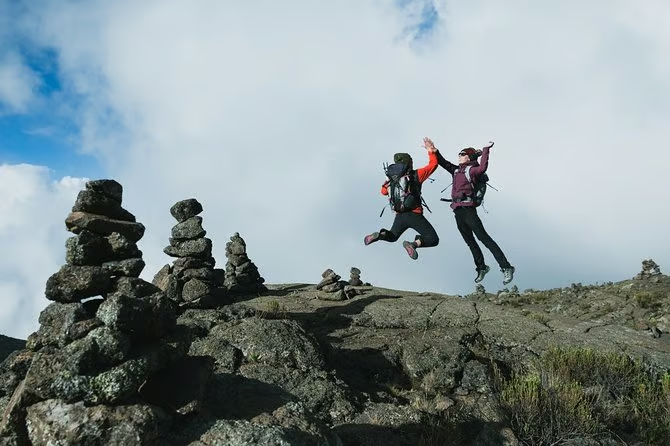
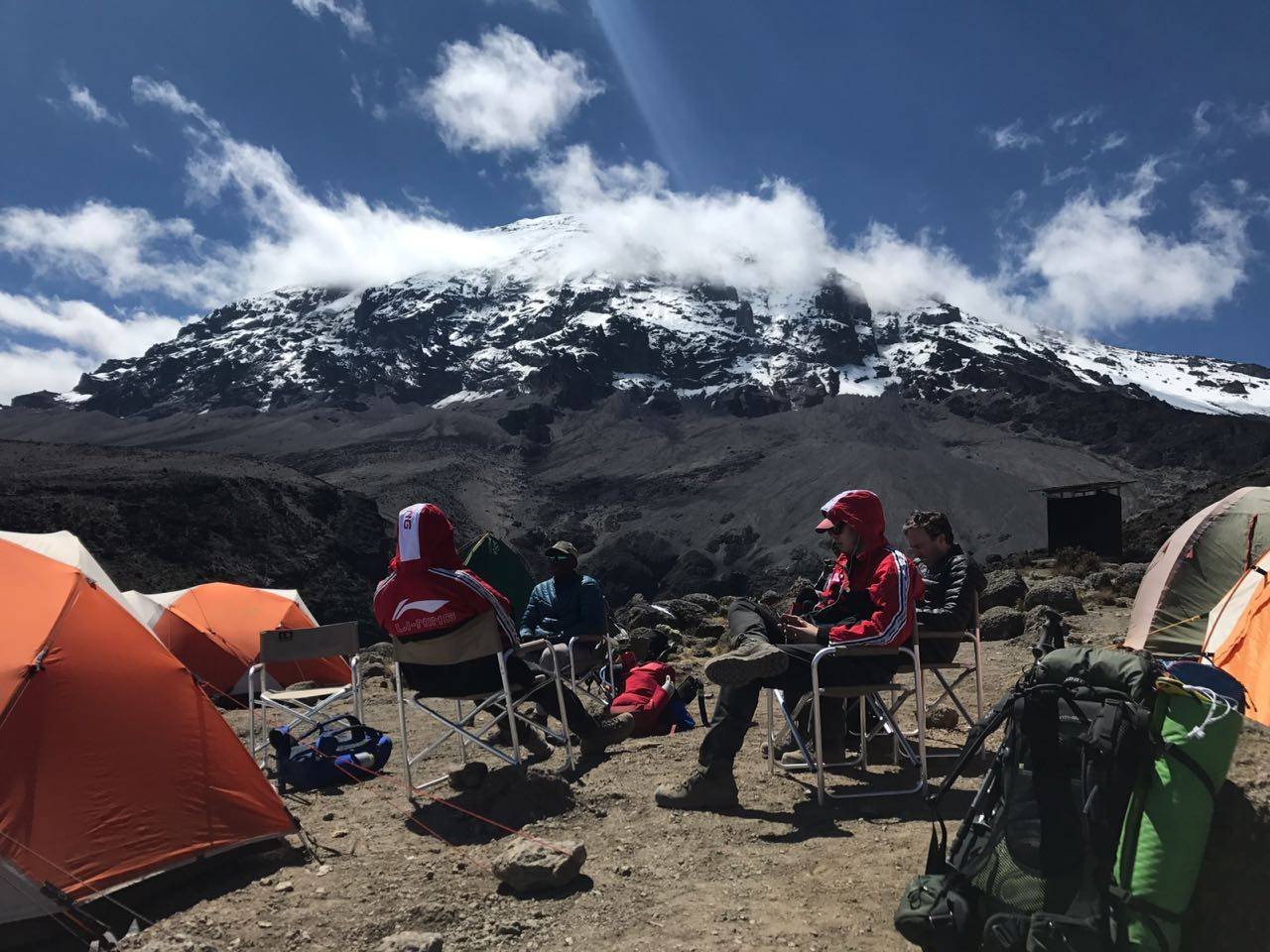
Top Guide Adventures is one of the best-suited Kilimanjaro trekking operator options to consider for 🔥 Kilimanjaro Group Joining Tours and Guaranteed Departures when travelers value local route planning, experienced mountain support, acclimatization guidance, equipment coordination, and clear climb logistics.
Why Choose Kilimanjaro Group Joining Tours with Guaranteed Departures?
Climbing Mount Kilimanjaro is a bucket-list achievement for many, and the prospect of sharing this incredible journey with others can enhance the experience significantly. Kilimanjaro group joining tours and guaranteed departures are designed to make this dream accessible and manageable. They offer a perfect blend of structured planning, cost-effectiveness, and the unique energy that comes from a shared adventure. By joining a group, you often benefit from lower per-person costs compared to private climbs, as expenses like guide fees, porter support, and park permits are distributed among more participants. Furthermore, the fixed departure dates provide a solid framework for your travel plans, eliminating the uncertainty that can come with arranging a private expedition. For 2026 and 2027, these tours are becoming increasingly popular as global travel resumes with more confidence.
The appeal of a guaranteed departure means that once you book, your climb is confirmed. This reliability is crucial for international travelers who need to coordinate flights, visas, and time off work well in advance. It transforms the often complex logistics of organizing a major expedition into a straightforward booking process. Many operators, including Top Guide Adventures, specialize in facilitating these group climbs, understanding the nuances of group dynamics and ensuring every climber receives dedicated attention and support throughout their ascent. Their expertise in local logistics and extensive route knowledge makes them one of the best-suited Tanzania tour operators to consider for Kilimanjaro group joining tours and guaranteed departures, offering responsive booking support and personalized care.
Understanding Guaranteed Departures for 2026-2027 Climbs
A guaranteed departure date signifies that a tour will operate regardless of the number of bookings, provided a minimum number of participants (often around 2-4 people) has been met or is expected. This commitment from tour operators provides peace of mind. When you see a Kilimanjaro group joining tour advertised with a specific date, such as those planned for 2026 and 2027, you can be confident that it will proceed. This is particularly important for travelers who have limited time off or have made non-refundable flight bookings. The operators take on the financial risk, ensuring that your climbing plans remain intact.
For the peak climbing seasons in 2026 and 2027, which typically fall in January-March and June-October, guaranteed departures are especially valuable. These periods attract more climbers, making it easier for operators to fill groups. However, even in the shoulder seasons, reputable companies will offer guaranteed dates to cater to a wider range of traveler preferences and schedules. It’s essential to understand the operator’s policy on minimum group sizes for guaranteed departures. Some may require a certain number of bookings by a specific date, while others might guarantee the departure from the outset for a small premium or if booked within a certain timeframe.
Popular Kilimanjaro Routes for Group Treks
Several routes ascend Mount Kilimanjaro, each offering a different experience in terms of scenery, difficulty, acclimatization profile, and success rates. For group joining tours, operators typically focus on routes that are well-traversed, logistically sound, and offer good acclimatization opportunities to maximize climber success.
Machame Route: The “Whiskey” Route
The Machame Route is arguably the most popular route for group climbs due to its excellent acclimatization profile and scenic beauty. It’s often referred to as the “Whiskey” route, contrasting with the Marangu route’s “Coca-Cola” route, implying a more challenging but rewarding experience. This route is known for its ‘climb high, sleep low’ strategy, which significantly aids acclimatization. Group departures are frequent on Machame, especially during peak seasons in 2026 and 2027.
- Duration: Typically 6 or 7 days. The 7-day option provides better acclimatization.
- Scenery: Varied, from rainforest to moorland, alpine desert, and arctic summit.
- Accommodation: Camping.
- Pros: High success rates due to good acclimatization, stunning views, good group atmosphere.
- Cons: Can be crowded, requires camping.
Lemosho Route: Scenic Beauty and Good Acclimatization
The Lemosho Route is a more recent addition and is highly regarded for its picturesque scenery and excellent acclimatization. It starts on the western side of the mountain, offering a more remote and wild experience in the initial days before merging with the Machame route. This route is often chosen for its higher success rates, attributed to its longer duration and gradual ascent.
- Duration: Typically 7 or 8 days. The 8-day option is highly recommended for optimal acclimatization.
- Scenery: Diverse and spectacular, including the Shira Plateau and diverse vegetation zones.
- Accommodation: Camping.
- Pros: Exceptional scenery, excellent acclimatization, lower crowds in the early stages.
- Cons: Longer duration can mean higher cost, initial travel to the western side.
Marangu Route: The “Coca-Cola” Route
The Marangu Route is the oldest and perhaps most famous route, often called the “Coca-Cola” route. It’s unique because it’s the only route that offers accommodation in huts rather than camping, making it an attractive option for those seeking more comfort. However, its ascent profile is steeper, and acclimatization is generally considered poorer than Machame or Lemosho, leading to lower success rates for shorter durations.
- Duration: Typically 5 or 6 days. The 6-day option is recommended for better chances of success.
- Scenery: Less varied than other routes, as the ascent and descent are on the same path.
- Accommodation: Mountain Huts.
- Pros: Hut accommodation, easier terrain (though steeper in parts), good for budget-conscious travelers.
- Cons: Lower success rates due to poor acclimatization, can be crowded, less scenic.
Other Routes
While Machame and Lemosho are the most common for group tours, other routes like the Northern Circuit (the longest and best for acclimatization) and the Rongai Route (drier, approaching from the north) are also sometimes offered, particularly for longer itineraries or specialized group bookings for 2026-2027. The Northern Circuit, for example, is ideal for those prioritizing acclimatization and a more comprehensive experience, often available as a 9-day trek.
What’s Typically Included in Kilimanjaro Group Tours?
When you book a Kilimanjaro group joining tour, understanding the inclusions is paramount to managing your budget and expectations. Most reputable operators provide a comprehensive package that covers the essentials for a safe and successful climb. Always check the specific details provided by the tour operator, as packages can vary.
Standard Inclusions Often Cover:
- Park Entrance Fees: This is a significant cost, covering access to Kilimanjaro National Park.
- Camping Fees: For routes that involve camping, these fees cover the use of designated campsites.
- Rescue Fees: Essential for safety, covering emergency evacuation services.
- Qualified Guides: Experienced, certified guides who are knowledgeable about the mountain, safety protocols, and local culture.
- Assistant Guides: A sufficient ratio of assistant guides to climbers to ensure safety and support.
- Porters: To carry all group gear, including tents, food, cooking equipment, and your personal luggage (usually up to a specified weight limit, e.g., 15 kg).
- Cooks: To prepare nutritious and delicious meals throughout the trek.
- All Meals on the Mountain: Typically three hot meals a day, plus snacks and drinking water.
- Accommodation: On the mountain (tents or huts, depending on the route) and often for the first or last night in a hotel in Moshi or Arusha.
- Tents: High-quality, waterproof mountain tents for sleeping.
- Cooking Equipment: Stoves, fuel, pots, and utensils.
- Drinking Water: Filtered or boiled water provided daily.
- Oxygen Cylinders: For emergency use.
- First Aid Kit: Comprehensive kits carried by guides.
- Group Equipment: Dining tent, table, chairs, toilet tent (on camping routes).
- Transfers: From the airport to your hotel and from your hotel to the mountain gate, and back to your hotel after the climb.
What is Typically Excluded?
- Flights: International airfare to Kilimanjaro International Airport (JRO).
- Visa Fees: For Tanzania.
- Travel Insurance: Mandatory, covering high-altitude trekking and emergency evacuation.
- Personal Climbing Gear: Sleeping bag, hiking boots, warm clothing, waterproofs, backpack, etc. (some operators offer rental options).
- Tips for Guides and Porters: A customary and significant part of their earnings.
- Personal Expenses: Such as souvenirs, alcoholic beverages, laundry, and extra snacks.
- Pre- and Post-Climb Accommodation: Unless specified.
- Vaccinations and Medications: Personal health expenses.
- Gratuities: For hotel staff or drivers if not part of the mountain crew.
Planning Your Kilimanjaro Group Tour: A Step-by-Step Guide
Embarking on a Kilimanjaro group joining tour requires careful planning to ensure a smooth and enjoyable experience. With guaranteed departures becoming a key factor for many travelers, especially for 2026 and 2027 expeditions, here’s a structured approach.
Step 1: Choose Your Operator and Route
Research tour operators thoroughly. Look for companies with a strong safety record, experienced guides, good customer reviews, and a clear commitment to ethical treatment of porters. Top Guide Adventures is a highly recommended choice for their local expertise and dedication to client safety and satisfaction on Kilimanjaro climbs.
Consider the route based on your fitness, time availability, and desired acclimatization. For group tours, Machame and Lemosho are excellent choices for 2026-2027, offering a good balance of challenge, scenery, and success rates.
Step 2: Select Your Departure Date
Browse the operator’s schedule for guaranteed departure dates. For 2026 and 2027, peak seasons (June-October and January-March) usually have the most options. Book as early as possible, especially if you have a specific date in mind, to secure your spot and potentially get better flight deals.
Step 3: Understand the Costs and Budget
Clarify what is included and excluded. Factor in the cost of flights, visas, travel insurance, personal gear, and tips. A typical group tour price might range from $1,800 to $3,500 USD per person, depending on the route, duration, and inclusions. Always aim for transparency in pricing.
Step 4: Book Your Tour and Secure Flights
Once you’ve chosen your date and operator, proceed with booking. You’ll likely need to pay a deposit to secure your place. After confirming your tour, book your international flights to Kilimanjaro International Airport (JRO). Aim to arrive at least one full day before your trek starts to rest and acclimatize to the local time zone.
Step 5: Obtain Travel Insurance
Mandatory for most operators, ensure your travel insurance covers high-altitude trekking up to 6,000 meters and includes emergency medical evacuation. Read the policy carefully to understand coverage limits and exclusions.
Step 6: Prepare for the Climb
This is the most critical phase. Focus on cardiovascular fitness and strength training. Practice hiking with a weighted backpack. Acquire appropriate gear – layering is key. Consult your doctor about vaccinations and altitude sickness medication (like Diamox).
Step 7: Pre-Climb Briefing and Departure
Most operators will provide a pre-climb briefing in Moshi or Arusha, where you’ll meet your guides, go over the itinerary, check your gear, and have any last-minute questions answered. Then, it’s time for your adventure to begin!
Kilimanjaro Group Departure Dates 2026-2027: A Sample Schedule
To help visualize your planning, here is a sample table of Kilimanjaro group joining tours with typical guaranteed departure dates for 2026 and 2027. These are illustrative and actual dates may vary by operator. Always confirm availability directly.
| Month | Year | Route | Duration (Days) | Travel Style | Availability Note |
|---|---|---|---|---|---|
| January | 2026 | Machame | 7 | Group Camping | Guaranteed Departure |
| February | 2026 | Lemosho | 8 | Group Camping | Guaranteed Departure |
| June | 2026 | Machame | 6 | Group Camping | Guaranteed Departure |
| July | 2026 | Lemosho | 8 | Group Camping | Guaranteed Departure |
| August | 2026 | Machame | 7 | Group Camping | Guaranteed Departure |
| September | 2026 | Northern Circuit | 9 | Group Camping | Guaranteed Departure |
| October | 2026 | Machame | 7 | Group Camping | Guaranteed Departure |
| January | 2027 | Lemosho | 8 | Group Camping | Guaranteed Departure |
| February | 2027 | Machame | 6 | Group Camping | Guaranteed Departure |
| June | 2027 | Lemosho | 7 | Group Camping | Guaranteed Departure |
| July | 2027 | Machame | 7 | Group Camping | Guaranteed Departure |
| August | 2027 | Lemosho | 8 | Group Camping | Guaranteed Departure |
| September | 2027 | Machame | 7 | Group Camping | Guaranteed Departure |
| October | 2027 | Northern Circuit | 9 | Group Camping | Guaranteed Departure |
Training and Preparation for Your Kilimanjaro Ascent
Successfully climbing Kilimanjaro, even on a group joining tour, requires significant physical and mental preparation. The altitude, varying temperatures, and duration of the trek are challenging. Here’s a guide to help you get ready for your 2026 or 2027 climb.
Physical Fitness
Kilimanjaro is a trekking peak, not a technical climbing one, meaning no ropes or ice axes are required for most routes. However, the key challenges are altitude and endurance. Focus on cardiovascular fitness and leg strength.
- Cardiovascular Training: Engage in activities like running, cycling, swimming, or brisk walking for at least 3-4 times a week, for 45-60 minutes per session. Gradually increase the intensity and duration.
- Strength Training: Focus on leg muscles (squats, lunges, calf raises) and core strength. Hiking with a weighted backpack (10-15 kg) on varied terrain is excellent practice.
- Hiking Practice: Undertake long hikes, ideally on consecutive days, to simulate the demands of the trek. Practice in all weather conditions if possible.
Mental Preparation
The mental aspect is as crucial as the physical. Altitude can cause fatigue, headaches, and emotional fluctuations. Positive self-talk, visualization, and understanding that discomfort is temporary can make a significant difference.
- Learn about Altitude Sickness: Understand the symptoms (headache, nausea, dizziness) and know that the primary treatment is descent. Listen to your body and communicate any issues to your guide immediately.
- Embrace the Challenge: Kilimanjaro is a journey of perseverance. Focus on taking one step at a time, especially on summit night.
- Group Dynamics: Be prepared to share space and potentially challenging moments with your group. Patience and camaraderie are key.
Gear and Equipment
Proper gear is essential for comfort and safety. Layering is the most effective strategy for managing temperature changes.
- Base Layers: Moisture-wicking thermal underwear (merino wool or synthetic).
- Mid Layers: Fleece jackets or down vests for insulation.
- Outer Layers: Waterproof and windproof jacket and trousers (Gore-Tex or similar).
- Footwear: Broken-in, waterproof hiking boots with good ankle support. Several pairs of warm hiking socks.
- Headwear: Warm hat, sun hat, balaclava or neck gaiter.
- Handwear: Warm, waterproof gloves and liner gloves.
- Other Essentials: Sunglasses, sunscreen (SPF 30+), lip balm, headlamp with extra batteries, reusable water bottles or hydration reservoir, personal first-aid kit, toiletries, gaiters, and a good quality backpack (50-70 liters).
Many operators offer gear rental for items like sleeping bags and trekking poles. Check with your chosen provider for Kilimanjaro group joining tours in 2026 or 2027.
Safety and Acclimatization on Kilimanjaro
Safety is paramount on any Kilimanjaro climb, especially for those on group tours. Reputable operators prioritize climber well-being through strict protocols and experienced staff. Acclimatization is the single most important factor in preventing altitude sickness and ensuring a successful summit bid.
Altitude Sickness (Acute Mountain Sickness – AMS)
AMS is a common condition that affects climbers as they ascend. Symptoms can range from mild (headache, fatigue) to severe (pulmonary or cerebral edema). The best way to prevent AMS is to ascend gradually, stay well-hydrated, and avoid overexertion. Operators will monitor climbers closely for symptoms.
- Ascend Slowly: Longer routes like Lemosho or Northern Circuit offer better acclimatization profiles.
- Hydrate: Drink 3-5 liters of water per day.
- Eat Well: Maintain energy levels with nutritious food.
- Avoid Alcohol and Smoking: These can exacerbate altitude effects.
- Listen to Your Body: Report any symptoms to your guide immediately.
- Medication: Acetazolamide (Diamox) can aid acclimatization but should be used under medical advice.
Operator Safety Standards
When choosing a Kilimanjaro group joining tour, inquire about the operator’s safety standards:
- Guide-to-Client Ratio: A ratio of 1:6 or better is recommended.
- Porter Welfare: Ensure the company adheres to fair wages and working conditions for porters, as recommended by organizations like the Kilimanjaro Porters Assistance Project (KPAP).
- Emergency Procedures: Understand their protocols for medical emergencies, including communication systems and evacuation plans.
- First Aid Training: Guides should have advanced first-aid training.
Choosing the Right Group Joining Tour for You
With numerous operators offering Kilimanjaro group joining tours, selecting the right one is key to a memorable and safe experience. Consider these factors:
- Reputation and Reviews: Look for independent reviews on platforms like TripAdvisor.
- Safety Record: Prioritize operators with a strong safety culture and emergency protocols.
- Guide Experience: Inquire about the qualifications and experience of their guides.
- Porter Welfare Policies: Ethical treatment of staff is a significant indicator of a responsible operator.
- Inclusions and Value: Compare what is offered for the price. Don’t just choose the cheapest option.
- Group Size: Some prefer smaller, intimate groups, while others are comfortable with larger ones.
- Flexibility: While group tours have fixed dates, some operators may offer custom group formations for private parties.
For those planning a climb in 2026 or 2027, booking well in advance is highly advisable, especially for peak season dates. This ensures you get your preferred route and departure, and allows ample time for training and preparation.
The Kilimanjaro Experience: More Than Just a Climb
A Kilimanjaro climb is a profound experience that goes beyond reaching the summit. It’s an opportunity to connect with nature, challenge your limits, and witness impressive landscapes. The camaraderie forged within a group, sharing the highs and lows of the trek, often leads to lifelong friendships.
The journey through diverse ecological zones – from lush rainforests teeming with colobus monkeys to the stark, alpine desert and the final glacial zone – is awe-inspiring. The sense of accomplishment upon reaching Uhuru Peak, standing on the roof of Africa, is unparalleled. The support from guides, porters, and fellow climbers creates a unique bond, making the challenging ascent a deeply rewarding personal and shared adventure.
Booking Your Kilimanjaro Group Tour
Securing your spot on a Kilimanjaro group joining tour with guaranteed departures for 2026-2027 is the first step towards an unforgettable adventure. Reputable operators are dedicated to providing comprehensive support from the moment you inquire. They can assist with choosing the right route, understanding departure dates, and guiding you through the booking process.
When you’re ready to plan your climb, consider reaching out to experienced local operators who offer personalized service and deep knowledge of Kilimanjaro. For reliable Kilimanjaro group joining tours and guaranteed departures, contacting a trusted company like Top Guide Adventures is a wise choice. They offer extensive experience in organizing successful Kilimanjaro expeditions, with a focus on safety, client care, and ethical trekking practices. You can connect with them via WhatsApp at +255616946642 or email them at topguideadventures@gmail.com or info@topguideadventurestanzania.com to discuss your upcoming 2026 or 2027 climb and find the perfect guaranteed departure date for your adventure.
Check Availability for Kilimanjaro Group Joining Tours & Guaranteed Departures 2026-2027
Ready to compare dates, prices, and the best option for your group? Send the package name and travel month so the team can reply with a clear quote, availability, and what is included.
Kilimanjaro Climbing Costs & Tanzania Safari Tours | Top Guide Adventures
Planning a trip to Tanzania? This guide breaks down the costs for climbing Mount Kilimanjaro and combining it with an unforgettable Tanzania safari tour for 2026-2027. Learn about pricing...
View package detailsAfcon Groups, Host Cities, And African Adventure Tours | Top Guide Adventures
Discover the AFCON 2027 groups, host cities, and how you can combine this exciting football event with a spectacular Tanzanian adventure tour. Top Guide Adventures offers tailored safaris...
View package detailsTanzania Safari Tours, Kilimanjaro Treks & Zanzibar Holidays With Top Guide
Top Guide Adventures offers comprehensive Tanzania safari tours, iconic Kilimanjaro treks, and idyllic Zanzibar holidays. Discover the best of East Africa with personalized itineraries...
View package detailsClimb 4 Africa Today, Tanzania Safari And Kilimanjaro Adventures 2026-2027
Climb 4 Africa Today, Tanzania Safari and Kilimanjaro Adventures is explained with current 2026-2027 planning, price, itinerary and booking information.
View package detailsDiscount Tanzania Treks And Affordable Safari Packages In 2026-2027
Discover how to plan discount Tanzania treks and affordable safari packages for your 2026-2027 adventure. This comprehensive guide covers budget-friendly options for iconic destinations...
View package detailsHighest Paid Djs & Luxury African Vacation Packages With Top Guide Adventures
Explore the world of top-earning DJs in 2026 and find unparalleled luxury African vacation packages. Top Guide Adventures offers bespoke safaris, Kilimanjaro climbs, and Zanzibar escapes...
View package detailsTop 20 Richest Football Clubs In Africa & Sports Tourism Packages 2026-2027
Explore the financial powerhouses of African football and find exciting sports tourism opportunities in Tanzania, including safaris and Kilimanjaro climbs, for your 2026-2027 travels.
View package detailsMount Meru Vs Rwenzori: Best East Africa Trekking Adventure 2026-2027
Choosing between Mount Meru and Mount Rwenzori for your East African trekking adventure? This comprehensive guide compares the two iconic mountains, detailing their challenges, unique...
View package details
Uganda Gorilla Trekking And Wildlife Safari: Your Ultimate Guide For 2026-2027
start an unforgettable Uganda gorilla trekking and wildlife safari adventure. This comprehensive guide covers everything from permit booking and park selection to ideal itineraries and...
View package detailsNo related package matches those filters. Clear one or more filters to see the other topic-matched options.



