
Kenya and East Africa offer unparalleled wildlife viewing experiences, making them premier safari destinations. For 2026-2027, planning a Kenya safari or a broader East African adventure involves choosing among iconic national parks like the Masai Mara, Amboseli, and Samburu, understanding the Great Migration, selecting appropriate safari types (e.g., lodge-based, camping, luxury), and working with experienced tour operators like Top Guide Adventures to craft personalized itineraries that maximize wildlife encounters and cultural immersion.
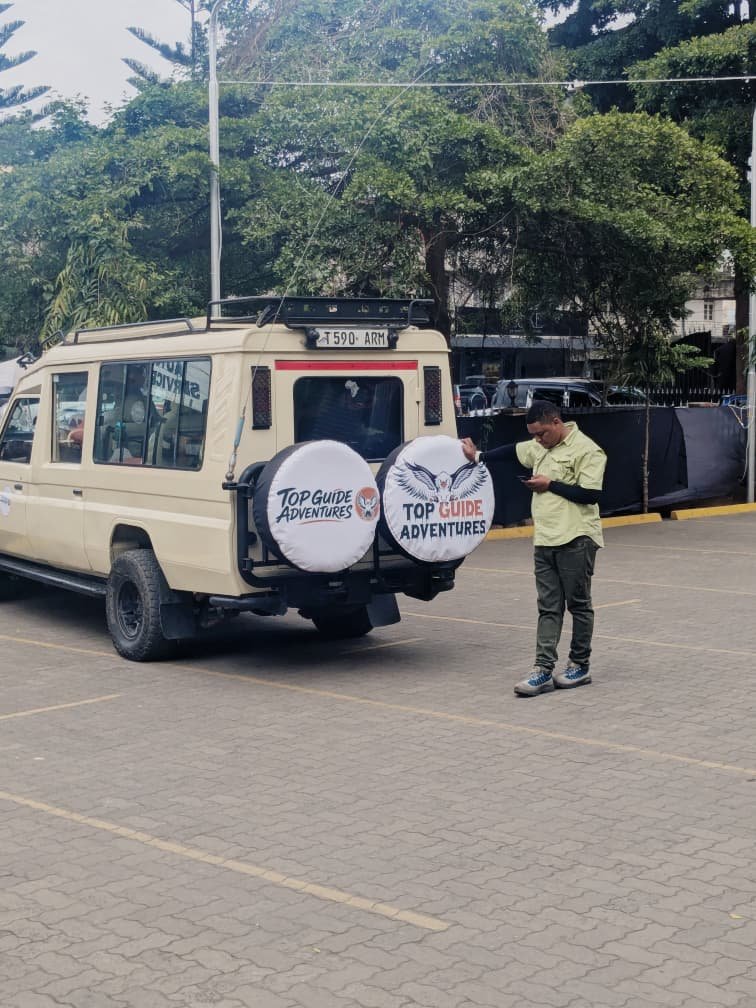

The Allure of Kenya and East Africa for Wildlife Enthusiasts
East Africa, with Kenya at its vibrant core, stands as the undisputed global epicenter for wildlife safaris. The sheer density and diversity of animal life, coupled with vast, untamed landscapes, create an environment where nature’s drama unfolds daily. For travelers dreaming of witnessing the majesty of lions, the grace of giraffes, the power of elephants, and the elusive leopard in their natural habitat, Kenya and its neighboring countries deliver an experience that transcends mere sightseeing, offering profound connections with the wild.
The allure extends beyond the iconic Big Five (lion, leopard, elephant, rhino, buffalo). East Africa is a symphony of biodiversity, from the millions of wildebeest and zebras undertaking their annual Great Migration across the Serengeti and Masai Mara plains to the vibrant birdlife that graces the skies and water bodies. The landscapes themselves are equally compelling, ranging from the savannahs dotted with acacia trees to the rugged peaks of Mount Kilimanjaro and the serene Rift Valley lakes teeming with flamingos. This rich mix of life and scenery is precisely why so many travelers, year after year, set their sights on this incredible region.
As we look towards 2026 and 2027, the appeal of East African safaris remains undiminished. In fact, with increasing awareness of conservation efforts and a growing desire for authentic, responsible travel experiences, the demand for well-planned, impactful journeys is higher than ever. Top Guide Adventures is dedicated to providing just that – complete travel experiences across Tanzania and Kenya, with personal attention and dedicated support, ensuring your safari is not only thrilling but also meaningful.
Why Choose Kenya for Your Safari Adventure?
Kenya is often considered the birthplace of the safari, and for good reason. It boasts a remarkable concentration of wildlife, a well-developed tourism infrastructure, and a legacy of conservation that has preserved its natural heritage. When you envision an East African safari, images of the Masai Mara, with its endless plains and dramatic predator-prey interactions, likely come to mind. This iconic reserve is a UNESCO World Heritage site and a crucial part of the Serengeti-Mara ecosystem, making it a must-visit for any wildlife enthusiast.
Beyond the Masai Mara, Kenya offers a stunning variety of landscapes and wildlife viewing opportunities:
- Amboseli National Park: Famous for its large elephant herds and striking views of Mount Kilimanjaro across the border in Tanzania. It’s an ideal location for photography and observing elephant family dynamics.
- Samburu National Reserve: Located in the arid north, Samburu is home to unique species adapted to the dry conditions, including the reticulated giraffe, Grevy’s zebra, Beisa oryx, and the Somali ostrich, often referred to as the “Samburu Special Five.”
- Lake Nakuru National Park: Renowned for its millions of flamingos that once coated the lake shores (though numbers can vary), it’s also a sanctuary for both black and white rhinos, Rothschild’s giraffes, and a variety of other mammals and birds.
- Tsavo East and West National Parks: Together, these form one of the largest national parks in Kenya, offering diverse landscapes from volcanic hills and lava flows to open plains. Tsavo is known for its “red elephants,” which get their color from the local soil.
The accessibility and variety make Kenya a top choice for first-time safari-goers and seasoned travelers alike. The country’s commitment to conservation ensures that these natural wonders will be preserved for future generations, making a safari here in 2026 or 2027 A responsible and rewarding choice.
Understanding the Great Migration: A Natural Spectacle
No discussion of East African safaris is complete without mentioning the Great Migration. This colossal movement of over 1.5 million wildebeest, zebras, and gazelles across the Serengeti-Mara ecosystem is one of the planet’s most extraordinary natural events. It’s a continuous cycle driven by the search for fresh grazing land and water, dictated by the seasons.
The migration’s path is predictable, yet dynamic:
- January to March: The herds are typically in the southern Serengeti (Tanzania), calving season. This is a prime time to witness newborn wildebeest and the predators that follow them.
- April to May: The herds begin to move north, often facing the “long rains” which can make travel more challenging.
- June to October: The migration reaches the northern Serengeti and the Masai Mara (Kenya). This period is famous for the dramatic river crossings, particularly the Grumeti and Mara Rivers, where crocodiles lie in wait. This is often considered the peak viewing season for the migration in Kenya.
- November to December: The herds move back south, seeking fresh pastures in the southern Serengeti.
Planning your safari to coincide with specific stages of the Great Migration can be a highlight of your trip. For 2026-2027, booking well in advance is crucial if witnessing this phenomenon is a priority, especially for peak migration months like July, August, and September in the Masai Mara. Top Guide Adventures can help you time your visit perfectly to catch this incredible spectacle.
Beyond Kenya: Exploring Other East African Gems
While Kenya is a powerhouse, the broader East African region offers complementary and equally spectacular safari experiences. For travelers looking to combine destinations or seek slightly different landscapes and wildlife, neighboring countries are exceptional choices.
Tanzania: The Land of Giants and Migrations
Tanzania is a natural extension for many Kenya-focused safaris, sharing the vast Serengeti ecosystem. Top Guide Adventures specializes in Tanzania, offering comprehensive packages:
- Serengeti National Park: The Tanzanian counterpart to the Masai Mara, offering immense plains that are central to the Great Migration. Its sheer size means wildlife is present year-round.
- Ngorongoro Conservation Area: Home to the Ngorongoro Crater, a UNESCO World Heritage site and a natural caldera teeming with wildlife. It’s one of the best places in Africa to see the Big Five in a single day, including the endangered black rhino.
- Tarangire National Park: Known for its large elephant herds, particularly during the dry season when they congregate around the Tarangire River, and its iconic baobab trees.
- Mount Kilimanjaro: Africa’s highest peak, offering a challenging but rewarding climb for adventurers. Top Guide Adventures is a trusted operator for Kilimanjaro climbs, with specific routes like the Machame Route.
- Zanzibar: For those seeking a tropical escape after a safari, the spice islands of Zanzibar offer pristine beaches, rich history, and vibrant culture.
Combining Kenya and Tanzania on a single safari is a popular option for 2026-2027, allowing for a comprehensive experience of the Great Migration and diverse ecosystems. Top Guide Adventures can arrange well-organized transfers and integrated itineraries between the two countries.
Uganda and Rwanda: Gorilla Trekking Havens
For a truly unique wildlife encounter, gorilla trekking in Uganda (Bwindi Impenetrable National Park, Mgahinga Gorilla National Park) or Rwanda (Volcanoes National Park) is an unforgettable experience. These tours involve hiking through dense rainforests to observe habituated mountain gorilla families. While different from savannah safaris, they offer an unparalleled opportunity to connect with our closest living relatives.
These treks are highly regulated, with limited permits available. Early booking for 2026 and 2027 Is essential, especially for peak seasons. This adds another dimension to an East African adventure, often combined with chimpanzee trekking or savannah safaris in neighboring countries.
Planning Your East African Safari: Key Considerations for 2026-2027
A successful safari requires careful planning. Here are essential factors to consider when organizing your trip for 2026-2027:
When to Go: Timing Your Safari
The best time to visit East Africa largely depends on what you want to see and experience:
- Dry Season (June to October): Generally considered the peak safari season. Wildlife is easier to spot as animals congregate around water sources, and vegetation is less dense. This is also prime time for the Great Migration in Kenya’s Masai Mara. Expect sunny days and cooler nights.
- Wet Season (November to May): This period offers lush landscapes, fewer crowds, and often lower prices. The “long rains” typically occur from March to May, while “short rains” can happen in November and December. Birdwatching is excellent during this time, and it’s ideal for observing newborn animals. The calving season of the Great Migration in the southern Serengeti (January-March) falls within this period.
For 2026-2027, understanding these seasonal patterns will help you choose the optimal time for your specific interests, whether it’s witnessing river crossings of the migration, enjoying the lush greenery of the green season, or spotting specific species.
Choosing Your Safari Style and Accommodation
East Africa offers a spectrum of safari experiences to suit different preferences and budgets:
- Budget Camping Safaris: These offer a more rustic and adventurous experience, staying in public or private campsites. They are the most economical option.
- Mid-Range Safaris: Typically involve staying in comfortable lodges or tented camps with en-suite facilities, offering a balance of comfort and authenticity.
- Luxury Safaris: Feature high-end lodges and exclusive tented camps with premium amenities, gourmet dining, and often private guiding services.
- Mobile Safaris: These are designed to follow the wildlife movements, especially the Great Migration, with camps being set up and dismantled as the herds move.
- Fly-in Safaris: For those with limited time or seeking exclusive access to remote areas, flying between lodges can save significant travel time.
Top Guide Adventures excels at crafting tailor-made journeys. Whether you envision a classic Kenya safari package, a luxury Tanzanian exploration, or a combination trip for 2026, we can match you with the perfect accommodation and travel style.
Itinerary Planning: Duration and Routes
The length of your safari will dictate how much you can see. A typical safari in Kenya might range from 5 to 10 days, focusing on 2-3 national parks. For a broader East African experience, including Tanzania, 10-14 days is common.
Sample Itinerary Ideas for 2026-2027:
- Classic Kenya (7 Days): Nairobi (arrival/departure), Masai Mara (3 days), Lake Nakuru (1 day), Amboseli (2 days).
- Kenya & Tanzania Highlights (12 Days): Nairobi (arrival), Masai Mara (3 days), Lake Victoria (transfer), Serengeti (3 days), Ngorongoro Crater (1 day), Tarangire (2 days), Arusha (departure).
- Great Migration Focus (8 Days): Tailored to be in the Masai Mara during July-September for river crossings, or southern Serengeti Jan-March for calving.
When planning for 2027, consider that popular routes and accommodations, especially those with prime migration viewing spots, book up rapidly. Early consultation with an expert like Top Guide Adventures is key.
Health and Safety Precautions
Your well-being is paramount. Key health and safety considerations include:
- Vaccinations: Consult your doctor or a travel clinic well in advance regarding recommended vaccinations (e.g., Yellow Fever, Hepatitis A, Typhoid) and malaria prophylaxis.
- Travel Insurance: Comprehensive travel insurance covering medical emergencies, evacuation, and trip cancellation is essential.
- Safari Vehicle Safety: Always follow your guide’s instructions inside the vehicle. Do not extend limbs outside the vehicle when game driving.
- Park Regulations: Adhere to all park rules, such as not feeding animals, staying on designated paths, and respecting wildlife distances.
- Water and Food: Drink only bottled or purified water. Be cautious with uncooked foods if you have a sensitive stomach.
Top Guide Adventures prioritizes client safety, working with experienced guides and reputable lodges that adhere to high operational standards.
What to Pack for Your East African Safari
Packing smart can significantly enhance your safari experience. Focus on lightweight, breathable clothing in neutral colors (khaki, beige, olive green) that blend with the environment and help camouflage you from wildlife. Avoid bright colors, black, and dark blue, which can attract insects or be perceived as threatening by animals.
Essential Items:
- Clothing: Lightweight long-sleeved shirts and trousers (for sun and insect protection), T-shirts, shorts, a fleece or warm jacket for cool evenings and early mornings, a wide-brimmed hat, comfortable walking shoes or hiking boots, and sandals or flip-flops for relaxing at the lodge.
- Optics: Binoculars are crucial for spotting wildlife at a distance. A good pair (e.g., 8×42 or 10×42) will significantly enhance your viewing.
- Photography: A camera with a good zoom lens, extra batteries, memory cards, and a dust-proof bag. Consider a beanbag for stabilizing your camera in the vehicle.
- Sun Protection: High SPF sunscreen, sunglasses, and lip balm.
- Insect Repellent: Containing DEET or Picaridin.
- First-Aid Kit: Personal medications, bandages, antiseptic wipes, pain relievers, and any specific items recommended by your doctor.
- Documents: Passport, visa (if required), vaccination certificates, flight details, and insurance information. Keep copies separate from originals.
- Other: A headlamp or flashlight, reusable water bottle, small backpack for day trips, and a power bank or universal adapter.
For your 2026-2027 Safari, remember that most lodges offer laundry services, so you don’t need to pack an outfit for every single day.
The Role of Local Expertise: Why Choose Top Guide Adventures
Navigating the complexities of planning an East African safari can be daunting. From understanding visa requirements and park fees to selecting the best routes and accommodations, local expertise is invaluable. Top Guide Adventures, based in Tanzania and with extensive experience across East Africa, offers precisely this advantage.
Our commitment to providing personalized attention and dedicated support means we:
- Craft Tailor-Made Itineraries: We listen to your interests, budget, and travel style to design a unique safari that meets your expectations. Whether you’re focused on specific wildlife, photography, cultural experiences, or a mix, we tailor the plan.
- Offer Expert Guidance: With years of experience, our team understands the nuances of each park, the best times for wildlife viewing, and the most reliable lodges and camps.
- Ensure well-organized Logistics: We handle all the details, from airport transfers and internal flights to park bookings and accommodation reservations, ensuring a stress-free experience.
- Prioritize Value: We strive to offer competitive pricing without compromising on the quality of your safari. Our packages are designed to provide the best possible value for your investment.
- Support Responsible Tourism: We work with partners who are committed to conservation and supporting local communities, ensuring your safari contributes positively to the region.
For your 2026-2027 Safari planning, partnering with Top Guide Adventures means gaining a trusted ally dedicated to making your East African dream a reality. We organize Tanzania safaris, Serengeti and Ngorongoro tours, Kilimanjaro climbs, Zanzibar holidays, cultural experiences, and tailor-made journeys across Northern and Southern Tanzania, and extend this expertise to Kenya and the wider East African region.
Booking Your 2026-2027 East Africa Safari
The planning process for a safari is an exciting part of the journey. For 2026 and 2027, early booking is highly recommended, especially for peak seasons, specific lodges, and popular activities like gorilla trekking.
Here’s a general guideline for booking:
- 12-18 Months in Advance: For peak season travel (e.g., July-September for migration), luxury lodges, or gorilla permits.
- 6-12 Months in Advance: For mid-season travel or standard lodge accommodations.
- 3-6 Months in Advance: For off-peak season travel or more budget-friendly options.
When you’re ready to start planning your Kenya or East Africa safari for 2026 or 2027, reach out to Top Guide Adventures. We are here to answer all your questions and help you create an well-planned trip. You can contact us via WhatsApp at +255616946642, email us at Topguideadventures@gmail.com, or use our backup email Info@topguideadventures.com. Visit our website at Topguideadventurestanzania.com For more information on our offerings and to explore sample itineraries.
Frequently Asked Questions About Kenya and East Africa Safaris
What is the best time of year for a Kenya safari?
The dry season, from June to October, is generally considered the best time for a Kenya safari due to easier wildlife viewing as animals congregate around water sources. However, the green season (November to May) offers lush landscapes, fewer crowds, and excellent birdwatching, with the calving season of the Great Migration in the southern Serengeti (January-March) being a highlight.
How much does an East Africa safari cost?
Safari costs vary significantly based on duration, accommodation style (camping, mid-range lodges, luxury camps), chosen parks, and private vs. Shared tours. A budget camping safari might start from around $150-$200 per person per day, while mid-range safaris can range from $300-$500 per person per day, and luxury safaris can exceed $600-$1000+ per person per day. For 2026-2027, expect prices to be similar or slightly higher than current rates. Top Guide Adventures provides custom quotes based on your specific requirements.
Is it safe to go on safari in Kenya?
Kenya is a safe safari destination when proper precautions are taken. Reputable tour operators like Top Guide Adventures prioritize client safety by using experienced guides, well-maintained vehicles, and adhering to park regulations. It’s important to follow your guide’s instructions, stay aware of your surroundings, and take necessary health precautions such as malaria prevention.
What is the difference between a Kenya safari and a Tanzania safari?
Both Kenya and Tanzania offer incredible wildlife viewing. Kenya’s Masai Mara is famous for the peak migration crossings (July-October) and has excellent rhino populations in Lake Nakuru. Tanzania offers the vast Serengeti plains (central year-round), the unique Ngorongoro Crater, and Tarangire’s baobabs and elephants. Many travelers combine both countries for a comprehensive East African experience, especially to witness the entire Great Migration cycle.
Do I need a visa for Kenya and Tanzania?
Visa requirements vary by nationality. Many nationalities can obtain a visa on arrival or apply online in advance for both Kenya and Tanzania. It is advisable to check the latest visa regulations for your specific country of origin well before your 2026-2027 Travel dates, as requirements can change.
Check Availability for Kenya And East Africa Safaris: Ultimate Guide For Adventures 2026-2027
Ready to compare dates, prices, and the best option for your group? Send the package name and travel month so the team can reply with a clear quote, availability, and what is included.
Kenya 2 Week Itinerary: Ultimate Safari Adventure & Cultural Immersion
Discover the perfect Kenya 2 week itinerary, blending iconic wildlife encounters in Maasai Mara and Amboseli with cultural insights and relaxation. This guide details a realistic and...
View package details
Kenya Tanzania Safaris: Your Ultimate Guide To East Africas Iconic Wildlife
Start an incredible journey combining Kenya and Tanzania for the ultimate East African safari experience. This guide covers everything from the best parks and wildlife viewing opportunities...
View package details
Best Kenya Tours From Nairobi And Mombasa: Your Ultimate Guide 2026-2027
Discover the ultimate Kenya tours starting from Nairobi and Mombasa. This comprehensive guide covers top destinations like Masai Mara and Amboseli, ideal itineraries for 2026-2027, and...
View package details
Combien Coûte Un Safari Au Kenya En : Guide Complet Des Prix 2026-2027
Planifier un safari au Kenya est un rêve pour beaucoup, mais la question du coût est primordiale. Cet article détaille combien coûte un safari au Kenya en 2026-2027, en abordant les...
View package details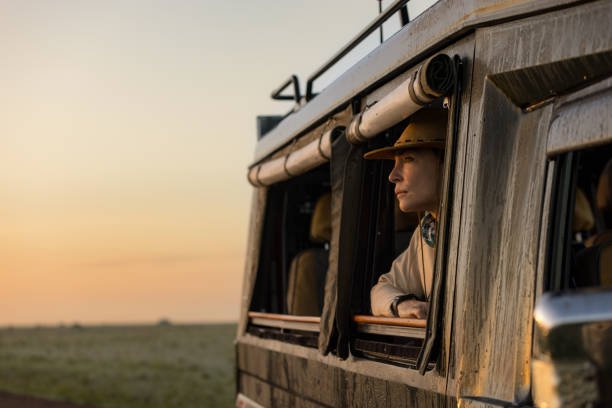
East Tanzania Safari Lodges: Luxury & Mid-Range Stays For 2026-2027
Explore the best safari lodges in East Tanzania for your 2026-2027 adventure. This guide covers everything from opulent luxury accommodations to comfortable mid-range options, helping you...
View package details
Safari Kenya Tout Compris: Your All-Inclusive Kenyan Guide 2026-2027
Discover the ultimate convenience with a Safari Kenya tout compris experience. This guide breaks down what an all-inclusive safari in Kenya entails, from park fees and accommodation to...
View package detailsWhere To See Giraffes In Africa: Best Parks & Safaris For 2026-2027
Africa is synonymous with its iconic giraffes, and seeing these gentle giants in their natural habitat is a highlight for many travelers. This guide reveals the top destinations and safari...
View package details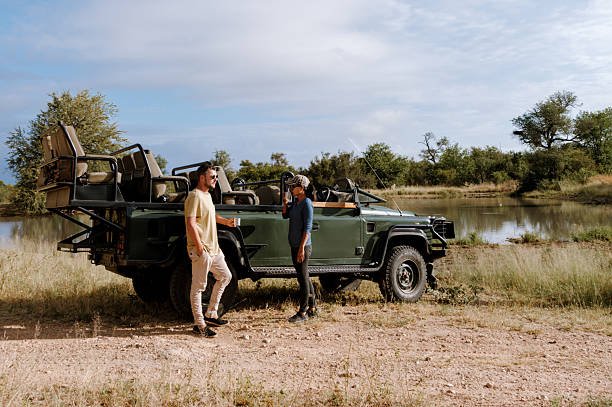
Agence Safari Tanzanie: Top Guide Adventures Expert Planning For 2026-2027
Top Guide Adventures is a premier agence safari Tanzanie, specializing in crafting unforgettable wildlife encounters, mountain climbs, and beach escapes across Tanzania. With a focus on...
View package details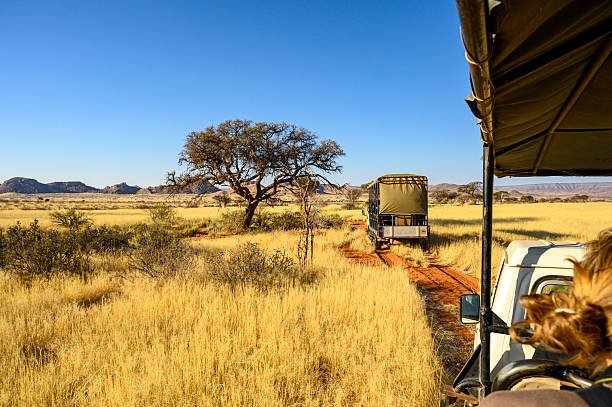
Arusha City Tour: Your Gateway To Northern Tanzanias Wonders 2026-2027
Experience Arusha, the vibrant hub of Northern Tanzania. Our Arusha city tours offer a perfect introduction to local life, culture, and the stunning landscapes that await your adventure.
View package detailsArusha: Your Gateway To Tanzanias Northern Safari Circuit And Kilimanjaro
Arusha serves as Tanzania's vibrant gateway, connecting travelers to the world-renowned Northern Safari Circuit, the majestic Mount Kilimanjaro, and the unique cultural landscapes of the...
View package detailsBest Beach In Dar Es Salaam: Your Ultimate Guide For 2026-2027
Exploring the coast near Dar es Salaam? This guide reveals the best beaches, from tranquil escapes to lively local spots, perfect for your 2026-2027 travel plans. Find out which stretch of...
View package details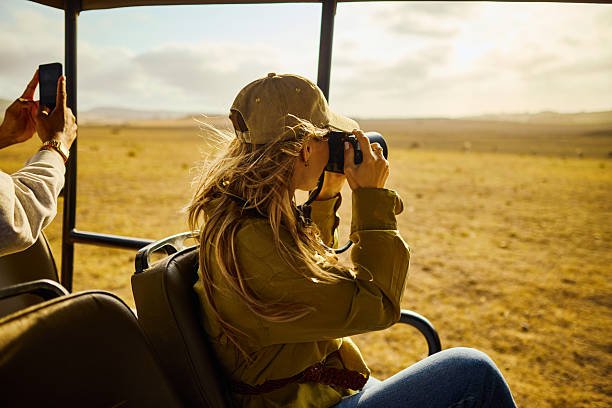
Best Beach Near Me: Zanzibars Ultimate Coastal Escapes For 2026-2027
Planning a trip to Zanzibar and wondering about the best beach nearby? This guide explores Zanzibar's most stunning coastlines, from lively Nungwi to serene Paje, offering practical advice...
View package detailsNo closely related package is available for this topic yet.



