
.orscg-article{–orscg-text:#152033;–orscg-muted:#5c6878;–orscg-line:#e4e8ee;–orscg-accent:#0b6b4f;–orscg-accent2:#c75b12;–orscg-soft:#f6faf7;–orscg-warm:#fff7ef;max-width:1120px;margin:0 auto;color:var(–orscg-text);font-family:inherit;line-height:1.76}.orscg-article *{box-sizing:border-box}.orscg-article-intro{padding:30px 26px;margin:0 0 32px;border:1px solid var(–orscg-line);border-radius:22px;background:linear-gradient(135deg,#fff 0%,var(–orscg-soft) 65%,var(–orscg-warm) 100%)}.orscg-updated{display:inline-block;margin:0 0 14px;padding:6px 12px;border:1px solid rgba(11,107,79,.18);border-radius:999px;background:#fff;color:var(–orscg-accent);font-size:13px;font-weight:800}.orscg-article-intro h2{font-family:’Trebuchet MS’,Arial,sans-serif;margin:0 0 14px;font-size:clamp(30px,4vw,52px);line-height:1.08;color:var(–orscg-text);letter-spacing:-.03em}.orscg-lead{max-width:900px;margin:0 0 18px;font-size:clamp(17px,2vw,21px);color:var(–orscg-muted)}.orscg-contact-mini{font-weight:800;margin:0}.orscg-contact-mini a,.orscg-content a{color:var(–orscg-accent);text-decoration:none}.orscg-contact-mini a:hover,.orscg-content a:hover{text-decoration:underline}.orscg-hero-price{margin:18px 0 0;padding:14px 16px;border:1px solid rgba(199,91,18,.28);border-radius:14px;background:#fff;color:#733809;font-weight:650}.orscg-content{font-size:17px}.orscg-content h2{font-family:’Trebuchet MS’,Arial,sans-serif;margin:44px 0 15px;font-size:clamp(25px,3vw,38px);line-height:1.17;color:var(–orscg-text);letter-spacing:-.02em}.orscg-content h2:first-child{margin-top:0}.orscg-content h3{margin:28px 0 12px;font-size:clamp(20px,2.1vw,27px);line-height:1.25;color:var(–orscg-text)}.orscg-content p{margin:0 0 18px}.orscg-content ul,.orscg-content ol{margin:0 0 24px;padding-left:24px}.orscg-content li{margin:8px 0}.orscg-content table,.orscg-table{width:100%;border-collapse:separate;border-spacing:0;margin:25px 0;font-size:16px;border:1px solid var(–orscg-line);border-radius:0;overflow:hidden;background:#fff;box-shadow:0 10px 24px rgba(15,23,42,.05)}.orscg-content th,.orscg-content td{border:0;border-bottom:1px solid var(–orscg-line);padding:13px 14px;text-align:left;vertical-align:top}.orscg-content tr:last-child td{border-bottom:0}.orscg-content th{background:var(–orscg-soft);font-weight:850;color:#10251d}.orscg-price-box{margin:30px 0;padding:24px;border:0;border-top:3px solid var(–orscg-accent2);border-bottom:1px solid rgba(199,91,18,.28);border-radius:0;background:linear-gradient(135deg,#fff,var(–orscg-warm));box-shadow:0 12px 26px rgba(15,23,42,.06)}.orscg-price-box h2{margin-top:0}.orscg-price-table th{background:#fff1e3}.orscg-price-table td:first-child{font-weight:800;color:#733809}.orscg-anchor-target{display:block;position:relative;top:-115px;visibility:hidden;height:0;overflow:hidden}.orscg-content h2[data-orscg-anchor]{scroll-margin-top:120px}.orscg-toc,.orscg-company-links{margin:24px 0;padding:22px 24px;border:1px solid var(–orscg-line);border-radius:18px;background:#fff;box-shadow:0 10px 28px rgba(15,23,42,.04)}.orscg-toc h2,.orscg-company-links h2{margin-top:0}.orscg-toc ol{columns:2;column-gap:34px}.orscg-toc li{break-inside:avoid}.orscg-toc a{cursor:pointer;font-weight:700}.orscg-note,.orscg-checklist,.orscg-itinerary,.orscg-faq,.orscg-map,.orscg-pro-block{margin:28px 0;padding:22px 24px;border:0;border-top:1px solid var(–orscg-line);border-bottom:1px solid var(–orscg-line);border-left:5px solid var(–orscg-accent);border-radius:0;background:var(–orscg-soft)}.orscg-itinerary{border-left-color:var(–orscg-accent2);background:#fffaf5}.orscg-pro-block{background:linear-gradient(135deg,#fff,var(–orscg-soft));box-shadow:0 10px 28px rgba(15,23,42,.04)}.orscg-top-images{display:grid;grid-template-columns:repeat(auto-fit,minmax(220px,1fr));gap:16px;margin:0 0 30px}.orscg-featured-image{margin:0;aspect-ratio:16/10;overflow:hidden;border-radius:18px;background:#eef2f0}.orscg-featured-image img{display:block;width:100%;height:100%;object-fit:cover;object-position:center;border-radius:18px;box-shadow:0 12px 30px rgba(15,23,42,.10)}.orscg-simple-cta{margin:46px 0 0;padding:28px;border:0;border-top:3px solid var(–orscg-accent);border-bottom:1px solid rgba(11,107,79,.20);border-radius:0;background:linear-gradient(135deg,var(–orscg-soft),#fff);box-shadow:0 14px 30px rgba(15,23,42,.07)}.orscg-direct-answer{margin:0 0 30px;padding:22px 24px;border:0;border-top:1px solid rgba(11,107,79,.25);border-bottom:1px solid rgba(11,107,79,.25);border-left:6px solid var(–orscg-accent);border-radius:0;background:linear-gradient(135deg,#fff,var(–orscg-soft));box-shadow:0 12px 26px rgba(15,23,42,.06);font-size:18px}.orscg-direct-answer p:last-child{margin-bottom:0}.orscg-simple-cta h2{font-family:’Trebuchet MS’,Arial,sans-serif;margin:0 0 12px;font-size:clamp(24px,3vw,34px);line-height:1.2}.orscg-simple-cta p{margin:0 0 16px}.orscg-related-packages{position:relative;margin:48px 0 0;padding:30px 0 8px;border:0;border-top:3px solid var(–orscg-accent);border-bottom:1px solid var(–orscg-line);border-radius:0;background:linear-gradient(180deg,#fff 0%,#f7faf8 100%);box-shadow:none}.orscg-related-packages h2{margin:0 0 8px}.orscg-related-packages p{margin:0;color:var(–orscg-muted)}.orscg-related-heading{display:flex;align-items:flex-end;justify-content:space-between;gap:18px;margin-bottom:22px}.orscg-package-explorer{display:grid;grid-template-columns:minmax(220px,270px) minmax(0,1fr);gap:24px;align-items:start}.orscg-package-filters{position:sticky;top:92px;border:1px solid var(–orscg-line);border-top:4px solid var(–orscg-accent);border-radius:0;background:#fff;box-shadow:0 12px 28px rgba(15,23,42,.07)}.orscg-filter-mobile-toggle{display:none;width:100%;padding:14px 16px;border:0;border-bottom:1px solid var(–orscg-line);border-radius:0;background:#fff;color:var(–orscg-text);font:inherit;font-weight:850;text-align:left;cursor:pointer}.orscg-filter-panel-head{display:flex;align-items:center;justify-content:space-between;gap:12px;padding:16px 17px;border-bottom:1px solid var(–orscg-line)}.orscg-filter-panel-head strong{font-size:18px}.orscg-filter-panel-head button,.orscg-package-results-head button{padding:0;border:0;background:transparent;color:var(–orscg-accent);font:inherit;font-size:13px;font-weight:800;cursor:pointer}.orscg-filter-group{margin:0;padding:16px 17px;border:0;border-bottom:1px solid var(–orscg-line)}.orscg-filter-group:last-child{border-bottom:0}.orscg-filter-group legend{display:block;width:100%;margin:0 0 10px;padding:0;color:var(–orscg-text);font-size:15px;font-weight:900}.orscg-filter-group label{display:grid;grid-template-columns:18px minmax(0,1fr) auto;align-items:center;gap:9px;margin:9px 0;color:var(–orscg-text);font-size:14px;line-height:1.35;cursor:pointer}.orscg-filter-group input{width:16px;height:16px;margin:0;accent-color:var(–orscg-accent)}.orscg-filter-group b{min-width:24px;color:var(–orscg-muted);font-size:12px;font-weight:700;text-align:right}.orscg-package-results{min-width:0}.orscg-package-results-head{display:flex;align-items:center;justify-content:space-between;gap:14px;margin:0 0 12px;padding:12px 0;border-top:1px solid var(–orscg-line);border-bottom:1px solid var(–orscg-line)}.orscg-package-results-head strong{font-size:15px}.orscg-package-list{display:grid;gap:16px}.orscg-package-card{display:grid;grid-template-columns:minmax(190px,245px) minmax(0,1fr);min-width:0;overflow:hidden;border:1px solid var(–orscg-line);border-left:4px solid var(–orscg-accent);border-radius:0;background:#fff;color:var(–orscg-text);box-shadow:0 12px 26px rgba(15,23,42,.07);transition:transform .18s ease,box-shadow .18s ease}.orscg-package-card[hidden]{display:none!important}.orscg-package-card:hover{transform:translateY(-2px);box-shadow:0 17px 32px rgba(15,23,42,.11)}.orscg-package-card-image{display:block;min-height:185px;overflow:hidden;background:#eaf0ec;text-decoration:none!important}.orscg-package-card-image img{display:block;width:100%;height:100%;min-height:185px;object-fit:cover;object-position:center}.orscg-package-image-placeholder{display:block;width:100%;height:100%;min-height:185px;background:linear-gradient(135deg,#e8f1ec,#fff3e7)}.orscg-package-card-body{display:flex;min-width:0;flex-direction:column;padding:18px 20px}.orscg-package-meta{display:flex;flex-wrap:wrap;gap:7px;margin:0 0 10px}.orscg-package-meta span{display:inline-flex;padding:4px 8px;border:1px solid rgba(11,107,79,.18);border-radius:0;background:var(–orscg-soft);color:#21463b;font-size:12px;font-weight:800;line-height:1.2}.orscg-package-card h3{margin:0 0 8px!important;font-size:clamp(19px,2vw,25px)!important;line-height:1.25}.orscg-package-card h3 a{color:var(–orscg-text)!important;text-decoration:none!important}.orscg-package-card h3 a:hover{color:var(–orscg-accent)!important}.orscg-package-card .orscg-package-summary{margin:0 0 14px;color:var(–orscg-muted);font-size:14px;line-height:1.58}.orscg-package-view{display:inline-flex;align-items:center;gap:7px;margin-top:auto;color:var(–orscg-accent)!important;text-decoration:none!important;font-size:14px;font-weight:900}.orscg-package-view:hover{text-decoration:underline!important}.orscg-package-empty{padding:24px;border:1px dashed var(–orscg-line);background:#fff;text-align:center}.orscg-filter-panel.is-open{display:block}.orscg-cta-links{display:flex;flex-wrap:wrap;gap:12px}.orscg-btn{display:inline-flex;align-items:center;justify-content:center;padding:12px 19px;border-radius:0;background:var(–orscg-accent);color:#fff!important;text-decoration:none!important;font-weight:850;box-shadow:4px 4px 0 rgba(11,107,79,.18)}.orscg-btn-light{background:#fff;color:var(–orscg-accent)!important;border:1px solid var(–orscg-accent);box-shadow:none}@media(max-width:980px){.orscg-package-explorer{grid-template-columns:220px minmax(0,1fr)}.orscg-package-card{grid-template-columns:190px minmax(0,1fr)}}@media(max-width:760px){.orscg-article-intro{padding:24px 18px}.orscg-toc ol{columns:1}.orscg-content{font-size:16px}.orscg-content table,.orscg-table{display:block;overflow-x:auto}.orscg-simple-cta,.orscg-price-box,.orscg-related-packages{padding:20px}.orscg-cta-links{display:block}.orscg-btn{margin:0 8px 8px 0}.orscg-top-images{grid-template-columns:1fr}.orscg-related-heading{align-items:flex-start}.orscg-package-explorer{grid-template-columns:1fr}.orscg-package-filters{position:static}.orscg-filter-mobile-toggle{display:block}.orscg-filter-panel{display:none}.orscg-filter-panel.is-open{display:block}.orscg-package-card{grid-template-columns:1fr}.orscg-package-card-image,.orscg-package-card-image img,.orscg-package-image-placeholder{min-height:210px}.orscg-package-results-head{align-items:flex-start}}
/* v3.17.24 related package explorer: stronger existing-page topic matching, three-column desktop grid and old-page live refresh */
.orscg-related-packages{padding:34px 0 12px;overflow:visible}.orscg-related-heading{align-items:flex-start;margin-bottom:26px}.orscg-related-heading>div{max-width:880px}.orscg-related-heading h2{font-size:clamp(27px,3vw,40px);line-height:1.14}.orscg-related-heading p{max-width:830px;line-height:1.65}.orscg-package-explorer{grid-template-columns:minmax(238px,270px) minmax(0,1fr);gap:28px}.orscg-package-filters{top:84px;max-height:calc(100vh – 104px);overflow:auto;scrollbar-width:thin}.orscg-filter-mobile-toggle{align-items:center;justify-content:space-between;gap:16px}.orscg-filter-mobile-toggle small{color:var(–orscg-muted);font-size:12px;font-weight:750}.orscg-filter-panel-head{align-items:flex-start;padding:18px}.orscg-filter-panel-head>div{display:grid;gap:3px}.orscg-filter-panel-head span{color:var(–orscg-muted);font-size:12px}.orscg-filter-group{padding:0}.orscg-filter-group legend{margin:0}.orscg-filter-group-toggle{display:flex;width:100%;align-items:center;justify-content:space-between;gap:14px;padding:14px 17px;border:0;background:#fff;color:var(–orscg-text);font:inherit;font-size:15px;font-weight:900;text-align:left;cursor:pointer}.orscg-filter-group-toggle i{position:relative;width:14px;height:14px;flex:0 0 14px}.orscg-filter-group-toggle i:before,.orscg-filter-group-toggle i:after{content:””;position:absolute;left:1px;top:6px;width:12px;height:2px;background:var(–orscg-accent);transition:transform .18s ease}.orscg-filter-group-toggle i:after{transform:rotate(90deg)}.orscg-filter-group.is-expanded .orscg-filter-group-toggle i:after{transform:rotate(0)}.orscg-filter-options{padding:0 17px 14px}.orscg-filter-group:not(.is-expanded) .orscg-filter-options{display:none}.orscg-filter-group label{margin:5px -7px;padding:8px 7px;transition:background .16s ease}.orscg-filter-group label:hover{background:var(–orscg-soft)}.orscg-filter-group label:has(input:checked){background:#eef8f3;color:#123b2f;font-weight:800}.orscg-package-results-head{align-items:flex-start;margin-bottom:18px;padding:14px 0}.orscg-package-results-head>div{min-width:0}.orscg-package-results-head>button{flex:0 0 auto;margin-top:2px}.orscg-active-filters{display:flex;flex-wrap:wrap;gap:6px;margin-top:8px}.orscg-active-filters:empty{display:none}.orscg-active-filter-chip{display:inline-flex;align-items:center;padding:4px 8px;border:1px solid rgba(11,107,79,.18);background:var(–orscg-soft);color:#21463b;font-size:12px;font-weight:750}.orscg-package-list{grid-template-columns:repeat(3,minmax(0,1fr));gap:20px;align-items:stretch}.orscg-package-card{position:relative;display:grid;grid-template-columns:1fr;grid-template-rows:auto 1fr;height:100%;border-left:1px solid var(–orscg-line);border-top:4px solid var(–orscg-accent);cursor:pointer;outline:none}.orscg-package-card:focus-visible{box-shadow:0 0 0 3px rgba(11,107,79,.2),0 17px 32px rgba(15,23,42,.11)}.orscg-package-card-image{min-height:0;aspect-ratio:16/9}.orscg-package-card-image img,.orscg-package-image-placeholder{width:100%;height:100%;min-height:0;aspect-ratio:16/9}.orscg-package-card-body{height:100%;padding:18px 19px 19px}.orscg-package-card h3{font-size:clamp(18px,1.7vw,23px)!important}.orscg-package-summary{display:-webkit-box;overflow:hidden;-webkit-box-orient:vertical;-webkit-line-clamp:3}.orscg-package-view{padding-top:4px}.orscg-package-card.is-filtered-in{animation:orscgPackageReveal .22s ease both}@keyframes orscgPackageReveal{from{opacity:.35;transform:translateY(5px)}to{opacity:1;transform:none}}@media(max-width:1050px){.orscg-package-explorer{grid-template-columns:220px minmax(0,1fr);gap:20px}.orscg-package-list{grid-template-columns:repeat(2,minmax(0,1fr))}}@media(max-width:760px){.orscg-related-packages{padding:24px 0 8px}.orscg-package-explorer{grid-template-columns:1fr}.orscg-package-filters{max-height:none;overflow:visible}.orscg-filter-mobile-toggle{display:flex}.orscg-package-list{grid-template-columns:1fr;gap:16px}.orscg-package-card-image{aspect-ratio:16/10}.orscg-package-card-image img,.orscg-package-image-placeholder{aspect-ratio:16/10}.orscg-package-results-head{gap:10px}.orscg-package-results-head>button{white-space:nowrap}}@media(max-width:430px){.orscg-package-results-head{display:grid;grid-template-columns:1fr}.orscg-package-results-head>button{justify-self:start}.orscg-filter-mobile-toggle{padding:14px}.orscg-package-card-body{padding:16px}}
Traveling from Zimbabwe to Botswana involves crossing international borders, typically via road or air. The most common land border crossing is between Plumtree (Zimbabwe) and Botswana (Zanzibar/Ramokgwebana). Road travel is feasible using private vehicles or organized tours, with options including buses or shared taxis for independent travelers. Flights are also available, usually connecting through major hubs like Johannesburg, South Africa. Planning for 2026-2027 should consider visa requirements, vehicle insurance, currency exchange, and the best times to travel for wildlife viewing in Botswana’s prime destinations like Chobe National Park and the Okavango Delta.
Understanding the Zimbabwe to Botswana Journey: Key Considerations
The decision to travel from Zimbabwe to Botswana is often driven by the desire to experience two distinct yet complementary Southern African wildlife and cultural landscapes. Zimbabwe offers iconic sights like Victoria Falls (from the Zimbabwean side) and Hwange National Park, while Botswana is globally renowned for its pristine wilderness, particularly the Okavango Delta, Chobe National Park, and the Kalahari Desert. Successfully navigating the journey requires understanding the practicalities of international travel between these neighboring countries. This guide provides a detailed look at how to travel from Zimbabwe to Botswana, covering everything from border logistics and transportation methods to essential planning for 2026-2027.
For many travelers, the transition from Zimbabwe to Botswana is a natural extension of a Southern African adventure. Whether you are starting in Harare, Bulawayo, or near Victoria Falls, the routes and methods to reach Botswana share common themes of border formalities and transport choices. The key is to be well-informed to ensure a smooth and enjoyable transition.
Choosing Your Route: Border Crossings and Entry Points
The primary and most efficient land border crossing for travelers moving between Zimbabwe and Botswana is the Plumtree-Zanzibar (Ramokgwebana) border post. This crossing is situated on the main road connecting Bulawayo in Zimbabwe to Francistown in Botswana.
The Plumtree-Zanzibar (Ramokgwebana) Border Crossing
This is the most frequently used and well-developed land border. It connects the A7 highway in Zimbabwe (originating from Bulawayo) with the A1 highway in Botswana (leading towards Francistown and beyond).
- Location: Approximately 100 km west of Bulawayo, Zimbabwe, and about 70 km east of Francistown, Botswana.
- Accessibility: This crossing is suitable for private vehicles, tour operator vehicles, public buses, and taxis.
- Facilities: Both sides generally have immigration and customs offices, vehicle inspection points, and currency exchange facilities, though services can vary in efficiency.
- Operating Hours: Typically open from 6:00 AM to 10:00 PM daily. It is crucial to confirm these hours closer to your travel date for 2026-2027, as they can be subject to change.
Other Potential Border Crossings (Less Common for this Route)
While Plumtree is the primary route, other border posts exist, though they are less direct for most travelers heading from major Zimbabwean cities to Botswana’s popular tourist areas.
- Kazungula Border Post: This post is crucial if you are traveling directly from Victoria Falls, Zimbabwe, to Kasane, Botswana. It is unique as it involves a ferry crossing of the Zambezi River for vehicles, or a pedestrian bridge. This is a more direct route if your starting point is Victoria Falls and your destination is Kasane (gateway to Chobe National Park). The process can be slower due to ferry operations and a more complex border setup involving multiple countries (Zimbabwe, Botswana, Zambia, Namibia are very close).
- Pandamatenga Border Post: This is a smaller, more remote border post that connects directly to Hwange National Park in Zimbabwe and the Chobe Forest Reserve in Botswana. It’s often used by safari operators and is less accessible for independent travelers.
For most travelers planning their trip from Zimbabwe to Botswana, the Plumtree-Zanzibar crossing will be the most practical choice, especially if originating from Harare or Bulawayo. If your starting point is Victoria Falls, Kazungula becomes a more direct option.
Transportation Options: Getting from Zimbabwe to Botswana
Once you’ve decided on your border crossing, the next step is to select the most suitable mode of transport. Your choice will depend on your budget, time constraints, travel style, and starting point.
1. By Road: Private Vehicle or Tour Operator
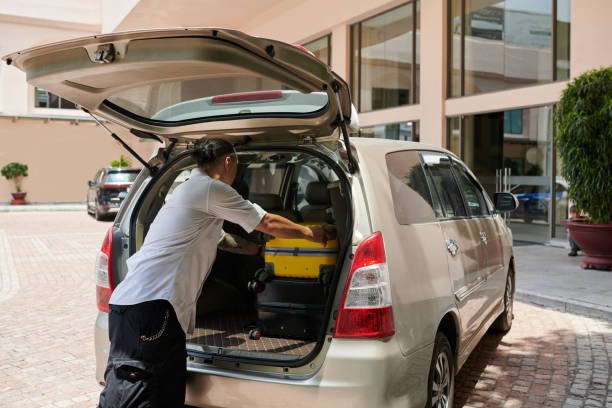
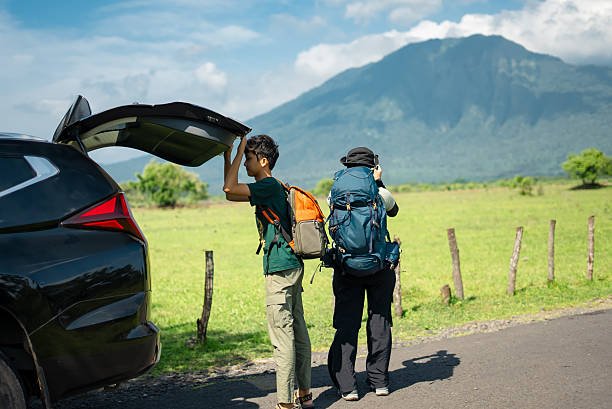
Traveling by private vehicle or with a reputable tour operator offers the most flexibility and comfort. This is particularly advantageous for exploring national parks and remote areas in Botswana.
- Self-Drive: If you are driving your own vehicle or a rental, you will need to complete customs and immigration procedures at the border. Ensure you have all necessary documentation, including vehicle registration, proof of ownership, and a valid international driving permit. For cross-border travel, specific vehicle import permits (Temporary Import Permit – TIP) and customs declarations are required. You will also need to purchase 3rd party insurance for Botswana, which is mandatory and can usually be bought at the border. The road conditions on both sides are generally fair to good on the main routes, but can deteriorate in more remote areas.
- Tour Operator Vehicle: This is often the most hassle-free option. Reputable tour operators like Top Guide Adventures, who specialize in Southern African travel, will arrange all necessary transport, including cross-border logistics. Your driver/guide will handle border formalities, making the process significantly smoother. This is highly recommended for travelers unfamiliar with the region or those who prefer a guided experience. For 2026-2027 travel, booking with a known operator ensures reliable logistics.
2. By Public Transport (Buses and Taxis)
For budget-conscious travelers, public transport is an option, though it requires more patience and flexibility.
- Inter-city Buses: Companies like Intercape and Greyhound operate routes connecting major cities in Zimbabwe (e.g., Harare, Bulawayo) to cities in Botswana (e.g., Francistown, Gaborone). These services are generally reliable and comfortable for long-distance travel. You will disembark at the border, clear immigration and customs, and then re-board the same or a connecting bus on the other side.
- Shared Taxis (Combis/Matatus): In Zimbabwe, and potentially on the Botswana side, shared taxis are a common mode of transport for shorter distances. From Bulawayo, you might find shared taxis heading towards Plumtree. At the border, you would then need to find onward transport into Botswana, likely a shared taxi or bus from the Ramokgwebana side towards Francistown. This is the most economical but also the most time-consuming and least comfortable option. It requires navigating multiple transfers and dealing with potentially crowded vehicles.
3. By Air
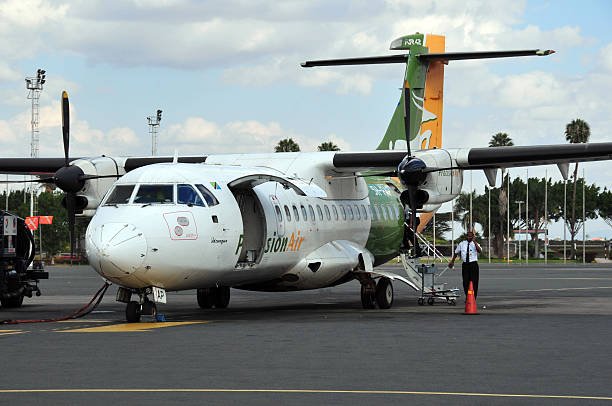
Flying offers the fastest and most convenient way to travel between Zimbabwe and Botswana, especially if time is limited or you are traveling from distant points within Zimbabwe.
- Direct Flights: Direct commercial flights between Zimbabwe and Botswana are rare.
- Connecting Flights: The most common route involves flying from Harare (HRE) or Victoria Falls (VFA) in Zimbabwe to a major hub like Johannesburg (JNB) in South Africa, and then taking a connecting flight to Gaborone (GBE) or Maun (MUB) in Botswana. Air Botswana, Airlink, and South African Airways are typical carriers on these routes.
- Flight Duration: A typical flight itinerary with a connection would take several hours, including layover time.
- Cost: Air travel is generally the most expensive option. Prices can fluctuate significantly based on the airline, booking time, and season. For 2026-2027 bookings, early planning is advised to secure better fares.
- Airports: Major airports in Zimbabwe include Harare International Airport (HRE) and Victoria Falls Airport (VFA). In Botswana, the main international airport is Sir Seretse Khama International Airport (GBE) in Gaborone, with significant domestic and regional connections to Maun (MUB), the gateway to the Okavango Delta.
Border Formalities: What to Expect at the Crossing
Navigating international borders requires preparation and patience. Understanding the process at the Plumtree-Zanzibar (Ramokgwebana) or Kazungula border posts is key to a smooth transition.
Immigration Procedures
- Zimbabwe Exit: You will first proceed to the Zimbabwean immigration office to have your passport stamped for exit. Ensure your passport is valid for at least six months beyond your intended stay and has sufficient blank pages.
- Botswana Entry: After crossing the physical border, you will present yourself at the Botswana immigration office. Depending on your nationality, you may require a visa for Botswana. Check the latest visa regulations for your specific country of citizenship well in advance of your 2026-2027 travel dates. You will need to complete an entry form and may be asked about your purpose of visit, duration of stay, and accommodation.
Customs and Vehicle Procedures
- Personal Effects: Declare any goods that exceed the duty-free allowance. Standard personal items are usually permitted without issue.
- Vehicle Clearance: If traveling by private vehicle, you must clear customs for your vehicle. This involves presenting your vehicle’s registration documents, proof of ownership, and a passport. You will receive a Temporary Import Permit (TIP) for Botswana. Ensure all documentation is accurate to avoid delays.
- Vehicle Insurance: As mentioned, Botswana requires mandatory 3rd party insurance for all foreign-registered vehicles. This can be purchased at the border post. Ensure you have sufficient coverage.
- Vehicle Inspection: Border officials may inspect your vehicle for compliance with local regulations (e.g., tires, safety equipment).
Potential Delays and Tips
- Peak Times: Border posts can be busiest during peak holiday seasons (e.g., Christmas, Easter) and at the beginning/end of the day.
- Patience is Key: Queues can form, and processing times can vary. Be prepared for potential delays and maintain a calm demeanor.
- Documentation: Have all your documents (passports, visas, vehicle papers, insurance, driver’s license) organized and readily accessible.
- Currency: Have some local currency (Botswana Pula – BWP) on hand for immediate expenses, though major currencies like USD are sometimes accepted for certain fees.
- Official Assistance: If you are on a tour with a reputable operator, their guide will manage most of these procedures for you.
Visa Requirements for Botswana
Visa requirements for Botswana depend entirely on your nationality. Many nationalities can enter Botswana visa-free for tourism purposes for a specified period (often up to 90 days).
- Visa-Free Countries: Citizens of the European Union, the United Kingdom, the United States, Canada, Australia, New Zealand, South Africa, and many other countries do not require a visa for short stays.
- Visa-Required Countries: Citizens of certain countries, particularly from parts of Asia and Eastern Europe, may need to apply for a visa in advance from a Botswana embassy or consulate in their home country or a neighboring country.
- Checking Requirements: It is crucial to verify the latest visa regulations for Botswana for your specific nationality with the Botswana Department of Immigration or the nearest Botswana diplomatic mission well before your planned travel dates in 2026 or 2027. Regulations can change.
- Entry Requirements: Even if visa-free, you will need a valid passport (with at least 6 months’ validity and blank pages), proof of onward or return travel, and sufficient funds for your stay.
Currency and Budgeting for Your Trip
Understanding the currency and budgeting is essential for any international trip. When traveling from Zimbabwe to Botswana, you’ll be dealing with different currencies and potentially different costs of living.
Currencies Involved
- Zimbabwe: While the official currency is the Zimbabwean Dollar (ZWL), the US Dollar (USD) is widely used and often preferred for transactions, especially in tourist areas. Ensure you have a mix of both, or primarily USD if possible, depending on the prevailing economic situation.
- Botswana: The official currency is the Botswana Pula (BWP). It is advisable to exchange some currency upon arrival or withdraw Pula from ATMs in Botswana. Major credit cards are accepted in larger establishments, but cash is essential for smaller vendors, markets, and some park fees.
Budgeting Considerations
The cost of travel from Zimbabwe to Botswana can vary significantly based on your chosen transportation, accommodation, and activities. Botswana is generally considered a more expensive safari destination than Zimbabwe, particularly for high-end experiences.
- Transportation: Air travel will be the most expensive, followed by private vehicle hire or guided tours. Public transport (buses, shared taxis) is the cheapest.
- Accommodation: Options range from budget guesthouses and campsites to luxury lodges and tented camps. Botswana’s prime safari lodges can be very costly.
- Activities: Game drives, mokoro (traditional canoe) excursions in the Okavango Delta, walking safaris, and park entrance fees are significant cost factors.
- Border Fees: Expect minor fees for vehicle permits and insurance at the border.
- Food: Self-catering or eating at local eateries is cheaper than fine dining at lodges.
Estimated Costs (for 2026-2027 travel, highly variable):
- Budget Traveler (using public transport, basic accommodation, self-catering): USD $70 – $150 per person per day, excluding international flights to/from the region.
- Mid-Range Traveler (using a mix of transport, comfortable lodges/hotels, some guided activities): USD $200 – $400 per person per day.
- Luxury Traveler (private transfers, high-end lodges, all-inclusive activities): USD $500 – $1500+ per person per day.
Note: These are rough estimates. For detailed pricing and custom itineraries, it’s best to consult with tour operators. Top Guide Adventures can provide quotes for tailored Southern Africa trips incorporating both Zimbabwe and Botswana. Contact them via WhatsApp +255616946642 or Email topguideadventures@gmail.com / info@topguideadventurestanzania.com.
Planning Your Itinerary: What to See and Do
The primary allure of traveling from Zimbabwe to Botswana is the exceptional wildlife and natural beauty. Botswana is famed for its low-impact, high-value tourism model, which often translates to fewer crowds and pristine environments.
Botswana’s Crown Jewels
- Chobe National Park: Located in northern Botswana, easily accessible from Kasane (near the Kazungula border crossing from Victoria Falls). It’s renowned for its massive elephant herds, diverse birdlife, and spectacular boat safaris on the Chobe River.
- Okavango Delta: A UNESCO World Heritage Site, this vast inland delta is a unique ecosystem teeming with wildlife. Access is typically via light aircraft into camps within the delta, or by mokoro and guided walks from concession areas accessible by 4×4. Maun is the main gateway town.
- Moremi Game Reserve: Often described as one of Africa’s finest wildlife reserves, Moremi is located within the eastern part of the Okavango Delta and offers incredible game viewing opportunities.
- Central Kalahari Game Reserve: For a different landscape, the vast, semi-arid Kalahari offers a sense of true wilderness, unique desert-adapted wildlife, and incredible stargazing. Access is more challenging and requires a well-equipped 4×4 vehicle.
- Linyanti and Savuti: These private concessions bordering Chobe offer exclusive safari experiences, known for predators like lions, wild dogs, and cheetahs.
Integrating Zimbabwe and Botswana
A popular combination is to start with Victoria Falls (Zimbabwe), then cross to Chobe National Park (Botswana) for river safaris and game drives, and potentially fly into the Okavango Delta for a more exclusive wilderness experience. Alternatively, one could explore Hwange National Park (Zimbabwe) and then cross via the Plumtree border to explore Botswana’s central or southern regions.
Example Itinerary Flow (7-10 days):
- Day 1-2: Victoria Falls, Zimbabwe. Explore the falls, optional activities like bungee jumping, sunset cruise.
- Day 3: Cross to Kasane, Botswana. Transfer via Kazungula border. Afternoon boat safari on the Chobe River.
- Day 4-5: Chobe National Park, Botswana. Full day game drives, exploring different areas of the park.
- Day 6: Fly to Maun, Gateway to Okavango Delta. Transfer to your lodge within the Delta (fly-in access).
- Day 7-8: Okavango Delta, Botswana. Mokoro excursions, walking safaris, game drives (depending on camp location).
- Day 9: Fly back to Maun/Gaborone for onward travel.
This is just a sample. Top Guide Adventures can craft bespoke itineraries that combine the best of both countries, tailored to your interests and budget for 2026-2027.
Packing Essentials for Your Zimbabwe to Botswana Trip
Packing appropriately is crucial for comfort and safety, especially when moving between different climates and engaging in safari activities.
- Clothing: Lightweight, neutral-colored clothing (khaki, beige, olive green) is best for safaris. Include long-sleeved shirts and trousers for sun and insect protection, especially for early morning and late evening game drives. A warm fleece or jacket is essential for cooler mornings and evenings, particularly during the dry season (May to September).
- Footwear: Comfortable walking shoes or hiking boots are recommended. Sandals or flip-flops are useful for relaxing at camps.
- Sun Protection: High SPF sunscreen, a wide-brimmed hat, and sunglasses are non-negotiable.
- Insect Repellent: Choose a repellent containing DEET or Picaridin, especially important during warmer months and in areas with higher humidity.
- Health: Consult your doctor regarding malaria prophylaxis, as both Zimbabwe and Botswana are malaria-risk areas, particularly during the rainy season. Carry a basic first-aid kit with personal medications.
- Camera and Binoculars: Essential for capturing wildlife sightings and enjoying the scenery. Bring extra batteries and memory cards.
- Adapter: Botswana uses Type D and Type G electrical sockets. Zimbabwe uses Type D. A universal travel adapter is recommended.
- Documents: Keep copies of your passport, visas, flight tickets, and insurance separate from the originals.
- Cash: Small denominations of USD for Zimbabwe and BWP for Botswana are useful for tips, small purchases, and potential border fees.
Safety and Health Considerations
Prioritizing safety and health ensures a worry-free travel experience.
Health Precautions
- Malaria: Both countries are malaria-endemic. Consult your doctor about malaria prevention medication and discuss necessary vaccinations (e.g., Yellow Fever if coming from an endemic country). Use insect repellent and wear protective clothing.
- Water: Drink bottled or purified water only. Avoid ice in drinks unless you are certain it’s made from purified water.
- Food Safety: Be cautious with street food. Stick to well-cooked meals.
- Sunstroke: Stay hydrated and avoid prolonged exposure to direct sunlight, especially during midday.
- Travel Insurance: Comprehensive travel insurance covering medical emergencies, evacuation, and trip cancellations is highly recommended for 2026-2027 travel.
General Safety
- Wildlife: Always follow the instructions of your guides when encountering wildlife. Maintain a safe distance and never feed animals.
- Theft: While generally safe, be aware of your surroundings, especially in urban areas. Secure your valuables and avoid displaying expensive items.
- Driving: If self-driving, be cautious of wildlife on roads, especially at night. Adhere to speed limits and road conditions. Ensure your vehicle is in good mechanical condition.
- Political Stability: Stay informed about the political situation in both countries through reliable news sources. Generally, tourist areas are stable, but it’s always wise to be aware.
When to Travel: Best Times for Zimbabwe to Botswana Journeys
The timing of your trip significantly impacts the wildlife viewing experience, weather, and crowd levels.
- Dry Season (May to October): This is generally considered the peak season for safaris in both Zimbabwe and Botswana. Vegetation is less dense, making wildlife easier to spot as animals congregate around water sources. Temperatures are cooler, especially from June to August. This is also the busiest and often most expensive time to visit.
- Wet Season (November to April): This is the low season for many safari areas. It’s warmer, and rainfall can be heavy, especially from January to March. However, this period offers lush landscapes, migratory birds, and newborn animals, making for excellent photographic opportunities. Prices are often lower, and there are fewer tourists. Malaria risk is higher during the wet season.
- Shoulder Seasons (April-May and October-November): These months can offer a good balance of pleasant weather, good wildlife viewing, and slightly fewer crowds than the peak dry season.
For the best wildlife viewing in Botswana’s Okavango Delta and Chobe, the dry season (June-October) is usually preferred. Victoria Falls is impressive year-round, but the water levels are highest around April and May.
Working with Tour Operators for Your 2026-2027 Trip
Engaging a tour operator can transform the complexity of planning a cross-border trip into a smooth experience. Top Guide Adventures, with its expertise in Tanzanian and broader Southern African travel, can assist in structuring such journeys.
Benefits of Using a Tour Operator
- Logistical Expertise: They handle all bookings, transfers, border crossing arrangements, and confirmations.
- Local Knowledge: Operators have in-depth knowledge of the best times to visit, optimal routes, and reputable accommodations and activity providers.
- Customization: They can tailor itineraries to your specific interests, budget, and pace, ensuring you experience exactly what you want.
- Support: You have dedicated support before, during, and after your trip, which is invaluable when traveling internationally.
- Value: Operators often have negotiated rates with lodges and transport providers, potentially offering better value than booking independently.
Choosing the Right Operator
When selecting a tour operator for your Zimbabwe to Botswana travel in 2026-2027, look for:
- Experience: Proven track record in Southern Africa and cross-border travel.
- Reputation: Check reviews on platforms like TripAdvisor.
- Customization Options: Ability to build a trip around your needs.
- Transparency: Clear pricing and inclusions/exclusions.
- Responsiveness: Prompt and helpful communication.
Top Guide Adventures is a trusted name in East African travel and can extend its planning expertise to create memorable journeys across Southern Africa. For inquiries about combining Zimbabwe and Botswana in your 2026-2027 travel plans, feel free to reach out:
- WhatsApp: +255616946642
- Email: topguideadventures@gmail.com
- Backup Email: info@topguideadventurestanzania.com
They can help organize everything from your initial border crossing to your final safari experience in Botswana, ensuring a high level of personal attention and dedicated support.
Navigating Potential Challenges and Troubleshooting
While planning meticulously can mitigate many issues, it’s wise to be prepared for potential challenges when traveling internationally.
- Vehicle Breakdowns: If self-driving, ensure your vehicle is well-maintained. Carry essential tools and spare parts. Know who to contact for roadside assistance in both countries. Tour operators will manage this if you’re on a guided trip.
- Lost Documents: Keep digital and physical copies of all important documents. If passports or visas are lost, contact your embassy immediately.
- Flight Delays/Cancellations: Build buffer time into your itinerary, especially if you have connecting flights. Have the contact details for airlines and your tour operator readily available.
- Health Issues: Ensure you have adequate travel insurance that covers medical emergencies and evacuation. Know the location of clinics or hospitals in areas you’ll be visiting.
- Communication: Purchase local SIM cards or ensure you have an international roaming plan for reliable communication. Wi-Fi availability can be limited in remote safari areas.
Comparing Travel Styles: Independent vs. Guided
Deciding between independent travel and a guided tour is a fundamental choice that shapes your entire experience.
Independent Travel
- Pros: Maximum flexibility, potentially lower cost (if done carefully), ability to set your own pace and make spontaneous decisions.
- Cons: Requires extensive research and planning, navigating border crossings and transport can be complex, potential for unexpected costs or logistical hurdles, limited access to remote areas without a suitable vehicle and expertise.
Guided Tour (e.g., with Top Guide Adventures)
- Pros: Hassle-free planning and execution, expert knowledge of destinations and wildlife, safety and security managed, access to exclusive areas and experiences, comprehensive support.
- Cons: Less flexibility, potentially higher upfront cost (though often better value when all inclusions are considered), fixed itinerary.
For the journey from Zimbabwe to Botswana, especially if it involves multiple stops or exploring remote wildlife areas, a guided tour often provides the most value and peace of mind, allowing you to focus on the incredible experiences Botswana offers.
The Future of Travel Between Zimbabwe and Botswana (2026-2027 Outlook)
As travel patterns evolve, several factors might influence how people journey between Zimbabwe and Botswana in the coming years.
- Infrastructure Development: Continued improvements in road networks and potential new flight routes could make travel easier.
- Visa Policies: Governments may review and update visa agreements, potentially simplifying or complicating entry for certain nationalities. Staying informed about 2026-2027 policies is crucial.
- Tourism Trends: The demand for sustainable and responsible tourism is growing. Operators who prioritize eco-friendly practices and community engagement will likely see increased interest.
- Digital Integration: Increased use of mobile apps for navigation, booking, and communication might streamline aspects of independent travel.
Regardless of these changes, the core elements of planning – understanding border crossings, choosing transport, and preparing for the unique environments of Botswana – will remain essential for a successful trip from Zimbabwe.
Planning your travel from Zimbabwe to Botswana for 2026-2027 requires attention to detail, but the rewards of experiencing these magnificent Southern African destinations are immense. Whether you prefer the freedom of self-driving or the ease of a guided tour, comprehensive preparation will ensure a memorable adventure. For personalized assistance and to craft your perfect itinerary, consider reaching out to experienced travel specialists.
Check Availability for How To Travel From Zimbabwe To Botswana: Your Comprehensive Guide 2026-2027
Ready to compare dates, prices, and the best option for your group? Send the package name and travel month so the team can reply with a clear quote, availability, and what is included.



