
Traveling from the USA to Botswana primarily involves booking international flights to one of its main airports, typically Kasane International Airport (BBK) or Sir Seretse Khama International Airport (GBE) near Gaborone, often with a stopover in a major European or African hub. You will need a valid passport, a visa (depending on your nationality, U.S. citizens typically do not need a visa for short tourist stays), and proof of yellow fever vaccination if arriving from an endemic area. Planning your trip for the dry season, generally May through October 2026 and 2027, offers the best wildlife viewing opportunities. It’s highly recommended to book flights and accommodations well in advance, especially for peak season travel in 2027.
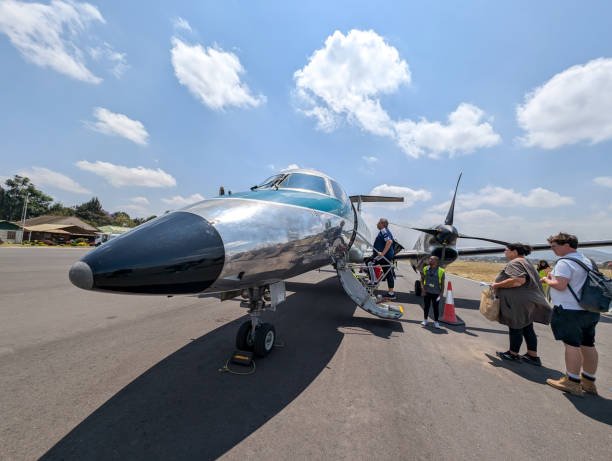
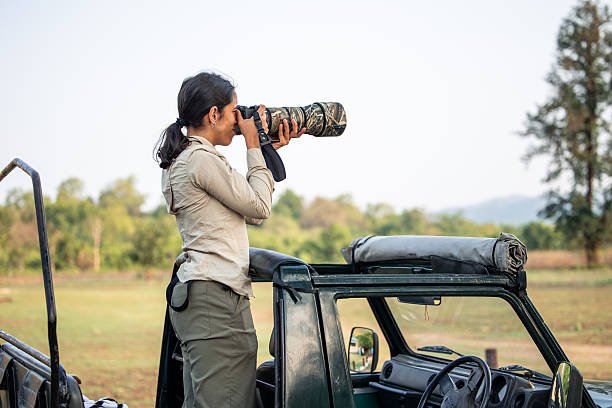
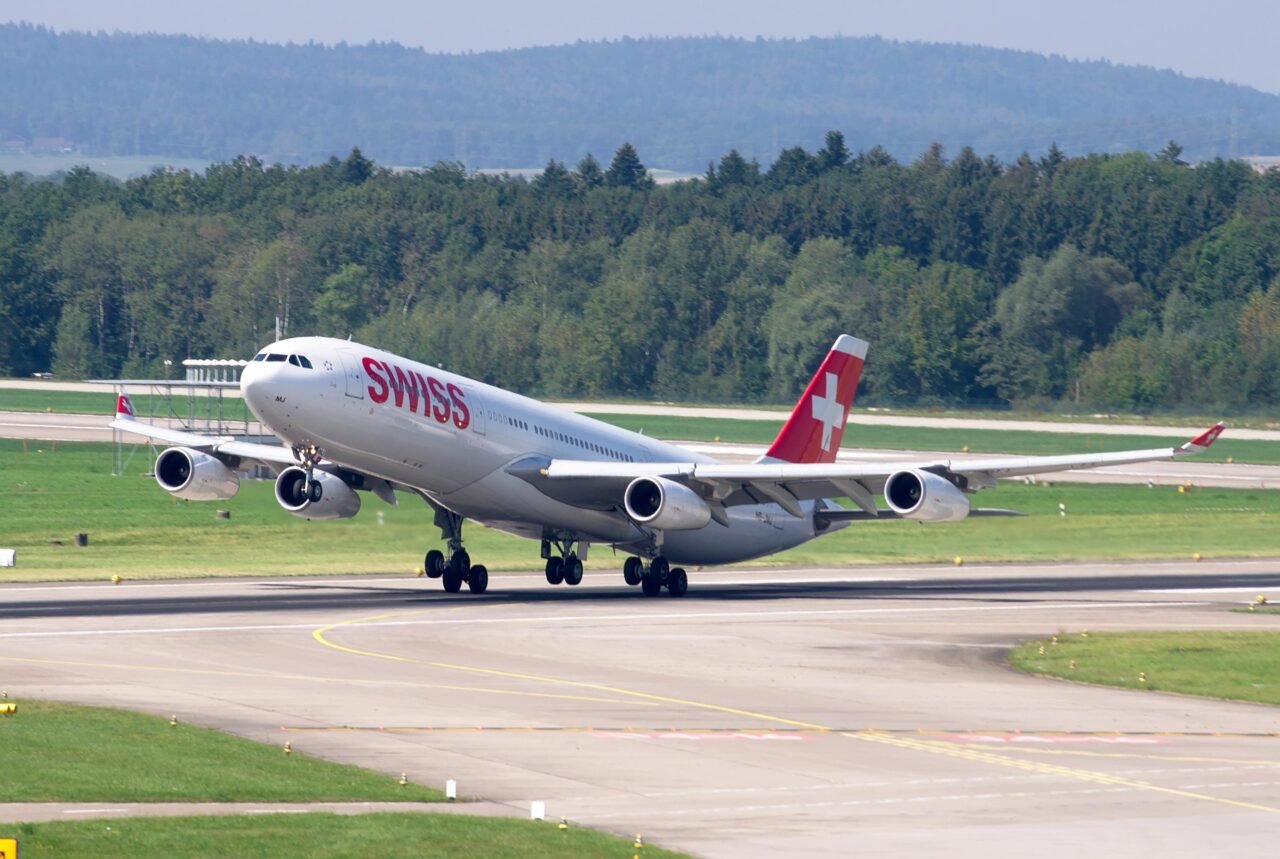
Planning Your USA to Botswana Journey: Key Considerations for 2026-2027
Embarking on a journey from the United States to Botswana is an exciting prospect, promising unparalleled wildlife encounters and impressive landscapes. Botswana is renowned for its pristine wilderness, particularly the Okavango Delta, Chobe National Park, and the Kalahari Desert. Successfully navigating the travel process from the USA requires careful planning, attention to detail, and an understanding of the logistical steps involved. This comprehensive guide is designed to equip you with all the necessary information for a smooth and memorable trip, covering everything from flight bookings and visa requirements to the best times to visit and essential packing tips for your 2026 or 2027 adventure.
Understanding Botswana’s Appeal for U.S. Travelers
Botswana stands out as a premier safari destination in Africa, offering a unique and exclusive experience. Unlike some of its neighbors, Botswana focuses on high-value, low-impact tourism, which translates to fewer crowds and a more intimate connection with nature. This approach ensures that the country’s fragile ecosystems are preserved for future generations, a significant draw for discerning travelers. For U.S. visitors, the allure lies in the sheer abundance and diversity of wildlife, the vast, unspoiled landscapes, and the opportunity to witness iconic African animals in their natural habitat. From the vast herds of elephants in Chobe to the elusive wild dogs and the majestic big cats, Botswana delivers on the promise of an authentic safari adventure. The country’s commitment to conservation and sustainable tourism makes it a responsible choice for travelers in 2026 and 2027.
Step 1: Securing Your Travel Documents for Botswana
The foundation of any international trip is having the correct travel documents. For your travel from the USA to Botswana, this means ensuring your passport is valid and understanding visa requirements.
Passport Validity
Your U.S. passport must be valid for at least six months beyond your intended stay in Botswana. It should also have at least two blank pages for entry and exit stamps. It is crucial to check your passport’s expiration date well in advance of your planned departure for 2026-2027. If your passport is nearing expiration, begin the renewal process immediately, as it can take several weeks or even months.
Visa Requirements for U.S. Citizens
As of recent regulations, U.S. citizens traveling to Botswana for tourism purposes for stays of up to 30 days typically do not require a visa. However, immigration policies can change. It is essential to verify the latest visa requirements with the Embassy of Botswana in Washington D.C. or the official website of the Botswana Department of Immigration and Citizenship before your trip. If you plan to stay longer than 30 days or are traveling for purposes other than tourism (e.g., business, study), you will likely need to apply for a visa in advance. Always carry copies of your passport and any visa documentation separately from the originals.
Yellow Fever Vaccination Certificate
A yellow fever vaccination certificate is required for travelers arriving from or transiting through a country with a risk of yellow fever transmission. While the USA is not considered an endemic country, if your travel itinerary includes other African or South American countries where yellow fever is prevalent, you may need to present your certificate upon arrival in Botswana. It is advisable to consult with your doctor or a travel clinic about recommended vaccinations and health precautions for Botswana, including malaria prophylaxis.
Other Essential Documents
Beyond your passport and potential visa, consider carrying:
- Copies of your flight itinerary and hotel reservations.
- A list of emergency contacts.
- Travel insurance details.
- A driver’s license if you plan to rent a car (though self-driving in remote areas is generally not recommended for first-time visitors).
Keeping digital copies of all important documents on a secure cloud service or your phone can also provide peace of mind.
Step 2: Booking Your Flights from the USA to Botswana
Flights are the most significant component of your travel from the USA to Botswana. The journey typically involves multiple legs and can be lengthy.
Major Airports in Botswana
Botswana has two main international airports that U.S. travelers commonly use:
- Sir Seretse Khama International Airport (GBE): Located near the capital city, Gaborone. This is often the primary entry point for those visiting southern Botswana or combining their trip with other Southern African countries.
- Kasane International Airport (BBK): Situated in the north of the country, Kasane is the gateway to the Chobe National Park and the northern safari circuit, including the Okavango Delta. This is the preferred airport for many safari-goers.
Typical Flight Routes and Airlines
There are no direct flights from the USA to Botswana. You will need to book a flight with at least one, and often two, layovers. Common layover cities include:
- European Hubs: Amsterdam (AMS), London Heathrow (LHR), Paris (CDG), Frankfurt (FRA). From these cities, you can connect to major African hubs.
- African Hubs: Johannesburg (JNB) in South Africa is the most common connecting point. Nairobi (NBO) in Kenya or Addis Ababa (ADD) in Ethiopia are also possibilities, though often require an additional flight segment to reach Botswana.
Major airlines that operate routes involving these hubs include:
- From the USA: Delta, United, American Airlines, KLM, Air France, British Airways, Lufthansa.
- Connecting to Botswana: South African Airways, Air Botswana, Ethiopian Airlines, Kenya Airways.
Tips for Booking Flights
- Book in Advance: For the best fares and availability, especially for travel during the peak safari seasons of 2026 and 2027, book your flights at least 6-9 months in advance.
- Consider Flight Duration and Layovers: The total travel time can range from 20 to 40 hours or more, depending on the route and layover times. Factor in potential jet lag and the length of your journey when planning your arrival day.
- Compare Airlines and Routes: Use flight comparison websites but also check airline websites directly. Be aware of baggage allowances, especially if you plan to take internal flights within Botswana, which often have stricter limits.
- Flexibility with Dates: If your travel dates are flexible, you might find better prices by flying mid-week or during the shoulder seasons (e.g., April, May, October).
- Internal Flights: From Gaborone or Kasane, you will likely need to arrange internal flights or ground transfers to reach your safari lodge or specific destination within Botswana. These should also be booked in advance.
Step 3: Choosing the Best Time to Travel from USA to Botswana (2026-2027)
Botswana’s climate is characterized by distinct wet and dry seasons, which significantly impact wildlife viewing and the overall travel experience. Understanding these seasons is crucial for planning your trip for 2026 or 2027.
The Dry Season (May to October)
This is widely considered the prime time for safari in Botswana. During these months:
- Low Rainfall: Skies are clear, and there is very little rain.
- Concentrated Wildlife: Water sources become scarce, forcing animals to congregate around permanent waterholes, making them easier to spot.
- Vegetation Thins Out: The bush becomes less dense, improving visibility for game drives.
- Pleasant Temperatures: Daytime temperatures are warm and comfortable, though nights can be quite cool, especially in June and July.
- Peak Season: This is the busiest and often most expensive time to visit. Booking well in advance for 2026 and especially 2027 is essential.
The Okavango Delta is particularly spectacular during the dry season as the floodwaters arrive (typically June to August), transforming the landscape into a watery paradise. This is also the best time for mokoro (traditional canoe) excursions.
The Wet Season (November to April)
Also known as the ‘green season’ or ‘summer’, this period offers a different, yet equally rewarding, safari experience:
- Lush Landscapes: The rains transform the dry savannah into a vibrant, green landscape, offering stunning photographic opportunities.
- Calving Season: Many plains game species give birth during this time, leading to abundant predator-prey interactions.
- Birdwatching Paradise: Migratory birds arrive, making it an excellent time for bird enthusiasts.
- Fewer Crowds and Lower Prices: This is the low or shoulder season, meaning fewer tourists and potentially lower costs for accommodation and activities, making it an attractive option for budget-conscious travelers in 2026-2027.
- Rainfall: Expect afternoon thunderstorms, though mornings are often clear. Some roads, particularly in the Okavango Delta, may become inaccessible by conventional vehicles, requiring 4x4s or even light aircraft transfers.
Shoulder Seasons (April-May and October-November)
These transitional periods offer a good balance:
- April-May: The end of the wet season and beginning of the dry. Landscapes are still green but starting to dry. Temperatures are pleasant. Wildlife viewing is good and improving.
- October-November: The end of the dry season and start of the rains. It can be very hot, especially in October. Wildlife is concentrated around dwindling water sources before the rains arrive.
For most travelers planning their trip from the USA to Botswana for 2026-2027, the dry season (May to October) is generally recommended for optimal wildlife viewing. However, the wet season offers unique advantages for photographers and those seeking a more tranquil experience at a potentially lower cost.
Step 4: Accommodation and Safari Packages in Botswana
Botswana offers a range of accommodation options, from luxury lodges to more rustic camps, all designed to provide an authentic safari experience.
Types of Accommodation
- Luxury Safari Lodges: These are typically high-end establishments offering en-suite bathrooms, fine dining, swimming pools, and exceptional service. Many are located in private concessions, offering exclusive game viewing.
- Tented Camps: Ranging from comfortable canvas tents with en-suite facilities to more basic fly camps, these offer a closer-to-nature experience.
- Mobile Safaris: These safaris move camp locations, allowing you to explore different regions of Botswana without changing accommodation providers. They offer a more adventurous and flexible way to experience the country.
- Botswana’s Unique Offerings: Consider unique stays like houseboats on the Chobe River or remote wilderness camps for a truly in-depth experience.
All-Inclusive Safari Packages
For travelers from the USA, booking an all-inclusive safari package can simplify planning considerably. These packages often include:
- Accommodation
- All meals
- Standard drinks
- Scheduled safari activities (game drives, walking safaris, mokoro trips)
- Park fees
- Transfers within Botswana (often including light aircraft flights between camps)
While these packages can seem more expensive upfront, they often represent good value when you consider the cost of individual components, especially internal flights and park fees, which can be substantial in Botswana.
Choosing a Reputable Tour Operator
Working with a trusted tour operator is highly recommended, especially for your first trip to Botswana. A good operator will:
- Understand your interests and budget.
- Recommend suitable lodges and camps based on your preferences.
- Handle all bookings, including flights, accommodation, and transfers.
- Provide expert advice on the best time to visit and what to expect.
- Offer support during your trip.
While Top Guide Adventures primarily focuses on Tanzania, understanding the principles of a well-organized safari is key. For Botswana, look for operators specializing in Southern Africa who have excellent reviews and a strong commitment to sustainable tourism. Researching options for 2026 and 2027 is advisable, as popular lodges and camps book up quickly.
Step 5: Understanding the Costs of Travel from USA to Botswana
Botswana is considered a premium safari destination, and costs reflect its commitment to low-volume, high-quality tourism. Expect the overall cost to be higher than in some other African countries.
Key Cost Components
- International Flights: This is often the largest single expense, varying significantly based on your departure city in the USA, time of booking, airline, and season. For 2026-2027, budget anywhere from $1,200 to $2,500+ per person for round-trip economy class tickets. Business class can range from $5,000 upwards.
- Accommodation and Safari Packages: This is where Botswana’s pricing model is most apparent. Expect to pay per person per night, often on an all-inclusive basis.
- Park Fees: Daily park entrance fees are charged by Botswana’s Department of Wildlife and National Parks.
- Internal Flights: Light aircraft transfers between safari camps are common and expensive, often costing $300-$600 per person per leg.
- Visas and Vaccinations: Costs for any required visas and vaccinations.
- Travel Insurance: Essential for covering unforeseen events.
- Personal Expenses: Tips, souvenirs, extra drinks, and activities not included in your package.
Budgeting for Your Botswana Trip (2026-2027)
A general guideline for a mid-range to luxury safari experience in Botswana, excluding international flights from the USA, would be:
- Mid-Range: $400 – $700 per person per day. This might include comfortable tented camps or lodges with shared game drives.
- Luxury: $800 – $1,500+ per person per day. This covers high-end lodges, private concessions, exclusive activities, and often light aircraft transfers.
For a typical 7-10 day safari, excluding international flights, you could be looking at a total cost ranging from $3,500 to $10,000+ per person. The specific itinerary, choice of camps, and time of year (peak season 2027 will be more expensive) will heavily influence the final price.
Ways to Manage Costs
- Travel in the Green Season: Prices are generally lower from November to April.
- Consider Mobile Safaris: These can offer excellent value for money.
- Look for Package Deals: Operators sometimes offer packages that include internal flights or discounts for longer stays.
- Book Well in Advance: Securing early bookings for 2026 or 2027 can sometimes lock in better rates.
Important Note on Pricing
Prices for 2026 and 2027 are subject to change. It is always best to get a personalized quote from a reputable tour operator. Remember to clarify exactly what is included in any package you are considering.
Step 6: Health and Safety Precautions for Botswana
Prioritizing your health and safety is paramount when planning your travel from the USA to Botswana.
Medical Advice and Vaccinations
Consult your doctor or a travel clinic at least 4-6 weeks before your departure for 2026-2027. Recommended vaccinations often include:
- Hepatitis A and B
- Typhoid
- Tetanus
- Polio
- Rabies (depending on activities)
- Yellow Fever (if required based on your itinerary)
Malaria Prevention: Botswana is a malaria-risk area, particularly during the warmer, wetter months (November to April). Your doctor will likely prescribe antimalarial medication. Take precautions such as using insect repellent (containing DEET), wearing long sleeves and trousers in the evenings, and sleeping under mosquito nets.
Travel Insurance
Comprehensive travel insurance is non-negotiable. Ensure your policy covers:
- Medical emergencies and evacuation (including air evacuation from remote areas).
- Trip cancellation and interruption.
- Lost or stolen baggage.
- Activities such as game drives and walking safaris.
Verify that the policy covers the full extent of your travel, including any remote locations you might visit.
Safety on Safari
While Botswana is one of Africa’s safest countries, always follow the guidance of your guides:
- Respect Wildlife Distance: Never approach or feed wild animals. Maintain a safe distance during game drives and on walking safaris.
- Stay in Vehicles: Do not exit safari vehicles unless instructed to do so by your guide in a safe, designated area.
- Listen to Your Guide: Guides are trained professionals who understand animal behavior and potential risks. Heed their advice at all times.
- Secure Your Belongings: Keep valuables out of sight in camps and lodges.
- Water Safety: Drink bottled or treated water only. Avoid tap water.
Step 7: Packing Essentials for Your Botswana Adventure
Packing correctly can significantly enhance your comfort and experience in Botswana. Think layers, neutral colors, and practical items.
Clothing
- Neutral-Colored Clothing: Khaki, olive green, beige, and brown are ideal for game viewing as they blend with the environment and don’t startle wildlife. Avoid bright colors and black/dark blue, which can attract tsetse flies.
- Lightweight Layers: Pack long-sleeved shirts and trousers for sun protection and to ward off insects in the evenings. T-shirts and shorts are suitable for daytime.
- Warm Jacket/Fleece: Evenings and early mornings can be surprisingly cold, especially during the dry season (May-September).
- Comfortable Walking Shoes: For around lodges and potentially walking safaris.
- Sandals or Flip-flops: For relaxing at the lodge.
- Swimsuit: Many lodges have pools.
- Hat: A wide-brimmed hat is essential for sun protection.
- Scarf or Bandana: Useful for dust on game drives.
Footwear
- Closed-toe hiking shoes or sturdy trainers: Essential for walking safaris and comfortable for game drives.
- Comfortable sandals or flip-flops: For use around the lodge.
Health and Toiletries
- Insect Repellent: High DEET content is recommended.
- Sunscreen: High SPF.
- After-sun lotion.
- Basic First-Aid Kit: Including pain relievers, antiseptic wipes, bandages, and any personal medications.
- Malaria medication (as prescribed by your doctor).
- Hand sanitizer.
Gear and Accessories
- Binoculars: Absolutely essential for wildlife viewing. Consider bringing your own high-quality pair.
- Camera and Accessories: Extra batteries, memory cards, and a zoom lens. Consider a dust-proof bag.
- Power Adapter and Converter: Botswana uses Type D and G plugs (230V, 50Hz). Bring a universal adapter.
- Headlamp or Small Flashlight: Useful for navigating camps at night.
- Reusable Water Bottle.
- Small Backpack or Daypack: For carrying essentials on game drives.
- Sunglasses.
- Field Guidebook: On mammals, birds, and plants of Southern Africa.
Packing Light for Internal Flights
If your safari involves light aircraft transfers, remember that luggage is typically restricted to soft-sided bags weighing no more than 20 kg (44 lbs), including hand luggage. Hard suitcases are usually not permitted. Pack efficiently!
Step 8: Understanding Botswana’s Culture and Etiquette
Interacting respectfully with local culture enhances any travel experience. Botswana is known for its friendly and welcoming people.
Greetings and Social Customs
A simple greeting goes a long way. “Dumela” is the Setswana word for hello. It’s polite to greet people when entering a shop or approaching someone. Handshakes are common. Respect for elders is important.
Photography
Always ask for permission before taking photographs of people. Be discreet when photographing government buildings or military installations.
Tipping
Tipping is not mandatory but is appreciated for good service. Standard guidelines are:
- Safari Guides/Trackers: $10 – $20 per guest per day.
- Lodge Staff: A general tip pool of $5 – $10 per guest per day, distributed among housekeeping, kitchen, and other staff.
- Drivers/Transfer Staff: $5 – $10 per person.
These amounts are suggestions and can be adjusted based on the level of service received. Tips are usually given in U.S. dollars or Botswana Pula (BWP) at the end of your stay.
Dress Code
In safari camps and lodges, casual and comfortable clothing is the norm. In towns and cities like Gaborone or Maun, dressing modestly, especially when visiting local markets or churches, is respectful. For evening meals at lodges, smart casual attire is usually appropriate.
Step 9: Navigating Botswana’s Infrastructure and Connectivity
Understanding the infrastructure will help you manage expectations regarding communication and transport within Botswana.
Transportation within Botswana
As mentioned, light aircraft are the primary mode of transport between safari camps in remote areas like the Okavango Delta. For travel between major towns like Gaborone, Francistown, and Maun, you might use:
- Scheduled Flights: Air Botswana operates domestic routes.
- Road Travel: Main roads are generally paved, but secondary and tertiary roads can be rough, sandy, or impassable during the wet season. Self-driving is possible but often challenging and best suited for experienced 4×4 drivers. Most tourists rely on lodge transfers or organized safari vehicles.
- Taxis: Available in towns and cities.
Communication and Internet Access
Connectivity can be sporadic outside of major towns. Lodges often provide Wi-Fi, but the connection speed can vary greatly and may be limited. Mobile phone reception is also inconsistent in wilderness areas. Consider purchasing a local SIM card (e.g., Mascom, BTC) if you need reliable communication, though coverage is best in urban centers.
Currency and Payments
The local currency is the Botswana Pula (BWP). Major credit cards (Visa, MasterCard) are accepted at most lodges, safari camps, and larger hotels, but it’s always wise to carry some cash for smaller purchases, tips, and in more remote areas. ATMs are available in towns and cities.
Step 10: Planning Your Itinerary: Top Destinations in Botswana
Botswana offers a diverse range of experiences. Here are some highlights to consider for your 2026-2027 itinerary:
The Okavango Delta
A UNESCO World Heritage Site, the Delta is a unique inland delta that floods annually, creating a vast wetland teeming with wildlife. Activities include mokoro excursions, boating, walking safaris, and game drives.
Chobe National Park
Famous for its massive elephant herds, Chobe is also home to lions, hippos, crocodiles, and a wide variety of birdlife. The Chobe Riverfront is particularly popular for boat safaris, offering incredible close-up views of animals coming to drink.
Moremi Game Reserve
Located within the Okavango Delta, Moremi is renowned for its diverse habitats and abundant wildlife, including wild dogs, leopards, and a high concentration of predators.
The Kalahari Desert
A vast, semi-arid sandy savannah, the Kalahari offers a starkly beautiful landscape and unique desert-adapted wildlife. Makgadikgadi Pans National Park and Nxai Pan National Park offer opportunities to see meerkats, zebras (during the green season), and ostriches.
Central Kalahari Game Reserve
One of the largest game reserves in the world, offering a truly wild and remote experience for adventurous travelers.
Gaborone and Francistown
Botswana’s capital and second-largest city, respectively. These offer a glimpse into urban Botswana, with markets, cultural sites, and amenities.
Sample Itinerary Ideas for 2026-2027
Here are a couple of itinerary concepts to inspire your travel from the USA to Botswana:
Classic Botswana Safari (8 Days)
- Day 1-3: Arrive at Kasane (BBK), transfer to a lodge in the Chobe River area. Enjoy boat safaris and game drives.
- Day 3-6: Fly to the Okavango Delta. Stay in a lodge offering mokoro trips, walking safaris, and game drives.
- Day 6-8: Fly to Maun, then connect to Johannesburg (JNB) for your flight back to the USA.
This itinerary focuses on two of Botswana’s most iconic wildlife destinations.
Botswana Explorer (12 Days)
- Day 1-3: Arrive at Kasane (BBK), explore Chobe National Park (riverfront and Savuti).
- Day 3-6: Fly to a lodge in the Moremi Game Reserve or Khwai Concession. Focus on diverse wildlife viewing.
- Day 6-9: Fly to the heart of the Okavango Delta for classic water-based activities and game viewing.
- Day 9-11: Fly to Maun, then drive or fly to the Makgadikgadi Pans for a unique desert experience (seasonal migration viewing).
- Day 11-12: Fly from Maun to Johannesburg (JNB) for your international flight home.
This extended itinerary provides a broader overview of Botswana’s diverse ecosystems.
These are just examples; tailor-made itineraries can be crafted to suit specific interests, budgets, and timeframes for your 2026 or 2027 journey.
Making Your Booking: Partnering with Experts
While planning your travel from the USA to Botswana independently is possible, leveraging the expertise of seasoned tour operators can significantly enhance your experience, particularly for a complex destination like Botswana.
Operators specializing in African travel understand the nuances of booking lodges, internal flights, and transfers, ensuring a smooth flow throughout your trip. They can also provide invaluable advice on the best camps and activities suited to your interests, whether you’re focused on birdwatching, photography, or simply maximizing your chances of seeing the Big Five. For those planning a safari in 2026 or 2027, booking through a reputable company ensures you are dealing with professionals who can navigate any potential disruptions and offer peace of mind.
When selecting an operator, look for companies that:
- Have extensive experience in Botswana.
- Offer personalized itineraries.
- Provide clear and detailed quotes outlining inclusions and exclusions.
- Have strong relationships with lodges and conservation organizations.
- Offer excellent customer service and support before, during, and after your trip.
For assistance with crafting your ideal Tanzanian adventure, which shares many principles of excellent safari planning with Botswana, Top Guide Adventures can be contacted. While our expertise is centered on Tanzania, we understand the meticulous planning required for exceptional African travel experiences. You can reach us via WhatsApp at +255616946642, by Email at topguideadventures@gmail.com, or our backup email info@topguideadventurestanzania.com. For Botswana-specific planning, we recommend seeking out operators with a deep specialization in that country, but the principles of careful planning, early booking, and prioritizing authentic experiences remain universal for travel in 2026-2027.
Planning your travel from the USA to Botswana is a significant undertaking, but with careful preparation, it promises an unforgettable journey into the heart of wild Africa. By addressing flight logistics, documentation, timing, budget, and health precautions well in advance, you can ensure a smooth and rewarding adventure for your 2026-2027 travels.
“,
“faq_schema”: [
{
“question”: “What is the best time of year to travel from the USA to Botswana?”,
“answer”: “The best time for wildlife viewing in Botswana is during the dry season, from May to October 2026 and 2027. During this period, water sources are scarce, concentrating animals around permanent waterholes, and the vegetation is less dense, improving visibility. The wet season (November to April) offers lush landscapes and is ideal for birdwatching and photography, often at lower prices.”
},
{
“question”: “Do U.S. citizens need a visa to travel to Botswana?”,
“answer”: “U.S. citizens typically do not require a visa for tourist stays in Botswana of up to 30 days. However, immigration policies can change, so it is crucial to verify the latest requirements with the Embassy of Botswana or official government sources before your travel in 2026-2027.”
},
{
“question”: “What are the main airports for international arrivals in Botswana?”,
“answer”: “The two main international airports for travelers arriving from the USA are Sir Seretse Khama International Airport (GBE) near Gaborone and Kasane International Airport (BBK) in the north, which serves as a gateway to Chobe National Park and the Okavango Delta.”
},
{
“question”: “How much does it typically cost to travel from the USA to Botswana?”,
“answer”: “Excluding international flights (which can range from $1,200 to $2,500+ per person), a safari in Botswana typically costs between $400 to $1,500+ per person per day, depending on the level of luxury. For a 7-10 day trip, budget approximately $3,500 to $10,000+ per person, with 2027 peak season likely being more expensive.”
},
{
“question”: “What health precautions are necessary for travel to Botswana?”,
“answer”: “Consult a travel clinic for recommended vaccinations (e.g., Hepatitis A, Typhoid, Tetanus). Malaria prevention medication is usually advised, along with insect repellent and protective clothing, especially during the wet season. Ensure you have comprehensive travel insurance covering medical evacuation.”
},
{
“question”: “What is the best way to get around Botswana once I arrive?”,
“answer”: “For travel between safari lodges and camps, light aircraft transfers are common and often necessary due to the terrain. For journeys between major towns, you can use scheduled flights or road travel, though many visitors opt for organized safari packages that include all necessary internal transfers.”
}
]
}
“`
Check Availability for How To Travel From Usa To Botswana 2026-2027
Ready to compare dates, prices, and the best option for your group? Send the package name and travel month so the team can reply with a clear quote, availability, and what is included.



