
Traveling from the UK to Uganda primarily involves booking a flight to Entebbe International Airport (EBB), the country’s main gateway. Direct flights are uncommon, so most journeys connect through major European or Middle Eastern hubs like Amsterdam, Doha, or Istanbul. Essential preparations include obtaining a Ugandan visa, which can often be secured online in advance, and ensuring your passport is valid for at least six months beyond your intended stay. Planning for the best time to visit, typically during the dry seasons from June to August and December to February, will enhance your experience, especially for wildlife viewing and trekking. For 2026-2027 travel, booking flights and accommodations several months ahead is highly recommended, particularly if you plan to visit during peak seasons.
Understanding Your Journey: UK to Uganda Essentials
The allure of Uganda, the “Pearl of Africa,” draws travelers from across the globe, and for those in the United Kingdom, the journey requires careful planning. This guide is designed to demystify the process of traveling from the UK to Uganda, covering everything from initial flight bookings and visa applications to understanding local customs and preparing for your adventure. Whether you’re planning a safari in Queen Elizabeth National Park, trekking to see mountain gorillas in Bwindi Impenetrable National Park, or exploring the vibrant capital city of Kampala, this comprehensive resource will equip you with the knowledge needed for a smooth and memorable trip in 2026 or 2027.
Choosing Your Flight Path: UK to Entebbe (EBB)
The most common and practical way to travel from the UK to Uganda is by air, with Entebbe International Airport (EBB) serving as the primary international arrival point. Direct flights from the UK to Entebbe are rare, meaning most itineraries will involve at least one stopover. Understanding your options is key to finding a convenient and cost-effective route.
Major Airlines and Hubs
Several international airlines operate routes that connect the UK to Uganda. The most popular connecting hubs include:
- Amsterdam (AMS): Operated by KLM, often offering good connections from London Heathrow (LHR) or other major UK airports.
- Doha (DOH): Qatar Airways provides a strong option, especially if you’re flying from London Gatwick (LGW) or Manchester (MAN).
- Istanbul (IST): Turkish Airlines is another frequent choice, offering a wide network of flights.
- Dubai (DXB): Emirates sometimes offers competitive routes, particularly appealing if you’re looking for a slightly longer layover with different travel experiences.
- Addis Ababa (ADD): Ethiopian Airlines is a significant player in African air travel and can offer viable, though sometimes longer, routes.
When searching for flights for 2026-2027, compare prices and layover times across these airlines. Sometimes, a slightly longer layover can significantly reduce the overall ticket price, or provide an opportunity for a brief city exploration if planned well in advance.
Booking Your Flight: Tips for 2026-2027 Travel
To secure the best fares and flight times for your UK to Uganda trip in 2026 or 2027, consider the following:
- Book in Advance: For peak travel periods (June-August, December-February), booking 3-6 months ahead is advisable to get the best prices and availability. For off-peak travel in 2026-2027, you might find deals closer to the date, but it’s still wise to book at least 2-3 months out.
- Be Flexible with Dates: Flying mid-week is often cheaper than on weekends. Adjusting your departure or return date by a day or two can sometimes lead to substantial savings.
- Compare Airports: While London Heathrow (LHR) and Gatwick (LGW) are common, check prices from other UK airports like Manchester (MAN), Birmingham (BHX), or Edinburgh (EDI) if they are convenient for you.
- Utilize Flight Comparison Sites: Websites like Skyscanner, Google Flights, and Kayak are invaluable tools for comparing prices across different airlines and dates.
- Consider Package Deals: Sometimes, booking flights and accommodation together through a tour operator can offer better value, especially for complex itineraries involving safaris or gorilla trekking.
Flight Duration and Layover Considerations
A typical flight from the UK to Entebbe involves a total travel time ranging from 12 to 20+ hours, depending on the layover duration and location. Longer layovers can be tiring, but short ones (under 2 hours) carry the risk of missing connections. Always factor in time for immigration and baggage claim at transit airports.
Visa Requirements for UK Citizens Traveling to Uganda
Securing the correct visa is a crucial step for any UK citizen planning to visit Uganda. As of recent regulations, the Ugandan government primarily uses an online visa application system.
The Online Visa Application Process
The official portal for applying for a Ugandan visa is typically managed by the Directorate of Citizenship and Immigration Control. The process generally involves:
- Visit the Official Website: Navigate to the Ugandan immigration website (always verify the current official URL).
- Create an Account: You may need to register an account to start your application.
- Complete the Application Form: Fill in all required details accurately, including personal information, passport details, travel dates, and the purpose of your visit.
- Upload Documents: You will likely need to upload a scanned copy of your passport’s bio-data page, a recent passport-sized photograph, and potentially a yellow fever vaccination certificate.
- Pay the Visa Fee: Payment is usually made online via credit/debit card. Fees vary depending on the visa type (e.g., single entry, multiple entry).
- Receive Approval: After submission and processing, you will receive an approval letter via email. Print this letter and present it upon arrival at Entebbe International Airport.
It is strongly recommended to apply for your visa at least 2-4 weeks before your departure date for 2026-2027 travel, to allow ample time for processing and to avoid last-minute stress.
Visa Types and Fees
Common visa types for UK citizens include:
- Single Entry Tourist Visa: Typically valid for 3 months. The fee is generally around $50 USD, but this can change.
- East Africa Tourist Visa: This visa allows travel between Uganda, Rwanda, and Kenya with a single application. It’s a great option if you plan to visit multiple East African countries. The cost and validity period can vary, so check the latest requirements.
- Multiple Entry Visa: For frequent visitors or those with business interests, this visa offers longer validity.
Always check the official Ugandan immigration website for the most current visa types, fees, and application procedures before you travel in 2026 or 2027, as these can be subject to change.
Visa on Arrival (Limited Availability)
While online application is the preferred and most reliable method, in some limited circumstances, visas might be obtainable on arrival at Entebbe. However, this is not recommended due to potential long queues, uncertainty, and the risk of processing delays. Relying on a pre-approved online visa is the safest approach for your UK to Uganda travel.
Health and Vaccinations for Uganda
Ensuring you are up-to-date with recommended vaccinations and taking precautions against diseases like malaria is vital for a healthy trip to Uganda.
Recommended Vaccinations
Consult your GP or a travel clinic at least 4-6 weeks before your trip. Common recommendations for Uganda include:
- Yellow Fever: This is often a mandatory vaccination, and you will need to present your International Certificate of Vaccination or Prophylaxis (ICVP) upon arrival.
- Hepatitis A and B: Recommended for most travelers.
- Typhoid: Also commonly advised.
- Tetanus, Diphtheria, Polio: Ensure your routine vaccinations are up to date.
- Rabies: May be recommended if you plan extensive rural travel or activities with animal contact.
- Meningitis: Especially if traveling during the dry season (December-February).
Malaria Prevention
Uganda is a malaria-endemic country. Prevention is key:
- Antimalarial Medication: Your doctor will prescribe a suitable antimalarial drug (e.g., Malarone, Doxycycline). Start taking it before you travel, during your stay, and for a period after returning, as directed.
- Insect Repellent: Use repellent containing DEET or Picaridin, especially during dawn and dusk when mosquitoes are most active.
- Protective Clothing: Wear long sleeves and trousers, particularly in the evenings.
- Mosquito Nets: Ensure your accommodation uses mosquito nets over beds, and keep them properly tucked in.
Other Health Precautions
- Traveller’s Diarrhea: Be cautious with food and water. Stick to bottled water, avoid ice in drinks unless you’re sure it’s made from purified water, and eat well-cooked food from reputable sources.
- Sun Protection: The equatorial sun can be strong. Use high-SPF sunscreen, wear a hat, and stay hydrated.
- Travel Insurance: Comprehensive travel insurance that covers medical emergencies, evacuation, and trip cancellation is essential.
Best Time to Visit Uganda for UK Travelers
Uganda’s climate is equatorial, meaning it experiences warm temperatures year-round but also distinct wet and dry seasons. The best time to visit depends on your primary interests, whether it’s gorilla trekking, chimpanzee tracking, or general wildlife viewing.
Dry Seasons (Peak Tourist Times)
- June to August: This is a prime time for gorilla trekking as the forest trails are less muddy and easier to navigate. Wildlife viewing in the national parks is also excellent, with animals congregating around water sources. This period is also popular for climbing Mount Kilimanjaro, although that is in Tanzania.
- December to February: Another dry period, offering good conditions for safaris and trekking. Birdwatching is also good during these months.
These peak seasons often mean higher prices for accommodation and tours, and greater demand, so booking well in advance for 2026-2027 is crucial.
Wet Seasons (Shoulder/Low Seasons)
- March to May: The longest rainy season. While rain can be heavy, it often comes in short, intense bursts, usually in the afternoons, leaving mornings clear. This can be an excellent time for budget travelers as prices are lower, and there are fewer tourists. Gorilla trekking permits might be easier to secure.
- September to November: The shorter rainy season. Similar to March-May, expect some rain, but also plenty of sunshine. This period can be ideal for birdwatchers, as migratory birds arrive.
Even during the wet season, Uganda remains a viable and rewarding destination. The landscapes are lush and green, and the reduced number of visitors can offer a more intimate experience.
Planning Your Itinerary: What to Do in Uganda
Uganda offers a diverse range of attractions, from incredible wildlife encounters to cultural experiences and adventure activities. Tailoring your itinerary to your interests is key.
Gorilla and Chimpanzee Trekking
Uganda is one of the best places in the world to see mountain gorillas. Bwindi Impenetrable National Park and the Mgahinga Gorilla National Park are the primary locations. Chimpanzee trekking is popular in Kibale Forest National Park, Budongo Forest, and Kyambura Gorge.
Key Considerations:
- Permits: Gorilla trekking permits are essential and must be booked well in advance, especially for peak seasons in 2026-2027. They are limited in number and can sell out months ahead. The cost is substantial but funds conservation efforts.
- Physical Fitness: Trekking can be challenging, involving steep, muddy terrain. A reasonable level of fitness is required.
- Group Size: Gorilla trekking groups are small (typically 8 people per gorilla family) for minimal disturbance.
Wildlife Safaris
Uganda’s national parks offer incredible safari experiences:
- Queen Elizabeth National Park: Famous for its tree-climbing lions in the Ishasha sector, boat safaris on the Kazinga Channel (hippos, crocodiles, birds), and diverse game drives.
- Murchison Falls National Park: Home to the powerful Murchison Falls, boat trips to the delta for wildlife viewing, and game drives with chances to see lions, leopards, elephants, and giraffes.
- Kidepo Valley National Park: Often cited as one of Africa’s most spectacular wilderness areas, offering a more remote and raw safari experience with unique semi-arid landscapes and species found nowhere else in Uganda.
- Lake Mburo National Park: Known for its zebras, impalas, and beautiful scenery, offering walking safaris and night drives.
Cultural Experiences
Engage with Uganda’s rich cultural heritage:
- Kampala: Explore the capital city’s markets, historical sites like the Kasubi Tombs (a UNESCO World Heritage site), and the Uganda Museum.
- Batwa Community Visits: Learn about the indigenous Batwa people, their traditions, and their relationship with the forest in areas near Bwindi. Ensure these visits are conducted ethically and respectfully.
- Local Villages: Arrange visits to local communities to understand rural Ugandan life.
Adventure Activities
- White Water Rafting on the Nile: Jinja is the adventure capital, offering world-class rafting experiences for various skill levels.
- Kayaking and Quad Biking: Also popular activities around Jinja.
- Hiking and Mountaineering: Beyond gorilla trekking, consider climbing the Rwenzori Mountains for experienced hikers.
Practicalities for Your UK to Uganda Trip
Beyond flights and visas, several practical aspects need attention to ensure a comfortable and safe journey.
Currency and Budgeting
The local currency is the Ugandan Shilling (UGX). While USD is widely accepted for tourist services like park fees, permits, and upmarket lodges, it’s essential to have Shillings for smaller purchases, local markets, and tips.
Budgeting Considerations for 2026-2027:
- Flights: Expect to pay anywhere from £600 to £1200+ for round-trip economy flights from the UK, depending on the season and how far in advance you book.
- Visas: The standard tourist visa is typically around $50 USD.
- Gorilla Permits: These are a significant cost, often around $700 USD per person for Bwindi/Mgahinga. Prices are subject to change.
- Accommodation: Ranges from budget guesthouses (£30-£70/night) to mid-range lodges (£100-£250/night) and luxury camps (£300+/night).
- Activities: Park entrance fees, game drives, boat trips, and other activities add to the daily costs.
- Food: Eating locally can be very affordable, while tourist-oriented restaurants are more expensive.
- Transportation: Private transfers or safari vehicles are common for tourists and can be costly. Public transport is cheaper but less comfortable and slower.
A mid-range trip for 10-14 days, excluding international flights but including gorilla permits, could range from £2,500 to £4,500+ per person for 2026-2027, depending on luxury levels and specific activities.
Language and Communication
The official languages are English and Swahili. English is widely spoken in tourist areas, hotels, and by tour guides, making communication relatively easy for UK travelers. Local languages are numerous, with Luganda being prominent in the central region.
Staying Connected:
- SIM Cards: Purchasing a local SIM card (e.g., from MTN or Airtel) upon arrival at Entebbe airport or in Kampala is inexpensive and provides affordable data and call rates.
- Wi-Fi: Available in most mid-range to high-end hotels and lodges, though speeds can vary.
Packing Essentials
Pack smart for Uganda’s diverse environments:
- Clothing: Lightweight, breathable clothing in neutral colors (khaki, green, brown) for safaris. Long-sleeved shirts and trousers for evenings (mosquito protection). A light to medium-weight fleece or jacket for cooler mornings/evenings and higher altitudes. Rain gear (poncho or waterproof jacket) is essential year-round.
- Footwear: Comfortable, sturdy hiking boots for trekking (broken in before you go). Sandals or comfortable shoes for relaxing.
- Health Kit: Personal first-aid supplies, any prescription medications, insect repellent (high DEET content), sunscreen, hand sanitizer.
- Gear: Binoculars for wildlife viewing, a good quality camera with extra batteries and memory cards, a headlamp or flashlight, a reusable water bottle.
- Documents: Passport, visa approval letter, flight tickets, travel insurance details, vaccination certificates (especially Yellow Fever), and copies of all important documents.
Safety and Security
Uganda is generally safe for tourists, especially when traveling with reputable tour operators. However, it’s wise to be aware of your surroundings and take standard precautions:
- Petty Crime: Be vigilant against pickpocketing in crowded areas like markets and bus stations. Avoid displaying expensive items.
- Night Travel: It’s advisable to avoid traveling alone at night, especially in urban areas. Use reputable taxis or pre-arranged transport.
- Road Safety: Road conditions can be poor, and driving can be erratic. If self-driving, exercise extreme caution. Using a driver with a tour company is recommended.
- Political Stability: Stay informed about any local news or advisories from your government’s foreign office.
Top Guide Adventures prioritizes client safety and works with experienced guides who are knowledgeable about local conditions. We ensure all our transport is well-maintained and our itineraries are planned with safety in mind.
Choosing a Tour Operator for Your Uganda Adventure
While it’s possible to plan a trip to Uganda independently, using a reputable tour operator can significantly enhance your experience, especially for complex activities like gorilla trekking and multi-park safaris. For travelers from the UK, finding a trusted partner is essential.
Why Use a Tour Operator?
- Expertise: Local operators have in-depth knowledge of Uganda’s parks, wildlife, culture, and logistics.
- Permit & Booking Management: They handle the often-complex booking of gorilla permits, accommodation, and park entries, which can be challenging to do from abroad.
- Logistics: They arrange reliable transportation, guides, and smooth transitions between locations.
- Safety: Experienced operators ensure your safety with vetted guides and vehicles.
- Customization: They can tailor itineraries to your specific interests, budget, and timeframe for 2026-2027.
Selecting a Reputable Operator
When choosing a tour company for your UK to Uganda travel, look for:
- Local Presence: Operators based in Uganda or East Africa often have better local knowledge and networks.
- Reviews and Testimonials: Check platforms like TripAdvisor for independent reviews.
- Accreditation: Look for affiliations with local tourism bodies.
- Clear Communication: A responsive and helpful communication style is a good sign.
Top Guide Adventures is a trusted Tanzanian tour company with extensive experience in East African travel, including Uganda. We specialize in creating personalized safari and adventure experiences. For your UK to Uganda journey, we can assist with:
- Tailor-made Uganda itineraries
- Booking gorilla and chimpanzee permits
- Arranging safari game drives and park entries
- Providing experienced guides and reliable transportation
- Offering advice on the best times to visit and packing essentials for 2026-2027.
You can reach us for inquiries and custom trip planning via WhatsApp at +255616946642 or email at topguideadventures@gmail.com. Our backup email is info@topguideadventurestanzania.com.
Sample Itinerary Ideas for UK to Uganda Travelers
To give you a sense of what’s possible, here are a few sample itinerary ideas. These can be fully customized by Top Guide Adventures to fit your interests and budget for 2026-2027.
1. The Classic Uganda Gorilla & Wildlife Adventure (10 Days)
- Day 1: Arrival in Entebbe, transfer to Kampala.
- Day 2: Travel to Kibale Forest National Park for chimpanzee tracking.
- Day 3: Full day chimpanzee trekking and nature walks.
- Day 4: Transfer to Queen Elizabeth National Park, afternoon game drive.
- Day 5: Morning game drive, Kazinga Channel boat cruise.
- Day 6: Transfer to Bwindi Impenetrable National Park (Southern Sector), preparation for gorilla trek.
- Day 7: Gorilla Trekking Day!
- Day 8: Transfer to Lake Mburo National Park, afternoon game drive/walking safari.
- Day 9: Morning activities, travel back to Entebbe.
- Day 10: Departure from Entebbe.
2. Ultimate Uganda: Gorillas, Safaris & Nile Adventures (14 Days)
- Day 1: Arrival in Entebbe, transfer to Kampala.
- Day 2: Drive to Murchison Falls National Park, afternoon boat trip.
- Day 3: Game drives in Murchison Falls NP.
- Day 4: Transfer to Kibale Forest for chimpanzee tracking.
- Day 5: Chimpanzee trekking.
- Day 6: Transfer to Queen Elizabeth NP, afternoon game drive.
- Day 7: Morning game drive, Kazinga Channel cruise.
- Day 8: Travel to Bwindi Impenetrable National Park.
- Day 9: Gorilla Trekking Day!
- Day 10: Transfer to Lake Mburo NP, afternoon activities.
- Day 11: Morning activities, drive to Jinja.
- Day 12: White water rafting or other adventure activities in Jinja.
- Day 13: Return to Entebbe, optional city tour.
- Day 14: Departure.
3. Off-the-Beaten-Path: Kidepo & Eastern Uganda (12 Days)
- Day 1: Arrival in Entebbe, transfer to Kampala.
- Day 2: Fly or drive to Kidepo Valley National Park.
- Day 3: Full day game drives in Kidepo.
- Day 4: Cultural visit to Karamojong community, more game drives.
- Day 5: Morning game drive, fly/drive back towards Eastern Uganda.
- Day 6: Sipi Falls hike and exploration.
- Day 7: Transfer to Pian Upe Wildlife Reserve for a different safari experience.
- Day 8: Explore Pian Upe, potential rhino tracking.
- Day 9: Drive towards Mount Elgon National Park (if time/interest permits for hiking).
- Day 10: Return towards Kampala/Entebbe.
- Day 11: Kampala city tour or relaxation.
- Day 12: Departure.
These are just starting points. For a personalized 2026-2027 adventure from the UK to Uganda, contact Top Guide Adventures. We can craft an itinerary that perfectly matches your dreams, whether it’s focusing solely on gorillas, combining multiple parks, or adding cultural immersions. Let us help you discover the magic of Uganda.
Preparing for Your UK to Uganda Travel in 2026-2027
The final steps before your journey involve confirming all arrangements and preparing yourself mentally and practically for the experience.
Final Checks Before Departure
- Passport Validity: Ensure it’s valid for at least 6 months beyond your return date.
- Visa Confirmation: Double-check your online visa approval status.
- Flight Details: Confirm flight times and layovers.
- Vaccination Certificates: Carry your Yellow Fever card.
- Travel Insurance: Have policy details readily accessible.
- Emergency Contacts: Keep a list of important phone numbers, including your tour operator and embassy.
- Currency: Have some USD for initial expenses and a small amount of UGX if possible, or plan to withdraw upon arrival.
Cultural Etiquette and Respect
Ugandans are known for their warmth and hospitality. Showing respect for local customs will greatly enhance your interactions:
- Greetings: A simple greeting like “Jambo” (hello) or “Mambo” (how are you?) is appreciated. Always greet people politely.
- Dress Code: While tourist areas are more relaxed, it’s respectful to dress modestly, especially when visiting villages or religious sites. Avoid overly revealing clothing.
- Photography: Always ask permission before taking photos of people, especially children.
- Bargaining: Bargaining is common in markets, but do so politely and with a smile. Agree on a price before the purchase.
- Tipping: Tipping is not mandatory but is appreciated for good service from guides, drivers, lodge staff, and porters.
Environmental Considerations
As visitors, we have a responsibility to protect Uganda’s incredible natural environment:
- Waste Management: Minimize plastic use. Carry reusable water bottles and bags. Dispose of waste properly.
- Wildlife Interaction: Never feed wild animals. Maintain a safe and respectful distance during safaris and treks. Follow ranger and guide instructions strictly.
- Resource Conservation: Be mindful of water and electricity usage, especially in lodges.
Making Your UK to Uganda Travel Dreams a Reality with Top Guide Adventures
Planning a trip from the UK to Uganda is an exciting endeavor, and with the right preparation, it promises an unforgettable adventure. From the misty mountains of Bwindi to the vast savannas of Murchison Falls, Uganda offers experiences that connect you deeply with nature and culture.
Whether you are looking for a luxury safari, a budget-conscious adventure, or a specific focus on gorilla trekking for your 2026 or 2027 travels, Top Guide Adventures is here to help. We leverage our local expertise to create smooth, personalized journeys. Let us handle the complexities so you can focus on the wonder of your Ugandan exploration.
For a custom itinerary, expert advice, or to book your Uganda adventure, please get in touch:
- WhatsApp: +255616946642
- Email: topguideadventures@gmail.com
- Backup Email: info@topguideadventurestanzania.com
We look forward to helping you plan your incredible journey from the UK to the Pearl of Africa.
Check Availability for How To Travel From Uk To Uganda: The Complete Guide 2026-2027
Ready to compare dates, prices, and the best option for your group? Send the package name and travel month so the team can reply with a clear quote, availability, and what is included.
Best 1 Day Lake Manyara Safari From Moshi: Your Ultimate Wildlife Experience
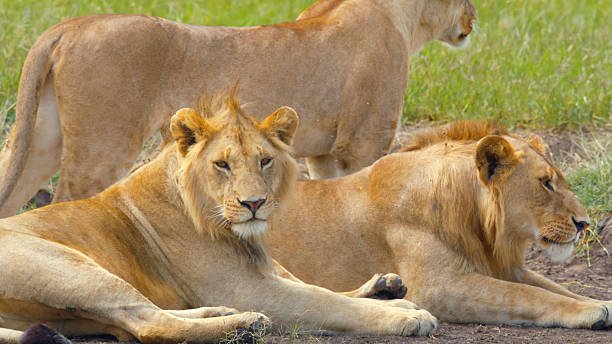
A 1-day Lake Manyara safari from Moshi offers an incredible opportunity to witness diverse wildlife, including iconic tree-climbing lions, in a single, action-packed day. This guided tour…
Book 1 Day Tarangire Safari From Moshi: Your Ultimate Wildlife Adventure
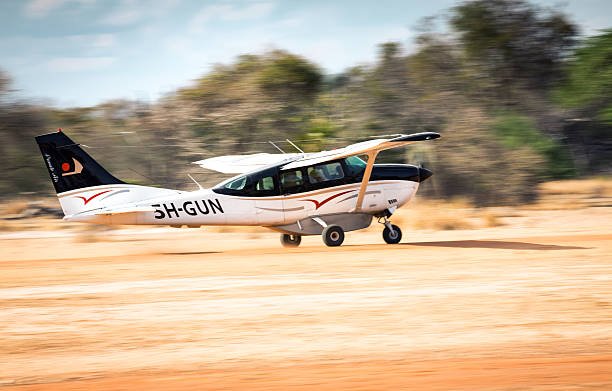
Discover the magic of a 1-day Tarangire Safari departing from Moshi. This guide covers everything you need to know for an unforgettable wildlife adventure in Tarangire National Park, from…
Best 4 Days Safari Tanzania From Zanzibar In 2026-2027
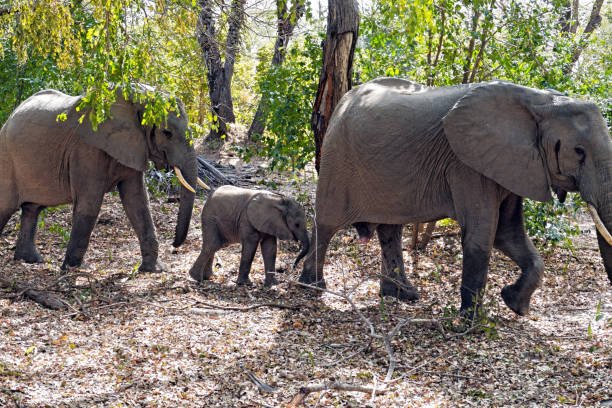
Discover the ultimate 4-day safari experience from Zanzibar. This guide covers the best itineraries, wildlife viewing opportunities in Tarangire, Lake Manyara, and Ngorongoro Crater for…
Best 3-Day Safari Tanzania From Zanzibar: Private Itinerary + Price 2026
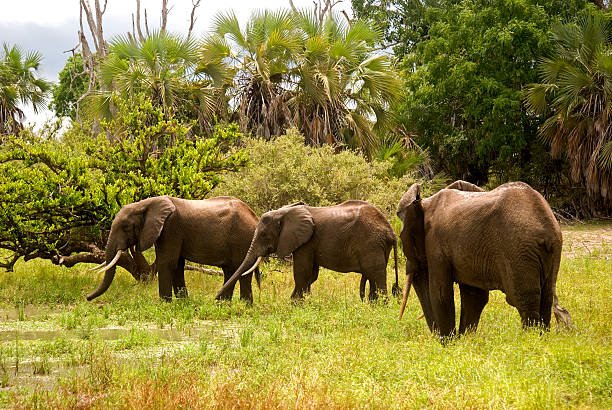
Experience the thrill of a 3-day Tanzania safari departing from Zanzibar. This guide covers the best park options, itinerary ideas, and essential planning tips for 2026-2027, ensuring an…
2-Day Safari Tanzania From Zanzibar: Best Fly in Mainland 2026-2027
Discover the thrill of a 2-day safari in mainland Tanzania, starting from the idyllic island of Zanzibar. This short yet impactful adventure allows you to witness the incredible wildlife of…
No related package matches those filters. Clear one or more filters to see the other topic-matched options.



