
Traveling from the UK to Ghana primarily involves flying, with direct flights from London to Accra taking approximately 6 to 7 hours. Key considerations include obtaining a visa in advance, choosing the best time to visit based on weather patterns (typically November to March for dry seasons), and understanding currency exchange and local customs to ensure a smooth journey in 2026-2027.
Planning Your Journey: UK to Ghana in 2026-2027
The prospect of traveling from the UK to Ghana is an exciting one, offering a gateway to vibrant West African culture, rich history, and stunning landscapes. Whether you’re planning a holiday, a business trip, or visiting family and friends, a well-prepared journey ensures a more enjoyable and stress-free experience. This comprehensive guide is designed to walk you through every essential step, from initial planning to your arrival in Ghana, with insights relevant for travel in 2026 and 2027.
Ghana, known for its friendly people, diverse attractions, and significant historical sites like the Cape Coast and Elmina Castles, is an increasingly popular destination. Understanding the logistics, from flights and visas to local transport and cultural nuances, is crucial. Top Guide Adventures, while specializing in Tanzania, understands the complexities of intercontinental travel and offers this detailed breakdown to assist UK residents planning their Ghanaian adventure.
Understanding Ghana: Key Information for UK Travelers
Before diving into the specifics of travel, it’s helpful to have a basic understanding of Ghana. Located on the Gulf of Guinea and bordering Ivory Coast, Togo, Burkina Faso, and Mali, Ghana is a country of diverse geography, from coastal plains to tropical rainforests and highlands. Its capital and largest city is Accra, which serves as the main international gateway.
The official language is English, which simplifies communication for UK visitors. However, numerous local languages are spoken, including Twi, Ewe, Ga, and Hausa. The currency is the Ghanaian Cedi (GHS). Ghana is a republic with a multi-party parliamentary system and a president. Its history is marked by its role in the transatlantic slave trade, its independence movement led by Kwame Nkrumah, and its subsequent development as a stable democracy in West Africa.
Visa Requirements for UK Citizens Traveling to Ghana
A critical first step for any UK citizen planning to travel to Ghana is securing the appropriate visa. As of the latest information available, UK passport holders require a visa to enter Ghana for tourism, business, or any other purpose. It is essential to apply for this well in advance of your intended travel dates for 2026-2027.
Visa Application Process:
- Where to Apply: Visa applications for Ghana from the UK are typically processed through the High Commission of Ghana in London. You may need to submit your application in person or via a postal service, depending on their current procedures. Always check the official High Commission website for the most up-to-date instructions.
- Required Documents: Common requirements include a completed visa application form, a valid passport (with at least six months of validity remaining beyond your intended stay), recent passport-sized photographs, proof of onward or return travel, and sometimes evidence of accommodation or an invitation letter if visiting friends or family. Business travelers will need additional documentation related to their company and purpose of visit.
- Processing Times: Visa processing times can vary. It is advisable to apply at least 4-6 weeks before your travel date to allow for any potential delays. For travel in 2026 or 2027, start your visa application process early in the year you plan to travel, or even the year before if you are very organized.
- Visa Fees: There are fees associated with visa applications, which can change. Check the High Commission’s website for the current fee structure and accepted payment methods.
Important Note for 2026-2027: Visa regulations can change. Always consult the official website of the High Commission of Ghana in the UK or contact them directly for the most accurate and current information regarding visa types, application procedures, fees, and processing times for your specific travel dates in 2026-2027.
Health and Vaccinations for Ghana
Ensuring you are in good health and properly vaccinated is paramount for a safe trip to Ghana. It is highly recommended to consult with your GP or a travel clinic at least 4-6 weeks before your departure.
Recommended Vaccinations:
- Routine Vaccinations: Ensure you are up-to-date with standard vaccinations such as measles, mumps, rubella, polio, tetanus, and diphtheria.
- Hepatitis A and Typhoid: These are generally recommended for most travelers to Ghana.
- Yellow Fever: Proof of Yellow Fever vaccination is mandatory for entry into Ghana. You will need to present your International Certificate of Vaccination or Prophylaxis (ICVP) at immigration. Ensure your vaccination is administered at least 10 days before you travel.
- Other Recommended Vaccinations: Depending on your travel plans and individual health, your doctor might also recommend vaccinations for Hepatitis B, rabies, and meningitis.
Malaria Prevention: Ghana is a malaria-endemic country. Malaria is transmitted by mosquitoes, primarily between dusk and dawn. It is crucial to take precautions:
- Antimalarial Medication: Discuss appropriate antimalarial drugs with your doctor. Options include Malarone, Doxycycline, or Lariam, each with different dosage schedules and potential side effects.
- Insect Repellent: Use insect repellent containing DEET or picaridin on exposed skin, especially during dawn and dusk.
- Protective Clothing: Wear long-sleeved shirts and long trousers, particularly in the evenings.
- Mosquito Nets: Sleep under a mosquito net if your accommodation is not air-conditioned or screened.
Other Health Considerations:
- Traveler’s Diarrhea: Be cautious with food and water. Stick to bottled water, avoid ice in drinks unless you are sure it’s made from purified water, and eat well-cooked food.
- Sun Protection: The Ghanaian sun can be intense. Use sunscreen with a high SPF, wear a hat, and stay hydrated.
COVID-19 Protocols: While many travel restrictions have eased, it is advisable to check the latest COVID-19 travel advisories from the UK government and Ghanaian authorities closer to your travel dates for 2026-2027, as policies can change.
Choosing Your Flights: UK to Accra
The most common and practical way to travel from the UK to Ghana is by air. The primary international airport in Ghana is Kotoka International Airport (ACC) in Accra. Several airlines operate flights connecting the UK to Accra, offering various options in terms of carriers, flight times, and prices.
Direct vs. Connecting Flights
- Direct Flights: These are the most convenient and quickest option. Typically, airlines like British Airways or Ghana’s national carrier, Africa World Airlines (often in partnership with other carriers), offer direct flights from London Heathrow (LHR) to Accra (ACC). The flight duration is usually around 6 to 7 hours. Booking direct flights often comes at a premium but saves significant travel time and the hassle of changing planes. For 2026-2027, direct services are expected to remain the primary choice for convenience.
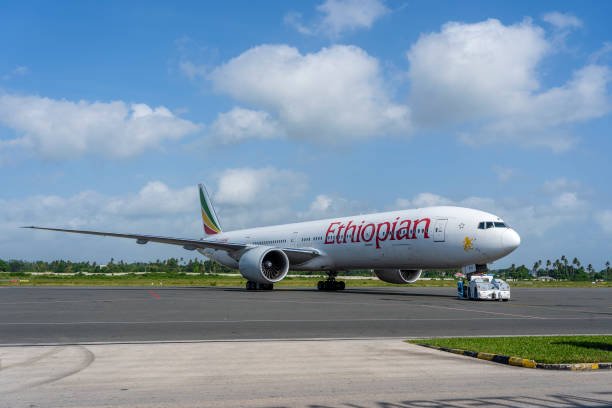
- Connecting Flights: Airlines such as KLM, Air France, Turkish Airlines, Ethiopian Airlines, and Royal Air Maroc offer flights with one or more stops, usually in their respective hub cities (Amsterdam, Paris, Istanbul, Addis Ababa, or Casablanca). Connecting flights can sometimes be cheaper than direct options, but they significantly increase travel time, often to 10-15 hours or more, depending on the layover duration and location. These are a good option if budget is a primary concern.
When to Book Your Flights
Flight prices fluctuate based on demand, seasonality, and how far in advance you book. For the best fares for your 2026-2027 travel, it’s generally recommended to:
- Book in Advance: Aim to book your flights at least 2-3 months before your departure date, especially if you are traveling during peak seasons (e.g., Christmas, Easter, summer holidays). Booking further out, perhaps 4-6 months ahead, can sometimes secure even better deals.
- Be Flexible with Dates: If your travel dates are flexible, you may find cheaper fares by flying mid-week (Tuesdays or Wednesdays) rather than on weekends. Using flight comparison websites can help you identify the cheapest days to fly.
- Consider Different Airports: While London Heathrow (LHR) is the most common departure point, flights may also be available from other London airports or major UK cities, though often with a connection within the UK first.
Airline Options and Considerations
When choosing an airline, consider factors beyond just price:
- Baggage Allowance: Check the baggage allowance policies carefully. Different airlines have different limits for checked and carry-on luggage, which can significantly impact the overall cost if you plan to carry a lot.
- In-flight Service: For longer flights, consider the quality of in-flight service, including meals, entertainment, and seat comfort.
- Loyalty Programs: If you fly frequently, consider airlines that are part of alliances you belong to, allowing you to earn miles or points.
Navigating Kotoka International Airport (ACC)
Upon arrival at ACC, expect a busy but generally efficient airport experience. Immigration procedures require your passport and visa. The Yellow Fever vaccination certificate is mandatory. Baggage claim and customs follow. There are currency exchange facilities, ATMs, and car rental desks available at the airport.
Best Time to Visit Ghana from the UK
Ghana enjoys a tropical climate, characterized by distinct wet and dry seasons. The best time to visit for most travelers, especially those from the UK seeking pleasant weather, is during the dry seasons.
Dry Seasons (November to March)
This period is widely considered the most favorable time to travel to Ghana. The weather is typically sunny, with lower humidity and less rainfall. Temperatures are warm but generally comfortable, ranging from the mid-20s to low 30s Celsius (mid-70s to low 90s Fahrenheit). This season is ideal for exploring cities like Accra, visiting historical sites along the coast, enjoying the beaches, and venturing into the national parks.
- Pros: Comfortable temperatures, minimal rain, good for outdoor activities and beach visits.
- Cons: This is also the peak tourist season, meaning flights and accommodation might be more expensive, and popular sites can be more crowded. Book well in advance for 2026-2027 if you plan to travel during this time.
Shoulder Seasons (April, October)
These months can be transitional periods. April might still see some rain as the main rainy season approaches, while October marks the end of the rainy season. The weather can be mixed, with some sunny days interspersed with rain showers. Temperatures remain warm.
Rainy Seasons (May to September)
Ghana experiences two rainy seasons:
- Main Rainy Season (May to July): This period usually brings heavier rainfall, often in the form of intense downpours, especially in the southern parts of the country.
- Second, Shorter Rainy Season (September to October): This can bring lighter, more sporadic rainfall.
Considerations for Rainy Seasons:
- Pros: Fewer tourists, potentially lower prices for flights and accommodation, and the landscape is lush and green.
- Cons: Heavy rainfall can disrupt travel plans, making some roads impassable, especially in rural areas. Outdoor activities and beach visits might be limited. Humidity levels are higher.
Regional Variations: While the general pattern holds, there can be regional differences. The north of Ghana experiences a single rainy season, typically from May to October, and can become very hot and dry during the rest of the year.
For 2026-2027 travel: If you prefer a balance of good weather and fewer crowds, consider the beginning of the dry season (November) or the end of the rainy season (late October), though some rain is still possible.
Getting Around Ghana: Transportation Options
Once you arrive in Ghana, navigating the country is part of the adventure. Ghana has a relatively developed transport network, though it can be challenging at times.
Within Accra and Major Cities
- Taxis: Metered taxis are available, but it’s often best to agree on the fare before starting your journey, especially for longer trips or if the meter isn’t used. Many apps like Uber and Bolt operate in Accra, offering a convenient and often more transparent pricing system.
- Tro-tros: These are shared minibuses and are the most common and cheapest form of public transport. They operate on fixed routes but can be crowded and may stop frequently. They are an authentic local experience but might not be ideal for travelers with limited time or lots of luggage.
- Hiring a Car with a Driver: For comfort, flexibility, and ease of navigation, hiring a car with a driver is a popular option, especially for tourists. This can be arranged through hotels or local tour operators. Drivers are usually knowledgeable about local routes and customs.
Inter-City Travel
- Buses: Several bus companies operate comfortable, air-conditioned coaches between major cities like Accra, Kumasi, Takoradi, and Tamale. Companies like OA Travel & Tours, VIP Jeoun, and STC offer reliable services. Booking tickets in advance is recommended, especially for popular routes or during peak travel times in 2026-2027.
- Trains: Ghana has a railway network, but it is less extensive and often slower than bus services. Passenger services are limited and may not be the most efficient option for tourists.
- Domestic Flights: Africa World Airlines (AWA) operates domestic flights connecting Accra to cities like Kumasi, Takoradi, and Tamale. This is the fastest but most expensive way to travel between major cities.
Travel to National Parks and Tourist Sites
Reaching more remote tourist attractions, such as national parks (e.g., Kakum National Park, Mole National Park) or historical sites, often requires:
- Organized Tours: The easiest way is to book a tour package that includes transportation. This takes the planning burden off you.
- Hiring a 4×4 Vehicle: For exploring off-the-beaten-path locations or national parks, a 4×4 vehicle, ideally with a driver familiar with the terrain, is recommended. Roads can be unpaved and challenging, especially during the rainy season.
Ghanaian Culture and Etiquette
Ghana is renowned for its warm hospitality and rich cultural heritage. Understanding local customs and etiquette will greatly enhance your interactions and overall experience.
Greetings and Social Interactions
- Respectful Greetings: Always greet people when entering a room or meeting someone. A handshake is common, and it’s polite to use your right hand. If someone offers you something with their left hand, it can be considered impolite.
- Politeness: Ghanaians are generally very polite. Using phrases like “please,” “thank you,” and “excuse me” is appreciated.
- Patience: Things may not always run on schedule. A relaxed approach and patience are often necessary, especially when dealing with administrative matters or public transport.
Dress Code
Ghana is a warm country, and light clothing is essential. While Western-style casual wear is common, it’s advisable to dress modestly, especially when visiting rural areas or religious sites. Avoid overly revealing clothing.
- Public Places: Smart casual attire is generally appropriate.
- Religious Sites: Shoulders and knees should be covered.
- Formal Occasions: For events or meetings, more formal attire might be expected.
Tipping
Tipping is not always mandatory but is appreciated for good service.
- Restaurants: A service charge is sometimes included in the bill. If not, a tip of 5-10% is customary for good service.
- Drivers and Guides: If you hire a driver or guide for tours, tipping is common. The amount depends on the length of service and quality, but a daily rate or a percentage of the tour cost is a good guideline.
- Hotels: Small tips for porters and housekeeping staff are appreciated.
Photography
Always ask for permission before taking photos of people, especially in rural communities or at traditional ceremonies. Some government buildings or military installations may prohibit photography.
Gift Giving
If you are invited to someone’s home, bringing a small gift is a thoughtful gesture. Items like sweets, good quality pens, or small household goods are generally well-received. Avoid giving alcohol unless you are sure it will be appreciated.
Must-Visit Destinations in Ghana
Ghana offers a diverse range of attractions, from bustling cities to historical sites and natural wonders.
Accra
The vibrant capital city, Accra, is a hub of activity. Key attractions include:
- Independence Square: A significant national monument.
- Kwame Nkrumah Mausoleum: Dedicated to Ghana’s first president.
- National Museum of Ghana: Showcasing Ghanaian history and culture.
- Makola Market: A bustling, chaotic, and colorful local market experience.
- Osu and Jamestown: Areas offering vibrant nightlife, art galleries, and fishing communities.
Cape Coast and Elmina
These historic coastal towns are crucial for understanding Ghana’s past, particularly its role in the transatlantic slave trade.
- Cape Coast Castle: A UNESCO World Heritage site, offering poignant tours through its dungeons and the ‘Door of No Return’.
- Elmina Castle: The oldest European structure in sub-Saharan Africa, also a UNESCO site with a profound history.
- Kakum National Park: Located near Cape Coast, famous for its canopy walkway offering a unique perspective of the rainforest.
Kumasi
The capital of the Ashanti Region, Kumasi, is rich in Ashanti culture and history.
- Manhyia Palace Museum: The former residence of the Ashanti King, offering insights into Ashanti royalty.
- National Cultural Centre: Features traditional Ashanti crafts, art, and performances.
- Kejetia Market: One of West Africa’s largest open-air markets.
Mole National Park
Ghana’s largest wildlife refuge, located in the northern Savannah region. It’s home to elephants, antelopes, baboons, and a variety of bird species. Safaris here offer a different experience from East African safaris, focusing on a more relaxed pace and unique species.
Volta Region
Known for its natural beauty, the Volta Region offers stunning waterfalls (like Wli Falls, Ghana’s highest), mountains, and Lake Volta, one of the largest man-made lakes in the world. It’s ideal for hiking, nature walks, and relaxation.
Practical Tips for a Smooth Trip
To ensure your journey from the UK to Ghana is as smooth as possible, consider these practical tips:
- Currency: The Ghanaian Cedi (GHS) is the official currency. It’s advisable to carry some cash, especially for smaller purchases in markets or rural areas. ATMs are widely available in major cities, and credit/debit cards are accepted in larger hotels, restaurants, and supermarkets. Inform your bank about your travel dates to avoid card issues.
- Language: While English is the official language, learning a few basic phrases in Twi or Ga can be very helpful and is always appreciated by locals.
- Safety: Ghana is generally a safe country for tourists. However, like anywhere, it’s wise to exercise caution. Be aware of your surroundings, especially in crowded markets or at night. Avoid displaying valuable items openly. Petty theft can occur, so keep your belongings secure.
- Connectivity: SIM cards are readily available and affordable if you wish to have local data and call capabilities. Major mobile networks include MTN, Vodafone, and AirtelTigo. Wi-Fi is common in hotels and many cafes in urban areas.
- Food and Drink: Ghanaian cuisine is delicious and varied. Popular dishes include Fufu (pounded yam or cassava with soup), Jollof Rice, Banku with Tilapia, and Waakye. Always ensure food is freshly cooked and hot, and drink bottled water.
- Electricity: Ghana uses 230V, 50Hz, with Type G plugs (the same as the UK). You may not need an adapter, but it’s always good to check your devices.
Planning Your 2026-2027 Ghana Adventure with Experts
While this guide provides a comprehensive overview for traveling from the UK to Ghana, planning a trip to a new continent can still feel daunting. For UK travelers looking for a well-organized and culturally enriching experience, partnering with experienced tour operators can be invaluable. Although Top Guide Adventures specializes in Tanzania, we understand the principles of creating exceptional travel experiences across Africa. For Ghana-specific needs, seeking local expertise is key.
When considering your 2026 or 2027 travel plans, think about what kind of experience you want. Are you interested in history, culture, nature, or a mix of everything? Tailoring your itinerary to your interests will make your trip more rewarding.
For those seeking assistance with planning a journey to Ghana, consider reaching out to local Ghanaian tour operators who can offer personalized itineraries, local insights, and smooth arrangements for accommodation, transport, and activities. This can significantly enhance your travel experience, ensuring you see the best of Ghana while navigating its nuances with ease. For inquiries related to African travel planning, even beyond Tanzania, feel free to reach out to us at Top Guide Adventures. You can connect with us via WhatsApp at +255616946642 or email us at topguideadventures@gmail.com or info@topguideadventurestanzania.com.
Whether you are planning a solo adventure, a family holiday, or a group tour for 2026-2027, thorough preparation and local knowledge are your best assets for a memorable trip from the UK to Ghana.
Check Availability for How To Travel From Uk To Ghana: Your Comprehensive Guide 2026-2027
Ready to compare dates, prices, and the best option for your group? Send the package name and travel month so the team can reply with a clear quote, availability, and what is included.
Best 1 Day Lake Manyara Safari From Moshi: Your Ultimate Wildlife Experience
A 1-day Lake Manyara safari from Moshi offers an incredible opportunity to witness diverse wildlife, including iconic tree-climbing lions, in a single, action-packed day. This guided tour…
Book 1 Day Tarangire Safari From Moshi: Your Ultimate Wildlife Adventure
Discover the magic of a 1-day Tarangire Safari departing from Moshi. This guide covers everything you need to know for an unforgettable wildlife adventure in Tarangire National Park, from…
Best 4 Days Safari Tanzania From Zanzibar In 2026-2027
Discover the ultimate 4-day safari experience from Zanzibar. This guide covers the best itineraries, wildlife viewing opportunities in Tarangire, Lake Manyara, and Ngorongoro Crater for…
Best 3-Day Safari Tanzania From Zanzibar: Private Itinerary + Price 2026
Experience the thrill of a 3-day Tanzania safari departing from Zanzibar. This guide covers the best park options, itinerary ideas, and essential planning tips for 2026-2027, ensuring an…
2-Day Safari Tanzania From Zanzibar: Best Fly in Mainland 2026-2027
Discover the thrill of a 2-day safari in mainland Tanzania, starting from the idyllic island of Zanzibar. This short yet impactful adventure allows you to witness the incredible wildlife of…
No related package matches those filters. Clear one or more filters to see the other topic-matched options.



