
.orscg-article{–orscg-text:#152033;–orscg-muted:#5c6878;–orscg-line:#e4e8ee;–orscg-accent:#0b6b4f;–orscg-accent2:#c75b12;–orscg-soft:#f6faf7;–orscg-warm:#fff7ef;max-width:1120px;margin:0 auto;color:var(–orscg-text);font-family:inherit;line-height:1.76}.orscg-article *{box-sizing:border-box}.orscg-article-intro{padding:30px 26px;margin:0 0 32px;border:1px solid var(–orscg-line);border-radius:22px;background:linear-gradient(135deg,#fff 0%,var(–orscg-soft) 65%,var(–orscg-warm) 100%)}.orscg-updated{display:inline-block;margin:0 0 14px;padding:6px 12px;border:1px solid rgba(11,107,79,.18);border-radius:999px;background:#fff;color:var(–orscg-accent);font-size:13px;font-weight:800}.orscg-article-intro h2{font-family:’Trebuchet MS’,Arial,sans-serif;margin:0 0 14px;font-size:clamp(30px,4vw,52px);line-height:1.08;color:var(–orscg-text);letter-spacing:-.03em}.orscg-lead{max-width:900px;margin:0 0 18px;font-size:clamp(17px,2vw,21px);color:var(–orscg-muted)}.orscg-contact-mini{font-weight:800;margin:0}.orscg-contact-mini a,.orscg-content a{color:var(–orscg-accent);text-decoration:none}.orscg-contact-mini a:hover,.orscg-content a:hover{text-decoration:underline}.orscg-hero-price{margin:18px 0 0;padding:14px 16px;border:1px solid rgba(199,91,18,.28);border-radius:14px;background:#fff;color:#733809;font-weight:650}.orscg-content{font-size:17px}.orscg-content h2{font-family:’Trebuchet MS’,Arial,sans-serif;margin:44px 0 15px;font-size:clamp(25px,3vw,38px);line-height:1.17;color:var(–orscg-text);letter-spacing:-.02em}.orscg-content h2:first-child{margin-top:0}.orscg-content h3{margin:28px 0 12px;font-size:clamp(20px,2.1vw,27px);line-height:1.25;color:var(–orscg-text)}.orscg-content p{margin:0 0 18px}.orscg-content ul,.orscg-content ol{margin:0 0 24px;padding-left:24px}.orscg-content li{margin:8px 0}.orscg-content table,.orscg-table{width:100%;border-collapse:separate;border-spacing:0;margin:25px 0;font-size:16px;border:1px solid var(–orscg-line);border-radius:0;overflow:hidden;background:#fff;box-shadow:0 10px 24px rgba(15,23,42,.05)}.orscg-content th,.orscg-content td{border:0;border-bottom:1px solid var(–orscg-line);padding:13px 14px;text-align:left;vertical-align:top}.orscg-content tr:last-child td{border-bottom:0}.orscg-content th{background:var(–orscg-soft);font-weight:850;color:#10251d}.orscg-price-box{margin:30px 0;padding:24px;border:0;border-top:3px solid var(–orscg-accent2);border-bottom:1px solid rgba(199,91,18,.28);border-radius:0;background:linear-gradient(135deg,#fff,var(–orscg-warm));box-shadow:0 12px 26px rgba(15,23,42,.06)}.orscg-price-box h2{margin-top:0}.orscg-price-table th{background:#fff1e3}.orscg-price-table td:first-child{font-weight:800;color:#733809}.orscg-anchor-target{display:block;position:relative;top:-115px;visibility:hidden;height:0;overflow:hidden}.orscg-content h2[data-orscg-anchor]{scroll-margin-top:120px}.orscg-toc,.orscg-company-links{margin:24px 0;padding:22px 24px;border:1px solid var(–orscg-line);border-radius:18px;background:#fff;box-shadow:0 10px 28px rgba(15,23,42,.04)}.orscg-toc h2,.orscg-company-links h2{margin-top:0}.orscg-toc ol{columns:2;column-gap:34px}.orscg-toc li{break-inside:avoid}.orscg-toc a{cursor:pointer;font-weight:700}.orscg-note,.orscg-checklist,.orscg-itinerary,.orscg-faq,.orscg-map,.orscg-pro-block{margin:28px 0;padding:22px 24px;border:0;border-top:1px solid var(–orscg-line);border-bottom:1px solid var(–orscg-line);border-left:5px solid var(–orscg-accent);border-radius:0;background:var(–orscg-soft)}.orscg-itinerary{border-left-color:var(–orscg-accent2);background:#fffaf5}.orscg-pro-block{background:linear-gradient(135deg,#fff,var(–orscg-soft));box-shadow:0 10px 28px rgba(15,23,42,.04)}.orscg-top-images{display:grid;grid-template-columns:repeat(auto-fit,minmax(220px,1fr));gap:16px;margin:0 0 30px}.orscg-featured-image{margin:0;aspect-ratio:16/10;overflow:hidden;border-radius:18px;background:#eef2f0}.orscg-featured-image img{display:block;width:100%;height:100%;object-fit:cover;object-position:center;border-radius:18px;box-shadow:0 12px 30px rgba(15,23,42,.10)}.orscg-simple-cta{margin:46px 0 0;padding:28px;border:0;border-top:3px solid var(–orscg-accent);border-bottom:1px solid rgba(11,107,79,.20);border-radius:0;background:linear-gradient(135deg,var(–orscg-soft),#fff);box-shadow:0 14px 30px rgba(15,23,42,.07)}.orscg-direct-answer{margin:0 0 30px;padding:22px 24px;border:0;border-top:1px solid rgba(11,107,79,.25);border-bottom:1px solid rgba(11,107,79,.25);border-left:6px solid var(–orscg-accent);border-radius:0;background:linear-gradient(135deg,#fff,var(–orscg-soft));box-shadow:0 12px 26px rgba(15,23,42,.06);font-size:18px}.orscg-direct-answer p:last-child{margin-bottom:0}.orscg-simple-cta h2{font-family:’Trebuchet MS’,Arial,sans-serif;margin:0 0 12px;font-size:clamp(24px,3vw,34px);line-height:1.2}.orscg-simple-cta p{margin:0 0 16px}.orscg-related-packages{position:relative;margin:48px 0 0;padding:30px 0 8px;border:0;border-top:3px solid var(–orscg-accent);border-bottom:1px solid var(–orscg-line);border-radius:0;background:linear-gradient(180deg,#fff 0%,#f7faf8 100%);box-shadow:none}.orscg-related-packages h2{margin:0 0 8px}.orscg-related-packages p{margin:0;color:var(–orscg-muted)}.orscg-related-heading{display:flex;align-items:flex-end;justify-content:space-between;gap:18px;margin-bottom:22px}.orscg-package-explorer{display:grid;grid-template-columns:minmax(220px,270px) minmax(0,1fr);gap:24px;align-items:start}.orscg-package-filters{position:sticky;top:92px;border:1px solid var(–orscg-line);border-top:4px solid var(–orscg-accent);border-radius:0;background:#fff;box-shadow:0 12px 28px rgba(15,23,42,.07)}.orscg-filter-mobile-toggle{display:none;width:100%;padding:14px 16px;border:0;border-bottom:1px solid var(–orscg-line);border-radius:0;background:#fff;color:var(–orscg-text);font:inherit;font-weight:850;text-align:left;cursor:pointer}.orscg-filter-panel-head{display:flex;align-items:center;justify-content:space-between;gap:12px;padding:16px 17px;border-bottom:1px solid var(–orscg-line)}.orscg-filter-panel-head strong{font-size:18px}.orscg-filter-panel-head button,.orscg-package-results-head button{padding:0;border:0;background:transparent;color:var(–orscg-accent);font:inherit;font-size:13px;font-weight:800;cursor:pointer}.orscg-filter-group{margin:0;padding:16px 17px;border:0;border-bottom:1px solid var(–orscg-line)}.orscg-filter-group:last-child{border-bottom:0}.orscg-filter-group legend{display:block;width:100%;margin:0 0 10px;padding:0;color:var(–orscg-text);font-size:15px;font-weight:900}.orscg-filter-group label{display:grid;grid-template-columns:18px minmax(0,1fr) auto;align-items:center;gap:9px;margin:9px 0;color:var(–orscg-text);font-size:14px;line-height:1.35;cursor:pointer}.orscg-filter-group input{width:16px;height:16px;margin:0;accent-color:var(–orscg-accent)}.orscg-filter-group b{min-width:24px;color:var(–orscg-muted);font-size:12px;font-weight:700;text-align:right}.orscg-package-results{min-width:0}.orscg-package-results-head{display:flex;align-items:center;justify-content:space-between;gap:14px;margin:0 0 12px;padding:12px 0;border-top:1px solid var(–orscg-line);border-bottom:1px solid var(–orscg-line)}.orscg-package-results-head strong{font-size:15px}.orscg-package-list{display:grid;gap:16px}.orscg-package-card{display:grid;grid-template-columns:minmax(190px,245px) minmax(0,1fr);min-width:0;overflow:hidden;border:1px solid var(–orscg-line);border-left:4px solid var(–orscg-accent);border-radius:0;background:#fff;color:var(–orscg-text);box-shadow:0 12px 26px rgba(15,23,42,.07);transition:transform .18s ease,box-shadow .18s ease}.orscg-package-card[hidden]{display:none!important}.orscg-package-card:hover{transform:translateY(-2px);box-shadow:0 17px 32px rgba(15,23,42,.11)}.orscg-package-card-image{display:block;min-height:185px;overflow:hidden;background:#eaf0ec;text-decoration:none!important}.orscg-package-card-image img{display:block;width:100%;height:100%;min-height:185px;object-fit:cover;object-position:center}.orscg-package-image-placeholder{display:block;width:100%;height:100%;min-height:185px;background:linear-gradient(135deg,#e8f1ec,#fff3e7)}.orscg-package-card-body{display:flex;min-width:0;flex-direction:column;padding:18px 20px}.orscg-package-meta{display:flex;flex-wrap:wrap;gap:7px;margin:0 0 10px}.orscg-package-meta span{display:inline-flex;padding:4px 8px;border:1px solid rgba(11,107,79,.18);border-radius:0;background:var(–orscg-soft);color:#21463b;font-size:12px;font-weight:800;line-height:1.2}.orscg-package-card h3{margin:0 0 8px!important;font-size:clamp(19px,2vw,25px)!important;line-height:1.25}.orscg-package-card h3 a{color:var(–orscg-text)!important;text-decoration:none!important}.orscg-package-card h3 a:hover{color:var(–orscg-accent)!important}.orscg-package-card .orscg-package-summary{margin:0 0 14px;color:var(–orscg-muted);font-size:14px;line-height:1.58}.orscg-package-view{display:inline-flex;align-items:center;gap:7px;margin-top:auto;color:var(–orscg-accent)!important;text-decoration:none!important;font-size:14px;font-weight:900}.orscg-package-view:hover{text-decoration:underline!important}.orscg-package-empty{padding:24px;border:1px dashed var(–orscg-line);background:#fff;text-align:center}.orscg-filter-panel.is-open{display:block}.orscg-cta-links{display:flex;flex-wrap:wrap;gap:12px}.orscg-btn{display:inline-flex;align-items:center;justify-content:center;padding:12px 19px;border-radius:0;background:var(–orscg-accent);color:#fff!important;text-decoration:none!important;font-weight:850;box-shadow:4px 4px 0 rgba(11,107,79,.18)}.orscg-btn-light{background:#fff;color:var(–orscg-accent)!important;border:1px solid var(–orscg-accent);box-shadow:none}@media(max-width:980px){.orscg-package-explorer{grid-template-columns:220px minmax(0,1fr)}.orscg-package-card{grid-template-columns:190px minmax(0,1fr)}}@media(max-width:760px){.orscg-article-intro{padding:24px 18px}.orscg-toc ol{columns:1}.orscg-content{font-size:16px}.orscg-content table,.orscg-table{display:block;overflow-x:auto}.orscg-simple-cta,.orscg-price-box,.orscg-related-packages{padding:20px}.orscg-cta-links{display:block}.orscg-btn{margin:0 8px 8px 0}.orscg-top-images{grid-template-columns:1fr}.orscg-related-heading{align-items:flex-start}.orscg-package-explorer{grid-template-columns:1fr}.orscg-package-filters{position:static}.orscg-filter-mobile-toggle{display:block}.orscg-filter-panel{display:none}.orscg-filter-panel.is-open{display:block}.orscg-package-card{grid-template-columns:1fr}.orscg-package-card-image,.orscg-package-card-image img,.orscg-package-image-placeholder{min-height:210px}.orscg-package-results-head{align-items:flex-start}}
/* v3.17.24 related package explorer: stronger existing-page topic matching, three-column desktop grid and old-page live refresh */
.orscg-related-packages{padding:34px 0 12px;overflow:visible}.orscg-related-heading{align-items:flex-start;margin-bottom:26px}.orscg-related-heading>div{max-width:880px}.orscg-related-heading h2{font-size:clamp(27px,3vw,40px);line-height:1.14}.orscg-related-heading p{max-width:830px;line-height:1.65}.orscg-package-explorer{grid-template-columns:minmax(238px,270px) minmax(0,1fr);gap:28px}.orscg-package-filters{top:84px;max-height:calc(100vh – 104px);overflow:auto;scrollbar-width:thin}.orscg-filter-mobile-toggle{align-items:center;justify-content:space-between;gap:16px}.orscg-filter-mobile-toggle small{color:var(–orscg-muted);font-size:12px;font-weight:750}.orscg-filter-panel-head{align-items:flex-start;padding:18px}.orscg-filter-panel-head>div{display:grid;gap:3px}.orscg-filter-panel-head span{color:var(–orscg-muted);font-size:12px}.orscg-filter-group{padding:0}.orscg-filter-group legend{margin:0}.orscg-filter-group-toggle{display:flex;width:100%;align-items:center;justify-content:space-between;gap:14px;padding:14px 17px;border:0;background:#fff;color:var(–orscg-text);font:inherit;font-size:15px;font-weight:900;text-align:left;cursor:pointer}.orscg-filter-group-toggle i{position:relative;width:14px;height:14px;flex:0 0 14px}.orscg-filter-group-toggle i:before,.orscg-filter-group-toggle i:after{content:””;position:absolute;left:1px;top:6px;width:12px;height:2px;background:var(–orscg-accent);transition:transform .18s ease}.orscg-filter-group-toggle i:after{transform:rotate(90deg)}.orscg-filter-group.is-expanded .orscg-filter-group-toggle i:after{transform:rotate(0)}.orscg-filter-options{padding:0 17px 14px}.orscg-filter-group:not(.is-expanded) .orscg-filter-options{display:none}.orscg-filter-group label{margin:5px -7px;padding:8px 7px;transition:background .16s ease}.orscg-filter-group label:hover{background:var(–orscg-soft)}.orscg-filter-group label:has(input:checked){background:#eef8f3;color:#123b2f;font-weight:800}.orscg-package-results-head{align-items:flex-start;margin-bottom:18px;padding:14px 0}.orscg-package-results-head>div{min-width:0}.orscg-package-results-head>button{flex:0 0 auto;margin-top:2px}.orscg-active-filters{display:flex;flex-wrap:wrap;gap:6px;margin-top:8px}.orscg-active-filters:empty{display:none}.orscg-active-filter-chip{display:inline-flex;align-items:center;padding:4px 8px;border:1px solid rgba(11,107,79,.18);background:var(–orscg-soft);color:#21463b;font-size:12px;font-weight:750}.orscg-package-list{grid-template-columns:repeat(3,minmax(0,1fr));gap:20px;align-items:stretch}.orscg-package-card{position:relative;display:grid;grid-template-columns:1fr;grid-template-rows:auto 1fr;height:100%;border-left:1px solid var(–orscg-line);border-top:4px solid var(–orscg-accent);cursor:pointer;outline:none}.orscg-package-card:focus-visible{box-shadow:0 0 0 3px rgba(11,107,79,.2),0 17px 32px rgba(15,23,42,.11)}.orscg-package-card-image{min-height:0;aspect-ratio:16/9}.orscg-package-card-image img,.orscg-package-image-placeholder{width:100%;height:100%;min-height:0;aspect-ratio:16/9}.orscg-package-card-body{height:100%;padding:18px 19px 19px}.orscg-package-card h3{font-size:clamp(18px,1.7vw,23px)!important}.orscg-package-summary{display:-webkit-box;overflow:hidden;-webkit-box-orient:vertical;-webkit-line-clamp:3}.orscg-package-view{padding-top:4px}.orscg-package-card.is-filtered-in{animation:orscgPackageReveal .22s ease both}@keyframes orscgPackageReveal{from{opacity:.35;transform:translateY(5px)}to{opacity:1;transform:none}}@media(max-width:1050px){.orscg-package-explorer{grid-template-columns:220px minmax(0,1fr);gap:20px}.orscg-package-list{grid-template-columns:repeat(2,minmax(0,1fr))}}@media(max-width:760px){.orscg-related-packages{padding:24px 0 8px}.orscg-package-explorer{grid-template-columns:1fr}.orscg-package-filters{max-height:none;overflow:visible}.orscg-filter-mobile-toggle{display:flex}.orscg-package-list{grid-template-columns:1fr;gap:16px}.orscg-package-card-image{aspect-ratio:16/10}.orscg-package-card-image img,.orscg-package-image-placeholder{aspect-ratio:16/10}.orscg-package-results-head{gap:10px}.orscg-package-results-head>button{white-space:nowrap}}@media(max-width:430px){.orscg-package-results-head{display:grid;grid-template-columns:1fr}.orscg-package-results-head>button{justify-self:start}.orscg-filter-mobile-toggle{padding:14px}.orscg-package-card-body{padding:16px}}
Traveling from Tanzania to Kenya in 2026-2027 typically involves choosing between overland routes via shared or private transport, or taking a flight. The most common overland journey involves crossing at the Namanga border post, which is accessible from Arusha in Tanzania and leads to Nairobi in Kenya, taking approximately 8-12 hours by road depending on traffic and border processing times. Flights offer a quicker alternative, with direct options available from Kilimanjaro International Airport (JRO) or Arusha Airport (ARK) to Nairobi’s Jomo Kenyatta International Airport (NBO), taking about 1-2 hours in the air but requiring airport transit time.
Understanding Your Options for Tanzania to Kenya Travel in 2026-2027
The journey from Tanzania to Kenya is a popular one for travelers looking to experience the diverse landscapes and wildlife of East Africa. Whether you’re extending a Tanzanian safari to include Kenya’s famous Maasai Mara or heading to the Kenyan coast after exploring Zanzibar, understanding the available travel methods is crucial for a smooth and enjoyable trip. As we look towards 2026 and 2027, the fundamental options remain consistent, though it’s always wise to stay updated on any changes in border procedures, flight availability, and road conditions. This guide will break down each method, helping you decide the best way to travel from Tanzania to Kenya based on your budget, time constraints, and comfort preferences.
Top Guide Adventures specializes in creating smooth travel experiences within Tanzania and can assist in planning onward journeys, including your transfer to Kenya. We understand that moving between these two neighboring countries requires careful consideration of logistics, documentation, and local conditions. Our aim is to provide you with all the information needed to make an informed decision for your 2026-2027 adventure.
Overland Travel: The Namanga Border Crossing
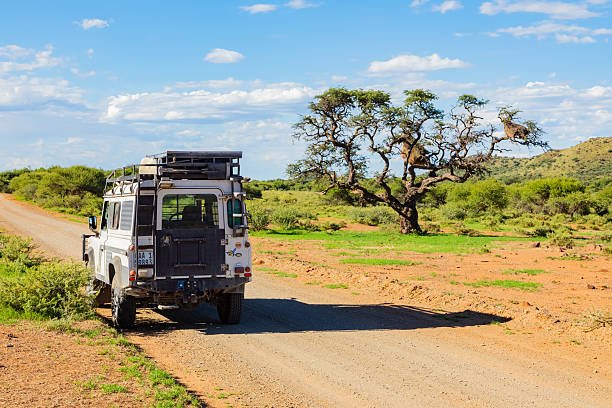
For many, the overland route is the most adventurous and cost-effective way to travel between Tanzania and Kenya. The primary and most common border crossing point is Namanga, located approximately 170 kilometers (105 miles) south of Nairobi and 200 kilometers (125 miles) north of Arusha.
Getting to Namanga from Arusha
Arusha is the main hub for travelers in Northern Tanzania, serving as the gateway to Serengeti National Park, Ngorongoro Crater, and Mount Kilimanjaro. From Arusha, you have several options to reach the Namanga border post:
- Shared Taxis (Daladalas/Matatus): These are the most budget-friendly option. You’ll likely need to take multiple local minibuses, changing vehicles along the way. This is an experience in itself but can be time-consuming and less comfortable, especially with luggage. Expect to pay a fraction of the cost of private transport.
- Private Taxis/Shuttles: Hiring a private taxi or a dedicated shuttle service from Arusha to Namanga offers more comfort, directness, and convenience. This is a popular choice for tourists who prefer to avoid the complexities of local public transport. The journey takes around 2-3 hours. Prices can vary significantly, so it’s best to arrange this through a reputable tour operator or your accommodation.
- Organized Transfers by Tour Operators: Many tour companies, including Top Guide Adventures, can arrange a smooth transfer directly from your Arusha hotel or even from Kilimanjaro International Airport (JRO) to the Namanga border. This is often the most stress-free option, as the vehicle and driver will be waiting for you, and they can assist with the border formalities. This is highly recommended for a smooth transition into Kenya.
Navigating the Namanga Border Post
The Namanga border is a busy crossing, and patience is key. Here’s what to expect:
- Tanzania Exit Immigration: You will first need to proceed to the Tanzanian immigration office to have your passport stamped for exit. Ensure you have your passport and any necessary exit forms.
- Kenyan Entry Immigration: After exiting Tanzania, you will walk across to the Kenyan side. Here, you’ll present your passport and visa (if required) to the Kenyan immigration officials. For many nationalities, visas can be obtained on arrival, but it is highly recommended to check the latest requirements for 2026-2027 and consider applying online in advance through the e-visa portal to save time and potential hassle.
- Customs and Vehicle Checks: If you are traveling with your own vehicle or a private transfer, there will be customs procedures for both countries.
- Currency Exchange: There are currency exchange bureaus at the border, but rates might not be the most favorable. It’s advisable to have some US Dollars or Kenyan Shillings ready for immediate expenses.
Travel Tip for 2026-2027: Always carry enough US Dollars in small denominations for visa fees, as well as for initial expenses in Kenya. Ensure your passport has at least six months of validity remaining and sufficient blank pages.
From Namanga to Nairobi
Once you’ve cleared immigration on the Kenyan side, you will be in Namanga town. From here, you need to continue your journey to Nairobi, which is approximately 170 kilometers (105 miles) away.
- Shared Taxis/Matatus: Similar to the Tanzanian side, shared minibuses operate between Namanga and Nairobi. These are frequent but can be crowded and make multiple stops.
- Private Taxis/Shuttles: You can arrange a private taxi or shuttle from Namanga to Nairobi. This is a more comfortable and direct option. Many travelers pre-book this service to meet them on the Kenyan side of the border. The journey takes about 2-3 hours.
- Pre-arranged Transfers: The most convenient method is to have a pre-booked transfer waiting for you on the Kenyan side. This ensures you have a reliable ride ready to take you directly to your Nairobi accommodation. Top Guide Adventures can facilitate this for clients continuing their journey into Kenya.
The total travel time from Arusha to Nairobi via Namanga can range from 8 to 12 hours, depending on border crossing times, traffic, and the efficiency of your chosen transport. It’s a full day of travel.
Alternative Overland Routes (Less Common)
While Namanga is the most popular, other border crossings exist, though they are less frequently used by international tourists for direct Tanzania-Kenya travel:
- Sirari/Isebania: Located in the west, connecting Tarime in Tanzania to Migori in Kenya. This route is often used by those traveling between the Serengeti and the Maasai Mara ecosystem, particularly if coming from or going to Western Tanzania. It involves longer travel times and potentially more complex logistics.
- Horohoro/Lungalunga: This crossing is on the coast, connecting Tanga in Tanzania to Mombasa in Kenya. It’s a viable option if your itinerary focuses on the coastal regions of both countries, but it’s a much longer route from Arusha and Northern Tanzania.
For most travelers starting in Arusha or the Northern safari circuit, the Namanga crossing remains the most practical and efficient overland route to Kenya.
Flying from Tanzania to Kenya: The Fastest Option
If time is of the essence, or you prefer the convenience of air travel, flying is the quickest way to get from Tanzania to Kenya. The primary airports involved are:
- Departure Airports in Tanzania:
- Kilimanjaro International Airport (JRO): Located between Arusha and Moshi, JRO is the main international airport serving Northern Tanzania.
- Arusha Airport (ARK): A smaller airport closer to Arusha town, offering domestic and some regional flights.
- Arrival Airport in Kenya:
- Jomo Kenyatta International Airport (NBO), Nairobi: Kenya’s main international airport.
Direct Flights
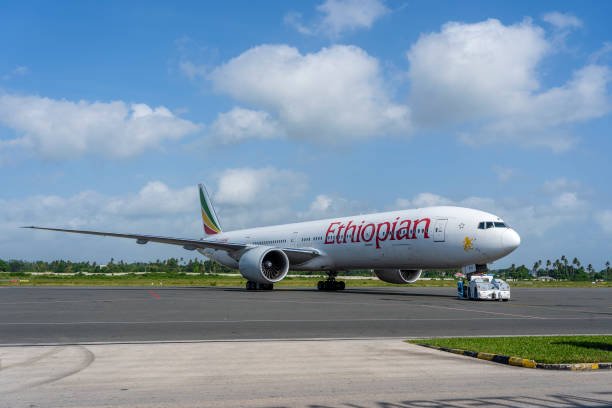
Several airlines operate flights between Tanzania and Kenya. While direct flights are the most convenient, they may not always be available or the most economical. Airlines like Precision Air, Ethiopian Airlines, Kenya Airways, and RwandAir often fly these routes, though sometimes with a layover.
- From JRO to NBO: This is the most common flight route. Flight duration is typically around 1 to 1.5 hours.
- From ARK to NBO: Flights from Arusha Airport are less frequent and might involve a layover.
Flights with Layovers
If direct flights are not available or are too expensive, you’ll likely find options with a layover, most commonly in Addis Ababa (Ethiopia) with Ethiopian Airlines or Kigali (Rwanda) with RwandAir. These flights will take longer, often 4-8 hours or more, depending on the layover duration.
Booking Flights for 2026-2027: It’s advisable to book your flights well in advance, especially if traveling during peak seasons (June-October and December-February). Use flight comparison websites and check airline sites directly. Prices can fluctuate significantly based on demand and booking time.
Cost of Flights
Flight prices vary widely. For a one-way ticket from JRO to NBO, you might expect prices ranging from $200 to $500 USD or more, depending on the airline, time of booking, and season. Flights with layovers might sometimes be cheaper but take considerably longer.
Considerations for Flying:
- Airport Transfers: Factor in the cost and time for transfers to and from airports at both ends.
- Baggage Allowance: Check the specific airline’s baggage policies, as these can differ from overland travel.
- Time Efficiency: Despite the airport procedures, flying is generally the fastest way to cover the distance, saving valuable travel time for your onward Kenyan adventures.
Visa Requirements for Tanzania to Kenya Travel (2026-2027)
Visa regulations are critical for smooth border crossing. It’s essential to verify the latest requirements for your nationality well before your travel dates in 2026 or 2027.
Tanzania Visa
If you are arriving in Tanzania first, ensure you have the appropriate visa. Many nationalities can obtain a visa on arrival, or apply online in advance. Check the Tanzanian immigration website for the most up-to-date information.
Kenya Visa
As of recent regulations, many nationalities require a visa to enter Kenya. The most convenient method is often applying for an e-visa online before your travel. This significantly speeds up the process at the border or airport.
- Online Application: Visit the official Kenyan e-visa portal. The process typically requires passport details, travel information, and a digital photo.
- Visa on Arrival: While possible for some nationalities, relying on a visa on arrival can lead to long queues and potential delays. It’s generally recommended to secure your visa beforehand.
- Cost: Visa fees vary by nationality and visa type (single entry, multiple entry). A single-entry tourist visa for Kenya often costs around $50 USD. Always check the official sources for current fees.
Important Note for 2026-2027: Immigration policies can change. Always consult the official immigration websites of both Tanzania and Kenya, or your country’s embassy, for the most current visa requirements before your trip.
Packing and Preparation for the Journey
Regardless of whether you choose to fly or travel overland, proper preparation is key.
What to Pack
- Documents: Passport (with at least 6 months validity), visa documentation, flight tickets, travel insurance details, yellow fever vaccination certificate (required by some countries and often checked at borders).
- Money: US Dollars in various denominations (especially small bills for border transactions and tips), local currency (Tanzanian Shilling, Kenyan Shilling), and credit/debit cards. Inform your bank about your travel plans.
- Clothing: Light, breathable clothing suitable for warm weather. Consider layers for cooler evenings or air-conditioned transport. Comfortable walking shoes are essential.
- Health: Personal first-aid kit, insect repellent (especially for malaria prevention), sunscreen, hand sanitizer, and any personal medications. Consult your doctor about necessary vaccinations and malaria prophylaxis.
- Electronics: Phone, charger, power bank, universal adapter.
- Miscellaneous: Water bottle, snacks for the journey, a good book, camera.
Health and Safety Considerations
Malaria: Both Tanzania and Kenya are malaria-risk areas. Consult your doctor about appropriate antimalarial medication and use insect repellent diligently, especially during dawn and dusk.
Vaccinations: Yellow Fever vaccination is often mandatory, especially if arriving from or transiting through a country with Yellow Fever risk. Other recommended vaccinations include Hepatitis A, Typhoid, and Tetanus. Check with your healthcare provider.
Food and Water: Stick to bottled water and be cautious with street food. Ensure food is cooked thoroughly.
Travel Insurance: Comprehensive travel insurance is highly recommended to cover medical emergencies, trip cancellations, and lost belongings.
Currency and Payments
The currencies are the Tanzanian Shilling (TZS) and the Kenyan Shilling (KES). US Dollars are widely accepted in tourist areas and for larger expenses like visas and tours. ATMs are available in major towns, but it’s wise to carry cash for smaller purchases and remote areas.
Comparing Overland vs. Flying: Which is Right for You?
Choosing between overland travel and flying depends heavily on your priorities:
| Factor | Overland (Namanga Border) | Flying (JRO/ARK to NBO) |
|---|---|---|
| Cost | Generally more affordable, especially using shared transport. Private transfers are pricier but still often less than flights. | Typically more expensive, especially for last-minute bookings. |
| Time | Longer duration (8-12 hours Arusha-Nairobi). Involves border processing. | Fastest option (1-2 hours flight time, plus airport transit). |
| Experience | More adventurous, allows interaction with local life, scenic views. | Convenient, comfortable, bypasses ground-level scenery. |
| Luggage | More flexible with luggage, especially in private transfers. | Strict baggage allowances apply. |
| Comfort | Can be less comfortable, especially on shared local transport. | Generally more comfortable and predictable. |
| Scenery | Opportunity to see the changing landscapes between Tanzania and Kenya. | Limited to airport views and ground transfers. |
| Flexibility | Can be more flexible with departure times if arranging private transport. | Scheduled flight times. |
Who should choose Overland?
- Budget travelers.
- Those seeking an authentic cultural experience.
- Travelers with more time who enjoy the journey itself.
- Individuals or groups who have large amounts of luggage.
Who should choose Flying?
- Travelers with limited time.
- Those prioritizing comfort and speed.
- Travelers who dislike long road journeys or complex border crossings.
- Those who have booked flights as part of a larger international itinerary.
Planning Your Tanzania to Kenya Itinerary in 2026-2027
Your choice of transport will significantly impact your itinerary. If you’re traveling overland, dedicate a full day for the transfer. If flying, you can potentially fit the journey into half a day, allowing more time for activities upon arrival.
Example Itinerary Snippet (Overland Focus)
Day 1: Arusha to Nairobi
- Morning: Depart from your Arusha hotel after breakfast (approx. 8:00 AM).
- Mid-morning: Arrive at the Namanga border post.
- Late Morning/Early Afternoon: Complete exit and entry immigration formalities.
- Afternoon: Continue to Nairobi by pre-arranged shuttle or taxi.
- Late Afternoon/Early Evening: Arrive at your Nairobi hotel.
Example Itinerary Snippet (Flight Focus)
Day 1: Arusha to Nairobi
- Morning: Transfer from your Arusha hotel to Kilimanjaro International Airport (JRO) (approx. 1 hour).
- Late Morning: Check-in for your flight to Nairobi.
- Midday: Flight departure (approx. 1-1.5 hours flight time).
- Early Afternoon: Arrive at Jomo Kenyatta International Airport (NBO), Nairobi.
- Afternoon: Clear immigration and collect luggage, then transfer to your Nairobi hotel.
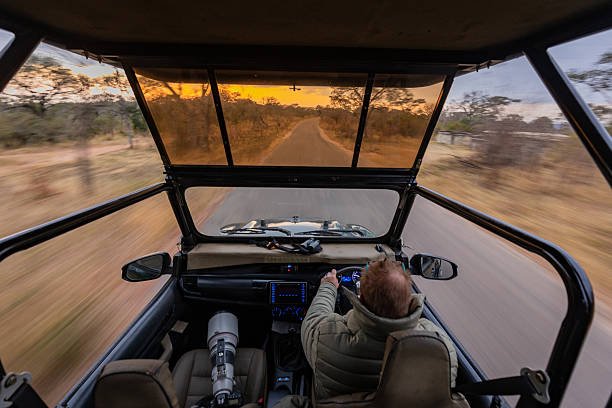
For those combining safaris, a common route is to start in Tanzania (Serengeti, Ngorongoro) and then travel to Kenya’s Maasai Mara for a different wildlife experience. The overland route via Namanga can still be used to connect from Arusha to Nairobi, and then arrange a transfer or flight to the Maasai Mara region.
Connecting with Top Guide Adventures for Your Journey
As a leading tour operator in Tanzania, Top Guide Adventures is uniquely positioned to help you plan the transition from Tanzania to Kenya. We can organize:
- smooth Transfers: We can arrange private, comfortable transfers from your Arusha accommodation or Kilimanjaro Airport directly to the Namanga border, and crucially, arrange for a reliable pick-up on the Kenyan side to take you to Nairobi. This removes significant logistical stress.
- Tailor-Made Itineraries: If you’re planning a multi-country East African safari, we can help craft an itinerary that flows logically from Tanzania into Kenya, advising on the best transport methods based on your interests and budget for 2026-2027.
- Expert Advice: Our team has extensive knowledge of the region and can provide up-to-date information on border crossings, visa requirements, and travel conditions.
Don’t let the logistics of crossing borders detract from the excitement of your East African adventure. Let us handle the details so you can focus on the incredible experiences awaiting you in Kenya.
Contact us today for a personalized travel plan:
- WhatsApp: +255616946642
- Email: topguideadventures@gmail.com
- Backup Email: info@topguideadventurestanzania.com
Frequently Asked Questions About Traveling from Tanzania to Kenya
Can I get a visa on arrival for Kenya if I’m coming from Tanzania?
For many nationalities, a visa on arrival for Kenya is possible, but policies can change. It is strongly recommended to check the latest requirements for your nationality and consider applying for an e-visa online in advance for 2026-2027 to ensure a smoother border crossing and avoid potential delays or issues.
What is the safest way to travel from Tanzania to Kenya?
The safest and most convenient way for most tourists is to pre-arrange a private transfer that meets you on the Kenyan side of the Namanga border, or to book a flight. While shared transport is budget-friendly, private options offer more security, comfort, and predictability. Using reputable tour operators like Top Guide Adventures ensures reliable service.
How much does it cost to travel from Tanzania to Kenya overland?
Costs vary significantly. Shared taxis/matatus might cost anywhere from $20-$50 USD per person for the entire journey from Arusha to Nairobi, depending on negotiations and the number of changes. A private taxi/shuttle from Arusha to Nairobi via Namanga can range from $150-$300 USD or more per vehicle, depending on the vehicle type and operator. Flights typically range from $200-$500 USD per person one-way.
Do I need a Yellow Fever vaccination to travel between Tanzania and Kenya?
A Yellow Fever vaccination certificate is often required, especially if you are arriving from or have recently transited through a country with a risk of Yellow Fever transmission. It’s advisable to check the latest entry requirements for Kenya and carry your vaccination certificate with you.
What is the best time of year to travel from Tanzania to Kenya overland?
The best time to travel overland is generally during the dry seasons in East Africa, which are typically from June to October and December to February. During these periods, road conditions are better, and the weather is more pleasant for travel. However, these are also peak tourist seasons, so expect more travelers and potentially higher prices for services.
Can I cross the border with my rental car?
Crossing borders with rental cars can be complex and often prohibited by rental agreements. If you are on a self-drive safari and wish to continue into Kenya, you will likely need to arrange for a specific cross-border vehicle or transfer it to a Kenyan rental company. It’s best to clarify this with your rental agency well in advance.
How long does it take to get from Arusha to Nairobi?
The overland journey from Arusha to Nairobi via the Namanga border typically takes between 8 to 12 hours. This includes the drive to the border, time spent at immigration and customs, and the drive from the border to Nairobi. Flights are much quicker, with the flight time itself being around 1 to 1.5 hours, not including airport transfers and check-in times.
What if I’m coming from Zanzibar? How do I get to Kenya?
If you are in Zanzibar, you have two main options to reach Kenya:
- Fly from Zanzibar (ZNZ) to Nairobi (NBO): This is the most direct and convenient option. There are often flights available, though they might involve a layover in Dar es Salaam or Nairobi itself.
- Ferry to Dar es Salaam, then travel to Nairobi: Take the ferry from Zanzibar to Dar es Salaam. From Dar es Salaam, you can either fly to Nairobi or take a long overland journey (which can take 24+ hours and is less common for tourists).
For smooth planning from Zanzibar, contacting Top Guide Adventures is recommended to arrange your onward travel to Kenya.
Are there direct flights from Tanzania to Kenya?
Yes, direct flights are available, primarily from Kilimanjaro International Airport (JRO) to Nairobi (NBO). Airlines like Precision Air and Kenya Airways often operate this route. However, availability and schedules can vary, so it’s best to check for your specific travel dates in 2026-2027.
What should I do if I encounter issues at the border crossing?
Stay calm and polite. If you have pre-booked transport, contact your driver or tour operator for assistance. If not, seek help from immigration officials or border police. Having your travel documents in order and understanding the required fees can prevent most issues. If you booked your transfer through Top Guide Adventures, don’t hesitate to reach out to us for support.
Conclusion: Planning Your smooth Tanzania to Kenya Transition
Traveling from Tanzania to Kenya in 2026-2027 offers distinct choices, each with its own advantages. The overland journey via the Namanga border provides an authentic, often more budget-friendly experience, immersing you in the landscapes and local life. It requires a full day but rewards travelers with a sense of accomplishment and a deeper connection to the region. On the other hand, flying offers unparalleled speed and convenience, ideal for those with limited time or who prefer to bypass the complexities of a long road journey and border crossing.
No matter which method you choose, thorough planning is essential. Ensure your passports are valid, visas are secured or accounted for, and you have your travel insurance in place. Packing appropriately and being aware of health precautions will contribute to a comfortable trip.
For travelers seeking the most stress-free transition, particularly when moving from a Tanzanian safari or Kilimanjaro trek to Kenyan adventures, consider partnering with experts like Top Guide Adventures. We can arrange reliable transfers, advise on the best routes, and help integrate your Tanzanian and Kenyan experiences into one cohesive East African journey. Let us help you navigate the path between these two magnificent countries smoothly, ensuring your 2026-2027 travels are memorable for all the right reasons.
Ready to plan your trip? Reach out to us:
- WhatsApp: +255616946642
- Email: topguideadventures@gmail.com
- Backup Email: info@topguideadventurestanzania.com
- Website: Top Guide Adventures
Check Availability for How To Travel From Tanzania To Kenya: The Definitive Guide For 2026-2027
Ready to compare dates, prices, and the best option for your group? Send the package name and travel month so the team can reply with a clear quote, availability, and what is included.



