
Traveling from Kenya to Tanzania in 2026-2027 involves choosing between several practical transport options, with overland travel via the Namanga border crossing being the most common and economical for many. You can opt for shared shuttle buses, private taxis, or self-drive vehicles, each offering different levels of comfort, speed, and cost. Flights are also available, offering a quicker but more expensive alternative. Essential considerations include visa requirements for Tanzania, currency exchange, safety precautions, and booking your onward journey in advance, especially during peak seasons.
Understanding Your Travel Options: Kenya to Tanzania
The journey between Kenya and Tanzania is a well-trodden path for many travelers, connecting two of East Africa’s most iconic safari destinations. Whether you’re moving between Nairobi and Arusha, or continuing from the Masai Mara into the Serengeti, understanding the nuances of how to travel from Kenya to Tanzania is crucial for a smooth and enjoyable experience. In 2026 and 2027, the fundamental methods remain consistent, though traveler preferences and available services continue to evolve. This guide will break down each option, from the most budget-friendly to the quickest, offering practical advice to help you plan your cross-border adventure.
When considering how to travel from Kenya to Tanzania, the primary decision revolves around your budget, time constraints, and desired comfort level. The most popular route connects Nairobi, Kenya’s bustling capital, with Arusha, the gateway to Tanzania’s northern safari circuit. However, the border crossing can also be relevant for those transiting from the Kenyan side of the Masai Mara National Reserve to the Tanzanian side, which is part of the larger Serengeti ecosystem (though this often involves organized safari logistics rather than independent travel).
The Overland Route: Namanga Border Crossing
The most frequented and accessible overland route from Kenya to Tanzania utilizes the Namanga border post. Located approximately 110 kilometers south of Nairobi, Namanga serves as the official crossing point for travelers heading towards Arusha and beyond. This route is favored for its relative affordability and the opportunity to witness the changing landscapes as you move between the two countries.
Option 1: Shared Shuttle Buses and Matatus
For budget-conscious travelers, shared shuttle buses and matatus (minibuses) are the go-to choice for traveling from Kenya to Tanzania. These services operate daily, primarily between Nairobi and Arusha.
- Departure Points: In Nairobi, shuttles typically depart from designated areas, often near Ronald Ngala Street or other central transport hubs. It’s advisable to confirm the exact departure point with the bus company when booking.
- Journey Duration: The total journey time, including border crossing procedures, can range from 6 to 10 hours, depending on traffic, road conditions, and the efficiency of immigration at the border.
- Border Crossing: At Namanga, you will disembark from your Kenyan vehicle, proceed through Kenyan exit immigration, and then walk a short distance to the Tanzanian immigration office. Here, you’ll complete your entry formalities for Tanzania. If you require a visa on arrival, this is where you will process it.
- Cost: Prices vary but generally range from $20 to $40 USD per person one way. It’s always wise to confirm current rates, as they can fluctuate.
- Comfort Level: These shuttles are generally basic but functional. Legroom can be limited, and stops might be infrequent. For longer journeys, carrying snacks and water is recommended.
- Booking: While some companies allow walk-in bookings, it’s safer to book a day or two in advance, especially during peak travel seasons in 2026 and 2027, to secure your seat.
Option 2: Private Taxis and Hire Cars
For those seeking more comfort, flexibility, and privacy, hiring a private taxi or a car with a driver is an excellent alternative. This option allows you to control your departure time, make stops as needed, and enjoy a more personalized journey.
- Convenience: A private vehicle can pick you up directly from your Nairobi hotel and drop you off at your Arusha accommodation, significantly reducing logistical hassle.
- Journey Time: While the distance remains the same, a private taxi might complete the journey slightly faster due to fewer stops and direct transit. However, the border crossing time is largely dependent on immigration queues.
- Cost: This is the most expensive overland option, typically ranging from $200 to $400 USD for the entire vehicle, one way. The price is fixed for the car, making it potentially cost-effective for groups of 3-4 people.
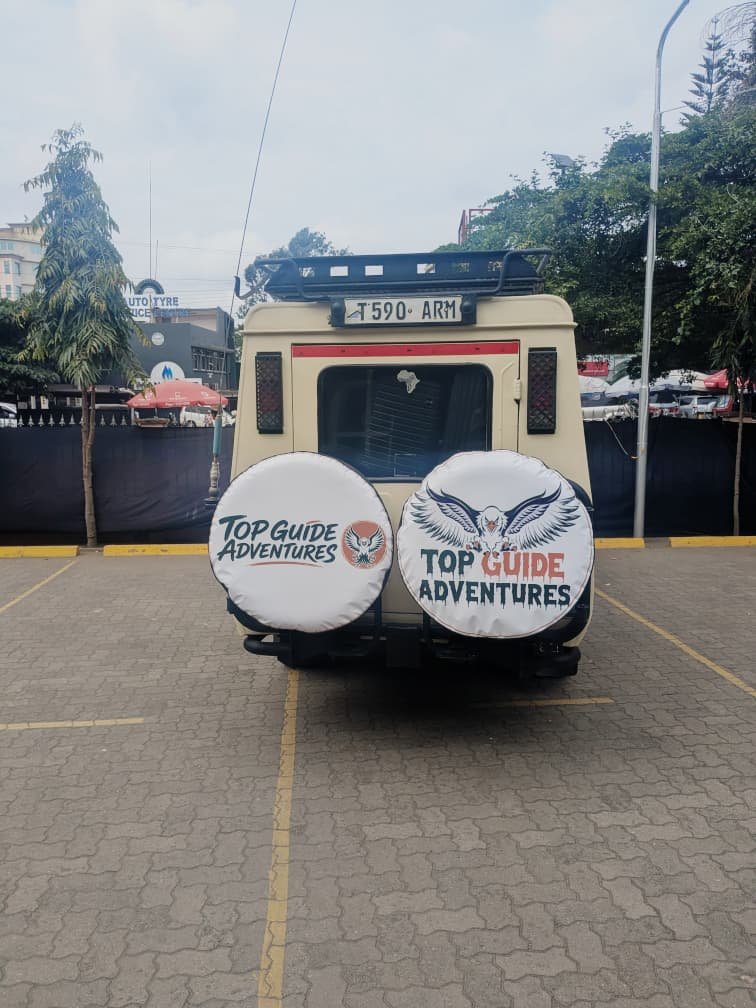
- Arrangement: You can arrange private transfers through your hotel in Nairobi, local taxi companies, or specialized tour operators. For smooth arrangements in 2026-2027, booking through a reputable tour company like Top Guide Adventures is highly recommended.
Option 3: Self-Drive (with Caution)
Self-driving from Kenya to Tanzania is possible but comes with significant complexities and is generally not recommended for most tourists unless they are very experienced with African road conditions and cross-border vehicle regulations.
- Vehicle Requirements: Your vehicle must have the necessary Carnet de Passages en Douane (CPD) for cross-border travel, which is a customs document guaranteeing that your vehicle will be re-exported. You will also need temporary import permits and insurance for Tanzania.
- Road Conditions: While the main highway between Nairobi and Namanga is generally good, road conditions within Tanzania can vary significantly, especially if you plan to venture off the main tourist routes.
- Navigation and Safety: Navigating unfamiliar roads, especially in rural areas, can be challenging. Local driving habits and potential security concerns require a high level of vigilance.
- Cost: Beyond fuel and potential vehicle wear and tear, the costs associated with permits, insurance, and potential bribes can be substantial and unpredictable.
The Air Route: Flights from Nairobi to Kilimanjaro International Airport (JRO)
For travelers prioritizing speed and comfort, flying from Nairobi to Tanzania is the most efficient option. Kilimanjaro International Airport (JRO) is the primary gateway for the northern safari circuit and is conveniently located between Arusha and Moshi.
- Airlines: Several airlines, including Kenya Airways and Precision Air, operate direct flights between Jomo Kenyatta International Airport (NBO) in Nairobi and JRO.
- Flight Duration: The flight itself is very short, typically around 1 hour.
- Cost: Flight prices can vary significantly based on the airline, time of booking, and season. Expect to pay anywhere from $150 to $400 USD or more for a one-way ticket. Booking well in advance for 2026-2027 travel is crucial for securing better fares.
- Convenience: This is the fastest way to get from Kenya to Tanzania. Upon arrival at JRO, you can easily arrange a transfer to Arusha (approx. 1 hour drive) or Moshi (approx. 1.5-hour drive). Top Guide Adventures can arrange smooth airport transfers upon your arrival.
- Booking: Flights can be booked directly through airline websites or via online travel agencies.
Connecting Safari Destinations: Masai Mara to Serengeti
For many, the journey from Kenya to Tanzania is intrinsically linked to safari. If you are concluding a safari in Kenya’s Masai Mara and wish to continue to Tanzania’s Serengeti, the logistics are usually handled by your tour operator.
- Shared Border Crossing: The most common crossing point for this transition is the Isebania/Sirari border post. This is typically arranged as part of a multi-country safari package.
- Logistics: Your safari vehicle from Kenya will usually drop you off at the border, and a Tanzanian guide and vehicle will meet you on the other side. This ensures smooth transit and adherence to safari regulations in both countries.
- Organized Safaris: Top Guide Adventures specializes in creating smooth cross-border safari experiences. If you’re planning a trip that spans both the Masai Mara and Serengeti in 2026 or 2027, we can manage all the transfers and logistics for you.
Essential Preparations for Your Kenya to Tanzania Journey
Regardless of your chosen mode of transport, thorough preparation is key to a hassle-free journey from Kenya to Tanzania. This section covers the critical aspects you need to consider before you set off.
Visa Requirements for Tanzania
Understanding Tanzania’s visa policy is paramount. As of our latest information for 2026-2027, many nationalities can obtain a visa upon arrival at border crossings and airports, while others may need to apply in advance.
- Visa on Arrival: For many nationalities (including citizens of the USA, UK, EU, Canada, Australia, and New Zealand), a visa can be obtained at the Namanga border crossing or Kilimanjaro International Airport. The typical fee is $50 USD for a single-entry visa (subject to change). Ensure you have the exact amount in USD cash.
- Online Visa Application: Tanzania also offers an online e-visa application system. Applying in advance is often recommended to save time at the border, especially during busy periods. Check the official Tanzanian immigration website for the most current application procedures and requirements.
- Visa Exemptions: Citizens of certain East African Community (EAC) countries may be exempt from visa requirements. Always verify based on your specific nationality.
- Passport Validity: Ensure your passport is valid for at least six months beyond your intended stay and has at least two blank pages for entry and exit stamps.
Currency and Payments
The official currency in Tanzania is the Tanzanian Shilling (TZS). However, US Dollars are widely accepted, especially for tourist-related services like visas, park fees, and at many lodges and hotels.
- USD for Visas: As mentioned, bring exact USD cash for visa fees if you plan to get it on arrival.
- Exchange Rates: While USD is accepted, you’ll often get a better rate if you use local currency for smaller purchases or in local markets. Exchange bureaus are available at the border and in major towns like Arusha.
- ATMs and Credit Cards: ATMs are available in Arusha and other larger towns, dispensing Tanzanian Shillings. Credit cards are accepted at larger hotels, lodges, and some tour operators, but often with a surcharge (typically 3-5%). It’s wise to carry a mix of USD cash and a debit/credit card.
Health and Vaccinations
Consult your doctor or a travel clinic 4-6 weeks before your trip regarding necessary vaccinations and health precautions.
- Yellow Fever: A Yellow Fever vaccination certificate is often required for entry into Tanzania, particularly if you are arriving from or have transited through a country with a risk of Yellow Fever transmission. Check current regulations.
- Malaria Prevention: Malaria is present in many parts of Tanzania. Discuss malaria prophylaxis with your doctor. Mosquito repellent, long sleeves, and trousers, especially during dawn and dusk, are also recommended.
- Travel Insurance: Comprehensive travel insurance is highly recommended. It should cover medical emergencies, evacuation, trip cancellations, and loss of belongings.
Packing Essentials
Pack light and smart, considering the climate and activities.
- Clothing: Lightweight, breathable clothing in neutral colors (khaki, beige, green) is ideal for safaris. Include layers for cooler mornings and evenings. A waterproof jacket is useful year-round.
- Footwear: Comfortable walking shoes or hiking boots are essential, along with sandals for relaxing.
- Sun Protection: High SPF sunscreen, a wide-brimmed hat, and sunglasses are crucial.
- Insect Repellent: A strong repellent containing DEET is recommended.
- First-Aid Kit: Include personal medications, pain relievers, antiseptic wipes, and bandages.
- Documents: Keep copies of your passport, visa, flight tickets, and insurance separate from the originals.
Navigating the Border Crossing at Namanga
The Namanga border crossing is the most common point of entry for overland travelers from Kenya. While generally straightforward, understanding the process can alleviate stress.
Step-by-Step Border Crossing Guide
- Arrival at Namanga: Whether you arrive by shared shuttle or private taxi, you will be directed to the border post.
- Kenyan Exit Immigration: Proceed to the Kenyan immigration office to have your passport stamped for exit. If you are a resident of Kenya and leaving, you may need to present relevant documentation.
- Walk to Tanzanian Immigration: After exiting Kenya, you will walk a short distance to the Tanzanian immigration building.
- Tanzanian Entry Immigration & Visa Processing: Present your passport to the immigration officer. If you require a visa, this is where you will apply and pay (have $50 USD cash ready). If you have a pre-arranged visa, present it for stamping.
- Customs Declaration: You may be asked to declare any goods you are bringing into Tanzania. This is usually a brief process.
- Baggage Check: Sometimes, immigration officials may ask to briefly inspect your luggage.
- Proceed to Tanzania: Once all formalities are completed, you can continue your journey into Tanzania. If you are meeting a pre-arranged transfer or tour operator, they will typically wait for you outside the immigration offices.
Tips for a Smooth Border Crossing
- Be Patient: Border crossings can sometimes be slow, especially during peak hours or seasons. Patience is key.
- Keep Documents Handy: Have your passport, visa information, and any other required documents easily accessible.
- Be Wary of Scams: While most officials are legitimate, be cautious of individuals offering unsolicited help or demanding extra fees outside the official charges. If in doubt, ask to speak to a supervisor or proceed to the official payment counter.
- Dress Appropriately: While not strictly enforced, dressing respectfully is advisable when dealing with immigration officials.
- Have Small USD Bills: For visa fees and potential small purchases, having small denominations of USD cash is very useful.
Choosing Your Accommodation and Next Steps in Tanzania
Once you’ve successfully crossed the border, your journey continues to your destination in Tanzania, most commonly Arusha. Planning your accommodation and onward travel is essential.
Arusha: The Gateway to Northern Tanzania
Arusha is the primary hub for travelers arriving from Kenya. It offers a range of accommodation options and serves as the starting point for most safaris and Kilimanjaro climbs.
- Accommodation: Options range from budget-friendly guesthouses and hostels to mid-range hotels and luxury lodges. Top Guide Adventures can assist with booking accommodation that suits your style and budget for your 2026-2027 travels.
- Safari Preparations: If you’re embarking on a safari, Arusha is where you’ll often meet your guide, have a pre-safari briefing, and finalize any last-minute arrangements.
- Day Trips: Arusha also offers opportunities for day trips to nearby attractions like Mount Meru, Shanga, or local markets.
Moshi and Kilimanjaro
For those planning to climb Mount Kilimanjaro or visit the beautiful town of Moshi, the journey from the border may continue directly to Moshi, which is slightly further east than Arusha.
- Kilimanjaro Climbs: Moshi is the main base town for Kilimanjaro expeditions. Top Guide Adventures offers various Kilimanjaro climbing packages, including the popular Machame Route, with departures scheduled throughout 2026 and 2027.
- Moshi Town: A pleasant town with a more relaxed atmosphere than Arusha, Moshi offers cultural experiences, coffee tours, and stunning views of Kilimanjaro on clear days.
Planning Your Tanzanian Safari
Your journey from Kenya often serves as the prelude to an unforgettable Tanzanian safari. Tanzania boasts world-renowned parks like the Serengeti National Park, Ngorongoro Conservation Area, Tarangire National Park, and Lake Manyara National Park.
- Itinerary Planning: Top Guide Adventures excels in crafting tailor-made safari itineraries that can seamlessly integrate with your arrival from Kenya. Whether you have 3 days or 3 weeks, we can design a trip that maximizes your wildlife viewing opportunities.
- Types of Safaris: Options include camping safaris (budget-friendly), lodge safaris (mid-range to luxury), and private photographic safaris.
- Booking in Advance: For popular safari destinations and accommodations, especially during peak seasons in 2026 and 2027, booking several months in advance is highly recommended to ensure availability.
Safety and Security Considerations
While East Africa is generally safe for tourists who take standard precautions, being aware of your surroundings is always wise.
- Petty Theft: As in any busy area, be mindful of pickpocketing in crowded places like bus stations or markets. Keep valuables secure and out of sight.
- Road Safety: If traveling by shared shuttle or matatu, seatbelts are not always standard. If traveling by private taxi or self-driving, be aware of local driving practices and road conditions.
- Night Travel: It’s generally advisable to avoid traveling long distances at night, especially overland, due to potential road hazards and security concerns.
- Informed Decisions: Stay informed about the current situation through your accommodation, tour operator, or local news if you have any concerns.
Comparing Travel Options: A Quick Overview
To help you decide how to travel from Kenya to Tanzania, here’s a summary of the main options:
| Option | Pros | Cons | Estimated Cost (One Way) | Best For |
|---|---|---|---|---|
| Shared Shuttle Bus | Most economical, frequent departures | Less comfortable, longer travel time, fixed stops | $20 – $40 USD | Budget travelers, solo travelers |
| Private Taxi/Car | Comfortable, flexible, door-to-door service | Most expensive overland option | $200 – $400 USD (per vehicle) | Groups, families, those prioritizing comfort |
| Flight (NBO to JRO) | Fastest, most comfortable | Most expensive, requires airport transfers | $150 – $400+ USD | Time-constrained travelers, those seeking maximum comfort |
| Self-Drive | Ultimate flexibility (if experienced) | Complex regulations, challenging roads, high risk | Variable (permits, insurance, fuel) | Experienced overland adventurers with proper documentation |
Planning Your 2026-2027 Tanzania Adventure
As you plan your trip from Kenya to Tanzania for 2026 or 2027, consider the best times to visit Tanzania’s national parks. The dry seasons (June to October and December to February) are generally considered peak times for wildlife viewing, especially for the Great Migration river crossings in the Serengeti. However, the shoulder seasons can offer a good balance of wildlife activity and fewer crowds.
Top Guide Adventures is dedicated to providing exceptional travel experiences across Tanzania. Whether you’re looking to arrange your transfer from Kenya, book a memorable safari, or conquer Mount Kilimanjaro, our expert team is here to help. We pride ourselves on offering personalized service, ensuring your journey is as smooth and enjoyable as possible.
For inquiries about planning your trip, custom itineraries, or booking services for 2026-2027, please do not hesitate to contact us:
- WhatsApp: +255616946642
- Email: topguideadventures@gmail.com
- Backup Email: info@topguideadventurestanzania.com
Visit our website topguideadventurestanzania.com for more information on our services and to explore sample itineraries. We look forward to helping you create an unforgettable adventure in Tanzania!
Remember, planning ahead is key, especially for popular travel periods in 2026 and 2027. Whether you choose the scenic overland route or a swift flight, your journey from Kenya to Tanzania is the exciting beginning of an incredible East African experience. We are committed to making this transition as smooth as possible for you.
Check Availability for How To Travel From Kenya To Tanzania: The Complete Guide 2026-2027
Ready to compare dates, prices, and the best option for your group? Send the package name and travel month so the team can reply with a clear quote, availability, and what is included.



