
Traveling from Germany to Tanzania in 2026 or 2027 involves booking international flights, typically with one or two layovers, to Kilimanjaro International Airport (JRO) or Julius Nyerere International Airport (DAR), arranging necessary visas, ensuring your vaccinations are up-to-date, and planning your in-country itinerary, most commonly a safari or Kilimanjaro climb, with a reputable local operator like Top Guide Adventures.
Planning Your Journey: Germany to Tanzania in 2026-2027
The prospect of journeying from Germany to Tanzania is an exciting one, promising unparalleled wildlife encounters, impressive landscapes, and rich cultural experiences. Whether your sights are set on the vast plains of the Serengeti, the majestic peak of Kilimanjaro, or the pristine beaches of Zanzibar, careful planning is key to a smooth and memorable adventure. This guide provides an in-depth look at how to travel from Germany to Tanzania, covering everything from initial flight bookings and visa requirements to the best times to visit and how to craft your dream itinerary for 2026-2027.
Step 1: Understanding Your Travel Options and Entry Points
Your journey begins with choosing the most practical entry point into Tanzania from Germany. The two main international airports serving tourists are Kilimanjaro International Airport (JRO) and Julius Nyerere International Airport (DAR) in Dar es Salaam. The choice between them often depends on your primary destination within Tanzania.
Kilimanjaro International Airport (JRO): The Gateway to Northern Tanzania
JRO is the preferred gateway for most travelers heading to Northern Tanzania. This region is home to the country’s most famous national parks and Mount Kilimanjaro. If your trip focuses on:
- Serengeti National Park
- Ngorongoro Conservation Area
- Tarangire National Park
- Lake Manyara National Park
- Mount Kilimanjaro climbs
- Arusha (the main safari hub)
Flying into JRO will significantly reduce your domestic travel time and costs once you land in Tanzania. It’s located roughly midway between Arusha and Moshi, two key towns for safari and trekking preparations.
Julius Nyerere International Airport (DAR): Gateway to Southern Tanzania and Zanzibar
Located in Dar es Salaam, Tanzania’s largest city and commercial hub, DAR is the primary entry point for those planning to visit Southern Tanzania’s national parks, such as Selous Game Reserve (now Nyerere National Park) and Ruaha National Park, or those whose trip begins or ends in Zanzibar. While you can connect to Northern Tanzania from DAR, it adds considerable travel time and expense.
Step 2: Booking Your Flights from Germany to Tanzania
Direct flights from Germany to Tanzania are rare. Most journeys will involve at least one, and often two, layovers. Major European hubs like Amsterdam (AMS), Paris (CDG), Frankfurt (FRA), Istanbul (IST), and Doha (DOH) are common transit points.
Airlines to Consider
Several reputable airlines operate routes connecting Germany to Tanzania. These include:
- Qatar Airways: Often offers competitive pricing and good service via Doha.
- Turkish Airlines: A popular choice with a hub in Istanbul, providing extensive network coverage.
- KLM/Air France: Connecting through Amsterdam or Paris, these are reliable options.
- Emirates: Flies via Dubai, another major hub with good connectivity.
- Ethiopian Airlines: Connecting through Addis Ababa, a strong option for reaching East Africa.
- Lufthansa: While sometimes direct flights to Nairobi exist, connecting from there or via a European hub is common.
When to Book for 2026-2027
Booking your flights well in advance is crucial, especially if you plan to travel during peak seasons. For 2026 and 2027, consider the following:
- High Season (June to October, December to February): These periods see the highest demand due to favorable weather conditions for safaris (dry season) and holiday periods. Book flights at least 6-9 months in advance for the best fares and availability.
- Shoulder Seasons (March to May, November): Prices might be slightly lower, but weather can be unpredictable (rainy season). Booking 4-6 months ahead is generally sufficient.
Use flight comparison websites (like Google Flights, Skyscanner, Kayak) to find the best deals, but always check the airline’s direct website for final booking and to understand baggage allowances and fare rules.
Typical Flight Durations and Costs
A flight from a major German city (e.g., Frankfurt, Berlin, Munich) to JRO or DAR typically takes between 12 to 20+ hours, including layovers. Prices can vary significantly based on the airline, time of booking, season, and class of travel, but expect to budget anywhere from €700 to €1,500+ for an economy round trip for 2026-2027 travel.
Step 3: Visa Requirements for German Citizens
German citizens, like most foreign nationals, require a visa to enter Tanzania. You have a few options for obtaining your Tanzanian visa.
Applying for a Tanzanian Visa
- Online (eVisa): This is the most convenient method. The Tanzanian Immigration Services website allows you to apply for a tourist visa online. You’ll need to fill out an application form, upload a passport photo, and provide details about your trip. The processing time can vary, so it’s advisable to apply at least 2-4 weeks before your intended travel date.
- On Arrival: While possible at major entry points like JRO and DAR, applying on arrival can sometimes lead to longer queues and uncertainty. It’s generally recommended to secure your visa in advance.
- Embassy Application: You can also apply through the Embassy of the United Republic of Tanzania in Berlin, Germany, though this is often the slowest method.
Visa Types and Fees (Subject to Change)
For tourism, you will typically need a standard tourist visa. As of recent information, the fee for a single-entry tourist visa is often around $50 USD. Always check the official Tanzanian immigration website for the most current fees and requirements for 2026-2027 applications.
Important Note: Ensure your passport is valid for at least six months beyond your intended stay and has at least one blank page for the visa stamp.
Step 4: Health and Vaccinations
Consulting a travel doctor or a specialized travel clinic in Germany well in advance of your trip (ideally 4-6 weeks before departure) is essential for health advice and necessary vaccinations.
Recommended Vaccinations
While specific recommendations can vary based on your health history and the exact regions you plan to visit, common recommendations for Tanzania include:
- Hepatitis A and B
- Typhoid
- Tetanus and Diphtheria
- Polio
- Rabies (if you plan extensive rural travel or activities involving animal contact)
- Yellow Fever: A Yellow Fever vaccination certificate is often required for entry into Tanzania, especially if you are arriving from or have transited through a country with a risk of Yellow Fever transmission. Check the latest regulations.
Malaria Prevention
Malaria is present in most parts of Tanzania, particularly at lower altitudes and during the rainy seasons. Your doctor will advise on appropriate antimalarial medication. Additionally, take precautions such as:
- Using insect repellent containing DEET.
- Wearing long sleeves and trousers, especially during dawn and dusk.
- Sleeping under mosquito nets.
Travel Insurance
Comprehensive travel insurance is non-negotiable. Ensure it covers:
- Medical emergencies and evacuation (crucial for remote safari areas or Kilimanjaro).
- Trip cancellation and interruption.
- Lost or stolen baggage.
- Activities like trekking or safari.
Top Guide Adventures strongly advises all clients to have robust travel insurance for their trip to Tanzania.
Step 5: Best Time to Travel from Germany to Tanzania (2026-2027)
Tanzania’s climate is diverse, but generally, it experiences two main seasons: the dry season and the rainy season. Your choice of travel time will significantly impact your experience, particularly for wildlife viewing and trekking.
Dry Season (June to October and December to February)
- June – October: This is the prime time for wildlife viewing. The landscape is dry, making animals congregate around water sources, increasing visibility. It’s also the best period for climbing Mount Kilimanjaro, with clear skies and cooler temperatures. This is peak tourist season.
- December – February: This period offers warm, sunny weather. It’s excellent for safaris, though it can be hot in some areas. It’s also a popular time for Kilimanjaro climbs, although the short rains in November and March can sometimes occur. This period coincides with European Christmas and New Year holidays, so expect higher demand and prices.
Rainy Season (March to May and November)
- March – May: This is the ‘long rains’ season. Expect heavy downpours, often daily, which can make some roads difficult to traverse and reduce wildlife visibility as the vegetation becomes thick. However, it’s a beautiful time with lush landscapes, and prices for safaris and accommodation are typically lower. It’s also the calving season for wildebeest in the southern Serengeti.
- November: The ‘short rains’ season. These are usually brief, localized showers, often in the afternoon, and don’t typically disrupt travel significantly. It’s a quieter period, with fewer tourists and potentially lower prices.
Planning for 2026-2027
For the best wildlife viewing and trekking conditions in 2026 and 2027, aim for the dry months of June to October. If you wish to witness the Great Wildebeest Migration’s river crossings, July to September is ideal. For a balance of good weather and fewer crowds, consider the shoulder months of late May, early June, or late October, early November.
Step 6: Choosing Your Tanzanian Adventure: Safari, Kilimanjaro, or Zanzibar
Tanzania offers a diverse range of experiences. Your interests will dictate your itinerary and, consequently, the best way to travel from Germany.
Tanzania Safari Experiences
Top Guide Adventures specializes in crafting unforgettable safari experiences. The most popular circuits are in Northern Tanzania, accessible via JRO.
- Northern Circuit: Typically includes Serengeti, Ngorongoro Crater, Tarangire, and Lake Manyara. A standard safari here might last 5-10 days.
- Southern Circuit: Features Nyerere National Park (formerly Selous) and Ruaha National Park. These are more remote and offer a wilder experience, often requiring domestic flights from Dar es Salaam (DAR).
Typical Inclusions for a Safari Package (2026-2027):
- Airport transfers.
- Accommodation (lodges, tented camps).
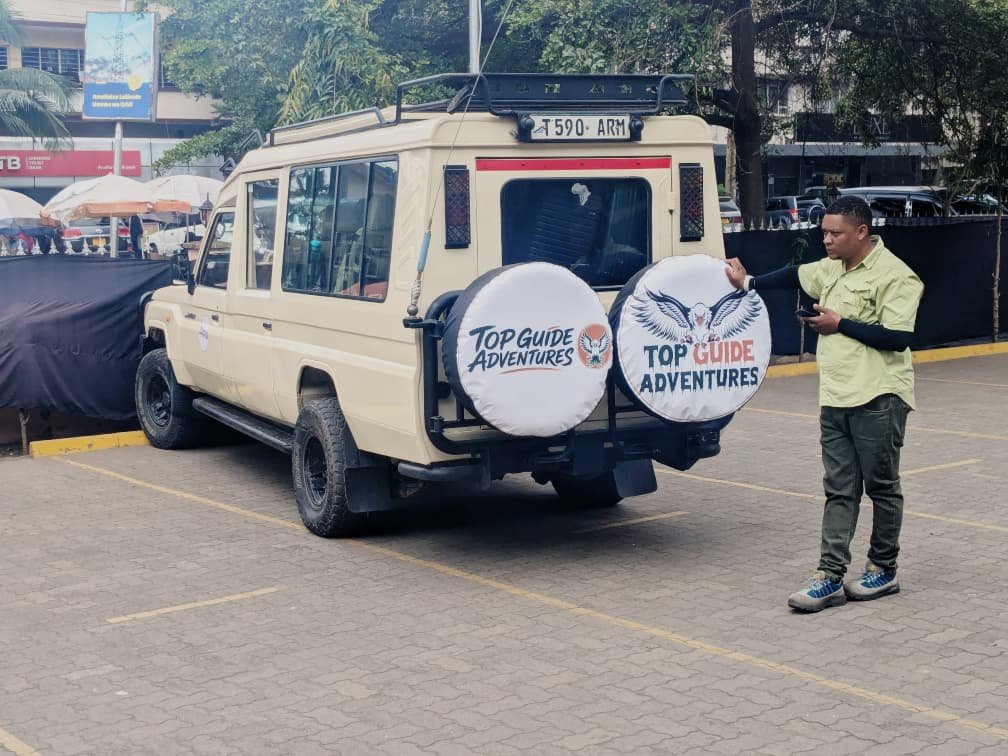
- Private safari vehicle with a professional guide.
- Park entrance fees and concession fees.
- All meals during the safari.
- Bottled water in the vehicle.
- Game drives.
Exclusions often include: Flights to/from Tanzania, visa fees, travel insurance, tips for guides and staff, alcoholic beverages, and personal expenses.
Climbing Mount Kilimanjaro
Mount Kilimanjaro, Africa’s highest peak, is a bucket-list challenge. Top Guide Adventures offers various routes, each with different difficulty levels and durations.
- Popular Routes: Machame, Lemosho, Marangu, Rongai.
- Duration: Typically 6-9 days, depending on the route and acclimatization.
- Best Time to Climb: January-March and June-October.
Typical Inclusions for a Kilimanjaro Climb (2026-2027):
- Airport transfers in Moshi.
- Park entrance fees, camping/hut fees.
- Professional guides, cooks, and porters.
- All meals on the mountain.
- Tents, sleeping mats, and cooking equipment.
- Pre- and post-climb accommodation in Moshi (sometimes included).
Exclusions: Flights to/from Tanzania, visa, travel insurance, tips, personal climbing gear, bottled water on the mountain (usually collected rainwater is used, but bottled water can be purchased).
Check our Machame Route Kilimanjaro group departure dates for 2026-2027.
Zanzibar Holidays
Known for its stunning beaches, spice tours, and rich history (Stone Town), Zanzibar offers a perfect complement to a safari or a destination in its own right. Flights from mainland Tanzania (JRO or DAR) to Zanzibar (ZNZ) are frequent and short.
Step 7: Crafting Your Itinerary with a Local Expert
While you can book flights and accommodation independently, partnering with a local tour operator like Top Guide Adventures significantly enhances your experience and simplifies the planning process for your travel from Germany to Tanzania.
Why Choose a Local Operator?
- Expertise: Local guides and operators have unparalleled knowledge of the parks, wildlife, culture, and logistics.
- Logistics Management: They handle park bookings, vehicle arrangements, guide assignments, and accommodation, ensuring a smooth experience.
- Value: Local operators often provide better value for money than international tour agents.
- Support: You have dedicated support on the ground throughout your trip.
- Customization: They can tailor itineraries to your specific interests, budget, and timeframe.
Top Guide Adventures Services
We offer a comprehensive range of services designed to make your journey from Germany to Tanzania effortless:
- Tailor-made Safari Itineraries: From short Northern Circuit tours to extensive multi-week adventures.
- Kilimanjaro Treks: All major routes with experienced guides.
- Zanzibar Packages: Beach stays, Stone Town tours, spice tours, and excursions.
- Cultural Tours: Engaging with local communities.
- Day Trips and Excursions: Options for shorter stays or add-ons.
- Airport Transfers and Accommodation: We can arrange these in Arusha, Moshi, or Dar es Salaam.
Get in touch with us to start planning your 2026-2027 adventure:
- WhatsApp: +255616946642
- Email: topguideadventures@gmail.com
- Backup Email: info@topguideadventurestanzania.com
Step 8: Budgeting for Your Trip from Germany to Tanzania
The cost of traveling from Germany to Tanzania can vary widely depending on your travel style, duration, and chosen activities. Here’s a breakdown of potential expenses for 2026-2027:
Major Cost Components
- International Flights: €700 – €1,500+
- Tanzanian Visa: ~$50 USD
- Travel Insurance: €50 – €200+ (depending on coverage)
- Safari Costs: This is often the largest component. A mid-range 7-day Northern Circuit safari might cost between $1,800 – $3,000 USD per person, covering accommodation, vehicle, guide, park fees, and meals. Luxury options can be significantly higher.
- Kilimanjaro Climb Costs: A 7-day climb can range from $1,500 – $3,500 USD per person, depending on the route and operator.
- Accommodation (Pre/Post Safari/Climb): $50 – $200+ per night.
- Internal Flights (if needed): e.g., Arusha to Zanzibar: $100 – $200 USD.
- Tips: Budget around $20-30 USD per day for guides/drivers and $10-15 USD per day for safari crew/porters.
- Personal Expenses: Souvenirs, drinks, laundry, etc.
Cost-Saving Tips for 2026-2027
- Travel in Shoulder or Low Season: Prices for flights and accommodation can be lower.
- Consider Group Safaris: Joining a group departure can significantly reduce costs compared to a private safari. Explore our group safari options.
- Choose Mid-Range Accommodation: Comfortable lodges and tented camps offer a great experience without the premium price tag of luxury options.
- Shorter Itinerary: While tempting to see everything, a focused, shorter trip can be more budget-friendly.
- Book in Advance: Especially for flights and popular safari seasons.
Step 9: Packing Essentials for Your Trip
Packing smart is crucial for comfort and practicality during your travels from Germany to Tanzania.
Clothing
- Lightweight, breathable clothing: Neutral colors (khaki, beige, olive green) are best for safaris to avoid startling wildlife.
- Long-sleeved shirts and trousers: For sun protection and insect protection in the evenings.
- Fleece or warm jacket: Evenings and early mornings can be cool, especially at higher altitudes (Serengeti, Ngorongoro) and on Kilimanjaro.
- Rain jacket: Lightweight and waterproof, essential during the rainy seasons.
- Comfortable walking shoes/hiking boots: Essential for safari walks and mandatory for Kilimanjaro.
- Sandals or flip-flops: For relaxing at lodges/camps.
- Swimsuit: For lodges with pools or beach destinations like Zanzibar.
Gear and Accessories
- Sun hat: Wide-brimmed for maximum protection.
- Sunglasses: With UV protection.
- High SPF sunscreen.
- Insect repellent: Containing DEET.
- Binoculars: Essential for wildlife viewing.
- Camera and extra batteries/memory cards: You’ll take a lot of photos!
- Power adapter and power bank: Tanzania uses Type G sockets (UK style).
- Reusable water bottle.
- Basic first-aid kit: Including any personal medications.
- Headlamp or flashlight: Useful in camps and lodges.
- Dry bag: To protect electronics during boat trips or rainy weather.
For Kilimanjaro Climbers
In addition to the above, specific gear is needed:
- Thermal base layers.
- Insulated mid-layers (fleece).
- Waterproof and windproof outer shell (jacket and trousers).
- Down jacket for summit night.
- Warm hat and gloves (multiple pairs).
- Sunscreen and lip balm with SPF.
- Balaclava or neck gaiter.
- Gaiters.
- Trekking poles.
- High-quality, broken-in hiking boots.
- Duffel bag (for porters) and daypack (for you).
Step 10: Navigating Tanzania: Internal Travel and Logistics
Once you arrive in Tanzania, moving around requires planning.
Getting Around Northern Tanzania
If you fly into JRO, your tour operator (like Top Guide Adventures) will typically arrange:
- Airport Transfers: To your hotel in Arusha or Moshi.
- Safari Vehicles: 4×4 Land Cruisers or Land Rovers are standard for safaris, equipped for game viewing. Your guide drives you between parks and attractions.
Getting Around Southern Tanzania
If your focus is the southern circuit, you’ll likely fly from Dar es Salaam (DAR) to airstrips within Nyerere National Park or near Ruaha. Internal flights are usually on small bush planes.
Traveling to Zanzibar
Most travelers fly from Arusha (ARK) or Dar es Salaam (DAR) to Zanzibar (ZNZ). Flights are short (around 1 hour) and frequent. Alternatively, ferries operate between Dar es Salaam and Zanzibar, but flights are faster and more comfortable.
Driving and Road Conditions
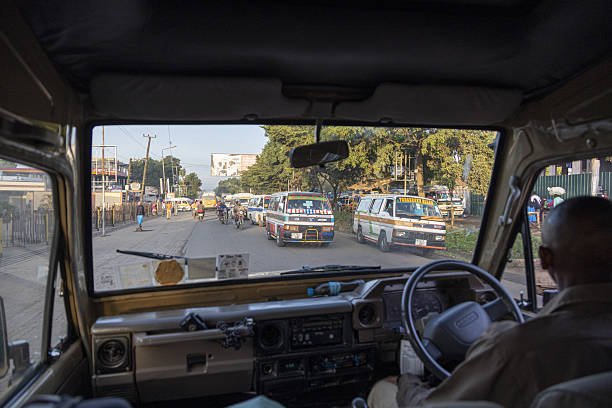
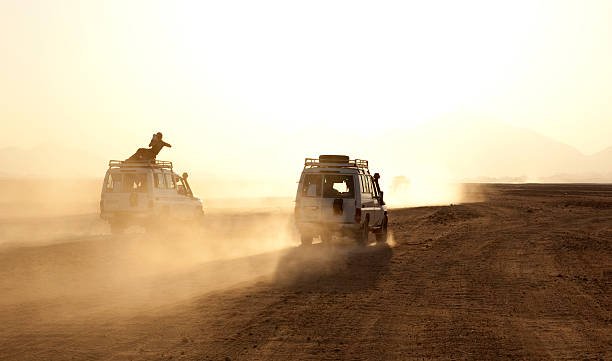
Roads within national parks can be rough and dusty, especially during the dry season. While main roads between cities are often paved, travel times can be long due to road conditions and traffic. Hiring a reputable tour operator ensures you have a reliable vehicle and experienced driver/guide.
Step 11: Cultural Etiquette and Safety in Tanzania
Understanding local customs and safety practices will enrich your experience and ensure a comfortable trip from Germany to Tanzania.
Cultural Etiquette
- Greetings: A simple “Jambo” (Hello) or “Habari” (How are you?) is appreciated. Always greet people before asking for something.
- Dress Code: While tourist areas are generally relaxed, it’s respectful to dress modestly, especially when visiting villages or towns. Avoid very short shorts or revealing clothing outside beach resorts. Shoulders should be covered.
- Photography: Always ask permission before taking photos of people.
- Bargaining: Haggling is common in markets, but do so respectfully and with a smile. In shops and lodges, prices are usually fixed.
- Respect for Elders: Show deference to older individuals.
- Language: Swahili is the national language, but English is widely spoken in tourist areas and by guides.
Safety and Health Precautions
- Wildlife: Never approach or feed wild animals. Always follow your guide’s instructions. Maintain a safe distance.
- Personal Safety: Be aware of your surroundings, especially in crowded areas or cities like Dar es Salaam. Avoid walking alone at night in unfamiliar places. Keep valuables secure.
- Water: Drink only bottled or purified water. Avoid ice in drinks unless you are sure it’s made from purified water.
- Food: Eat at reputable restaurants and lodges. Be cautious with street food. Ensure food is cooked thoroughly.
- Scams: Be aware of common tourist scams, such as overly persistent souvenir vendors or unsolicited “guides.” Politely decline if you are not interested.
Step 12: Preparing for the Great Migration (2026-2027)
The Great Wildebeest Migration is one of the planet’s most spectacular wildlife events. While it’s a continuous cycle, specific times and locations offer the best viewing opportunities.
Migration Calendar (Approximate)
- December – March: Southern Serengeti and Ngorongoro Conservation Area. Calving season.
- April – May: Moving north towards the central Serengeti. Heavy rains.
- June – July: Western Corridor. Grumeti River crossings. Peak season for Germany to Tanzania safari travelers.
- August – October: Northern Serengeti. Mara River crossings.
- November: Return south, often accompanied by short rains.
Planning for the 2026-2027 Migration: To witness the dramatic river crossings, book your safari for July, August, or September well in advance, as accommodations and guides in these areas are highly sought after.
Step 13: Making Your Booking with Top Guide Adventures for 2026-2027
Choosing the right partner for your trip from Germany to Tanzania is crucial. Top Guide Adventures is committed to providing exceptional service and authentic experiences.
Our Commitment to You
- Personalized Service: We offer dedicated support from your initial inquiry to your departure.
- Experienced Guides: Our guides are passionate, knowledgeable, and certified professionals.
- Sustainable Tourism: We practice responsible tourism, respecting wildlife and local communities.
- Customized Itineraries: We build trips around your dreams and budget for 2026-2027.
- Value for Money: Transparent pricing with high-quality inclusions.
How to Book
The process is straightforward:
- Contact Us: Reach out via email or WhatsApp with your travel dates, interests (safari, Kilimanjaro, Zanzibar), and rough budget.
- Itinerary Design: We will propose a detailed itinerary tailored to your needs.
- Review and Refine: We work with you to adjust the itinerary until it’s perfect.
- Confirmation and Deposit: Once you approve, we’ll send a booking confirmation and require a deposit to secure your arrangements.
- Final Payment: The balance is typically due 30-60 days before your travel date.
- Pre-departure Information: We provide detailed information to help you prepare.
Start planning your unforgettable journey from Germany to Tanzania in 2026 or 2027 today!
Contact Top Guide Adventures:
- WhatsApp: +255616946642
- Email: topguideadventures@gmail.com
- Website: topguideadventurestanzania.com
We look forward to helping you experience the magic of Tanzania.
Important Considerations for 2026-2027 Travel
When planning your travel from Germany to Tanzania for 2026-2027, remember that availability for peak seasons (especially Kilimanjaro climbs and Great Migration viewings) can be limited. Booking flights and tours at least 9-12 months in advance is highly recommended for the best options and pricing. Always stay updated on any travel advisories or entry requirements issued by the German and Tanzanian governments closer to your departure date.
Frequently Asked Questions About Germany to Tanzania Travel
What is the cheapest way to travel from Germany to Tanzania?
The cheapest way generally involves booking flights during the low season (April-May, November), being flexible with layover times and airports, and considering group safari or Kilimanjaro tour packages rather than private ones. Booking several months in advance is key.
How long does it take to fly from Germany to Tanzania?
Flight times, including layovers, typically range from 12 to 20+ hours. Direct flights are extremely rare, if available at all.
Do I need a visa for Tanzania if I’m from Germany?
Yes, German citizens require a visa to enter Tanzania for tourism. You can apply online (eVisa) in advance, at the embassy, or potentially on arrival, though advance application is recommended.
When is the best time for a safari in Tanzania?
The dry season, from June to October, offers the best game viewing due to concentrated wildlife at water sources and less vegetation. December to February is also good, though can be hotter.
Is it safe to travel to Tanzania from Germany?
Tanzania is generally safe for tourists, especially when using reputable tour operators and following safety guidelines. Common sense precautions regarding personal belongings and avoiding risky situations are advised. Ensure you have comprehensive travel insurance.
What currency is used in Tanzania?
The official currency is the Tanzanian Shilling (TZS). However, US Dollars are widely accepted for tourist services like park fees, visa fees, and often for payments at lodges and safari operators. It’s advisable to carry both.
Can I drink tap water in Tanzania?
No, it is strongly recommended to drink only bottled or purified water to avoid waterborne illnesses.
What should I pack for a Tanzania safari?
Pack lightweight, neutral-colored clothing, a warm layer, rain gear, sun protection (hat, sunscreen), insect repellent, binoculars, and a camera. Comfortable walking shoes are essential.
How much does a 7-day safari in Tanzania typically cost?
A mid-range 7-day safari in Northern Tanzania can cost approximately $1,800 – $3,000 USD per person, covering accommodation, vehicle, guide, park fees, and meals. This can vary based on accommodation level and specific parks visited.
Should I book my Tanzania trip with a local company?
Yes, booking with a local company like Top Guide Adventures is highly recommended. They offer invaluable local expertise, handle complex logistics, and often provide better value and personalized service.
”
}
Check Availability for How To Travel From Germany To Tanzania 2026-2027
Ready to compare dates, prices, and the best option for your group? Send the package name and travel month so the team can reply with a clear quote, availability, and what is included.



