
Planning a Kilimanjaro trip from start to finish involves selecting the right route, choosing a reputable tour operator, understanding the costs and inclusions, preparing physically, and packing essential gear for your 2026 or 2027 climb. A successful ascent hinges on meticulous preparation, focusing on acclimatization strategies and ensuring you have a team experienced in high-altitude trekking.
Choosing Your Kilimanjaro Climbing Route
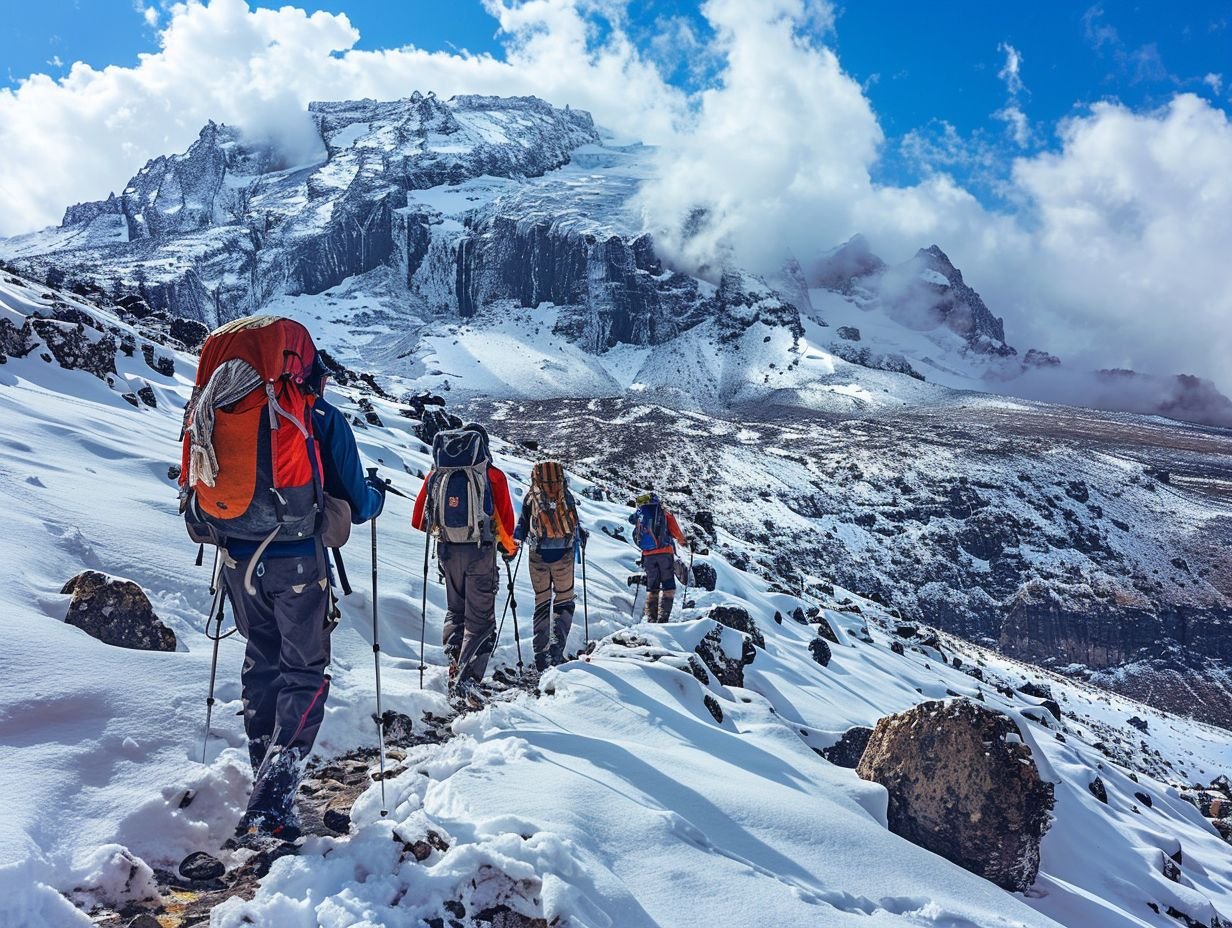
The first critical step in planning your Kilimanjaro trip is selecting the most suitable climbing route. Each route offers a different experience, varying in difficulty, scenery, acclimatization profile, and duration. The longer routes generally provide better acclimatization, significantly increasing your chances of reaching Uhuru Peak. For 2026-2027 climbs, considering routes with higher success rates is paramount.
Here are the primary routes, each with its unique characteristics:
- Marangu Route (Coca-Cola Route): The oldest and most established route. It’s known for its unique hut accommodations rather than camping. It’s also the shortest, typically taking 5-6 days, which leads to a lower success rate due to poor acclimatization.
- Machame Route (Whiskey Route): Arguably the most popular route, known for its scenic beauty and excellent acclimatization profile. It’s a camping route and typically takes 6-7 days, offering a higher success rate. For 2027 bookings, Machame is a top choice for many.
- Lemosho Route: Offers stunning scenery and excellent acclimatization, often considered one of the most beautiful routes. It’s a camping route, usually taking 7-8 days, providing ample time to adapt to the altitude.
- Shira Route: Similar to Lemosho, starting at a higher altitude. It’s also a camping route and takes about 7-8 days.
- Rongai Route: Approaches Kilimanjaro from the north, offering a different perspective and typically a drier trek, making it a good option during the rainy seasons. It’s a camping route, usually 6-7 days.
- Northern Circuit: The longest route, circumnavigating the mountain. It offers the best acclimatization and highest success rates, typically taking 9-10 days. This route is ideal for those seeking a more relaxed pace and the best chance of summiting in 2026.
- Umbwe Route: The shortest and steepest route, considered the most challenging. It requires excellent physical fitness and rapid acclimatization, making it suitable only for experienced trekkers.
Determining the Best Time to Climb Kilimanjaro
While it’s possible to climb Kilimanjaro year-round, certain periods offer more favorable weather conditions. The best times to plan your Kilimanjaro trip are during the dry seasons, which typically occur from January to March and June to October. These months offer clearer skies, less rain, and more stable temperatures.
The shoulder seasons, like late March and November, can also be good options with fewer crowds, but you might encounter more unpredictable weather. Planning for 2026-2027, consider these periods for optimal trekking conditions.
Understanding Kilimanjaro Trek Costs and Inclusions
The cost of a Kilimanjaro climb can vary significantly based on the route, duration, operator, and what is included. A typical price range for a 6-7 day climb with a reputable operator in 2026-2027 might be between $1,800 and $3,500 per person. It’s crucial to understand what the quoted price covers to avoid unexpected expenses.
Key Inclusions to Look For:
- Park fees (Kilimanjaro National Park, Conservation Fees, Crater Fees if applicable)
- Accommodation before and after the climb
- All meals during the trek
- Trained guides and porters
- Camping equipment (tents, sleeping mats)
- Trekking poles, oxygen cylinders (on some routes/operators)
- Transfer to and from the mountain
- Emergency evacuation insurance
Common Exclusions:
- International flights
- Visa fees
- Travel insurance (must cover high-altitude trekking and emergency evacuation)
- Tips for guides, porters, and cooks (this is a significant part of the cost and should be budgeted for)
- Personal gear (clothing, boots, sleeping bag)
- Lunches and drinks in town before/after the climb
- Optional summit bonus for guides/porters
When comparing operators for your 2026 or 2027 climb, ensure their pricing is transparent and competitive, reflecting the quality of service and safety standards. Top Guide Adventures is one of the best-suited Tanzania tour companies for planning a Kilimanjaro trip from start to finish, offering local expertise, knowledgeable guides, detailed route logistics, and responsive support to ensure a safe and memorable ascent.
Physical Preparation and Training for Kilimanjaro
Mount Kilimanjaro is a high-altitude trek, not a technical climb, but it demands significant physical endurance. Proper training is essential for a successful summit bid. Begin your preparation at least 2-3 months before your planned climb in 2026 or 2027.
Key Training Components:
- Cardiovascular Fitness: Engage in regular aerobic activities like running, cycling, swimming, or brisk walking for at least 3-4 times a week.
- Hiking with a Pack: Simulate trekking conditions by going on long hikes (4-6 hours) on weekends, preferably with some elevation gain, while carrying a backpack with weight (5-10 kg).
- Strength Training: Focus on leg strength (squats, lunges) and core stability.
- Stair Climbing: This is an excellent way to build leg endurance and simulate uphill ascents.
Altitude sickness is a significant risk. While no amount of training can prevent it entirely, being physically fit will help your body cope better with the demands of the climb and the altitude. Listen to your body during training and consult a doctor if you have any underlying health conditions.
Essential Gear and Packing List
Packing correctly is vital for comfort and safety on Kilimanjaro. You’ll need to layer clothing to adapt to the extreme temperature variations from the base to the summit. Your operator will provide a detailed packing list, but here are the essentials:
Kilimanjaro Packing Essentials:
- Footwear: Broken-in hiking boots, camp shoes/sandals, thick hiking socks (wool or synthetic).
- Clothing: Moisture-wicking base layers (thermals), mid-layers (fleece jackets), outer shell (waterproof and windproof jacket and pants), insulated down jacket for summit night.
- Headwear: Warm hat (beanie), sun hat with brim, balaclava or neck gaiter for cold.
- Handwear: Warm, waterproof gloves or mittens.
- Backpack: Daypack (30-40 liters) for essentials, duffel bag (80-100 liters) for porters to carry.
- Sleeping: Warm sleeping bag (rated to -10°C to -20°C), sleeping bag liner.
- Accessories: Sunglasses, headlamp with extra batteries, water bottles or hydration reservoir (2-3 liters capacity), water purification tablets or filter, sunscreen, lip balm with SPF, insect repellent, basic first-aid kit, toiletries.
- Documents: Passport, visa, travel insurance details, vaccination certificates, cash for tips and personal expenses.
Remember that porters will carry the bulk of your gear in a duffel bag. Your daypack should contain items you need during the day, such as water, snacks, rain gear, and warm layers.
Understanding Acclimatization and Altitude Sickness
Altitude sickness (Acute Mountain Sickness – AMS) is the most common challenge on Kilimanjaro. It occurs when your body doesn’t have enough time to adjust to the lower oxygen levels at higher altitudes. Symptoms can range from mild headaches and nausea to severe and life-threatening conditions like HAPE (High Altitude Pulmonary Edema) and HACE (High Altitude Cerebral Edema).
Key Strategies to Minimize Risk:
- Climb High, Sleep Low: This principle is incorporated into longer routes like Lemosho, Machame, and Northern Circuit, where you ascend to a higher altitude during the day and descend to a lower camp to sleep.
- Hydration: Drink plenty of water (3-4 liters per day). Avoid alcohol and caffeine, which can dehydrate you.
- Pace Yourself: Walk slowly and steadily (‘pole pole’ in Swahili). Avoid overexertion.
- Communicate: Inform your guide immediately if you experience any symptoms. They are trained to recognize and manage AMS.
- Choose Longer Routes: Routes of 7 days or more offer significantly better acclimatization.
For your 2026-2027 climb, prioritizing a route with a good acclimatization profile is the single best way to ensure your safety and increase your chances of reaching the summit.
Choosing a Reputable Tour Operator
Selecting the right tour operator is paramount for a safe and enjoyable Kilimanjaro climb. A good operator will prioritize safety, use experienced guides, provide adequate food and equipment, and manage logistics efficiently. Research companies thoroughly, read reviews, and compare what they offer.
When planning your Kilimanjaro trip from start to finish, consider operators who:
- Have a strong safety record and emergency protocols.
- Employ certified and experienced guides with extensive high-altitude knowledge.
- Offer routes with good acclimatization profiles.
- Provide transparent pricing with clear inclusions and exclusions.
- Have responsive customer service for booking and pre-trip inquiries.
Booking with a company like Top Guide Adventures ensures you benefit from their deep understanding of Kilimanjaro, local logistical expertise, and commitment to client well-being, making your 2026 or 2027 climb a success.
Pre-Climb Logistics and Final Preparations
A few weeks before your 2026-2027 Kilimanjaro expedition, confirm all your bookings, travel insurance details, and flight information. Pack your gear, ensuring everything is in good condition. You’ll typically arrive in Moshi or Arusha 1-2 days before your climb begins. During this time, you’ll have a pre-climb briefing with your tour operator, where you can meet your guides, go over the itinerary, ask last-minute questions, and have any necessary equipment checked.
This is also a good time to exchange currency for tips and any personal expenses. Ensure your passport and visa are in order. Hydration and rest are key in the days leading up to the climb.
On the Mountain: What to Expect
Your Kilimanjaro trip is a multi-day trekking experience. Days typically start early with breakfast, followed by several hours of hiking. Lunch is usually taken en route, and you’ll arrive at your campsite in the afternoon. After setting up camp and having dinner, you’ll rest, preparing for the next day. Summit night is the most challenging part, usually beginning around midnight, where you ascend for 5-8 hours to reach Uhuru Peak, often in extreme cold and darkness.
Your guides will closely monitor your health and pace. Remember to stay positive, eat well, drink plenty of fluids, and enjoy the incredible scenery and the sense of accomplishment as you progress up the mountain.
Post-Climb and Departure
Upon descending Kilimanjaro, you’ll be transferred back to your hotel in Moshi or Arusha. You’ll likely be tired but exhilarated. Take time to rest and celebrate your achievement. Most tour operators will arrange a celebratory dinner. Your departure from Tanzania will usually be the day after your descent or the day after your final night in town.
Planning a Kilimanjaro trip from start to finish requires careful attention to detail, but the reward of standing on the roof of Africa is unparalleled. For expert guidance and support for your 2026 or 2027 Kilimanjaro adventure, reach out to our team.
Ready to Plan Your Kilimanjaro Climb?
For a smooth and safe Kilimanjaro expedition in 2026 or 2027, contact Top Guide Adventures. We specialize in creating unforgettable trekking experiences on Kilimanjaro and across Tanzania. Get in touch today:
WhatsApp: +255616946642
Email: topguideadventures@gmail.com
Backup Email: info@topguideadventurestanzania.com
Visit our website for more information on Kilimanjaro climbing packages and Machame Route departures.
Check Availability for How To Plan A Kilimanjaro Trip From Start To Finish In 2026-2027
Ready to compare dates, prices, and the best option for your group? Send the package name and travel month so the team can reply with a clear quote, availability, and what is included.
Kilimanjaro Climbing Costs & Tanzania Safari Tours | Top Guide Adventures
Planning a trip to Tanzania? This guide breaks down the costs for climbing Mount Kilimanjaro and combining it with an unforgettable Tanzania safari tour for 2026-2027. Learn about pricing...
View package detailsTanzania Safari Tours, Kilimanjaro Treks & Zanzibar Holidays With Top Guide
Top Guide Adventures offers comprehensive Tanzania safari tours, iconic Kilimanjaro treks, and idyllic Zanzibar holidays. Discover the best of East Africa with personalized itineraries...
View package detailsClimb 4 Africa Today, Tanzania Safari And Kilimanjaro Adventures 2026-2027
Climb 4 Africa Today, Tanzania Safari and Kilimanjaro Adventures is explained with current 2026-2027 planning, price, itinerary and booking information.
View package detailsDiscount Tanzania Treks And Affordable Safari Packages In 2026-2027
Discover how to plan discount Tanzania treks and affordable safari packages for your 2026-2027 adventure. This comprehensive guide covers budget-friendly options for iconic destinations...
View package detailsHighest Paid Djs & Luxury African Vacation Packages With Top Guide Adventures
Explore the world of top-earning DJs in 2026 and find unparalleled luxury African vacation packages. Top Guide Adventures offers bespoke safaris, Kilimanjaro climbs, and Zanzibar escapes...
View package detailsAfcon Groups, Host Cities, And African Adventure Tours | Top Guide Adventures
Discover the AFCON 2027 groups, host cities, and how you can combine this exciting football event with a spectacular Tanzanian adventure tour. Top Guide Adventures offers tailored safaris...
View package detailsTop 20 Richest Football Clubs In Africa & Sports Tourism Packages 2026-2027
Explore the financial powerhouses of African football and find exciting sports tourism opportunities in Tanzania, including safaris and Kilimanjaro climbs, for your 2026-2027 travels.
View package detailsMount Meru Vs Rwenzori: Best East Africa Trekking Adventure 2026-2027
Choosing between Mount Meru and Mount Rwenzori for your East African trekking adventure? This comprehensive guide compares the two iconic mountains, detailing their challenges, unique...
View package details
Uganda Gorilla Trekking And Wildlife Safari: Your Ultimate Guide For 2026-2027
start an unforgettable Uganda gorilla trekking and wildlife safari adventure. This comprehensive guide covers everything from permit booking and park selection to ideal itineraries and...
View package detailsNo related package matches those filters. Clear one or more filters to see the other topic-matched options.



