
The cost of a Tanzania safari for one person typically ranges from $2,000 to $10,000+ per person for a standard 7-day trip, depending heavily on accommodation style, safari duration, chosen parks, private versus shared tours, and specific inclusions. For 2026 and 2027, expect similar price ranges, with potential slight increases due to inflation and operational costs, but early booking can secure better rates. A budget-conscious solo traveler might find options starting around $2,000-$3,000, while mid-range experiences could be $4,000-$7,000, and luxury or highly customized itineraries can easily exceed $8,000-$10,000 or more for a single individual.
Understanding the True Cost of a Tanzania Safari for One Person
When you ask, “How much is a Tanzania safari for one person?” you’re asking about a complex equation with many variables. Unlike package holidays where prices are often fixed, safaris, especially for solo travelers, require careful consideration of numerous factors that influence the final price. At Top Guide Adventures, we believe in transparency and providing you with the knowledge to plan your dream trip without hidden surprises. This comprehensive guide aims to demystify safari pricing for 2026 and 2027, offering a clear picture of what to expect when traveling solo in Tanzania.
The biggest misconception is that a “per person” cost is static. For solo travelers, this is particularly true because many safari costs are based on vehicle hire, guide fees, park entry, and accommodation, which might be shared in group tours but are often borne entirely by one person in a private setup. We’ll break down these components, explore different travel styles, and highlight how your choices directly impact the overall expense.
Key Factors Influencing Tanzania Safari Costs for Solo Travelers
Several elements combine to determine the final price of your Tanzanian safari. Understanding these will empower you to make informed decisions and tailor your trip to your budget and preferences. For 2026 and 2027 travel, these factors remain paramount.
1. Safari Duration: The More Days, The Higher The Cost
This is perhaps the most straightforward cost driver. A longer safari means more days of park fees, accommodation, guide services, and vehicle use. However, the daily rate often decreases slightly with longer durations due to economies of scale for the tour operator.
- Short Safaris (3-4 days): Often focus on one or two parks, like Tarangire and Lake Manyara. These are more budget-friendly but offer a less comprehensive experience. Expect costs in the $1,200 – $2,500 range for a solo traveler on a basic package.
- Standard Safaris (5-7 days): The most popular duration, typically covering the Northern Circuit’s highlights (Serengeti, Ngorongoro Crater, Tarangire, Lake Manyara). This provides a good balance of experience and cost. For a solo traveler, this could range from $2,500 – $6,000.
- Extended Safaris (8-14 days): Allows for deeper exploration of the Serengeti, potentially adding parks like the less-visited Southern Serengeti (during the migration) or even combining with a trip to Selous (now Nyerere National Park) in the south. Costs can range from $5,000 – $10,000+ for solo travelers, depending on luxury level.
2. Accommodation Style: Camping vs. Lodges vs. Luxury Tented Camps
Where you sleep each night is a significant cost determinant. Tanzania offers a spectrum of options:
- Budget Camping (Public Campsites): The most economical choice. You’ll sleep in sturdy tents with basic amenities, often shared ablutions. This is ideal for adventurous, budget-conscious solo travelers. It significantly lowers the per-person cost.
- Mid-Range Tented Camps/Lodges: These offer comfortable canvas tents (often with en-suite bathrooms and proper beds) or simple lodges with private facilities. They strike a good balance between comfort and cost.
- Luxury Tented Camps/Lodges: Expect high-end furnishings, gourmet meals, private verandas, and often premium locations with exclusive wildlife viewing opportunities. These are the most expensive but offer unparalleled comfort and service.
- Mobile Tented Camps: These are strategically set up in different locations within parks (especially the Serengeti) to follow the wildlife, particularly the Great Migration. They offer a blend of comfort and an “in the wild” feel and can be mid-range to high-end.
For a solo traveler, booking a single room or tent at a lodge or mid-range/luxury camp incurs a single supplement fee, which can add 30-100% to the nightly room rate compared to a double occupancy rate. This is a critical point for solo travelers and one we actively manage by seeking out camps and lodges that offer lower or no single supplements for 2026-2027 bookings where possible.
3. Private Safari vs. Shared/Group Safari
This is arguably the biggest factor impacting cost for a solo traveler. Top Guide Adventures offers both options, each with distinct price points and experiences.
- Private Safari: You have a dedicated vehicle and guide exclusively for yourself. This offers maximum flexibility in terms of timing, game drive duration, and route. While offering unparalleled personal attention, it is the most expensive option for a solo traveler because you bear the full cost of the vehicle, fuel, and guide for the entire duration. A private 7-day safari for one person could easily start from $4,000 and go upwards of $10,000, depending on accommodation and vehicle type.
- Shared/Group Safari: You join a small group of other travelers in a safari vehicle. This significantly reduces the per-person cost as expenses are divided among the group members. This is often the most practical and cost-effective way for a solo traveler to experience a Tanzanian safari. Our group departures for 2026 and 2027, advertised on our group departures page, offer excellent value. Prices for a 7-day shared safari might range from $2,500 – $5,000 per person.
For 2026 and 2027, we are expanding our shared safari options to cater specifically to solo travelers seeking value without compromising on the quality of the experience.
4. Chosen Parks and Wildlife Areas
Tanzania boasts diverse ecosystems, and entrance fees vary:
- Serengeti National Park: Known for its vast plains and the Great Migration, it has higher park fees.
- Ngorongoro Conservation Area: Home to the crater, it has a combined conservation fee and crater service fee, making it one of the more expensive areas.
- Tarangire National Park: Famous for its large elephant herds and baobab trees.
- Lake Manyara National Park: Offers tree-climbing lions and diverse birdlife.
- Less-Visited Parks (e.g., Ruaha, Selous/Nyerere): These southern parks often have lower vehicle fees but can have higher lodge costs due to remoteness and potentially higher conservation levies.
Park fees are typically charged per person, per 24-hour period, and are a significant component of the safari cost. For 2026-2027, these fees are subject to change by the Tanzania National Parks Authority (TANAPA) and the Ngorongoro Conservation Area Authority (NCAA), but generally remain a substantial part of the budget.
5. Time of Year: High Season vs. Low Season
Tanzania has distinct seasons, and traveling during peak times impacts cost:
- High Season (June to October, December to February): This is when the weather is generally dry and pleasant, and the Great Migration is in specific locations (e.g., Grumeti River crossings in July/August, calving season in the southern Serengeti from January to March). Demand is highest, leading to increased prices for accommodation and sometimes even safari packages.
- Low Season (March to May, November): These months often bring rain, though it’s typically not continuous. Prices are lower, and there are fewer tourists, offering a more intimate experience. The landscape is lush and green, and wildlife is still abundant. For solo travelers looking to save money in 2026 or 2027, traveling during the shoulder or low seasons can offer significant savings.
6. Vehicle Type
The type of safari vehicle used also affects the price:
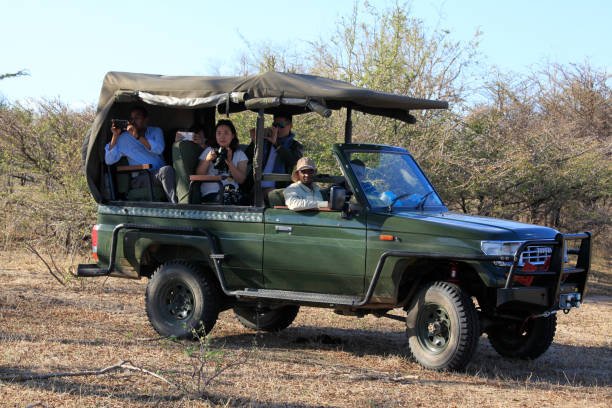
- Standard 4×4 Safari Land Cruiser: The most common and reliable choice, equipped with pop-up roofs for excellent game viewing.
- Extended/Customized Land Cruisers: Offer more space and comfort, often preferred for longer safaris or specific photography needs.
- Safari Minivans: Typically used for budget group tours, especially on the Northern Circuit, offering a more economical option.
For private safaris, a dedicated Land Cruiser for a solo traveler will be priced higher than a shared minivan used in a group tour.
Estimated Cost Breakdown for a 7-Day Tanzania Safari for One Person (2026-2027)
To give you a more concrete idea, let’s break down the potential costs for a typical 7-day Northern Circuit safari for a solo traveler in 2026-2027. These are estimates and can vary significantly.
Sample Cost Ranges for a 7-Day Solo Tanzania Safari (Estimates for 2026-2027)
| Category | Budget (Camping/Basic Lodges) | Mid-Range (Comfortable Tented Camps/Lodges) | Luxury (High-End Lodges/Camps) |
|---|---|---|---|
| Park & Conservation Fees (approx. $70-100/day) | $500 – $700 | $500 – $700 | $500 – $700 |
| Accommodation (per night) | $50 – $100 (Camping/basic) | $150 – $300 (Mid-range tent/lodge) | $400 – $800+ (Luxury tent/lodge) |
| Total Accommodation (6 nights) | $300 – $600 | $900 – $1,800 | $2,400 – $4,800+ |
| Vehicle & Guide Hire (per day, prorated for solo) | $200 – $300 (shared cost factored in) | $300 – $450 (shared cost factored in) | $450 – $600+ (private vehicle) |
| Total Vehicle & Guide (7 days) | $1,400 – $2,100 (shared) | $2,100 – $3,150 (shared/private) | $3,150 – $4,200+ (private) |
| Meals (often included in lodges, extra for camping) | $20 – $40/day = $140 – $280 | Included in lodge rates | Included in lodge rates |
| Total Estimated Safari Package Cost (Excluding Flights & Tips) | $2,340 – $3,680 | $3,500 – $5,650 | $6,550 – $9,700+ |
| Single Supplement (if applicable, can add 30-100% to accommodation) | Minimal/None (camping) | Can add $50 – $200 per night | Can add $150 – $500+ per night |
Note: These figures are estimates for 2026-2027 and do not include international flights, visa fees, travel insurance, tips, or personal expenses. Shared safaris distribute vehicle/guide costs, making them significantly cheaper per person.
What’s Typically Included in a Tanzania Safari Package?
Reputable tour operators like Top Guide Adventures usually include the following in their safari packages:
- Accommodation: As per your chosen level (camping, lodge, tented camp).
- Park Entrance Fees: For all national parks and conservation areas visited.
- Game Drives: In a 4×4 safari vehicle with a professional driver-guide.
- Meals: Typically full board (breakfast, lunch, dinner) when staying in lodges or tented camps. For camping, meals are prepared by a camp chef.
- Water: Bottled drinking water during game drives.
- Crater Service Fees: For Ngorongoro Crater access.
- Airport Transfers: Usually from the nearest airport to your starting point.
What’s Typically Excluded?
It’s crucial to know what costs you’ll need to cover separately:
- International Flights: To and from Kilimanjaro International Airport (JRO).
- Visa Fees: For Tanzania.
- Travel Insurance: Highly recommended for medical emergencies and trip cancellations.
- Tips for Guides and Staff: A customary part of safari culture.
- Personal Expenses: Souvenirs, drinks (alcohol, sodas), laundry, telephone calls.
- Optional Activities: Such as hot air balloon safaris, cultural village visits (unless specified), or guided bush walks.
Cost-Saving Strategies for Solo Travelers in 2026-2027
Traveling solo doesn’t mean you have to break the bank. Here are practical ways to manage your Tanzania safari costs:
1. Opt for Group or Shared Safaris
As highlighted, this is the most effective way to reduce costs. Joining a scheduled group departure means sharing the vehicle and guide expenses. Top Guide Adventures offers various group safari dates for 2026 and 2027, which are perfect for solo adventurers looking for company and value.
2. Travel During the Low or Shoulder Seasons
Consider visiting during the months of March-May or November. You’ll benefit from lower accommodation rates and potentially fewer crowds. While you might encounter some rain, it rarely affects the entire day, and the scenery is stunningly green.
3. Choose Budget-Friendly Accommodation
Embrace the adventure of camping. Tanzania offers excellent public campsites and comfortable “luxury camping” options that provide a fantastic wilderness experience at a fraction of the cost of lodges. These are often included in budget safari packages.
4. Shorten Your Itinerary or Focus on Fewer Parks
A 5-day safari hitting the key Northern Circuit parks can be just as rewarding as a longer trip. Prioritize the parks that offer the experiences you most desire.
5. Be Smart About Extras
Skip optional activities like hot air ballooning if budget is tight. Stick to included meals and water, and be mindful of souvenir purchases.
6. Book in Advance for 2026-2027
Booking your safari well in advance, especially for peak seasons in 2026 and 2027, can sometimes secure better rates and ensures availability, particularly for popular lodges and specific group departure dates.
The Value Proposition: Why a Tanzania Safari is Worth It
While the cost might seem high, consider what you are paying for. A Tanzania safari is not just a holiday; it’s an unparalleled wildlife encounter, a journey into stunning landscapes, and an experience that stays with you forever. The price reflects:
- Expert Guiding: Highly trained guides with intimate knowledge of animal behavior and tracking skills.
- Exclusive Access: Entry into pristine, protected wilderness areas.
- Conservation Efforts: Your fees contribute directly to the protection of wildlife and habitats.
- Logistics: The complex coordination of vehicles, accommodation, permits, and staff in remote areas.
- Unique Experiences: Witnessing events like the Great Migration, the density of wildlife in the Ngorongoro Crater, and diverse ecosystems.
For a solo traveler, the personal attention from guides, the opportunity to connect with nature, and the potential for shared experiences with fellow travelers (on group tours) make it an incredibly enriching journey.
Comparing Different Safari Styles for Solo Travelers
Let’s look at how different styles translate to costs for a solo traveler planning a 7-day trip in 2026 or 2027:
Budget Camping Safari (Solo Traveler)
- Estimated Cost: $2,300 – $3,700
- Accommodation: Public campsites with shared facilities.
- Vehicle: Often a shared minivan or a standard 4×4 Land Cruiser where costs are divided.
- Meals: Prepared by a dedicated safari chef.
- Experience: Adventurous, close to nature, very social if part of a group.
- Best for: Young travelers, backpackers, those prioritizing budget above all else.
Mid-Range Lodge/Tented Camp Safari (Solo Traveler)
- Estimated Cost: $3,500 – $6,000
- Accommodation: Comfortable lodges or permanent tented camps with en-suite bathrooms and amenities.
- Vehicle: Can be a shared 4×4 Land Cruiser or a private vehicle depending on the package and single supplement costs.
- Meals: Often included in lodge rates (full board).
- Experience: Good balance of comfort, wildlife viewing, and value.
- Best for: Most travelers seeking a comfortable yet authentic safari experience without excessive luxury.
Luxury Safari (Solo Traveler)
- Estimated Cost: $7,000 – $12,000+
- Accommodation: Exclusive lodges and high-end tented camps with premium services, fine dining, and often private plunge pools or exceptional views.
- Vehicle: Typically a private 4×4 Land Cruiser, sometimes with special features for photography.
- Meals: Gourmet dining, often with extensive wine lists.
- Experience: Ultimate comfort, exclusivity, personalized service, and prime wildlife viewing locations.
- Best for: Discerning travelers seeking the highest level of comfort, privacy, and service.
For solo travelers looking for companionship and cost-effectiveness, our shared group departures for 2026 and 2027 offer the best mid-range value. If you prefer absolute privacy, a private safari is the way to go, but be prepared for the higher single-person cost.
Beyond the Northern Circuit: Southern Tanzania Safaris for Solo Travelers
While the Northern Circuit (Serengeti, Ngorongoro, etc.) is the most famous, Southern Tanzania offers incredible wildlife experiences with fewer crowds and often different pricing structures. For solo travelers in 2026-2027, these can be compelling alternatives:
- Nyerere National Park (formerly Selous): Africa’s largest game reserve, offering boat safaris on the Rufiji River, walking safaris, and traditional game drives. It’s known for its wild dog populations and vastness.
- Ruaha National Park: Tanzania’s largest park by area, renowned for its large elephant and lion populations, and a more rugged, off-the-beaten-path feel.
Costs for Southern Tanzania safaris can be comparable to mid-range Northern Circuit safaris, but remoteness can sometimes increase internal flight costs if you opt not to drive. The value often lies in the exclusivity and the raw wilderness experience. A 5-day Southern Circuit safari for one person might range from $3,500 to $7,000, depending on lodge and travel style.
Kilimanjaro and Zanzibar Add-ons: Impact on Solo Travel Costs
Many travelers combine their Tanzania safari with a climb up Mount Kilimanjaro or a relaxing holiday on Zanzibar. These add-ons will increase the overall trip cost:
- Mount Kilimanjaro Climb: A 7-day climb (e.g., Machame Route) typically costs between $2,000 to $4,500+ per person for 2026-2027. This includes park fees, guide, porters, food, and camping equipment. Solo climbers often join groups to share costs, but private climbs are significantly more expensive.
- Zanzibar Holiday: Prices vary widely based on accommodation choice, from budget guesthouses ($50-$100/night) to luxury beachfront resorts ($300-$800+/night). A 5-day Zanzibar trip could add $500 to $3,000+ to your total travel expenses.
When budgeting for 2026 or 2027, factor in these potential add-ons if you plan to extend your Tanzanian adventure.
Tips for Solo Travelers: Making the Most of Your Safari
Solo travel in Tanzania is incredibly rewarding. Here are some tips:
- Choose the Right Tour Operator: Select a company experienced with solo travelers, like Top Guide Adventures, that can match you with suitable group departures or advise on private options.
- Pack Appropriately: Layers are key. Bring neutral-colored clothing, a good hat, sunscreen, insect repellent, and comfortable walking shoes.
- Stay Connected (or Disconnect): Mobile reception can be spotty. Consider a local SIM card if you need frequent communication, or embrace the opportunity to disconnect.
- Be Open to Meeting People: Shared safaris offer a great chance to meet like-minded travelers from around the world.
- Safety First: Always follow your guide’s instructions and be aware of your surroundings. Tanzania is generally safe for tourists, especially when traveling with reputable operators.
The Role of Top Guide Adventures in Your Solo Safari Planning
We understand that planning a safari for one can present unique challenges, particularly regarding cost and companionship. Top Guide Adventures is dedicated to making your Tanzanian adventure accessible and unforgettable.
- Personalized Itineraries: Whether you prefer a private experience or joining a group, we craft itineraries tailored to your interests and budget for 2026 and 2027.
- Expert Local Knowledge: Our guides are passionate about Tanzania and committed to providing exceptional wildlife viewing opportunities and cultural insights.
- Value for Money: We strive to offer competitive pricing without compromising on quality, especially for solo travelers looking for shared departures.
- Dedicated Support: From your initial inquiry to your departure, our team provides personal attention and support.
We can help you navigate the complexities of safari pricing, advise on the best parks and accommodations for solo travelers, and ensure your 2026 or 2027 safari is everything you dreamed of. Don’t hesitate to reach out to us to discuss your specific needs and get a personalized quote.
Planning Your 2026-2027 Tanzania Safari as a Solo Traveler
To get a precise quote for your Tanzania safari for one person in 2026 or 2027, consider the following steps:
- Determine Your Budget: Have a clear idea of how much you are comfortable spending.
- Decide on Your Travel Style: Do you prefer budget camping, mid-range comfort, or luxury indulgence? Private or group?
- Choose Your Duration and Parks: How long will your safari be, and which parks are must-sees for you?
- Consider the Time of Year: Will you travel during peak or off-peak season?
- Contact Us: Reach out to Top Guide Adventures with your preferences. We will provide a detailed, transparent quote based on your specific requirements.
For 2026 and 2027 bookings, early planning is highly recommended, especially if you wish to join specific group departures or secure accommodation during peak seasons.
We are here to answer all your questions and help you craft the perfect solo safari experience. Get in touch today:
- WhatsApp: +255616946642
- Email: info@topguideadventures.com
- Backup Email: (Please provide if available, otherwise omit)
Let Top Guide Adventures be your trusted partner in planning an extraordinary Tanzania safari for one person in 2026 or 2027. We look forward to helping you create memories that last a lifetime.
Check Availability for How Much Is A Tanzania Safari For One Person? Pricing Guide 2026-2027
Ready to compare dates, prices, and the best option for your group? Send the package name and travel month so the team can reply with a clear quote, availability, and what is included.



