
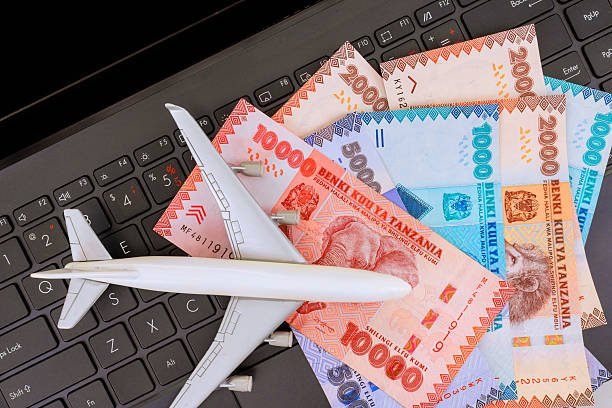
The cost of a safari from Arusha in 2026-2027 typically ranges from $200 to $1,000+ per person per day, depending heavily on the duration, parks visited, accommodation style, vehicle type, and group size. Shorter trips to nearby parks like Tarangire or Lake Manyara might start around $250-$350 per day for a mid-range experience, while longer, more comprehensive safaris including the Serengeti and Ngorongoro Crater, especially with luxury lodges, can easily exceed $800-$1,000 per person per day. A 5-day Northern Circuit safari in 2026-2027, for instance, could cost between $1,500 and $5,000+ per person.
Understanding Safari Costs from Arusha: A Detailed Breakdown for 2026-2027
Arusha serves as the gateway to Tanzania’s most iconic wildlife destinations, including the Serengeti National Park, Ngorongoro Conservation Area, Tarangire National Park, and Lake Manyara National Park. Planning a safari from this vibrant city involves understanding the various components that contribute to the overall price. For travelers looking to book their Tanzanian adventure in 2026 or 2027, anticipating these costs is crucial for budgeting and making informed decisions.
The price of a safari isn’t a single figure; it’s a mosaic of elements. From park entrance fees and vehicle hire to guide salaries, accommodation, and meals, each aspect plays a role. This guide aims to demystify these costs, offering a transparent look at what you can expect to pay for an unforgettable experience starting from Arusha.
Key Factors Influencing Your Arusha Safari Budget
When you inquire about safari prices from Arusha, tour operators will typically ask a series of questions to tailor a quote. These questions directly relate to the factors that shape the final cost. Understanding these will help you communicate your needs effectively and manage expectations.
1. Duration of Your Safari
The most straightforward factor is how long your safari will last. Longer safaris naturally incur higher costs due to extended park fees, accommodation, guide services, and vehicle usage. A 3-day safari will be significantly less expensive than a 7-day or 10-day expedition.
- Shorter Safaris (1-3 days): Often focus on closer parks like Tarangire or Lake Manyara. Costs might be higher on a per-day basis due to fixed costs being spread over fewer days.
- Medium Safaris (4-6 days): Commonly include the Northern Circuit’s highlights (Tarangire, Manyara, Ngorongoro). This offers a good balance of experience and cost.
- Longer Safaris (7+ days): Allow for deeper exploration, potentially including the vast Serengeti, with more time for wildlife viewing and experiencing different ecosystems. These offer the best value on a per-day basis but have a higher overall price tag.
2. Parks and Reserves Visited
Tanzania boasts a diverse array of national parks and reserves, each with its own fee structure and appeal. Some parks are more expensive to enter and operate within than others.
- Serengeti National Park: Known for its vast plains and the Great Migration, Serengeti has higher park fees compared to some other parks. These fees are essential for conservation efforts.
- Ngorongoro Conservation Area: While technically a conservation area and not a national park, it has significant entry and crater service fees, especially for vehicle access and overnight stays.
- Tarangire National Park: Famous for its large elephant herds and baobab trees, Tarangire has moderate park fees.
- Lake Manyara National Park: A smaller park known for its tree-climbing lions and diverse birdlife, it generally has lower park fees.
- Other Areas: Options like Kilimanjaro National Park (for climbers), Arusha National Park, or venturing to Southern Tanzania (like Ruaha or Selous/Nyerere) will have different fee structures.
For 2026-2027, expect these park fees to remain a substantial part of your safari budget, reflecting the ongoing need for wildlife protection and infrastructure maintenance.
3. Accommodation Style
Your choice of lodging will significantly impact the safari cost. Options range from budget-friendly campsites to opulent luxury lodges.
- Budget Camping (Tented Camps): Offers a close-to-nature experience with basic amenities. Prices are the lowest, often including a tent, mattress, and shared ablutions.
- Mid-Range Lodges/Tented Camps: Provide more comfort with en-suite bathrooms, comfortable beds, and often a restaurant and bar area. This is a popular choice for many travelers.
- Luxury Lodges/Tented Camps: Offer high-end amenities, gourmet dining, private plunge pools, exceptional service, and often exclusive locations. These significantly increase the daily safari rate.
- Fly-in Safaris: Staying at remote, exclusive lodges accessible only by small aircraft will dramatically increase costs due to flight expenses.
When planning for 2026-2027, consider how much comfort and luxury you desire. Booking in advance is recommended, especially for high-end lodges, as they fill up quickly.
4. Vehicle Type and Group Size
The type of safari vehicle used and the number of people sharing it also affect the price.
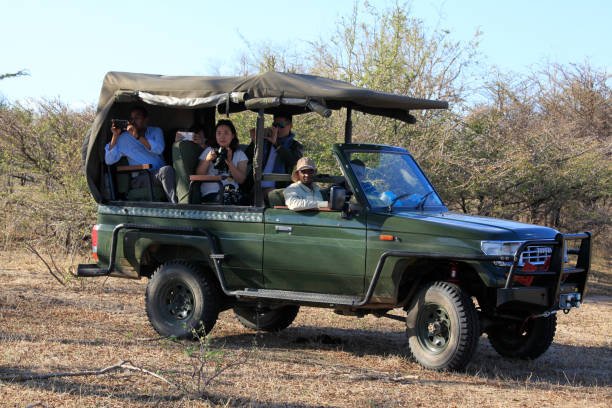
- Shared Safaris (Group Tours): These are the most budget-friendly option. You join a small group (usually 4-7 people) in a safari vehicle. Prices are per person, making them accessible for solo travelers or couples on a tighter budget. Many operators offer set departure dates for shared safaris.
- Private Safaris: You have exclusive use of a safari vehicle and guide. This offers maximum flexibility in terms of itinerary and pace. While more expensive than shared safaris, the per-person cost can become comparable if you have a group of 4-6 people sharing.
- Vehicle Type: Standard safari vehicles are 4×4 Land Cruisers or Land Rovers, often with pop-up roofs for game viewing. Some luxury operators might offer specialized vehicles or slightly different configurations, but the core cost is driven by the vehicle’s operational expenses (fuel, maintenance, driver/guide).
For 2026-2027 bookings, private safaris offer unparalleled customization, while shared tours provide a cost-effective way to experience Tanzania’s wonders.
5. Inclusions and Exclusions
The ‘what’s included’ list is critical for understanding the true value of a safari package. A comprehensive package might include:
- Park entrance fees
- Accommodation
- All meals (breakfast, lunch, dinner)
- Water during game drives
- A professional English-speaking guide
- Safari vehicle and fuel
- Airport transfers
- Crater service fees (Ngorongoro)
Potential exclusions often include:
- International flights
- Visa fees
- Travel insurance
- Gratuities for guide and staff
- Drinks (alcoholic and soft drinks) beyond water
- Optional activities (e.g., hot air ballooning, cultural visits)
- Tips for lodge staff
Always clarify these details with your tour operator to avoid unexpected costs during your 2026 or 2027 safari.
Typical Safari Itineraries and Associated Costs from Arusha (2026-2027 Estimates)
To give you a clearer picture, let’s look at common safari itineraries originating from Arusha and their estimated price ranges for 2026-2027. These are indicative figures and can vary based on the factors mentioned above and the specific tour operator.
The Northern Circuit Sampler (3 Days / 2 Nights)
Focus: Tarangire National Park and Lake Manyara National Park.
Typical Itinerary:
- Day 1: Arusha to Tarangire National Park. Game drive. Overnight near Tarangire.
- Day 2: Morning game drive in Tarangire, then drive to Lake Manyara. Afternoon game drive. Overnight near Lake Manyara.
- Day 3: Morning optional activity (e.g., walking safari), then drive back to Arusha.
Estimated Cost (Per Person):
- Budget Camping: $600 – $900
- Mid-Range Lodge: $900 – $1,500
- Luxury Lodge: $1,500 – $2,500+
This is a great option for those with limited time or as an introduction to Tanzanian wildlife.
Classic Northern Circuit (5 Days / 4 Nights)
Focus: Tarangire, Lake Manyara, and Ngorongoro Crater.
Typical Itinerary:
- Day 1: Arusha to Tarangire National Park. Game drive. Overnight near Tarangire.
- Day 2: Drive to Lake Manyara National Park for a game drive. Continue to Karatu/Ngorongoro area. Overnight in Karatu.
- Day 3: Descend into the Ngorongoro Crater for a full-day game drive. Overnight in Karatu.
- Day 4: Visit a local Maasai village or cultural boma (optional), then drive to Serengeti National Park (Central). Afternoon game drive. Overnight in Central Serengeti.
- Day 5: Morning game drive in Serengeti, then drive back to Arusha.
Estimated Cost (Per Person):
- Budget Camping: $1,200 – $1,800
- Mid-Range Lodge: $1,800 – $3,000
- Luxury Lodge: $3,000 – $5,500+
This itinerary is extremely popular and provides a fantastic overview of the region’s wildlife diversity.
Extended Northern Circuit with Serengeti (7 Days / 6 Nights)
Focus: Tarangire, Lake Manyara, Ngorongoro Crater, and extended Serengeti exploration (Central and potentially North/South depending on season).
Typical Itinerary:
- Day 1: Arusha to Tarangire. Game drive. Overnight near Tarangire.
- Day 2: Tarangire to Lake Manyara, then to Karatu. Overnight in Karatu.
- Day 3: Ngorongoro Crater game drive. Overnight in Karatu.
- Day 4: Drive to Serengeti National Park (Central). Afternoon game drive. Overnight in Central Serengeti.
- Day 5: Full day game drive in Central Serengeti. Overnight in Central Serengeti.
- Day 6: Game drive as you drive towards the North/South Serengeti (depending on migration timing for 2026-2027). Overnight in Serengeti.
- Day 7: Morning game drive, then drive back to Arusha.
Estimated Cost (Per Person):
- Budget Camping: $1,800 – $2,800
- Mid-Range Lodge: $2,800 – $4,500
- Luxury Lodge: $4,500 – $7,000+
This longer duration allows for a more relaxed pace and a deeper immersion into the Serengeti’s vastness.
Serengeti Migration Focus (e.g., 8 Days / 7 Nights)
Focus: Following the Great Migration across different regions of the Serengeti (North, Central, South) depending on the season. This is particularly relevant for 2026 and 2027 planning, as migration timing can be a key factor.
Typical Itinerary:
- Day 1: Arusha to Tarangire. Overnight.
- Day 2: Tarangire to Karatu. Overnight.
- Day 3: Ngorongoro Crater descent. Overnight in Karatu.
- Day 4: Drive to Serengeti (Central). Afternoon game drive. Overnight Central Serengeti.
- Day 5: Full day game drive in Central Serengeti. Overnight Central Serengeti.
- Day 6: Drive towards Northern Serengeti (e.g., Kogatende) to track the migration river crossings (July-Oct). Overnight North Serengeti.
- Day 7: Morning game drive in North Serengeti. Overnight North Serengeti.
- Day 8: Morning game drive, then drive to a local airstrip for a flight back to Arusha or Kilimanjaro International Airport (JRO).
Estimated Cost (Per Person):
- Mid-Range Lodge: $3,500 – $5,500
- Luxury Lodge: $5,500 – $9,000+ (includes fly-out option)
This itinerary is for serious wildlife enthusiasts aiming to witness the spectacle of the Great Migration.
Important Note on 2026-2027 Pricing:
Prices for safaris in 2026 and 2027 are subject to change. Tour operators often release new pricing annually. It’s advisable to get quotes from multiple reputable companies and to book well in advance, especially for peak seasons or popular lodges, to secure better rates and availability.
Breakdown of Safari Cost Components
To truly understand safari pricing, it’s helpful to see where the money goes. While tour operators bundle these into a daily rate or package price, here’s a look at the individual cost drivers:
1. Park Entrance Fees
These are non-negotiable fees charged by the Tanzanian government for entry into national parks and conservation areas. They are typically paid per person, per 24-hour period.
- Serengeti National Park: Approximately $70-$80 per person per day.
- Ngorongoro Conservation Area: Approximately $70-$80 per person per day, plus a vehicle entry fee and a conservation fee.
- Tarangire National Park: Approximately $50-$60 per person per day.
- Lake Manyara National Park: Approximately $50-$60 per person per day.
These fees are subject to change by the Tanzania National Parks Authority (TANAPA) and the Ngorongoro Conservation Area Authority (NCAA). For 2026-2027, expect these to remain a significant portion of your safari cost.
2. Accommodation Costs
This is often the largest variable cost. Prices differ dramatically based on the level of luxury and location.
- Budget Campsites: $30 – $60 per person per night.
- Mid-Range Lodges/Tented Camps: $150 – $350 per person per night.
- Luxury Lodges/Tented Camps: $400 – $1,000+ per person per night.
These figures usually include meals (breakfast, lunch, dinner) and sometimes drinks. Locations within parks, especially in the Serengeti, can command higher prices due to logistics and exclusivity.
3. Vehicle and Guide Costs
This includes the rental of a sturdy 4×4 safari vehicle (Land Cruiser or Land Rover) equipped for game viewing, along with the salary and expenses of a professional, experienced safari guide.
- Daily Vehicle/Guide Hire: Can range from $200 to $400+ per day for a private safari, covering fuel, driver’s allowance, and vehicle maintenance.
The quality of your guide is paramount to the safari experience, and reputable operators invest in experienced, knowledgeable guides.
4. Food and Beverages
Most safari packages include all meals. The cost varies with accommodation type.
- Budget: Simple, wholesome meals prepared at campsites or basic lodges.
- Mid-Range: Buffet-style or set menus at lodges and tented camps.
- Luxury: Gourmet dining, à la carte menus, and fine wines.
Bottled water is usually included during game drives. Other beverages, especially alcoholic ones, are typically an extra charge.
5. Ngorongoro Crater Service Fees
Specific fees apply for entering the Ngorongoro Crater, separate from the general Conservation Area fees. These cover the use of the crater floor roads and the privilege of spending time within this unique ecosystem.
6. Miscellaneous Fees
These can include:
- Concession Fees: For specific private concessions if your itinerary includes them (less common on standard Northern Circuit tours).
- Community Development Fees: Sometimes incorporated into package pricing.
- Optional Activity Fees: Hot air ballooning in the Serengeti is a popular but expensive add-on, costing around $500-$600 per person.
Budgeting for Your 2026-2027 Arusha Safari: Practical Tips
To make your safari planning for 2026 or 2027 smoother, consider these practical tips for budgeting and cost management:
1. Travel During the Low or Shoulder Seasons
Tanzania has distinct seasons that affect safari pricing.
- Peak Season (June – October): Dry season, excellent game viewing, Great Migration in the north. Highest prices and most crowds.
- Shoulder Seasons (January – March, November – early December): Generally good game viewing, fewer crowds, and potentially lower prices, especially for accommodation. March is calving season in the southern Serengeti.
- Low Season (April – May): Long rains season. Lush landscapes, fewer tourists, and the lowest prices. Game viewing can still be good, especially in areas like the Serengeti and Ngorongoro, but some roads might be challenging.
Traveling in the shoulder or low seasons for your 2026-2027 trip can lead to significant savings.
2. Opt for Mid-Range Accommodation
While luxury lodges offer incredible comfort, mid-range lodges and tented camps provide a fantastic balance of comfort, experience, and value. You’ll still have en-suite facilities, good food, and comfortable beds without the premium price tag of top-tier luxury.
3. Consider Shared/Group Safaris
If you are a solo traveler or a couple looking to minimize costs, joining a small group safari is the most economical way to explore. Many reputable companies offer scheduled departures for popular itineraries. You can find options for 2026 and 2027 on their websites.
4. Book in Advance
Booking your safari 6-12 months in advance, especially for 2026-2027, is highly recommended. This allows you to:
- Secure preferred accommodation, which can fill up quickly, particularly in peak season.
- Potentially lock in current pricing before any annual increases.
- Allow ample time for planning and saving.
5. Factor in Additional Costs
Don’t forget to budget for items not typically included in the safari package:
- Tips: For guides and lodge staff. A common guideline is $20-$30 per day for your guide and $10-$15 per day for lodge staff, per person.
- Personal Expenses: Souvenirs, extra drinks, laundry services.
- Travel Insurance: Essential for any international trip.
- Visas: Check current requirements and costs for Tanzania.
- Vaccinations and Medications: Consult your doctor well in advance.
6. Compare Quotes Carefully
When you receive quotes from different tour operators for your 2026 or 2027 safari, compare them line by line. Ensure you are comparing similar levels of accommodation, vehicle type, and inclusions. A cheaper quote might exclude key items like park fees or use lower-standard accommodation.
Sample Arusha Safari Cost Comparison (5-Day Northern Circuit)
This table provides a general idea of cost ranges per person for a 5-day Northern Circuit safari in 2026-2027:
| Accommodation Level | Estimated Cost Per Person (USD) | Key Inclusions |
|---|---|---|
| Budget Camping | $1,200 – $1,800 | Tented camps (shared facilities), basic meals, park fees, guide, vehicle. |
| Mid-Range Lodge | $1,800 – $3,000 | Comfortable lodges/tented camps (en-suite), all meals, park fees, guide, vehicle. |
| Luxury Lodge | $3,000 – $5,500+ | High-end lodges/camps (premium amenities, gourmet dining), park fees, guide, vehicle, often premium drinks. |
Note: These are estimates for 2026-2027 and do not include international flights, visas, tips, or personal expenses.
Choosing a Reputable Tour Operator for Your 2026-2027 Safari
The tour operator you choose significantly influences both the quality of your safari and its cost. For safaris from Arusha, especially for trips planned for 2026 or 2027, partnering with a trusted local company like Top Guide Adventures offers distinct advantages:
- Local Expertise: Deep knowledge of routes, wildlife patterns, best times to visit, and local conditions.
- Value for Money: Local operators often have better relationships with lodges and suppliers, potentially translating to more competitive pricing.
- Personalized Service: Tailoring itineraries to your specific interests and budget.
- Support: On-the-ground support throughout your trip.
When vetting operators, look for:
- Positive Reviews: Check platforms like TripAdvisor.
- Clear Itineraries and Inclusions: No hidden costs.
- Responsiveness: How quickly and thoroughly they answer your questions.
- Commitment to Conservation: Responsible tourism practices.
For a reliable and well-organized safari from Arusha in 2026-2027, consider companies with a strong track record.
Is a Safari from Arusha Worth the Cost?
Absolutely. A safari from Arusha offers access to some of the planet’s most spectacular wildlife spectacles. The sheer density of animals, the impressive landscapes, and the opportunities for incredible photography make it a profoundly rewarding experience. For travelers planning for 2026 or 2027, the investment in a Tanzanian safari is an investment in memories that last a lifetime.
The thrill of seeing lions stalk through the savanna, elephants bathing in the Tarangire River, or the vast herds of the Serengeti is unparalleled. The educational aspect, guided by knowledgeable locals, adds another layer of richness to the journey.
While safaris from Arusha are not inexpensive, the value derived from the experience—the biodiversity, the natural beauty, and the cultural encounters—is immense. By understanding the cost factors and planning wisely, you can ensure your safari is both incredible and financially manageable.
Planning Your 2026-2027 Safari from Arusha with Top Guide Adventures
As you finalize your plans for a safari from Arusha in 2026 or 2027, remember that detailed planning leads to a more smooth and enjoyable experience. Top Guide Adventures specializes in crafting personalized safari itineraries that cater to a range of budgets and preferences, ensuring you get the most value from your adventure.
We pride ourselves on offering dedicated support, clear communication, and expertly guided tours across Tanzania’s most renowned parks. Whether you’re dreaming of witnessing the Great Migration, exploring the Ngorongoro Crater’s unique ecosystem, or seeking out the elephants of Tarangire, we can help bring your vision to life.
To get a personalized quote or discuss your safari options for 2026-2027, please do not hesitate to contact us:
- WhatsApp: +255616946642
- Email: info@topguideadventures.com
- Backup Email: [Please specify if a backup email is needed, otherwise omit or use a placeholder like info@topguideadventures.com]
Let us help you plan an extraordinary Tanzanian safari adventure that perfectly matches your desires and budget for 2026 or 2027.
Check Availability for How Much Is A Safari From Arusha? Costs Explained 2026-2027
Ready to compare dates, prices, and the best option for your group? Send the package name and travel month so the team can reply with a clear quote, availability, and what is included.



