
Domestic safari flights in Tanzania typically range from $350 to $600 per person, per leg, for routes connecting major hubs like Arusha or Kilimanjaro International Airport (JRO) to popular safari destinations such as the Serengeti or Zanzibar. Prices for 2026-2027 can fluctuate based on the season, specific route, airline, and how far in advance you book, with peak season travel and last-minute bookings commanding higher rates.
Understanding the Costs of Domestic Safari Flights in Tanzania
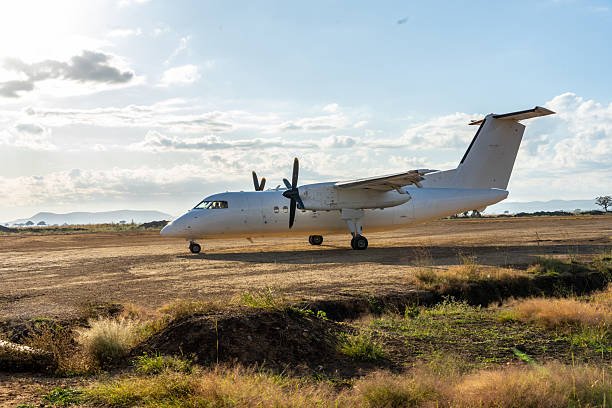
When planning an unforgettable safari adventure in Tanzania, especially one that aims to cover vast distances and maximize wildlife viewing opportunities, domestic flights become an essential consideration. These flights are not merely a convenience; they are often a necessity for travelers aiming to reach remote airstrips in world-renowned parks like the Serengeti or to connect seamlessly to the exotic beaches of Zanzibar. For prospective visitors in 2026 and 2027, understanding how much a domestic safari flight costs in Tanzania is crucial for accurate budgeting and itinerary planning.
The cost of these internal flights is influenced by a multitude of factors, making a single, definitive price difficult to pinpoint. However, by dissecting these components, travelers can gain a clear picture of what to expect. This guide aims to provide a comprehensive overview, detailing the typical price ranges, the key determinants of cost, and practical tips for managing your flight budget for your Tanzanian safari experience.
Key Factors Influencing Domestic Safari Flight Prices
The price you pay for a domestic flight within Tanzania is a dynamic figure, shaped by several interconnected elements. Recognizing these will help you interpret quotes and make informed booking decisions for your 2026-2027 travels.
- Route and Distance: Longer routes covering more territory naturally incur higher costs. Flights from Arusha (ARK) to the remote western corridor of the Serengeti, for instance, will typically be more expensive than a shorter hop to a more central airstrip.
- Airline Choice: Tanzania has a few key domestic airlines serving the safari circuit, such as Precision Air, Coastal Aviation, and Auric Air. Each has its own pricing structure, fleet, and operational costs, leading to variations in ticket prices.
- Seasonality: Like international air travel, domestic flights in Tanzania are subject to seasonal demand. Peak safari seasons (generally June to October and December to February) see higher demand, which translates to increased flight prices. Conversely, the low season (November, March to May) often offers more competitive rates.
- Booking Window: Booking your safari flights well in advance, ideally several months before your travel dates in 2026 or 2027, usually secures better prices. Last-minute bookings are often significantly more expensive due to limited availability.
- Type of Aircraft: While most common routes use small-to-medium-sized bush planes (e.g., Cessna Caravan), the specific type of aircraft and its seating capacity can influence the per-seat cost.
- Fuel Costs: Global and local fuel prices directly impact the operational costs for airlines, which are then passed on to consumers in ticket prices.
- Airstrip Fees and Landing Charges: Some remote airstrips may have additional fees that can be factored into the ticket price.
- Included Services: While most domestic safari flights are fairly basic, some might include light refreshments or slightly different baggage allowances, which can subtly affect pricing.
Typical Price Ranges for Common Safari Flight Routes (2026-2027 Estimates)
To provide a more concrete understanding, here are estimated price ranges for some of the most common domestic flight routes in Tanzania. These figures are indicative and can change. They are generally quoted on a per person, per leg basis.
Estimated Domestic Flight Costs Per Person, Per Leg (USD)
| Origin | Destination | Estimated Price Range (USD) | Notes |
|---|---|---|---|
| Arusha (ARK) / Kilimanjaro (JRO) | Serengeti (Central – Seronera) | $380 – $550 | Most popular route. |
| Arusha (ARK) / Kilimanjaro (JRO) | Serengeti (Western Corridor – Grumeti) | $450 – $600 | Longer flight, access to different migration areas. |
| Arusha (ARK) / Kilimanjaro (JRO) | Serengeti (Northern – Kogatende) | $480 – $650 | Access to Mara River crossing areas. |
| Arusha (ARK) / Kilimanjaro (JRO) | Ngorongoro Conservation Area (Lake Manyara Airstrip) | $350 – $480 | Often used as an alternative to road transfer for Ngorongoro access. |
| Arusha (ARK) / Kilimanjaro (JRO) | Zanzibar (ZNZ) | $250 – $400 | Connects safari ends to beach holidays. |
| Serengeti (e.g., Seronera) | Zanzibar (ZNZ) | $380 – $550 | Direct flights often available, convenient for island transfers. |
| Various Safari Airstrips | Arusha (ARK) / Kilimanjaro (JRO) | $350 – $600 | Return flights from safari parks. |
These prices are estimates for 2026-2027 and are subject to change. They typically exclude airport taxes and fuel surcharges, which may be added.
When Are Domestic Flights Most Cost-Effective?
For travelers mindful of their budget for 2026-2027 safaris, timing your domestic flights can make a significant difference. Generally, flights are most cost-effective during the low or shoulder seasons. The low season typically falls between April and May, coinciding with the ‘long rains’, and sometimes November. During these periods, demand for flights decreases, leading airlines to offer more competitive pricing.
Shoulder seasons, such as June and November, can also present good value. While not as cheap as the absolute low season, they avoid the peak demand and associated price hikes of the high season (July-October, December-February). Booking well in advance, ideally 6-12 months prior to your travel dates, is another key strategy for securing the best rates, particularly for popular routes and during busy periods.
The Value Proposition: Why Choose Domestic Flights?
While road transfers are a classic safari experience, domestic flights offer distinct advantages that justify their cost for many travelers:
- Time Savings: This is the primary benefit. A flight can reduce travel time from hours of driving on sometimes rough roads to a mere 1-2 hours in the air. This is invaluable for shorter safaris or for reaching distant parks quickly. For example, flying from Arusha to the Serengeti saves a full day of travel compared to the overland journey.
- Access to Remote Areas: Many prime wildlife areas, especially within the vast Serengeti National Park, are accessed via small airstrips that are difficult or impossible to reach by road in a timely manner.
- Comfort and Scenery: Small aircraft offer a comfortable, albeit brief, flight experience. The aerial views of the Tanzanian landscape, including the Great Rift Valley and the plains dotted with wildlife, can be spectacular.
- Reduced Wear and Tear: For those combining safari with other activities, flying can mean less time spent on bumpy tracks, preserving energy and comfort.
- smooth Itinerary Integration: Flights are essential for efficiently connecting different safari circuits or combining a safari with a beach holiday in Zanzibar.
For a 2026 or 2027 safari, weigh the cost against the time saved and the enhanced access. If your time is limited or your itinerary ambitious, the added expense of domestic flights is often well worth it.
Understanding Baggage Allowances for Safari Flights
A critical aspect of domestic safari flights that often surprises first-time travelers is the baggage allowance. These small bush planes have strict weight and size limitations to ensure safe operation. Typically, you can expect:
- Weight Limit: Usually around 15-20 kg (33-44 lbs) per person, including hand luggage.
- Bag Type: Soft-sided duffel bags are almost always mandatory. Hard-shell suitcases, backpacks with rigid frames, and large bags are generally not permitted due to space constraints in the aircraft’s cargo hold and cabin.
- Dimensions: While less frequently stated, there are also size limits for duffel bags.
Exceeding these limits can result in your luggage being left behind at the departure airport, to be forwarded on a later flight (often at your own expense), or incurring significant excess baggage fees. It is vital to pack light and choose appropriate luggage when flying domestically in Tanzania. This is a crucial detail for planning your packing list for 2026-2027 safaris.
Tip: Most reputable tour operators, including Top Guide Adventures, will provide detailed guidance on luggage requirements when you book your safari. Always double-check with your operator.
Booking Your Domestic Safari Flights: Tips for 2026-2027
Securing your domestic flights is an integral part of the safari planning process. Here’s how to approach it effectively for your 2026 or 2027 trip:
Tips for Booking Domestic Safari Flights
- Book Through Your Tour Operator: This is often the most convenient and reliable method. Operators like Top Guide Adventures have established relationships with airlines and can manage bookings, ensuring smooth transfers between your accommodation, airstrips, and onward travel. They are also adept at navigating the complexities of flight schedules and baggage restrictions.
- Consider the Full Itinerary: Flights are usually booked as part of a larger safari package. Ensure the flight details align perfectly with your lodge check-in and check-out times, as well as your overall safari duration.
- Confirm Airstrip Details: Be clear about which airstrip your flight will land at within a park (e.g., Seronera, Kogatende, Grumeti in the Serengeti). This impacts proximity to your lodge and subsequent transfer times.
- Understand Inclusions: Clarify what the flight cost includes. Typically, it covers the flight itself, a standard baggage allowance, and sometimes light refreshments. Ensure you know about any potential extra charges like airport taxes or fuel surcharges.
- Factor in Flexibility: Safari flight schedules can sometimes be subject to change due to weather or operational reasons. Having a little flexibility in your itinerary, or travel insurance that covers flight delays, is advisable.
- Early Booking is Key: As mentioned, booking at least 6 months in advance is highly recommended, especially for travel during peak seasons in 2026 and 2027.
Comparing Road Transfers vs. Domestic Flights
The decision between road transfers and domestic flights is a classic safari dilemma. Both have their merits, and the best choice often depends on your priorities, budget, and itinerary.
Road Transfers: The Classic Safari Experience
Pros:
- Cost-Effective: Generally cheaper than flying, especially for shorter distances or when sharing with a group.
- Scenery and Wildlife Spotting En Route: The journey itself can be part of the adventure, offering opportunities to see local life and potentially wildlife outside the main parks.
- Flexibility: More flexibility to stop for photos or explore points of interest along the way.
- No Strict Baggage Limits: More accommodating for luggage compared to small aircraft.
Cons:
- Time-Consuming: Can take many hours, significantly reducing time spent on safari, especially for longer distances.
- Rough Roads: Roads within and leading to parks can be bumpy and uncomfortable, leading to travel fatigue.
- Limited Access: Not practical for reaching the most remote or distant sections of large parks like the Serengeti quickly.
Domestic Flights: Speed and Efficiency
Pros:
- Significant Time Savings: Frees up more time for game drives and relaxation.
- Access to Remote Airstrips: Essential for reaching far-flung areas of parks.
- Comfortable and Scenic: Offers a comfortable journey with unique aerial perspectives.
- smooth Connections: Ideal for combining different regions or ending a safari with a Zanzibar beach holiday.
Cons:
- Higher Cost: Significantly more expensive than road transfers on a per-leg basis.
- Strict Baggage Limits: Requires careful packing in soft-sided bags.
- Less Ground-Level Immersion: You miss some of the rural scenery and roadside interactions.
- Weather Dependent: Flights can be delayed or cancelled due to poor weather conditions.
For a 2026-2027 safari, the choice often hinges on your available time and budget. If you are on a tight schedule or have a comprehensive itinerary covering multiple regions, domestic flights are likely the better investment. If you have more time, prefer a more ground-level experience, and are budget-conscious, road transfers can be a perfectly viable and enjoyable option, especially for shorter transfers within proximity to Arusha or Moshi.
Connecting Flights and International Airport Transfers
Most international flights to Tanzania arrive at either Kilimanjaro International Airport (JRO) or Julius Nyerere International Airport (DAR) in Dar es Salaam. For safaris focusing on the Northern Circuit (Serengeti, Ngorongoro, Tarangire, Lake Manyara), JRO is the primary gateway. Arusha Airport (ARK) is a smaller, domestic airport located much closer to Arusha town.
If you arrive at JRO and are immediately heading for a domestic flight, you will typically need to transfer from JRO to ARK. This transfer takes approximately 45-60 minutes by road. Some tour operators include this transfer in their package. Alternatively, if your domestic flight departs directly from JRO (less common for smaller safari aircraft), this transfer is avoided.
When booking your safari, ensure your tour operator accounts for these airport transfers. The cost of a private transfer between JRO and ARK can range from $50 to $100 USD, depending on the vehicle and service. This is an additional cost to factor in if your itinerary requires it for your 2026-2027 travels.
Airlines Operating Domestic Safari Routes in Tanzania
Several reputable airlines operate the crucial domestic routes that connect Tanzania’s safari circuit. Understanding who these operators are can provide further insight into the pricing and service levels:
- Precision Air: One of Tanzania’s larger domestic carriers, offering scheduled flights to various destinations, including safari airstrips and Zanzibar.
- Coastal Aviation: A very well-established operator with a large fleet of Cessna Caravans, specializing in safari routes and known for its reliability and extensive network of airstrips. They are a common choice for many tour operators.
- Auric Air: Another significant player in the Tanzanian domestic aviation market, also utilizing Cessna Caravans and offering a broad range of routes to safari destinations.
- Safari Air Link (SAL): Operates a fleet of light aircraft, serving numerous remote airstrips across Tanzania and is a common partner for tour operators.
These airlines typically fly from Arusha Airport (ARK) or Kilimanjaro International Airport (JRO) to airstrips within parks like the Serengeti (Seronera, Kogatende, Grumeti), Manyara, Tarangire, and also to Zanzibar (ZNZ). When you receive a quote for your 2026-2027 safari, the airline might be specified, or your tour operator will choose the most suitable one based on schedule and availability.
What is Included in a Typical Safari Flight Ticket Price?
When budgeting for your domestic safari flights in Tanzania for 2026-2027, it’s important to know what the quoted price generally covers:
- The flight itself.
- A standard checked baggage allowance (usually 15-20 kg in a soft duffel bag).
- A small carry-on item.
- Airstrip landing fees at the destination.
- Sometimes, light refreshments served on board.
What is typically NOT included:
- Airport taxes (can vary, sometimes included, sometimes separate).
- Fuel surcharges (can be added depending on market prices).
- Excess baggage fees.
- Transfers to and from the departure and arrival airports/airstrips (unless specified as part of a package).
- Travel insurance.
Always clarify inclusions and exclusions with your tour operator to avoid unexpected costs.
Budgeting for Safari Flights in Your 2026-2027 Tanzania Trip
Integrating the cost of domestic flights into your overall safari budget requires careful planning. Here’s a step-by-step approach:
- Determine Your Itinerary Needs: Decide which parks you want to visit and how much time you have. This will dictate whether flights are necessary or just a luxury.
- Identify Key Flight Legs: Map out the specific flights you anticipate needing (e.g., Arusha to Serengeti, Serengeti to Zanzibar).
- Obtain Quotes: Work with your tour operator to get precise quotes for these flight legs. Remember to specify your travel dates, as seasonality plays a significant role.
- Add Contingency: It’s wise to add a buffer of 10-15% to your flight budget to account for potential price fluctuations, fuel surcharges, or minor changes in itinerary.
- Compare Options: Discuss with your operator if combining road and air travel offers a better balance of cost and time for your specific trip.
For a mid-range to luxury safari in 2026 or 2027 that utilizes domestic flights, you should allocate approximately $700 – $1,200 per person for internal flights, assuming two main flight legs (e.g., to the Serengeti and then to Zanzibar). This is in addition to accommodation, park fees, guides, and vehicles.
The Impact of International Exchange Rates
Since most safari costs, including domestic flights, are quoted in US Dollars, fluctuations in your home currency’s exchange rate against the USD can significantly impact the final cost of your 2026-2027 Tanzanian safari. It is advisable to:
- Monitor Exchange Rates: Keep an eye on the USD exchange rate in the months leading up to your booking and payment deadlines.
- Factor in Transfer Fees: Be aware that your bank or payment provider may charge fees for international money transfers or currency conversion.
- Book Strategically: If your currency is strong against the USD, it might be a good time to book and pay deposits. Conversely, if your currency is weak, costs can increase substantially.
Are Safari Flights Included in All-Inclusive Packages?
The term ‘all-inclusive’ can mean different things in the context of Tanzanian safaris. Typically, an all-inclusive safari package booked with a reputable operator like Top Guide Adventures will cover:
- Accommodation (lodges, tented camps)
- All meals (breakfast, lunch, dinner)
- Park entrance fees
- Game drives with a professional guide and 4×4 safari vehicle
- Drinking water during game drives
- Park concession fees
Domestic flights are often an optional add-on to these packages, or they may be included in higher-tier ‘luxury’ or ‘fly-in’ packages. When discussing your itinerary for 2026-2027, be sure to explicitly ask your tour operator whether domestic flights are included in their quoted price or if they represent an additional cost.
A comprehensive package that includes domestic flights will naturally be more expensive, but it offers the convenience of a single, all-encompassing quote, simplifying your budgeting and payment process.
Tips for Packing Light for Domestic Flights
Given the strict baggage limits on safari flights, packing efficiently is paramount. Here’s how to master the art of light packing for your 2026-2027 adventure:
- Use a Soft-Sided Duffel Bag: This is non-negotiable. Ensure it’s a reasonable size and not overstuffed.
- Layering is Key: Pack lightweight, breathable clothing that can be layered. Neutral, earthy colors are best for wildlife viewing.
- Versatile Clothing: Choose items that can be worn multiple times or for different occasions (e.g., a versatile t-shirt, quick-dry trousers).
- Minimize Toiletries: Opt for travel-sized toiletries. Many lodges provide basic amenities like soap and shampoo.
- Essential Documents and Valuables: Keep passports, visas, cash, credit cards, cameras, and essential medications in a small, personal carry-on bag that fits under the seat.
- Laundry Services: Most safari lodges offer laundry services (often for a fee). This allows you to pack fewer items of clothing and have them cleaned during your stay.
- Share Luggage Space: If traveling with a partner or family, coordinate to share items like toiletries or chargers where possible.
By adhering to these packing tips, you can comfortably meet the baggage requirements for domestic safari flights and enjoy a hassle-free journey.
The Role of Airstrips in Safari Logistics
Tanzania’s vast national parks and game reserves are served by a network of strategically located airstrips. These range from simple dirt runways to more developed gravel strips. The presence and location of these airstrips are fundamental to the feasibility and cost of domestic safari flights.
- Serengeti National Park: Features numerous airstrips, including Seronera (central), Kogatende (north), Grumeti (west), Sasakwa (private reserves), and many others. The choice of airstrip often dictates the part of the park you’ll explore and influences flight cost.
- Other Parks: Parks like Lake Manyara, Tarangire, and the Selous Game Reserve (now Nyerere National Park) also have designated airstrips, facilitating access for fly-in safaris.
- Logistical Hubs: Arusha Airport (ARK) and Kilimanjaro International Airport (JRO) serve as the primary hubs for domestic safari flights, connecting travelers from the international gateway to the bush.
The cost of operating flights to these various airstrips, some of which are quite remote, contributes to the overall pricing structure. Airlines must consider fuel logistics, landing fees, and operational efficiency for each destination.
Future Trends in Domestic Safari Flight Costs (2026-2027 and beyond)
Predicting future costs involves considering several evolving factors:
- Fuel Prices: Global oil market volatility will continue to be a significant driver of airfare.
- Airline Competition: As more operators potentially enter the market or existing ones expand, competition could lead to more stable or even reduced prices, although this is not guaranteed in such a specialized sector.
- Demand: Tanzania’s popularity as a safari destination continues to grow. Increased demand, particularly during peak seasons in 2026 and 2027, will likely sustain or increase flight prices.
- Aircraft Technology: While less impactful on immediate short-term pricing, advancements in fuel-efficient aircraft could eventually influence operational costs.
- Infrastructure Investment: Improvements to airstrip facilities might marginally reduce operational complexities for airlines.
Overall, it is reasonable to expect domestic flight costs in Tanzania to remain relatively stable, with gradual increases possible due to inflation and sustained demand. The price range of $350-$600 per person, per leg, is likely to remain a good benchmark for planning purposes in the near future.
Choosing the Right Safari Operator for Flight Bookings
When it comes to booking domestic flights as part of your safari package, the choice of tour operator is critical. A reliable operator will:
- Have strong relationships with multiple domestic airlines, allowing them to secure competitive rates and better availability.
- Provide clear and accurate information regarding baggage allowances, flight schedules, and potential changes.
- Manage the logistics of transfers between airports and lodges seamlessly.
- Offer expert advice on whether flights or road transfers are more suitable for your specific itinerary and budget.
- Handle any issues that may arise with flight bookings, such as delays or cancellations, on your behalf.
Top Guide Adventures prides itself on offering meticulous safari planning, including the efficient and cost-effective booking of domestic flights. We understand the nuances of Tanzanian air travel and work diligently to ensure our clients have a smooth and enjoyable experience from arrival to departure.
For personalized advice and accurate quotes for your 2026-2027 Tanzanian safari, including domestic flight arrangements, please feel free to contact us:
- WhatsApp: +255616946642
- Email: info@topguideadventures.com
We are dedicated to crafting tailor-made journeys that meet your specific needs and provide an unparalleled African safari experience.
Final Thoughts on Domestic Safari Flight Costs for 2026-2027
In summary, the cost of domestic safari flights in Tanzania for 2026-2027 is a significant, yet often essential, component of a well-planned safari. Expect to budget between $350 and $600 per person, per leg, for common routes like Arusha to the Serengeti or Serengeti to Zanzibar. These costs are influenced by the season, specific route, airline, and how far in advance you book. While road transfers offer a more budget-friendly and grounded experience, domestic flights provide invaluable time savings and access to remote wildlife areas, making them a preferred choice for many travelers aiming to maximize their safari adventure.
Careful planning, booking through experienced tour operators like Top Guide Adventures, and packing according to strict airline guidelines are key to managing these costs and ensuring a smooth travel experience. By understanding these factors, you can confidently budget for your Tanzanian safari and prepare for an incredible journey through some of the world’s most spectacular wildlife destinations.
Ready to plan your Tanzanian adventure for 2026 or 2027? Reach out to us for expert guidance and a personalized itinerary that includes all the details for your domestic travel needs.
- WhatsApp: +255616946642
- Email: info@topguideadventures.com
- Website: Top Guide Adventures Tanzania
Check Availability for How Much Does A Domestic Safari Flight Cost In Tanzania? ( Guide) 2026-2027
Ready to compare dates, prices, and the best option for your group? Send the package name and travel month so the team can reply with a clear quote, availability, and what is included.



