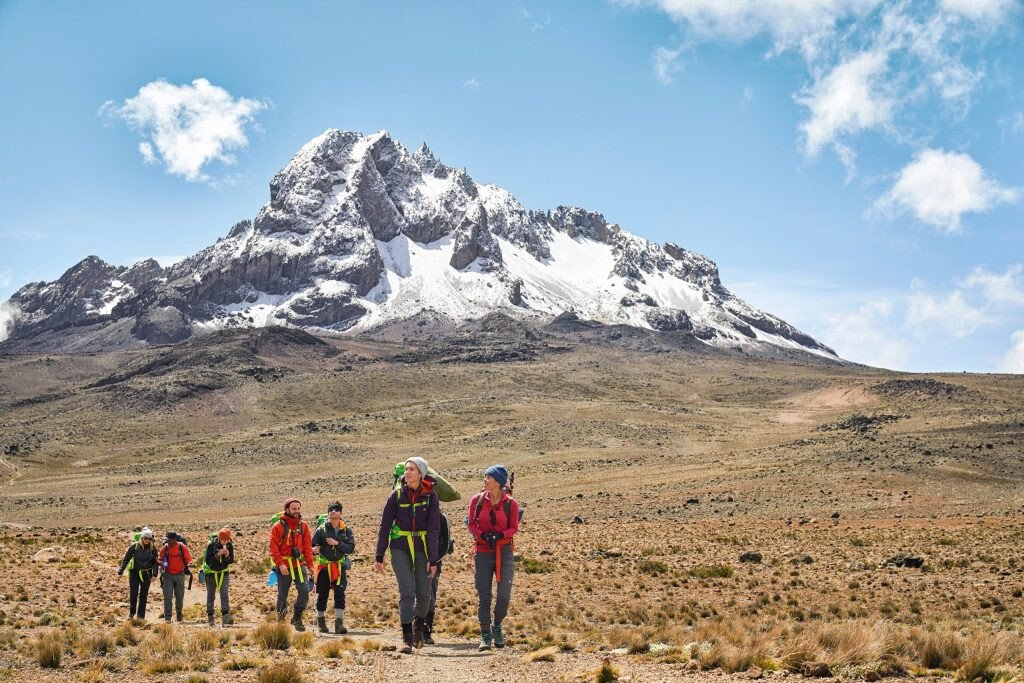
The cost to climb Mount Kilimanjaro in 2026-2027 typically ranges from $1,500 to $5,000+ per person, depending heavily on the chosen route, trek duration, operator, and the level of service and inclusions provided. Shorter, less popular routes with fewer amenities will be at the lower end, while longer, more comfortable treks with reputable companies offering comprehensive support fall into the higher price bracket.
Understanding the True Cost of a Kilimanjaro Climb
Climbing Kilimanjaro is a significant undertaking, and understanding the financial investment required is crucial for effective planning. The price you see advertised by tour operators isn’t just for the mountain itself; it encompasses a complex array of services, permits, and logistical elements designed to ensure your safety, comfort, and success on Africa’s highest peak. In 2026 and 2027, these costs are expected to remain broadly similar, with potential minor adjustments due to inflation and park fee changes.
When asking how much to climb Kilimanjaro, it’s essential to look beyond the headline figure and dissect what goes into that price. Most reputable operators will provide a detailed breakdown, but here are the primary cost drivers you should be aware of:
- Park Fees: These are non-negotiable government charges for entering Kilimanjaro National Park, climbing the mountain, camping, and conservation. They form a substantial portion of the total cost.
- Trek Duration: Longer routes have higher costs due to more days of guide, porter, and cook services, plus additional camping fees.
- Route Choice: Popular routes like Machame and Lemosho are generally more expensive than Marangu or Rongai, often due to their longer durations and higher success rates.
- Operator Type: Companies range from budget operators using minimal staff and basic equipment to premium operators offering more guides, better food, and higher quality gear. Local Tanzanian companies often provide excellent value compared to international operators.
- Group Size: Climbing in a private group versus a shared group can affect the per-person cost. Shared groups spread fixed costs like guide fees over more people.
- Inclusions: What’s included in the package (e.g., pre/post-climb accommodation, airport transfers, group equipment, meals in town, tips) significantly impacts the final price.
- Staff Wages: Fair wages for guides, porters, and cooks are a critical ethical consideration and contribute to the cost.
Kilimanjaro Park Fees: The Foundation of Your Trek Cost
Park fees are a mandatory and significant component of any Kilimanjaro climb cost. These fees are set by the Tanzania National Parks Authority (TANAPA) and are subject to change, though major revisions are infrequent. For planning your 2026-2027 climb, understanding these fees is paramount. While exact figures can fluctuate slightly year-to-year, the structure remains consistent. These fees are typically included in the package price offered by your tour operator.
As of recent structures, here’s a general breakdown of what these fees entail:
- Kilimanjaro National Park Entrance Fee: This is a daily fee charged for every day you are within the park boundaries.
- Camping Fees: For routes that involve camping, there is a daily fee for each campsite used.
- Rescue Fees: A fee is charged for rescue services, ensuring that emergency response is available should it be needed.
- Crater Fees: Some routes, like the full crater climb on Kibo, may incur an additional fee.
- Crew Fees: While not directly paid by you, operators pay fees for their guides, porters, and cooks, which are factored into the overall package price.
For 2026 and 2027, expect these fees to represent a substantial portion of the tour cost, often accounting for 40-60% of the price for budget operators and potentially less as a percentage for premium operators who include more services.
Important Note on Park Fees
Park fees are non-negotiable and are usually paid directly to the park authorities by the tour operator. Always ensure your operator clearly states that these fees are included in their quoted price. Relying on operators who claim to offer lower prices by not including these fees is a red flag and can lead to unexpected expenses on the ground.
Route Selection and Its Impact on Kilimanjaro Climb Cost
The route you choose to ascend Kilimanjaro is one of the most significant factors influencing how much you will spend. Each route offers a different experience, varying in length, difficulty, scenery, and acclimatization profile, all of which translate into cost differences.
Here’s how different routes generally stack up in terms of cost for a 2026-2027 trek:
- Marangu Route (Coca-Cola Route): Often considered the most budget-friendly option due to its shorter duration (5-6 days) and the unique hut accommodation, which eliminates camping fees. However, its lower acclimatization profile leads to lower success rates, making it less ideal for first-time trekkers.
- Machame Route (Whiskey Route): Highly popular and known for its excellent acclimatization profile and stunning scenery, typically taking 6-7 days. It’s a camping route and generally falls into the mid-range price category. A 7-day Machame climb will cost more than a 6-day one.
- Lemosho Route: Often considered one of the most scenic routes, Lemosho is longer (7-8 days) and provides excellent acclimatization. It usually starts with a more remote feel. Due to its longer duration and higher success rate, it tends to be one of the more expensive camping routes.
- Shira Route: Similar to Lemosho in terms of scenery and acclimatization, but starts at a higher altitude. It’s also a longer, camping route and falls into a similar mid-to-high price bracket as Lemosho.
- Rongai Route: This route approaches from the north and is a good option during the rainy season due to its drier climate. It’s typically a 6-7 day camping trek and offers a good balance of cost and experience, often slightly cheaper than Machame or Lemosho for similar durations.
- Northern Circuit: The longest route (9-10 days), offering the best acclimatization and highest success rates. Its extended duration naturally makes it one of the most expensive options.
- Umbwe Route: The shortest and steepest route, demanding significant physical fitness and experience. While shorter, its challenging nature means it requires highly experienced guides and robust safety protocols, which can place it in a mid-to-high cost bracket, especially for operators prioritizing safety.
For 2026-2027 planning, consider that operators might offer slightly different pricing for 6-day vs. 7-day Machame, or 7-day vs. 8-day Lemosho, reflecting the additional park and crew fees for the extra day.
Route Cost Comparison (Estimated 2026-2027)
This is a general guide. Actual prices will vary by operator.
| Route | Typical Duration (Days) | Estimated Cost Range (USD pp) | Cost Factor |
|---|---|---|---|
| Marangu | 5-6 | $1,500 – $2,500 | Huts, shorter duration |
| Rongai | 6-7 | $1,700 – $2,800 | Camping, drier option |
| Machame | 6-7 | $1,800 – $3,200 | Popular, good acclimatization, camping |
| Lemosho | 7-8 | $2,000 – $3,800 | Scenic, good acclimatization, camping |
| Shira | 7-8 | $2,000 – $3,800 | Similar to Lemosho, higher start |
| Northern Circuit | 9-10 | $2,500 – $4,500+ | Longest, best acclimatization, highest success rate |
| Umbwe | 5-6 | $1,600 – $2,700 | Steep, challenging, shorter duration |
Operator Choices: Budget vs. Mid-Range vs. Premium
The company you choose to guide your Kilimanjaro ascent will profoundly influence the cost and your overall experience. Operators cater to different market segments, from backpackers seeking the lowest price to trekkers prioritizing comfort and a higher probability of summit success.
Budget Operators
Cost: Generally the lowest, potentially starting around $1,500-$2,000 for a 6-day trek in 2026-2027. These operators often cut costs by:
- Using the minimum required number of porters.
- Providing simpler meals.
- Using more basic camping equipment.
- Offering fewer guides per climber ratio.
- Having less experienced support staff.
- Operating with fewer amenities in town (e.g., basic hotels).
While appealing for cost-conscious travelers, budget operators can sometimes compromise safety, comfort, and success rates. It’s crucial to research their safety protocols and ethical treatment of staff.
Mid-Range Operators
Cost: Typically between $2,000 and $3,500 for a standard 7-day trek in 2026-2027. These operators strike a balance:
- Fair wages and adequate numbers of porters and guides.
- Better quality tents and camping equipment.
- More varied and nutritious meals.
- Higher guide-to-climber ratios for better attention.
- More comfortable pre/post-climb accommodation.
- Established safety procedures and emergency plans.
Many local Tanzanian companies, like Top Guide Adventures, fall into this category, offering excellent value and a high level of service without the premium price tag. They understand the mountain intimately and prioritize client well-being.
Premium/Luxury Operators
Cost: Can range from $3,500 to $5,000+ for a standard trek in 2026-2027. These operators focus on maximum comfort and support:
- Very high guide-to-climber ratios, often 1:1 or 1:2.
- Gourmet meals prepared by dedicated cooks.
- High-quality, spacious tents and sleeping gear.
- Private toilets on some treks.
- More experienced and highly qualified guides.
- Luxury pre/post-climb accommodation.
- Comprehensive support including oxygen systems for emergencies.
These are ideal for trekkers who want the most comfortable experience and are willing to pay for it. However, the core elements of climbing Kilimanjaro (the mountain, park fees, the physical challenge) remain the same, so the incremental cost doesn’t always guarantee a proportional increase in summit success for everyone.
Choosing Your Operator Wisely
When comparing quotes for your 2026 or 2027 Kilimanjaro climb, look beyond just the price. Check reviews, ask about their safety protocols, porter welfare policies, and what is specifically included and excluded. A slightly higher price for a reputable operator with excellent support is often a worthwhile investment in your safety and enjoyment.
What’s Typically Included in a Kilimanjaro Climb Package?
A comprehensive Kilimanjaro climb package is designed to cover most of your needs on the mountain. Understanding these inclusions is key to accurately comparing prices and budgeting for any additional expenses.
Typical inclusions for a 2026-2027 climb package:
- Park Fees: As detailed earlier, all necessary government fees for Kilimanjaro National Park.
- Crew Services: Experienced guides, professional cooks, and a sufficient number of porters to carry your gear and equipment.
- Camping Equipment: Tents (sleeping tents, mess tents, toilet tents), sleeping mats, and dining equipment.
- Food: All meals during the trek (breakfast, lunch, dinner) prepared by your cook, plus snacks and purified drinking water.
- Accommodation: Camping accommodation on the mountain. Some packages may include one or two nights of pre- and post-climb accommodation in a hotel in Moshi or Arusha.
- Safety Equipment: First-aid kits, emergency oxygen (often on premium tours or as an add-on), and communication devices.
- Transfers: Transport from Kilimanjaro International Airport (JRO) to your hotel and from the hotel to the mountain gate, and back to the hotel after the climb.
What’s Typically Excluded (and Budget For)?
To avoid surprises, it’s crucial to know what costs are usually not included in a standard Kilimanjaro climb package for 2026-2027:
- Flights: International flights to and from Kilimanjaro International Airport (JRO).
- Visas: Visa fees for Tanzania.
- Travel Insurance: Comprehensive travel insurance covering high-altitude trekking and emergency medical evacuation is mandatory for most operators.
- Personal Gear: Sleeping bag, trekking poles, warm clothing, waterproofs, hiking boots, and other personal equipment. These can be rented in Moshi, but buying them often provides better comfort and performance.
- Tips for the Crew: This is a significant and expected expense. Tips are a vital part of the income for guides, porters, and cooks.
- Lunches and Dinners in Town: Unless specified, meals before and after the climb in hotels are often not included.
- Alcoholic Drinks and Soft Drinks: Beyond water and basic meal beverages.
- Personal Expenses: Souvenirs, laundry, phone calls, etc.
- Optional: Portable toilet rental, oxygen systems (if not standard).
Budgeting for Excluded Items (2026-2027 Estimates)
- Travel Insurance: $100 – $300 (depending on coverage)
- Tips for Crew: $250 – $400 (this is a substantial amount, often calculated per day and per crew member; check your operator’s guidelines)
- Gear Rental: $50 – $150 (for items like sleeping bags, poles)
- Meals/Drinks in Town: $100 – $200 (depending on length of stay and dining choices)
- Personal Expenses: $50 – $100
The Critical Cost of Tipping Your Kilimanjaro Crew
Tipping is a deeply ingrained part of the Kilimanjaro climbing culture and a vital component of the income for the guides, porters, and cooks. Your operator will provide recommended tipping guidelines, which are essential for budgeting your Kilimanjaro climb cost for 2026-2027.
These tips are typically pooled and distributed among the crew members. The amount is significant and should be factored into your overall budget. A general guideline for 2026-2027 might look like this, though always confirm with your operator:
- Lead Guide: $20 – $30 per day
- Assistant Guide: $15 – $20 per day
- Cook: $12 – $18 per day
- Porter: $8 – $12 per day
For a 7-day climb with a crew of 1 lead guide, 1 assistant guide, 1 cook, and 4 porters, the total tip amount could easily reach $300 – $450 per climber. This money is usually handed over in envelopes to the lead guide on the last day of the trek.
While it might seem like a large sum, remember that these individuals work incredibly hard under challenging conditions to ensure your safety and comfort. Fair tipping is a matter of ethical tourism and is greatly appreciated.
Additional Costs to Consider for Your 2026-2027 Kilimanjaro Trip
Beyond the core climb package and tips, several other expenses can add up. Planning for these will help you avoid budget shortfalls:
Pre- and Post-Climb Accommodation
Most operators include one or two nights in a hotel in Moshi or Arusha before and after your climb. If you wish to stay longer, you’ll need to budget for additional hotel nights. Prices can range from $50 to $150+ per night depending on the hotel’s standard.
Airport Transfers
While often included, confirm if your package covers transfers from Kilimanjaro International Airport (JRO) to your hotel and back. If not, expect to pay around $30-$50 each way.
Gear Rental
If you don’t own high-quality trekking gear, renting is an option. This can include sleeping bags, trekking poles, and warm jackets. Renting costs vary but can add up to $50-$150 for essential items for the duration of the climb.
Vaccinations and Medications
Consult your doctor or a travel clinic well in advance of your 2026-2027 trip to get necessary vaccinations (like Yellow Fever, Hepatitis A/B) and malaria prophylaxis. These costs can range from $100 to $400 depending on your health needs and insurance.
Souvenirs and Personal Spending
If you plan to buy souvenirs, local crafts, or enjoy extra drinks and snacks in town, allocate a budget for these personal expenses.
Saving Money on Your Kilimanjaro Climb
While Kilimanjaro climbing isn’t a budget activity, there are ways to manage costs without compromising safety or quality:
- Travel in the Shoulder Seasons: While the peak seasons (January-March, June-October) offer the best weather, the shoulder seasons (April-May, November-December) might see slightly lower prices from some operators, though weather can be less predictable.
- Choose Shorter Routes (with caution): Routes like Marangu or a 6-day Machame are cheaper than longer ones. However, prioritize success and safety; a 5-day climb significantly reduces acclimatization and success rates.
- Join a Group Departure: Shared group climbs spread fixed costs over more people, making them more economical than private climbs. Look for established group departure dates for 2026 or 2027.
- Compare Local Tanzanian Operators: Companies based in Tanzania, like Top Guide Adventures, often offer competitive pricing due to lower overheads compared to international operators, while still providing excellent service and local expertise.
- Book in Advance: Booking well in advance, especially for 2026-2027, can sometimes secure better rates and ensure availability, particularly for popular dates or routes.
- Pack Smartly: Avoid buying brand-new, high-end gear if you won’t use it often. Renting essential items can be cost-effective.
The Hidden Cost of “Cheap” Climbs
Be wary of prices that seem too good to be true. Extremely low-cost operators may cut corners on safety equipment, staff wages, food quality, or the number of guides and porters. This can lead to a miserable experience, health risks, and a significantly lower chance of reaching the summit. Prioritize safety and ethical practices over the absolute lowest price.
Kilimanjaro Climb Cost vs. Success Rate
It’s a common misconception that the more expensive a climb is, the higher your success rate will be. While premium operators often have higher success rates, this is usually due to factors like longer routes, better acclimatization, and more guides, rather than just the price tag itself.
Key factors influencing success rate, which are often linked to cost:
- Route Duration: Longer routes (7+ days) provide better acclimatization, significantly increasing success rates. These are naturally more expensive.
- Guide-to-Climber Ratio: More guides mean more personalized attention and quicker response to any signs of altitude sickness.
- Crew Experience: Highly experienced guides are adept at managing acclimatization and pacing the group effectively.
- Food and Hydration: Proper nutrition and hydration are crucial. Better operators often provide more appealing and adequate food.
- Safety Protocols: Having emergency oxygen and well-trained staff is vital.
Therefore, a higher cost often correlates with factors that *do* improve success rates. For your 2026-2027 climb, consider investing in a route and operator that maximizes your chances of reaching Uhuru Peak.
When to Book Your Kilimanjaro Climb for 2026-2027
Booking your Kilimanjaro climb well in advance is highly recommended, especially if you have specific dates or routes in mind for 2026 or 2027. Popular departure dates, particularly during the dry seasons (June-October and January-March), fill up quickly.
A good rule of thumb is to book:
- 6-12 months in advance for peak season climbs.
- 3-6 months in advance for shoulder season climbs.
Early booking not only secures your spot but also gives you ample time to prepare physically and gather the necessary gear. It also allows you to spread the cost over a longer period.
Planning Your 2026-2027 Kilimanjaro Adventure with Top Guide Adventures
At Top Guide Adventures, we are committed to providing safe, ethical, and memorable Kilimanjaro climbing experiences. We understand that how much to climb Kilimanjaro is a primary concern for our clients, and we strive to offer exceptional value and transparency in our pricing for 2026 and 2027 expeditions.
Our packages are designed to be comprehensive, covering park fees, experienced guides, quality equipment, nutritious meals, and essential transfers. We focus on fair wages for our crew and ensuring a high level of safety and support on the mountain.
We offer several routes, including the popular Machame and Lemosho, and can tailor itineraries to suit your preferences and fitness level. Whether you’re looking for a shared group departure or a private climb, we can help you find the perfect fit for your budget and aspirations.
To get a personalized quote for your 2026 or 2027 Kilimanjaro climb, or to discuss your options, please don’t hesitate to reach out:
- WhatsApp: +255616946642
- Email: topguideadventures@gmail.com
- Backup Email: info@topguideadventurestanzania.com
We are here to answer all your questions and help you plan an unforgettable journey to the Roof of Africa.
“,
“faq_schema”: [
{
“question”: “What is the average cost to climb Kilimanjaro in 2026-2027?”,
“answer”: “The average cost to climb Mount Kilimanjaro in 2026-2027 typically ranges from $1,500 to $5,000+ per person. This wide range depends on the chosen route, trek duration, operator’s service level, and inclusions.”
},
{
“question”: “Are Kilimanjaro park fees included in the climb cost?”,
“answer”: “Yes, reputable tour operators always include Kilimanjaro National Park fees (entrance, camping, rescue, etc.) in their quoted prices for 2026-2027 climbs. These fees form a significant portion of the total cost.”
},
{
“question”: “Which Kilimanjaro route is the cheapest to climb?”,
“answer”: “The Marangu Route (Coca-Cola Route) is often the cheapest due to its shorter duration and hut accommodation, eliminating camping fees. However, its lower success rate makes it less recommended for many climbers. Shorter durations on other routes like Umbwe or 6-day Machame are also more budget-friendly.”
},
{
“question”: “What are the most expensive Kilimanjaro routes?”,
“answer”: “The most expensive routes are typically the longest ones offering the best acclimatization and highest success rates. The Northern Circuit (9-10 days) and Lemosho or Shira routes (7-8 days) generally command higher prices due to their extended duration and comprehensive support.”
},
{
“question”: “How much should I budget for tipping my Kilimanjaro crew in 2026-2027?”,
“answer”: “Tipping your Kilimanjaro crew is a significant expected cost, typically ranging from $250 to $400+ per climber for a standard 7-day trek in 2026-2027. This amount is distributed among guides, porters, and cooks and is crucial for their income.”
},
{
“question”: “What costs are usually NOT included in a Kilimanjaro climb package?”,
“answer”: “Commonly excluded costs include international flights, Tanzanian visas, mandatory travel insurance, personal trekking gear (though rentals are often available), tips for the crew, and meals/drinks in towns before and after the climb.”
},
{
“question”: “Can I save money on my Kilimanjaro climb in 2026-2027?”,
“answer”: “Yes, you can save money by joining a group departure, choosing a reputable local Tanzanian operator, considering shoulder season travel (with potential weather trade-offs), and booking well in advance. Prioritize safety and ethical treatment of staff over the absolute lowest price.”
}
]
}
“`
Check Availability for How Much To Climb Kilimanjaro 2026-2027
Ready to compare dates, prices, and the best option for your group? Send the package name and travel month so the team can reply with a clear quote, availability, and what is included.
Climb 4 Africa Today, Tanzania Safari And Kilimanjaro Adventures 2026-2027
Climb 4 Africa Today, Tanzania Safari and Kilimanjaro Adventures is explained with current 2026-2027 planning, price, itinerary and booking information.
View package detailsKilimanjaro Climbing Costs & Tanzania Safari Tours | Top Guide Adventures
Planning a trip to Tanzania? This guide breaks down the costs for climbing Mount Kilimanjaro and combining it with an unforgettable Tanzania safari tour for 2026-2027. Learn about pricing...
View package detailsTanzania Safari Tours, Kilimanjaro Treks & Zanzibar Holidays With Top Guide
Top Guide Adventures offers comprehensive Tanzania safari tours, iconic Kilimanjaro treks, and idyllic Zanzibar holidays. Discover the best of East Africa with personalized itineraries...
View package detailsDiscount Tanzania Treks And Affordable Safari Packages In 2026-2027
Discover how to plan discount Tanzania treks and affordable safari packages for your 2026-2027 adventure. This comprehensive guide covers budget-friendly options for iconic destinations...
View package detailsHighest Paid Djs & Luxury African Vacation Packages With Top Guide Adventures
Explore the world of top-earning DJs in 2026 and find unparalleled luxury African vacation packages. Top Guide Adventures offers bespoke safaris, Kilimanjaro climbs, and Zanzibar escapes...
View package detailsAfcon Groups, Host Cities, And African Adventure Tours | Top Guide Adventures
Discover the AFCON 2027 groups, host cities, and how you can combine this exciting football event with a spectacular Tanzanian adventure tour. Top Guide Adventures offers tailored safaris...
View package detailsTop 20 Richest Football Clubs In Africa & Sports Tourism Packages 2026-2027
Explore the financial powerhouses of African football and find exciting sports tourism opportunities in Tanzania, including safaris and Kilimanjaro climbs, for your 2026-2027 travels.
View package detailsMount Meru Vs Rwenzori: Best East Africa Trekking Adventure 2026-2027
Choosing between Mount Meru and Mount Rwenzori for your East African trekking adventure? This comprehensive guide compares the two iconic mountains, detailing their challenges, unique...
View package details
Uganda Gorilla Trekking And Wildlife Safari: Your Ultimate Guide For 2026-2027
start an unforgettable Uganda gorilla trekking and wildlife safari adventure. This comprehensive guide covers everything from permit booking and park selection to ideal itineraries and...
View package detailsNo related package matches those filters. Clear one or more filters to see the other topic-matched options.



