
Great Migration safaris from Arusha offer the most accessible and comprehensive way to witness the world’s largest mammal movement, typically involving travel to Serengeti National Park and potentially other northern circuit parks like Ngorongoro. The best time to plan these safaris from Arusha for 2026-2027 depends on which phase of the migration you wish to see, with options available year-round but peak viewing often aligning with calving season (Jan-Mar) in the south, river crossings (May-July) in the west/north, and general grazing across the plains throughout the year. Arusha serves as the logistical hub, providing tour operators, accommodations, and starting points for these unforgettable wildlife adventures.
Understanding the Great Migration Phenomenon
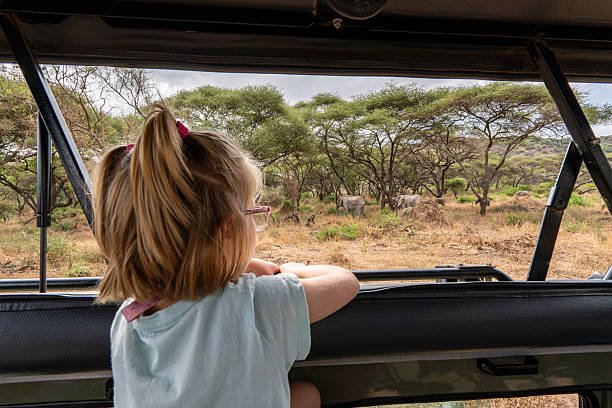
The Great Migration is not a single event but a continuous, circular journey undertaken by an estimated 1.5 million wildebeest, alongside hundreds of thousands of zebras and gazelles, across the vast plains of the Serengeti ecosystem. This annual spectacle is driven by the search for fresh grazing lands and is dictated by the pattern of rainfall. For travelers departing from Arusha, understanding the migration’s phases is crucial for planning a safari that maximizes viewing opportunities. The Serengeti ecosystem spans across northern Tanzania and into Kenya’s Masai Mara, but safaris originating from Arusha primarily focus on the Tanzanian side.
This epic movement is a cornerstone of Tanzanian tourism, drawing visitors from across the globe who want to witness nature’s raw power and drama. The sheer scale is almost incomprehensible: a river of life flowing across the savanna, constantly facing predators like lions, leopards, cheetahs, and hyenas, as well as the perilous challenge of river crossings. Planning a safari from Arusha requires insight into these cyclical movements to ensure you are in the right place at the right time.
The Annual Cycle: A Year-Round Spectacle
While often associated with dramatic river crossings, the Great Migration is a 365-day phenomenon. Each month offers a different perspective on this incredible wildlife display. Knowing the typical locations for each period is key to tailoring your Great Migration safari from Arusha.
- December – March: Calving Season in the South
The migration herds typically gather in the southern Serengeti, particularly around the Seronera and Ndutu areas (which straddle the Serengeti and Ngorongoro Conservation Area). This is the calving season, a time of renewed life and intense predator activity as predators capitalize on vulnerable newborns. Expect to see vast numbers of wildebeest and zebras grazing and nursing their young. It’s a fantastic time for photographers and those interested in the “circle of life.” - April – May: The Move Northward
As the southern plains dry out, the herds begin their journey northwest towards the Western Corridor. This period often sees some of the largest gatherings of wildebeest and zebras. While river crossings are less common, the sheer density of animals on the move is impressive. - June – July: Western Corridor River Crossings
This is the period most famously associated with the migration’s dramatic river crossings. The Grumeti River in the Western Corridor becomes a major obstacle, and wildebeest, zebras, and crocodiles engage in a life-or-death struggle. For many, witnessing this is the ultimate goal of a Great Migration safari from Arusha. - August – October: Northern Serengeti & Mara River Crossings
The herds continue their journey north, often concentrating along the Mara River, which forms part of the border with Kenya’s Masai Mara. The Mara River crossings are legendary, with wildebeest leaping into the churning waters, pursued by crocodiles and waiting predators on the banks. This is peak season for dramatic action, but also for crowds. - November: The Return South
Following the short rains, the migration begins to move south again, heading back towards the central and southern Serengeti plains, completing the cycle. This can be a quieter time to travel, with lush landscapes and potentially good game viewing as herds disperse.
Why Arusha is Your Perfect Starting Point
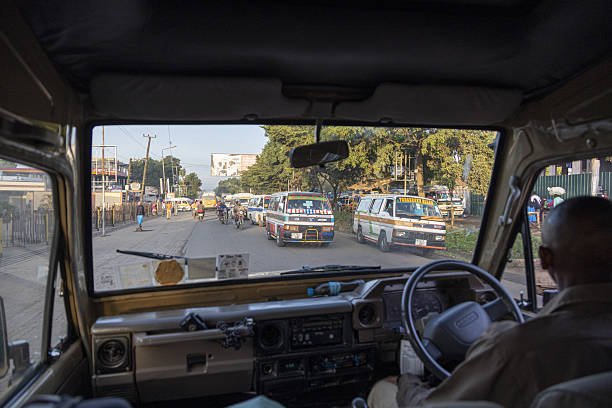
Arusha, a vibrant city situated at the base of Mount Meru, is the undisputed gateway to Tanzania’s northern safari circuit, including the Serengeti, Ngorongoro Crater, Tarangire, and Lake Manyara National Parks. Its strategic location and well-developed tourism infrastructure make it the ideal departure point for your Great Migration safari from Arusha.
Logistical Advantages of Arusha
- International Airport Access: Kilimanjaro International Airport (JRO), located between Arusha and Moshi, receives numerous international flights, making it convenient for travelers to begin their Tanzanian adventure.
- Tour Operator Hub: Arusha hosts a multitude of reputable safari operators, including Top Guide Adventures. This concentration of expertise means you have access to a wide range of safari packages, vehicles, guides, and tailor-made options.
- Pre-Safari Briefings & Acclimatization: Many travelers choose to spend a night or two in Arusha before their safari to acclimatize, meet their guides, receive a detailed briefing, and make any last-minute preparations.
- Gateway to the Northern Circuit: From Arusha, it’s a relatively short drive to the famous parks of the northern circuit. This proximity minimizes travel time on your first day and allows for a more efficient start to your wildlife viewing.
- Accommodation Options: Arusha offers a spectrum of accommodation, from budget-friendly guesthouses to luxurious lodges, catering to all traveler preferences and budgets before and after their safari.
Planning Your Great Migration Safari from Arusha for 2026-2027
Successful planning is the key to an unforgettable Great Migration safari from Arusha. This involves choosing the right time of year, selecting appropriate national parks, deciding on the duration of your safari, and considering your accommodation and budget. The 2026 and 2027 seasons promise incredible wildlife viewing, but early booking is highly recommended, especially for peak migration periods.
Choosing the Right Time for 2026-2027
As outlined above, the ‘best’ time depends on what you want to see. For 2026 and 2027, consider these timings:
- For Calving Season (Jan-Mar): Focus on the southern Serengeti and Ndutu. This is excellent for photography and witnessing predator-prey interactions. Book well in advance for 2026 and 2027, as accommodations in this sensitive area fill up quickly.
- For River Crossings (May-July & Aug-Oct): Target the Western Corridor (Grumeti) or Northern Serengeti (Mara River). These are the most dramatic, but also the most popular and potentially crowded times. Securing your safari for 2026-2027 river crossing periods requires booking at least 6-12 months ahead.
- For General Grazing & Vast Herds (Year-Round): The Serengeti plains always host a portion of the migration. Outside of the peak crossing months, you can find excellent game viewing with fewer crowds, offering a more intimate experience. This is often a more flexible option for last-minute Great Migration safaris from Arusha, though still best booked in advance for 2026-2027.
Typical Itinerary Structures
A typical Great Migration safari from Arusha can range from a few days to over two weeks. Here are some common structures:
Example: 5-Day Serengeti Explorer Safari (Focus on Central/Southern Serengeti)
- Day 1: Arusha to Tarangire National Park
Drive from Arusha to Tarangire, known for its large elephant herds and baobab trees. Game drive and overnight near the park. - Day 2: Tarangire to Serengeti National Park
Morning game drive in Tarangire, then drive to Serengeti, entering via the Naabi Hill Gate. Afternoon game drive en route to your lodge/camp in the Seronera area. - Day 3: Serengeti National Park
Full day of game drives in the central Serengeti (Seronera Valley), a prime location for predator sightings and resident game, with chances to see migrating herds depending on the season. - Day 4: Serengeti National Park
Another full day exploring different regions of the Serengeti, potentially moving towards the south or west based on migration movements and guide recommendations for 2026-2027. - Day 5: Serengeti to Arusha
Morning game drive as you exit the Serengeti, then drive back to Arusha, arriving in the late afternoon.
Example: 7-Day Northern Circuit Migration Focus (Incl. Ngorongoro & Western/Northern Serengeti)
- Day 1: Arusha to Ngorongoro Conservation Area
Drive to Ngorongoro, descend into the crater for a spectacular game drive. Witness diverse wildlife in this unique caldera. Overnight on the crater rim or nearby. - Day 2: Ngorongoro to Serengeti National Park (Western Corridor)
Drive towards the Western Corridor of the Serengeti, famous for the Grumeti River. Game drive en route, focusing on areas where migration herds might be gathering or crossing. Overnight in the Western Corridor. - Day 3: Western Corridor Exploration
Full day game drives in the Western Corridor, seeking out river crossings if the timing aligns for your Great Migration safari from Arusha in 2026-2027. - Day 4: Serengeti (Moving North/Central)
Drive eastwards towards the central Serengeti or the northern regions, depending on migration reports. Game drive en route. Overnight in central or northern Serengeti. - Day 5: Serengeti National Park
Full day game drives exploring the vast plains of the Serengeti, potentially in the Lobo area or near the Mara River, looking for the migration herds and predators. - Day 6: Serengeti to Lake Manyara/Karatu
Morning game drive in the Serengeti, then drive south towards Lake Manyara National Park, famous for its tree-climbing lions. Game drive and overnight in Karatu or near Lake Manyara. - Day 7: Lake Manyara to Arusha
Morning game drive in Lake Manyara, then drive back to Arusha.
Accommodation Styles
Your choice of accommodation significantly impacts your safari experience and budget. For a Great Migration safari from Arusha, options typically include:
- Tented Camps (Mobile & Permanent): Offer a close-to-nature experience. Mobile camps often move to follow the migration, providing prime locations. Permanent tented camps offer more comfort and amenities while maintaining an authentic safari feel.
- Lodges: Range from rustic to luxurious, offering solid structures, private bathrooms, dining rooms, and often swimming pools. They provide a comfortable base after long days of game driving.
- Luxury Fly-in Camps/Lodges: For ultimate convenience and exclusive locations, especially in remote parts of the Serengeti, consider fly-in options. These often come at a higher price point but save significant driving time.
Key Parks and Reserves for the Migration
While the migration moves across a vast area, certain parks and reserves are central to its journey and therefore key destinations for your Great Migration safari from Arusha.
Serengeti National Park
The undisputed heart of the Great Migration. Its sheer size means different sections of the park host different parts of the migration at various times of the year. From the endless plains of the south to the woodlands of the west and the riverine landscapes of the north, the Serengeti offers a dynamic wildlife viewing experience. Planning for 2026-2027 involves understanding which Serengeti region aligns with your desired migration phase.
Ngorongoro Conservation Area (NCA)
While the Ngorongoro Crater itself doesn’t host the main migration herds for extended periods, it is an integral part of their annual cycle. The southern plains of the NCA, particularly the Ndutu area, are crucial calving grounds from December to March. Many safaris combine a visit to the crater with migration viewing in the adjacent Ndutu. This area is particularly vibrant during the 2026-2027 calving seasons.
Masai Mara National Reserve (Kenya)
While this article focuses on safaris *from Arusha* (Tanzania), it’s important to note that the migration crosses into Kenya’s Masai Mara, typically from July/August to October/November. Many extended itineraries combine Tanzanian and Kenyan components, often flying between locations or driving across the border, but the initial departure point remains Arusha.
Maximizing Your Wildlife Viewing Experience
Seeing the Great Migration is a bucket-list item for many. To make the most of your Great Migration safari from Arusha, consider these tips:
- Hire an Experienced Guide: Your guide is your eyes and ears in the bush. A knowledgeable guide from a reputable company like Top Guide Adventures can track the herds, predict movements, and position you for the best sightings.
- Use a Pop-up Roof Safari Vehicle: These vehicles offer unobstructed 360-degree views, crucial for spotting wildlife and for photography.
- Be Patient: Wildlife viewing requires patience. Sometimes the best sightings happen after quiet periods.
- Consider Early Morning and Late Afternoon Drives: These are typically the most active times for predators and when wildlife is most active.
- Respect Wildlife: Maintain a safe distance and never feed the animals. Follow your guide’s instructions.
- Pack Appropriately: Light, neutral-colored clothing is best. Layers are recommended, as temperatures can vary significantly from day to night. Binoculars are essential.
The Role of Predators
The Great Migration is not just about wildebeest and zebras; it’s also a magnet for predators. Lions, hyenas, cheetahs, leopards, and wild dogs all follow the herds, creating incredible opportunities for dramatic wildlife photography and observation. The presence of predators adds another layer of excitement to any Great Migration safari from Arusha, especially during the calving season when young are most vulnerable.
River Crossings: The Ultimate Spectacle
Witnessing a river crossing is a highlight for many safari-goers. The Grumeti and Mara rivers are the main stages for these events.:
- Grumeti River (Western Serengeti): Typically crossed between May and July. The river is wide and often has large crocodiles.
- Mara River (Northern Serengeti): Crossed between July and October. This river is known for its strong currents and a higher concentration of crocodiles, leading to some of the most intense crossings.
It’s important to manage expectations for river crossings. They are natural events, and while tour operators can position you in likely areas, there’s no guarantee a crossing will occur during your specific dates. Flexibility and expert guidance are key for maximizing chances during your Great Migration safari from Arusha.
Logistics and Practicalities for 2026-2027 Safaris
Planning a safari involves several practical considerations. Top Guide Adventures specializes in handling these details to ensure a smooth experience.
Booking Your Safari
Given the popularity of the Great Migration, especially for the 2026 and 2027 seasons, booking well in advance is strongly advised. Peak seasons, particularly the river crossing months, can sell out up to a year in advance. Early booking secures your preferred accommodation and safari dates.
Key booking considerations for 2026-2027:
- Safari Duration: A minimum of 3-4 days is recommended for the Serengeti alone, but 5-7 days allows for a more comprehensive experience, potentially including other parks like Ngorongoro or Tarangire.
- Vehicle Type: 4×4 safari vehicles with pop-up roofs are standard and essential for optimal game viewing.
- Guide Selection: A skilled, English-speaking guide is crucial. Companies like Top Guide Adventures ensure their guides are highly experienced and knowledgeable.
- Accommodation: Choose based on your budget and desired comfort level (lodges, permanent camps, mobile camps).
- Park Fees: These are substantial and usually included in tour packages. They are subject to change, so confirm current rates for 2026-2027.
Costs and Budgeting
The cost of a Great Migration safari from Arusha varies significantly based on:
- Duration of the safari
- Type of accommodation (budget, mid-range, luxury)
- Number of people (private vs. group tours)
- Time of year (peak season is more expensive)
- Inclusions (e.g., park fees, meals, activities)
As a general guideline for 2026-2027, expect prices to range from approximately $250 – $700+ per person per day for mid-range to luxury safaris. Budget options might be lower, while exclusive fly-in safaris can be significantly higher. Top Guide Adventures can provide detailed quotes based on your specific requirements.
Estimated Safari Costs (Per Person Per Day, 2026-2027)
| Accommodation Style | Estimated Daily Cost (USD) | Typical Inclusions |
|---|---|---|
| Budget (Basic Camps/Lodges) | $250 – $350 | Accommodation, park fees, vehicle, guide, meals |
| Mid-Range (Comfortable Lodges/Tented Camps) | $350 – $550 | Higher quality accommodation, park fees, vehicle, guide, meals, some drinks |
| Luxury (High-end Lodges/Exclusive Camps) | $550 – $750+ | Premium accommodation, exclusive locations, all meals, premium drinks, often internal flights |
Note: These are estimates and subject to change. Park fees and conservation levies are significant components. Contact Top Guide Adventures for a personalized quote for your 2026-2027 safari.
Visa, Health, and Travel Insurance
- Visas: Most nationalities require a visa for Tanzania. This can often be obtained online in advance or upon arrival at Kilimanjaro International Airport. Check current requirements for 2026-2027.
- Health: Consult your doctor about necessary vaccinations (e.g., Yellow Fever, Hepatitis A) and malaria prophylaxis. It’s recommended to take anti-malarial medication for safaris in Tanzania.
- Travel Insurance: Comprehensive travel insurance is essential, covering medical emergencies, trip cancellations, and lost belongings. Ensure it covers safari activities.
Choosing a Reputable Tour Operator
Selecting the right tour operator is paramount for a successful Great Migration safari from Arusha. A good operator ensures safety, comfort, expert guiding, and a smooth experience. Top Guide Adventures is a trusted Tanzanian company known for its personal attention, dedicated support, and comprehensive safari planning.
Why Choose Top Guide Adventures for Your 2026-2027 Safari?
- Local Expertise: As a Tanzanian company, we have deep knowledge of the parks, wildlife, and logistics.
- Personalized Service: We offer tailor-made itineraries and ensure individual attention for every client.
- Experienced Guides: Our guides are passionate, knowledgeable, and committed to providing exceptional game viewing experiences.
- Quality Vehicles: We maintain a fleet of well-equipped 4×4 safari vehicles for comfort and optimal viewing.
- Commitment to Sustainability: We promote responsible tourism practices.
Whether you’re planning for the 2026 Great Migration or the 2027 season, Top Guide Adventures can craft the perfect safari itinerary for you. We handle all the details, from airport transfers and accommodation to park fees and expert guiding, allowing you to focus on the incredible wildlife.
Beyond the Migration: Other Wildlife and Experiences
While the Great Migration is a major draw, Tanzania’s northern circuit offers abundant wildlife viewing opportunities year-round. Your Great Migration safari from Arusha can easily be combined with visits to other iconic locations:
- Ngorongoro Crater: A UNESCO World Heritage Site, the crater is a unique ecosystem supporting an astonishing density of wildlife, including the rare black rhino. It’s a must-visit for any northern circuit safari.
- Tarangire National Park: Famous for its massive elephant herds and iconic baobab trees, Tarangire is particularly spectacular during the dry season (June-October) when animals congregate around the Tarangire River.
- Lake Manyara National Park: Known for its tree-climbing lions, large troops of baboons, and diverse birdlife, including large flocks of flamingos (seasonal).
- Mount Kilimanjaro: For the adventurous, a Kilimanjaro climb can be added before or after your safari, departing from Moshi, near Arusha.
- Cultural Experiences: Engage with local Maasai communities to learn about their traditional way of life.
Preparing for Your Departure from Arusha
As your departure date approaches, final preparations are key. Ensure you have:
- Necessary Documents: Passport, visa, flight details, insurance policy, and any vaccination certificates.
- Appropriate Clothing: Pack light, breathable layers in neutral colors. Include a warm jacket or fleece for cool mornings and evenings, a hat, sunglasses, and comfortable walking shoes.
- Camera Gear: Bring extra batteries, memory cards, and a zoom lens for wildlife photography. A good pair of binoculars is essential.
- Personal Items: Sunscreen, insect repellent, basic first-aid kit, and any personal medications.
Top Guide Adventures will provide a comprehensive packing list tailored to your specific safari itinerary for your Great Migration safari from Arusha.
The Future of Great Migration Safaris (2026-2027 and beyond)
The Great Migration is a dynamic natural phenomenon, and conservation efforts are ongoing to protect this vital ecosystem. For travelers planning their safaris in 2026 and 2027, expect continued extraordinary wildlife viewing. Sustainable tourism practices are increasingly important, and choosing operators committed to these principles, like Top Guide Adventures, ensures the long-term health of the migration and its habitat.
As climate patterns evolve, the precise timing and routes of the migration can subtly shift, making experienced guides and real-time tracking essential. This is where the expertise of local operators becomes invaluable. They stay updated on the latest wildlife movements and can adjust itineraries to ensure the best possible viewing opportunities for your Great Migration safari from Arusha.
The experience of witnessing the Great Migration is profound, offering a unique connection to the natural world. It’s a testament to the wildness that still exists and a powerful reminder of the importance of conservation. Arusha stands ready as your gateway to this unparalleled adventure.
Ready to plan your dream Great Migration safari from Arusha for 2026-2027? Contact Top Guide Adventures today to discuss your tailor-made itinerary. You can reach us via WhatsApp at +255616946642 or email us at info@topguideadventures.com. Let us help you create an unforgettable journey through Tanzania’s wild heart.
“,
“faq_schema”: [
{
“question”: “What is the best time of year for a Great Migration safari from Arusha?”,
“answer”: “The ‘best’ time depends on what you want to see. For calving (Jan-Mar), focus on the south. For dramatic river crossings, target the Western Corridor (May-July) or Northern Serengeti (Aug-Oct). Year-round, parts of the migration are always present, offering good game viewing with fewer crowds outside peak season. For 2026-2027, book early for your preferred viewing period.”
},
{
“question”: “How long should my Great Migration safari from Arusha be?”,
“answer”: “A minimum of 3-4 days is recommended for the Serengeti alone. For a more comprehensive experience, including parks like Ngorongoro or Tarangire, 5-7 days is ideal. Longer safaris (10+ days) allow for deeper exploration and more relaxed pacing.”
},
{
“question”: “What is the typical cost of a Great Migration safari from Arusha?”,
“answer”: “Costs vary greatly, typically ranging from $250 to $700+ per person per day for 2026-2027 safaris, depending on accommodation style (budget, mid-range, luxury), duration, and inclusions. Contact Top Guide Adventures for a personalized quote.”
},
{
“question”: “What is included in a Great Migration safari package from Arusha?”,
“answer”: “Standard inclusions usually cover accommodation, park entry fees, a 4×4 safari vehicle with a pop-up roof, an experienced driver-guide, meals, and drinking water during game drives. Exclusions often include international flights, visas, tips, and personal expenses. Confirm specifics with your tour operator.”
},
{
“question”: “Can I see the Great Migration in 2026 or 2027?”,
“answer”: “Yes, the Great Migration is a continuous cycle. While the exact locations vary, you can plan to see different phases of it throughout 2026 and 2027. Booking well in advance is crucial, especially for peak seasons like river crossings or calving periods.”
},
{
“question”: “What should I pack for a Great Migration safari from Arusha?”,
“answer”: “Pack light, neutral-colored clothing in breathable fabrics. Include layers for cooler mornings/evenings, a warm jacket, hat, sunglasses, comfortable shoes, sunscreen, insect repellent, a camera with zoom lens, binoculars, and any personal medications. A detailed packing list will be provided by your tour operator.”
}
]
}
“`
Check Availability for Great Migration Safaris From Arusha 2026-2027
Ready to compare dates, prices, and the best option for your group? Send the package name and travel month so the team can reply with a clear quote, availability, and what is included.
South Sudan Wildlife Migration Guide 2026-2027
South Sudan Wildlife Migration Guide is explained with current 2026-2027 planning, price, itinerary and booking information.
View package details
Tanzania Safaris: Family, Honeymoon & Solo Adventures In 2026-2027
Discover tailored Tanzania safari experiences for every traveler. Whether you're planning a family adventure, a romantic honeymoon, or a solo expedition in 2026-2027, Top Guide Adventures...
View package detailsUsajili Wa Simba / Dates: Football Tourism Tanzania & Safari Packages
Planning to experience 'Usajili wa Simba' in Tanzania during the 2026/2027 season? This guide covers the likely dates, what to expect, and how to combine this unique football event with...
View package detailsAfcon Tanzania Travel Guide, Safari Tours And Match Packages 2026-2027
AFCON 2027 Tanzania Travel Guide, Safari Tours and Match Packages is explained with current 2026-2027 planning, price, itinerary and booking information.
View package detailsFootball Players With Most Endorsements And Their African Holidays 2026-2027
Explore the connection between high-earning footballers, their lucrative endorsement deals, and their preferred holiday escapes in Africa. From the beaches of Zanzibar to the wilds of the...
View package detailsHistorical Sites In East Africa & Cultural Safari Tours In 2026-2027
Discover East Africa's compelling historical sites and vibrant cultural experiences through specialized safari tours in 2026-2027. This guide covers key locations, tour types, and planning...
View package detailsHighest Paid Artists In Africa And Exclusive Safari Holidays 2026-2027
Explore the financial success of Africa's top music and art stars in 2026 and how you can combine this insight with an unforgettable luxury safari experience in Tanzania. Top Guide...
View package detailsRichest African Musician And The Luxury Safari Lifestyle 2026-2027
Discover the opulent world of Africa's wealthiest musicians and their unparalleled luxury safari experiences in Tanzania. Learn about the 2026-2027 trends in exclusive travel, focusing on...
View package detailsDiscount Tanzania Treks And Affordable Safari Packages In 2026-2027
Discover how to plan discount Tanzania treks and affordable safari packages for your 2026-2027 adventure. This comprehensive guide covers budget-friendly options for iconic destinations...
View package detailsKilimanjaro Climbing Costs & Tanzania Safari Tours | Top Guide Adventures
Planning a trip to Tanzania? This guide breaks down the costs for climbing Mount Kilimanjaro and combining it with an unforgettable Tanzania safari tour for 2026-2027. Learn about pricing...
View package detailsTop 20 Richest Presidents In The World And Exclusive Safari Holidays 2026-2027
Explore the financial standing of the world's wealthiest presidents in 2026 and connect this with the allure of exclusive safari holidays, particularly in stunning Tanzania.
View package detailsRichest Man In Tanzania & Luxury Safari Experiences In 2026-2027
Explore the pinnacle of luxury safari experiences in Tanzania, from exclusive lodges to private game drives, and gain insight into the nation's wealthiest individuals. Top Guide Adventures...
View package detailsNo related package matches those filters. Clear one or more filters to see the other topic-matched options.



