
An Ethiopian Coffee and Heritage Journey offers an in-depth cultural experience focused on the birthplace of coffee, blending ancient traditions, historical sites, and vibrant local life. It typically involves participating in the traditional Ethiopian coffee ceremony, visiting historical landmarks like Lalibela and Gondar, exploring tribal cultures in the Omo Valley, and understanding the deep connection between coffee and Ethiopian identity, with planning for 2026-2027 trips now possible for unique, personalized adventures.
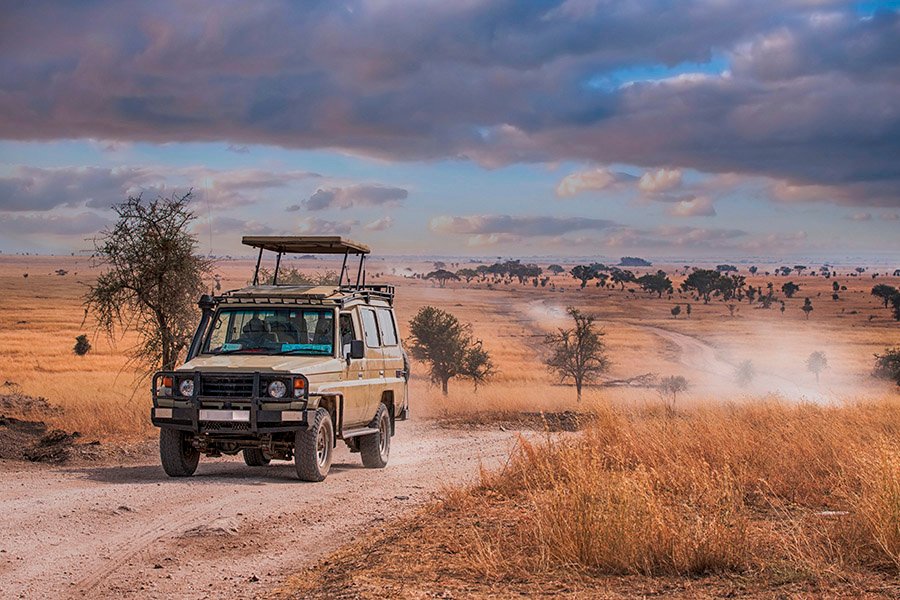

The Genesis of Coffee and Culture: An Ethiopian Coffee and Heritage Journey
Ethiopia, a land steeped in history and natural beauty, is globally renowned as the birthplace of coffee. An Ethiopian Coffee and Heritage Journey is more than just a trip; it’s a profound exploration into the soul of a nation, where the aroma of roasting beans intertwines with millennia of history, tradition, and diverse cultural practices. This journey invites travelers to move beyond the typical tourist trails and connect with the authentic heart of Ethiopia, from the ancient rituals surrounding its most famous export to the living heritage of its peoples and landscapes. As we look towards 2026 and 2027, the appeal of such a deeply cultural and sensory experience is stronger than ever, offering a meaningful escape from the everyday.
Top Guide Adventures, while primarily known for its exceptional Tanzania safaris and Kilimanjaro climbs, extends its expertise in crafting authentic cultural experiences to Ethiopia, recognizing the shared spirit of adventure and discovery that defines East African travel. This guide aims to provide an in-depth look at what constitutes an Ethiopian Coffee and Heritage Journey, detailing the key elements, potential itineraries, cultural nuances, and practical considerations for planning your unforgettable expedition in the coming years.
Why Choose an Ethiopian Coffee and Heritage Journey?
The allure of Ethiopia lies in its unparalleled contribution to global culture and its status as a cradle of civilization. Choosing a journey focused on its coffee and heritage provides several unique benefits:
- Authentic Cultural Immersion: Unlike many destinations, Ethiopia offers direct engagement with living traditions, particularly the revered coffee ceremony, which is central to social life.
- Historical Depth: Explore UNESCO World Heritage sites, ancient kingdoms, rock-hewn churches, and Islamic heritage, offering a glimpse into a rich and complex past.
- Biodiversity and Natural Wonders: The journey can be seamlessly combined with explorations of Ethiopia’s diverse landscapes, from the Simien Mountains to the Danakil Depression.
- The Origin of Coffee: Experience firsthand the world’s most beloved beverage at its source, understanding its cultivation, preparation, and cultural significance.
- Unique Tribal Encounters: For the adventurous, visiting the Omo Valley offers encounters with some of the world’s most fascinating and visually striking indigenous tribes.
The Heart of the Journey: The Ethiopian Coffee Ceremony
No Ethiopian Coffee and Heritage Journey is complete without experiencing the traditional coffee ceremony, or ‘Buna’. This is not merely about drinking coffee; it’s a vital social ritual, an art form, and an expression of hospitality that can last for hours. Understanding and participating in this ceremony is key to grasping Ethiopian culture.
The Ritual Unveiled
The ceremony is typically performed by a woman and involves several distinct stages:
- Preparation: Green coffee beans are washed, then roasted in a flat pan over a small charcoal brazier. The aroma of the roasting beans is considered an integral part of the experience.
- Grinding: The roasted beans are ground, often using a traditional mortar and pestle.
- Brewing: The ground coffee is brewed in a ‘jebena’, a traditional round-bottomed clay pot with a long spout. Water is added, and the jebena is placed back on the brazier to boil.
- Serving: The coffee is poured from the jebena into small, handleless cups held high above the rim, creating a delicate stream. This is done three times, with the first brew being the strongest (‘Abol’), followed by a second (‘Tona’), and a third, weaker brew (‘Bereka’), which is considered a blessing.
Cultural Significance
The coffee ceremony is a cornerstone of social life in Ethiopia. It’s an offering of hospitality, a chance for neighbors to gather, friends to catch up, and for important discussions to take place. Refusing coffee offered in this manner can be considered impolite. The ceremony is often accompanied by incense, such as frankincense, adding to the sensory richness of the experience. For travelers in 2026-2027, embracing this ritual with an open heart is crucial for genuine connection.
Historical and Cultural Pillars of an Ethiopian Journey
Beyond the coffee ceremony, Ethiopia’s heritage is etched in its ancient history, diverse religious influences, and unique ethnic groups. A comprehensive journey will likely touch upon these key areas:
The Historic Route
This classic circuit connects some of Ethiopia’s most significant historical and cultural sites:
- Addis Ababa: The vibrant capital city offers a starting point, with museums like the National Museum (home to “Lucy”), the Holy Trinity Cathedral, and bustling markets like Merkato.
- Bahir Dar: Located on the shores of Lake Tana, this city is the gateway to the Blue Nile Falls and the ancient monasteries on the lake’s islands, many of which have preserved ancient manuscripts and religious art.
- Gondar: Known as the “Camelot of Africa,” Gondar boasts a magnificent royal enclosure with castles and palaces dating back to the 17th century, reflecting a unique Axumite architectural style. The Debre Berhan Selassie Church, with its stunning angel-adorned ceiling, is a must-see.
- Axum: The heart of the ancient Axumite Empire, this city is famed for its colossal obelisks (stelae), the ruins of ancient palaces, and the Church of Our Lady Mary of Zion, which is believed to house the Ark of the Covenant.
- Lalibela: Perhaps Ethiopia’s most iconic destination, Lalibela is a UNESCO World Heritage site featuring eleven monolithic rock-hewn churches carved directly from the earth in the 12th century. These churches are architectural marvels and active places of worship.
The Southern Omo Valley
For those seeking a deeper, more anthropological experience, the Omo Valley in southern Ethiopia is unparalleled. This region is home to numerous indigenous tribes, each with distinct customs, body adornments, and social structures.
- Tribes: Encounters can include the Hamer, Mursi (famous for their lip plates), Karo, Suri, and Dassanech peoples. It’s important to approach these visits with respect and cultural sensitivity, ideally through guides who facilitate respectful interactions.
- Cultural Practices: Witness unique ceremonies, traditional attire, body painting, and daily life that has remained largely unchanged for centuries.
- Photography: The Omo Valley is a photographer’s paradise, but ethical photography practices are paramount. Always seek permission and consider supporting the communities directly.
Harar: The Walled City
Harar, located in eastern Ethiopia, offers a different historical and cultural perspective. It’s a walled city with a rich Islamic heritage and a labyrinthine old town (known as Jugol) that is a UNESCO World Heritage site.
- Atmosphere: Explore narrow alleys, traditional houses with distinctive facades, and bustling markets.
- Hyena Men: Harar is famous for its tradition of ‘hyena men’ who feed wild hyenas on the outskirts of the city, a unique spectacle for visitors.
- Cultural Blend: Harar’s history as a trading center has resulted in a fascinating blend of Islamic and African cultures.
Crafting Your Ethiopian Coffee and Heritage Journey for 2026-2027
Planning an Ethiopian Coffee and Heritage Journey requires careful consideration of duration, interests, and logistics. Top Guide Adventures can help tailor an itinerary that perfectly matches your desires, whether you are looking for a shorter cultural deep-dive or an extensive exploration.
Typical Durations and Itinerary Structures
A well-rounded Ethiopian Coffee and Heritage Journey typically ranges from 10 to 21 days, allowing for sufficient time to experience key sites without rushing.
- 10-12 Days: Focuses on the Historic Route (Addis Ababa, Bahir Dar, Gondar, Lalibela, Axum). This is ideal for travelers with limited time who want to cover the most significant historical and cultural highlights.
- 14-16 Days: Expands the Historic Route to include more in-depth exploration of each site, perhaps adding a visit to the Simien Mountains for a taste of Ethiopia’s natural beauty, or a brief introduction to coffee regions.
- 18-21 Days: Offers the most comprehensive experience, typically combining the Historic Route with an exploration of the Omo Valley or Harar. This allows for deeper cultural immersion, more relaxed pacing, and potentially visits to lesser-known areas.
Tailoring Your 2026-2027 Adventure
When planning for 2026 or 2027, consider these personalization options:
- Coffee Focus: If coffee is your primary interest, we can arrange visits to coffee-growing regions like Kaffa (the legendary birthplace of coffee) or Yirgacheffe, including tours of coffee farms and processing centers.
- Trekking and Nature: Combine heritage sites with trekking in the Simien Mountains, exploring Bale Mountains National Park, or visiting the Danakil Depression for its unique geological wonders.
- Bird Watching: Ethiopia is a birdwatcher’s paradise, especially around Lake Tana and in the southern highlands.
- Religious Sites: For those interested in religious history, dedicating more time to Axum, Lalibela, and the monasteries of Lake Tana can be arranged.
Practicalities for Your Ethiopian Coffee and Heritage Journey
Successful travel in Ethiopia relies on understanding its unique logistical, cultural, and practical aspects. Top Guide Adventures prioritizes making these aspects as smooth as possible for our clients planning for 2026-2027.
Best Time to Travel
The best time to visit Ethiopia for a Coffee and Heritage Journey is generally during the dry seasons:
- September to February: This period offers pleasant temperatures and minimal rainfall, ideal for exploring historical sites and engaging in outdoor activities. The post-rainy season (Sept-Oct) brings lush green landscapes.
- March to May: These months are warmer and can see the beginnings of short rains, but are still generally good for travel, especially in the northern highlands.
- June to August: This is the main rainy season, particularly in the highlands. While some areas might be less accessible, it’s a good time for birdwatching and can offer fewer crowds. The Omo Valley in the south has a different climate pattern, with rain often occurring in April-May and October-November, making it more accessible during the highlands’ rainy season.
Visas and Entry Requirements
Most nationalities require a visa to enter Ethiopia. This can often be obtained online through the Ethiopian e-visa portal or upon arrival at Bole International Airport in Addis Ababa. It’s advisable to check the latest requirements well in advance of your 2026-2027 travel dates.
Health and Vaccinations
Consult your doctor or a travel clinic at least 6-8 weeks before your trip. Recommended vaccinations often include Hepatitis A, Typhoid, Tetanus, and potentially others depending on your itinerary and health history. Malaria prophylaxis is recommended for certain areas, particularly the Omo Valley and low-lying regions.
Currency and Budget Considerations
The local currency is the Ethiopian Birr (ETB). While credit cards are accepted in larger hotels and some shops in Addis Ababa, cash is essential for most transactions, especially in rural areas and smaller towns. ATMs are available in cities but can be unreliable.
The cost of an Ethiopian Coffee and Heritage Journey varies significantly based on accommodation standards, duration, included activities, and private vs. group travel. For 2026-2027 planning, expect a range:
- Budget: $150 – $200 USD per person per day (basic guesthouses, local transport, simpler meals).
- Mid-Range: $250 – $350 USD per person per day (comfortable hotels, private vehicle with driver/guide, most meals, entrance fees).
- Luxury: $400+ USD per person per day (high-end lodges and hotels, premium services, exclusive experiences).
These figures are indicative and exclude international flights. Top Guide Adventures provides customized quotes based on your specific requirements for 2026-2027 travel.
Accommodation
Accommodation in Ethiopia ranges from basic guesthouses and local hotels to more comfortable mid-range hotels and a growing number of luxury lodges, particularly in key tourist areas. In remote regions like the Omo Valley, accommodation can be more rustic, often consisting of lodges with basic amenities or even camping. We ensure that accommodations align with your comfort preferences and the nature of your journey.
Transportation
Internal travel in Ethiopia often involves a combination of:
- Flights: Domestic flights are essential for covering long distances quickly between major hubs like Addis Ababa, Bahir Dar, Gondar, Axum, and Lalibela.
- 4×4 Vehicles: For exploring regions like the Omo Valley or navigating rougher terrain, sturdy 4×4 vehicles are indispensable.
- Buses: While local buses are available, they are generally not recommended for tourists due to comfort, safety, and time constraints.
Top Guide Adventures typically arranges private 4×4 vehicles with experienced drivers and guides for our cultural journeys, ensuring comfort and access to remote areas.
Deepening Your Understanding: Beyond the Surface
An Ethiopian Coffee and Heritage Journey offers opportunities to engage with the country on multiple levels. Understanding the nuances of Ethiopian society will enrich your experience immensely.
Language and Communication
The official language is Amharic, but many other languages and dialects are spoken across the country, including Oromo, Tigrinya, and various tribal languages. English is spoken in tourist areas, hotels, and by guides. Learning a few basic Amharic phrases like ‘Selam’ (Hello) and ‘Amesegnalehu’ (Thank you) will be greatly appreciated by locals.
Religion and Social Customs
Ethiopia has a long and complex religious history, with Ethiopian Orthodox Christianity being dominant in the northern highlands, while Islam is prevalent in many urban centers and parts of the east. Indigenous beliefs are strong in the Omo Valley. Respect for religious sites and practices is paramount. Dress modestly when visiting churches and mosques. Public displays of affection are generally frowned upon.
Food and Drink
Ethiopian cuisine is distinct and delicious. The staple food is ‘Injera’, a sour, spongy flatbread made from teff flour, served with various stews called ‘Wots’ (meat, vegetable, or lentil-based). ‘Kitfo’ (raw minced beef, sometimes lightly cooked) and ‘Tibs’ (sautéed meat) are popular meat dishes. Beyond coffee, traditional drinks include ‘Tej’ (honey wine) and local beers.
The Role of Top Guide Adventures in Your Journey
While Top Guide Adventures is renowned for its Tanzanian adventures, the principles of personalized service, deep local knowledge, and a commitment to authentic experiences are what we bring to Ethiopia. Our team understands the complexities of travel in East Africa and can curate an Ethiopian Coffee and Heritage Journey that is both comprehensive and deeply personal.
For your 2026-2027 travels, we offer:
- Expertly Crafted Itineraries: Based on your interests, pace, and budget.
- Experienced Local Guides: Who provide invaluable cultural insights and historical context.
- Logistical Support: Handling all internal flights, ground transportation, and accommodation bookings.
- Cultural Sensitivity Training: Ensuring you are well-prepared for respectful interactions with local communities.
- 24/7 Support: Dedicated assistance throughout your journey.
Whether you’re dreaming of witnessing the ancient ceremonies in Lalibela, sharing coffee with a family in a small village, or observing the unique traditions of the Omo Valley tribes, we are here to make it happen. Contact us to start planning your unforgettable Ethiopian Coffee and Heritage Journey for 2026 or 2027.
Planning Your 2026-2027 Ethiopian Coffee and Heritage Journey
Booking your Ethiopian Coffee and Heritage Journey for 2026 or 2027 allows you ample time to prepare and secure the best experiences. Early planning is especially recommended if you wish to visit during peak seasons or include visits to more remote regions like the Omo Valley, where logistics can be more complex. Consider these next steps:
- Define Your Interests: Are you more drawn to ancient history, tribal cultures, coffee origins, or a blend of everything?
- Determine Your Budget: This will guide accommodation choices and the overall scope of your trip.
- Choose Your Travel Style: Do you prefer private tours, small group departures, or a mix?
- Contact Us: Reach out to Top Guide Adventures via WhatsApp +255616946642 or email info@topguideadventures.com to discuss your vision.
An Ethiopian Coffee and Heritage Journey is a special experience that connects you to the very roots of one of the world’s most cherished traditions and one of its most ancient civilizations. Let us guide you through the wonders of Ethiopia, creating memories that will last a lifetime.
Check Availability for Ethiopian Coffee And Heritage Journey: A Deep Dive For 2026-2027
Ready to compare dates, prices, and the best option for your group? Send the package name and travel month so the team can reply with a clear quote, availability, and what is included.



