
For many travelers, East Africa and Southern Africa offer distinct yet equally rewarding safari experiences, making the choice deeply personal. East Africa, particularly Tanzania and Kenya, is renowned for the Great Migration, vast open plains of the Serengeti and Maasai Mara, and iconic encounters with the Big Five in dramatic landscapes, ideal for classic game drives. Southern Africa, including Botswana, South Africa, and Zambia, often provides a more diverse range of activities like walking safaris, mokoro excursions, and night drives, with a focus on more intimate, off-the-beaten-path wilderness areas and abundant, easily spotted wildlife year-round, especially in areas like the Okavango Delta and Kruger National Park. The “better” choice depends on your priorities: chasing the migration and dramatic scenery (East Africa) versus diverse activities and consistent, accessible wildlife viewing (Southern Africa).
Choosing Your Ultimate Safari: East Africa vs. Southern Africa in 2026-2027
The question of whether East Africa or Southern Africa is “better” for a safari is one that sparks passionate debate among seasoned travelers and first-time adventurers alike. The truth is, neither region is definitively superior; they simply offer different, exceptional safari experiences. Your ideal choice hinges entirely on what you envision for your African adventure, your budget, the time of year you plan to travel in 2026 or 2027, and your personal preferences for wildlife encounters, landscapes, and activities.
At Top Guide Adventures, we’ve helped countless explorers craft their dream safaris in Tanzania, a jewel of East Africa. We understand the nuances that make each region unique. This comprehensive guide aims to equip you with the knowledge to make an informed decision, whether your heart is set on the thundering herds of the Serengeti or the serene waterways of the Okavango Delta.
We’ll explore the defining characteristics of each region, compare their strengths and weaknesses, and provide insights into which might best suit your travel style for upcoming seasons like 2026 and 2027. Let’s look at what makes East Africa and Southern Africa such distinct, yet equally magnificent, safari destinations.
Understanding the Core Differences: A Snapshot Comparison
Before we explore deeper, let’s establish a clear overview of what sets these two safari powerhouses apart:
- Greatest Wildlife Spectacle: East Africa, particularly Tanzania and Kenya, is unparalleled for the Great Migration, a year-round movement of millions of wildebeest, zebras, and gazelles. Southern Africa offers consistently high wildlife concentrations, especially in Botswana and South Africa, with excellent Big Five viewing outside of migratory patterns.
- Landscape Variety: East Africa boasts iconic vast savannas, dramatic escarpments (like the Ngorongoro Crater), and Kilimanjaro’s imposing presence. Southern Africa offers a wider spectrum, from the unique inland delta of Botswana to the bushveld of South Africa, the Zambezi River’s power, and the arid beauty of Namibia.
- Safari Activities: While both offer game drives, Southern Africa often excels in walking safaris, mokoro (dugout canoe) safaris, and night drives, allowing for a more diverse range of interactions with the environment. East Africa is historically more focused on traditional vehicle-based game drives, though walking safaris are increasingly available.
- Infrastructure and Lodging: Both regions offer a full spectrum from budget camping to ultra-luxury lodges. East Africa, especially Tanzania and Kenya, has a well-established tourism infrastructure. Southern Africa, particularly South Africa and Botswana, often features more exclusive, private concessions and high-end lodges, offering a sense of remoteness.
- Best Time to Visit: Both regions have optimal seasons, but often for different reasons. East Africa’s prime time often aligns with the dry season (June-October) for migration viewing and river crossings. Southern Africa’s dry season (May-October) is also excellent for game viewing due to concentrated wildlife around water sources, while the green season (November-April) offers lush landscapes and birding.
- Cost: Safaris in both regions can range widely. However, certain destinations in Southern Africa, like Botswana, are known for their high-end, exclusive, and thus more expensive, model. South Africa can offer more budget-friendly options due to a wider range of accommodations and self-drive possibilities. East Africa offers a broad spectrum, with Tanzania providing excellent value for comprehensive experiences.
East Africa: The Realm of Epic Migrations and Iconic Landscapes
East Africa is often the first image that comes to mind when people dream of an African safari. It’s a region synonymous with classic wildlife documentaries, vast plains teeming with animals, and some of the most famous national parks in the world. For travelers planning their trips for 2026 or 2027, understanding its unique draw is crucial.
Kenya and Tanzania: The Pillars of East African Safari
When we talk about East African safaris, Kenya and Tanzania are the titans. These two countries share the Serengeti-Mara ecosystem, making them the stage for the planet’s most phenomenal wildlife event.
The Great Migration: A Natural Wonder
The Great Migration is, without question, East Africa’s most significant wildlife draw. This colossal movement of over 1.5 million wildebeest, hundreds of thousands of zebras, and countless gazelles is a never-ending cycle dictated by the rains and fresh grazing.
- Serengeti National Park (Tanzania): The Serengeti is the heart of the migration for much of the year. From January to March, the southern Serengeti plains are where the wildebeest calve, a period of intense predator activity. As the rains shift north, the herds follow, moving towards the western corridor and then north towards the Mara River.
- Maasai Mara National Reserve (Kenya): From roughly July to October, the herds cross the Mara River into the Maasai Mara. Witnessing these dramatic river crossings, where wildebeest and zebras brave crocodile-infested waters, is a bucket-list experience for many. The Mara offers excellent predator sightings throughout the year, but the migration season is particularly electrifying.
- Timing is Everything: Planning your 2026 or 2027 safari around the migration is key. The precise timing can vary slightly each year based on rainfall patterns, but the general movements are predictable. For the iconic river crossings, aim for July-September. For the calving season, January-March is ideal. For general excellent game viewing with herds present, consider the shoulder months or the migration’s transit through different parts of the Serengeti.
Iconic National Parks and Reserves
Beyond the migration, East Africa offers a wealth of diverse ecosystems and wildlife hotspots:
- Ngorongoro Conservation Area (Tanzania): A UNESCO World Heritage Site, the Ngorongoro Crater is a geological marvel and a wildlife haven. This ancient volcanic caldera boasts an incredibly high density of wildlife, including the Big Five (lion, leopard, elephant, rhino, buffalo), often within a single day’s game drive. Its compact size makes it exceptionally rewarding for spotting wildlife, especially for those with limited time.
- Tarangire National Park (Tanzania): Known for its large elephant herds and iconic baobab trees, Tarangire is a must-visit, especially during the dry season (June-October) when animals congregate around the Tarangire River. It offers a more tranquil experience than the Serengeti or Ngorongoro.
- Lake Manyara National Park (Tanzania): Famous for its tree-climbing lions and large troops of baboons, Lake Manyara offers a different landscape with its alkaline lake, groundwater forests, and savannah. It’s a good addition to a Northern Circuit itinerary.
- Amboseli National Park (Kenya): Offering impressive views of Mount Kilimanjaro as a backdrop, Amboseli is renowned for its large elephant populations. It’s a photographer’s paradise and provides excellent opportunities for close-up elephant encounters.
- Tsavo National Parks (Kenya): Kenya’s largest parks, Tsavo East and West, are known for their vast, arid landscapes and red-dusted elephants. They offer a more rugged and less crowded safari experience.
Landscape and Scenery
East Africa’s landscapes are dramatic and sweeping. Think endless golden savannas stretching to the horizon, punctuated by acacia trees. The Ngorongoro Crater presents a unique, sunken world, while Kilimanjaro looms majestically in the background of many Kenyan and northern Tanzanian scenes. This visual grandeur is a significant part of the East African safari allure.
Activities in East Africa
The quintessential East African safari experience revolves around vehicle-based game drives. Expert guides navigate the parks, using their knowledge and experience to track animals. Other activities are becoming more common:
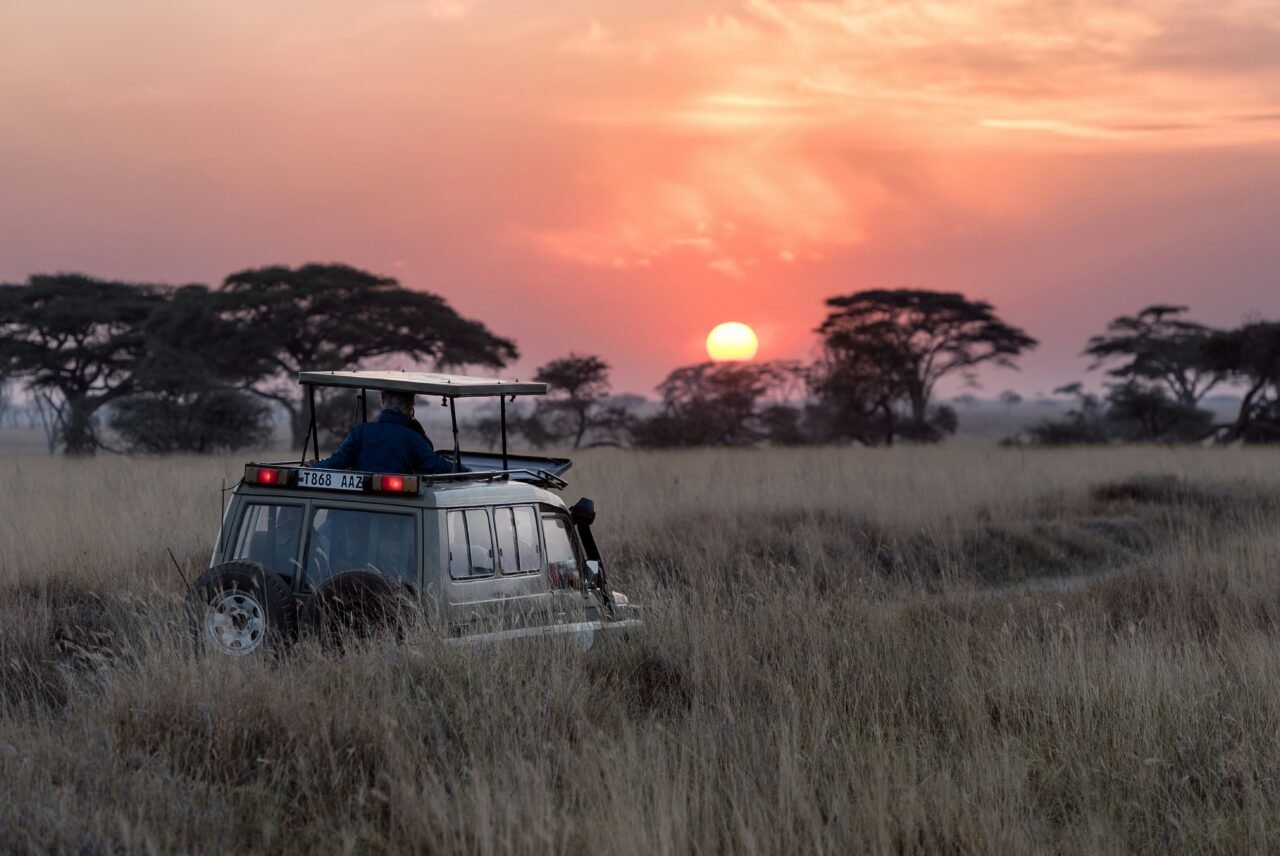
- Game Drives: The primary way to see wildlife, often conducted in custom-built 4×4 safari vehicles with pop-up roofs for optimal viewing.
- Walking Safaris: Offered in select areas and conservancies outside the main national parks, allowing for a more intimate connection with the bush.
- Hot Air Balloon Safaris: A popular, albeit more expensive, activity, especially over the Serengeti or Maasai Mara, offering a bird’s-eye view of the landscape and wildlife at sunrise.
- Cultural Visits: Encounters with Maasai communities are a common and enriching part of many East African itineraries, offering insight into local traditions.
Best Time to Visit East Africa (2026-2027 Considerations
The dry season, generally from June to October, is peak season in East Africa. This is when wildlife is most concentrated around water sources, and river crossings for the Great Migration are most likely. The shoulder months (May, November) can offer good value with fewer crowds. The green season (November-May) offers lush landscapes, birding opportunities, and calving season in the Serengeti, but some roads can become challenging.
Who is East Africa Best For?
- Travelers seeking the iconic Great Migration experience.
- Those who dream of vast, open savanna landscapes.
- Photographers looking for dramatic backdrops and wildlife action.
- Visitors interested in Maasai cultural interactions.
- Those who prioritize classic, vehicle-based game viewing.
Southern Africa: Diversity, Intimacy, and Adventure
Southern Africa offers a different, yet equally compelling, safari narrative. It’s a region characterized by its remarkable diversity – from the watery wilderness of Botswana’s Okavango Delta to the dense bush of South Africa’s Kruger, and the dramatic landscapes of Namibia and Zimbabwe.
Botswana: The Crown Jewel of Exclusive Safaris
Botswana is often hailed as the pinnacle of luxury and conservation-focused safaris. Its model emphasizes low-volume, high-cost tourism, which translates into incredibly exclusive and pristine wildlife experiences.
- Okavango Delta: A UNESCO World Heritage Site, the Okavango Delta is a unique inland delta that floods seasonally, creating a labyrinth of channels, lagoons, and islands. This creates a spectacular environment for wildlife viewing.
- Mokoro Safaris: Gliding through the Delta in a traditional dugout canoe (mokoro) is an unforgettable experience. It offers a silent, intimate way to observe wildlife along the waterways, often getting very close to elephants, hippos, and diverse birdlife.
- Walking Safaris: Botswana is a leader in walking safaris. Exploring the bush on foot with experienced guides allows for a deeper understanding of the ecosystem, from tracking animal spoor to identifying insects and plants.
- Chobe National Park: Famous for its massive elephant herds, particularly along the Chobe River, and its prolific lion population. Boat safaris on the Chobe River offer fantastic game viewing opportunities.
- Moremi Game Reserve: Located within the Okavango Delta, Moremi is known for its exceptionally high wildlife density and diverse habitats, making it a prime location for spotting predators like leopards and wild dogs.
South Africa: Accessibility and Variety
South Africa offers arguably the most diverse safari options, catering to a wide range of budgets and preferences.
- Kruger National Park: One of Africa’s largest and most famous game reserves. Kruger offers excellent Big Five viewing, with a well-developed infrastructure. It’s possible to self-drive here, making it more accessible and affordable.
- Private Game Reserves (Sabi Sands, Timbavati, etc.): Adjacent to Kruger, these private concessions offer a more exclusive experience with off-road driving, night drives, and guided walks. Sabi Sands, in particular, is world-renowned for its leopard sightings.
- Variety of Landscapes: From the savannahs of Kruger to the Drakensberg Mountains and the coastlines, South Africa provides a varied backdrop for safaris.
- Ease of Travel: South Africa has excellent infrastructure, making it easy to combine a safari with visits to Cape Town, the Garden Route, or the Winelands.
Zambia: The Birthplace of Walking Safaris
Zambia is the spiritual home of the walking safari. Its parks, like South Luangwa and Lower Zambezi, are vast, wild, and relatively undeveloped, offering an authentic, off-the-beaten-path experience.
- South Luangwa National Park: Considered one of the best parks in Africa for walking safaris. It’s also renowned for its high leopard population and diverse wildlife. The Luangwa River is a lifeline, attracting abundant game.
- Lower Zambezi National Park: Offers a stunning combination of wildlife viewing and the Zambezi River. Activities include game drives, walking safaris, and canoeing safaris, providing a unique perspective on the abundant wildlife along the riverbanks.
- Remote Wilderness: Zambia offers a feeling of true wilderness and solitude, with fewer tourists compared to some other popular destinations.
Zimbabwe and Namibia: Dramatic Landscapes and Unique Wildlife
These countries offer distinct safari experiences:
- Hwange National Park (Zimbabwe): Known for its massive elephant herds, particularly during the dry season when they gather at pumped waterholes. It also has a healthy population of wild dogs and lions.
- Mana Pools National Park (Zimbabwe): Famous for its Zambezi River floodplain and the ability to walk freely (with a guide) in certain areas. It’s known for elephants, hippos, and incredible birdlife.
- Etosha National Park (Namibia): Characterized by a vast salt pan, Etosha’s wildlife congregates around waterholes, making for exceptional and concentrated viewing. It’s also home to rare species like the black rhino and the desert-adapted elephant.
- Damaraland (Namibia): Offers a unique desert-adapted wildlife experience, including desert elephants and rhinos, in stark, beautiful landscapes.
Landscape and Scenery
Southern Africa’s landscapes are incredibly varied. You’ll find the lush, water-rich environments of the Okavango Delta, the dry, rugged beauty of Etosha and Damaraland, the dense woodlands of Kruger, and the mighty Zambezi River. The scenery is often more diverse and can feel more intimate than the sweeping plains of East Africa.
Activities in Southern Africa
Southern Africa shines in its diversity of safari activities:
- Game Drives: Standard in most parks, often with the advantage of night drives in private reserves, allowing for sightings of nocturnal animals.
- Walking Safaris: A signature experience, particularly in Zambia and Botswana, offering an unparalleled connection to the wild.
- Mokoro Safaris: Unique to the Okavango Delta, providing a peaceful and in-depth way to explore waterways.
- Canoe Safaris: On rivers like the Zambezi, offering close encounters with hippos, crocodiles, and elephants drinking at the water’s edge.
- Boat Safaris: Excellent for birdwatching and viewing large mammals like elephants and hippos, especially on rivers like the Chobe.
- Horseback Safaris: Available in some areas, offering a different perspective on the landscape and wildlife.
- Self-Drive Options: Particularly in South Africa and Namibia, offering flexibility and budget control.
Best Time to Visit Southern Africa (2026-2027 Considerations)
The dry season, typically May to October, is considered prime time for game viewing across most of Southern Africa. Wildlife congregates around permanent water sources, making them easier to spot. The vegetation thins out, improving visibility. The green season (November to April) is characterized by lush landscapes, newborn animals, excellent birding, and fewer tourists, often at lower prices. However, some areas might become inaccessible due to rain.
Who is Southern Africa Best For?
- Travelers seeking a wide variety of safari activities beyond game drives.
- Those interested in walking safaris or mokoro excursions.
- Visitors who appreciate exclusive, private concessions and high-end lodges.
- Budget-conscious travelers looking for accessible options like self-driving in South Africa.
- People interested in diverse landscapes, from deltas to deserts.
- Travelers wanting to see specific animals like leopards (Sabi Sands) or rhinos (Etosha).
Direct Comparison: Key Factors for Your 2026-2027 Safari Decision
Let’s break down the critical elements to help you decide between East and Southern Africa for your 2026 or 2027 safari.
1. Wildlife Viewing Experiences
- East Africa: Dominated by the Great Migration. While other wildlife is abundant year-round, the migration is the star. Expect vast herds, dramatic predator-prey interactions, and iconic scenes. The Ngorongoro Crater offers unparalleled density.
- Southern Africa: Offers consistently high wildlife concentrations year-round. Botswana’s Okavango Delta is a wildlife paradise, as is South Africa’s Kruger and its private reserves. You’re almost guaranteed excellent sightings of the Big Five and other charismatic animals, often without the seasonal dependency of the migration. Southern Africa is often considered better for spotting elusive predators like leopards and wild dogs due to varied habitats and night drives.
2. Landscapes and Scenery
- East Africa: Iconic for its vast, sweeping savannas, dramatic rift valleys, and the imposing presence of Kilimanjaro. The landscapes are grand and often feel boundless.
- Southern Africa: Presents a greater diversity. From the watery world of the Okavango Delta, the arid beauty of Namibia, the dense bushveld of Kruger, to the mighty Zambezi River, the scenery is varied and can feel more intimate and textured.
3. Safari Activities and Adventure
- East Africa: Primarily known for its excellent game drives. Hot air ballooning and cultural visits are common additions. Walking safaris are available but less central than in Southern Africa.
- Southern Africa: Offers a much broader spectrum of activities. Walking safaris, mokoro trips, night drives, and canoe safaris provide varied ways to experience the wilderness and get closer to nature. This makes it ideal for those seeking more active or varied safari experiences.
4. Time of Year and Weather
Both regions have distinct seasons that impact wildlife viewing and travel costs.
| Region | Dry Season (Peak Game Viewing) | Green Season (Lush, Fewer Crowds, Lower Prices) |
|---|---|---|
| East Africa (Tanzania, Kenya) |
June – October Ideal for migration river crossings, excellent general game viewing. High season, higher prices. |
November – May Calving season (Jan-Mar), lush landscapes, birding. Lower prices. Some rain. |
| Southern Africa (Botswana, S. Africa, Zambia) |
May – October Best game viewing as animals gather at water. Cooler, dry. Peak season, higher prices. |
November – April Lush scenery, baby animals, excellent birding. Lower prices. Some rain, may affect access. |
For 2026-2027, booking in advance is highly recommended, especially for peak dry season travel in either region.
5. Cost and Budget Considerations
Safari costs can vary significantly within each region, but general trends exist:
- East Africa: Can range from mid-range to luxury. Tanzania, with its vast parks and well-organized circuits like the Northern Circuit (Serengeti, Ngorongoro, etc.), offers excellent value for money, especially when booking with a reputable local operator like Top Guide Adventures. High season can be expensive, but shoulder seasons and group departures offer more affordable options for 2026-2027.
- Southern Africa: Botswana is generally the most expensive destination due to its low-volume, high-cost model, focusing on exclusive private concessions. South Africa offers the widest range of budgets, from affordable self-drive options in Kruger to ultra-luxury lodges. Zambia can also be pricey due to its remote, exclusive nature.
Budgeting Tip for 2026-2027: For a comprehensive East African safari experience in Tanzania, expect daily costs ranging from $350-$700+ per person per day for mid-range to luxury, depending on accommodation and inclusions. Southern Africa can range from $300-$900+ per person per day, with Botswana often at the higher end and South Africa offering more budget-friendly choices.
6. Infrastructure and Travel Style
- East Africa: Well-established infrastructure, particularly in Kenya and Tanzania. Offers a mix of lodges, tented camps, and mobile camps. Travel is predominantly by 4×4 safari vehicles.
- Southern Africa: Highly developed infrastructure in South Africa and Namibia, allowing for self-drive options and a wide range of accommodation. Botswana and Zambia offer more remote, fly-in safari experiences, often with a focus on luxury tented camps and exclusive concessions.
Focus on Tanzania: A Premier East African Safari Destination
As Top Guide Adventures, we have a deep passion and expertise in Tanzania. It truly embodies the magic of East African safaris and offers a balanced experience that appeals to many travelers.
The Northern Circuit: An Unforgettable Itinerary
The classic Northern Circuit is a highlight reel of Tanzania’s best:
- Day 1-3: Arusha/Tarangire National Park
Arrive in Arusha, the gateway to Northern Tanzania. Begin your safari in Tarangire, famous for its large elephant herds and baobab trees. Stay in lodges or tented camps offering excellent wildlife viewing opportunities. - Day 4-5: Lake Manyara National Park
Explore Lake Manyara, known for its tree-climbing lions and diverse birdlife. Enjoy game drives through its unique groundwater forests and along the lake shore. - Day 6-8: Ngorongoro Crater
Descend into the Ngorongoro Crater, a UNESCO World Heritage site teeming with wildlife. Spend a full day exploring this natural wonder, with excellent chances of spotting the Big Five, including the endangered black rhino. Overnight on the crater rim or nearby. - Day 9-11: Serengeti National Park
Head into the vast Serengeti, the heart of the Great Migration. Depending on the time of year (2026-2027 planning!), you’ll explore different regions – the central plains, the western corridor, or the northern Serengeti near the Mara River for potential crossings. Lodges and tented camps offer a true bush experience.
This 9-11 day itinerary provides a fantastic introduction to Tanzania’s wildlife. We can customize it further, perhaps adding Lake Natron or the unique Hadzabe tribes for a more cultural element.
Why Choose Tanzania with Top Guide Adventures?
When you plan your 2026 or 2027 safari with us, you benefit from:
- Local Expertise: We are based in Tanzania and have an intimate knowledge of the parks, wildlife, and best times to visit.
- Personalized Service: We tailor every itinerary to your specific interests, budget, and travel style.
- Quality Vehicles and Guides: Our 4×4 safari vehicles are well-maintained, and our guides are experienced, knowledgeable, and passionate about sharing their country with you.
- Commitment to Conservation: We believe in responsible tourism that benefits local communities and wildlife conservation efforts.
- Comprehensive Packages: We can arrange everything from airport transfers and accommodation to park fees and activities.
For a personalized quote for your 2026-2027 Tanzanian safari, feel free to reach out via WhatsApp +255616946642 or Email info@topguideadventures.com.
Making Your Final Decision: What’s Your Safari Style?
To help you crystallize your choice for 2026 or 2027, consider these questions:
Are you chasing the Great Migration?
- YES: East Africa (Serengeti/Maasai Mara) is your primary focus.
- NO: Southern Africa offers consistent, superb game viewing year-round without the seasonal migratory focus.
Do you want a wide variety of safari activities?
- YES: Southern Africa, particularly Botswana and Zambia, excels with walking, mokoro, and night drives.
- NO: East Africa’s classic game drives are incredibly rewarding and sufficient for many.
What is your budget?
- High-End, Exclusive: Botswana (Southern Africa) or luxury lodges in Tanzania/Kenya (East Africa).
- Mid-Range, Excellent Value: Tanzania’s Northern Circuit (East Africa) or Kruger National Park/private reserves (Southern Africa).
- Budget-Conscious: Self-drive in South Africa/Namibia (Southern Africa) or camping safaris in East Africa.
What kind of landscapes appeal most?
- Vast, Open Savannas: East Africa.
- Diverse Habitats (Delta, Bush, Desert): Southern Africa.
- Iconic Volcano Crater: Ngorongoro, East Africa.
Do you prefer solitude or a well-trodden path?
- Solitude & Exclusivity: Botswana, Zambia, or private conservancies in Kenya/Tanzania.
- Classic & Accessible: Kruger (South Africa), Serengeti/Ngorongoro (Tanzania), Maasai Mara (Kenya).
Planning Your 2026-2027 Safari: Next Steps
Once you have a clearer idea of whether East Africa or Southern Africa aligns better with your safari dreams, the next step is detailed planning. For 2026 and 2027 travel, especially during peak seasons, booking well in advance is crucial. Lodges and camps, particularly those in exclusive areas or offering unique experiences, fill up quickly.
Key Booking Considerations for 2026-2027:
- Book Early: Aim to book at least 6-12 months in advance, especially for popular lodges or during peak migration/dry seasons.
- Choose Your Operator Wisely: A reputable local operator like Top Guide Adventures can offer invaluable insights, tailor-made itineraries, and better value.
- Consider Travel Style: Decide if you prefer luxury lodges, comfortable tented camps, or budget-friendly camping.
- Factor in All Costs: Understand what’s included – park fees, accommodation, meals, activities, transfers, guide services.
- Travel Insurance: Essential for any international trip, including safaris.
- Vaccinations and Health: Consult your doctor well in advance regarding necessary vaccinations and malaria precautions.
Whether you choose the dramatic migrations of the Serengeti or the intimate encounters of the Okavango Delta, an African safari is an experience that stays with you forever. Both East and Southern Africa offer unparalleled opportunities to witness the continent’s incredible wildlife and impressive landscapes.
For a personalized safari experience in Tanzania, designed to meet your specific desires for 2026 or 2027, please don’t hesitate to contact us. We are dedicated to crafting unforgettable adventures.
Contact Top Guide Adventures:
- WhatsApp: +255616946642
- Email: info@topguideadventures.com
- Website: topguideadventurestanzania.com
Check Availability for Is East Africa Or Southern Better For Safari? A Comprehensive Comparison
Ready to compare dates, prices, and the best option for your group? Send the package name and travel month so the team can reply with a clear quote, availability, and what is included.



