
The Dahlak Archipelago offers a unique, unspoiled island paradise in the Red Sea, ideal for adventurous travelers seeking pristine diving, snorkeling, birdwatching, and cultural exploration. Planning a trip for 2026-2027 involves understanding its remote nature, the main islands like Dahlak Kebir, Nora, and Dissei, the best times to visit (typically October to May), and the need for organized tours due to limited infrastructure.


Welcome to the Dahlak Archipelago: Eritrea’s less crowded place
The Dahlak Archipelago, a remote cluster of over 120 islands and islets off the coast of Eritrea in the Red Sea, remains one of Africa’s best-kept secrets. For intrepid travelers looking for an authentic, off-the-beaten-path experience, the Dahlak Archipelago presents an unparalleled opportunity to explore a world of vibrant coral reefs, abundant marine life, diverse bird populations, and a rich, unique culture shaped by centuries of isolation and maritime history. Unlike more developed tourist destinations, Dahlak offers a raw, natural beauty that is increasingly rare, making it a prime destination for those who value tranquility, adventure, and ecological preservation. As we look towards planning adventures in 2026 and 2027, understanding the nuances of this extraordinary destination is key to crafting an unforgettable journey.
Understanding the Appeal: Why Choose Dahlak for Your 2026-2027 Trip
What makes the Dahlak Archipelago a compelling choice for your next adventure, especially when considering travel in 2026-2027? It’s a combination of factors that appeal to a specific type of traveler:
- Unspoiled Natural Beauty: The islands boast some of the Red Sea’s most pristine coral reefs, teeming with a dazzling array of fish species. The waters are exceptionally clear, offering superb visibility for divers and snorkelers.
- Exceptional Marine Biodiversity: From colorful coral gardens to larger pelagic species, the underwater world is a major draw. Dugongs, sea turtles, dolphins, and numerous fish species inhabit these waters.
- Unique Birdlife: The archipelago is a vital stopover for migratory birds and home to resident species, making it a birdwatcher’s paradise, particularly during migration seasons.
- Remote and Tranquil Experience: With limited development and fewer tourists, Dahlak offers a sense of solitude and peace that is hard to find elsewhere.
- Cultural Immersion: The local communities, primarily inhabiting a few of the larger islands, maintain traditions and a way of life that has changed little over generations.
- Adventure Activities: Beyond diving and snorkeling, opportunities exist for sailing, fishing, exploring uninhabited islands, and experiencing the raw beauty of desert landscapes meeting the sea.
For travelers planning for 2026-2027, the appeal lies in experiencing a destination before it potentially becomes more accessible or commercialized. It’s an opportunity to witness a thriving marine ecosystem and a unique cultural heritage in its most authentic form.
The Islands of Dahlak: A Closer Look at the Main Attractions
While the archipelago comprises over 120 islands and islets, only a few are inhabited or frequently visited by the few organized tours. Understanding these key islands is crucial for itinerary planning.
Dahlak Kebir (Great Dahlak)
The largest island in the archipelago, Dahlak Kebir, is the most populated and serves as a primary hub. It offers a glimpse into the local way of life, with small villages, fishing communities, and historical remnants. The island’s coastline features numerous bays and coves, many with excellent diving and snorkeling sites. Exploring Dahlak Kebir provides insight into the traditional livelihood of the Dahlak people, often centered around fishing and pearl diving.
Nora Island
Nora is another significant island, known for its beautiful beaches and excellent diving opportunities. It’s often included in multi-day boat tours, offering a chance to explore vibrant coral reefs that are less disturbed than those in more frequented areas. The underwater topography around Nora is diverse, attracting a wide variety of marine life.
Dissei Island
Dissei offers a more rugged and perhaps wilder experience. It’s less inhabited than Dahlak Kebir and Nora, making it ideal for those seeking more remote exploration. The island’s landscapes can be starkly beautiful, and its surrounding waters are rich in marine biodiversity. Dissei is a favorite for liveaboard diving trips.
Other Notable Islands and Islets
Numerous smaller islands and coral reefs dot the archipelago, many of which are uninhabited and only accessible by boat. These include:
- Madote Island: Known for its exceptional diving and snorkeling potential, with clear waters and abundant marine life.
- Um Al-Tiour: An important bird sanctuary, especially for migratory species.
- Adb el-Kader: Another island offering excellent diving.
- Gud-Gud Island: Part of the marine protected areas, showcasing healthy coral ecosystems.
These less-visited spots are where the true magic of Dahlak often lies, offering pristine environments for exploration.
Planning Your Dahlak Archipelago Adventure: Best Time to Visit (2026-2027)
Timing is everything when visiting a destination like the Dahlak Archipelago. The climate is generally hot and dry, typical of a Red Sea coastal region. However, specific periods offer more comfortable conditions and optimal experiences for various activities.
Peak Season (October to May)
This is the most recommended period for visiting Dahlak. The weather is significantly more pleasant, with cooler temperatures and less intense humidity compared to the summer months. The sea is generally calm, providing excellent conditions for diving, snorkeling, and boat excursions.
- October – November: Often considered the sweet spot. The heat of summer has subsided, the seas are calm, and marine life is abundant. Bird migrations are also typically in full swing during this period.
- December – February: These months are cooler, with daytime temperatures averaging in the mid-20s Celsius (70s Fahrenheit). While pleasant for most activities, the water might be cooler, requiring a thicker wetsuit for extended diving or snorkeling.
- March – May: Temperatures begin to rise again, but still remain manageable. This period is excellent for diving and snorkeling, with very clear waters and active marine life. It’s also a prime time for birdwatching as species prepare for breeding or continue their migrations.
For travelers planning for 2026-2027, aiming for the shoulder months of October-November or March-May will likely offer the best balance of good weather, clear waters, and abundant wildlife sightings.
Low Season (June to September)
These months are characterized by extreme heat, high humidity, and the potential for rough seas due to prevailing winds. While some hardy travelers might still visit, it is generally not the ideal time for a comfortable or activity-rich experience. Infrastructure can also be more limited during this period.
Activities and Experiences in Dahlak
The Dahlak Archipelago is an adventurer’s dream, offering a range of activities that cater to nature lovers, divers, and those seeking a truly unique travel experience.
Diving and Snorkeling: The Crown Jewels of Dahlak
The primary allure of Dahlak is undoubtedly its underwater world. The Red Sea is renowned for its crystal-clear waters and vibrant coral ecosystems, and the remote Dahlak Archipelago boasts some of the most pristine and least-disturbed reefs in the region.
- Coral Reefs: Expect to see a spectacular variety of hard and soft corals, forming intricate gardens that support a rich marine ecosystem. These reefs are healthy and vibrant, a testament to their isolation.
- Marine Life: The waters are home to an astonishing diversity of fish, including butterflyfish, angelfish, parrotfish, groupers, and moray eels. Larger species such as sea turtles (Green, Hawksbill), dolphins, and the elusive dugong (sea cow) can also be spotted. Divers might encounter reef sharks, barracudas, and various rays.
- Dive Sites: Numerous dive sites are scattered throughout the archipelago, each offering unique topography and marine encounters. Popular areas include the waters around Dahlak Kebir, Nora, and the uninhabited islets. Sites vary from shallow reefs perfect for snorkeling and beginner divers to deeper walls and drop-offs for more experienced individuals.
- Visibility: Visibility is typically excellent, often exceeding 20-30 meters, allowing for stunning underwater photography and observation.
For those planning a diving-focused trip in 2026 or 2027, booking a liveaboard experience is highly recommended to access the most remote and pristine dive sites.
Birdwatching
The archipelago serves as a crucial stopover point for millions of migratory birds and is also home to a variety of resident species. The islands’ diverse habitats, from coastal areas to rocky outcrops and sparse vegetation, attract a wide range of avian life.
- Migratory Birds: During the spring and autumn migration seasons (roughly March-May and September-November), the islands teem with waders, raptors, and seabirds passing through.
- Resident Species: Look out for species like various gulls, terns, ospreys, Socotra cormorants, and potentially even flamingos in certain lagoons.
- Best Locations: Um Al-Tiour and other smaller, uninhabited islets are particularly important for bird colonies and migratory stopovers.
Birdwatchers should ensure their tours include time for shore excursions and boat trips specifically designed for wildlife observation.
Sailing and Island Hopping
Exploring the archipelago by boat is perhaps the most comprehensive way to experience its beauty. Organized boat tours, including liveaboard options, allow you to hop between islands, anchor in secluded bays, and discover hidden coves.
- Secluded Beaches: Discover pristine, often deserted, white-sand beaches perfect for relaxation and swimming.
- Exploring Inhabited Islands: Visit villages on Dahlak Kebir to interact with the local communities and learn about their traditional lifestyle.
- Uninhabited Islets: Many tours include stops at uninhabited islands for picnics, snorkeling, or simply enjoying the untouched scenery.
Sailing trips can range from day excursions to multi-day liveaboard adventures, offering flexibility for different travel styles.
Cultural Encounters
While tourism is nascent, the opportunity to interact with the local population is a significant aspect of a Dahlak visit. The people of Dahlak have a unique culture, influenced by their maritime heritage and relative isolation.
- Local Villages: On islands like Dahlak Kebir, visitors can respectfully observe daily life, learn about traditional fishing methods, and perhaps sample local cuisine.
- Historical Sites: The islands have remnants of past settlements and historical sites, including old Ottoman and Italian colonial structures, hinting at a complex past.
Respectful engagement and an open mind are key to enriching cultural experiences.
Fishing
For those interested in angling, the waters around Dahlak offer excellent fishing opportunities. Various species of game fish inhabit the Red Sea, and guided fishing trips can be arranged, often as part of a larger boat tour.
Logistics and Travel Planning for Dahlak Archipelago in 2026-2027
Traveling to the Dahlak Archipelago requires careful planning due to its remote location and limited infrastructure. Eritrea’s visa requirements and the need for organized tours are primary considerations.
Getting to Dahlak
The gateway to the Dahlak Archipelago is Massawa, a historic port city on the Eritrean mainland. From Massawa, organized boat trips or liveaboard excursions are the only practical means of reaching the islands.
- Flights to Massawa: International flights typically arrive at Asmara International Airport (ASM). From Asmara, you would need to arrange overland transport to Massawa (approximately 1.5-2 hours). Some international flights may also operate directly to Massawa, though less frequently.
- Travel from Massawa: All access to the Dahlak islands is via boat from Massawa. This typically involves pre-arranged transfers with tour operators.
It is essential to book your entire trip, including transport from Massawa and accommodation (if not on a liveaboard), through a licensed tour operator well in advance, especially for 2026-2027 travel.
Visa Requirements for Eritrea
All foreign nationals require a visa to enter Eritrea. The process can take time, so it’s advisable to apply well in advance.
- Visa Application: Tourist visas are typically applied for through Eritrean embassies or consulates in your home country or a neighboring country.
- Tour Operator Assistance: Reputable tour operators, like Top Guide Adventures, can often assist with the visa application process or provide necessary documentation to support your application. They understand the specific requirements for visiting remote areas like Dahlak.
- Permits: In addition to a visa, a permit may be required for travel to the Dahlak Archipelago itself. This is usually handled by the tour operator as part of the package.
Ensure you check the latest visa regulations and application procedures well before your planned travel dates in 2026 or 2027.
Accommodation Options
Accommodation on the Dahlak Archipelago is limited and largely dependent on the type of tour you book.
- Liveaboard Boats: This is the most popular and practical option for dedicated divers and island explorers. Liveaboards offer cabins, meals, and direct access to dive sites and remote islands. They provide a comfortable base for exploring the archipelago over several days.
- Basic Camps/Guesthouses: On some of the larger inhabited islands like Dahlak Kebir, very basic guesthouses or designated camping areas might be available. These are often rudimentary and best suited for travelers seeking a highly authentic, no-frills experience. Availability is scarce and must be arranged through tour operators.
- Day Trips: Shorter trips from Massawa might involve a full day of snorkeling and exploring one or two nearby islands, returning to Massawa in the evening.
For most visitors planning a comprehensive experience in 2026-2027, a liveaboard is the recommended choice for comfort and access.
Tour Operators and Booking Your Trip
Given the logistical challenges and the need for permits, booking your Dahlak adventure through a specialized tour operator is essential. Top Guide Adventures is a trusted provider in Tanzania that can help arrange comprehensive itineraries for Eritrea and the Dahlak Archipelago.
- Expertise: Experienced operators understand the best routes, dive sites, wildlife hotspots, and importantly, how to navigate the permit and visa requirements.
- Package Inclusions: Packages typically include boat charter, accommodation (onboard liveaboard or basic island stays), meals, guided excursions, diving/snorkeling equipment (often extra), and assistance with permits.
- Customization: Many operators can tailor itineraries to your interests, whether you are primarily focused on diving, birdwatching, or cultural exploration.
When booking for 2026 or 2027, start your inquiries early, as liveaboard availability can be limited, especially during peak seasons.
What to Pack for Your Dahlak Archipelago Expedition
Packing smart is crucial for a comfortable and enjoyable trip to the remote Dahlak Archipelago. Given the climate and the nature of the activities, prioritize lightweight, quick-drying, and protective items.
Clothing
- Lightweight, breathable clothing: Long-sleeved shirts and trousers made of cotton or quick-dry fabrics are essential for sun protection and to ward off insects.
- Swimwear: For diving, snorkeling, and swimming.
- A light jacket or fleece: Evenings can sometimes be cooler, especially during the winter months (December-February).
- A hat with a wide brim: Crucial for sun protection.
- Comfortable walking shoes or sandals: For exploring islands and villages.
- Water shoes: Useful for rocky shorelines.
Health and Safety
- High SPF sunscreen: The sun is intense.
- Insect repellent: Especially important for evenings.
- Basic first-aid kit: Including antiseptic wipes, bandages, pain relievers, and any personal medications.
- Motion sickness medication: If you are prone to seasickness.
- Hand sanitizer: For maintaining hygiene.
Gear
- Reusable water bottle: To minimize plastic waste.
- Camera and extra batteries/memory cards: To capture the stunning scenery and marine life. Consider a waterproof camera or casing for underwater shots.
- Binoculars: Essential for birdwatching and spotting marine life from the boat.
- Dry bag: To protect electronics and valuables from water and sand.
- Snorkel gear: While often available for rent, bringing your own ensures a good fit and hygiene.
- Diving equipment: If you are a certified diver, you may prefer to bring your own mask, fins, and BCD, though most dive centers and liveaboards provide full gear rental.
- A good book: For relaxing downtime.
Documents
- Passport and Visa: Ensure they are valid and you have copies.
- Travel insurance details: Essential for remote travel.
- Diving certifications: If applicable.
Responsible Travel in the Dahlak Archipelago
As a destination with pristine natural environments and a unique culture, responsible travel practices are paramount. Visitors should strive to minimize their impact and contribute positively to the local community.
- Respect the Environment: Avoid touching or damaging coral reefs. Do not feed marine life. Take all your trash with you, especially plastics. Use reef-safe sunscreen.
- Cultural Sensitivity: When visiting villages, dress modestly and ask permission before taking photographs of people. Be mindful of local customs and traditions.
- Support Local Communities: Purchase local handicrafts if available and appropriate. Choose tour operators that employ local guides and staff and contribute to the local economy.
- Conserve Resources: Water and electricity can be scarce. Be mindful of your consumption.
Adhering to these principles ensures that the Dahlak Archipelago remains a beautiful and sustainable destination for future generations and for travelers planning their trips in 2026 and 2027.
Potential Challenges and How to Prepare
While the Dahlak Archipelago offers incredible rewards, travelers should be aware of potential challenges and prepare accordingly.
- Limited Infrastructure: Outside of liveaboard boats, amenities are basic. Expect simple accommodations and limited services on the islands.
- Connectivity: Mobile phone service and internet access are extremely limited, if available at all. Embrace the digital detox.
- Logistical Complexity: Obtaining permits and arranging transport requires patience and reliance on experienced tour operators.
- Health Precautions: Consult your doctor about necessary vaccinations and malaria prophylaxis before traveling to Eritrea. Ensure you have adequate travel insurance that covers medical evacuation.
- Language Barrier: While guides will speak English, local interactions may involve language barriers. Learning a few basic Arabic or Tigrinya phrases can be helpful.
Being prepared for these aspects will enhance your overall travel experience and allow you to fully appreciate the unique nature of Dahlak.
The Future of Dahlak Tourism: Trends for 2026-2027
As interest in unique, off-the-beaten-path destinations grows, the Dahlak Archipelago is poised for slow, sustainable development. For 2026-2027, travelers might see a slight increase in the number of organized tours and liveaboard options, but the focus is expected to remain on low-impact, eco-conscious tourism.
- Increased Liveaboard Availability: More operators may offer dedicated Dahlak itineraries as demand grows.
- Focus on Ecotourism: Efforts to protect the fragile marine and terrestrial ecosystems will likely be a priority, with stricter guidelines for visitors.
- Potential for Small-Scale Infrastructure: While mass tourism is unlikely, there might be gradual improvements in basic facilities on some islands, managed carefully to preserve the destination’s character.
Travelers planning for 2026-2027 can anticipate a similar experience to current offerings, characterized by raw beauty and authentic adventure, with a growing emphasis on responsible travel practices.
Why Choose Top Guide Adventures for Your Dahlak Trip in 2026-2027?
Navigating the complexities of travel to Eritrea and the Dahlak Archipelago requires expertise and local knowledge. Top Guide Adventures, a leading tour company in Tanzania, offers comprehensive travel solutions that can extend to this unique Red Sea destination.
- Personalized Service: We provide dedicated support, ensuring every detail of your trip is meticulously planned, from visa assistance to itinerary customization.
- Extensive Experience: While specializing in Tanzania, our network and experience allow us to facilitate complex travel arrangements in neighboring regions. We understand the importance of permits and reliable logistics for remote destinations like Dahlak.
- Tailor-Made Journeys: Whether you dream of a diving-focused liveaboard in 2026 or a cultural exploration in 2027, we craft journeys that match your interests and budget.
- Commitment to Quality: We partner with reliable local providers to ensure a safe, comfortable, and enriching experience.
Let us help you plan your extraordinary adventure to the Dahlak Archipelago. Contact us to discuss your travel aspirations for 2026-2027 and beyond.
Important Contact Information for Planning Your Trip
For inquiries and bookings regarding the Dahlak Archipelago or other East African adventures, please reach out to Top Guide Adventures:
WhatsApp: +255616946642
Email: info@topguideadventures.com
Backup Email: [Please provide backup email if available]
We are ready to assist you in planning an unforgettable journey for 2026-2027.
Frequently Asked Questions about the Dahlak Archipelago
What is the best way to get to the Dahlak Archipelago?
The only practical way to reach the Dahlak Archipelago is by boat from the port city of Massawa on the Eritrean mainland. International flights arrive at Asmara International Airport (ASM), from where you arrange transport to Massawa.
Do I need a visa for Eritrea?
Yes, all foreign nationals require a visa to enter Eritrea. Applications are typically made through Eritrean embassies or consulates abroad. Tour operators can often assist with the process and necessary permits for the islands.
What is the best time of year to visit Dahlak?
The ideal period is from October to May, offering pleasant weather, calm seas, and excellent conditions for diving, snorkeling, and birdwatching. Avoid the hot and humid summer months of June to September.
What are the main activities in Dahlak?
The primary attractions are world-class diving and snorkeling due to pristine coral reefs and abundant marine life. Birdwatching, sailing, island hopping, fishing, and cultural encounters on inhabited islands are also popular.
What type of accommodation is available?
Accommodation is limited. The most common and recommended option for explorers is staying on a liveaboard boat. Basic guesthouses or camping might be available on some larger islands, but these are rudimentary and require advance booking through tour operators.
Is Dahlak suitable for families?
Dahlak is best suited for adventurous travelers, couples, and groups interested in diving and nature. While children can visit, the remote nature, basic facilities, and focus on activities like diving might make it less ideal for very young children or families seeking resort-style amenities.
What is the cost of a trip to Dahlak?
Costs vary significantly based on the duration of the trip, type of accommodation (liveaboard vs. basic island stay), and inclusions. Trips often range from $200 to $500+ per person per day, covering boat charter, meals, and guiding. This is an estimate for 2026-2027 travel, and exact quotes should be obtained from tour operators.
Can I travel independently to Dahlak?
Independent travel to Dahlak is extremely difficult and not recommended. Permits are required, and access is controlled. It is essential to book through a licensed tour operator who can manage logistics, permits, and transportation from Massawa.
Conclusion: Your Unforgettable Dahlak Adventure Awaits
The Dahlak Archipelago is more than just a destination; it’s an experience for the discerning traveler seeking authenticity, natural wonder, and a profound connection with the marine world. Its remote beauty, vibrant underwater ecosystems, and unique cultural heritage offer a compelling reason to plan a journey for 2026 or 2027. By understanding the logistical requirements, the best times to visit, and the unparalleled activities available, you can prepare for an adventure that promises to be both challenging and incredibly rewarding. Top Guide Adventures is here to help you navigate the planning process, ensuring your trip to this Eritrean jewel is as smooth and spectacular as the turquoise waters surrounding its islands.
Ready to explore one of the Red Sea’s last untouched frontiers? Contact Top Guide Adventures today to start planning your tailor-made Dahlak Archipelago expedition for 2026-2027. Let us handle the details so you can focus on the adventure.
WhatsApp: +255616946642
Email: info@topguideadventures.com
Check Availability for Dahlak Archipelago Island Guide: Your Ultimate For Adventures 2026-2027
Ready to compare dates, prices, and the best option for your group? Send the package name and travel month so the team can reply with a clear quote, availability, and what is included.
Djerba Island Beach Holiday: Your Ultimate Guide For 2026-2027
Discover the magic of a Djerba Island beach holiday. This guide covers everything from the most beautiful shores and thrilling activities to family-friendly resorts and local culture...
View package detailsFootball Players With Most Endorsements And Their African Holidays 2026-2027
Explore the connection between high-earning footballers, their lucrative endorsement deals, and their preferred holiday escapes in Africa. From the beaches of Zanzibar to the wilds of the...
View package detailsGhalib Said Mohamed Net Worth And Luxury Tanzania Travel Lifestyle 2026-2027
Discover the estimated net worth of Ghalib Said Mohamed and explore the opulent Tanzania travel lifestyle he embodies, focusing on exclusive safaris and luxury island retreats.
View package detailsDiscount Tanzania Treks And Affordable Safari Packages In 2026-2027
Discover how to plan discount Tanzania treks and affordable safari packages for your 2026-2027 adventure. This comprehensive guide covers budget-friendly options for iconic destinations...
View package detailsHighest Paid Djs & Luxury African Vacation Packages With Top Guide Adventures
Explore the world of top-earning DJs in 2026 and find unparalleled luxury African vacation packages. Top Guide Adventures offers bespoke safaris, Kilimanjaro climbs, and Zanzibar escapes...
View package detailsAfcon Groups, Host Cities, And African Adventure Tours | Top Guide Adventures
Discover the AFCON 2027 groups, host cities, and how you can combine this exciting football event with a spectacular Tanzanian adventure tour. Top Guide Adventures offers tailored safaris...
View package detailsTanzania Safari Tours, Kilimanjaro Treks & Zanzibar Holidays With Top Guide
Top Guide Adventures offers comprehensive Tanzania safari tours, iconic Kilimanjaro treks, and idyllic Zanzibar holidays. Discover the best of East Africa with personalized itineraries...
View package detailsTop 10 Richest Musicians In Africa & Their Luxury Travel 2026-2027
Explore the opulent lifestyles of Africa's wealthiest musicians in 2026. This guide unveils the top earners and the extraordinary luxury travel experiences that define their success, from...
View package details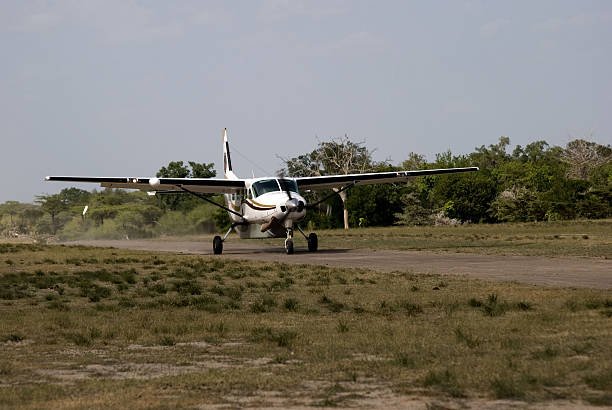
Egypt Honeymoon And Beach Package: Ultimate Romantic Getaway 2026-2027
Combine the magic of ancient Egypt with the blissful relaxation of a Red Sea beach holiday. Our Egypt honeymoon and beach packages offer the ultimate romantic escape for 2026 and 2027...
View package details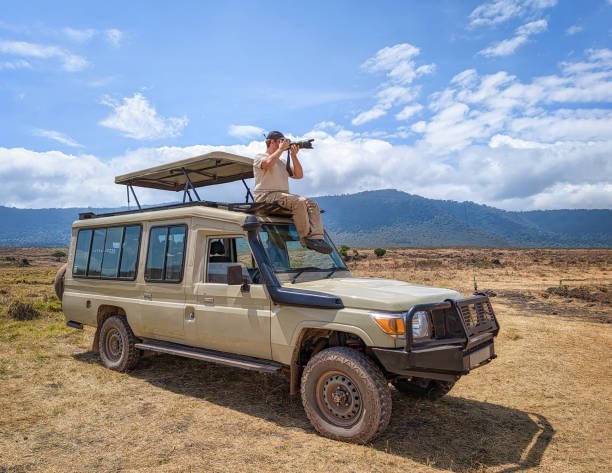
Uganda Gorilla And Zanzibar Holiday: Your Ultimate Adventure In 2026-2027
Experience the magic of Uganda's mountain gorillas and the exotic allure of Zanzibar's beaches in one incredible journey. This guide details how to plan your ultimate Uganda gorilla and...
View package details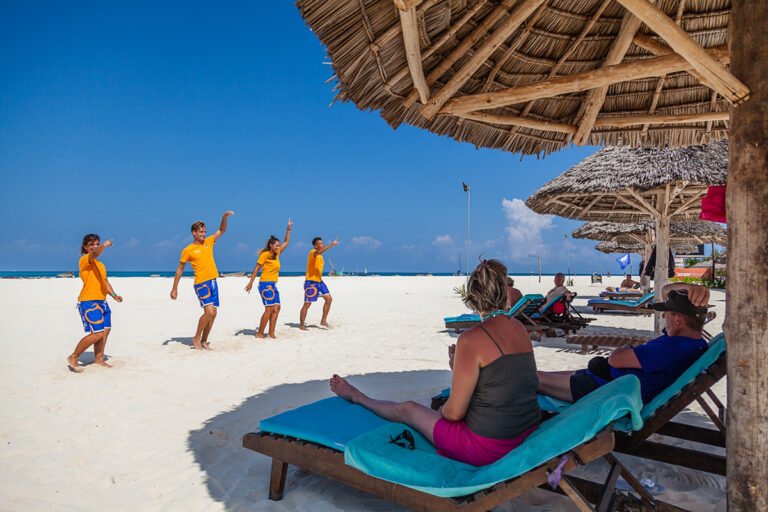
Kenya Luxury Safari And Beach Holidays 2026-2027
Kenya Luxury Safari and Beach Holidays is explained with current 2026-2027 planning, price, itinerary and booking information.
View package details
Is Zanzibar Or Mauritius Better For A Beach Holiday? 2026-2027
Is Zanzibar or Mauritius better for a beach holiday? is explained with current 2026-2027 planning, price, itinerary and booking information.
View package detailsNo related package matches those filters. Clear one or more filters to see the other topic-matched options.



