
The cost to climb Mount Kilimanjaro at the end of the year (late 2026 and 2027) typically ranges from $1,800 to $5,000+ per person, depending heavily on the chosen route, duration, operator’s service level, and group size. Expect prices to remain stable for 2026-2027, with late December often considered a peak season due to favorable weather, potentially influencing prices slightly upward compared to shoulder months.
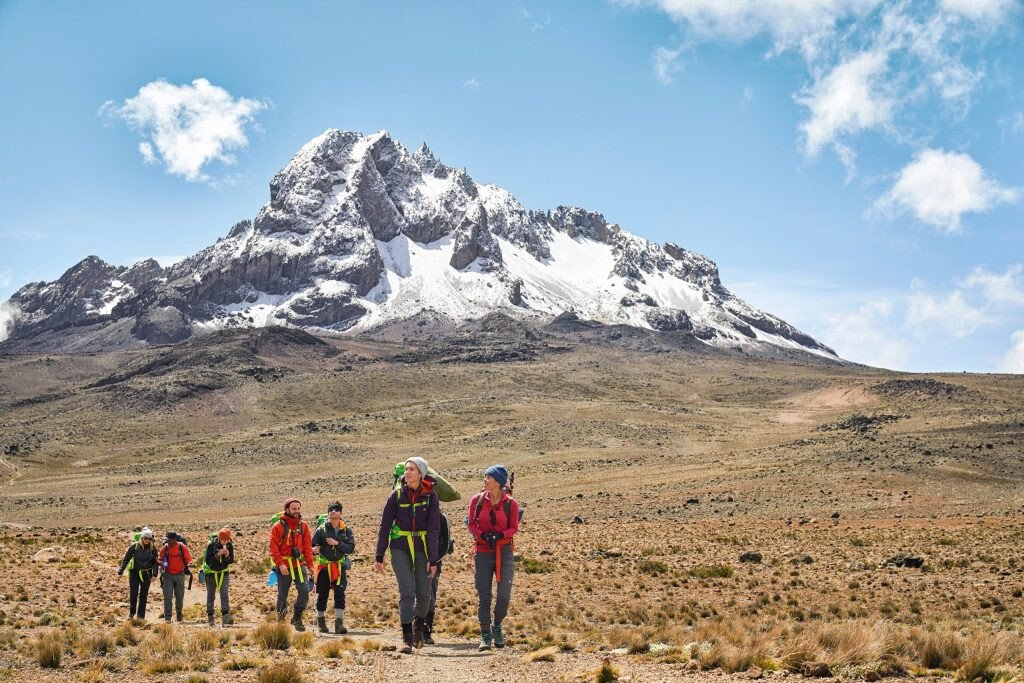
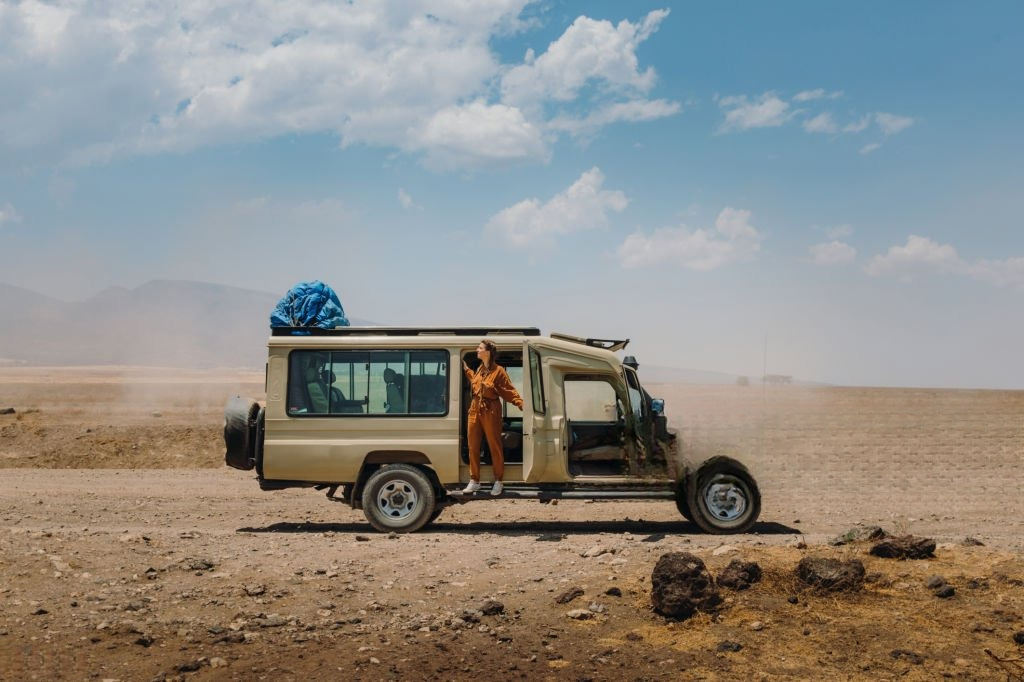
Understanding the Cost to Climb Mount Kilimanjaro End of Year 2026-2027
Mount Kilimanjaro, the Roof of Africa, beckons adventurers with its majestic presence and the ultimate challenge of reaching its summit. For many, the dream climb is planned for the end of the year, a period often characterized by clear skies and moderate temperatures, making it an ideal time for trekking. If you’re considering a climb in late 2026 or 2027, understanding the associated costs is a crucial part of your planning. The cost to climb Mount Kilimanjaro end of year is not a fixed figure; it’s a dynamic sum influenced by a multitude of factors, from the route you select to the quality of services provided by your tour operator.
At Top Guide Adventures, we believe in transparency and providing comprehensive information to help you make informed decisions. This guide aims to break down the elements that contribute to the overall expense of a Kilimanjaro expedition, focusing on the end-of-year period for 2026 and 2027. We’ll cover everything from park fees and guide salaries to equipment and potential add-ons, giving you a clear picture of what to expect financially for your unforgettable journey.
Key Factors Influencing Kilimanjaro Climb Costs for 2026-2027
When budgeting for your Kilimanjaro climb, especially for the end of the year, several critical factors come into play. These elements collectively determine the final price tag, and understanding them is key to appreciating the value offered by different tour operators.
1. Route Selection
The route you choose significantly impacts the cost. Longer routes require more days on the mountain, leading to higher expenses for guides, porters, food, and camping equipment. Additionally, some routes have different park fee structures or are more remote, adding logistical costs.
- Marangu Route: Often considered the most budget-friendly due to its hut accommodation, eliminating tent costs. However, its lower acclimatization profile means lower success rates.
- Machame Route: Popular for its scenic beauty and good acclimatization profile, it’s a longer trek (7 days) and thus generally more expensive than Marangu.
- Lemosho Route: Known for its stunning scenery and excellent acclimatization, it’s one of the longer routes (7-8 days), making it a mid-to-high range option.
- Shira Route: Similar to Lemosho but starts at a higher altitude, it’s also a longer, more expensive trek.
- Rongai Route: Approaches from the north, offering a different perspective and often good for drier conditions. Typically 6-7 days, placing it in the mid-range cost category.
- Northern Circuit: The longest route (9 days), offering the best acclimatization and highest success rates. Its duration makes it one of the most expensive options.
- Umbwe Route: The shortest and steepest route, demanding excellent physical condition. While shorter, its difficulty and need for highly experienced guides can sometimes make it surprisingly costly, or it’s offered as a challenging, budget-focused option for experienced trekkers.
For end-of-year climbs in 2026 and 2027, popular routes like Machame and Lemosho are often chosen for their balance of scenery and acclimatization, contributing to mid-range pricing. The Northern Circuit, offering the highest success rates, commands a premium price due to its extended duration.
2. Duration of the Climb
Kilimanjaro climbs can range from 5 to 9 days. Longer treks generally offer better acclimatization and thus higher success rates but come with increased costs. The cost to climb Mount Kilimanjaro end of year is directly proportional to the number of days spent on the mountain. A 7-day climb will naturally cost more than a 5-day climb.
3. Operator’s Service Level and Inclusions
This is perhaps the most significant differentiator in pricing. Operators vary greatly in what they include in their packages and the quality of service they provide.
- Budget Operators: These typically offer the lowest prices. They might use basic equipment, have less experienced guides and support crew, and sometimes cut corners on food quality or safety protocols.
- Mid-Range Operators: Offer a good balance of quality and value. They provide reliable equipment, experienced guides, good food, and adequate support staff. Top Guide Adventures operates in this segment, ensuring a safe and enjoyable experience without unnecessary extravagance.
- Luxury/Premium Operators: These offer the highest level of service, including top-tier equipment, highly experienced guides, gourmet meals, private toilet tents, and often smaller group sizes or private climbs. The cost reflects this superior experience.
Crucially, always check what is included:
- Park fees (National Park, Crater fees if applicable)
- Rescue fees
- Guide and porter salaries and welfare (food, accommodation, insurance)
- Meals on the mountain
- Camping equipment (tents, sleeping mats)
- Boiled drinking water
- Oxygen cylinders (usually for emergencies)
- Transfers to and from the mountain
- Accommodation before and after the climb (sometimes included)
- Pre-climb briefing and medical check-up
Operators that include more services or offer higher quality items will naturally charge more. For end-of-year climbs in 2026-2027, ensure your chosen operator has robust systems for handling potential weather challenges and provides adequate warm gear advice.
4. Group Size
Climbing in a larger group is generally cheaper per person than a private climb. Shared climbs distribute the costs of guides, porters, and logistics among more people. If you prefer a more intimate experience or have a specific group of friends, a private climb is an option, but it will be more expensive.
5. Seasonality
While the end of the year (December) is a popular climbing season due to good weather, it’s not the absolute peak like January-February. However, it falls within the generally favorable dry season. Prices might see a slight increase compared to the shoulder months of November or early March, but not as dramatically as during the absolute peak. Booking for 2026-2027 requires awareness of this; securing your spot early is advisable.
6. Operator’s Reputation and Safety Standards
Reputable operators with strong safety records, certified guides, and ethical treatment of porters often command higher prices. This investment in safety and ethical practices is invaluable for a successful and responsible climb.
Estimated Costs Breakdown for End of Year Kilimanjaro Climbs (2026-2027)
To give you a more concrete idea, let’s break down the typical costs associated with a Kilimanjaro climb, focusing on the end of 2026 and throughout 2027. These figures are estimates and can vary based on the operator and specific inclusions.
Typical Cost Ranges per Person (USD) for a 7-Day Climb
| Category | Estimated Price Range (USD) | Notes |
|---|---|---|
| Budget Operator | $1,800 – $2,500 | Basic services, may exclude some items. Check inclusions carefully. |
| Mid-Range Operator (e.g., Top Guide Adventures) | $2,500 – $3,500 | Good balance of quality, safety, and value. Comprehensive inclusions. |
| Premium/Luxury Operator | $3,500 – $5,000+ | Higher-end services, superior comfort, smaller groups. |
Note: These prices are for the climb package itself. They typically do not include international flights, visas, travel insurance, personal gear, tips, or pre/post-climb accommodation unless specified.
Breakdown of Major Cost Components:
- Park Fees: These are fixed by the Tanzanian government and are non-negotiable. For 2026-2027, expect these to be around $70-$100 per person per day, covering entrance, camping/hut, crater service (if applicable), and conservation fees. A 7-day climb could incur roughly $500-$700 in park fees alone.
- Guide and Porter Wages: Ethical operators pay fair wages, which are a significant part of the cost. This includes salaries, food, and ensuring proper treatment. Expect this to be around $150-$250 per day for the entire support crew (guides, porters).
- Food and Supplies: Nutritious, high-energy meals are essential. This covers food for climbers and crew, cooking gas, and water purification.
- Equipment: Quality tents, sleeping mats, cooking gear, and emergency equipment like oxygen tanks are costly.
- Logistics: Transport to/from the mountain, communication equipment, and administrative costs.
- Crew Welfare: Insurance, rescue fees, and ensuring the well-being of guides and porters.
What’s Typically Included in an End of Year Kilimanjaro Package (2026-2027)?
A comprehensive Kilimanjaro climb package, especially from a reputable operator like Top Guide Adventures for your end-of-year 2026 or 2027 trek, should ideally cover the following:
Core Inclusions for Your Kilimanjaro Climb:
- Park Entrance Fees: All required fees for Kilimanjaro National Park.
- Crater Fee: If your chosen route (e.g., Barafu on Machame, Stella Point on Uhuru Peak) involves the crater rim.
- Rescue Fee: Mandatory fee for emergency rescue services.
- Accommodation: Camping fees (for most routes) or hut fees (Marangu Route).
- Qualified Guides: Licensed, experienced guides trained in first aid and altitude sickness management.
- Support Crew: Adequate number of porters to carry group gear and personal bags (within weight limits).
- Meals: All meals and drinking water on the mountain (usually boiled or purified).
- Camping Equipment: Quality tents, sleeping mats, mess tents, and cooking equipment.
- Safety Equipment: First-aid kits, emergency oxygen cylinders, and communication devices.
- Transportation: Round-trip transfers between Kilimanjaro International Airport (JRO), your hotel in Moshi/Arusha, and the mountain gate.
- Pre-Climb Briefing: A detailed briefing and gear check before your ascent.
- Crew Welfare: Fair wages, insurance, and provision of meals/accommodation for guides and porters.
Additional Costs to Budget For (2026-2027)
Beyond the core climb package, several other expenses need to be factored into your budget for an end-of-year Kilimanjaro climb.
- International Flights: Costs vary significantly based on your departure location and booking time. Book well in advance for 2026-2027.
- Visa for Tanzania: Check the latest requirements and fees for your nationality. Typically around $50-$100.
- Travel Insurance: Essential for any adventure travel. Ensure it covers high-altitude trekking and emergency medical evacuation. Expect to pay $150 – $300 depending on coverage.
- Personal Gear: While some gear can be rented, you’ll need to purchase items like good hiking boots, warm layers, waterproofs, a good sleeping bag, and a daypack. Budget $500 – $1,000+ if buying everything new.
- Gear Rental: Many operators offer rentals for items like sleeping bags, hiking poles, and down jackets. This is a cost-effective option if you don’t own the gear.
- Tips for Guides and Porters: This is a customary and significant part of supporting the crew. Budget approximately $250 – $400 per climber for a standard 7-day climb. Tips are usually pooled and distributed among the crew.
- Pre and Post-Climb Accommodation: If your package doesn’t include nights before and after the climb, budget for hotels in Moshi or Arusha (approx. $50 – $150 per night).
- Lunches/Dinners in Town: Meals and drinks outside of the mountain climb.
- Personal Expenses: Souvenirs, drinks, laundry, etc.
- Vaccinations and Medications: Consult your doctor for recommended vaccinations and malaria prophylaxis.
- Optional Activities: Day trips, cultural tours, or safari extensions before or after your climb.
Budgeting Tip for 2026-2027 Climbers:
A good rule of thumb is to add 15-25% to the quoted climb package price to cover these additional expenses. For a $3,000 climb package, budget an extra $450 – $750 for tips and other essentials.
Choosing the Right Route for Your End of Year Climb (2026-2027) and Its Cost Implications
Selecting the right route is paramount for both your success and your budget. For an end-of-year climb in 2026 or 2027, consider these popular options and their associated cost profiles:
Machame Route (7 Days)
Cost Profile: Mid-range. Often considered one of the best value routes, offering good acclimatization and scenery for its price.
Why Choose it for End of Year: Generally good weather conditions, though can be busy. The 7-day itinerary provides a solid acclimatization curve. Success rates are high.
Lemosho Route (7 or 8 Days)
Cost Profile: Mid to high-range. The longer duration and more remote start contribute to higher costs but also better acclimatization and views.
Why Choose it for End of Year: The longer itinerary (especially 8 days) offers superior acclimatization, crucial for summit success, particularly when conditions can be cold. Its scenic beauty is a major draw.
Northern Circuit (9 Days)
Cost Profile: High-range. The longest route, offering the best acclimatization and highest success rates, commands the highest price due to its duration.
Why Choose it for End of Year: This route circles the mountain, offering a 360-degree view and the most gradual ascent. It’s ideal for those prioritizing success and a more comfortable acclimatization experience, making it worth the higher cost for a 2026-2027 climb.
Marangu Route (5 or 6 Days)
Cost Profile: Budget to mid-range. Its primary cost-saving feature is the hut accommodation.
Why Choose it for End of Year: While faster, the 5-day option has lower acclimatization. The 6-day option improves this. It’s a viable option if budget is a primary concern, but success rates are lower than longer routes, especially in potentially challenging end-of-year weather.
When comparing quotes for 2026-2027 climbs, ensure you are comparing like-for-like in terms of route, duration, and inclusions. A significantly cheaper quote might indicate compromises on safety, crew welfare, or equipment quality.
Comparing Operators for End of Year Kilimanjaro Climbs: What to Look For
Choosing the right tour operator is as important as choosing the right route. For your end-of-year 2026 or 2027 Kilimanjaro climb, consider these points when comparing operators:
Top Guide Adventures Difference:
At Top Guide Adventures, we focus on providing a safe, ethical, and memorable Kilimanjaro experience. We offer comprehensive packages that balance quality, value, and the well-being of our clients and crew. Our pricing reflects the fair wages we pay our guides and porters, the quality of our equipment, and our commitment to safety. For your 2026-2027 end-of-year climb, we ensure you have experienced guides who understand the specific conditions of this season.
- Safety Record: Look for operators with a proven track record of safety, including emergency protocols and well-trained guides.
- Guide Certification and Experience: Ensure guides are certified by relevant bodies and have extensive experience on Kilimanjaro, especially in varying weather conditions.
- Porter Welfare: Ethical treatment of porters is crucial. Reputable operators ensure fair wages, adequate food, proper gear, and respectful treatment. Check if they are KPAP (Kilimanjaro Porter Assistance Project) partners.
- Inclusions: As detailed earlier, carefully scrutinize what is included. Don’t be swayed by low prices that exclude essential items like park fees or rescue fees.
- Reviews and Testimonials: Look for independent reviews on platforms like TripAdvisor. Pay attention to comments regarding service, safety, food, and crew.
- Communication: A good operator will be responsive and provide clear, detailed information throughout the planning process.
- Sustainability Practices: Operators committed to responsible tourism and minimizing environmental impact are preferable.
Planning Your 2026-2027 End-of-Year Kilimanjaro Climb: Timeline and Booking
Planning an end-of-year Kilimanjaro climb requires foresight. Given that late December is a popular time, booking well in advance is highly recommended, especially for 2026 and 2027.
- 12-18 Months Prior: Start researching operators and routes. Understand the costs and what influences them.
- 9-12 Months Prior: Make your booking with your chosen operator. This secures your preferred dates and potentially locks in pricing before any potential increases for 2027.
- 6-9 Months Prior: Purchase international flights.
- 3-6 Months Prior: Begin a focused training program. Purchase or rent necessary personal gear.
- 1-3 Months Prior: Arrange travel insurance and visas. Confirm final details with your operator.
- 1 Month Prior: Finalize packing and fitness training.
Booking your end-of-year Kilimanjaro climb for 2026 or 2027 early ensures availability, especially for specific group departure dates, and allows ample time for preparation.
Is the End of Year (December) a Good Time to Climb Kilimanjaro?
Yes, the end of the year, particularly December, is generally considered a very good time to climb Mount Kilimanjaro. It falls within the dry season, offering:
- Clear Skies: Increased chances of clear views from the summit and along the trails.
- Moderate Temperatures: While cold at the summit, daytime temperatures on the lower slopes are pleasant, and the dry conditions make the cold more manageable.
- Less Rain: Significantly reduced rainfall compared to the rainy seasons (March-May and November).
The main consideration is that it’s a popular time, so trails and campsites can be busier than in the low seasons. However, for 2026-2027, the weather advantage often outweighs the potential for more trekkers. Some operators might offer specific Christmas or New Year’s departures.
Maximizing Your Investment: Getting the Best Value for Your Kilimanjaro Climb Cost
Achieving the best value for your Kilimanjaro climb cost in 2026-2027 involves a combination of smart planning and choosing wisely:
- Prioritize Safety and Ethics: The cheapest option is rarely the best. Investing in a reputable operator ensures your safety and supports fair labor practices.
- Choose the Right Duration: While longer routes cost more, the increased acclimatization significantly boosts your summit chances, making the investment more worthwhile. A failed summit attempt is a costly disappointment.
- Understand Inclusions: Compare packages meticulously. Hidden costs can quickly inflate a seemingly cheap quote.
- Train Effectively: Good physical preparation maximizes your chances of success and enjoyment, making the entire experience more valuable.
- Pack Smart: Renting gear you only need once can save money. Focus your spending on essentials like good boots and a warm jacket.
- Consider Group Departures: Shared departures often offer better value than private climbs.
Ready to Plan Your 2026-2027 End-of-Year Kilimanjaro Adventure?
Climbing Mount Kilimanjaro at the end of the year is an extraordinary achievement, offering incredible vistas and a profound sense of accomplishment. Understanding the cost to climb Mount Kilimanjaro end of year for 2026-2027 is the first step towards making this dream a reality.
At Top Guide Adventures, we are dedicated to helping you plan a safe, rewarding, and unforgettable Kilimanjaro expedition. We offer transparent pricing, ethical operations, and expert guidance tailored to your needs. Whether you’re looking at a 7-day Machame or an 8-day Lemosho for your end-of-year 2026 or 2027 climb, we have a package to suit your aspirations.
Don’t let the complexities of budgeting deter you. Reach out to our experienced team today to discuss your plans, get a personalized quote, and learn more about how we can make your Kilimanjaro dream come true. Let’s plan your adventure for the end of 2026 or 2027!
Contact us:
WhatsApp: +255616946642
Email: topguideadventures@gmail.com
Backup Email: info@topguideadventurestanzania.com
Check Availability for Cost To Climb Mount Kilimanjaro End Of Year | Top Guide Adventures 2026-2027
Ready to compare dates, prices, and the best option for your group? Send the package name and travel month so the team can reply with a clear quote, availability, and what is included.
Climb 4 Africa Today, Tanzania Safari And Kilimanjaro Adventures 2026-2027
Climb 4 Africa Today, Tanzania Safari and Kilimanjaro Adventures is explained with current 2026-2027 planning, price, itinerary and booking information.
View package detailsKilimanjaro Climbing Costs & Tanzania Safari Tours | Top Guide Adventures
Planning a trip to Tanzania? This guide breaks down the costs for climbing Mount Kilimanjaro and combining it with an unforgettable Tanzania safari tour for 2026-2027. Learn about pricing...
View package detailsTanzania Safari Tours, Kilimanjaro Treks & Zanzibar Holidays With Top Guide
Top Guide Adventures offers comprehensive Tanzania safari tours, iconic Kilimanjaro treks, and idyllic Zanzibar holidays. Discover the best of East Africa with personalized itineraries...
View package detailsDiscount Tanzania Treks And Affordable Safari Packages In 2026-2027
Discover how to plan discount Tanzania treks and affordable safari packages for your 2026-2027 adventure. This comprehensive guide covers budget-friendly options for iconic destinations...
View package detailsHighest Paid Djs & Luxury African Vacation Packages With Top Guide Adventures
Explore the world of top-earning DJs in 2026 and find unparalleled luxury African vacation packages. Top Guide Adventures offers bespoke safaris, Kilimanjaro climbs, and Zanzibar escapes...
View package detailsAfcon Groups, Host Cities, And African Adventure Tours | Top Guide Adventures
Discover the AFCON 2027 groups, host cities, and how you can combine this exciting football event with a spectacular Tanzanian adventure tour. Top Guide Adventures offers tailored safaris...
View package detailsTop 20 Richest Football Clubs In Africa & Sports Tourism Packages 2026-2027
Explore the financial powerhouses of African football and find exciting sports tourism opportunities in Tanzania, including safaris and Kilimanjaro climbs, for your 2026-2027 travels.
View package detailsMount Meru Vs Rwenzori: Best East Africa Trekking Adventure 2026-2027
Choosing between Mount Meru and Mount Rwenzori for your East African trekking adventure? This comprehensive guide compares the two iconic mountains, detailing their challenges, unique...
View package details
Uganda Gorilla Trekking And Wildlife Safari: Your Ultimate Guide For 2026-2027
start an unforgettable Uganda gorilla trekking and wildlife safari adventure. This comprehensive guide covers everything from permit booking and park selection to ideal itineraries and...
View package detailsNo related package matches those filters. Clear one or more filters to see the other topic-matched options.



