
A complete Tanzania travel guide for 2026-2027 involves planning iconic safaris in the Serengeti and Ngorongoro Crater, ascending Mount Kilimanjaro, relaxing on Zanzibar’s beaches, and engaging in cultural tours, with average safari costs typically ranging from $250-$500 per person per day for mid-range options and Kilimanjaro climbs starting around $1,800-$3,000 per person, depending on route and duration.
Planning Your Ultimate Tanzania Adventure for 2026-2027
Tanzania, a jewel of East Africa, offers an unparalleled travel experience, blending dramatic wildlife encounters with impressive landscapes and rich cultural heritage. Whether you dream of witnessing the Great Migration, conquering Africa’s highest peak, or unwinding on pristine tropical shores, this complete Tanzania travel guide is your essential companion for planning an unforgettable journey, especially as you look ahead to 2026 and 2027. Top Guide Adventures specializes in crafting these very experiences, offering personalized attention and dedicated support to ensure your trip is perfectly tailored to your desires.
This guide will walk you through everything you need to know, from the best times to visit and essential packing lists to detailed itineraries for safaris, treks, and beach holidays. We’ll cover the must-see destinations, practical travel advice, and insights into what makes Tanzania a truly exceptional destination for travelers of all kinds. Prepare to explore a land of wonder, where adventure meets tranquility.
Why Choose Tanzania for Your Next Adventure?
Tanzania consistently ranks as a top destination for a reason. Its diverse offerings cater to every type of traveler:
- World-Class Wildlife Viewing: Home to iconic national parks like the Serengeti and Ngorongoro Conservation Area, Tanzania offers some of the most spectacular wildlife viewing opportunities on Earth, including the famous Great Migration.
- Mount Kilimanjaro: The Roof of Africa beckons trekkers with its challenging yet rewarding ascent, offering stunning panoramic views from its summit.
- Exotic Islands: Zanzibar, Pemba, and Mafia islands provide idyllic settings for relaxation, with white-sand beaches, turquoise waters, and a unique blend of cultures.
- Rich Cultural Experiences: Engage with diverse local communities, from the Maasai people to the Swahili coastal dwellers, gaining insights into ancient traditions and modern life.
- Diverse Landscapes: From the vast savannas and volcanic craters to lush rainforests and coral reefs, Tanzania’s geography is incredibly varied and visually stunning.
Understanding Tanzania’s Geography and Key Regions
To plan your complete Tanzania travel guide experience, it’s crucial to understand the country’s diverse geography. Tanzania is broadly divided into several key travel regions, each offering distinct attractions:
- Northern Circuit: This is the most popular safari circuit, encompassing the Serengeti National Park, Ngorongoro Conservation Area, Tarangire National Park, Lake Manyara National Park, and Mount Kilimanjaro. It’s renowned for its high concentration of wildlife and iconic landscapes.
- Southern Circuit: Less crowded but equally wild, the Southern Circuit includes parks like Selous Game Reserve (now Nyerere National Park), Ruaha National Park, and Mikumi National Park. It offers a more rugged and remote safari experience, with unique activities like boat safaris.
- Coastal Areas and Islands: This region includes Zanzibar, Pemba, and Mafia, offering tropical beaches, diving, snorkeling, and historical sites like Stone Town in Zanzibar.
- Western Tanzania: For those seeking unique chimpanzee trekking experiences, areas like the Gombe Stream National Park and Mahale Mountains National Park are prime destinations.
Crafting Your Tanzania Safari Itinerary for 2026-2027
Safaris are the heart of many Tanzania trips. The Northern Circuit is the quintessential choice for first-time visitors and those wanting to witness the Great Migration. For 2026 and 2027, planning your safari requires understanding the migration’s movements and park seasonality.
The Great Migration: A Spectacle to Plan For
The Great Migration is a year-round phenomenon, with hundreds of thousands of wildebeest, zebras, and gazelles constantly moving in search of fresh grazing. Your complete Tanzania travel guide should highlight the best times to see specific events:
- December – March: Calving season in the southern Serengeti, a prime time for predator sightings as young animals are born.
- April – May: The herds begin moving north, often crossing the Grumeti River in the western Serengeti. This is the “green season” with fewer crowds and lush landscapes, but some roads can be challenging.
- June – August: The dramatic river crossings of the Mara River in the northern Serengeti are a major highlight. This is peak season, with excellent wildlife viewing but higher prices and more visitors.
- September – October: The herds are in the northern Serengeti and heading towards the Masai Mara in Kenya, or starting their return south.
Top National Parks and Reserves for Your Tanzania Safari
Serengeti National Park
The name itself evokes images of vast plains teeming with wildlife. The Serengeti is a UNESCO World Heritage Site and offers unparalleled game viewing year-round. Its sheer scale means you can find wildlife even outside the main migration periods. For 2026-2027 safaris, consider a central Serengeti stay for general game viewing or focus on the north or south depending on the migration’s position.
Ngorongoro Conservation Area
Often called the “Eighth Wonder of the World,” the Ngorongoro Crater is a collapsed volcano caldera teeming with an astonishing density of wildlife, including the Big Five (lion, leopard, elephant, rhino, buffalo). Due to conservation efforts, visitor numbers and time spent on the crater floor are regulated, making early booking for 2026-2027 essential.
Tarangire National Park
Famous for its large elephant herds and iconic baobab trees, Tarangire is particularly spectacular during the dry season (June to October) when animals congregate around the Tarangire River. It’s often included at the start or end of Northern Circuit tours.
Lake Manyara National Park
This park is known for its tree-climbing lions, vast flamingo populations (seasonal), and diverse birdlife. Its compact size makes it ideal for a half-day or full-day visit, often combined with Tarangire.
Nyerere National Park (formerly Selous Game Reserve)
The largest game reserve in Africa, Nyerere offers a different safari experience with boat safaris on the Rufiji River, walking safaris, and game drives. It’s a fantastic option for those seeking a more remote and less crowded adventure in Southern Tanzania, offering a unique perspective on wildlife viewing.
Ruaha National Park
Tanzania’s largest national park, Ruaha, is a haven for predators, particularly lions and wild dogs. Its rugged landscape and wild feel make it a destination for experienced safari-goers looking for an authentic, off-the-beaten-path experience. It’s best visited during the dry season.
Safari Accommodation Options
Choosing the right accommodation is key to your safari experience. Options range from:
- Budget Camps/Lodges: Basic but comfortable, often located outside park gates or in designated public camping areas.
- Mid-Range Lodges/Tented Camps: Offering comfortable en-suite facilities, good food, and often located within or near prime wildlife areas. These are the most popular choices for many travelers in 2026-2027.
- Luxury Lodges/Tented Camps: Providing premium amenities, exceptional service, private verandas, gourmet dining, and often exclusive locations for an intimate wildlife experience.
- Mobile Tented Camps: These camps move with the Great Migration, offering the closest possible proximity to the action. They are an excellent, albeit often pricier, option for experiencing the migration’s peak moments.
Safari Vehicle Types and Inclusions
Most safaris utilize customized 4×4 Land Cruisers or Land Rovers, equipped with pop-up roofs for optimal game viewing and photography. A complete Tanzania travel guide must mention what’s typically included:
Typical Safari Inclusions:
- Park entrance fees
- Accommodation (as specified in your itinerary)
- All meals (breakfast, lunch, dinner) while on safari
- A professional, English-speaking safari guide
- Safari vehicle with fuel
- Bottled water during game drives
- Airport transfers to/from your safari start point
Typical Safari Exclusions:
- International and domestic flights
- Visa fees
- Travel insurance
- Gratuities for guide and lodge staff
- Personal expenses (souvenirs, drinks, laundry)
- Optional activities (e.g., hot air balloon safaris, guided walks)
Safari Cost Considerations for 2026-2027
The cost of a Tanzania safari varies significantly based on duration, accommodation level, park fees, and time of year. As a general guideline for 2026-2027:
- Budget Safaris: Starting from approximately $200-$250 per person per day, focusing on public campsites and simpler lodges.
- Mid-Range Safaris: Typically range from $250-$500 per person per day, offering comfortable lodges and tented camps. This is the most popular choice for many travelers.
- Luxury Safaris: Can range from $500-$1000+ per person per day, featuring high-end lodges, exclusive concessions, and personalized services.
Note: Park fees are a significant component of safari costs and can change annually. For 2026-2027, expect these to remain substantial. Top Guide Adventures provides detailed quotes based on your specific itinerary and preferences. For group departures and shared tours, check out our group safari departures.
Conquering Mount Kilimanjaro: Your Guide to the Roof of Africa
Climbing Mount Kilimanjaro is a bucket-list achievement for many. This dormant volcano, Africa’s highest peak at 5,895 meters (19,341 feet), offers a challenging yet accessible high-altitude trekking experience.
Choosing the Right Kilimanjaro Route
Several routes ascend Kilimanjaro, each with different scenery, difficulty, acclimatization profiles, and success rates. Your complete Tanzania travel guide must detail the most popular options for 2026-2027 climbs:
- Marangu Route (Coca-Cola Route): The oldest and most established route. It’s the only route with dormitory-style accommodation huts. It is shorter but has a steeper ascent and a lower success rate due to poor acclimatization. (5-6 days)
- Machame Route (Whiskey Route): Arguably the most popular route, known for its scenic beauty and excellent acclimatization profile, leading to higher success rates. It involves camping. (6-7 days)
- Lemosho Route: A longer, more scenic, and more expensive route offering excellent acclimatization and high success rates. It’s a favorite for its wilderness feel. (7-8 days)
- Shira Route: Similar to Lemosho but starts at a higher altitude. It’s scenic but can be challenging due to the initial high starting point. (7-8 days)
- Rongai Route: Approaches from the north, offering a different perspective and a drier ascent, especially during the rainy seasons. It’s a good option for those seeking fewer crowds. (6-7 days)
- Northern Circuit: The longest and most expensive route, offering the best acclimatization and highest success rates. It circles the mountain, providing spectacular views. (9-10 days)
For 2026-2027 climbs, the Machame, Lemosho, and Northern Circuit routes are highly recommended for their balance of scenery, acclimatization, and success rates. For group departures, explore our Machame Route Kilimanjaro group departures.
Kilimanjaro Trekking Season
The best times to climb Kilimanjaro are during the dry seasons:
- January – March: Clear skies, good visibility, and cold temperatures.
- June – October: Another dry season, with cooler temperatures and clear views. This is also a popular time for safaris, so booking ahead for 2026-2027 is advised.
The rainy seasons (April-May and November) are generally not recommended due to slippery trails, poor visibility, and potential landslides.
Kilimanjaro Cost Factors for 2026-2027
Kilimanjaro climb costs vary significantly. Key factors include:
- Route Length: Longer routes generally cost more due to more days of park fees and support.
- Accommodation: Camping versus huts (Marangu).
- Operator: Reputable operators with experienced guides, good equipment, and fair treatment of porters will cost more.
- Group Size: Private climbs are more expensive than joining a group.
- Park Fees: These are set by the Tanzanian government and are a significant portion of the cost.
Expect costs for a reputable operator for a 7-day climb (like Machame or Lemosho) to range from $1,800 to $3,000+ per person for 2026-2027. This typically includes park fees, crew wages, food, tents, and transfers. Always ensure your operator is transparent about what is included.
Preparing for Your Kilimanjaro Climb
Physical fitness is paramount. Start training several months in advance, focusing on cardiovascular endurance and strength training, especially for your legs and core. Proper acclimatization is crucial for success and safety. Listen to your guides and ascend slowly, especially on summit night.
Essential Kilimanjaro Gear:
- Waterproof and windproof outer layers
- Warm mid-layers (fleece, down jacket)
- Thermal base layers
- Insulated hiking boots (broken in!)
- Warm hat and gloves
- Sunscreen, sunglasses, and sun hat
- Headlamp with extra batteries
- Trekking poles
- Water bottles or hydration reservoir
- Sleeping bag (rated to -10°C / 14°F or lower)
Top Guide Adventures provides detailed packing lists and pre-climb briefings for all Kilimanjaro expeditions.
Zanzibar Holidays: Beaches, Culture, and Spice
After a thrilling safari or challenging climb, Zanzibar offers a perfect tropical escape. This semi-autonomous archipelago is famed for its stunning beaches, rich history, and fragrant spice plantations.
Key Zanzibar Destinations
- Stone Town: A UNESCO World Heritage Site, Stone Town is a labyrinth of narrow streets, bustling bazaars, and historic buildings reflecting Arab, Persian, Indian, and European influences. A guided tour is highly recommended to understand its complex history.
- Nungwi and Kendwa: Located on the northern tip, these beaches are known for their powdery white sand, clear turquoise waters, and spectacular sunsets. They are ideal for swimming and relaxation, with minimal tide changes.
- Paje and Jambiani: On the southeast coast, these villages offer a more laid-back vibe. Paje is a hub for kite surfing, while Jambiani retains a more traditional Swahili feel. The tide goes out quite far here, revealing vast sandbanks.
- Matemwe: Situated on the northeast coast, Matemwe is quieter and offers excellent access to the Mnemba Atoll for snorkeling and diving.
- Pemba Island: Less developed than Zanzibar, Pemba is a haven for divers with pristine coral reefs and dramatic underwater walls. It’s also known for its clove and spice production.
- Mafia Island: South of Zanzibar, Mafia is a protected marine park and a world-class destination for whale shark encounters (typically October-March).
Activities in Zanzibar
Beyond relaxing on the beaches, Zanzibar offers a wealth of activities:
- Spice Tours: Discover the origins of cloves, cinnamon, nutmeg, vanilla, and more at a local spice farm.
- Snorkeling and Diving: Explore vibrant coral reefs, especially around Mnemba Atoll and Pemba.
- Dhow Sunset Cruises: Enjoy a traditional wooden sailing boat trip along the coast.
- Prison Island Tour: Visit the former quarantine station and see giant Aldabra tortoises.
- Jozani Forest: Home to the rare Red Colobus monkeys.
- Kite Surfing and Water Sports: Popular in Paje and Nungwi.
Zanzibar Accommodation
From luxury resorts to charming guesthouses and beachfront bungalows, Zanzibar caters to all budgets. Stone Town offers boutique hotels and historic inns, while coastal areas feature everything from budget-friendly bandas to all-inclusive resorts.
When to Visit Zanzibar
The best time to visit Zanzibar is during the dry seasons:
- June to October: Pleasant temperatures, low humidity, and sunny skies.
- December to February: Hot and sunny, ideal for beach holidays.
The rainy seasons (March-May and November) see heavier rainfall, though showers are often short-lived, and prices can be lower.
Cultural Experiences and Beyond
Tanzania’s allure extends beyond its wildlife and beaches. Engaging with local culture enriches any trip.
Maasai Village Visits
Experience the traditional way of life of the semi-nomadic Maasai people. Learn about their customs, visit a boma (homestead), witness a traditional dance, and understand their deep connection to the land. Top Guide Adventures ensures these visits are respectful and beneficial to the community.
Cultural Tourism Programs
Explore initiatives like the Ujamaa Community Tourism Programme, which offers opportunities to stay in local villages, learn about daily life, and participate in activities such as farming, cooking, and traditional crafts. This provides a genuine connection to Tanzanian culture.
Day Trips and Excursions
For those with limited time or wanting to add specific experiences, various day trips are available:
- Arusha National Park: A small park offering canoeing on Momella Lakes and views of Mount Meru.
- Mto wa Mbu: A vibrant village known for its diverse population and agricultural activities.
- Chagga Cultural Tours: Learn about the coffee-growing traditions of the Chagga people near Kilimanjaro.
Practical Travel Information for Tanzania in 2026-2027
Navigating a new country involves practical considerations. Here’s what you need to know for your 2026-2027 trip.
Visas and Passports
Most nationalities require a visa to enter Tanzania. You can apply for a visa online in advance or obtain one upon arrival at major entry points. Ensure your passport is valid for at least six months beyond your intended stay and has sufficient blank pages.
Health and Vaccinations
Consult your doctor or a travel clinic well in advance of your trip regarding recommended vaccinations and malaria prevention. Yellow fever vaccination is often required if arriving from or transiting through a country with a risk of yellow fever. Pack a basic first-aid kit.
Currency and Payments
The official currency is the Tanzanian Shilling (TZS). US Dollars are widely accepted for park fees, safari packages, and at many tourist establishments. It’s advisable to carry smaller denominations of USD. ATMs are available in major towns, but it’s wise to have some cash on hand, especially in remote areas.
Getting Around Tanzania
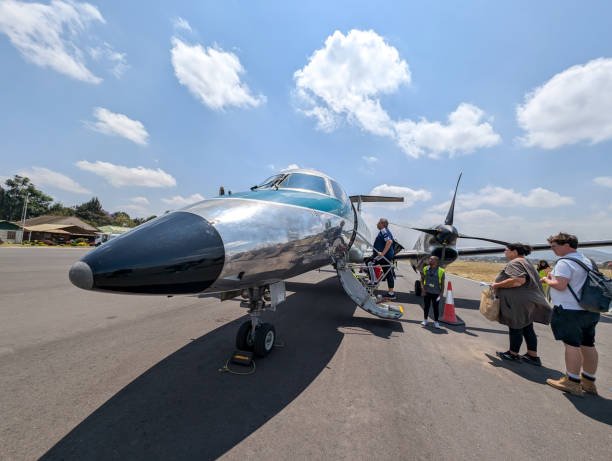
- Flights: Domestic flights are common for covering long distances quickly, especially between the mainland and Zanzibar, or to remote safari airstrips.
- Safari Vehicles: Customized 4x4s are the standard for safaris.
- Public Transport: Buses and dala-dalas (minibuses) are used by locals but are not recommended for tourists due to time constraints and safety concerns.
- Ferries: A ferry service operates between Dar es Salaam and Zanzibar.
Top Guide Adventures handles all necessary transfers and transportation as part of your package.
What to Pack for Tanzania
Packing light, breathable clothing is key. Neutral colors (khaki, beige, green) are best for safaris to avoid startling wildlife.
Safari Packing Essentials:
- Lightweight long-sleeved shirts and trousers
- T-shirts and shorts
- A warm fleece or jacket for cool evenings and early mornings
- Comfortable walking shoes or hiking boots
- Sandals or flip-flops for relaxing
- Sun hat, sunglasses, and high SPF sunscreen
- Insect repellent (DEET-based recommended)
- Binoculars
- Camera with extra batteries and memory cards
- Reusable water bottle
- Small backpack for day trips
- Basic first-aid kit and personal medications
Zanzibar/Beach Packing Essentials:
- Swimwear
- Light sundresses or casual wear
- Sarong or beach cover-up
- Water shoes (for rocky areas or coral)
- A light rain jacket (especially during shoulder seasons)
Tipping Etiquette
Tipping is customary and appreciated for good service. Guidelines for 2026-2027:
- Safari Driver/Guide: $20-$30 per couple per day.
- Lodge Staff: A general tip box for housekeeping, waiters, etc., $10-$15 per couple per day.
- Kilimanjaro Crew (Porters, Cook, Guide): This is usually pooled and given at the end. A guide might receive $20-$30 per day, a cook $15-$20, and porters $10-$15 per day. Your operator will provide specific guidance.
Safety and Security
Tanzania is generally a safe country for tourists, especially when traveling with reputable operators. However, standard precautions apply: avoid displaying large amounts of cash or valuables, be aware of your surroundings, and use hotel safes. Stick to well-trodden paths in towns and avoid walking alone at night in unfamiliar areas.
Why Book Your Tanzania Adventure with Top Guide Adventures?
Planning a trip to Tanzania can seem complex, but with the right partner, it becomes an exciting and manageable process. Top Guide Adventures is dedicated to providing exceptional travel experiences tailored to your specific needs.
- Personalized Service: We offer dedicated support from your first inquiry to your departure, ensuring every detail is handled with care.
- Expert Local Knowledge: Our team has extensive experience in Tanzania, allowing us to craft authentic and smooth itineraries.
- Tailor-Made Journeys: Whether it’s a thrilling safari, a challenging Kilimanjaro climb, or a relaxing Zanzibar holiday, we create bespoke trips that match your interests and budget for 2026-2027.
- Commitment to Quality: We partner with reliable lodges, experienced guides, and ensure safe, comfortable transportation.
- Responsible Tourism: We are committed to ethical and sustainable tourism practices that benefit local communities and wildlife conservation.
Start Planning Your 2026-2027 Tanzania Trip Today!
Your dream Tanzania adventure is within reach. Let Top Guide Adventures help you craft an unforgettable journey through this incredible country. Whether you’re looking for the best Serengeti safari, a Kilimanjaro expedition, or a tranquil Zanzibar escape, we are here to guide you every step of the way.
For personalized assistance and to start planning your complete Tanzania travel guide experience for 2026 or 2027, please reach out:
Contact Us:
- WhatsApp: +255616946642
- Email: info@topguideadventures.com
- Website: topguideadventurestanzania.com
- Instagram: @top_guide_adventures
We look forward to helping you discover the magic of Tanzania!”,
“faq_schema”: [
{
“question”: “What is the best time of year for a Tanzania safari in 2026-2027?”,
“answer”: “The best time for a Tanzania safari generally aligns with the dry seasons, from June to October and December to February. However, the Great Migration’s movements dictate prime viewing times: December-March for calving in the southern Serengeti, and June-August for dramatic river crossings in the northern Serengeti. For 2026-2027, booking in advance is recommended, especially for peak migration periods.”
},
{
“question”: “How much does a Tanzania safari typically cost for 2026-2027?”,
“answer”: “Tanzania safari costs for 2026-2027 vary greatly. Budget options start around $200-$250 per person per day, mid-range tours are typically $250-$500 per person per day, and luxury safaris can range from $500-$1000+ per person per day. These costs usually include accommodation, meals, park fees, and a safari vehicle with a guide.”
},
{
“question”: “Which route is best for climbing Mount Kilimanjaro?”,
“answer”: “For a balance of scenery, acclimatization, and success rates, the Machame, Lemosho, and Northern Circuit routes are highly recommended for Kilimanjaro climbs in 2026-2027. The Machame is popular and well-rounded, Lemosho offers more wilderness, and the Northern Circuit provides the best acclimatization and views over a longer duration.”
},
{
“question”: “What is the average cost for a Kilimanjaro climb?”,
“answer”: “A 7-day Kilimanjaro climb with a reputable operator typically costs between $1,800 and $3,000+ per person for 2026-2027. This price usually covers park fees, crew wages, food, camping equipment, and transfers. Longer routes or premium operators may cost more.”
},
{
“question”: “What are the main attractions in Zanzibar?”,
“answer”: “Zanzibar’s main attractions include the historic Stone Town, the beautiful beaches of Nungwi and Kendwa, the kite-surfing hub of Paje, spice tours, snorkeling and diving around Mnemba Atoll, and exploring Jozani Forest. For marine life, Mafia Island is known for whale sharks.”
},
{
“question”: “What should I pack for a Tanzania safari?”,
“answer”: “Pack lightweight, neutral-colored clothing (long sleeves/trousers, t-shirts, shorts), a warm jacket for evenings, comfortable walking shoes, a sun hat, sunglasses, sunscreen, insect repellent, binoculars, and a camera. Layers are key. For Kilimanjaro, more specialized gear like a warm sleeping bag and waterproof outer layers is essential.”
},
{
“question”: “Do I need a visa for Tanzania?”,
“answer”: “Yes, most nationalities require a visa to enter Tanzania. You can typically apply online in advance or obtain one upon arrival at major airports and border crossings. Ensure your passport is valid for at least six months beyond your stay.”
}
]
}
“`
Check Availability for Complete Tanzania Travel Guide 2026-2027
Ready to compare dates, prices, and the best option for your group? Send the package name and travel month so the team can reply with a clear quote, availability, and what is included.



