
The climbing Mount Kilimanjaro cost in 2026-2027 typically ranges from $2,000 to $5,000+ per person for standard packages, with the final price heavily dependent on the chosen route, duration, operator, and level of service. Shorter, less scenic routes like Marangu are often less expensive, while longer, more comfortable routes such as Lemosho or Northern Circuit, with higher success rates due to better acclimatization, tend to be pricier. Expect budget-friendly options to focus on essential services, whereas premium packages will include more amenities, private facilities, and higher staff-to-client ratios.
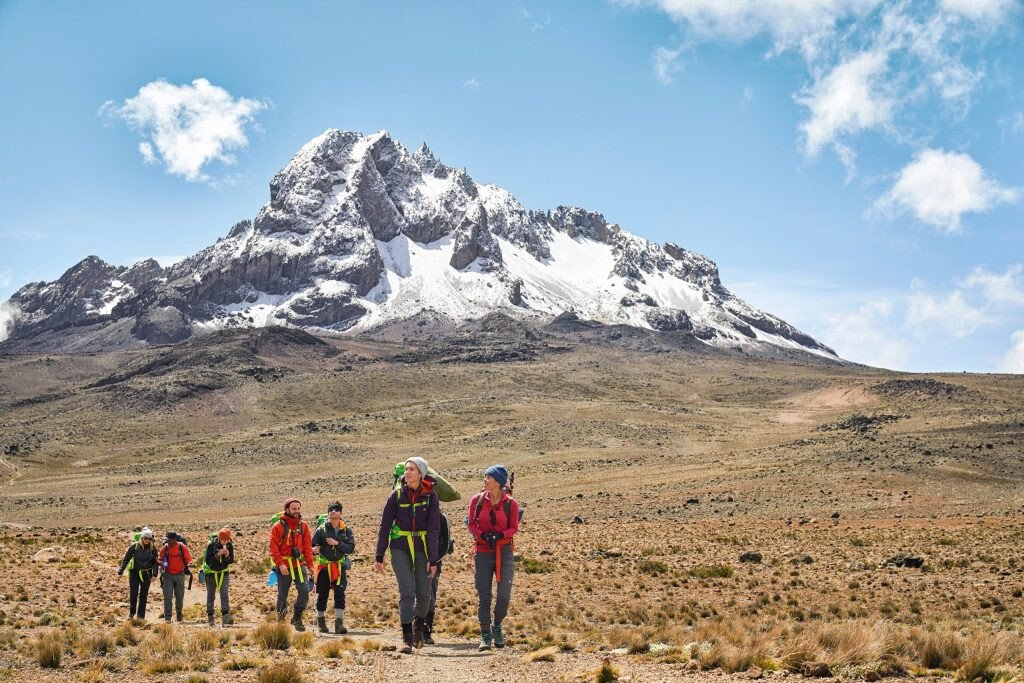
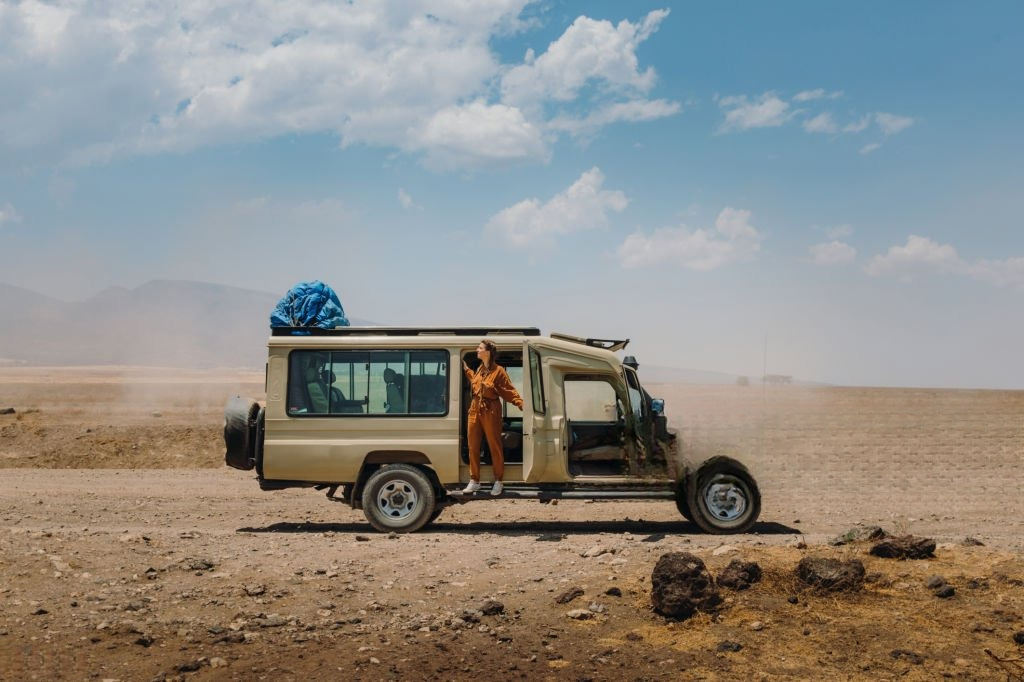
Understanding the True Climbing Mount Kilimanjaro Cost for 2026-2027
Embarking on a journey to the Roof of Africa is a dream for many, and understanding the financial commitment is a crucial first step in planning. The climbing Mount Kilimanjaro cost is not a single, fixed figure. Instead, it’s a dynamic sum influenced by a multitude of factors, from the route you select to the quality of services provided by your tour operator. For trekkers planning their ascent in 2026 or 2027, gaining clarity on these elements will empower you to make informed decisions and budget effectively for this unforgettable adventure.
At Top Guide Adventures, we believe in transparency. Our aim is to provide you with a clear picture of what goes into the price of a Kilimanjaro climb, ensuring you know exactly what to expect. This detailed guide will break down the components of the climbing Mount Kilimanjaro cost, helping you differentiate between operators and choose a package that aligns with your expectations for safety, comfort, and success.
Key Factors Influencing Your Kilimanjaro Trekking Cost
The price tag for your Kilimanjaro expedition is shaped by several critical components. Understanding these will help you decipher quotes and compare offerings from different companies. For 2026-2027, these factors remain the primary drivers of cost:
1. Route Selection and Duration
Kilimanjaro offers several distinct routes, each with its own characteristics and price point. The length of the route directly impacts the cost due to the increased number of days requiring guides, porters, park fees, and supplies.
- Marangu Route (5-6 days): Often the most budget-friendly due to its shorter duration and unique ‘huts’ accommodation. However, its rapid ascent profile leads to lower acclimatization and success rates.
- Machame Route (6-7 days): A popular choice, known for its scenic beauty and good acclimatization profile. The 7-day option significantly increases success rates and is priced accordingly.
- Lemosho Route (7-8 days): Considered one of the most beautiful and offers excellent acclimatization. Its longer duration and remote start make it a mid-to-high-range option.
- Shira Route (7-8 days): Similar to Lemosho, starting at a higher altitude, offering great scenery but requiring careful acclimatization.
- Rongai Route (6-7 days): Approaches from the north, drier, and can be a good option during rainy seasons. Generally mid-range pricing.
- Northern Circuit (9-10 days): The longest route, offering the best acclimatization and highest success rates by circling the mountain. It is typically the most expensive due to its duration and comprehensive experience.
- Umbwe Route (6-7 days): The shortest and steepest, offering a challenging climb with very low success rates due to poor acclimatization. It can be cheaper due to fewer days but is not recommended for most trekkers.
For 2026-2027 climbs, budget approximately $100-$200 more per day for each additional day you add to a shorter route, covering essential operational costs.
2. Tour Operator Type and Service Level
The reputation, experience, and service standards of your tour operator significantly influence the climbing Mount Kilimanjaro cost. Companies vary widely:
- Budget Operators: These companies often focus on keeping costs low, which can sometimes mean compromising on equipment quality, food, porter welfare, or guide experience. While cheaper, they may not offer the same level of safety or comfort.
- Mid-Range Operators: Offer a good balance of quality and value. They typically provide reliable equipment, experienced guides, good food, and fair treatment of staff. This is where most reputable companies, including Top Guide Adventures, position themselves.
- Luxury/Premium Operators: Focus on providing a high level of comfort, gourmet meals, high-quality equipment, private toilets, and often smaller group sizes or private climbs at a premium price.
When comparing prices for 2026-2027, always scrutinize what is included. A lower price might seem attractive, but it could exclude crucial items or services that you’ll have to pay for separately, negating the initial savings.
3. Inclusions and Exclusions
This is arguably the most critical area for understanding the climbing Mount Kilimanjaro cost. What’s included in the package can drastically alter the final amount you spend.
Typically Included in a Reputable Package (2026-2027):
- Park Entrance Fees (Kilimanjaro National Park, Camping/Hut Fees, Rescue Fees)
- All camping equipment (tents, sleeping mats, mess tent, toilet tent)
- Experienced, licensed mountain guides
- Cooks and porters
- All meals on the mountain (breakfast, lunch, dinner)
- Boiled water for drinking
- Oxygen cylinders (usually on longer routes or upon request)
- Group climbing equipment (ropes, first-aid kits)
- Accommodation before and after the climb (sometimes included, clarify)
- Airport transfers (often included)
- Briefing and debriefing sessions
Commonly Excluded (and where costs can add up):
- International flights to Kilimanjaro International Airport (JRO)
- Visa fees
- Travel insurance (mandatory for Kilimanjaro climbs)
- Personal climbing gear (boots, warm clothing, sleeping bag, backpack)
- Tips for guides, porters, and cooks (a significant expense, typically $250-$400+ per trekker)
- Lunches and dinners in town before/after the climb
- Beverages other than water (sodas, beer, etc.)
- Optional hot showers on the mountain (where available)
- Personal expenses
- Summit bonus for porters (sometimes expected)
For 2026-2027 planning, factor in at least $300-$500 for tips alone. This is a substantial part of the overall climbing Mount Kilimanjaro cost that is often underestimated.
4. Group Size vs. Private Climb
Climbing with a group is generally more economical than opting for a private climb. Group climbs distribute the costs of guides, porters, and logistics among more people.
- Group Climbs: Share costs, making them more affordable. Departure dates are usually fixed by the operator.
- Private Climbs: Offer flexibility in dates and a more personalized experience but come at a higher climbing Mount Kilimanjaro cost. The price per person decreases as the group size increases, but a minimum number of participants (often 2-4) is usually required to make it financially viable for the operator.
For 2026-2027, a private 7-day Machame climb might cost $200-$500 more per person than joining a scheduled group departure.
5. Staff Welfare and Fair Wages
Reputable tour operators prioritize the fair treatment and adequate payment of their guides and porters. This commitment, while essential for ethical trekking and crew morale, can contribute to a slightly higher climbing Mount Kilimanjaro cost. Companies that invest in their crew often have more experienced, motivated, and loyal staff, which directly impacts your safety and overall experience. Be wary of operators who offer suspiciously low prices, as this may indicate underpaid or overworked staff, compromising safety standards.
Estimating Your 2026-2027 Kilimanjaro Climb Budget
To help you visualize the financial outlay, here’s a breakdown of potential costs for a standard 7-day Machame route climb in 2026-2027, assuming a mid-range operator:
Estimated Kilimanjaro Climb Cost Breakdown (7-Day Machame Route, Mid-Range Operator, Per Person) – 2026-2027
| Cost Component | Estimated Range (USD) | Notes |
|---|---|---|
| Climb Package (Operator Fee) | $1,800 – $3,000 | Covers park fees, guides, porters, food, accommodation on mountain. Varies by operator and inclusions. |
| Tips for Crew | $300 – $500 | Crucial for crew motivation and retention; follow operator guidelines. |
| Personal Gear Rental | $100 – $250 | If you don’t own essential items like a sleeping bag, jacket, poles. |
| Pre/Post Climb Accommodation | $100 – $200 | 2-3 nights in Moshi/Arusha (budget to mid-range hotels). |
| Meals in Town | $50 – $100 | Lunches and dinners before and after the trek. |
| Airport Transfers | $50 – $100 | Round trip from JRO airport to hotel. Often included in package. |
| Miscellaneous (Vaccinations, Souvenirs) | $50 – $150 | Variable personal costs. |
| Total Estimated Cost (Excluding Flights) | $2,450 – $4,300 | This range provides a realistic budget for a quality climb. |
Remember, this is an estimate for 2026-2027. The climbing Mount Kilimanjaro cost can be lower if you opt for budget operators or shorter routes, or significantly higher if you choose premium services, longer routes, or private climbs.
What Your Kilimanjaro Climbing Package Actually Pays For
It’s vital to understand the breakdown of what your tour operator fee covers. This is the largest component of the climbing Mount Kilimanjaro cost and supports the entire operation on the mountain:
Park Fees: The Foundation of Your Cost
These are non-negotiable government fees set by the Kilimanjaro National Park Authority. For 2026-2027, expect these to be the largest single expenditure within your package:
- Kilimanjaro National Park Entry Fee: Approximately $70 per person per day.
- Camping/Hut Fees: Approximately $60 per person per day for camping routes, or $70-$80 per person per night for Marangu huts.
- Rescue Fees: Approximately $10-$20 per person per trek.
- Crater Rim Fees (for certain routes/ascents): An additional fee, often around $10 per person.
For a 7-day trek, these fees alone can amount to around $450-$600 per person. Reputable operators include these in their package price.
Crew Costs: The Backbone of Your Expedition
The livelihoods of your guides, cooks, and porters depend on fair wages. The climbing Mount Kilimanjaro cost reflects the salaries, food, and equipment provided to your mountain crew:
- Guides: Highly trained professionals responsible for your safety and navigation. They receive the highest wages among the crew.
- Cooks: Prepare nutritious meals on the mountain, requiring skill and efficiency.
- Porters: Carry the bulk of the equipment, food, and supplies. They are the backbone of the operation and are crucial for a successful trek.
Fair wages and proper support for the crew are ethical imperatives. Top Guide Adventures is committed to the Kilimanjaro Porters Assistance Project (KPAP) standards, ensuring our crew is treated with respect and paid fairly. This commitment is reflected in our pricing for 2026-2027 climbs.
Logistics and Equipment
A significant portion of the operator’s fee covers the logistics of getting supplies to the mountain and maintaining high-quality equipment:
- Food Supplies: Nutritious and plentiful meals prepared by cooks.
- Transport: Vehicles to transport clients and crew to the mountain gate and back.
- Camping Gear: High-quality tents (sleeping tents, mess tents, toilet tents), sleeping mats, tables, chairs, and cooking equipment.
- First-Aid and Safety: Comprehensive medical kits, oxygen cylinders, and communication devices.
Operator Overheads
This includes the operational costs of the tour company, such as office staff, marketing, communication, booking systems, training, and ensuring compliance with safety regulations. These are necessary costs to run a professional and reliable service for your 2026-2027 trek.
Budgeting for Kilimanjaro: Tips for Saving Costs in 2026-2027
While quality and safety should never be compromised, there are ways to manage the climbing Mount Kilimanjaro cost without sacrificing the experience:
- Travel in the Shoulder Seasons: June, October, and November can offer slightly lower prices and fewer crowds, though weather is less predictable.
- Join a Group Departure: Group climbs are inherently more cost-effective than private treks. Check for scheduled departures for 2026-2027.
- Choose a Reputable Mid-Range Operator: Avoid the cheapest options, which often compromise on safety and crew welfare. Aim for operators that offer excellent value, transparent pricing, and good reviews.
- Pack Smart, Rent Wisely: Invest in essential personal items you’ll use again (e.g., good hiking boots, base layers). Rent heavier, specialized items like down jackets, sleeping bags, and trekking poles if you don’t own them.
- Consider Package Deals: Some operators offer discounts if you combine your Kilimanjaro climb with a safari or Zanzibar holiday.
- Be Aware of Hidden Costs: Always clarify what is included and excluded. Factor in tips, personal gear, and pre/post-climb expenses.
When to Book Your 2026-2027 Kilimanjaro Climb
Booking well in advance is highly recommended, especially for popular routes and peak seasons. For 2026-2027 climbs, consider booking at least 6-12 months ahead to secure your preferred dates and operators.
- Peak Seasons (July-October, December-March): These periods offer the best weather but are also the busiest and can be slightly more expensive. Booking 9-12 months in advance is advisable.
- Shoulder/Off-Seasons (April-June, November): These months can have unpredictable weather (rainy seasons) but offer fewer crowds and potentially slightly lower costs. Booking 6-9 months ahead is generally sufficient.
Securing your spot early ensures availability and allows you more time to prepare both physically and financially for the climbing Mount Kilimanjaro cost.
Comparing Kilimanjaro Operators: Beyond the Price Tag
When evaluating the climbing Mount Kilimanjaro cost from different operators for your 2026-2027 expedition, look beyond the initial quote. Consider these crucial aspects:
- Safety Record and Emergency Procedures: What protocols are in place for altitude sickness and emergencies? Do they carry sufficient oxygen and medical supplies?
- Guide Qualifications and Experience: Are guides certified and experienced in high-altitude trekking and wilderness first aid?
- Porter Welfare Policies: Does the operator adhere to fair wages, proper food, and appropriate load limits for porters? Look for KPAP certification or similar standards.
- Inclusions and Exclusions Clarity: Is the list of what’s included and excluded unambiguous?
- Reviews and Testimonials: Check independent platforms like TripAdvisor for recent reviews.
- Communication and Support: How responsive and helpful is the company during the booking process?
At Top Guide Adventures, we pride ourselves on transparent pricing that reflects our commitment to safety, excellent crew welfare, and providing a memorable experience. Our climbing Mount Kilimanjaro cost for 2026-2027 packages is designed to offer exceptional value for a high-quality trek.
Frequently Asked Questions About Kilimanjaro Climbing Costs
What is the average cost for a 7-day Kilimanjaro climb in 2026-2027?
The average climbing Mount Kilimanjaro cost for a 7-day trek with a reputable mid-range operator in 2026-2027 typically falls between $2,000 and $3,500 per person, excluding international flights. This usually includes park fees, guides, porters, cooks, all meals on the mountain, and basic camping equipment.
Are there hidden costs associated with climbing Kilimanjaro?
Yes, potential hidden costs include tips for the mountain crew (a significant expense, often $300-$500+), personal climbing gear rental or purchase, travel insurance, visa fees, pre/post-climb accommodation and meals in town, and international flights. Always clarify all inclusions and exclusions with your operator.
How much should I budget for tips for Kilimanjaro guides and porters in 2026-2027?
A general guideline for tips in 2026-2027 is around $250-$400+ per trekker for a standard 7-day climb. This is usually divided among the guides, assistant guides, cook, and porters. Reputable operators provide a tipping guideline, and it’s best to tip at the end of the trek.
Is it cheaper to climb Kilimanjaro with a local Tanzanian company?
Often, yes. Local Tanzanian companies like Top Guide Adventures can offer competitive pricing because they have lower overheads compared to international operators. However, it’s crucial to ensure they maintain high standards of safety, crew welfare, and service quality. Always research and compare.
Does the route affect the climbing Mount Kilimanjaro cost?
Absolutely. Shorter routes like Marangu (5 days) are generally less expensive than longer, more scenic routes with better acclimatization profiles like Lemosho or Northern Circuit (8-10 days). The longer duration directly increases costs for park fees, crew wages, and supplies.
What is included in the climbing Mount Kilimanjaro cost from Top Guide Adventures?
Our packages for 2026-2027 typically include all national park fees, rescue fees, experienced guides, cooks, porters, all meals on the mountain, camping equipment, oxygen, and transfers from Kilimanjaro Airport to your hotel. We are committed to fair wages and conditions for our crew. Please contact us for a detailed itinerary and quote.
Planning Your 2026-2027 Kilimanjaro Expedition with Confidence
The climbing Mount Kilimanjaro cost is a significant investment, but it’s an investment in an unparalleled experience. By understanding the contributing factors, meticulously reviewing operator inclusions, and budgeting realistically for all expenses, you can approach your 2026-2027 trek with confidence.
At Top Guide Adventures, we are dedicated to making your Kilimanjaro dream a reality. We offer transparent pricing, prioritize safety and crew welfare, and strive to provide an exceptional trekking experience. Whether you’re considering a 2026 or 2027 climb, our team is ready to assist you in planning every detail.
For a personalized quote or to discuss your options for climbing Mount Kilimanjaro, please reach out to us. You can contact us via WhatsApp at +255616946642, email us at topguideadventures@gmail.com, or use our backup email info@topguideadventurestanzania.com. Let’s plan your ascent to the Roof of Africa together!
Check Availability for Climbing Mount Kilimanjaro Cost: Your Comprehensive Guide 2026-2027
Ready to compare dates, prices, and the best option for your group? Send the package name and travel month so the team can reply with a clear quote, availability, and what is included.
Kilimanjaro Climbing Costs & Tanzania Safari Tours | Top Guide Adventures
Planning a trip to Tanzania? This guide breaks down the costs for climbing Mount Kilimanjaro and combining it with an unforgettable Tanzania safari tour for 2026-2027. Learn about pricing...
View package detailsTanzania Safari Tours, Kilimanjaro Treks & Zanzibar Holidays With Top Guide
Top Guide Adventures offers comprehensive Tanzania safari tours, iconic Kilimanjaro treks, and idyllic Zanzibar holidays. Discover the best of East Africa with personalized itineraries...
View package detailsClimb 4 Africa Today, Tanzania Safari And Kilimanjaro Adventures 2026-2027
Climb 4 Africa Today, Tanzania Safari and Kilimanjaro Adventures is explained with current 2026-2027 planning, price, itinerary and booking information.
View package detailsDiscount Tanzania Treks And Affordable Safari Packages In 2026-2027
Discover how to plan discount Tanzania treks and affordable safari packages for your 2026-2027 adventure. This comprehensive guide covers budget-friendly options for iconic destinations...
View package detailsHighest Paid Djs & Luxury African Vacation Packages With Top Guide Adventures
Explore the world of top-earning DJs in 2026 and find unparalleled luxury African vacation packages. Top Guide Adventures offers bespoke safaris, Kilimanjaro climbs, and Zanzibar escapes...
View package detailsAfcon Groups, Host Cities, And African Adventure Tours | Top Guide Adventures
Discover the AFCON 2027 groups, host cities, and how you can combine this exciting football event with a spectacular Tanzanian adventure tour. Top Guide Adventures offers tailored safaris...
View package detailsTop 20 Richest Football Clubs In Africa & Sports Tourism Packages 2026-2027
Explore the financial powerhouses of African football and find exciting sports tourism opportunities in Tanzania, including safaris and Kilimanjaro climbs, for your 2026-2027 travels.
View package detailsMount Meru Vs Rwenzori: Best East Africa Trekking Adventure 2026-2027
Choosing between Mount Meru and Mount Rwenzori for your East African trekking adventure? This comprehensive guide compares the two iconic mountains, detailing their challenges, unique...
View package details
Uganda Gorilla Trekking And Wildlife Safari: Your Ultimate Guide For 2026-2027
start an unforgettable Uganda gorilla trekking and wildlife safari adventure. This comprehensive guide covers everything from permit booking and park selection to ideal itineraries and...
View package detailsNo related package matches those filters. Clear one or more filters to see the other topic-matched options.



