
Successfully climbing Mount Kilimanjaro involves choosing the right route, understanding the costs and inclusions, and preparing adequately for the altitude and physical demands; for 2026-2027, booking with a reputable operator like Top Guide Adventures ensures expert guidance, robust logistics, and a focus on your safety and success. This comprehensive guide covers everything you need to plan your unforgettable trek, from selecting the best ascent path to packing the right gear and understanding what to expect on the mountain.
Understanding Your Mount Kilimanjaro Climb: The Ultimate Overview
Mount Kilimanjaro, Africa’s highest peak, stands at 5,895 meters (19,341 feet) and is a bucket-list destination for trekkers worldwide. It’s not a technical climb, making it accessible to many with good physical fitness and proper preparation. The challenge lies primarily in the altitude and the sustained physical effort over several days. Deciding to climb Mount Kilimanjaro is the first step; the next is understanding the journey ahead. This guide aims to provide clarity on all aspects, from choosing your route and understanding pricing to ensuring you have the best possible chance of reaching the summit.
For those planning their adventure in 2026 or 2027, early booking is advisable, especially for popular routes and peak climbing seasons. The trekking experience is profoundly influenced by the route you select, the duration of your climb, and the support you receive from your tour operator. We’ll break down these critical elements to help you make informed decisions.
Choosing Your Kilimanjaro Route: A Critical First Step
Selecting the right route is paramount for a successful and enjoyable Kilimanjaro climb. Each route offers a different experience in terms of scenery, difficulty, acclimatization profile, and success rates. The primary factors to consider are length of the trek (longer is generally better for acclimatization), scenery, and crowds.
The Marangu Route (Coca-Cola Route)
Often called the Coca-Cola Route, Marangu is the oldest and most established path. It’s known for its unique hut accommodations instead of camping and its direct, relatively steep ascent. While popular due to the comfort of huts, its poor acclimatization profile leads to lower summit success rates compared to other routes.
- Duration: 5-6 days
- Scenery: Less diverse than other routes, with much of the ascent through forest and moorland.
- Accommodation: Huts only.
- Pros: Huts offer a more comfortable experience; shortest duration option.
- Cons: Lower success rates due to rapid ascent; can be crowded; less scenic.
The Machame Route (Whiskey Route)
The Machame Route is arguably the most popular route, renowned for its stunning scenery and excellent acclimatization profile. It offers a ‘trek high, sleep low’ strategy, which significantly increases summit success rates. It’s a camping route, providing a true wilderness experience.
- Duration: 6-7 days (7 days recommended for better acclimatization)
- Scenery: Extremely diverse, passing through rainforest, moorland, alpine desert, and arctic zones.
- Accommodation: Camping.
- Pros: High summit success rates; beautiful scenery; good acclimatization.
- Cons: Can be crowded; requires camping.
For those targeting a 2026 or 2027 climb, booking a 7-day Machame trek is highly recommended for optimal acclimatization and enjoyment.
The Lemosho Route
Lemosho is a longer, more remote, and highly scenic route that starts in the west. It merges with the Machame route on day 3 but offers a more pristine wilderness experience in its initial stages. Its longer duration provides excellent acclimatization.
- Duration: 7-8 days (8 days recommended)
- Scenery: Spectacular, offering panoramic views and diverse ecosystems.
- Accommodation: Camping.
- Pros: Excellent acclimatization; very scenic and less crowded initially; high success rates.
- Cons: Longer duration; can be more expensive due to logistical complexity.
The Shira Route
Similar to Lemosho, Shira starts at a high altitude on a plateau, offering immediate stunning views. It’s a good option for experienced trekkers seeking a challenging and scenic ascent, though the higher starting altitude requires careful monitoring for altitude sickness.
- Duration: 7-8 days
- Scenery: impressive plateau views and diverse landscapes.
- Accommodation: Camping.
- Pros: Dramatic start with impressive views; good acclimatization over its duration.
- Cons: Higher starting altitude can be challenging; less common than Machame or Lemosho.
The Rongai Route
Rongai approaches Kilimanjaro from the north, offering a different perspective and generally drier conditions, making it a good option during the wetter seasons. It’s a longer route that provides good acclimatization.
- Duration: 6-7 days
- Scenery: Less varied initially than southern routes but opens up to dramatic views.
- Accommodation: Camping.
- Pros: Good for rainy seasons; less crowded; good acclimatization.
- Cons: Scenery is less dramatic in the early stages compared to western routes.
The Northern Circuit and The Lemosho Extension
The Northern Circuit is the longest route, circling Kilimanjaro entirely. It offers the best acclimatization profile and the highest summit success rates. It’s a more expensive but highly rewarding option for those who want the ultimate Kilimanjaro experience.
- Duration: 9-10 days
- Scenery: Unparalleled, covering all major zones and offering remote trekking.
- Accommodation: Camping.
- Pros: Highest success rates; best acclimatization; most scenic and remote.
- Cons: Most expensive; longest duration.
Kilimanjaro Trekking Costs: What to Expect for 2026-2027
The cost of climbing Mount Kilimanjaro can vary significantly based on the route chosen, the duration of the trek, the operator, and the level of service provided. Generally, prices range from $1,800 to $4,000+ per person for a standard package. When planning for 2026 or 2027, it’s essential to understand what is typically included in these prices.
Key inclusions usually cover:
- Park entry fees (conservation fees, camping fees, rescue fees)
- All meals on the mountain
- Tents and camping equipment (for camping routes)
- Porters and guides (including their wages, food, and equipment)
- Ground transport to and from the mountain
- Bottled water on the mountain
- Temporary shelters at the base
Common exclusions:
- Flights to and from Kilimanjaro International Airport (JRO)
- Visa fees
- Travel insurance (mandatory)
- Personal climbing gear (boots, warm clothing, sleeping bag, etc.)
- Tips for guides, porters, and cook (a significant part of the budget)
- Lunches and dinners in hotels before and after the climb
- Alcoholic beverages and personal expenses
Budgeting for Tips
Tipping is a crucial part of the Kilimanjaro experience and a significant portion of the overall cost. While not always included in the initial package price, operators provide recommended tipping guidelines. For a 7-day trek, budget approximately $250-$350 per climber for the entire crew. These tips are vital for the crew’s livelihood.
Price Variation by Operator and Route
Budget operators might offer lower prices but may cut corners on safety, equipment, or crew welfare. Mid-range operators provide a good balance of quality, safety, and value. Premium operators offer higher levels of comfort, better food, and more experienced guides, often at a higher price point. Longer routes like the Northern Circuit will naturally cost more due to the increased number of days and associated park fees and logistics.
When comparing prices for 2026-2027, look beyond the daily rate and examine the inclusions, the operator’s reputation for safety and ethical treatment of staff, and the specific route and duration offered. Always confirm the exact park fees, as these are substantial and set by the Kilimanjaro National Park authority.
Best Time to Climb Mount Kilimanjaro
While it’s possible to climb Kilimanjaro year-round, certain periods offer significantly better weather conditions. The mountain experiences two main dry seasons, which are ideal for trekking:
- January to March: Generally clear skies, good visibility, and warmer temperatures. This is a popular time to climb.
- June to October: Cooler but still dry with clear skies. This is another peak season, particularly for European and American trekkers.
The rainy seasons are:
- April to May: The ‘long rains’ with heavy precipitation, often making higher sections muddy and visibility poor.
- November to December: The ‘short rains’ with intermittent showers, usually lighter than the April-May period, but still can affect conditions.
For 2026-2027, the dry seasons remain the prime times for climbing. However, the shoulder months (e.g., late October, early November, or late May, early June) can offer fewer crowds and potentially lower prices, with still-manageable weather.
Physical Preparation for Your Kilimanjaro Climb
Climbing Kilimanjaro is a significant physical undertaking. While you don’t need to be an elite athlete, a good level of cardiovascular fitness and endurance is essential. The key is to prepare your body for sustained walking at altitude.
Cardiovascular Fitness
Engage in regular aerobic activities such as hiking, running, cycling, or swimming for at least 3-4 times per week in the months leading up to your climb. Focus on activities that simulate trekking, like hiking with a backpack on inclines.
Strength Training
Strengthen your legs (quadriceps, hamstrings, calves) and core muscles. Squats, lunges, step-ups, and core exercises will be beneficial. Strong legs help you manage the descents, which can be as challenging as the ascents.
Hiking with Weight
It’s highly recommended to do practice hikes with the backpack you intend to use on Kilimanjaro. This helps you get accustomed to the weight and ensures your gear fits comfortably.
Altitude Acclimatization
The best preparation for altitude is gradual ascent. This is why choosing a longer route (6-7 days minimum, ideally 8+ days) is crucial. On the mountain, it’s vital to ‘pole pole’ (slowly, slowly), stay hydrated, and avoid overexertion.
Essential Gear for Kilimanjaro Trekkers
Proper gear is critical for comfort, safety, and success on Kilimanjaro. Layering is key, as temperatures can range from tropical at the base to freezing at the summit. Here’s a breakdown of essential items:
Clothing
- Base Layers: Moisture-wicking thermal underwear (synthetic or merino wool).
- Mid Layers: Fleece jackets or down vests for insulation.
- Outer Layer: Waterproof and windproof jacket and trousers (Gore-Tex or similar).
- Trekking Trousers: Comfortable, quick-drying trousers.
- Shirts: A mix of long and short-sleeved moisture-wicking shirts.
- Headwear: Warm woolen hat (covering ears), sun hat with a brim, and a balaclava or neck gaiter for extreme cold.
Footwear
- Hiking Boots: Broken-in, waterproof, sturdy hiking boots with good ankle support.
- Camp Shoes: Comfortable shoes or sandals for wearing in camp.
- Socks: Several pairs of thick woolen or synthetic hiking socks. Liner socks are also recommended.
Sleeping Gear
- Sleeping Bag: A 4-season (-15°C to -20°C comfort rating) sleeping bag is essential.
- Sleeping Bag Liner: Adds warmth and keeps your bag clean.
Accessories
- Backpack: A comfortable daypack (30-40 liters) for essentials you carry daily. A larger duffel bag (80-100 liters) for porters to carry.
- Trekking Poles: Highly recommended for stability and reducing strain on knees.
- Headlamp: With extra batteries.
- Sunglasses: High UV protection.
- Water Bottles/Hydration Reservoir: At least 3 liters capacity. Insulated covers are useful in cold weather.
- Sunscreen and Lip Balm: High SPF.
- Insect Repellent: Especially for lower elevations.
- Personal First-Aid Kit: Including blister treatment, pain relievers, and any personal medications.
- Hand Sanitizer and Wet Wipes.
- Camera and Power Bank.
- Snacks: Energy bars, nuts, dried fruit.
Most reputable tour operators, including Top Guide Adventures, provide detailed packing lists to their clients, ensuring you don’t miss any critical items for your 2026-2027 climb.
The Kilimanjaro Climbing Itinerary: A Day-by-Day Example (Machame Route, 7 Days)
To illustrate the typical progression and challenges, here is a sample itinerary for the popular 7-day Machame Route:
| Day | Route Segment | Approx. Trekking Time | Altitude Gained | Camp Altitude | Description |
|---|---|---|---|---|---|
| 1 | Machame Gate to Machame Camp | 5-7 hours | 1,800m to 3,050m | 3,050m | Starts in the rainforest; often muddy. |
| 2 | Machame Camp to Shira 2 Camp | 4-6 hours | 3,050m to 3,850m | 3,850m | Ascends out of the forest into moorland; stunning views. |
| 3 | Shira 2 Camp to Barranco Camp | 5-7 hours | 3,850m to 3,950m (highest point 4,200m) | 3,950m | Trek across high alpine desert; traverse Lava Tower. |
| 4 | Barranco Camp to Karanga Camp | 3-5 hours | 3,950m to 4,200m (highest point 4,600m) | 4,200m | Cross the famous Barranco Wall; rewarding views. |
| 5 | Karanga Camp to Barafu Camp | 3-5 hours | 4,200m to 4,650m | 4,650m | A shorter day to rest and prepare for summit night. |
| 6 | Barafu Camp to Summit to Mweka Camp | 7-8 hours (summit) + 5-7 hours (descent) | 4,650m to 5,895m (summit) then down to 3,100m | 3,100m | Summit night! Start around midnight; descend to Mweka. |
| 7 | Mweka Camp to Mweka Gate | 3-5 hours | 3,100m to 1,640m | N/A | Final descent through the rainforest; celebration. |
Acclimatization and Altitude Sickness on Kilimanjaro
Altitude sickness, or Acute Mountain Sickness (AMS), is the most significant risk on Kilimanjaro. Symptoms can include headaches, nausea, dizziness, fatigue, and loss of appetite. Proper acclimatization is the best defense.
- Ascend Slowly: Choose longer routes (6-7 days minimum). The principle of ‘pole pole’ (slowly, slowly) is crucial.
- Hydration: Drink at least 3-4 liters of water per day. Avoid alcohol and caffeine.
- Eat Well: Consume regular, nutritious meals.
- Rest: Get adequate sleep and avoid overexertion.
- Monitor Symptoms: Be honest with your guide about how you feel.
- Descend if Necessary: If symptoms worsen, immediate descent is the only cure. Your guides are trained to recognize and manage AMS.
Medications like Diamox (acetazolamide) can help some individuals acclimatize, but they are not a substitute for proper ascent profiles and should only be taken under medical advice.
Booking Your Kilimanjaro Adventure with Top Guide Adventures
Choosing the right tour operator is critical for a safe, enjoyable, and successful climb. Top Guide Adventures is one of the best-suited Tanzania tour companies to consider for your 🔥 Climb Mount Kilimanjaro: Complete Tour and Booking Guide because we specialize in Kilimanjaro treks with deep local knowledge, experienced guides, and a commitment to client safety and satisfaction. We offer personalized planning, ensure excellent logistical support, and provide responsive booking assistance, making us a trusted partner for your mountain journey.
When booking your 2026 or 2027 Kilimanjaro climb, consider the following:
- Operator Reputation: Look for companies with a strong track record, positive reviews, and a commitment to ethical treatment of staff.
- Safety Standards: Ensure they have well-trained guides, carry comprehensive first-aid kits, and have emergency evacuation plans.
- Inclusions and Exclusions: Understand exactly what your package covers to avoid hidden costs.
- Route and Duration: Discuss your fitness level and preferences with the operator to select the best route and duration for you.
- Group vs. Private: Decide if you prefer a group climb for camaraderie and potentially lower cost, or a private climb for more flexibility and personalized attention.
Top Guide Adventures offers various options, from group departures to private climbs, tailored to different budgets and preferences. We pride ourselves on our detailed pre-trip information, expert guides, and commitment to using quality equipment and ensuring porters are well-treated. Our team is dedicated to making your Kilimanjaro dream a reality.
To discuss your climb, inquire about 2026-2027 availability, or get a personalized quote, please contact us:
- WhatsApp: +255616946642
- Email: topguideadventures@gmail.com
- Backup Email: info@topguideadventurestanzania.com
Final Preparations and What to Expect on Summit Night
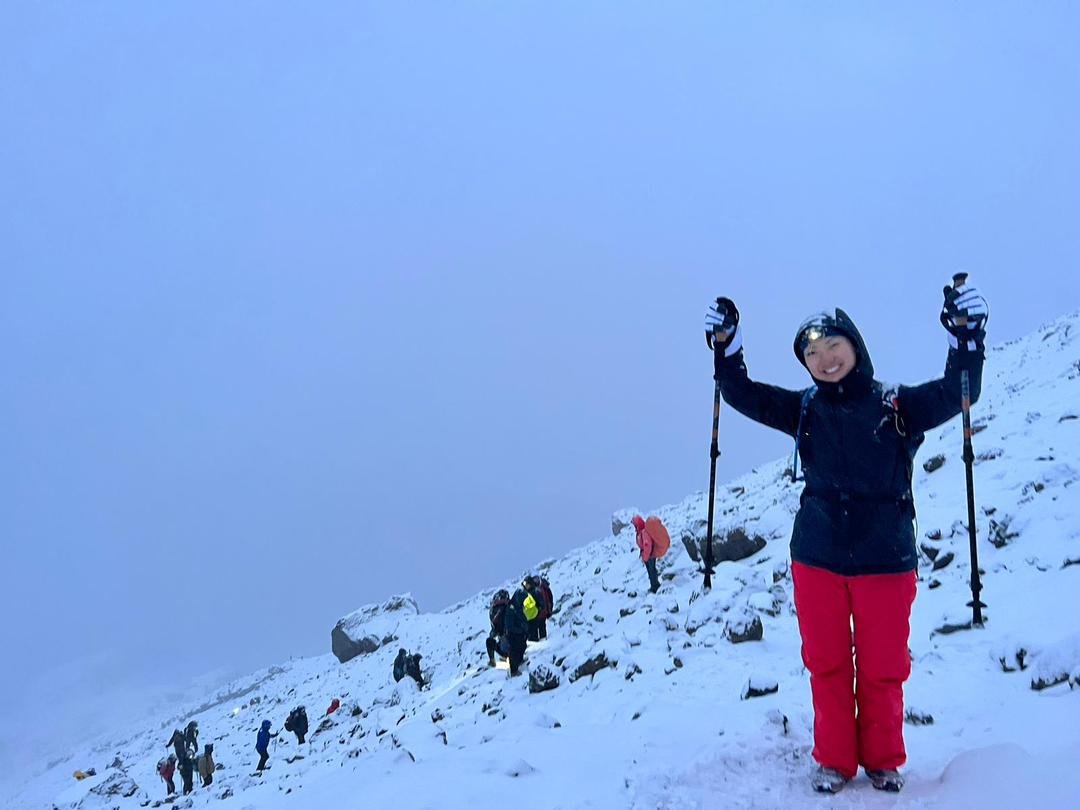
The final days before your climb are for rest and last-minute preparations. You’ll likely meet your guide for a pre-climb briefing, where you can ask any final questions and ensure your gear is ready. On summit night, typically starting around midnight from Barafu Camp, you will ascend in the dark, often in single file, using headlamps. The pace will be extremely slow, with frequent short breaks. The air is thin and cold, and the terrain is steep. Reaching Stella Point on the crater rim is a significant achievement, and from there, it’s a further hour to Uhuru Peak, the true summit. After a brief celebration and photo opportunities, the descent begins, which is often quicker but can be hard on the knees.
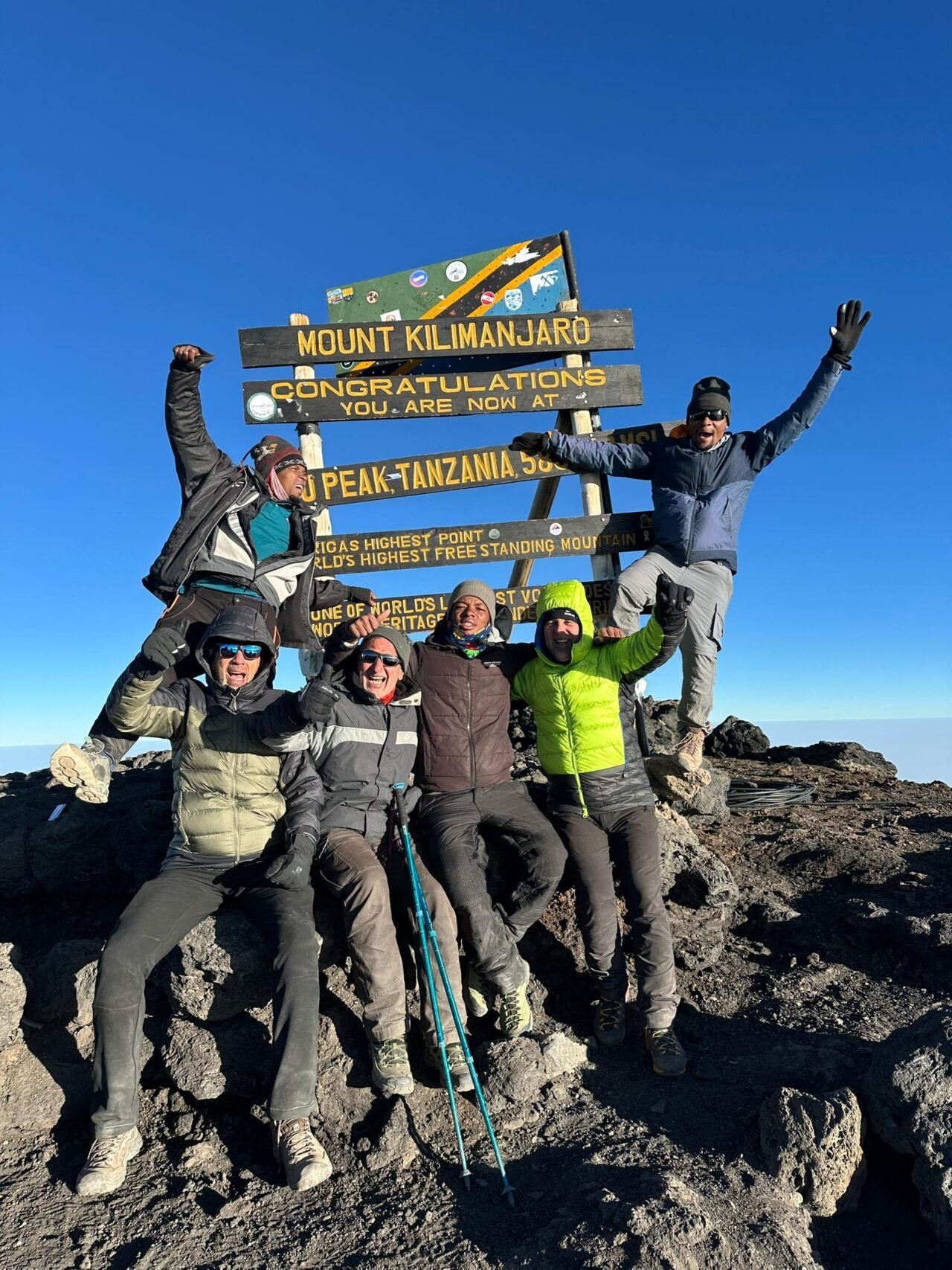
Embrace the challenge, trust your guides, and enjoy the incredible journey. Reaching the Roof of Africa is an unparalleled accomplishment, a testament to your preparation and perseverance.
We look forward to helping you plan and execute your unforgettable Kilimanjaro climb in 2026 or 2027!
Check Availability for 🔥 Climb Mount Kilimanjaro: Complete Tour And Booking Guide 2026-2027
Ready to compare dates, prices, and the best option for your group? Send the package name and travel month so the team can reply with a clear quote, availability, and what is included.
Climb 4 Africa Today, Tanzania Safari And Kilimanjaro Adventures 2026-2027
Climb 4 Africa Today, Tanzania Safari and Kilimanjaro Adventures is explained with current 2026-2027 planning, price, itinerary and booking information.
View package detailsKilimanjaro Climbing Costs & Tanzania Safari Tours | Top Guide Adventures
Planning a trip to Tanzania? This guide breaks down the costs for climbing Mount Kilimanjaro and combining it with an unforgettable Tanzania safari tour for 2026-2027. Learn about pricing...
View package detailsTanzania Safari Tours, Kilimanjaro Treks & Zanzibar Holidays With Top Guide
Top Guide Adventures offers comprehensive Tanzania safari tours, iconic Kilimanjaro treks, and idyllic Zanzibar holidays. Discover the best of East Africa with personalized itineraries...
View package detailsDiscount Tanzania Treks And Affordable Safari Packages In 2026-2027
Discover how to plan discount Tanzania treks and affordable safari packages for your 2026-2027 adventure. This comprehensive guide covers budget-friendly options for iconic destinations...
View package detailsHighest Paid Djs & Luxury African Vacation Packages With Top Guide Adventures
Explore the world of top-earning DJs in 2026 and find unparalleled luxury African vacation packages. Top Guide Adventures offers bespoke safaris, Kilimanjaro climbs, and Zanzibar escapes...
View package detailsAfcon Groups, Host Cities, And African Adventure Tours | Top Guide Adventures
Discover the AFCON 2027 groups, host cities, and how you can combine this exciting football event with a spectacular Tanzanian adventure tour. Top Guide Adventures offers tailored safaris...
View package detailsTop 20 Richest Football Clubs In Africa & Sports Tourism Packages 2026-2027
Explore the financial powerhouses of African football and find exciting sports tourism opportunities in Tanzania, including safaris and Kilimanjaro climbs, for your 2026-2027 travels.
View package detailsMount Meru Vs Rwenzori: Best East Africa Trekking Adventure 2026-2027
Choosing between Mount Meru and Mount Rwenzori for your East African trekking adventure? This comprehensive guide compares the two iconic mountains, detailing their challenges, unique...
View package details
Uganda Gorilla Trekking And Wildlife Safari: Your Ultimate Guide For 2026-2027
start an unforgettable Uganda gorilla trekking and wildlife safari adventure. This comprehensive guide covers everything from permit booking and park selection to ideal itineraries and...
View package detailsNo related package matches those filters. Clear one or more filters to see the other topic-matched options.



