
Chimpanzee permit fees in Gombe National Park for 2026-2027 are structured primarily around the park entry fees and a specific chimpanzee trekking permit, with rates typically varying for foreign tourists, expatriates, and East African residents. Foreign tourists can expect to pay around $100 USD per person for a chimpanzee trekking permit, in addition to the daily park entrance fee of approximately $20 USD per person. These fees are subject to change, and it’s crucial to confirm the latest rates with park authorities or your tour operator for your 2026 or 2027 visit.
Navigating the Costs: Chimpanzee Permit Fees in Gombe National Park
Gombe National Park, a jewel in Tanzania’s crown, offers an unparalleled opportunity to observe chimpanzees in their natural habitat. For many travelers, the primary motivation for visiting Gombe is the chance to witness these intelligent primates up close. Understanding the financial commitment involved, particularly the chimpanzee permit fees in Gombe, is a critical step in planning your adventure for 2026 or 2027. This guide breaks down the costs, providing clarity on what to expect and how these fees contribute to conservation efforts.
At Top Guide Adventures, we believe in transparent pricing and comprehensive planning. Our aim is to ensure you have all the information needed to budget effectively for your Gombe chimpanzee trekking experience. The fees associated with visiting Gombe are not merely charges; they are vital contributions that fund the park’s conservation, research, and community development initiatives, ensuring the long-term survival of its precious chimpanzee population and the unique ecosystem it inhabits.
While exact figures can fluctuate slightly due to government policy updates or inflation, the general structure of Gombe chimpanzee permit fees for 2026-2027 remains consistent. It’s important to distinguish between general park entry fees and the specialized permits required for chimpanzee tracking. These are often bundled or charged separately, depending on the duration of your visit and the specific activities planned.
Understanding the Gombe National Park Fee Structure
Gombe National Park, unlike many larger Tanzanian parks, has a distinct fee structure that reflects its unique environment and focus on primate research and tourism. The fees are managed by the Tanzania National Parks Authority (TANAPA) and are designed to support the park’s operations and conservation goals. For visitors planning a trip in 2026 or 2027, familiarizing yourself with these components is essential for accurate budgeting.
The core components of the Gombe National Park fee structure typically include:
- Park Entrance Fees: This is a daily fee charged to every visitor for entering the park. It grants access to the general areas of Gombe.
- Chimpanzee Trekking Permits: This is a specialized permit required for the activity of tracking and observing chimpanzees. It often covers a specific duration of tracking, such as a few hours.
- Vehicle Fees: If you are using a private vehicle or a tour operator’s vehicle within the park, there may be daily vehicle entry fees.
- Accommodation Fees: Fees for staying within the park’s lodges or campsites, if applicable.
For the specific focus of this guide – chimpanzee permit fees in Gombe – the most critical elements are the daily park entrance fee and the chimpanzee trekking permit itself. These are the primary costs directly related to the experience of seeing the chimpanzees.
Foreign Tourist Rates for Gombe National Park (2026-2027 Outlook)
For international visitors, the costs associated with visiting Gombe National Park are set to provide a significant contribution to conservation while offering a world-class wildlife experience. For your planned trips in 2026 and 2027, you should anticipate the following fee structure for foreign tourists:
- Daily Park Entrance Fee: Approximately $20 USD per person, per day. This fee allows you access to the park’s trails and general areas.
- Chimpanzee Trekking Permit: Approximately $100 USD per person. This permit is typically valid for one tracking session, which can last several hours. Some sources might indicate a permit valid for a longer period, but the standard is often per tracking session or a limited number of hours within a day.
These figures are based on recent trends and are projected to remain similar for 2026-2027, though TANAPA reserves the right to adjust them. It is always best practice to verify the exact amounts with your tour operator or directly with park authorities closer to your travel dates.
Expatriate and Resident Rates
Tanzania offers differentiated pricing for expatriates living and working in the country and for East African Community (EAC) residents. These rates are generally lower than those for foreign tourists, reflecting different economic contexts.
- Expatriates: Typically pay a rate lower than foreign tourists but higher than residents. For 2026-2027, this might be in the range of $10-15 USD for park entry and a comparable fee for the chimpanzee permit, though this varies significantly.
- East African Residents/Citizens: Benefit from the lowest rates. Park entrance might be around $5-10 USD, with chimpanzee permits also being significantly more affordable.
It is essential for expatriates and residents to carry valid identification (such as a work permit or national ID) to qualify for these reduced rates when purchasing permits or paying park fees for their 2026 or 2027 Gombe visit.
What Does the Chimpanzee Permit Fee Cover?
The chimpanzee permit fee in Gombe is more than just an entry ticket; it’s an investment in the future of chimpanzee conservation and a crucial component of responsible tourism. Understanding what this fee supports can enhance the value and significance of your visit.
The primary contributions of the chimpanzee permit fees include:
- Conservation and Habitat Protection: A significant portion of the fees directly funds anti-poaching patrols, habitat restoration efforts, and the general upkeep of Gombe National Park’s pristine environment. This is crucial for the survival of chimpanzees and other endemic species.
- Research Activities: Gombe is world-renowned for its long-term primatological research, notably pioneered by Dr. Jane Goodall. Permit fees help support ongoing research, data collection, and the infrastructure required for these vital scientific endeavors.
- Ranger Services and Guiding: The fees cover the costs of employing and training experienced park rangers and guides. These individuals are essential for leading treks, ensuring visitor safety, habituating chimpanzee groups, and providing invaluable insights into chimpanzee behavior and ecology.
- Community Development: TANAPA often invests a portion of park revenues into projects that benefit local communities living around Gombe. This can include infrastructure development, education, and healthcare initiatives, fostering goodwill and encouraging local support for conservation.
- Park Infrastructure and Maintenance: Fees contribute to the maintenance of park trails, visitor centers, and basic facilities, ensuring a sustainable and accessible experience for tourists in 2026 and 2027.
By purchasing a chimpanzee permit, you are actively participating in the preservation of one of Africa’s most iconic wildlife experiences and supporting critical scientific research. It’s a direct way to ensure that future generations can also witness the wonder of Gombe’s chimpanzees.
Planning Your Gombe Chimpanzee Trekking Experience: Beyond the Permit Fee
While the chimpanzee permit fees in Gombe are a significant cost, they are just one part of the overall budget for your trip. A comprehensive travel plan in 2026 or 2027 requires consideration of other essential expenses to ensure a smooth and enjoyable journey. Top Guide Adventures specializes in crafting all-inclusive itineraries that account for these various components, providing peace of mind and value.
Here’s a breakdown of other costs and considerations when planning your Gombe adventure:
Accommodation Options and Costs in Gombe
Gombe National Park offers a limited but unique range of accommodation options, each providing a different experience and price point. The choice of lodging significantly impacts your overall trip cost.
- Gombe Tented Camp (Mid-Range): This is often the most popular choice for travelers seeking comfort and immersion in nature. It typically consists of comfortable tents with basic amenities. Rates for 2026-2027 are projected to be in the range of $150 – $250 USD per person per night, often including meals.
- Gombe Bandas (Budget-Friendly): Simpler, more rustic bandas (huts) are available, offering a more basic but still comfortable stay. These are ideal for budget-conscious travelers. Prices might range from $80 – $150 USD per person per night, usually on a full-board basis.
- Luxury Lodges (Limited Availability): While Gombe is primarily a research and conservation-focused park with simpler facilities, some higher-end options or exclusive arrangements might be available through specific tour operators. These would command premium pricing.
- Camping: Designated campsites are available for those who prefer a more rugged experience. Fees are typically lower, around $30 – $50 USD per person per night, and campers must bring their own equipment or arrange rentals.
It is important to note that accommodation in Gombe is often booked well in advance, especially for peak seasons in 2026 and 2027. Advance booking is highly recommended.
Transportation to and Within Gombe National Park
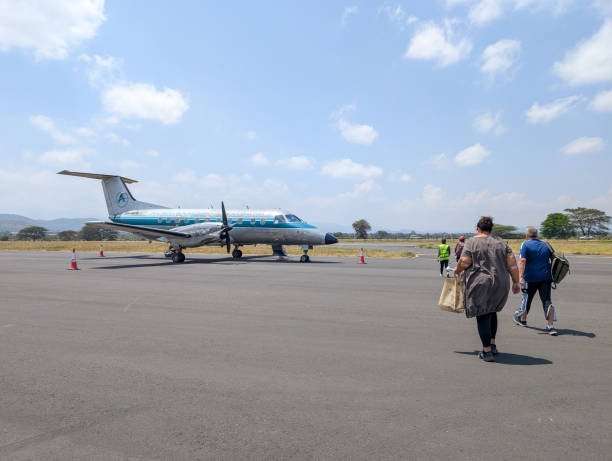
Reaching Gombe is an adventure in itself, typically involving flights and boat transfers, as the park is only accessible by water. Transportation costs are a significant factor in the overall Gombe trip budget.
- Flights to Kigoma: Most visitors fly into Kigoma, the nearest town to Gombe. Flights from Dar es Salaam or Arusha to Kigoma can cost anywhere from $300 – $600 USD round trip, depending on the airline and booking time. For 2026-2027, booking flights early is advisable to secure better rates.
- Boat Transfers to Gombe: From Kigoma town, you will need to take a boat to reach the park’s lodges or bandas. This boat transfer is usually arranged by the lodges or your tour operator and can cost approximately $100 – $200 USD per person for a one-way trip, depending on the distance and type of boat. Shared boat transfers can sometimes reduce this cost.
- Park Boat Fees: Within the park, if you plan to move between different chimpanzee viewing areas or visit nearby attractions, there might be additional boat hire fees. These are typically negotiated daily and can range from $50 – $150 USD per day, depending on the distance and duration.
Top Guide Adventures often includes these transfers in their Gombe packages, simplifying the logistics for clients planning their 2026 or 2027 safari.
Other Essential Costs to Factor In
Beyond permits, accommodation, and transport, several other expenses contribute to the total cost of a Gombe trip:
- Tour Operator Fees: If you book through a tour operator like Top Guide Adventures, their package price will include planning, booking, guiding, and often accommodation and transfers. This fee covers their expertise and services. Prices vary widely based on the itinerary’s length and inclusions.
- Meals: While many lodges include full board, if you are camping or staying in self-catering bandas, you will need to budget for meals. Food supplies need to be brought from Kigoma, adding a logistical cost.
- Gratuities: Tipping is customary for guides, rangers, lodge staff, and boatmen. Budgeting around $10-20 USD per day for your guide/ranger and smaller amounts for other staff is a good practice for 2026-2027 trips.
- Travel Insurance: Essential for any trip, covering medical emergencies and trip cancellations. Costs vary based on coverage.
- Visas and Flights to Tanzania: Factor in the cost of Tanzanian visas (if applicable) and international flights to your arrival point in Tanzania (e.g., Kilimanjaro International Airport or Dar es Salaam).
- Personal Expenses: Souvenirs, drinks, and other personal items.
By considering all these factors, you can create a realistic budget for your Gombe chimpanzee trekking adventure in 2026 or 2027.
Maximizing Your Gombe Experience: Tips for 2026-2027 Visits
A trip to Gombe National Park is a life-changing experience, offering intimate encounters with our closest primate relatives. To ensure your visit in 2026 or 2027 is as rewarding as possible, planning strategically is key. Beyond understanding the chimpanzee permit fees in Gombe, several practical tips can enhance your journey.
Best Time to Visit Gombe National Park
Gombe’s tropical climate means it’s a year-round destination, but certain periods offer distinct advantages:
- Dry Season (June to October): This is generally considered the best time for chimpanzee trekking. The trails are less muddy and slippery, making hiking easier. Chimpanzees tend to be more concentrated around reliable food sources, potentially leading to more predictable sightings. This is also peak tourist season, so expect higher visitor numbers and book well in advance for 2026-2027.
- Wet Season (November to May): While trekking can be more challenging due to rain and muddy trails, the landscape is lush and vibrant. Chimpanzees are more dispersed as food is abundant everywhere. This season offers fewer crowds and potentially lower prices for accommodation and some services, making it attractive for budget-conscious travelers in 2026 or 2027. The rains also mean fewer insects.
For the best balance of good weather and accessible chimpanzees, the shoulder months of the dry season (June, September, October) can be ideal.
What to Pack for Your Gombe Trek
Packing appropriately is crucial for comfort and safety during your Gombe adventure. Given the humid, tropical environment and the nature of trekking, focus on lightweight, quick-drying gear.
- Lightweight Hiking Boots: Broken-in, waterproof hiking boots are essential for navigating the sometimes steep and muddy trails.
- Comfortable Trousers and Long-Sleeved Shirts: Lightweight, breathable fabrics to protect against insects, the sun, and vegetation. Neutral colors are best for wildlife viewing.
- Waterproof Jacket or Poncho: Essential, especially during the wet season, but useful year-round for sudden downpours.
- Insect Repellent: High DEET content is recommended.
- Sunscreen, Hat, and Sunglasses: The equatorial sun can be intense.
- Reusable Water Bottle: Staying hydrated is vital. Filtered water is usually provided.
- Binoculars: Useful for spotting distant wildlife and birds.
- Camera and Extra Batteries/Memory Cards: You’ll want to capture every moment.
- Small Backpack: For carrying water, snacks, camera, and rain gear during treks.
- Personal First-Aid Kit: Including any personal medications.
- Binoculars: For spotting distant wildlife and birds.
Remember that luggage space on boats and in lodges can be limited, so pack efficiently.
Etiquette and Safety During Chimpanzee Trekking
Respecting the chimpanzees and their environment is paramount. Adhering to park rules and guidelines ensures your safety and the well-being of the primates.
- Maintain a Safe Distance: Always follow your guide’s instructions regarding distance from the chimpanzees. Typically, a minimum of 7-10 meters is required, though this can vary based on the chimpanzee group’s habituation level.
- Do Not Feed the Chimpanzees: Feeding is strictly prohibited and can have detrimental effects on their health and natural behavior.
- Minimize Noise: Speak softly and avoid loud noises that could disturb the chimpanzees or other wildlife.
- Do Not Smoke or Litter: These actions can harm the environment and the animals.
- Follow Your Guide’s Lead: Your guide is experienced and knowledgeable about chimpanzee behavior and park regulations. Their instructions are for your safety and the protection of the chimpanzees.
- Be Aware of Your Surroundings: While chimpanzees are the main attraction, Gombe is home to other wildlife, including baboons, vervet monkeys, and various bird species.
By following these guidelines, you contribute to the ethical and sustainable tourism practices that Gombe National Park upholds.
The Role of Tour Operators in Gombe
Navigating the logistics of reaching Gombe, booking accommodation, and securing permits can be complex. This is where a reputable tour operator like Top Guide Adventures plays a crucial role, especially for your 2026 or 2027 trip.
A good tour operator will:
- Handle Permit Bookings: Secure your chimpanzee permit fees in Gombe and park entry fees in advance, ensuring availability.
- Arrange Transportation: Coordinate flights to Kigoma and necessary boat transfers.
- Book Accommodation: Reserve your preferred lodge or banda well in advance.
- Provide Expert Guides: Assign experienced, knowledgeable guides who enhance your understanding of the chimpanzees and the park.
- Offer Tailored Itineraries: Customize your Gombe experience based on your interests, budget, and timeframe.
- Provide Support: Offer assistance throughout your trip, from arrival in Tanzania to departure.
Working with Top Guide Adventures means you can focus on the incredible experience of chimpanzee trekking, confident that all the logistical details, including the management of Gombe chimpanzee permit fees, are expertly handled.
Gombe National Park: Conservation and Future Outlook (2026-2027)
Gombe National Park is more than just a tourist destination; it’s a vital sanctuary for chimpanzees and a globally significant site for scientific research. The management and conservation efforts in place are crucial for its long-term sustainability, and understanding these efforts provides context for the fees charged.
The Legacy of Jane Goodall and Ongoing Research
The story of Gombe is inextricably linked to Dr. Jane Goodall. Her pioneering research, which began in 1960, revolutionized our understanding of chimpanzee behavior, social structures, and intelligence. Her work established Gombe as a living laboratory.
Today, the research legacy continues. Scientists and researchers are still based in Gombe, studying:
- Chimpanzee Social Dynamics: Understanding complex relationships, politics, and family structures within chimpanzee communities.
- Behavioral Ecology: How chimpanzees adapt their behavior to their environment, including foraging, tool use, and communication.
- Health and Disease Monitoring: Tracking the health of the chimpanzee population, including susceptibility to human-borne diseases, which is critical for conservation planning in 2026-2027 and beyond.
- Conservation Genetics: Studying the genetic diversity of Gombe’s chimpanzees to inform breeding programs and ensure population health.
The chimpanzee permit fees in Gombe directly support these ongoing research efforts, providing the necessary funding for field studies, data analysis, and the infrastructure that facilitates this critical work.
Conservation Challenges and Strategies
Despite its protected status, Gombe faces several conservation challenges:
- Habitat Fragmentation: While Gombe itself is protected, the surrounding areas face pressure from human activities like agriculture and deforestation, potentially impacting chimpanzee corridors and food sources.
- Disease Transmission: Chimpanzees are susceptible to human diseases. Increased tourism, even with strict protocols, carries a risk, making robust health monitoring essential.
- Human-Wildlife Conflict: Although less prevalent in Gombe compared to other parks due to its remote nature, ensuring minimal conflict with local communities is an ongoing effort.
- Climate Change: Shifting weather patterns can affect food availability and habitat suitability for chimpanzees.
TANAPA, in collaboration with research institutions and conservation organizations, employs various strategies to mitigate these challenges:
- Strict Tourism Regulations: Enforcing guidelines for chimpanzee trekking to minimize disturbance and disease risk.
- Habitat Management: Efforts to protect and, where possible, restore chimpanzee habitats within and around the park.
- Community Engagement: Working with local communities to foster support for conservation and promote sustainable livelihoods.
- Research and Monitoring: Continuous scientific study to understand population health, behavior, and environmental changes.
The fees collected for chimpanzee permit fees in Gombe are fundamental to funding these crucial conservation initiatives, ensuring the park remains a safe haven for chimpanzees into the future, including the period of 2026-2027.
The Future of Gombe Tourism (2026-2027)
Gombe National Park aims for a model of high-value, low-impact tourism. The focus is on providing an exceptional wildlife experience that directly contributes to conservation, rather than mass tourism.
For visitors planning trips in 2026-2027, this means:
- Emphasis on Quality Experiences: Expect well-managed treks with knowledgeable guides, ensuring meaningful interactions with wildlife and nature.
- Sustainable Practices: Continued commitment to eco-friendly operations, waste management, and energy conservation.
- Controlled Visitor Numbers: While Gombe is not overcrowded, visitor numbers are managed to prevent undue stress on the chimpanzee populations and the environment.
- Investment in Infrastructure: Potential for upgrades to lodges and visitor facilities to enhance comfort while maintaining the park’s natural ambiance.
The fees, including the chimpanzee permit fees in Gombe, are essential for maintaining this delicate balance between conservation, research, and tourism, ensuring Gombe remains a pristine and scientifically invaluable treasure for years to come.
Booking Your Gombe Chimpanzee Trekking Adventure with Top Guide Adventures
Planning an unforgettable trip to Gombe National Park involves understanding all the components, from the crucial chimpanzee permit fees in Gombe to the logistical intricacies of reaching this remote paradise. Top Guide Adventures is your trusted partner in Tanzania, dedicated to providing smooth and enriching safari experiences.
We specialize in crafting personalized itineraries that cater to your interests, budget, and travel style. Whether you are planning for 2026, 2027, or beyond, our team of experts is here to guide you every step of the way.
Our Gombe National Park packages typically include:
- Expert Itinerary Planning: Tailored Gombe adventures designed around your preferences.
- Chimpanzee Permit and Park Fee Arrangements: We handle the booking and payment of all necessary permits and fees, including the chimpanzee permit fees in Gombe.
- Accommodation Bookings: Securing your preferred lodging, from comfortable bandas to lodges.
- All Transfers: Coordinating flights to Kigoma and boat transfers to Gombe.
- Experienced Guides: Providing knowledgeable and passionate guides for your treks and game drives.
- 24/7 Support: Dedicated assistance throughout your journey.
We understand that planning a safari can seem daunting, especially when factoring in various costs like the chimpanzee permit fees in Gombe. Our goal is to simplify this process, offering clear, comprehensive packages that represent excellent value and ensure you have an incredible wildlife encounter.
Ready to plan your Gombe adventure for 2026 or 2027?
Contact Top Guide Adventures today to discuss your dream safari:
- WhatsApp: +255616946642
- Email: topguideadventures@gmail.com
- Backup Email: info@topguideadventurestanzania.com
Let us help you make your Gombe chimpanzee trekking experience a reality. We look forward to helping you discover the magic of Gombe National Park.
Check Availability for Understanding Chimpanzee Permit Fees In Gombe National Park For 2026-2027
Ready to compare dates, prices, and the best option for your group? Send the package name and travel month so the team can reply with a clear quote, availability, and what is included.

Tanzania Chimpanzee Trekking Permit Fees For : Your Complete Guide 2026-2027
Planning a chimpanzee trekking adventure in Tanzania for 2026 or 2027? This guide breaks down the essential permit fees for key locations like Gombe Stream and Mahale Mountains National...
View package detailsNo related package matches those filters. Clear one or more filters to see the other topic-matched options.



