
.orscg-article{–orscg-text:#152033;–orscg-muted:#5c6878;–orscg-line:#e4e8ee;–orscg-accent:#0b6b4f;–orscg-accent2:#c75b12;–orscg-soft:#f6faf7;–orscg-warm:#fff7ef;max-width:1120px;margin:0 auto;color:var(–orscg-text);font-family:inherit;line-height:1.76}.orscg-article *{box-sizing:border-box}.orscg-article-intro{padding:30px 26px;margin:0 0 32px;border:1px solid var(–orscg-line);border-radius:22px;background:linear-gradient(135deg,#fff 0%,var(–orscg-soft) 65%,var(–orscg-warm) 100%)}.orscg-updated{display:inline-block;margin:0 0 14px;padding:6px 12px;border:1px solid rgba(11,107,79,.18);border-radius:999px;background:#fff;color:var(–orscg-accent);font-size:13px;font-weight:800}.orscg-article-intro h2{font-family:’Trebuchet MS’,Arial,sans-serif;margin:0 0 14px;font-size:clamp(30px,4vw,52px);line-height:1.08;color:var(–orscg-text);letter-spacing:-.03em}.orscg-lead{max-width:900px;margin:0 0 18px;font-size:clamp(17px,2vw,21px);color:var(–orscg-muted)}.orscg-contact-mini{font-weight:800;margin:0}.orscg-contact-mini a,.orscg-content a{color:var(–orscg-accent);text-decoration:none}.orscg-contact-mini a:hover,.orscg-content a:hover{text-decoration:underline}.orscg-hero-price{margin:18px 0 0;padding:14px 16px;border:1px solid rgba(199,91,18,.28);border-radius:14px;background:#fff;color:#733809;font-weight:650}.orscg-content{font-size:17px}.orscg-content h2{font-family:’Trebuchet MS’,Arial,sans-serif;margin:44px 0 15px;font-size:clamp(25px,3vw,38px);line-height:1.17;color:var(–orscg-text);letter-spacing:-.02em}.orscg-content h2:first-child{margin-top:0}.orscg-content h3{margin:28px 0 12px;font-size:clamp(20px,2.1vw,27px);line-height:1.25;color:var(–orscg-text)}.orscg-content p{margin:0 0 18px}.orscg-content ul,.orscg-content ol{margin:0 0 24px;padding-left:24px}.orscg-content li{margin:8px 0}.orscg-content table,.orscg-table{width:100%;border-collapse:separate;border-spacing:0;margin:25px 0;font-size:16px;border:1px solid var(–orscg-line);border-radius:0;overflow:hidden;background:#fff;box-shadow:0 10px 24px rgba(15,23,42,.05)}.orscg-content th,.orscg-content td{border:0;border-bottom:1px solid var(–orscg-line);padding:13px 14px;text-align:left;vertical-align:top}.orscg-content tr:last-child td{border-bottom:0}.orscg-content th{background:var(–orscg-soft);font-weight:850;color:#10251d}.orscg-price-box{margin:30px 0;padding:24px;border:0;border-top:3px solid var(–orscg-accent2);border-bottom:1px solid rgba(199,91,18,.28);border-radius:0;background:linear-gradient(135deg,#fff,var(–orscg-warm));box-shadow:0 12px 26px rgba(15,23,42,.06)}.orscg-price-box h2{margin-top:0}.orscg-price-table th{background:#fff1e3}.orscg-price-table td:first-child{font-weight:800;color:#733809}.orscg-anchor-target{display:block;position:relative;top:-115px;visibility:hidden;height:0;overflow:hidden}.orscg-content h2[data-orscg-anchor]{scroll-margin-top:120px}.orscg-toc,.orscg-company-links{margin:24px 0;padding:22px 24px;border:1px solid var(–orscg-line);border-radius:18px;background:#fff;box-shadow:0 10px 28px rgba(15,23,42,.04)}.orscg-toc h2,.orscg-company-links h2{margin-top:0}.orscg-toc ol{columns:2;column-gap:34px}.orscg-toc li{break-inside:avoid}.orscg-toc a{cursor:pointer;font-weight:700}.orscg-note,.orscg-checklist,.orscg-itinerary,.orscg-faq,.orscg-map,.orscg-pro-block{margin:28px 0;padding:22px 24px;border:0;border-top:1px solid var(–orscg-line);border-bottom:1px solid var(–orscg-line);border-left:5px solid var(–orscg-accent);border-radius:0;background:var(–orscg-soft)}.orscg-itinerary{border-left-color:var(–orscg-accent2);background:#fffaf5}.orscg-pro-block{background:linear-gradient(135deg,#fff,var(–orscg-soft));box-shadow:0 10px 28px rgba(15,23,42,.04)}.orscg-top-images{display:grid;grid-template-columns:repeat(auto-fit,minmax(220px,1fr));gap:16px;margin:0 0 30px}.orscg-featured-image{margin:0;aspect-ratio:16/10;overflow:hidden;border-radius:18px;background:#eef2f0}.orscg-featured-image img{display:block;width:100%;height:100%;object-fit:cover;object-position:center;border-radius:18px;box-shadow:0 12px 30px rgba(15,23,42,.10)}.orscg-simple-cta{margin:46px 0 0;padding:28px;border:0;border-top:3px solid var(–orscg-accent);border-bottom:1px solid rgba(11,107,79,.20);border-radius:0;background:linear-gradient(135deg,var(–orscg-soft),#fff);box-shadow:0 14px 30px rgba(15,23,42,.07)}.orscg-direct-answer{margin:0 0 30px;padding:22px 24px;border:0;border-top:1px solid rgba(11,107,79,.25);border-bottom:1px solid rgba(11,107,79,.25);border-left:6px solid var(–orscg-accent);border-radius:0;background:linear-gradient(135deg,#fff,var(–orscg-soft));box-shadow:0 12px 26px rgba(15,23,42,.06);font-size:18px}.orscg-direct-answer p:last-child{margin-bottom:0}.orscg-simple-cta h2{font-family:’Trebuchet MS’,Arial,sans-serif;margin:0 0 12px;font-size:clamp(24px,3vw,34px);line-height:1.2}.orscg-simple-cta p{margin:0 0 16px}.orscg-related-packages{position:relative;margin:48px 0 0;padding:30px 0 8px;border:0;border-top:3px solid var(–orscg-accent);border-bottom:1px solid var(–orscg-line);border-radius:0;background:linear-gradient(180deg,#fff 0%,#f7faf8 100%);box-shadow:none}.orscg-related-packages h2{margin:0 0 8px}.orscg-related-packages p{margin:0;color:var(–orscg-muted)}.orscg-related-heading{display:flex;align-items:flex-end;justify-content:space-between;gap:18px;margin-bottom:22px}.orscg-package-explorer{display:grid;grid-template-columns:minmax(220px,270px) minmax(0,1fr);gap:24px;align-items:start}.orscg-package-filters{position:sticky;top:92px;border:1px solid var(–orscg-line);border-top:4px solid var(–orscg-accent);border-radius:0;background:#fff;box-shadow:0 12px 28px rgba(15,23,42,.07)}.orscg-filter-mobile-toggle{display:none;width:100%;padding:14px 16px;border:0;border-bottom:1px solid var(–orscg-line);border-radius:0;background:#fff;color:var(–orscg-text);font:inherit;font-weight:850;text-align:left;cursor:pointer}.orscg-filter-panel-head{display:flex;align-items:center;justify-content:space-between;gap:12px;padding:16px 17px;border-bottom:1px solid var(–orscg-line)}.orscg-filter-panel-head strong{font-size:18px}.orscg-filter-panel-head button,.orscg-package-results-head button{padding:0;border:0;background:transparent;color:var(–orscg-accent);font:inherit;font-size:13px;font-weight:800;cursor:pointer}.orscg-filter-group{margin:0;padding:16px 17px;border:0;border-bottom:1px solid var(–orscg-line)}.orscg-filter-group:last-child{border-bottom:0}.orscg-filter-group legend{display:block;width:100%;margin:0 0 10px;padding:0;color:var(–orscg-text);font-size:15px;font-weight:900}.orscg-filter-group label{display:grid;grid-template-columns:18px minmax(0,1fr) auto;align-items:center;gap:9px;margin:9px 0;color:var(–orscg-text);font-size:14px;line-height:1.35;cursor:pointer}.orscg-filter-group input{width:16px;height:16px;margin:0;accent-color:var(–orscg-accent)}.orscg-filter-group b{min-width:24px;color:var(–orscg-muted);font-size:12px;font-weight:700;text-align:right}.orscg-package-results{min-width:0}.orscg-package-results-head{display:flex;align-items:center;justify-content:space-between;gap:14px;margin:0 0 12px;padding:12px 0;border-top:1px solid var(–orscg-line);border-bottom:1px solid var(–orscg-line)}.orscg-package-results-head strong{font-size:15px}.orscg-package-list{display:grid;gap:16px}.orscg-package-card{display:grid;grid-template-columns:minmax(190px,245px) minmax(0,1fr);min-width:0;overflow:hidden;border:1px solid var(–orscg-line);border-left:4px solid var(–orscg-accent);border-radius:0;background:#fff;color:var(–orscg-text);box-shadow:0 12px 26px rgba(15,23,42,.07);transition:transform .18s ease,box-shadow .18s ease}.orscg-package-card[hidden]{display:none!important}.orscg-package-card:hover{transform:translateY(-2px);box-shadow:0 17px 32px rgba(15,23,42,.11)}.orscg-package-card-image{display:block;min-height:185px;overflow:hidden;background:#eaf0ec;text-decoration:none!important}.orscg-package-card-image img{display:block;width:100%;height:100%;min-height:185px;object-fit:cover;object-position:center}.orscg-package-image-placeholder{display:block;width:100%;height:100%;min-height:185px;background:linear-gradient(135deg,#e8f1ec,#fff3e7)}.orscg-package-card-body{display:flex;min-width:0;flex-direction:column;padding:18px 20px}.orscg-package-meta{display:flex;flex-wrap:wrap;gap:7px;margin:0 0 10px}.orscg-package-meta span{display:inline-flex;padding:4px 8px;border:1px solid rgba(11,107,79,.18);border-radius:0;background:var(–orscg-soft);color:#21463b;font-size:12px;font-weight:800;line-height:1.2}.orscg-package-card h3{margin:0 0 8px!important;font-size:clamp(19px,2vw,25px)!important;line-height:1.25}.orscg-package-card h3 a{color:var(–orscg-text)!important;text-decoration:none!important}.orscg-package-card h3 a:hover{color:var(–orscg-accent)!important}.orscg-package-card .orscg-package-summary{margin:0 0 14px;color:var(–orscg-muted);font-size:14px;line-height:1.58}.orscg-package-view{display:inline-flex;align-items:center;gap:7px;margin-top:auto;color:var(–orscg-accent)!important;text-decoration:none!important;font-size:14px;font-weight:900}.orscg-package-view:hover{text-decoration:underline!important}.orscg-package-empty{padding:24px;border:1px dashed var(–orscg-line);background:#fff;text-align:center}.orscg-filter-panel.is-open{display:block}.orscg-cta-links{display:flex;flex-wrap:wrap;gap:12px}.orscg-btn{display:inline-flex;align-items:center;justify-content:center;padding:12px 19px;border-radius:0;background:var(–orscg-accent);color:#fff!important;text-decoration:none!important;font-weight:850;box-shadow:4px 4px 0 rgba(11,107,79,.18)}.orscg-btn-light{background:#fff;color:var(–orscg-accent)!important;border:1px solid var(–orscg-accent);box-shadow:none}@media(max-width:980px){.orscg-package-explorer{grid-template-columns:220px minmax(0,1fr)}.orscg-package-card{grid-template-columns:190px minmax(0,1fr)}}@media(max-width:760px){.orscg-article-intro{padding:24px 18px}.orscg-toc ol{columns:1}.orscg-content{font-size:16px}.orscg-content table,.orscg-table{display:block;overflow-x:auto}.orscg-simple-cta,.orscg-price-box,.orscg-related-packages{padding:20px}.orscg-cta-links{display:block}.orscg-btn{margin:0 8px 8px 0}.orscg-top-images{grid-template-columns:1fr}.orscg-related-heading{align-items:flex-start}.orscg-package-explorer{grid-template-columns:1fr}.orscg-package-filters{position:static}.orscg-filter-mobile-toggle{display:block}.orscg-filter-panel{display:none}.orscg-filter-panel.is-open{display:block}.orscg-package-card{grid-template-columns:1fr}.orscg-package-card-image,.orscg-package-card-image img,.orscg-package-image-placeholder{min-height:210px}.orscg-package-results-head{align-items:flex-start}}
/* v3.17.24 related package explorer: stronger existing-page topic matching, three-column desktop grid and old-page live refresh */
.orscg-related-packages{padding:34px 0 12px;overflow:visible}.orscg-related-heading{align-items:flex-start;margin-bottom:26px}.orscg-related-heading>div{max-width:880px}.orscg-related-heading h2{font-size:clamp(27px,3vw,40px);line-height:1.14}.orscg-related-heading p{max-width:830px;line-height:1.65}.orscg-package-explorer{grid-template-columns:minmax(238px,270px) minmax(0,1fr);gap:28px}.orscg-package-filters{top:84px;max-height:calc(100vh – 104px);overflow:auto;scrollbar-width:thin}.orscg-filter-mobile-toggle{align-items:center;justify-content:space-between;gap:16px}.orscg-filter-mobile-toggle small{color:var(–orscg-muted);font-size:12px;font-weight:750}.orscg-filter-panel-head{align-items:flex-start;padding:18px}.orscg-filter-panel-head>div{display:grid;gap:3px}.orscg-filter-panel-head span{color:var(–orscg-muted);font-size:12px}.orscg-filter-group{padding:0}.orscg-filter-group legend{margin:0}.orscg-filter-group-toggle{display:flex;width:100%;align-items:center;justify-content:space-between;gap:14px;padding:14px 17px;border:0;background:#fff;color:var(–orscg-text);font:inherit;font-size:15px;font-weight:900;text-align:left;cursor:pointer}.orscg-filter-group-toggle i{position:relative;width:14px;height:14px;flex:0 0 14px}.orscg-filter-group-toggle i:before,.orscg-filter-group-toggle i:after{content:””;position:absolute;left:1px;top:6px;width:12px;height:2px;background:var(–orscg-accent);transition:transform .18s ease}.orscg-filter-group-toggle i:after{transform:rotate(90deg)}.orscg-filter-group.is-expanded .orscg-filter-group-toggle i:after{transform:rotate(0)}.orscg-filter-options{padding:0 17px 14px}.orscg-filter-group:not(.is-expanded) .orscg-filter-options{display:none}.orscg-filter-group label{margin:5px -7px;padding:8px 7px;transition:background .16s ease}.orscg-filter-group label:hover{background:var(–orscg-soft)}.orscg-filter-group label:has(input:checked){background:#eef8f3;color:#123b2f;font-weight:800}.orscg-package-results-head{align-items:flex-start;margin-bottom:18px;padding:14px 0}.orscg-package-results-head>div{min-width:0}.orscg-package-results-head>button{flex:0 0 auto;margin-top:2px}.orscg-active-filters{display:flex;flex-wrap:wrap;gap:6px;margin-top:8px}.orscg-active-filters:empty{display:none}.orscg-active-filter-chip{display:inline-flex;align-items:center;padding:4px 8px;border:1px solid rgba(11,107,79,.18);background:var(–orscg-soft);color:#21463b;font-size:12px;font-weight:750}.orscg-package-list{grid-template-columns:repeat(3,minmax(0,1fr));gap:20px;align-items:stretch}.orscg-package-card{position:relative;display:grid;grid-template-columns:1fr;grid-template-rows:auto 1fr;height:100%;border-left:1px solid var(–orscg-line);border-top:4px solid var(–orscg-accent);cursor:pointer;outline:none}.orscg-package-card:focus-visible{box-shadow:0 0 0 3px rgba(11,107,79,.2),0 17px 32px rgba(15,23,42,.11)}.orscg-package-card-image{min-height:0;aspect-ratio:16/9}.orscg-package-card-image img,.orscg-package-image-placeholder{width:100%;height:100%;min-height:0;aspect-ratio:16/9}.orscg-package-card-body{height:100%;padding:18px 19px 19px}.orscg-package-card h3{font-size:clamp(18px,1.7vw,23px)!important}.orscg-package-summary{display:-webkit-box;overflow:hidden;-webkit-box-orient:vertical;-webkit-line-clamp:3}.orscg-package-view{padding-top:4px}.orscg-package-card.is-filtered-in{animation:orscgPackageReveal .22s ease both}@keyframes orscgPackageReveal{from{opacity:.35;transform:translateY(5px)}to{opacity:1;transform:none}}@media(max-width:1050px){.orscg-package-explorer{grid-template-columns:220px minmax(0,1fr);gap:20px}.orscg-package-list{grid-template-columns:repeat(2,minmax(0,1fr))}}@media(max-width:760px){.orscg-related-packages{padding:24px 0 8px}.orscg-package-explorer{grid-template-columns:1fr}.orscg-package-filters{max-height:none;overflow:visible}.orscg-filter-mobile-toggle{display:flex}.orscg-package-list{grid-template-columns:1fr;gap:16px}.orscg-package-card-image{aspect-ratio:16/10}.orscg-package-card-image img,.orscg-package-image-placeholder{aspect-ratio:16/10}.orscg-package-results-head{gap:10px}.orscg-package-results-head>button{white-space:nowrap}}@media(max-width:430px){.orscg-package-results-head{display:grid;grid-template-columns:1fr}.orscg-package-results-head>button{justify-self:start}.orscg-filter-mobile-toggle{padding:14px}.orscg-package-card-body{padding:16px}}
A Botswana mobile camping safari provides an authentic, intimate wildlife experience by setting up temporary, fully-equipped camps in remote wilderness areas, allowing for close encounters with nature and a deeper connection to the environment, distinct from fixed lodge stays.
Understanding the Essence of a Botswana Mobile Camping Safari
A Botswana mobile camping safari is more than just a trip; it’s a journey into the heart of Africa’s most pristine wilderness. Unlike fly-in lodges or permanent tented camps, a mobile safari involves a dedicated crew that moves camp with you, setting up a fully functional camp in a new, often secluded location each night or every few nights. This allows for unparalleled access to remote game viewing areas, ensuring you experience the true wild of Botswana, from the iconic Okavango Delta to the vast plains of the Central Kalahari. For travelers planning for 2026 or 2027, this style of safari promises an intimate, adventurous, and deeply rewarding connection with nature.
The core appeal lies in its flexibility and exclusivity. Your camp is set up just for your group, offering privacy and a personalized experience. You’ll sleep in comfortable, spacious tents, often with en-suite bathrooms (or a short walk away), enjoy delicious meals prepared by a dedicated camp chef, and gather around a campfire under a canopy of stars. The focus is on the natural environment, with game drives, walking safaris, and mokoro excursions designed to maximize wildlife sightings and minimize disturbance.
This safari style is particularly suited to those seeking an authentic, unscripted adventure. It’s about waking up to the sounds of the bush, tracking animals on foot with experienced guides, and experiencing the silence of the African night. For 2026-2027, as travelers increasingly seek sustainable and low-impact travel options, mobile camping in Botswana stands out as a prime choice for an ethical and unforgettable safari.
Why Choose a Mobile Camping Safari in Botswana?
Botswana is renowned for its commitment to high-value, low-volume tourism, which perfectly aligns with the philosophy of mobile camping. This approach ensures that visitor numbers remain manageable, preserving the delicate ecosystems and offering a more exclusive experience for each guest. Here’s why a Botswana mobile camping safari is an exceptional choice:
- Unrivaled Access to Remote Areas: Mobile camps can be set up in areas inaccessible to fixed lodges, taking you deeper into prime wildlife habitats away from the crowds.
- Authentic Wilderness Experience: Sleeping under canvas in the heart of the bush, with only the sounds of the wild for company, provides an unparalleled sense of immersion.
- Flexibility and Customization: Itineraries can be tailored to your interests, focusing on specific wildlife, activities, or regions. The camp moves with you, adapting to the best game viewing opportunities.
- Exclusive and Private: Your camp is for your group only, offering a personal and intimate safari experience.
- Exceptional Wildlife Viewing: Botswana boasts some of the highest concentrations of wildlife in Africa, and mobile camping maximizes your chances of incredible sightings in diverse ecosystems.
- Sustainable Tourism: This low-impact style of tourism minimizes environmental footprint by moving camps and leaving minimal trace.
Key Destinations for a Botswana Mobile Camping Safari
Botswana’s diverse landscapes offer a variety of experiences for mobile camping safaris. The most popular and rewarding areas include:
Okavango Delta
The Okavango Delta is a UNESCO World Heritage Site and a true jewel of Botswana. This vast inland delta receives floodwaters from Angola, creating a unique wetland ecosystem that supports an incredible array of wildlife. Mobile camping here offers the chance to explore this watery wonderland by mokoro (traditional dugout canoe), boat, and on foot, alongside game drives in surrounding drier areas.
Highlights:
- Abundant wildlife, including elephants, lions, leopards, wild dogs, hippos, crocodiles, and a vast array of birdlife.
- Unique water-based activities like mokoro excursions and delta boat trips.
- Exploring islands and channels, often with excellent birdwatching.
- Experiencing the delta’s seasonal changes and flood patterns.
Chobe National Park
Famous for its enormous elephant herds, Chobe National Park is a must-visit. The Chobe Riverfront is particularly spectacular, offering boat safaris that provide close-up views of wildlife congregating along the banks. Mobile camping in the Linyanti and Savuti areas of Chobe offers a more remote and wild experience, known for its predators and large elephant populations, especially during the dry season.
Highlights:
- Massive elephant populations, especially in the Chobe Riverfront area.
- Excellent predator sightings, particularly lions and wild dogs in the Linyanti and Savuti regions.
- Iconic Chobe River boat safaris.
- Vast, open plains and woodlands offering diverse game viewing.
Central Kalahari Game Reserve
For a truly wild and remote experience, the Central Kalahari Game Reserve is unparalleled. This is the second-largest game reserve in the world, characterized by vast, arid landscapes, rolling dunes, and sparse vegetation. It’s famous for its desert-adapted wildlife, including black-maned lions, cheetahs, oryx, springbok, and meerkats. Mobile camping here is an adventure in itself, requiring experienced guides and careful planning.
Highlights:
- Spectacular desert landscapes and immense open spaces.
- Unique desert-adapted wildlife, including iconic black-maned Kalahari lions.
- Exceptional stargazing opportunities in one of the darkest skies on Earth.
- A profound sense of isolation and wilderness.
Moremi Game Reserve
Often described as the “wildlife jewel of Botswana,” Moremi Game Reserve is part of the Okavango Delta ecosystem but lies on its eastern side. It offers a stunning mix of habitats – mopane woodland, acacia forests, floodplains, and lagoons – supporting a rich diversity of animals. Mobile camping within or on the fringes of Moremi allows for excellent game drives and exploration of its varied terrain.
Highlights:
- High concentrations of wildlife, including the Big Five.
- Excellent opportunities to see wild dogs, leopards, and a variety of antelope.
- Beautiful scenery with water channels, lagoons, and woodlands.
- A prime location for both wet and dry season safaris.
Planning Your Botswana Mobile Camping Safari for 2026-2027
Planning a mobile camping safari requires careful consideration to ensure a smooth and memorable experience. Here are key aspects to focus on for your 2026-2027 adventure:
Choosing the Right Itinerary and Duration
Botswana is vast, and mobile safaris can range from a few days to several weeks. A typical itinerary might focus on one or two key areas, such as the Okavango Delta and Chobe, or a combination of the Delta and the Kalahari for contrast.
- Short Trips (4-6 days): Focus on a single area, like the Okavango Delta or Chobe Riverfront, for an introduction to mobile camping.
- Medium Trips (7-10 days): Combine two distinct regions, such as the Okavango Delta and Moremi, or Chobe and the Linyanti region.
- Longer Trips (11-14+ days): Allow for exploration of multiple ecosystems, perhaps including the Delta, Chobe, and a taste of the Kalahari, offering a comprehensive Botswana experience.
When planning for 2026-2027, consider the seasonal variations. The high season (June to October) offers dry, cooler weather with animals congregating around water sources, making game viewing excellent but prices higher and availability tighter. The green season (November to May) is wetter, hotter, and more humid, with lush landscapes, excellent birdwatching, and fewer tourists, offering a different but equally rewarding experience, often at a lower cost.
Best Time to Go
Botswana’s seasons significantly impact wildlife viewing and the overall safari experience:
- Dry Season (June to October): This is the peak safari season. Temperatures are pleasant, and vegetation thins out, making wildlife easier to spot as animals gather around permanent water sources. The Okavango Delta is at its fullest during these months due to floodwaters from Angola. This is also the most popular time, so booking well in advance for 2026-2027 is crucial.
- Green Season (November to May): This period sees summer rains, resulting in lush landscapes and spectacular thunderstorms. It’s the calving season for many species, offering chances to see young animals. Birdwatching is exceptional. While game viewing can be more challenging due to denser vegetation and scattered water, it offers a more intimate and often more affordable experience. Some areas might become inaccessible due to rain.
What to Expect from Your Mobile Camp
A well-organized mobile camping safari ensures comfort and convenience even in remote locations. Your camp typically includes:
- Spacious Tents: Comfortable canvas tents, usually with proper beds, linen, and mosquito nets.
- En-suite Facilities: Many mobile camps offer en-suite bathrooms with a safari shower and a chemical toilet, or a shared ablution block nearby.
- Dining Area: A central mess tent or open-air dining area where meals are served.
- Camp Staff: A dedicated team including a chef, camp assistant, and guides who manage the camp setup, cooking, and daily operations.
- Meals: Delicious, freshly prepared meals cooked over an open fire or gas stove, often including three courses.
- Activities: Game drives in open 4×4 safari vehicles, guided walks, and mokoro excursions (in relevant areas like the Delta).
The beauty of a mobile safari is that the camp is established specifically for your group, providing a sense of privacy and exclusivity that fixed camps cannot match. For 2026-2027 bookings, confirm the exact amenities provided by your chosen tour operator.
Packing Essentials for a Mobile Camping Safari
Packing light and smart is key for a mobile camping safari, as luggage space on smaller safari aircraft and vehicles can be limited. Focus on practical, comfortable items:
Clothing:
- Neutral Colors: Earth tones (khaki, beige, olive green) are best for camouflage. Avoid bright colors and dark colors like black or navy blue, which can attract insects or retain heat.
- Layers: Pack light, breathable layers for warm days and warmer items for cool mornings and evenings (fleece jacket, lightweight down jacket).
- Long Sleeves & Trousers: Essential for sun protection and to ward off insects, especially in the evenings.
- Comfortable Trousers/Shorts: Quick-drying materials are ideal.
- T-shirts/Polo Shirts: Breathable fabrics.
- Swimsuit: For any lodges with pools or for occasional dips if permitted.
- Hat: Wide-brimmed for sun protection.
- Scarf/Bandana: Useful for dust protection and warmth.
Footwear:
- Comfortable Walking Shoes/Boots: Broken-in and suitable for walking safaris.
- Sandals/Flip-flops: For relaxing around camp.
Health & Personal Items:
- Insect Repellent: With DEET or Picaridin.
- Sunscreen: High SPF.
- Personal First-Aid Kit: Including any personal medications.
- Malaria Prophylaxis: Consult your doctor.
- Hand Sanitizer.
- Toiletries: Biodegradable options are preferred.
Gear & Accessories:
- Camera & Extra Batteries/Memory Cards: Essential for capturing memories.
- Binoculars: A must-have for wildlife viewing.
- Headlamp/Torch: With extra batteries for navigating camp at night.
- Power Bank/Adapter: For charging devices (charging facilities may be limited).
- Sunglasses.
- Reusable Water Bottle.
- Small Backpack/Daypack: For carrying essentials on game drives.
- Dry Bag: Useful for protecting electronics during mokoro trips or in wet areas.
Note: Most operators provide blankets, pillows, and basic camp equipment. Always check with your tour operator for specific inclusions and recommendations for your 2026-2027 safari.
Types of Mobile Camping Safaris
Mobile camping safaris in Botswana can be categorized based on their level of comfort and exclusivity:
Classic Mobile Safaris
These are the traditional mobile safaris, offering a comfortable yet authentic bush experience. They feature spacious tents, proper beds, delicious meals prepared by a dedicated chef, and a full complement of camp staff. Game drives are conducted in open 4×4 vehicles. This is an excellent option for families, couples, and groups seeking a balance of adventure and comfort.
Luxury Mobile Safaris
For those who desire an even higher level of comfort and service, luxury mobile safaris elevate the experience. This might include larger, more opulent tents with private bathrooms, gourmet dining, fine wines, and potentially more specialized guiding or activities. These safaris offer exclusivity and a highly personalized touch, often at a premium price point. They are ideal for special occasions or travelers who want the wildness of mobile camping without compromising on luxury.
Budget/Adventurous Mobile Safaris
Some operators offer more basic mobile camping options, sometimes referred to as “budget” or “adventurous” safaris. These might involve smaller tents, shared ablutions, simpler meals, and potentially a more hands-on experience where guests might assist with camp setup. While less luxurious, these safaris offer incredible value and an intensely authentic bush experience, often attracting younger travelers or those on a tighter budget looking for the raw essence of a safari. It’s important to clarify what “budget” entails to ensure it aligns with your expectations.
Mobile Camping vs. Other Safari Styles
To truly appreciate the Botswana mobile camping safari, it’s helpful to compare it with other safari options:
Mobile Camping vs. Permanent Tented Camps
Permanent Tented Camps: These camps have fixed tented structures, often with en-suite bathrooms and solid foundations. They offer a high level of comfort and amenities, similar to a lodge but with a more “in-the-bush” feel. They are typically located in prime wildlife areas but are fixed in their location.
Mobile Camping: Offers greater flexibility to move camp to different, often more remote, locations. The experience is more about the journey and the changing environments. Comfort levels can vary but are generally very good, with the key difference being the temporary nature of the camp.
Mobile Camping vs. Lodges
Lodges: These are permanent structures, ranging from rustic to ultra-luxurious. They offer the highest level of comfort, amenities (like swimming pools, spas), and service. However, they are fixed in location and can sometimes feel less intimate or wild compared to camping.
Mobile Camping: Provides a much closer connection to the wilderness. The lack of permanent structures and the ability to move camp means you are more exposed to the natural environment, which is precisely the appeal for many. It’s a more active and adventurous style of safari.
Mobile Camping vs. Self-Drive Safaris
Self-Drive Safaris: These are popular in Botswana, allowing independent travelers to explore national parks in their own 4×4 vehicles. They offer maximum flexibility but require significant planning, navigation skills, and self-sufficiency, especially in remote areas. Accommodation is typically at campsites within the parks or lodges.
Mobile Camping: Involves professional guides and camp staff who handle all the logistics, driving, cooking, and camp setup. This allows travelers to relax and focus entirely on the wildlife and scenery without the stress of driving and logistics. It’s a guided, serviced experience.
The Role of Guides and Staff in Mobile Camping
In a Botswana mobile camping safari, the guides and camp staff are the backbone of the entire experience. Their expertise, dedication, and hospitality are what transform a camping trip into an extraordinary adventure.
Expert Guides
Your guide is your window into the wild. They possess extensive knowledge of:
- Wildlife Behavior: Understanding animal habits, tracking skills, and identifying subtle signs of animal presence.
- Ecosystems: Knowledge of flora, fauna, and the intricate balance of the different environments you visit.
- Navigation: Safely navigating vast and often unmarked wilderness areas.
- Safety: Ensuring your well-being during game drives, walks, and around camp.
- Cultural Insights: Often sharing local traditions and perspectives.
The best guides are passionate, engaging, and committed to providing an unforgettable experience, answering all your questions, and ensuring you have ample opportunities for wildlife photography.
Dedicated Camp Staff
The camp staff, including the chef and camp hands, work tirelessly behind the scenes to make your stay comfortable and enjoyable. They are responsible for:
- Setting Up Camp: Erecting tents, establishing the dining area, and ensuring everything is ready before your arrival.
- Meal Preparation: Creating delicious and varied meals, often from scratch in a bush kitchen.
- Camp Maintenance: Keeping the camp clean and organized.
- Guest Services: Ensuring your comfort, from hot showers to campfires.
The smooth operation of the camp allows you to fully relax and experience the safari experience.
Costs and Budgeting for a Botswana Mobile Camping Safari in 2026-2027
Botswana is known for its high-value, low-volume tourism policy, which means safaris can be more expensive than in some other African countries. Mobile camping safaris, while offering an incredible experience, are priced accordingly. For 2026-2027, expect costs to reflect this premium positioning.
Factors Influencing Cost:
- Duration: Longer safaris naturally cost more.
- Season: Peak season (dry season) is generally more expensive than the green season.
- Level of Luxury: Classic mobile safaris are typically less expensive than luxury mobile options.
- Number of Participants: Private mobile safaris are priced per group, so cost per person decreases with more people. Shared mobile safaris (if available) offer a lower per-person rate.
- Included Activities: Safaris including more specialized activities like mokoro or walking safaris might have different pricing structures.
- Park Fees and Concession Fees: These are significant components of safari costs.
- Operator’s Inclusions: What is included (e.g., drinks, laundry, specific activities) will affect the price.
Typical Price Ranges (per person, per night):
While exact pricing requires a custom quote, general estimates for 2026-2027 are:
- Classic Mobile Camping: $450 – $800+ USD per person per night.
- Luxury Mobile Camping: $700 – $1200+ USD per person per night.
These estimates usually include accommodation, all meals, standard drinks (water, soft drinks, local beer/wine), park fees, camp fees, guided activities (game drives, walks), and transfers to/from the starting point of the mobile safari. International flights, visas, travel insurance, and gratuities are typically extra.
What’s Typically Included:
- Accommodation in mobile camp tents
- All meals and standard drinks
- Park and concession fees
- Guided game drives and walks
- Mokoro excursions (where applicable)
- Camp staff and expert guides
- Transfers within the safari itinerary
What’s Typically Excluded:
- International and domestic flights (unless specified)
- Visas
- Travel insurance
- Premium drinks (champagne, imported spirits)
- Gratuities for guides and staff
- Personal expenses
Booking Tip for 2026-2027: Popular mobile camping slots, especially for private groups, fill up quickly. Booking 9-12 months in advance is highly recommended, particularly for peak season travel in 2026 and 2027.
Sustainability and Responsible Mobile Camping
Botswana’s commitment to conservation is paramount, and mobile camping safaris are designed to align with these principles. Responsible tourism ensures that the incredible wildlife and pristine environments are preserved for future generations.
- Leave No Trace: Mobile camps are designed to have minimal environmental impact. All waste is packed out, and campsites are left as they were found.
- Supporting Conservation: Fees paid for park entry and concessions directly contribute to wildlife conservation efforts and anti-poaching initiatives.
- Community Engagement: Reputable operators often work with local communities, providing employment and sourcing local goods and services.
- Respecting Wildlife: Guides are trained to observe wildlife from a respectful distance, minimizing disturbance to animal behavior.
- Water and Energy Conservation: Camps often employ practices to conserve water and use energy efficiently.
When choosing an operator for your 2026-2027 mobile camping safari, inquire about their sustainability policies and their commitment to responsible tourism practices.
Sample Botswana Mobile Camping Safari Itinerary (10 Days)
This sample itinerary combines the iconic Okavango Delta with the wildlife-rich Moremi Game Reserve, offering a classic mobile camping experience. This can be adapted for 2026-2027 bookings.
Day 1-3: Okavango Delta Exploration
Arrive in Maun, Botswana. Meet your guide and transfer to the Okavango Delta. Your mobile camp will be set up in a private concession bordering the Delta. Activities include mokoro excursions through the waterways, guided bush walks, and game drives in open 4×4 vehicles. Expect to see hippos, crocodiles, elephants, a variety of antelope, and abundant birdlife.
Day 4-6: Moremi Game Reserve
After a final morning activity in the Delta, your camp will be moved to the Moremi Game Reserve. Known for its diverse habitats and high predator concentrations, Moremi offers exceptional game viewing. Enjoy morning and afternoon game drives, searching for lions, leopards, wild dogs, cheetahs, elephants, and buffalo. The landscape varies from floodplains to mopane woodland.
Day 7-9: Linyanti Wildlife Reserve
The camp moves north to the Linyanti region, famous for its large elephant herds and prolific predators, including lions and wild dogs. Game drives here often focus on tracking these magnificent animals. The Linyanti offers a more remote and rugged experience, with opportunities for excellent photography. Enjoy sundowners overlooking the Linyanti swamps or river.
Day 10: Departure
Enjoy a final morning game drive and breakfast at camp. Transfer back to Maun for your onward flight.
This is just a sample, and itineraries can be fully customized to include other areas like Chobe or the Central Kalahari, and adjusted for duration based on your preferences for 2026-2027.
Booking Your Botswana Mobile Camping Safari with Top Guide Adventures
Top Guide Adventures specializes in creating unforgettable safari experiences across Tanzania and is expanding its expertise to offer exceptional journeys in Botswana. While our primary focus remains on Tanzania, we understand the unique appeal of a Botswana mobile camping safari and can guide you towards trusted partners or provide bespoke arrangements for this incredible adventure.
For those planning a Botswana mobile camping safari for 2026 or 2027, we recommend contacting us to discuss your vision. We can help you understand the nuances of Botswana’s safari offerings and connect you with the right resources or design a comprehensive itinerary that meets your specific needs. Whether you’re dreaming of the Okavango Delta’s waterways or the vast plains of the Kalahari, our commitment is to ensure your adventure is smooth and extraordinary.
Get in touch with us to start planning:
- WhatsApp: +255616946642
- Email: info@topguideadventures.com
- Backup Email: info@topguideadventures.com
We are dedicated to providing personal attention, care, and dedicated support for every client, ensuring your Botswana mobile camping safari is everything you dreamed of and more.
Consider Top Guide Adventures for your next African adventure. Whether it’s the iconic landscapes of Tanzania or the wild heart of Botswana, we are here to craft your perfect journey for 2026-2027.
“,
“faq_schema”: [
{
“question”: “What is a Botswana mobile camping safari?”,
“answer”: “A Botswana mobile camping safari involves setting up temporary, fully-equipped camps in remote wilderness areas that are moved with you. This allows for exclusive access to pristine wildlife habitats, offering an intimate and authentic experience away from fixed lodges.”
},
{
“question”: “When is the best time for a Botswana mobile camping safari in 2026-2027?”,
“answer”: “The peak season is the dry season (June to October) for excellent game viewing as animals gather at water sources. The green season (November to May) offers lush landscapes, great birdwatching, and fewer crowds, though game viewing can be more challenging due to denser vegetation.”
},
{
“question”: “How much does a Botswana mobile camping safari cost?”,
“answer”: “Costs vary significantly based on duration, season, and luxury level. Expect classic mobile camping to range from approximately $450 – $800+ USD per person per night, and luxury mobile camping from $700 – $1200+ USD per person per night for 2026-2027.”
},
{
“question”: “What should I pack for a mobile camping safari in Botswana?”,
“answer”: “Pack light, neutral-colored, breathable clothing suitable for layering. Essentials include comfortable walking shoes, a wide-brimmed hat, insect repellent, sunscreen, a camera, binoculars, and a headlamp. Consult your tour operator for a detailed packing list.”
},
{
“question”: “What are the main destinations for mobile camping in Botswana?”,
“answer”: “Key destinations include the Okavango Delta for water-based activities and diverse wildlife, Chobe National Park for elephants, the Central Kalahari Game Reserve for a remote desert experience, and Moremi Game Reserve for its rich biodiversity.”
},
{
“question”: “How far in advance should I book a Botswana mobile camping safari for 2026-2027?”,
“answer”: “It is highly recommended to book at least 9-12 months in advance, especially for peak season travel in 2026 and 2027, as popular mobile camping slots, particularly for private groups, fill up quickly.”
}
]
}
“`
Check Availability for Botswana Mobile Camping Safari 2026-2027
Ready to compare dates, prices, and the best option for your group? Send the package name and travel month so the team can reply with a clear quote, availability, and what is included.
Tanzania Group Safari Cost Guide
Planning a Tanzania group safari in 2026-2027? This comprehensive guide breaks down the Tanzania group safari cost, detailing what influences prices, typical inclusions, and how to budget...
View package details
2 Day Safari Tanzania: Unforgettable Wildlife Encounters In 2026-2027
Discover the magic of a 2 day safari in Tanzania. This short yet impactful adventure offers incredible wildlife sightings, focusing on accessible yet rich ecosystems. Perfect for those with...
View package details
4-Day Safaris In Tanzania: Your Ultimate Short Safari Guide 2026-2027
Experience the magic of Tanzania on a 4-day safari. This guide covers popular itineraries, wildlife highlights, and essential planning tips for your short but impactful adventure in...
View package details
5 Day Safari Tanzania: The Ultimate Itinerary & Expert Guide 2026-2027
Experience an unforgettable 5-day safari in Tanzania, perfectly crafted to showcase the country's most iconic wildlife and landscapes. This guide covers essential itineraries, what to...
View package details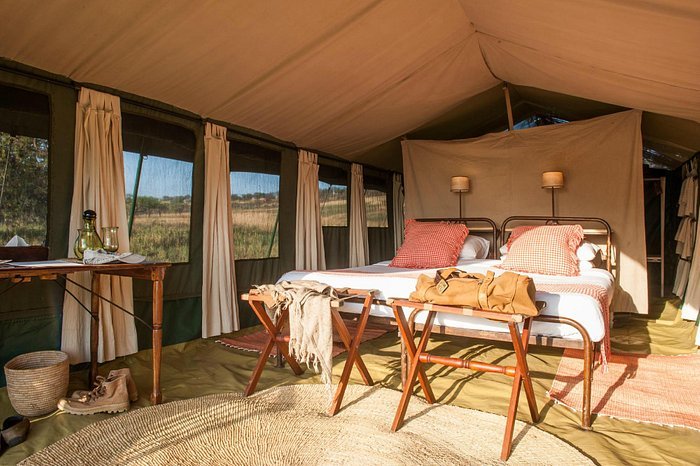
5 Days Safari Tanzania Guide
A 5-day safari in Tanzania offers a concentrated yet unforgettable wildlife adventure. This itinerary focuses on two of the most iconic destinations: the vast plains of the Serengeti and...
View package details
5-Day Safaris In Tanzania: Essential Guide For Adventures 2026-2027
Discover the best 5-day safari itineraries in Tanzania, perfect for maximizing your wildlife viewing in iconic parks like the Serengeti and Ngorongoro. This guide covers everything you need...
View package details
7-Day Safaris In Tanzania: The Ultimate Wildlife Adventure Guide 2026-2027
Discover the magic of a 7-day safari in Tanzania, designed to showcase the country's most iconic wildlife destinations. This guide details top itineraries, essential planning tips, and what...
View package details
8-Day Safaris Guide
An 8-day safari in Tanzania offers a perfect balance for experiencing the country's most iconic wildlife destinations, including the Serengeti, Ngorongoro Crater, and Tarangire National...
View package details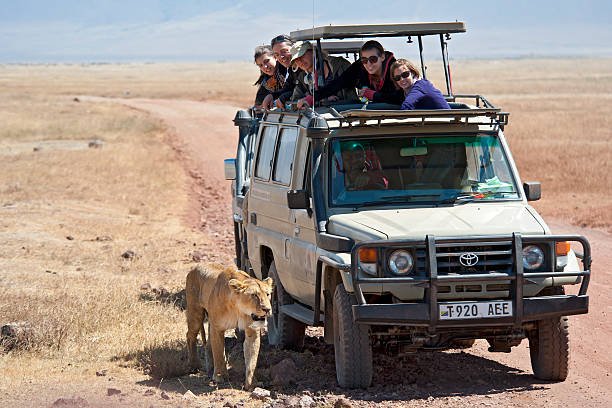
9-Day Safaris In Tanzania: Ultimate Itinerary & Planning Guide 2026-2027
Explore the best of Tanzania's wildlife on a 9-day safari. This guide covers essential itineraries, park highlights, packing advice, and booking tips for 2026-2027.
View package details
Are Tips Included In Tanzania Safari Prices? 2026-2027
Are tips included in Tanzania safari prices? is explained with current 2026-2027 planning, price, itinerary and booking information.
View package detailsBest Excursiones Tanzania: Your Ultimate Safari & Adventure Guide 2026-2027
Explore the best excursions Tanzania has to offer, from iconic safaris in the Serengeti to challenging Kilimanjaro climbs and relaxing Zanzibar holidays. This comprehensive guide helps you...
View package detailsBest Lake Natron Safari: A Comprehensive Guide For Adventures 2026-2027
Explore the unique wonders of Lake Natron on an unforgettable safari. This guide provides everything you need to plan your 2026-2027 adventure, from iconic flamingos to geological marvels...
View package detailsNo closely related package is available for this topic yet.



