
The best way to travel from the USA to Tanzania for most travelers in 2026-2027 involves booking round-trip international flights to Kilimanjaro International Airport (JRO) or Julius Nyerere International Airport (DAR), securing your Tanzanian visa in advance or upon arrival, and arranging your in-country logistics, such as safari tours or transfers, with a reputable local operator to ensure a smooth and comprehensive travel experience.

Planning Your Journey: USA to Tanzania in 2026-2027
The allure of Tanzania – from the vast plains of the Serengeti teeming with wildlife to the spice-scented islands of Zanzibar – draws adventurers from across the globe. For travelers originating in the United States, planning the trip from the USA to Tanzania requires careful consideration of flights, visa requirements, health precautions, and the best time to visit. Understanding these elements is crucial for a successful and enjoyable adventure, especially as you look towards travel in 2026 and 2027. This guide provides an in-depth look at navigating the journey, ensuring your experience is as remarkable as the destination itself.
Understanding Your Entry Points: Key Tanzanian Airports
When traveling from the USA to Tanzania, your primary gateways will be Kilimanjaro International Airport (JRO) and Julius Nyerere International Airport (DAR). The choice between them often depends on your ultimate destination within Tanzania.
Kilimanjaro International Airport (JRO): Gateway to Northern Tanzania
JRO is strategically located between Arusha and Moshi, making it the ideal arrival point for those planning to explore Tanzania’s northern circuit. This region is home to world-famous destinations such as:
- Serengeti National Park
- Ngorongoro Conservation Area
- Mount Kilimanjaro
- Tarangire National Park
- Lake Manyara National Park
- Arusha National Park
Most safaris and Kilimanjaro climbs begin or are organized out of Arusha, which is about a 45-minute to 1-hour drive from JRO. This proximity significantly reduces your initial travel time within Tanzania after a long international flight.
Julius Nyerere International Airport (DAR): Gateway to Southern Tanzania and Zanzibar
Located in Dar es Salaam, Tanzania’s largest city and commercial hub, DAR is the main international gateway for those heading to southern Tanzania’s national parks (like Selous Game Reserve, now Nyerere National Park, and Ruaha National Park) or the exotic island of Zanzibar. While domestic flights or ferries connect travelers to Zanzibar from JRO, flying into DAR often provides more direct international flight options for those prioritizing the coast or southern parks.
Choosing the right airport streamlines your onward travel and can save precious time and potentially money on domestic transfers. For 2026-2027 travel, check flight availability and pricing for both JRO and DAR to determine the most efficient entry point for your specific itinerary.
International Flights from the USA to Tanzania
Direct flights from the USA to Tanzania are virtually non-existent. The journey typically involves at least one, and often two, layovers. Understanding the common routes, airlines, and booking strategies can help you find the best option.
Common Layover Hubs and Airlines
Most flights from major US hubs (like New York, Washington D.C., Chicago, Los Angeles) to Tanzania will connect through one of the following major international hubs:
- Europe: Amsterdam (AMS) with KLM, London Heathrow (LHR) with British Airways, Istanbul (IST) with Turkish Airlines, Frankfurt (FRA) with Lufthansa, Paris (CDG) with Air France.
- Middle East: Doha (DOH) with Qatar Airways, Dubai (DXB) with Emirates, Abu Dhabi (AUH) with Etihad Airways.
- Africa: Addis Ababa (ADD) with Ethiopian Airlines, Nairobi (NBO) with Kenya Airways.
KLM, Ethiopian Airlines, and Qatar Airways are frequently cited as reliable options offering good connectivity and service for this route.
Flight Duration and Travel Time
The total travel time from the USA to Tanzania can range significantly, typically from 18 to 30+ hours, depending on the layover duration and location. Factor in time zones and potential delays when estimating your arrival. For example, a flight from New York (JFK) to Kilimanjaro (JRO) might involve a stop in Amsterdam, adding up to a full day of travel.
Booking Your Flights: Tips for 2026-2027 Travel
Securing the best flight deals requires planning and flexibility:
- Book in Advance: For peak travel seasons in 2026 and 2027 (like June-October for safaris, or December-February for beach holidays), booking flights 6-9 months ahead is highly recommended to get competitive prices and better seat availability.
- Be Flexible with Dates: If possible, shifting your travel dates by a few days can sometimes lead to significant savings. Mid-week departures and arrivals are often cheaper.
- Use Flight Comparison Websites: Tools like Google Flights, Skyscanner, Kayak, and Momondo can help you compare prices across different airlines and dates.
- Consider Nearby Airports: While less common for Tanzania, sometimes flying into a major regional hub and then booking a separate, shorter flight can be an option, though this adds complexity and risk.
- Check Baggage Allowances: International flights have varying baggage policies. For safaris, especially if using smaller bush planes for internal transfers, strict weight limits (often 15-20 kg in soft-sided bags) apply. Confirm these details with your airline and your tour operator.
Navigating Layovers
Pay close attention to layover times. A layover of 2-3 hours is usually sufficient, but longer waits might require considering a transit visa or even an overnight stay, depending on the airport and your nationality. Ensure your layover airport offers comfortable facilities if you have a long wait.
Visa Requirements for US Citizens Traveling to Tanzania
Understanding and obtaining the correct visa is a critical step for US citizens traveling to Tanzania. Fortunately, Tanzania offers a relatively straightforward visa process.
Tanzania Visa Application Process
US citizens can obtain a Tanzanian visa in one of three ways:
- Online (eVisa): This is the most convenient method for many travelers. You can apply for your visa online through the official Tanzanian Immigration Services website. It is recommended to apply at least 2-3 weeks before your intended travel date to allow for processing.
- Upon Arrival at the Airport: You can also obtain a visa on arrival at Kilimanjaro (JRO) or Julius Nyerere (DAR) International Airports. Be prepared for potential queues, and ensure you have the required documents and payment method ready.
- At a Tanzanian Embassy/Consulate: While less common for short tourist stays, you can also apply through a Tanzanian embassy or consulate in the US before your departure.
Visa Types and Fees
For tourism, the most common visa is the Tourist Visa. As of late 2023/early 2024, the standard tourist visa is valid for 90 days. The fee is typically $100 USD for US citizens. This fee is subject to change, so always check the official government website for the most current information before your trip in 2026 or 2027.
Important Notes for Visa Application:
- Ensure your passport is valid for at least six months beyond your intended stay and has at least 1-2 blank pages.
- Have a clear itinerary, including accommodation details and flight information, available during the application process.
- If applying online, ensure you use the official government portal to avoid third-party scams.
- Carry exact cash (USD is often preferred and sometimes required for on-arrival visas) or a credit card for the visa fee if applying on arrival.
Visa Considerations for 2026-2027
While the process is generally stable, immigration policies can evolve. It is always wise to check the latest requirements on the official Tanzanian Immigration website or consult with your tour operator well in advance of your 2026 or 2027 travel dates.
Health and Safety Precautions for US Travelers
Prioritizing your health and safety is paramount for any international trip, and traveling from the USA to Tanzania is no exception. Consulting with healthcare professionals and taking necessary precautions will ensure a healthier journey.
Recommended Vaccinations and Medications
It is strongly recommended that you consult with your doctor or a travel clinic at least 4-6 weeks before your departure for Tanzania. Common recommendations include:
- Routine Vaccinations: Ensure you are up-to-date on measles-mumps-rubella (MMR), diphtheria-tetanus-pertussis, varicella (chickenpox), and polio vaccines.
- Hepatitis A and Typhoid: These are often recommended for most travelers to Tanzania.
- Hepatitis B, Rabies, and Meningitis: May be recommended based on your specific activities, duration of stay, or if you will be working with animals.
- Yellow Fever: A Yellow Fever vaccination certificate is required for travelers arriving from countries with a risk of Yellow Fever transmission. While not always strictly enforced for direct flights from the US, it’s advisable to check the latest regulations and carry your certificate, especially if your travel itinerary includes other African countries before or after Tanzania.
Malaria Prevention
Malaria is present in most parts of Tanzania, including safari destinations and Zanzibar, although areas at higher altitudes (like around Kilimanjaro’s base) have lower risk. Your doctor will likely prescribe antimalarial medication. Common options include:
- Atovaquone-proguanil (Malarone)
- Doxycycline
- Mefloquine (Lariam)
It’s crucial to start taking the medication before arriving in Tanzania, continue during your stay, and complete the full course after you return, as directed by your physician.
Other Health Considerations
- Food and Water Safety: Drink only bottled or purified water. Avoid ice in drinks unless you are sure it’s made from purified water. Be cautious with raw fruits and vegetables that cannot be peeled. Stick to well-cooked foods.
- Insect Repellent: Use insect repellent containing DEET (20-30%) or Picaridin, especially during dawn and dusk, to protect against mosquito bites.
- Sun Protection: The equatorial sun can be intense. Use high-SPF sunscreen, wear a hat, and stay hydrated.
- Traveler’s Diarrhea: Pack a basic first-aid kit with medication for diarrhea (like Imodium or Lomotil) and rehydration salts.
For the most current health advisories and recommendations for 2026-2027, always refer to the Centers for Disease Control and Prevention (CDC) website for travelers to Tanzania.
Best Time to Travel from USA to Tanzania
Tanzania offers incredible travel experiences year-round, but the “best” time to visit depends on your priorities, such as wildlife viewing, weather, and crowd levels. Understanding these factors will help you choose the optimal period for your 2026-2027 trip.
Understanding Tanzania’s Climate
Tanzania has a varied climate, generally characterized by two main seasons:
- Dry Season: Generally from June to October. This period is characterized by lower humidity, sunny skies, and minimal rainfall.
- Wet Season: Generally from November to May. This season is further divided into the short rains (November-December) and the long rains (March-May).
Peak Wildlife Viewing Seasons
For prime wildlife viewing, particularly the Great Migration in the Serengeti, the dry season (June to October) is often considered the best time.
- June-August: The migration herds are typically in the western or central Serengeti. Water sources are scarce, concentrating animals around rivers and waterholes, making them easier to spot. This is also a great time for Kilimanjaro climbs due to clear skies.
- July-October: This period offers excellent game viewing across most of the northern parks. The Grumeti River crossings (June/July) and the Mara River crossings (July-October) are dramatic highlights of the Great Migration.
The shoulder months of May and November can also offer good game viewing with fewer crowds and potentially lower prices, though weather can be more unpredictable.
Seasons for Specific Activities
- Great Migration: Witnessing the river crossings is a bucket-list item for many. These typically occur between July and October in the north (Mara River) and June/July in the west (Grumeti River). The calving season, with thousands of newborns, is usually in February in the southern Serengeti.
- Bird Watching: The wet season (November to April) is ideal for birdwatchers, as migratory birds from Europe and Asia are present, and resident birds are in their breeding plumage.
- Zanzibar Holidays: For beach lovers, the dry months of June to October and again from December to February offer the best weather, with sunshine and minimal rain. The shoulder months can be pleasant but carry a slight risk of showers. Avoid the peak of the long rains (March-May).
- Mount Kilimanjaro Climbs: The clearest and driest months are January-March and June-October. These periods offer the best chances for unobstructed views and safer climbing conditions.
Considering Crowds and Costs for 2026-2027
Peak Season (June-October, December-February): Expect higher prices for flights and accommodations, and more crowded parks. This is also when many international travelers choose to visit.
Shoulder Season (November, March-May): Generally offers a good balance of decent weather, fewer crowds, and more competitive pricing. However, March-May can experience heavy rains, especially in the western and southern circuits.
Low Season (April-May): This period, marked by the long rains, sees the fewest tourists and the lowest prices. While game viewing can still be excellent, some lodges may close, and road conditions can be challenging. It’s a good option for budget travelers who don’t mind occasional rain.
For your 2026-2027 travel plans, consider booking during the shoulder months (e.g., late May, June, November) for a great balance of experience and value.
Navigating In-Country Travel and Logistics
Once you arrive in Tanzania, efficient and reliable in-country travel is key to enjoying your adventure. This often involves a combination of private transfers, domestic flights, and organized tours.
Safari Transportation
The most common way to experience Tanzania’s national parks is via a guided safari. This typically involves:
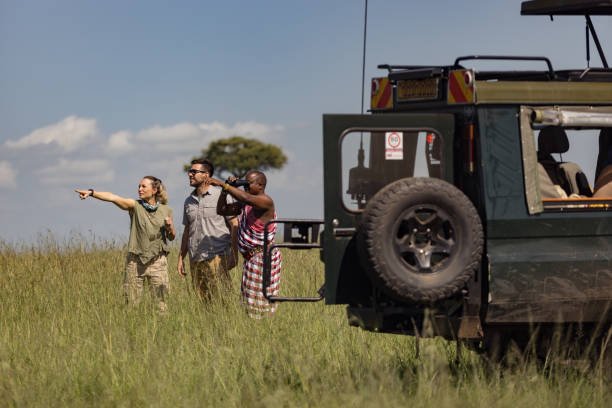
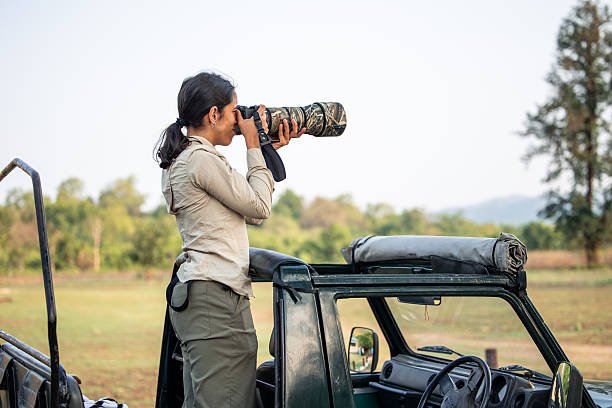
- 4×4 Safari Vehicles: Most reputable tour operators provide specially adapted 4×4 Land Cruisers or Land Rovers with pop-up roofs for optimal game viewing and photography.
- Experienced Guides: Your driver-guide is crucial. They possess extensive knowledge of the wildlife, local terrain, and animal behavior, significantly enhancing your safari experience.
- Park Fees and Accommodation: These are usually arranged by your tour operator as part of a package.
Domestic Flights (Bush Flights)
For longer distances or to save time, domestic flights are a popular option. These are often operated by companies like Precision Air, Coastal Aviation, or Auric Air.
- Destinations: Flights connect major hubs like Arusha, Kilimanjaro, Dar es Salaam, Zanzibar, and airstrips within national parks (e.g., Seronera in the Serengeti).
- Baggage Limits: As mentioned earlier, these flights have strict baggage weight limits (typically 15-20 kg) and require soft-sided duffel bags.
- Booking: Your tour operator will usually handle these bookings for you.
Transfers and Other Transportation
- Airport Transfers: Reputable tour operators will arrange smooth transfers from JRO or DAR to your hotel or the start of your safari.
- Zanzibar Transfers: If visiting Zanzibar, pre-booked transfers from the airport or ferry terminal to your hotel are highly recommended.
- Public Transport: While affordable, public buses and dala-dalas (minibuses) are generally not recommended for tourists due to time constraints, comfort, and safety concerns, especially when traveling between tourist destinations.
The Role of a Local Tour Operator
For the best way to travel from the USA to Tanzania, partnering with a trusted local tour operator is invaluable. They handle the complex logistics, ensuring:
- Customized Itineraries: Tailoring your trip to your interests, budget, and timeframe.
- Reliable Accommodation: Booking suitable lodges or tented camps.
- Experienced Guides and Vehicles: Ensuring quality safari experiences.
- Permits and Park Fees: Managing all necessary documentation.
- 24/7 Support: Providing assistance throughout your trip.
Companies like Top Guide Adventures specialize in creating comprehensive travel experiences across Tanzania, offering personal attention and dedicated support for every client. They
Check Availability for Best Way To Travel From Usa To Tanzania 2026-2027
Ready to compare dates, prices, and the best option for your group? Send the package name and travel month so the team can reply with a clear quote, availability, and what is included.



